Hardest Final Jeopardy Questions of All Time
There’s something oddly humbling about watching brilliant contestants — people who’ve dominated entire games with ease — suddenly freeze when Alex Trebek (or now Ken Jennings) delivers those four words: “And the answer is…” Final Jeopardy has a way of separating the truly exceptional from the merely very good, often with questions so obscure or tricky that even the most seasoned players find themselves scribbling wild guesses or staring blankly at their podiums.
These aren’t your typical trivia stumpers. The hardest Final Jeopardy questions tend to live in that cruel space where multiple academic disciplines intersect, where a single clue requires you to connect dots across centuries, continents, or completely different fields of knowledge.
They’re the questions that make you wonder if the writers are just showing off at this point.
The 1997 Congressional Question
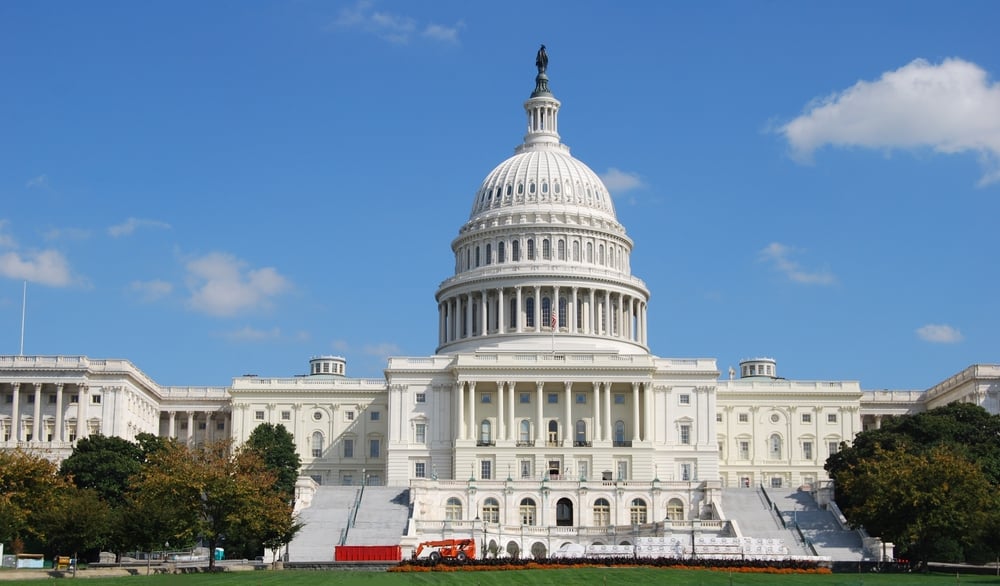
Nobody got this one right. The category was U.S. Government, which seemed straightforward enough, but the clue asked for the only person to serve as both Speaker of the House and Senate Majority Leader — not at the same time, just at different points in their career.
Three seasoned contestants, all of whom had been handling political questions with confidence, came up completely empty. The answer was Joseph Gurney Cannon, and even hearing it explained afterward, most viewers (and probably the contestants) had never heard the name before.
Cannon served as Speaker from 1903 to 1911 and later as Senate Majority Leader, but unless you’re deep into early 20th century congressional history, this falls into the category of information that exists purely to torture game show contestants.
The Byzantine Emperor Stumper
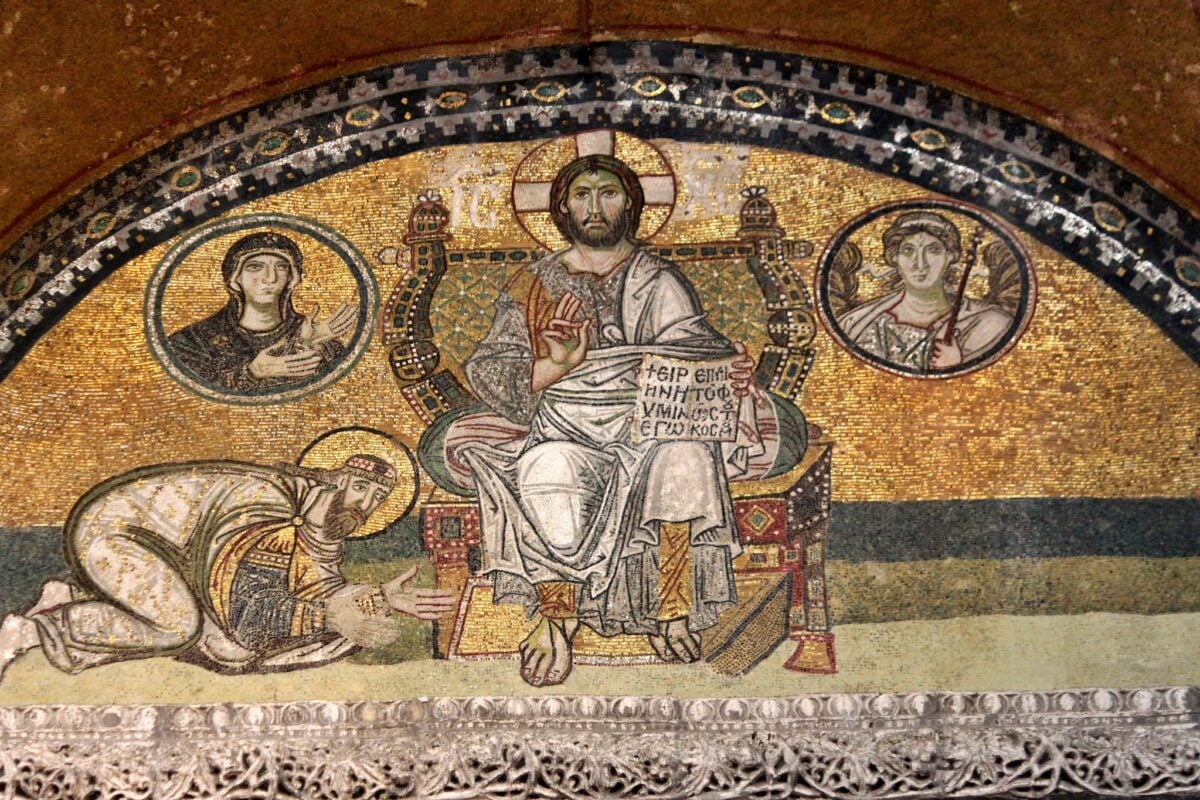
This appeared during the Tournament of Champions in 2003, which makes it even more brutal since these were supposedly the best players of the year. The category was Ancient History, and the clue referenced a Byzantine emperor who was known for a specific architectural achievement in Constantinople, but the wording was so convoluted that it required you to know not just which emperor built what, but also the original name of the structure before it was converted.
All three contestants guessed Justinian (a reasonable assumption for most Byzantine questions), but the correct response was Constantine VII. The question hinged on knowing that the emperor had commissioned a specific restoration of the Hagia Sophia’s interior mosaics — not the original construction, which was indeed Justinian, but a later restoration project that most history buffs wouldn’t distinguish from the original work.
The 2019 Chemistry Disaster
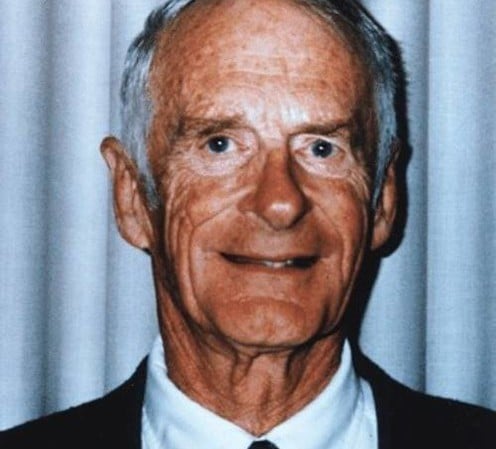
Even the science teachers watching at home were stumped by this one. The category seemed harmless enough — Nobel Prize Winners — but the clue asked for the scientist who won the prize for work on “asymmetric hydrogenation reactions,” and then added a secondary clue about their later work on “homogeneous catalysis.”
So you needed to know not just the Nobel Prize winner, but also their follow-up research. The contestants clearly knew this was chemistry-related, but their guesses (Marie Curie, Linus Pauling, Dorothy Hodgkin) showed they were just throwing out famous chemists and hoping.
The correct response was William Standish Knowles, and honestly, most working chemists would have struggled with this one. It’s the kind of question where knowing the field well enough gets you halfway there, but you need encyclopedic knowledge to actually nail it.
The Literature Cross-Reference Question
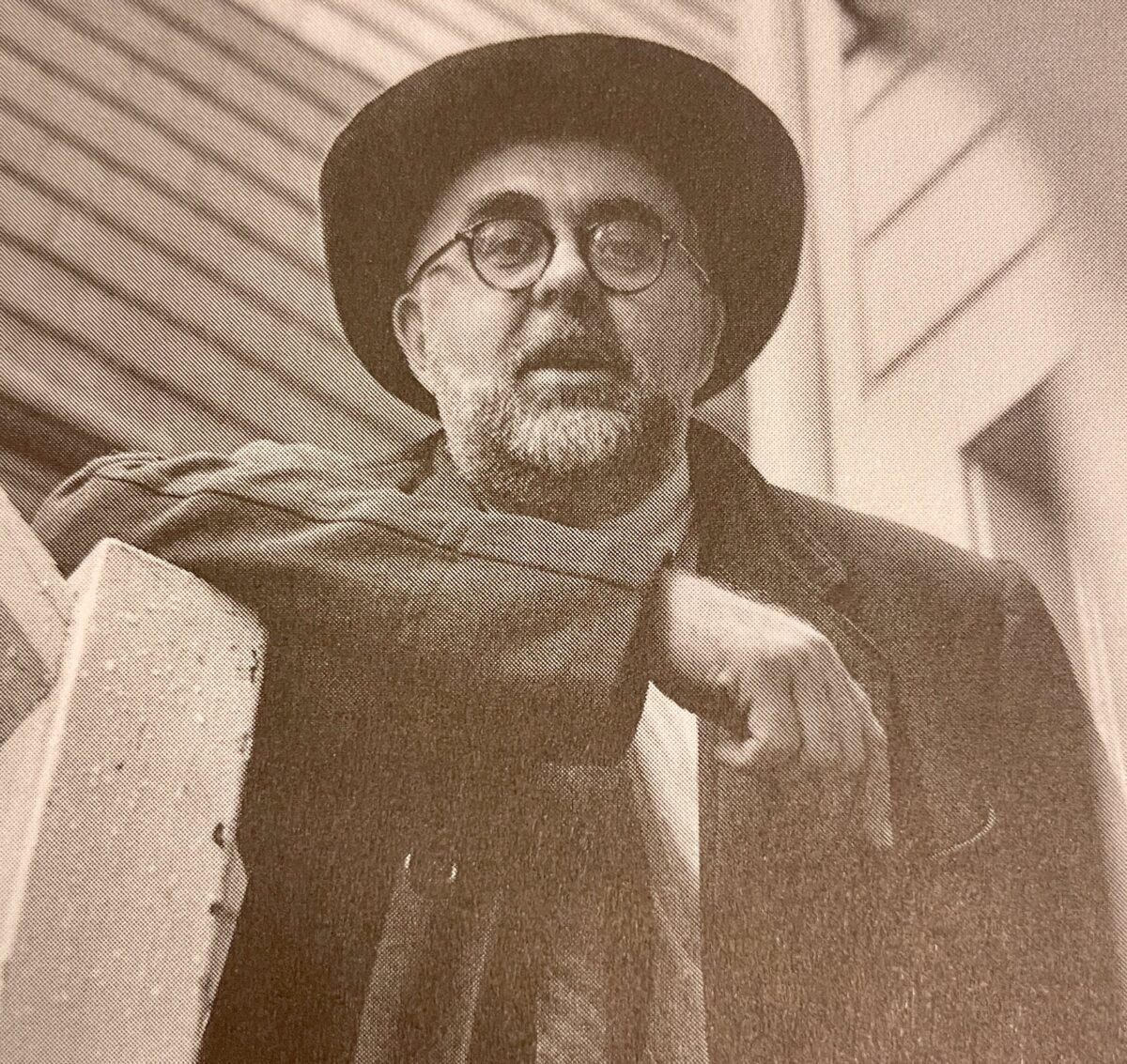
This one appeared in 2015 and it’s still talked about in Jeopardy circles as particularly unfair. The category was American Literature, and the clue mentioned a “posthumously published novel” by an author who “died in 1967” and whose work “influenced the Beat Generation.” That sounds manageable until you realize the question wasn’t asking for the obvious answer.
Most people familiar with American literature would immediately think of someone like Carson McCullers or Langston Hughes, but the correct response was Charles Olson, a poet whose influence on the Beats is real but hardly common knowledge. And the “posthumously published novel” was “The Maximus Poems,” which isn’t technically a novel at all — it’s a long-form poem cycle.
The question required you to know that Jeopardy sometimes uses “novel” loosely and that Olson’s experimental work gets classified differently depending on who’s doing the classifying.
The Geographic Coordinate Challenge
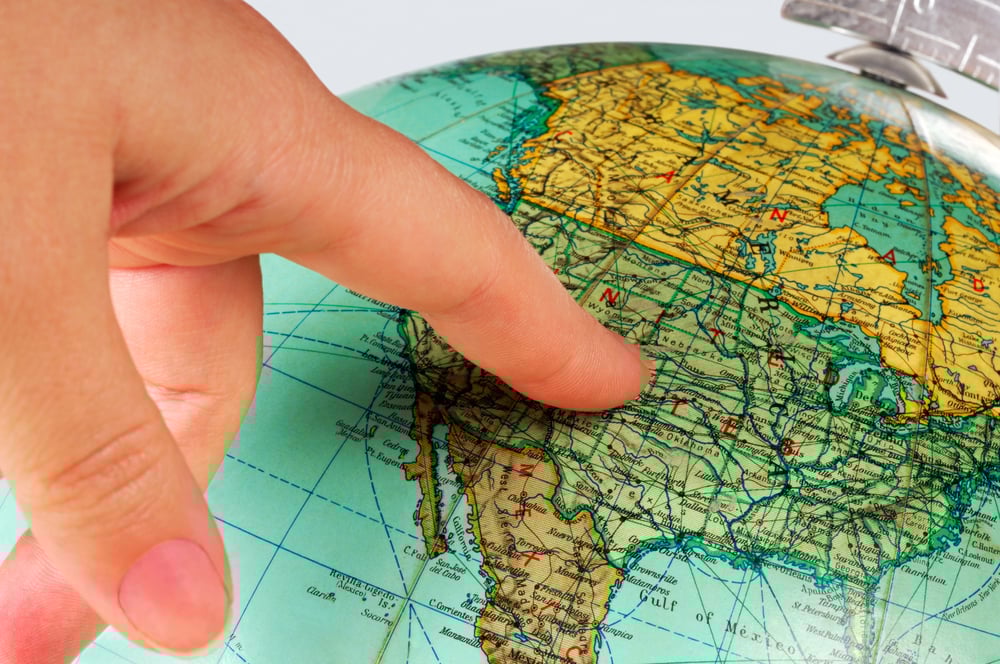
Geography questions are usually reliable — most educated people can place countries and capitals reasonably well. But this 2018 Final Jeopardy took a different approach by giving the precise latitude and longitude coordinates of a location and asking contestants to identify what significant historical event took place there.
The coordinates pointed to a spot in the Pacific Ocean that seemed random until you realized they marked the exact location where Amelia Earhart’s plane was believed to have gone down. But here’s the problem: even if you knew the Earhart story well, you’d need to know the specific coordinates, and even if you guessed it was related to a plane crash, you’d have to connect it to that particular flight.
One contestant wrote “Pearl Harbor” (understandable for Pacific coordinates), another wrote “Hiroshima” (wrong ocean entirely), and the third left it blank.
The Classical Music Intersection
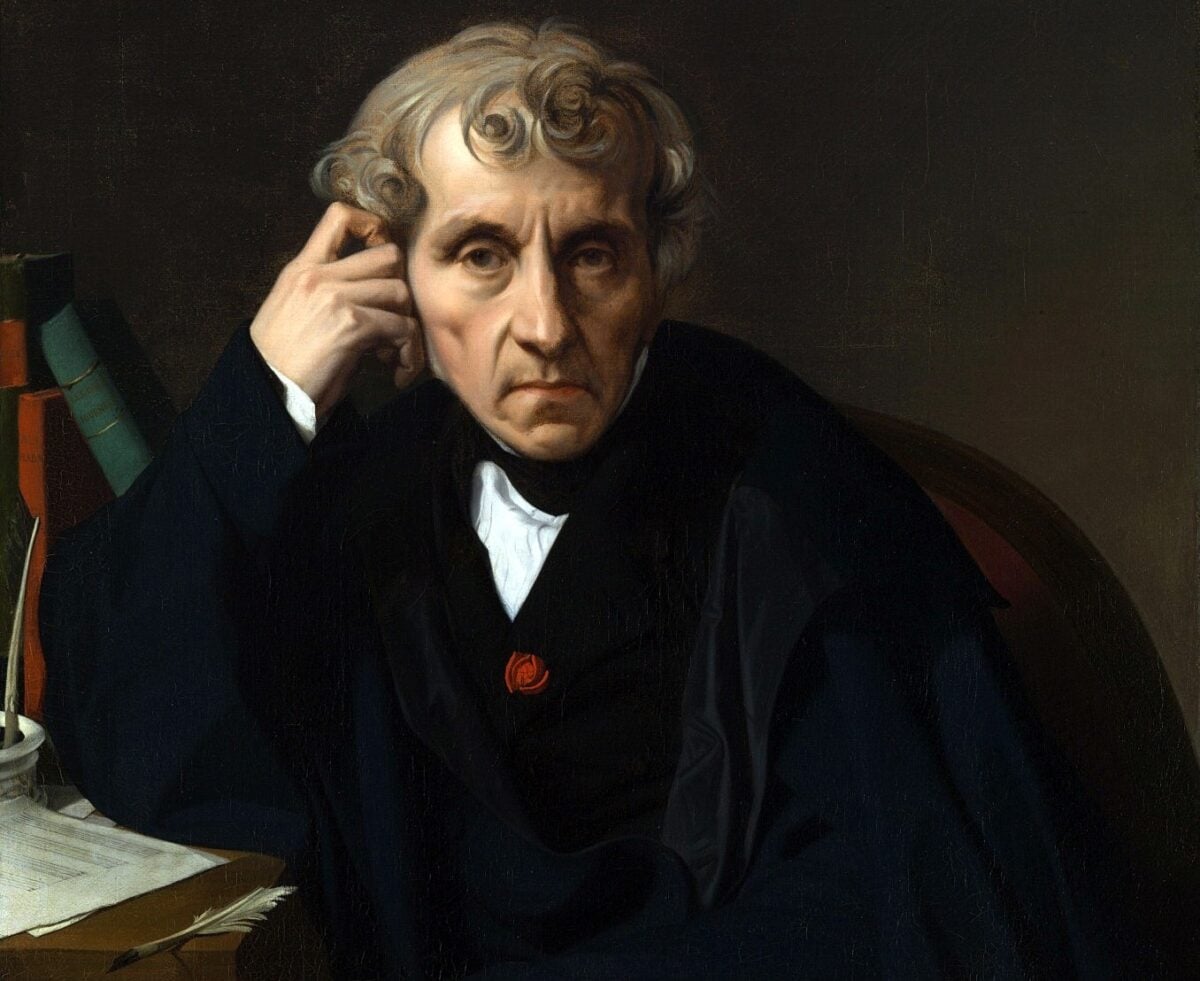
Musicians watching this 2016 question were probably pulling their hair out because it required knowledge from two completely different areas of classical music history. The clue referenced a composer who wrote a famous requiem but died before completing it, which sounds like Mozart until you get to the second part about the composer also being known for “revolutionary political compositions during wartime.”
The answer was Luigi Cherubini, not Mozart, and the question hinged on knowing that Cherubini’s Requiem in C minor was indeed left unfinished at his death, but also that his earlier works included pieces written during the French Revolution. So you needed to know both his liturgical music and his political works, and also distinguish his unfinished requiem from Mozart’s more famous one.
Two contestants went with Mozart (logical), one went with Brahms (also logical but wrong century), and nobody got it right.
The Scientific Timeline Question
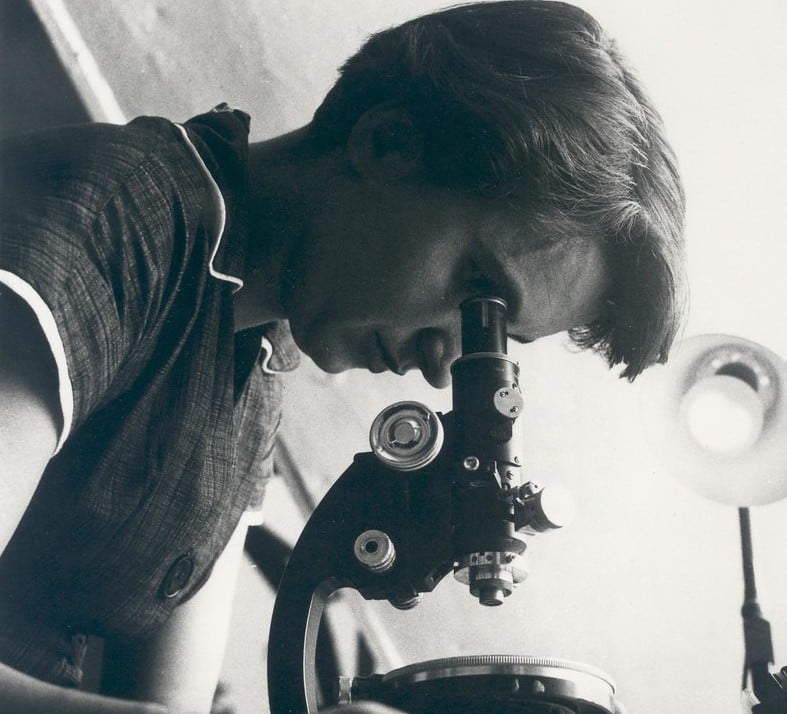
Science categories can be tricky because they often require you to know not just what happened, but when it happened relative to other discoveries. This 2020 question asked for a scientist who made a “groundbreaking discovery about DNA structure” but specifically mentioned it was “before Watson and Crick” and involved “X-ray crystallography.”
The obvious answer seemed like it should be Rosalind Franklin, and that’s what all three contestants wrote down. But the correct response was Maurice Wilkins, Franklin’s colleague, whose X-ray diffraction work actually predated her famous Photo 51.
The question was testing whether you knew the precise timeline of DNA research and could distinguish between Franklin’s more famous contributions and Wilkins’ earlier work. It’s the kind of question where being well-informed actually works against you because the more obvious answer is wrong.
The Presidential Succession Puzzle
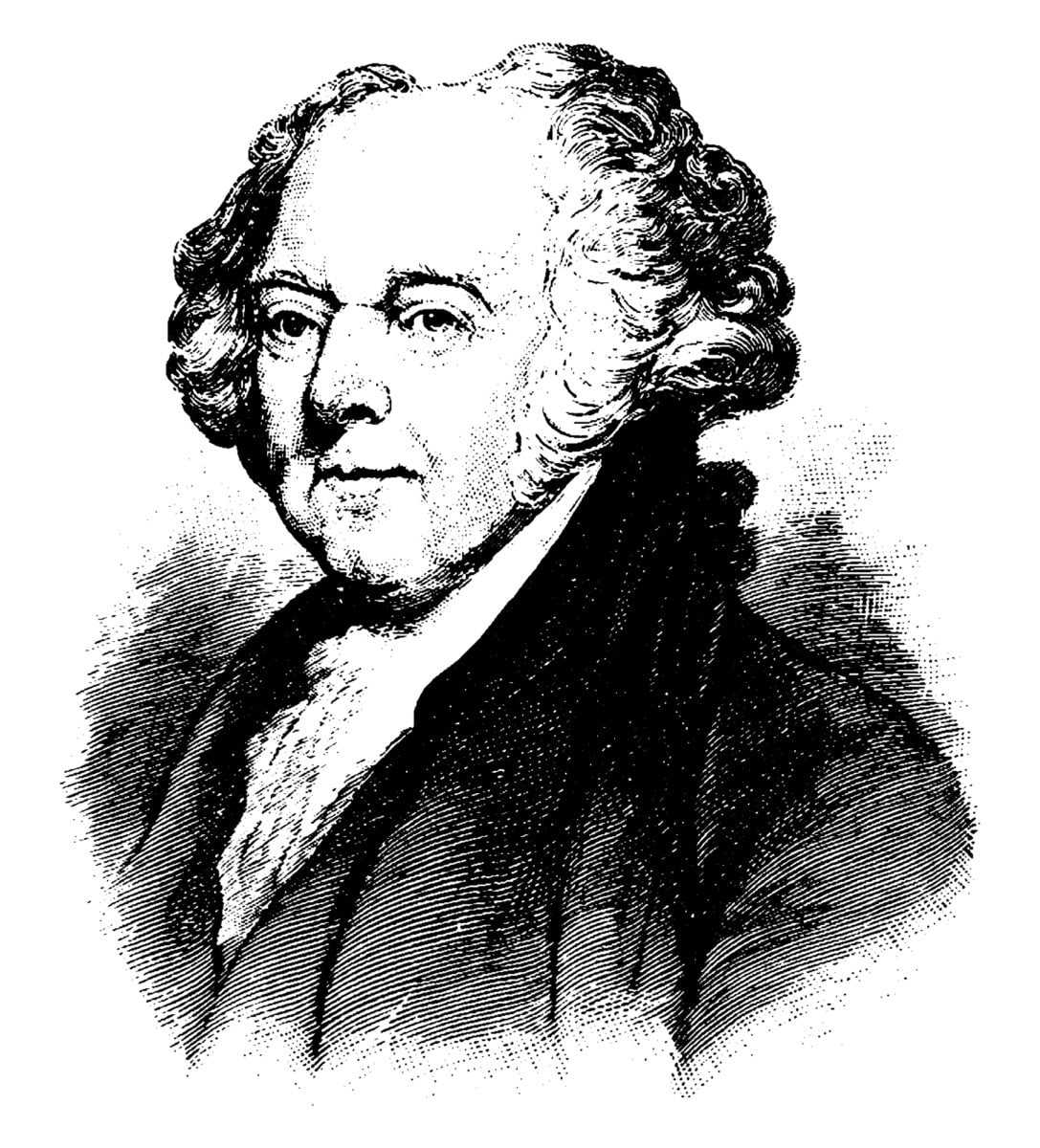
American History questions usually feel more accessible than ancient civilizations or molecular chemistry, but this 2014 question proved that U.S. history can be just as brutal when it gets specific enough. The clue asked for the only person who served as president but never lived in the White House, with additional context about “temporary residences” and “construction delays.”
George Washington seems like the obvious answer since he predicted the White House’s completion, but the question’s wording about “construction delays” suggested something more specific. The correct response was actually John Adams, who did live in the White House but only for a few months, and the question was referring to his earlier presidency when he lived in temporary quarters in Philadelphia.
But the wording was ambiguous enough that Washington, Jefferson, and even William Henry Harrison could all be justified as responses.
The Archaeological Dating Question
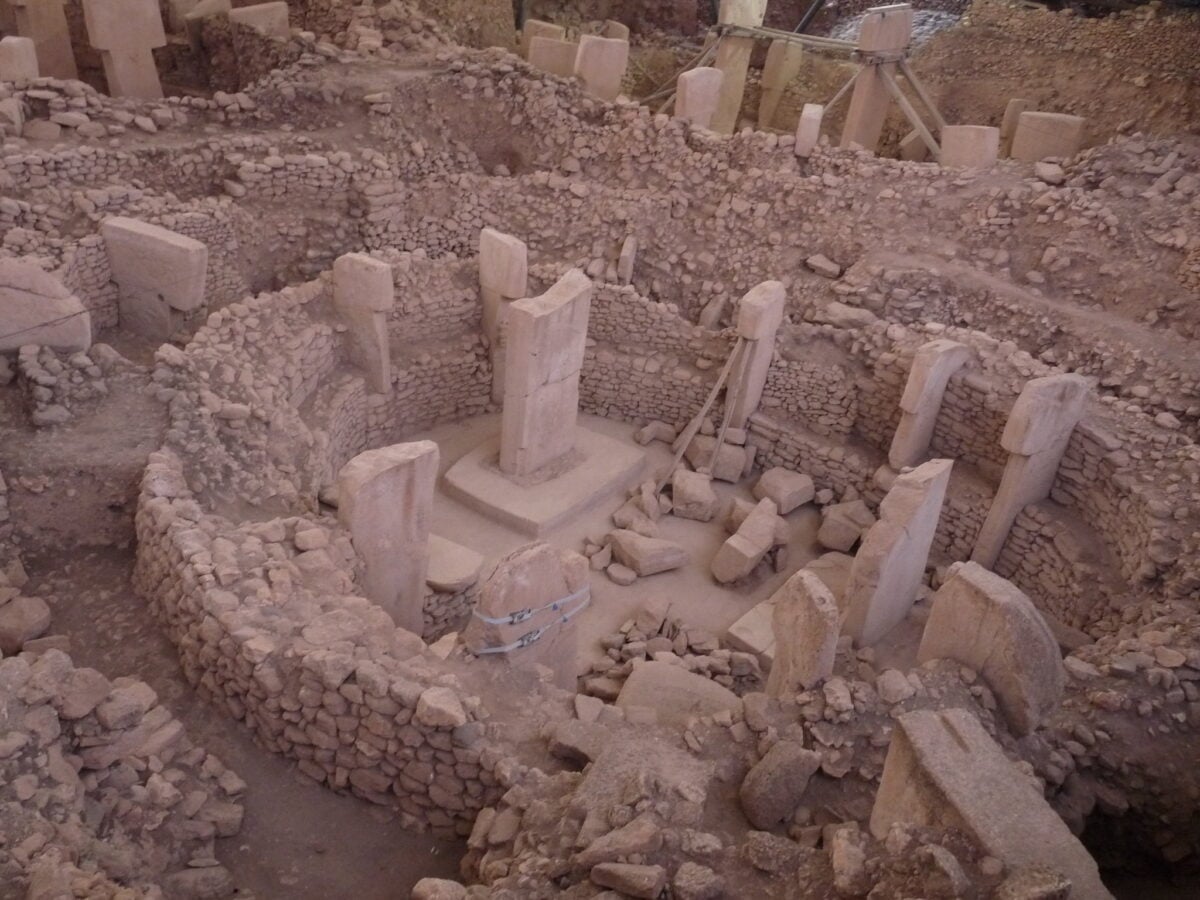
This appeared during a college tournament in 2017, which made it particularly harsh since these were students who presumably had some background in history or archaeology. The question asked about a “recently discovered archaeological site” where “carbon dating revealed artifacts from three distinct time periods” at a specific location in Turkey.
The question was asking about Göbekli Tepe, but required you to know several specific details: that it’s in Turkey, that it contains artifacts from multiple time periods, and that carbon dating had recently (as of 2017) revealed new information about the site’s age. Even archaeology students would have struggled with this because it required current knowledge of ongoing research, not just textbook facts.
All three contestants took wild guesses at various famous archaeological sites, but none came close.
The Astronomical Calculation Question
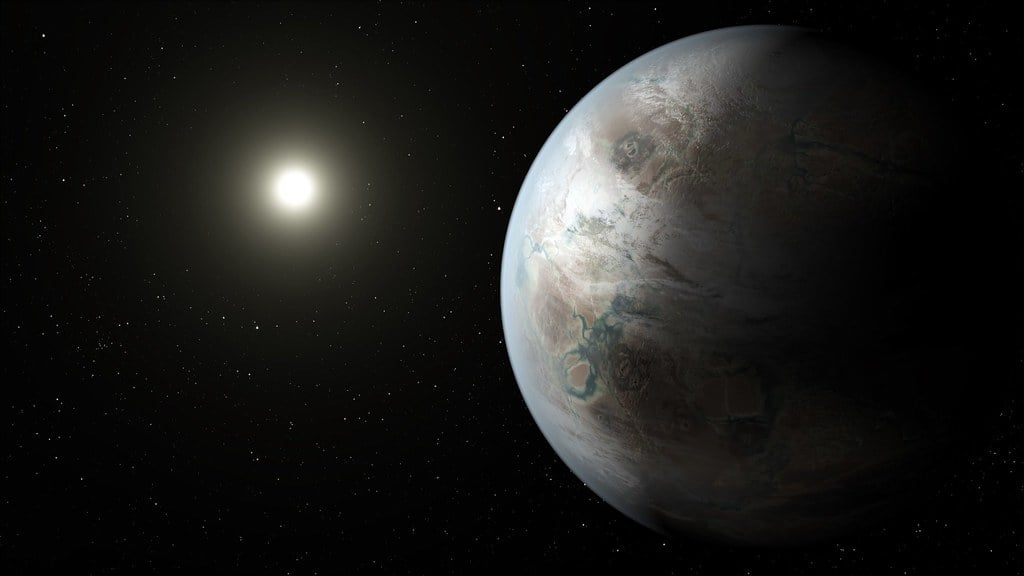
Mathematics rarely appears in Final Jeopardy, but when it does, it tends to be particularly unforgiving. This 2019 question provided data about a planet’s orbital period and distance from its star, then asked contestants to identify which specific exoplanet was being described.
The question required you to either memorize data about specific exoplanets (unlikely) or actually perform the mathematical calculation during the 30-second thinking period (nearly impossible). The correct response was Kepler-452b, sometimes called “Earth’s cousin,” but getting there required either encyclopedic knowledge of exoplanet data or the ability to quickly apply Kepler’s laws and somehow connect the results to a specific planet’s name.
One contestant wrote “Earth” (the orbital data was similar enough to be confusing), and the other two left it blank.
The Art History Attribution Question
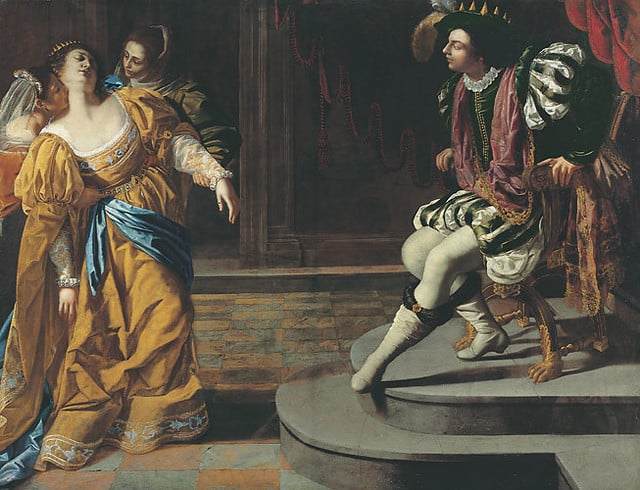
Art history questions have their own particular cruelty because they often hinge on knowing not just who painted what, but when, where, and under what circumstances. This 2018 question asked about a “painting originally attributed to Caravaggio” that was “later discovered to be the work of a female contemporary” who “trained in his workshop.”
The painting in question was “Judith Slaying Holofernes,” and the correct response was Artemisia Gentileschi. But the question required you to know the specific attribution history — that this particular painting was first thought to be by Caravaggio, then later reattributed to Gentileschi.
Even art history majors might know Gentileschi’s work without knowing the detailed provenance of specific paintings. The contestants guessed various Italian Renaissance painters, but none made the connection to a female artist.
The Economic Theory Question
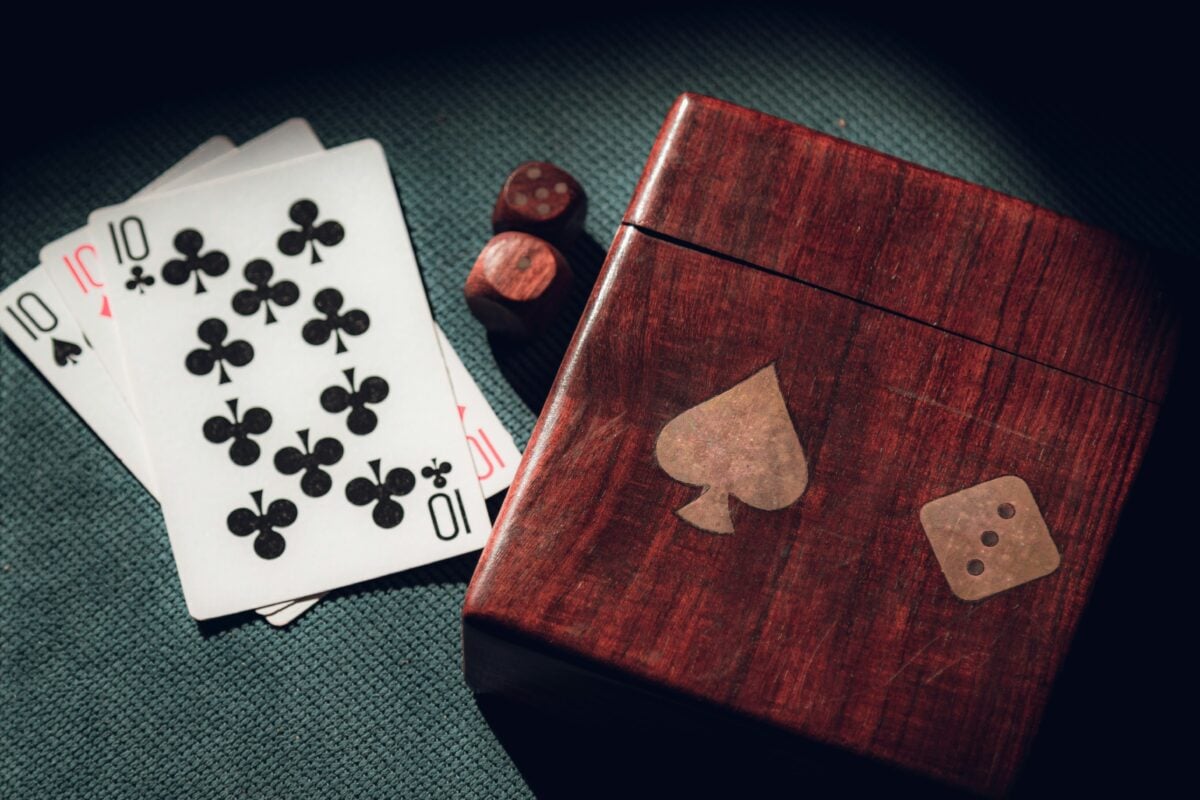
Economics makes for particularly challenging Final Jeopardy questions because economic theories are often named after people in ways that aren’t immediately obvious. This 2016 question referenced an “economic principle explaining why rational actors might make seemingly irrational decisions” and mentioned something about “sunk costs” and “behavioral patterns.”
The correct response was the “Gambler’s Fallacy,” but the question’s wording made it sound like it could be any number of behavioral economics principles. The “sunk cost” reference was actually a red herring — the question wasn’t about sunk cost fallacy specifically, but about the broader psychological pattern that includes both sunk cost reasoning and the gambler’s fallacy.
Even economics students would have found this one tricky because it required recognizing that the question was asking for the broader principle, not the specific example mentioned in the clue.
The Linguistic Etymology Challenge

Language questions can be deceptively difficult because they often require knowledge that crosses multiple languages and time periods. This 2017 question asked about a “word that entered English from Arabic” but “originally came from Persian” and “refers to a specific type of mathematical calculation.”
The answer was “algorithm,” which comes from the name of the 9th-century Persian mathematician Al-Khwarizmi, whose name was Latinized as “Algorithmus.” But getting there requires you to know not just the etymology, but also that the word traveled from Persian through Arabic through Latin before reaching English.
And you had to connect all of that to mathematics. The contestants guessed various mathematical terms, but none traced the linguistic journey correctly.
When Knowledge Becomes a Trap
The cruelest Final Jeopardy questions aren’t just hard — they’re designed to punish people for knowing almost enough. They take familiar topics and add just enough specificity to make the obvious answer wrong, or they require connections between fields that even experts rarely make.
Watching brilliant contestants struggle with these questions reminds you that there’s always another layer of knowledge, another connection you haven’t made, another detail you’ve never encountered. And maybe that’s the point.
These questions don’t just test what you know — they test how you think when what you know isn’t quite enough.
More from Go2Tutors!

- The Romanov Crown Jewels and Their Tragic Fate
- 13 Historical Mysteries That Science Still Can’t Solve
- Famous Hoaxes That Fooled the World for Years
- 15 Child Stars with Tragic Adult Lives
- 16 Famous Jewelry Pieces in History
Like Go2Tutors’s content? Follow us on MSN.



