Predators That Hunt in Unique Ways
The animal kingdom is full of hunters, but not all of them chase down their prey in straightforward ways. Some predators have developed hunting techniques so unusual that they seem almost impossible.
These methods have evolved over millions of years, giving certain animals a serious advantage when it comes to finding their next meal. Let’s look at some of the most creative and unexpected hunting strategies in nature.
Archerfish
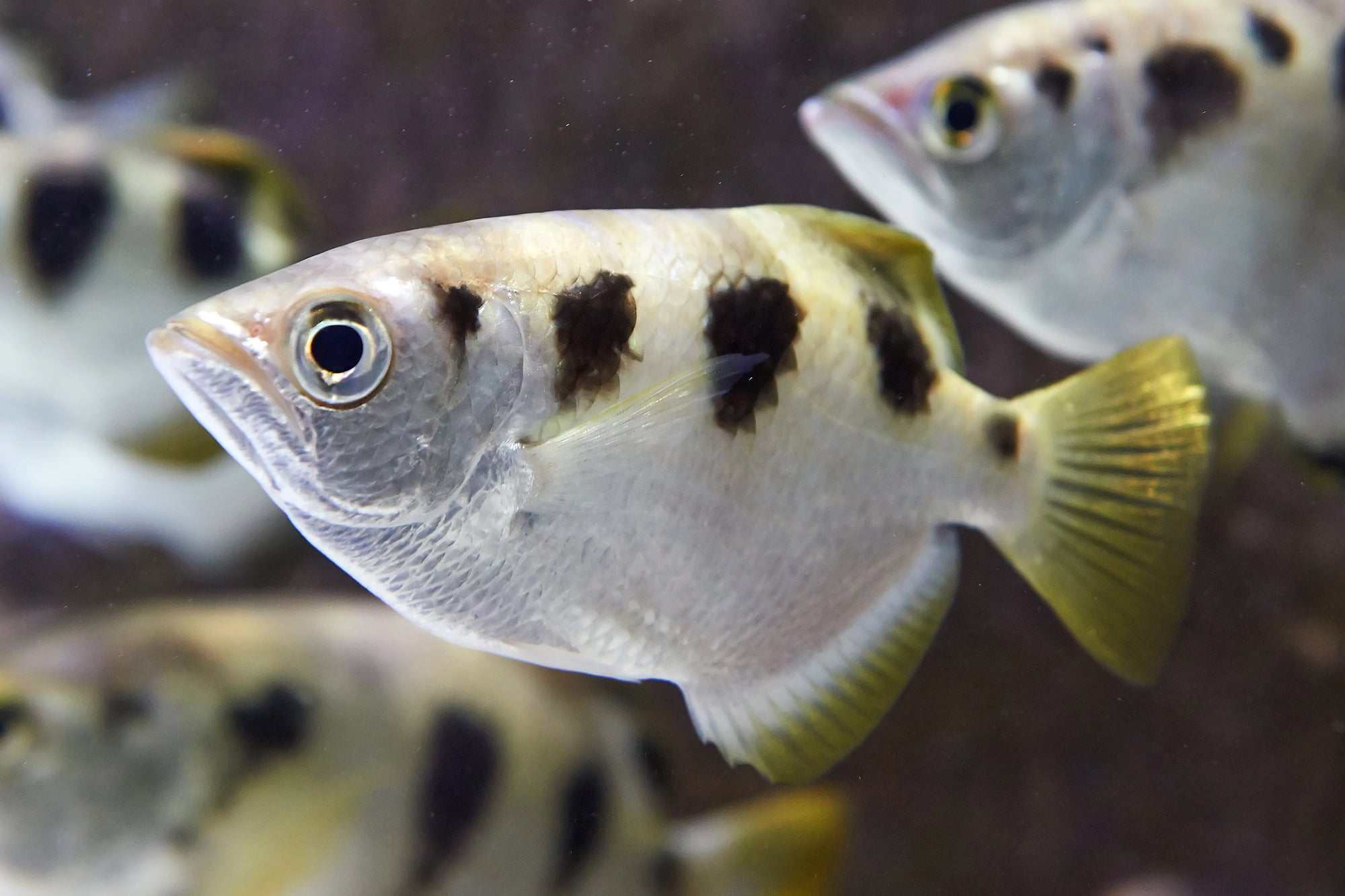
This small fish has mastered a skill that seems more suited to a sharpshooter than an aquatic creature. The archerfish spits water at insects sitting on branches above the surface, knocking them into the water where they become an easy meal.
The fish can adjust for the refraction of light passing through water, which means it compensates for the visual distortion that would normally throw off its aim. Some archerfish can hit targets up to six feet away with remarkable accuracy.
Electric eel
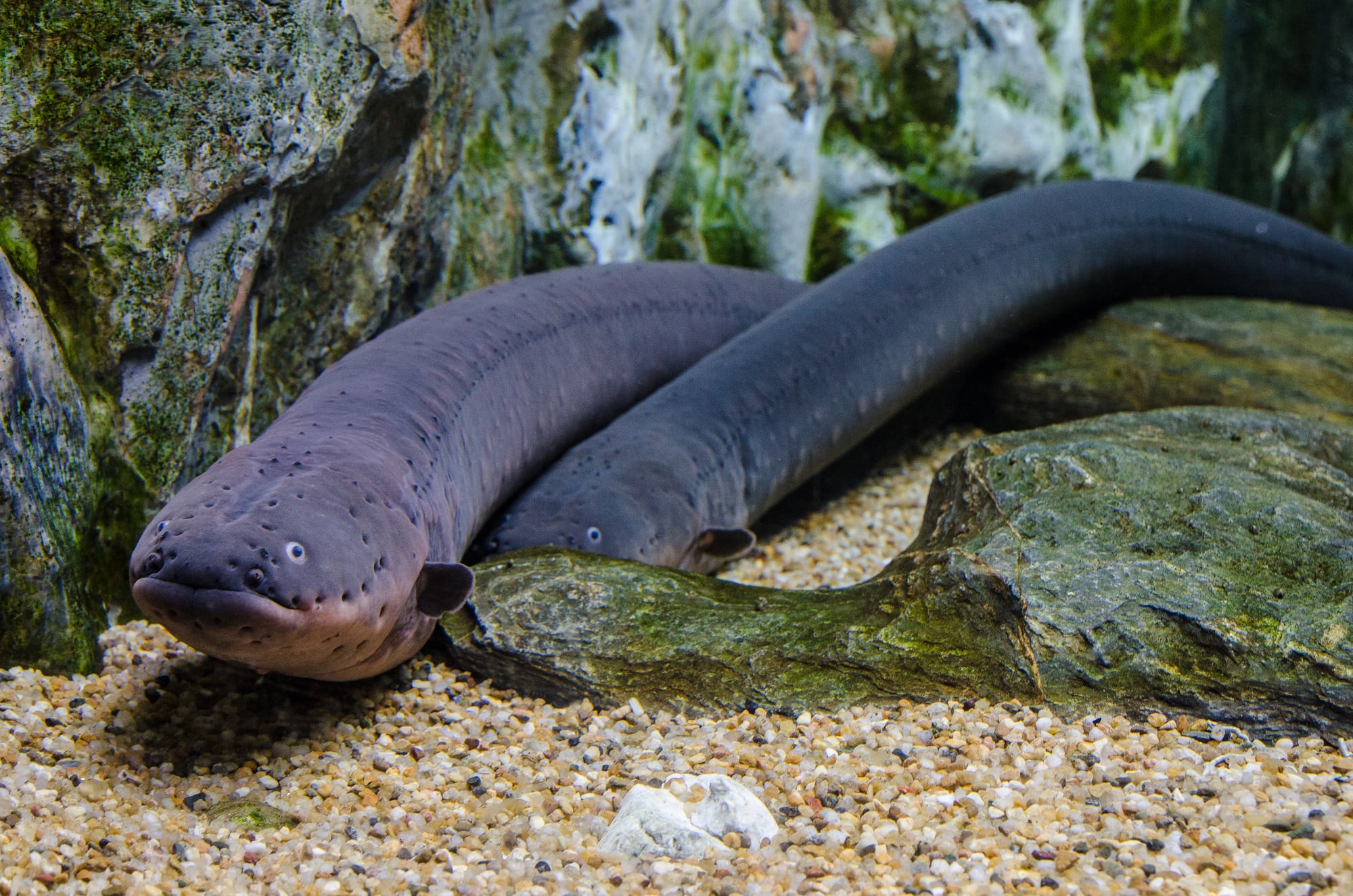
Despite its name, this creature is actually a type of knifefish, not an eel at all. It generates electrical charges of up to 860 volts, which it uses to stun prey before eating them.
The electric eel can also use lower voltage pulses to locate prey in murky water, essentially creating its own sonar system. When hunting in groups, these animals have been observed coordinating their attacks to deliver even more powerful shocks.
Cone snail
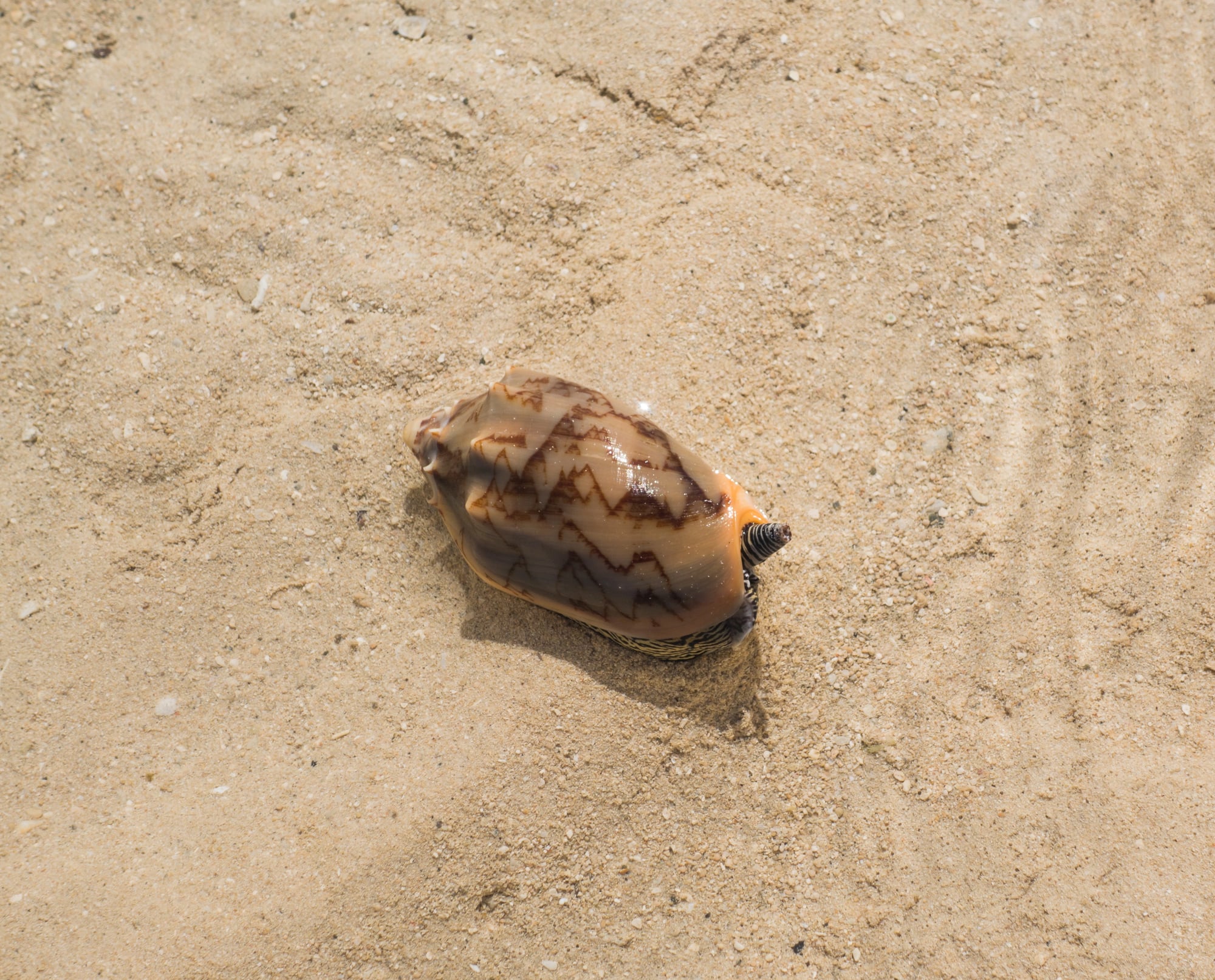
This beautiful sea snail might look harmless, but it’s one of the ocean’s most dangerous predators. The cone snail uses a harpoon-like tooth filled with venom to paralyze fish almost instantly.
The venom is so potent that some species can even kill humans, and there’s no antivenom for most cone snail stings. The snail extends its proboscis like a fishing line, then fires its venomous harpoon when prey gets close enough.
Portia spider
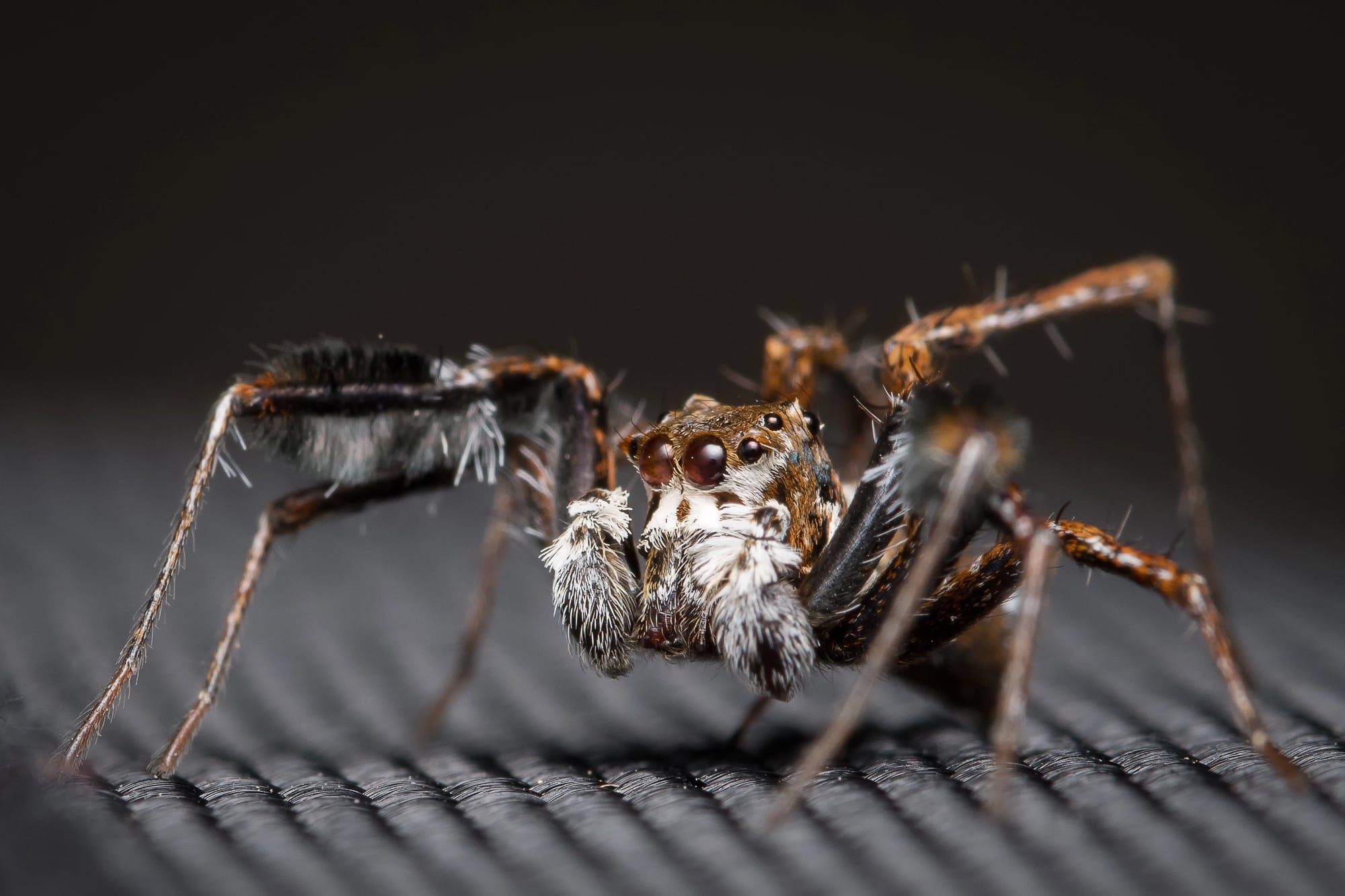
Most spiders wait for prey to stumble into their webs, but the Portia spider actively hunts other spiders using what scientists call genuine problem-solving behavior. This tiny hunter studies its prey’s web, then plucks the strands in specific patterns to mimic a trapped insect or even a potential mate.
When the web’s owner comes to investigate, the Portia spider attacks. These spiders can also plan detours that take them out of sight of their prey, approaching from unexpected angles.
Shrike

This small bird has earned the nickname ‘butcher bird’ for a very good reason. Shrikes catch insects, small mammals, and even other birds, then impale them on thorns or barbed wire.
The bird creates these gruesome displays partly to store food for later and partly because the thorns help them tear apart prey that would otherwise be too difficult to eat. Some shrikes return to their ‘pantries’ days later to retrieve their stored meals.
Alligator snapping turtle
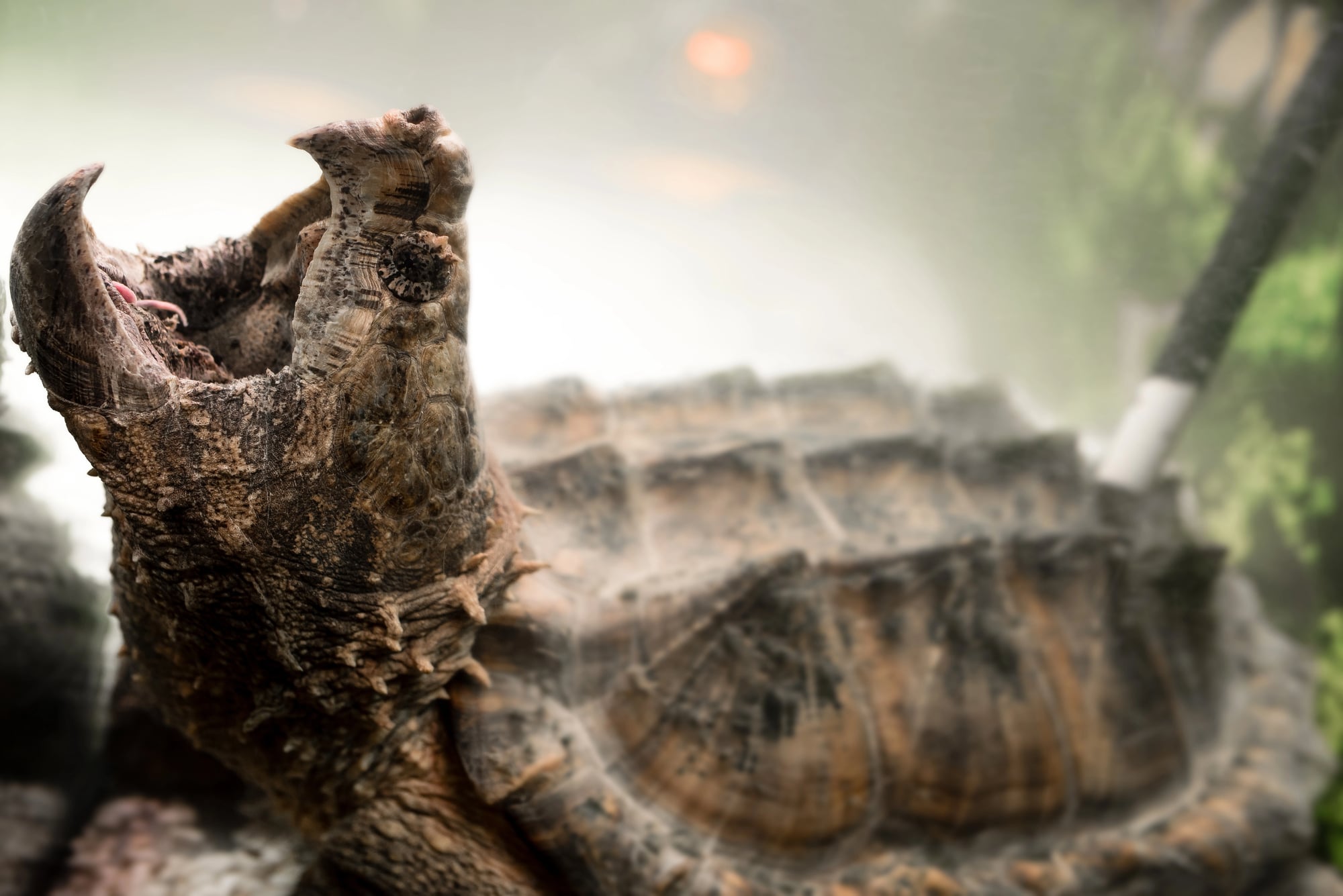
This prehistoric-looking turtle sits motionless on the river bottom with its mouth wide open, wiggling a small pink appendage on its tongue that looks exactly like a worm. Fish swim right into the turtle’s mouth thinking they’ve found an easy meal, only to become one themselves.
The turtle can stay perfectly still for hours, waiting for a curious fish to investigate. This ambush technique requires almost no energy, making it incredibly efficient.
Assassin bug
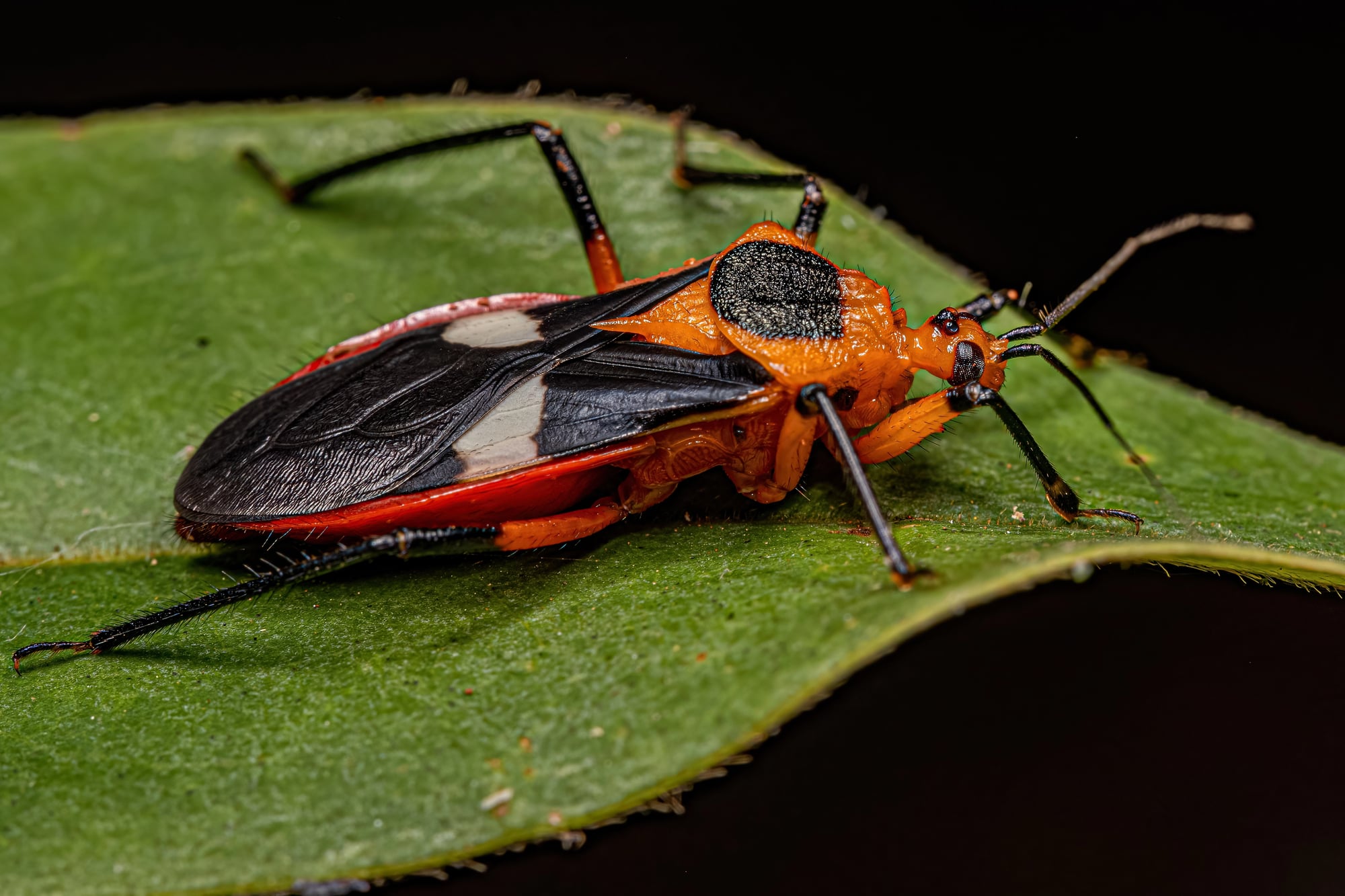
These insects don’t just kill their prey—they wear the corpses as camouflage. After sucking the internal fluids from ants, some species of assassin bugs stack the empty shells on their backs.
This gruesome armor helps them avoid predators and allows them to approach ant colonies without raising alarm. The bugs can carry dozens of ant carcasses at once, creating a mobile graveyard on their backs.
Margay
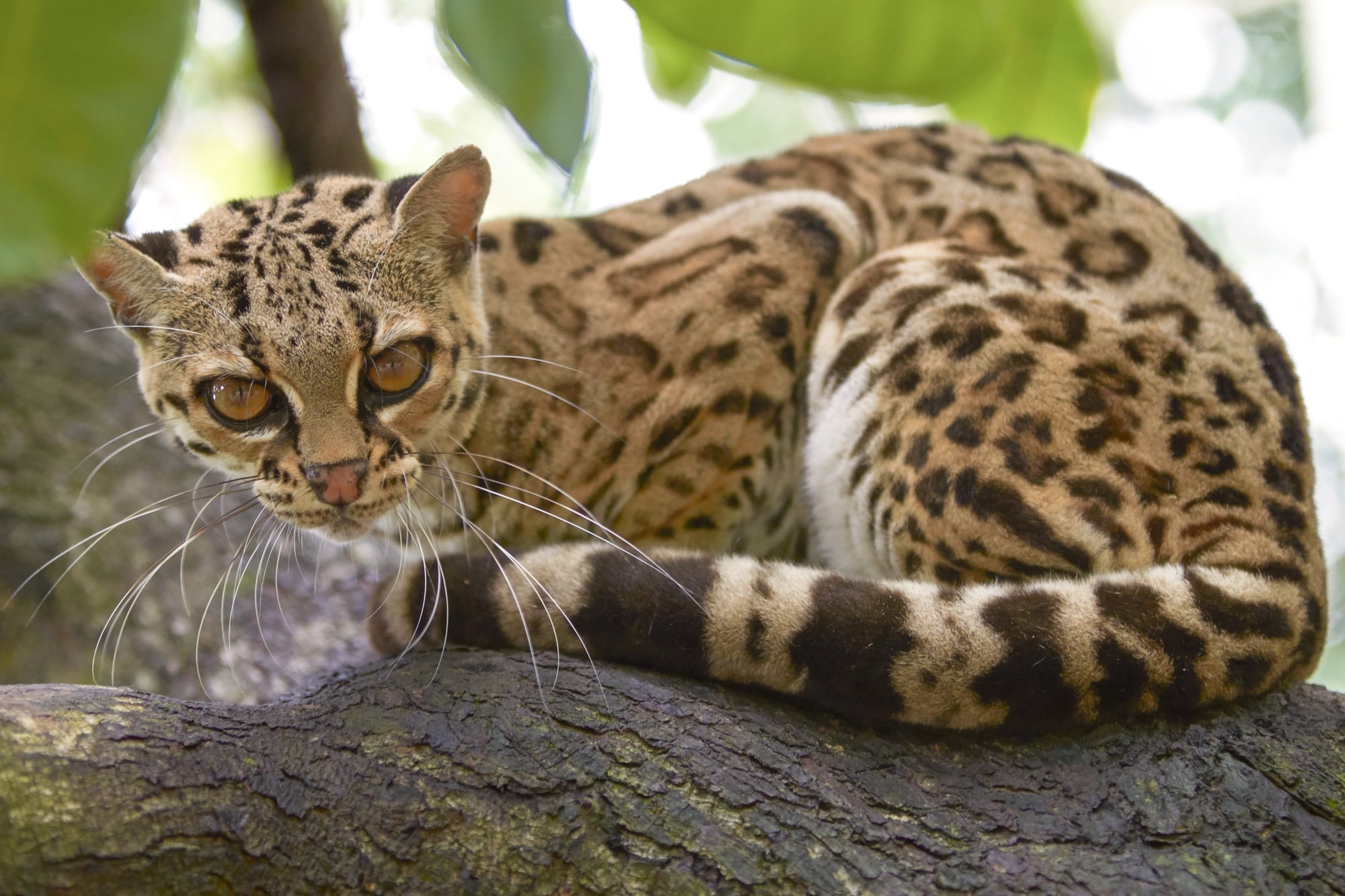
This small wildcat from Central and South America has learned to mimic the calls of baby monkeys. When adult monkeys hear what sounds like an infant in distress, they come to investigate, and the margay attacks.
Scientists have observed this behavior in the wild, though it’s relatively rare. The margay is one of the few cat species that can rotate its hind legs 180 degrees, allowing it to climb down trees headfirst like a squirrel.
Dragonfish
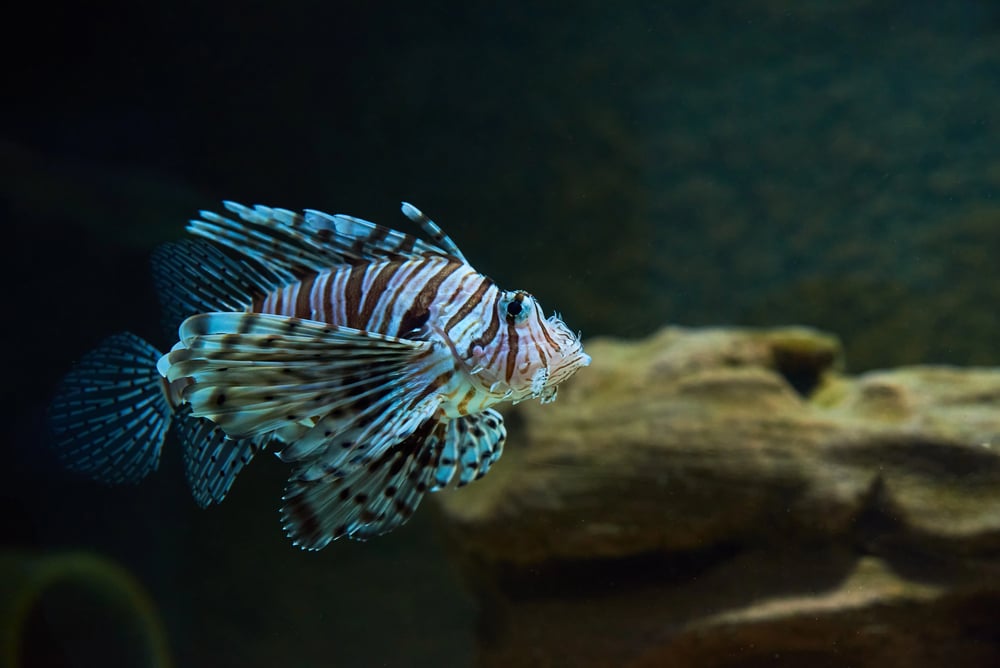
Living in the deep ocean where sunlight never reaches, the dragonfish uses bioluminescence to hunt in a particularly clever way. It produces red light, which most deep-sea creatures can’t see because they’ve evolved to detect only blue and green wavelengths.
This means the dragonfish can illuminate its prey without being detected, like using night-vision goggles in complete darkness. The fish also has a lure dangling from its chin that glows to attract smaller fish.
Antlion larva
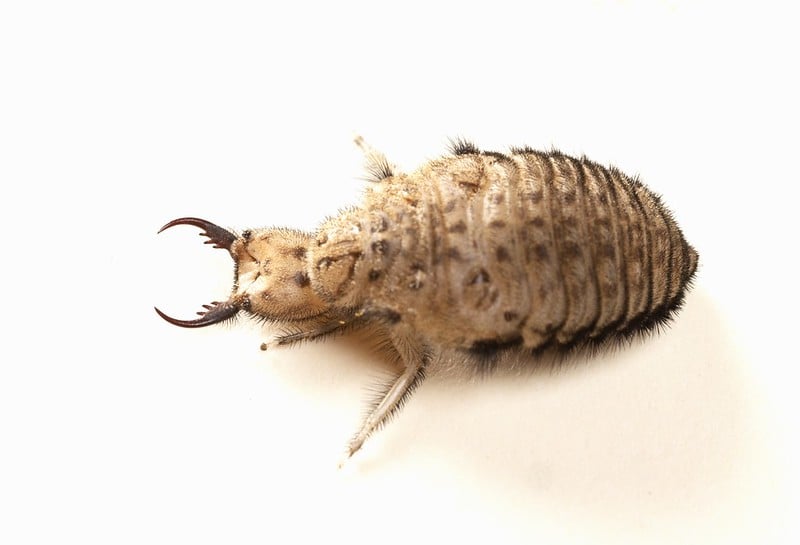
The young antlion digs a cone-shaped pit in sandy soil and buries itself at the bottom with only its jaws exposed. When an ant or other small insect slides down the steep sides, the antlion throws sand at it to prevent escape.
The struggling prey eventually tumbles down to the waiting jaws at the bottom. After sucking the fluids from its victim, the antlion flicks the empty exoskeleton out of the pit and resets the trap.
Stoat
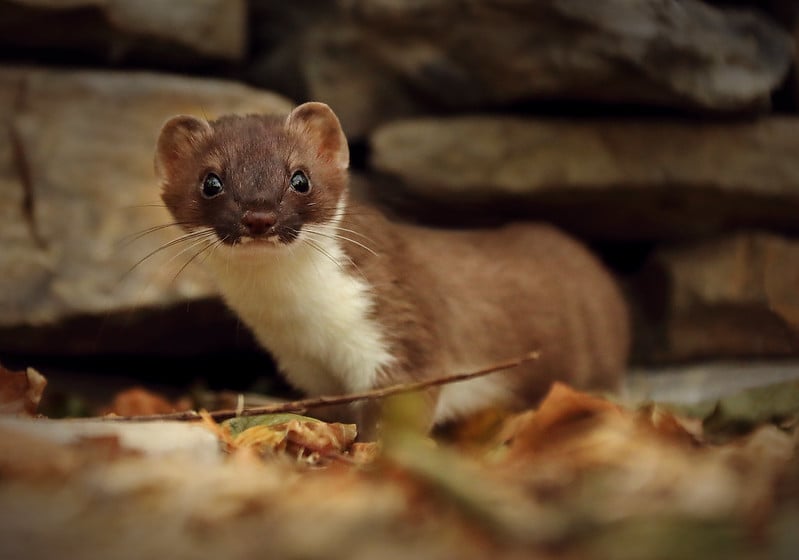
This small member of the weasel family performs what looks like an elaborate dance to hypnotize rabbits. The stoat leaps, twists, and rolls around in seemingly random patterns near its prey.
Rabbits become so fixated on the strange performance that they forget to run away, allowing the stoat to get close enough to attack. Scientists think the prey animals might be trying to keep the potential predator in sight, not realizing they’re being deliberately distracted.
Humpback whale
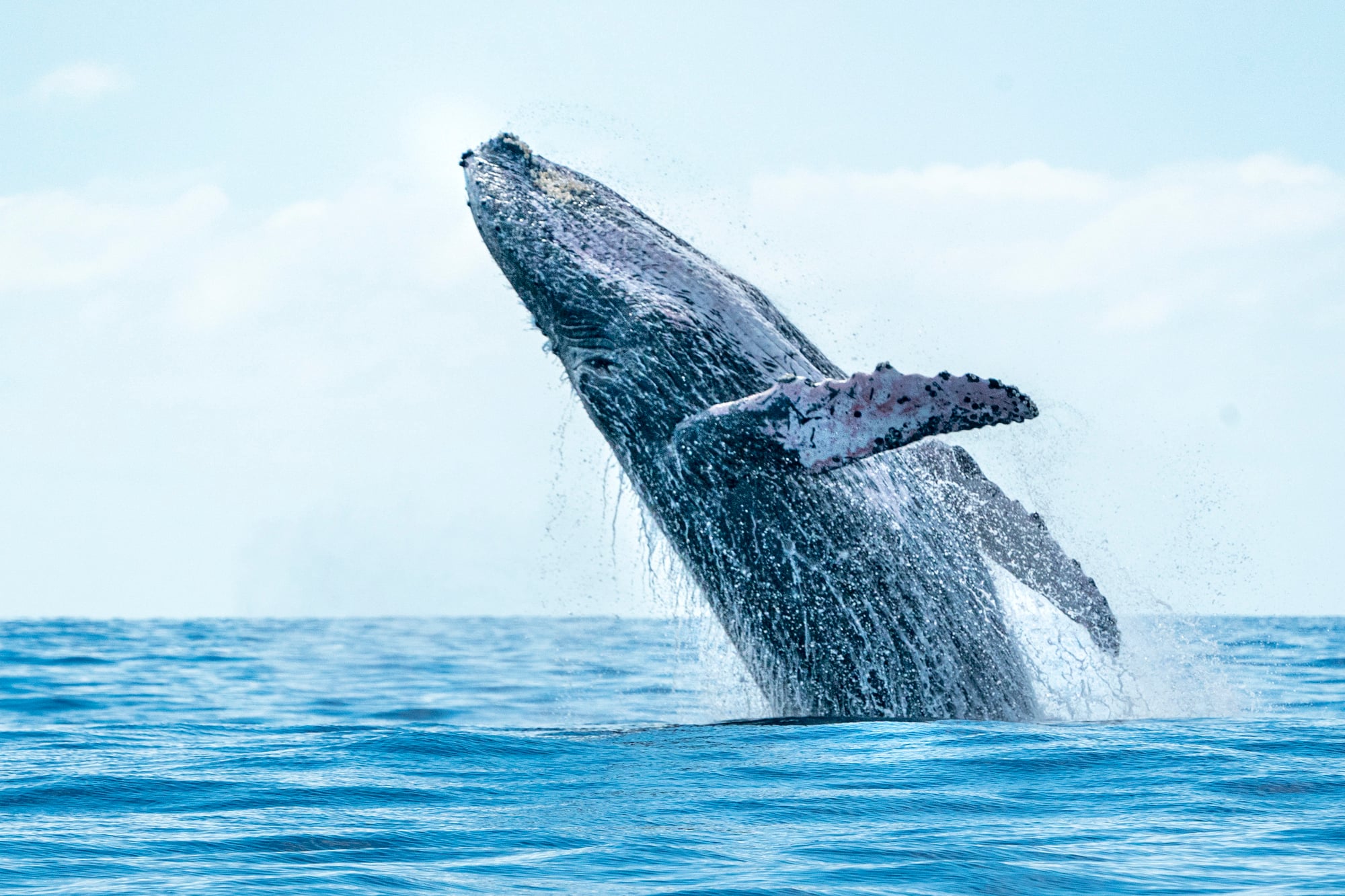
These massive whales work together to create ‘bubble nets’ that trap entire schools of fish. A group of whales swims in a shrinking circle while blowing bubbles, creating a cylindrical wall that herring and other fish won’t cross.
The whales then swim up through the center with their mouths open, swallowing thousands of fish at once. The coordination required for this technique shows a level of cooperation that scientists are still studying.
Tentacled snake
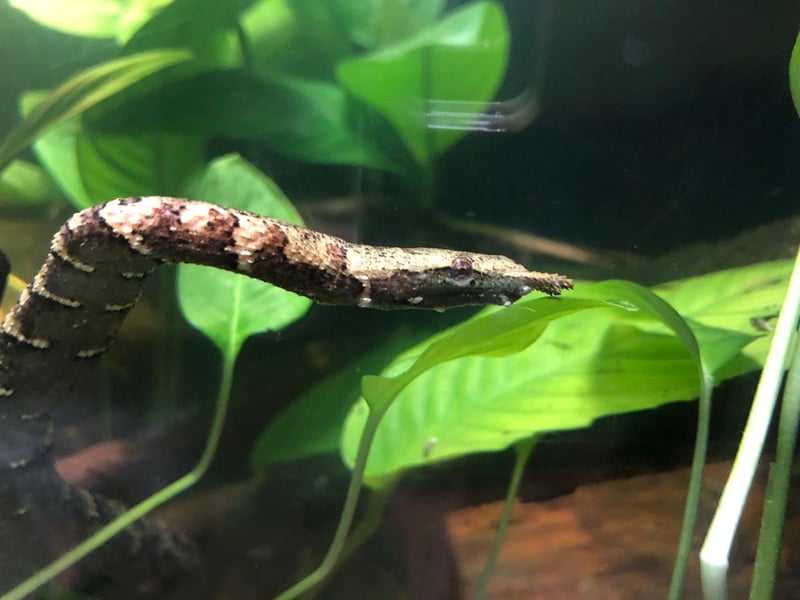
This aquatic snake from Southeast Asia doesn’t chase fish—it makes them swim directly into its mouth. The snake forms its body into a J-shape and stays completely still until a fish comes near.
Then it twitches part of its body on one side, causing the fish to reflexively dart away in the opposite direction—straight into the snake’s waiting jaws. The entire process happens in less than 20 milliseconds, faster than the fish can correct its escape route.
Photuris firefly

Female fireflies of this genus mimic the light patterns of other firefly species to lure males looking for a mate. When male fireflies of different species fly down expecting to reproduce, they instead get eaten.
The females gain more than just a meal from this deception—they also absorb defensive chemicals from their victims that make them taste bad to their own predators. This practice is sometimes called ‘femme fatale fireflies’ by researchers.
Cookiecutter shark
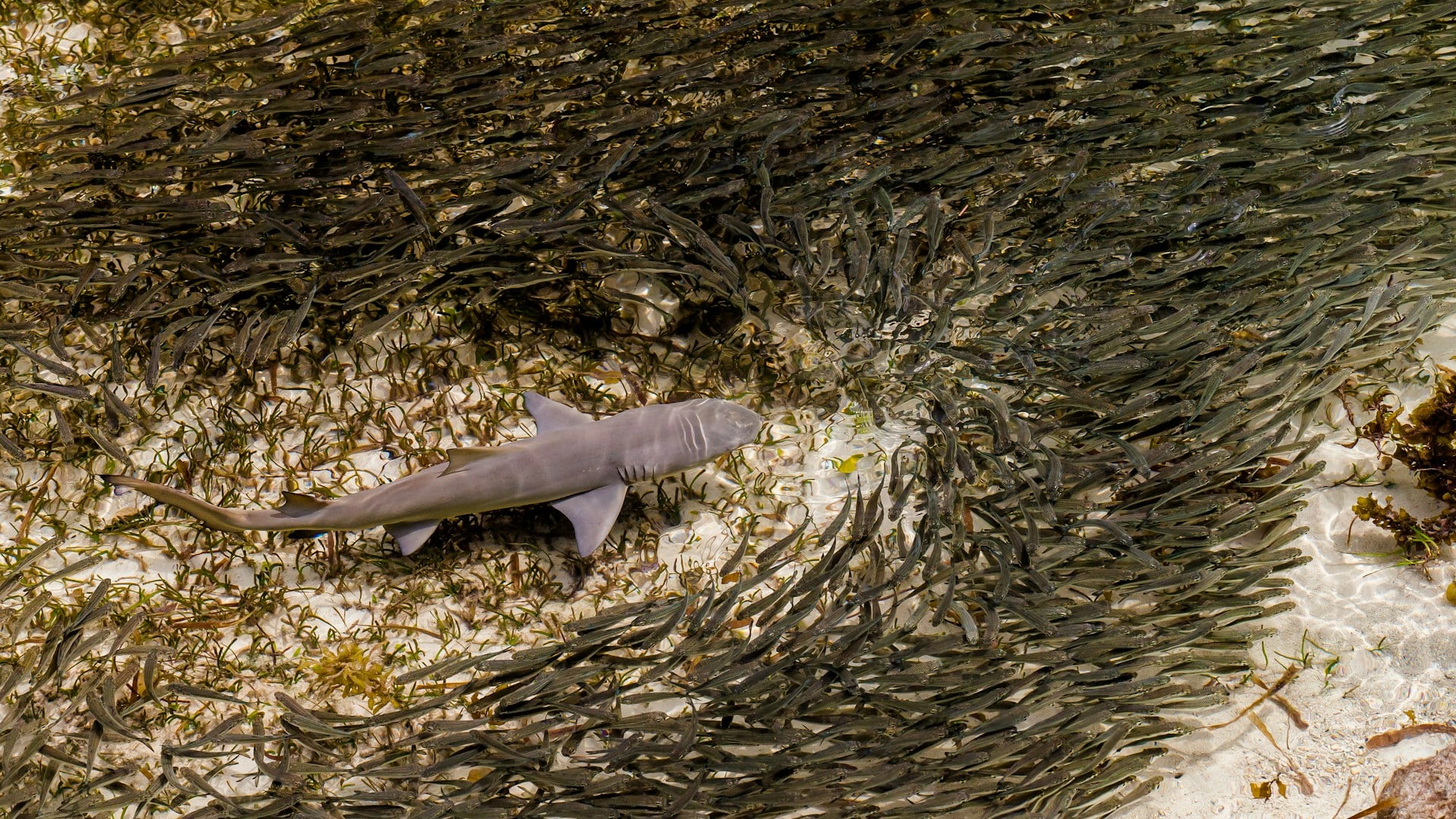
This small shark takes bites out of animals much larger than itself, including whales, dolphins, and even submarines. The cookiecutter attaches to its victim with suction-like lips, then spins its body to carve out a circular plug of flesh.
The wounds look exactly like someone used a cookie cutter on the victim. The shark’s teeth glow in the dark, which may help attract curious prey, and it swallows its own teeth when they fall out to recycle the calcium.
Bolas spider
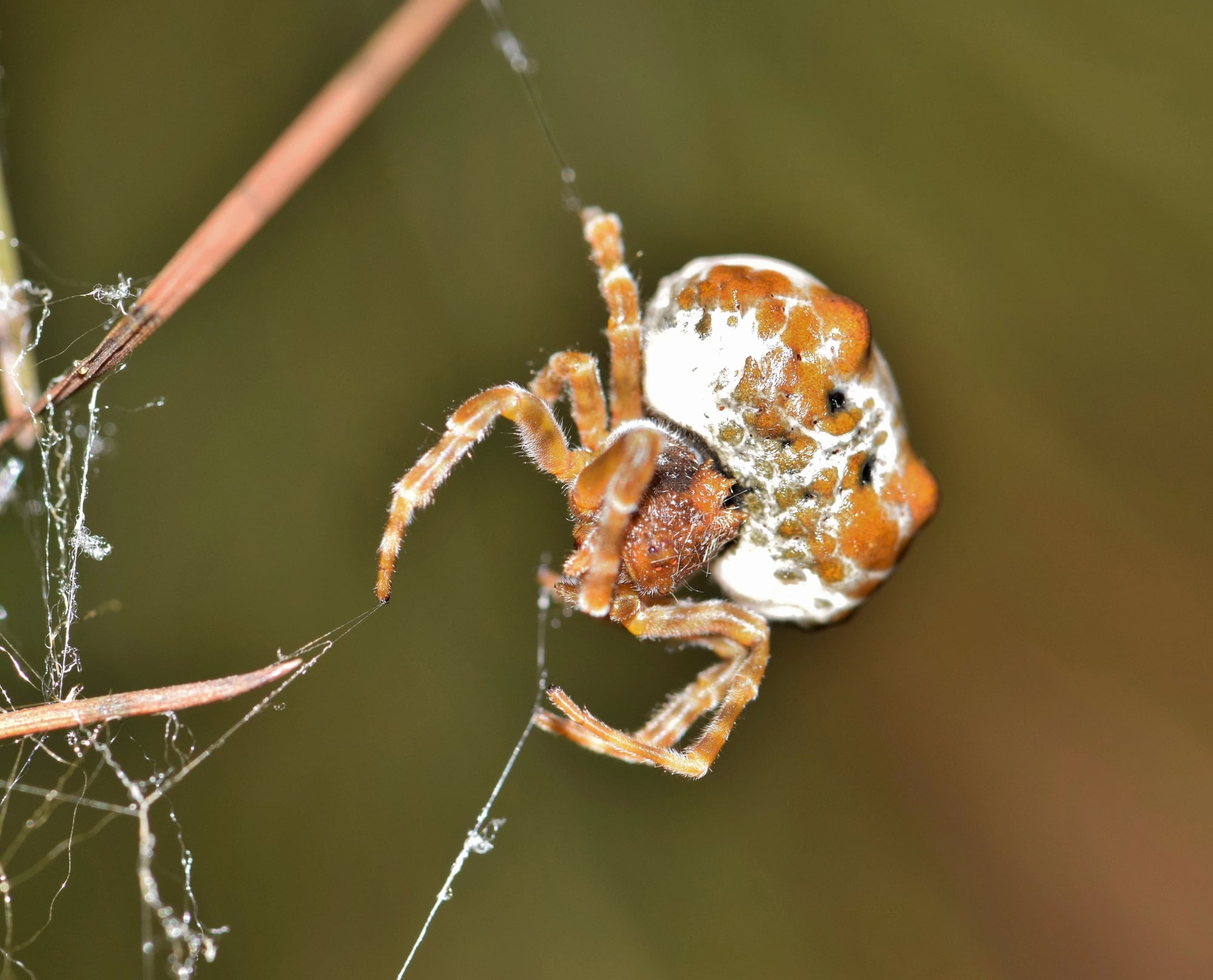
A lone thread rises where most webs spread wide. At its tip hangs a glue-coated sphere, twirled in slow arcs through the dark air.
This droplet carries scents identical to those given off by female moths seeking mates. Males drawn by what they believe is romance rush toward the signal.
Mid-flutter, they strike the swinging line and stick fast. Each kind of bolas spider crafts its own chemical lure. Their timing aligns with the nightly routines of certain moths – some hunt early, others near dawn.
Boxer crab
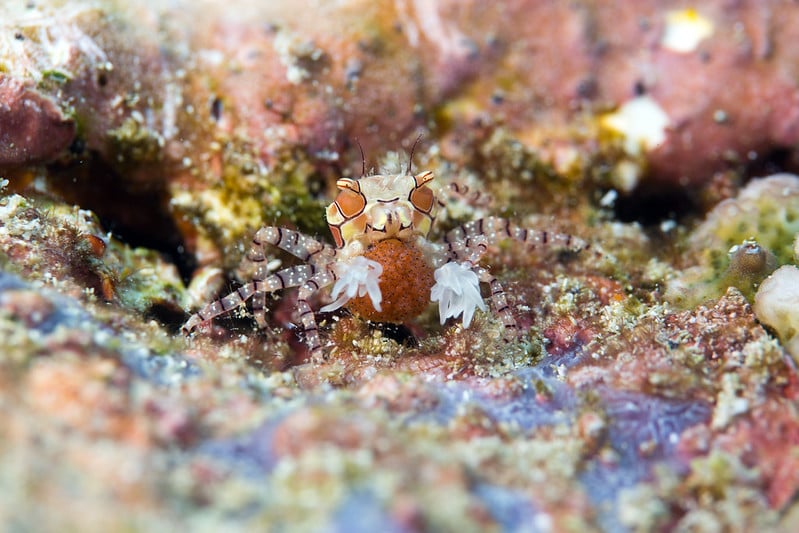
A little crab holds a stinging sea creature in every claw, like living weapons made of life. It swings them around when danger comes close, or when chasing food – those tentacles pack a painful punch.
Each animal gains something real: safety and sharp tools for the crab, fresh spots to feed plus leftovers for the soft-bodied partner. Should one go missing, the crab splits what is left into two, turning one into a pair by tearing it down the middle.
Out here, those who chase game are always changing

Strange ways of hunting show life does not evolve in straight lines. As habitats shift, predators adjust – so do their targets, crafting fresh shields against attack.
Right now, future hunters might be testing odder tricks, preparing what could look bizarre yet work perfectly later on. This endless push between attacker and target refuses to settle into silence – it spins forward inventively instead.
More from Go2Tutors!

- The Romanov Crown Jewels and Their Tragic Fate
- 13 Historical Mysteries That Science Still Can’t Solve
- Famous Hoaxes That Fooled the World for Years
- 15 Child Stars with Tragic Adult Lives
- 16 Famous Jewelry Pieces in History
Like Go2Tutors’s content? Follow us on MSN.