Books Written Without the Letter E
Writing a book is hard enough on its own. Now imagine doing it while avoiding the most common letter in the English language.
Some authors actually pulled this off, creating entire novels without using the letter ‘e’ even once. These literary experiments challenge everything we think we know about language and storytelling.
The results are stranger and more impressive than anyone would expect. Let’s look at the books that broke this basic rule of writing.
La Disparition
Georges Perec wrote this French novel in 1969, and it kicked off the whole trend of e-less books. The story follows a group of people searching for a missing companion, and the irony isn’t subtle.
Something important is missing from the text itself. Perec belonged to a group of writers called Oulipo, who loved creating art under strict rules.
The book got translated into English as ‘A Void,’ and the translator had to work just as hard as Perec did to keep every ‘e’ out.
A Void
Gilbert Adair translated Perec’s novel into English, which sounds impossible until you see it done. Adair had to recreate the entire story without using ‘e’ while keeping the plot and meaning intact.
He spent years on this project, finding creative ways around common words and phrases. The English version became its own achievement, proving that translation can be just as inventive as original writing.
Gadsby
Ernest Vincent Wright published this novel in 1939, decades before Perec’s work. Wright supposedly tied down the ‘e’ key on his typewriter to avoid accidents.
The book tells the story of a man named John Gadsby who works to improve his town over several decades. Wright died the same year his book came out, and copies became incredibly rare.
For years, people thought the whole thing was a myth until libraries confirmed they had original copies sitting on their shelves.
Eunoia
Christian Bök took a different approach with his 2001 poetry collection. Each chapter uses only one vowel, so the ‘e’ chapter is packed with them while the others avoid it completely.
The book won major awards in Canada and showed that vowel restrictions could create beautiful, weird patterns in language. Bök spent years crafting these poems, proving that constraints can push creativity to unexpected places.
The Exeter Text
This Old English manuscript dates back over a thousand years. Scholars debate whether it deliberately avoids certain letters or if that’s just how the language worked back then.
The text includes riddles and poems that survive in only one copy. Old English looked and sounded completely different from modern English, making any letter games harder to spot.
Still, some researchers believe the writers played with language restrictions even in medieval times.
Ella Minnow Pea

Mark Dunn published this 2001 novel about an island where letters get banned one by one. The book itself follows its own rule, removing letters as the story progresses.
By the end, characters can barely communicate, and the text looks like alphabet soup. Dunn created a story about censorship and control that demonstrates its own theme.
The book works as both entertainment and a statement about the power of language.
Le Train de Nulle Part

Michel Thaler wrote this French novel in 2004, calling it the first book without verbs rather than without ‘e.’ The title translates to ‘The Train from Nowhere,’ and the text flows without any action words.
Thaler claimed verbs were outdated and unnecessary, which sparked plenty of arguments. The book reads like a long, dreamlike description that never quite moves forward.
Critics couldn’t decide if it was brilliant or just a stunt.
Alphabetical Africa

Walter Abish structured this 1974 novel around the alphabet in multiple ways. The first chapter uses only words starting with ‘a,’ the second adds ‘b,’ and so on until the whole alphabet appears.
Then the process reverses, removing letters until only ‘a’ remains. The book doesn’t avoid ‘e’ specifically, but it shows how letter restrictions can shape an entire narrative.
Abish proved that formal constraints could tell compelling stories about Africa, colonialism, and identity.
The Catcher in the Rye translations
Some translators attempted to recreate the ‘no e’ challenge when bringing books into languages where ‘e’ works differently. Japanese and Korean versions of lipogrammatic texts face completely different obstacles.
Translators have to understand both the original restriction and how to recreate its difficulty in another language. These versions sometimes become harder to write than the originals.
Fixed forms in poetry

Poets have used letter restrictions for centuries, though not always avoiding ‘e’ specifically. Sonnets, villanelles, and sestinas all force writers to work within rigid structures.
Some modern poets combine traditional forms with lipogrammatic challenges. The results can sound forced or surprisingly natural depending on the skill involved.
Poetry already plays with language in extreme ways, so adding letter bans just raises the stakes.
Not One Damsel in Distress

Jane Yolen wrote a collection of fairy tales with strong heroines, and some editions claim the text avoids certain letters. The reality is less clear than the marketing suggested.
Yolen focused more on changing gender dynamics in classic stories than on linguistic experiments. Still, the book got lumped in with other constrained writing because publishers love a good gimmick.
Internet lipograms

Online communities now challenge each other to write entire posts, stories, or essays without common letters. Reddit threads and writing forums host regular competitions.
These exercises help writers think creatively and expand their vocabulary. Most internet lipograms stay short because sustaining the trick over thousands of words requires serious dedication.
The best ones make you forget about the missing letter until someone points it out.
Children’s books with restrictions
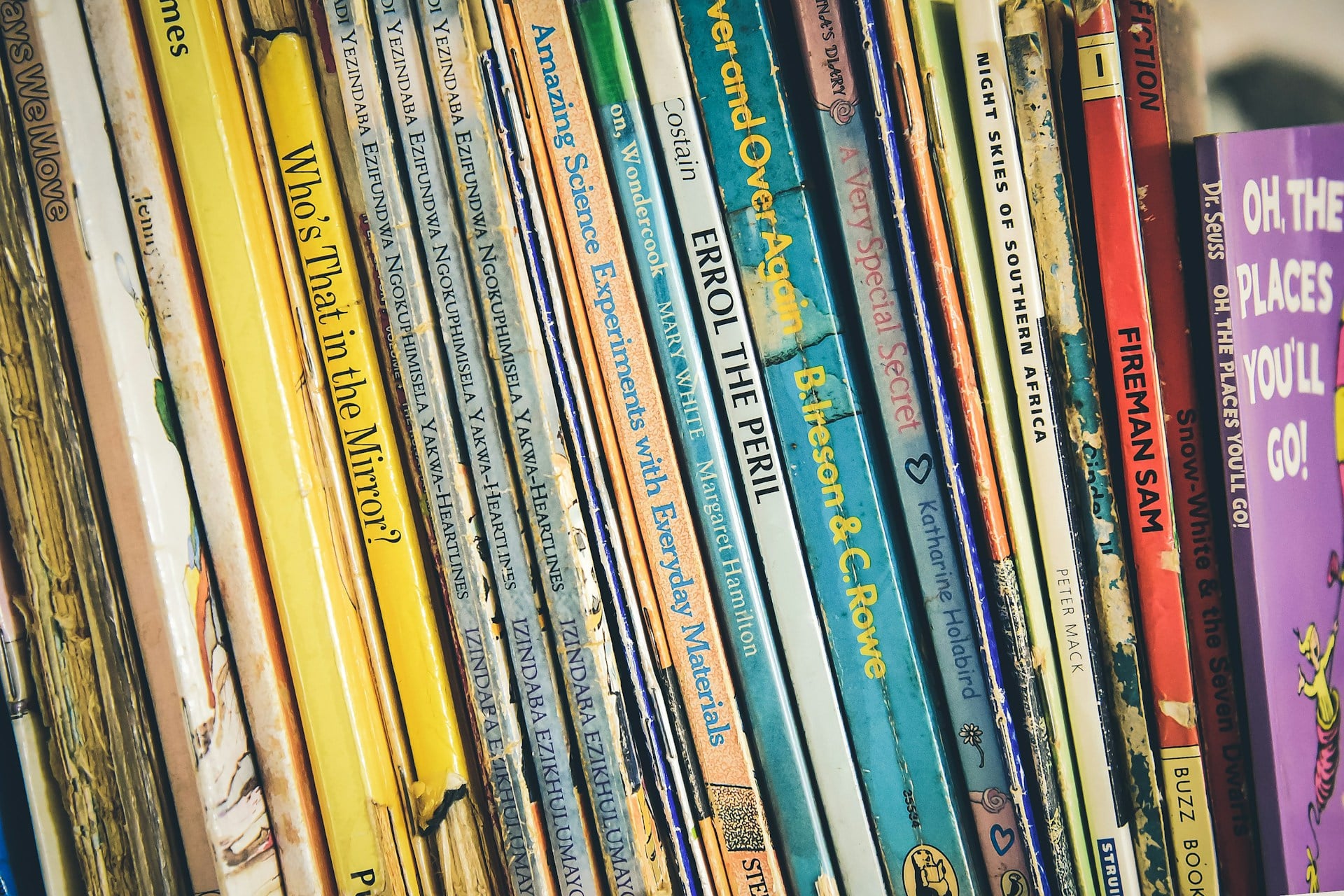
Dr. Seuss books like ‘Green Eggs and Ham’ use only a limited number of words, though not because they avoid specific letters. Some newer children’s authors have experimented with lipogrammatic picture books.
The challenge works well for early readers because simple vocabulary naturally sidesteps complicated letters. Kids often don’t notice the restriction at all, which makes it perfect for the format.
Academic studies of lipograms

Linguists check these books to see how language changes when strained. Experts found skipping ‘e’ pushes authors toward briefer, plainer terms.
Writing tends to feel more tangible, as complex ideas rely a lot on this character. Data highlights which word types take the biggest hit from the rule.
Action words drop off first – most everyday verbs include ‘e.’
The Fat Black Woman’s Poems
Grace Nichols put together this book of poems that talk about being Caribbean and being a woman. Yet some experts say particular pieces skip certain letters – though she’s never said so herself.
That idea could be stretching things, seeing rules where there aren’t any. After all, not every repetition in writing is planned.
Often, writers go with whatever feels good to them.
Modern challenges and AI

Writers today rely on software to spot forbidden letters in their drafts. While AI can spit out lipogram texts fast, the output’s hit or miss.
These tools make the task easier, yet take away part of the pride. If a bot handles the tough bits, does the rule really count?
People still win at crafting engaging stuff – machines don’t get subtlety like we do.
Digital lipograms on social media

Tweetsters plus Toppers go wild without certain letters. Short stunts like these show limits can spark ideas, no matter how brief.
A few profiles focus only on tricky word games. Rules push fun twists that get brains buzzing differently.
Platforms today let anyone jump into such playful tests fast.
Rules you set yourself when using different kinds of media
Musicians craft tunes skipping specific notes or tools. Films get made by directors ditching speech or hues.
In each art form, limits spark fresh ideas instead of holding folks back. Books missing the letter ‘e’ fit into this quirky habit of self-imposed boundaries.
Rules might seem tight – yet often they open doors to wilder creativity.
Reflecting on word-based play

These books show how far you can stretch words before things fall apart. Authors never stop trying fresh tricks – ways that push them, along with those reading.
Rules make everyone watch each word more closely – how they fit or clash. A weird idea at first turned into something people now take seriously in writing circles.
That absent letter? It ends up shaping everything else on the page.
More from Go2Tutors!

- The Romanov Crown Jewels and Their Tragic Fate
- 13 Historical Mysteries That Science Still Can’t Solve
- Famous Hoaxes That Fooled the World for Years
- 15 Child Stars with Tragic Adult Lives
- 16 Famous Jewelry Pieces in History
Like Go2Tutors’s content? Follow us on MSN.