Brain Games to Get Smarter
Your brain craves activity, much like your body. Parked on a sofa, muscles fade; left stuck in ruts, thinking slows down.
Puzzles push abilities like recall, logic spotting, shapes noticing, or reacting fast. A few programs boast wild gains, yet doubters call it all useless noise.
Reality? It’s neither perfect nor pointless. Some things really do boost brain power – even if they won’t make you super smart right away.
Check out these fun tasks and games backed by science.
Dual N-Back Training

This game sounds simple but feels brutal at first. Two sequences run simultaneously—one visual, one auditory.
You track both and indicate when either matches what appeared two steps back. The difficulty ramps up as you improve, eventually asking you to remember three, four, or five steps back.
Early research suggested dual n-back training might improve working memory and fluid intelligence. Working memory is your brain’s scratchpad—the space where you hold and manipulate information temporarily.
However, more recent studies show mixed results. Some research finds improvements on the specific task but questions whether gains transfer to real-world cognitive function.
Other studies find no significant improvements at all. The scientific jury remains out on whether this training produces meaningful benefits beyond getting better at the game itself.
Chess

Chess forces you to think multiple moves ahead while considering what your opponent might do. Every decision requires evaluating positions, predicting outcomes, and adjusting strategy based on changing circumstances.
Players develop pattern recognition, learning to spot threats and opportunities quickly.
Studies on chess players show enhanced problem-solving abilities and better planning skills compared to non-players. The game also builds patience—rushing leads to blunders.
Regular players develop the habit of slowing down and thinking through consequences before acting, a skill that transfers to real-world decisions.
Crossword Puzzles

Crosswords test vocabulary, general knowledge, and the ability to retrieve information from memory. Solving them requires making connections between clues, often thinking laterally when obvious answers don’t fit.
The difficulty varies widely, from simple Monday puzzles to brain-breaking Saturday editions.
Regular crossword solvers maintain vocabulary and verbal fluency better as they age. The puzzles force you to access stored knowledge repeatedly, strengthening those neural pathways.
They also teach flexible thinking—when one approach fails, you try another angle.
Sudoku
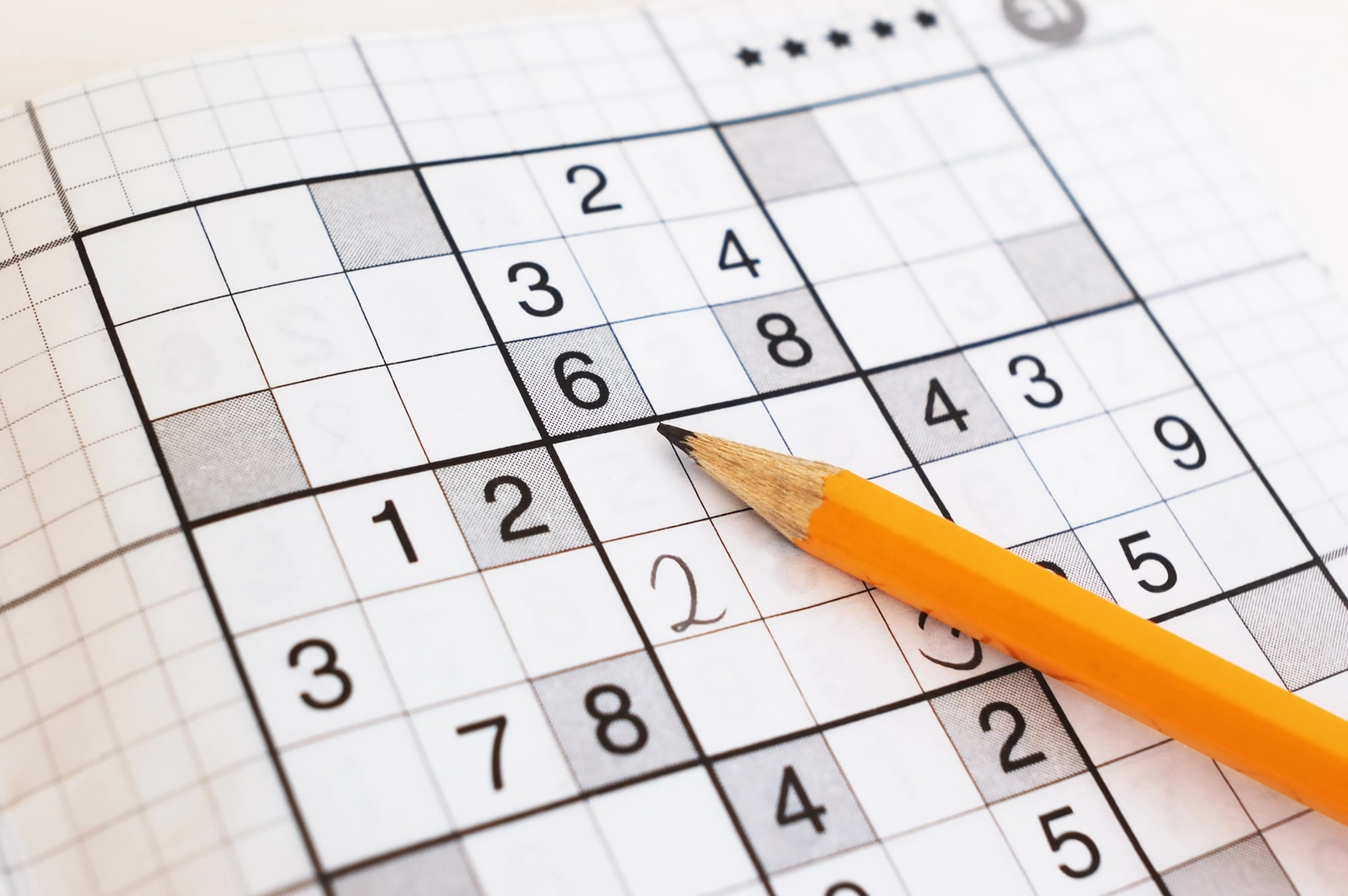
These number puzzles rely purely on logic. No math required—just systematic reasoning to determine which digits belong where.
You scan rows, columns, and boxes, eliminating possibilities until only one option remains. Advanced techniques involve spotting subtle patterns that less experienced players miss.
Sudoku strengthens logical reasoning and concentration. The puzzles reward careful attention to detail—one mistake early on creates problems later.
Players develop methodical thinking, learning to work through problems step by step rather than guessing randomly.
Memory Matching Games

Flip cards to find pairs, remembering locations of previously revealed items. Simple versions use a few pairs, while harder variants include dozens of cards or add time pressure.
Some digital versions layer in additional challenges like changing card positions between turns.
These games directly target short-term memory and visual recognition. Players improve at encoding and retrieving spatial information.
The skills translate to remembering where you left things, recalling faces, and keeping track of multiple tasks.
Lumosity and Similar Apps

Commercial brain training apps bundle various mini-games targeting specific cognitive abilities. Tasks might include arithmetic under time pressure, pattern matching, or attention-switching exercises.
The apps track performance and adjust difficulty automatically.
The effectiveness of these apps remains highly debated. Lumosity faced FTC action in 2016 for making unsubstantiated claims about cognitive benefits, resulting in a settlement and refund program.
Research shows users improve on the specific tasks practiced, but evidence for transfer to real-world cognitive function is weak. Multiple studies find these apps no more effective than playing regular video games.
They may provide structured practice for specific skills, but expectations should remain modest.
Strategy Video Games

Real-time strategy games require resource management, planning, and rapid decision-making under pressure. You balance immediate needs against long-term goals while adapting to unpredictable opponents.
Tower defense games demand spatial reasoning and prioritization.
Research suggests strategy gamers show improvements in multitasking, visual attention, and decision speed. The games train you to process information quickly and adjust plans on the fly.
They also build mental flexibility—the ability to shift between different types of thinking rapidly.
Scrabble and Word Games

Building words from random letters exercises vocabulary, pattern recognition, and strategic thinking. You balance using high-value letters against saving them for better opportunities.
Competitive play adds pressure and forces quick thinking.
Word games maintain and expand vocabulary while exercising mental flexibility. Finding less obvious words requires thinking beyond common patterns.
The competitive element adds motivation that solo practice lacks.
Jigsaw Puzzles

Physical or digital jigsaw puzzles engage visual-spatial reasoning. You scan pieces for matching colors, shapes, and patterns, mentally rotating them to test fits.
Large puzzles require sustained focus over hours or days.
Puzzles strengthen visual perception and spatial reasoning. They also build persistence—complex puzzles require sustained effort without immediate gratification.
The activity provides a focused mental workout that many find meditative.
Learning Musical Instruments
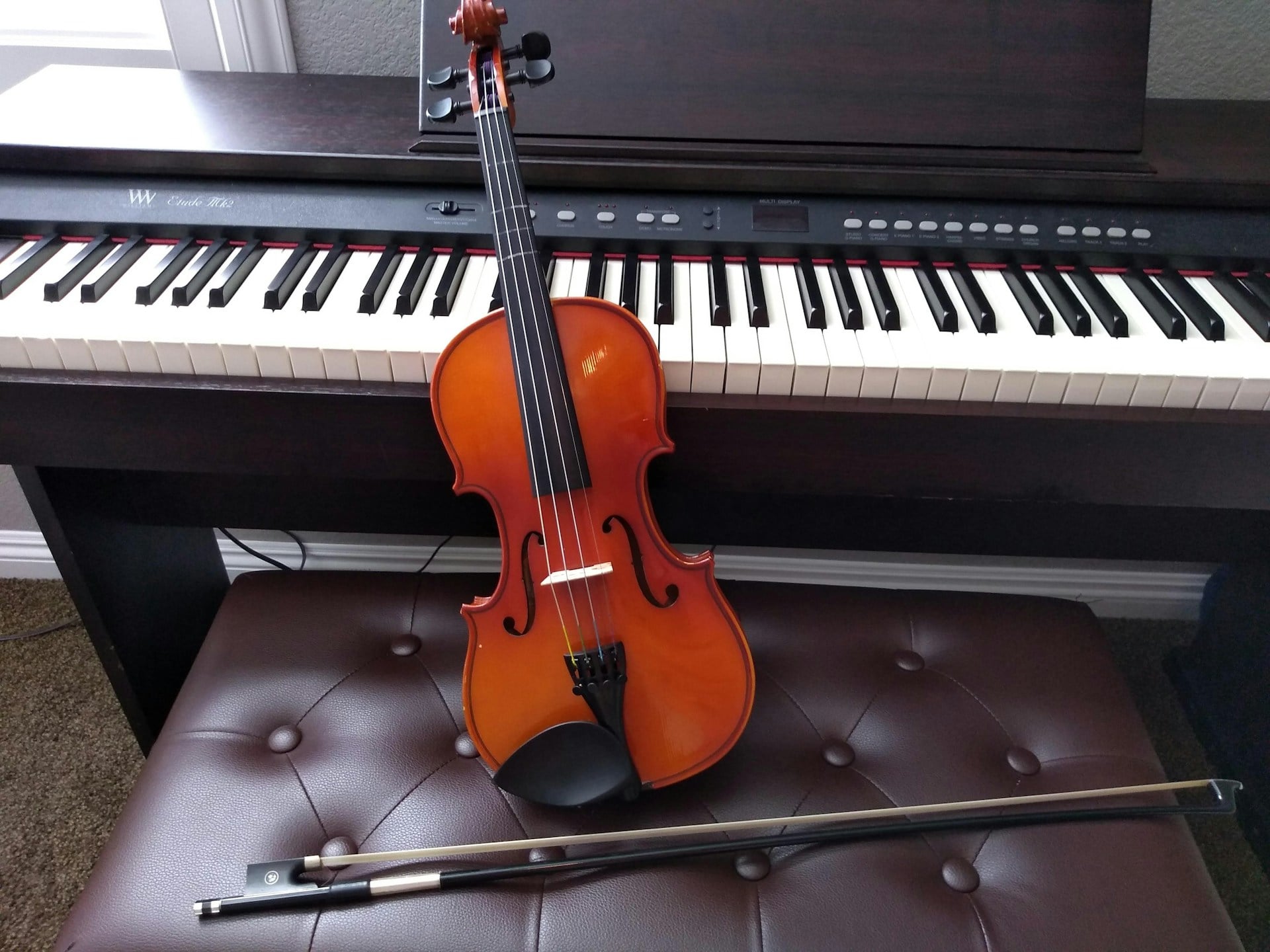
Playing music engages multiple brain regions simultaneously. You read notation, coordinate finger movements, maintain rhythm, and listen critically to what you’re producing.
Mastering even simple pieces requires thousands of repetitions and constant adjustment.
Musicians show enhanced auditory processing, fine motor control, and memory. Learning music appears to strengthen connections between brain regions, particularly between areas handling movement and sound.
The cognitive benefits increase with practice intensity.
Speed Reading Exercises

Training yourself to read faster while maintaining comprehension challenges multiple cognitive systems. You practice reducing subvocalization, expanding peripheral vision, and processing groups of words rather than individual terms.
Progress requires consistent practice over weeks.
Speed reading exercises improve processing speed and concentration. They train your visual system to gather information more efficiently and your brain to parse meaning from larger chunks simultaneously.
Brain Teasers and Riddles

Logic puzzles, lateral thinking problems, and mathematical brain teasers force you to approach problems from unexpected angles. Solutions often require abandoning obvious approaches and thinking creatively.
Some puzzles have elegant solutions that seem obvious only in hindsight.
These exercises build mental flexibility and creative problem-solving. They teach you to question assumptions and consider possibilities beyond initial impressions.
Regular practice makes unconventional thinking feel more natural.
Meditation and Mindfulness Games

Apps guide you through attention exercises—focusing on breath, scanning body sensations, or maintaining awareness without judgment. Some use gamification elements like streaks and progress tracking to maintain motivation.
Meditation strengthens attentional control and working memory. Studies show regular meditators perform better on sustained attention tasks and show less mind-wandering.
The practice builds meta-cognitive awareness—noticing when your mind drifts and redirecting it.
Math Problem Apps

Mental arithmetic under time pressure strengthens number sense and processing speed. Problems range from basic addition to complex calculations requiring multiple steps.
Some apps adapt difficulty based on performance, keeping exercises challenging but achievable.
Regular math practice maintains numerical fluency and builds confidence with quantitative reasoning. The time pressure element trains quick thinking and decision-making under stress.
What Actually Works

Playing brain games boosts the exact skills you practice – do memory puzzles, see gains in similar challenges. Yet studies keep finding little spillover into broader mental sharpness.
What works best? Things that pull you into rich, changing experiences again and again – like picking up a foreign tongue, mastering an instrument, or diving into something totally unfamiliar.
Working out boosts thinking skills more consistently than puzzle apps. Research ties steady cardio workouts to lower chances of memory problems and sharper minds.
These games fit well alongside active habits – both physical and mental – but don’t take the place of actual studying. While they offer an easy way to stay engaged, big leaps in brainpower probably won’t happen.
If you like puzzles that challenge your mind, go ahead – give ’em a try. But keep things grounded; don’t expect miracles from them.
More from Go2Tutors!

- The Romanov Crown Jewels and Their Tragic Fate
- 13 Historical Mysteries That Science Still Can’t Solve
- Famous Hoaxes That Fooled the World for Years
- 15 Child Stars with Tragic Adult Lives
- 16 Famous Jewelry Pieces in History
Like Go2Tutors’s content? Follow us on MSN.