16 Tech Features That Disappeared in the Early 2000s
The 2000s were weird for technology. Flip phones coexisted with early smartphones. People still burned CDs but also downloaded music illegally. Dial-up internet made that horrible screeching noise while cable companies promised faster speeds. Everything felt temporary, like we were waiting for something better to come along.
Most of these gadgets and features seemed permanent at the time. Nobody thought physical keyboards would disappear from phones. Removable batteries felt obvious – why wouldn’t you want to swap them out? Yet here we are, looking back at tech that vanished completely. Here is a list of 16 tech features that defined the early 2000s but disappeared as technology evolved.
Physical Keyboards on Phones
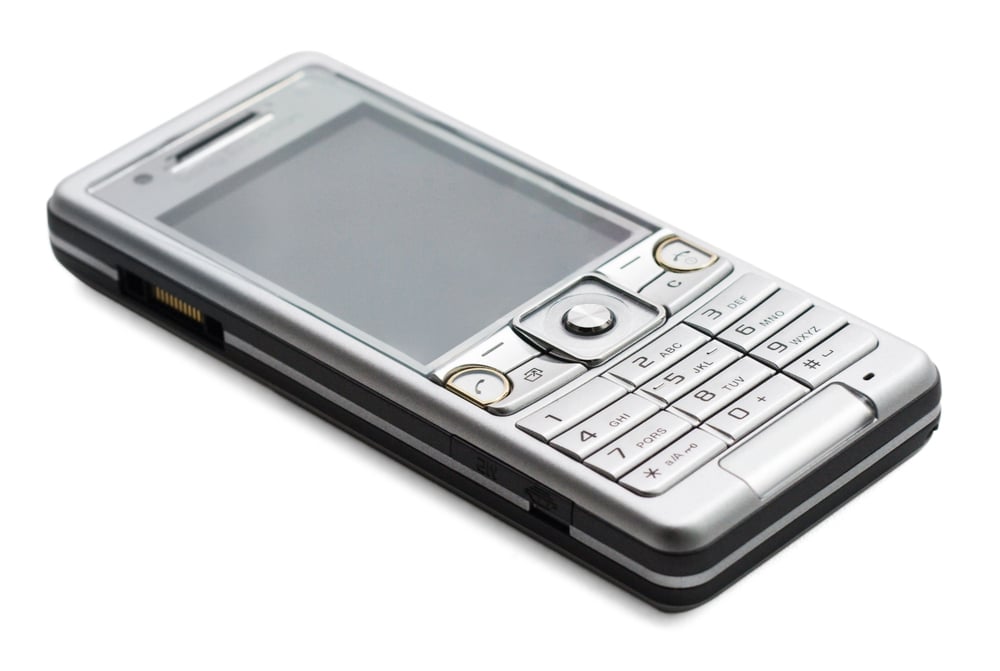
BlackBerry keyboards were the gold standard for mobile typing. Those tiny plastic keys had just enough travel to feel satisfying under your thumbs.
People could compose entire emails without looking, muscle memory guiding their fingers across the QWERTY layout. Touch typing on a 3-inch screen seemed impossible back then.
Removable Phone Batteries

Your phone died at 2 PM? Just pop in a fresh battery and keep going.
Power users carried multiple batteries in little plastic cases, swapping them out like changing magazines. The back covers weren’t sealed shut with special screws – they clicked off easily so you could access everything inside.
Memory Card Slots
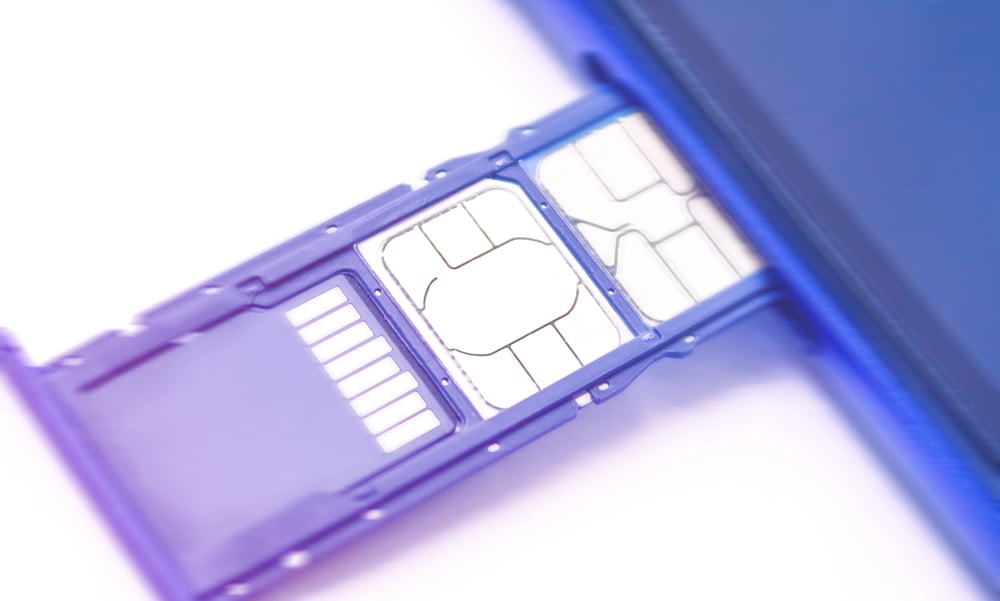
Every device had at least one slot for removable storage. Cameras used CompactFlash or SD cards, phones accepted miniSD cards, and gaming handhelds had their own proprietary formats.
You could physically move your data around, which felt more secure than trusting some company’s servers with your files.
Physical Media Players

Laptops shipped with CD/DVD drives because how else would you install software or watch movies? Cars had 6-disc changers in the trunk connected to dashboard head units.
Portable DVD players kept kids quiet on long road trips, complete with those flip-down screens that seemed futuristic.
Infrared Data Transfer

Point your phone at someone else’s phone, select the file you wanted to share, and watch a progress bar crawl across the screen. The invisible light beam carrying your data felt magical, even when you had to hold perfectly still for thirty seconds.
Moving even slightly would break the connection and you’d need to start over.
Stylus Input

Palm Pilots came with special alphabets you had to memorize. Graffiti required specific strokes for each letter – write an ‘A’ wrong and the device wouldn’t recognize it.
The stylus wasn’t just a pointing device, it was how you communicated with the computer through handwriting.
Dial-Up Internet Sounds

That cacophony of beeps and static wasn’t random – your modem was literally talking to the phone company’s modem, negotiating the best possible connection. You learned to interpret the sounds.
A quick handshake meant good line quality. Extended screeching usually meant a slow connection was coming.
Physical TV Antennas

Rabbit ears on top of TVs weren’t decorative. Those telescoping rods had to be positioned just right to pull in broadcast signals from towers miles away.
Someone inevitably got designated as the human antenna holder, standing in awkward positions while others yelled ‘better!’ or ‘worse!’ from across the room.
Dedicated GPS Devices

Garmin units mounted to windshields with suction cups that always seemed to fail at the worst moments. The maps came on SD cards that cost $100+ to update annually.
That synthetic voice mispronounced street names consistently, but at least you wouldn’t get lost anymore.
Floppy Disk Drives

Every computer case had a 3.5-inch floppy drive because that’s how you moved files between machines. The disks held 1.44 MB when formatted – enough for a few documents or maybe one low-resolution photo.
The metallic slider mechanism made a satisfying click when you inserted them properly.
CRT Monitor Adjustments

Those massive tube monitors came with analog controls for everything. Brightness and contrast knobs lived on the front bezel, while geometry adjustments hid in cryptic menus.
Getting the image centered and properly sized required patience and a willingness to accept that perfection might not be possible.
Dedicated MP3 Players
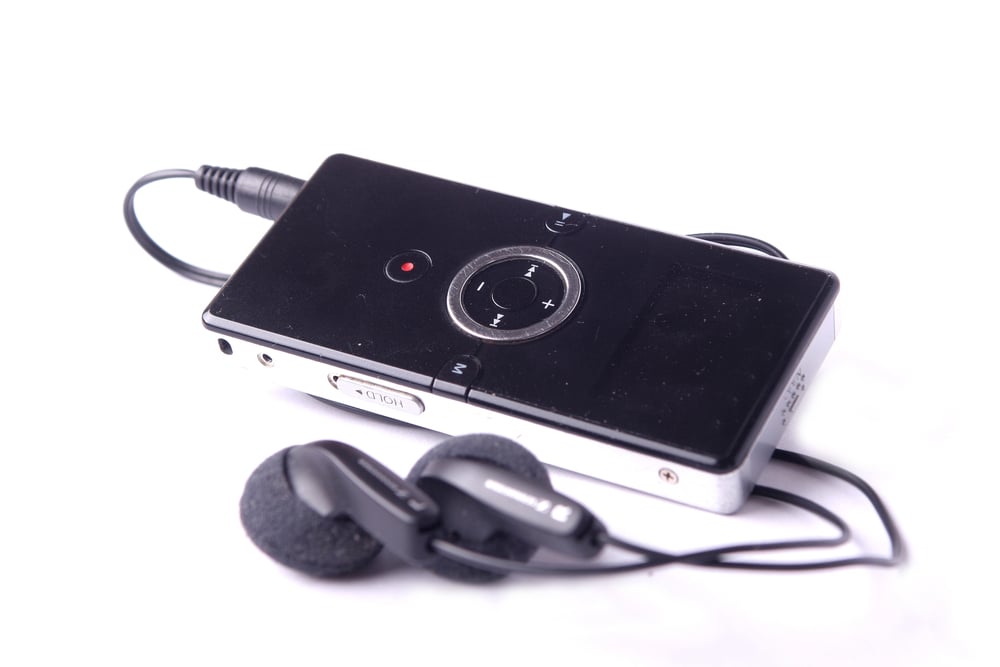
The Rio PMP300 held about 12 songs. That was revolutionary in 1998 – your entire music collection in your pocket, assuming your collection was very small.
Later players bumped storage to 1GB, which seemed unlimited until you tried fitting your entire CD collection onto one device.
Physical Camera Film

Film cartridges still made sense for serious photography. Digital sensors couldn’t match film’s dynamic range, and memory cards were expensive per megabyte.
Professional photographers shot both formats depending on the assignment. Getting film developed meant waiting days to see your results.
Wired Internet Connections

Ethernet cables snaked under carpets and along baseboards because WiFi was unreliable garbage in 2003. The 802.11b standard promised 11 Mbps but delivered maybe 5 on a good day.
Serious internet users ran Cat5e cable directly to their computers for guaranteed speed and stability.
Physical Game Cartridges and Discs

Game Boy Advance cartridges were marvels of miniaturization – complete games stored on chips smaller than postage stamps. Console games came on DVDs with thick instruction manuals and sometimes bonus materials.
The ritual of opening a new game felt special because you got physical items, not just a download key.
Dedicated PDA Organizers

Palm Pilots synchronized with desktop computers through cradles that connected via serial ports. HotSync was the process of matching calendar entries and contact information between devices.
Business professionals treated their PDAs like digital Rolodexes, carefully maintaining databases of phone numbers and appointments.
The Consolidation Effect

Most of these features didn’t disappear because they were bad ideas. They vanished because smartphones absorbed their functions while doing everything else too.
Why carry a phone, camera, MP3 player, GPS unit, and PDA when one device handled all those tasks adequately? The early 2000s taught the tech industry that convergence beats specialization, even when specialized devices performed individual tasks better.
Convenience trumped capability, and our pockets got a lot less crowded.
More from Go2Tutors!

- The Romanov Crown Jewels and Their Tragic Fate
- 13 Historical Mysteries That Science Still Can’t Solve
- Famous Hoaxes That Fooled the World for Years
- 15 Child Stars with Tragic Adult Lives
- 16 Famous Jewelry Pieces in History
Like Go2Tutors’s content? Follow us on MSN.



