Vintage Cars vs. Modern Cars: Design Showdown
Walk through any classic car show on a Saturday morning and something happens that doesn’t occur in a dealership parking lot. People stop moving.
They lean in. They reach out — sometimes touching, sometimes just hovering a hand near the fender — as if proximity alone is enough to feel whatever the designer was thinking decades ago. Modern cars are impressive machines, but they rarely produce that reaction.
That gap, between admiring a car and being stopped cold by one, is really a design story.
The Shape Of Things
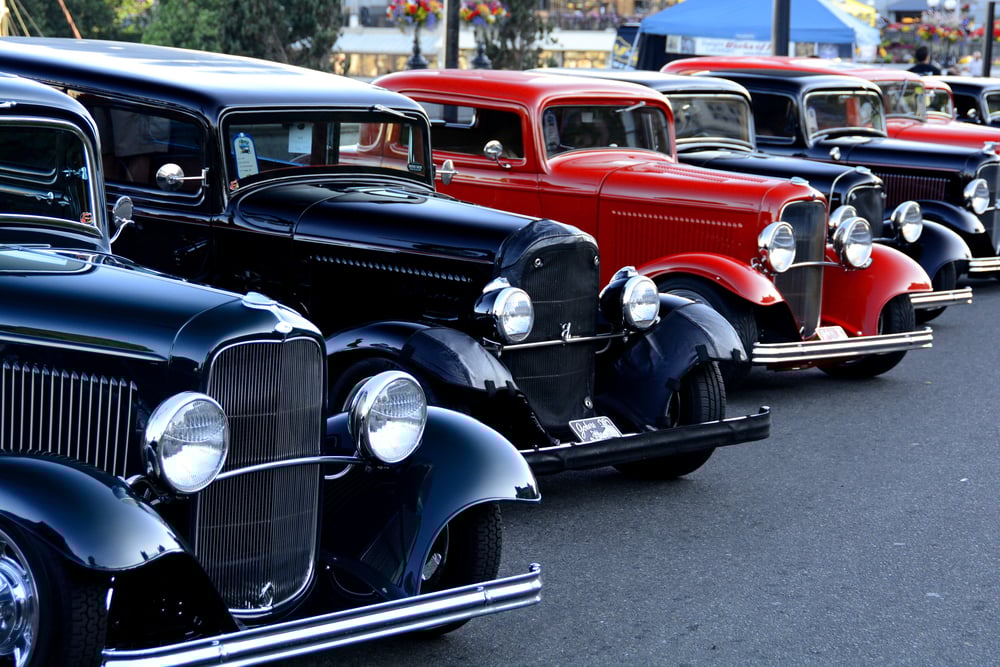
Vintage cars were built around visual confidence. Wide, square bodies.
Long hoods. Rear ends that felt planted. There was no apology in the proportions — the car announced itself.
Modern cars, especially sedans and crossovers, have drifted toward a universal teardrop shape. It’s efficient. Wind tunnels reward it.
But it’s also the reason so many cars on the road today look like siblings you can’t quite tell apart.
Chrome vs. Carbon Fiber
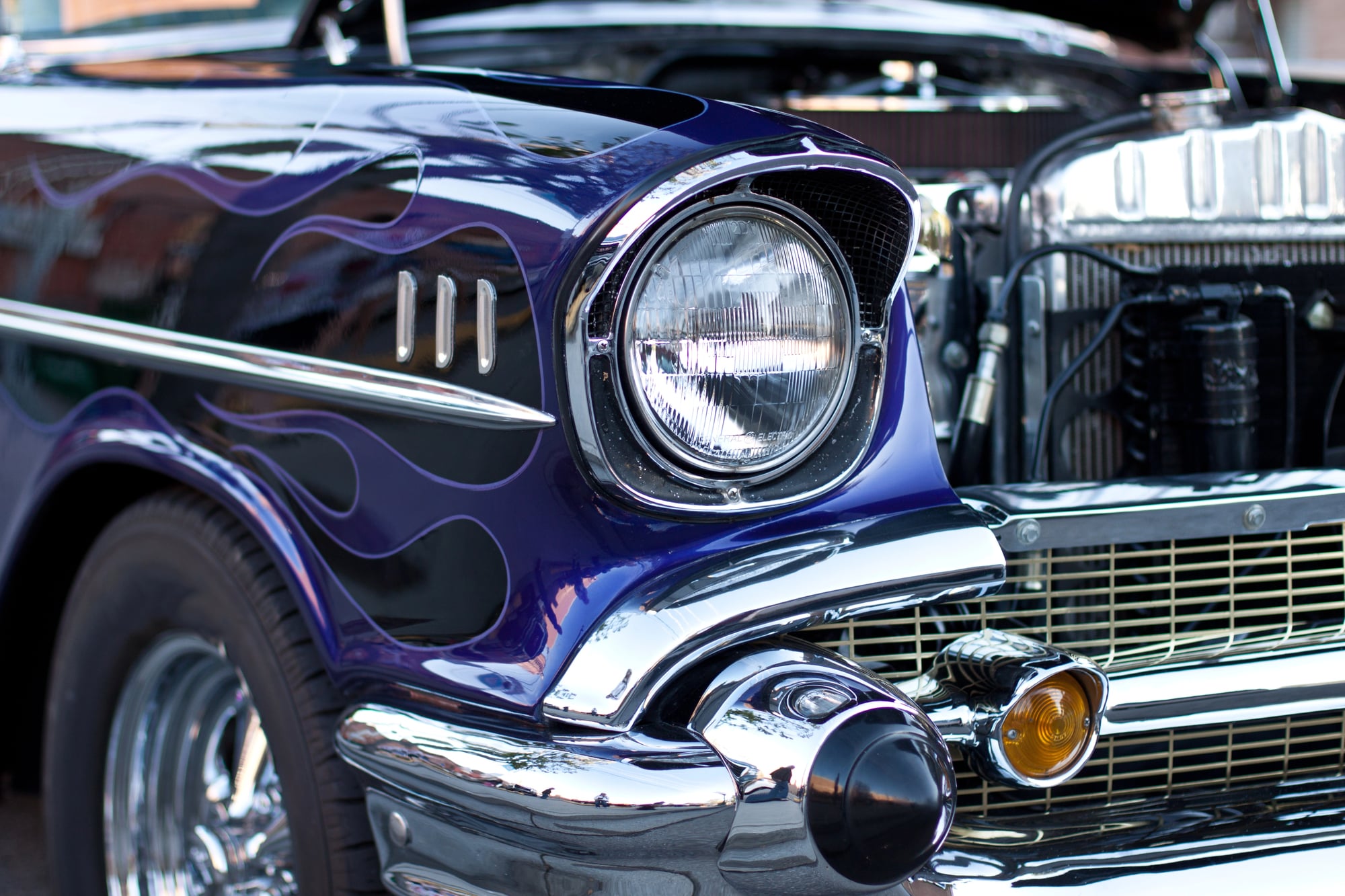
Chrome was never just a material choice in the classic era. It was a statement.
Bumpers, trim strips, door handles, window surrounds — chrome turned ordinary parts into jewelry. The reflections caught light in ways that made a parked car look like it was already moving.
Modern cars have mostly dropped chrome in favor of blacked-out accents, brushed aluminum, and carbon fiber trim. These materials look sharp, especially on performance vehicles.
But they project a different emotion — precision over personality.
Headlights Tell The Story
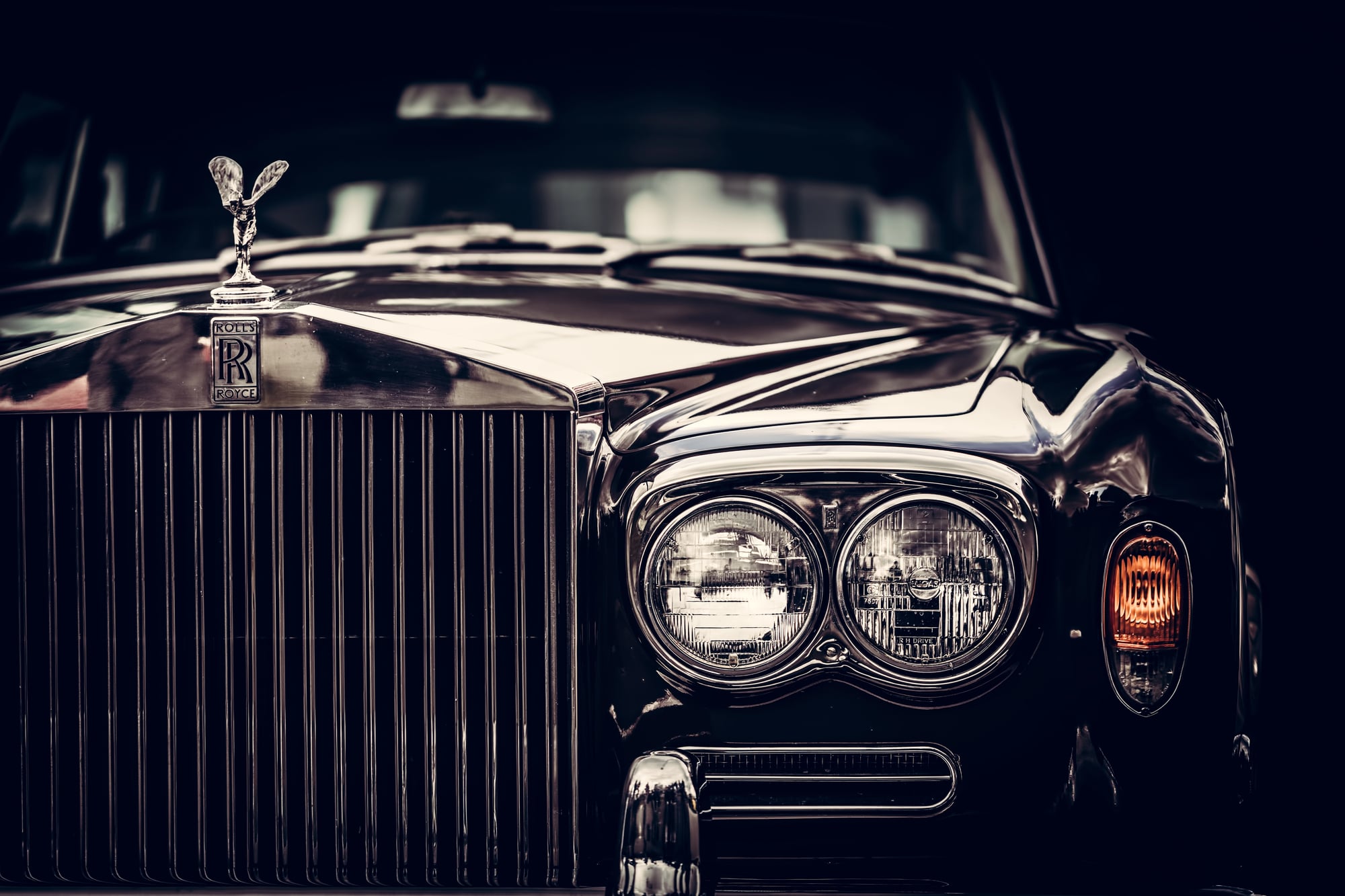
Sealed-beam round headlights defined the vintage look for decades. Paired in sets of two or four, they gave cars a face that was easy to read — almost human in its symmetry.
The round shape had no pretension. Today’s headlights are sculptures.
LED strips, split projector beams, ambient light signatures — every brand has its own visual identity baked into the lighting design. The engineering is extraordinary.
But the effect can feel more like a logo than a face.
The Dashboard Experience
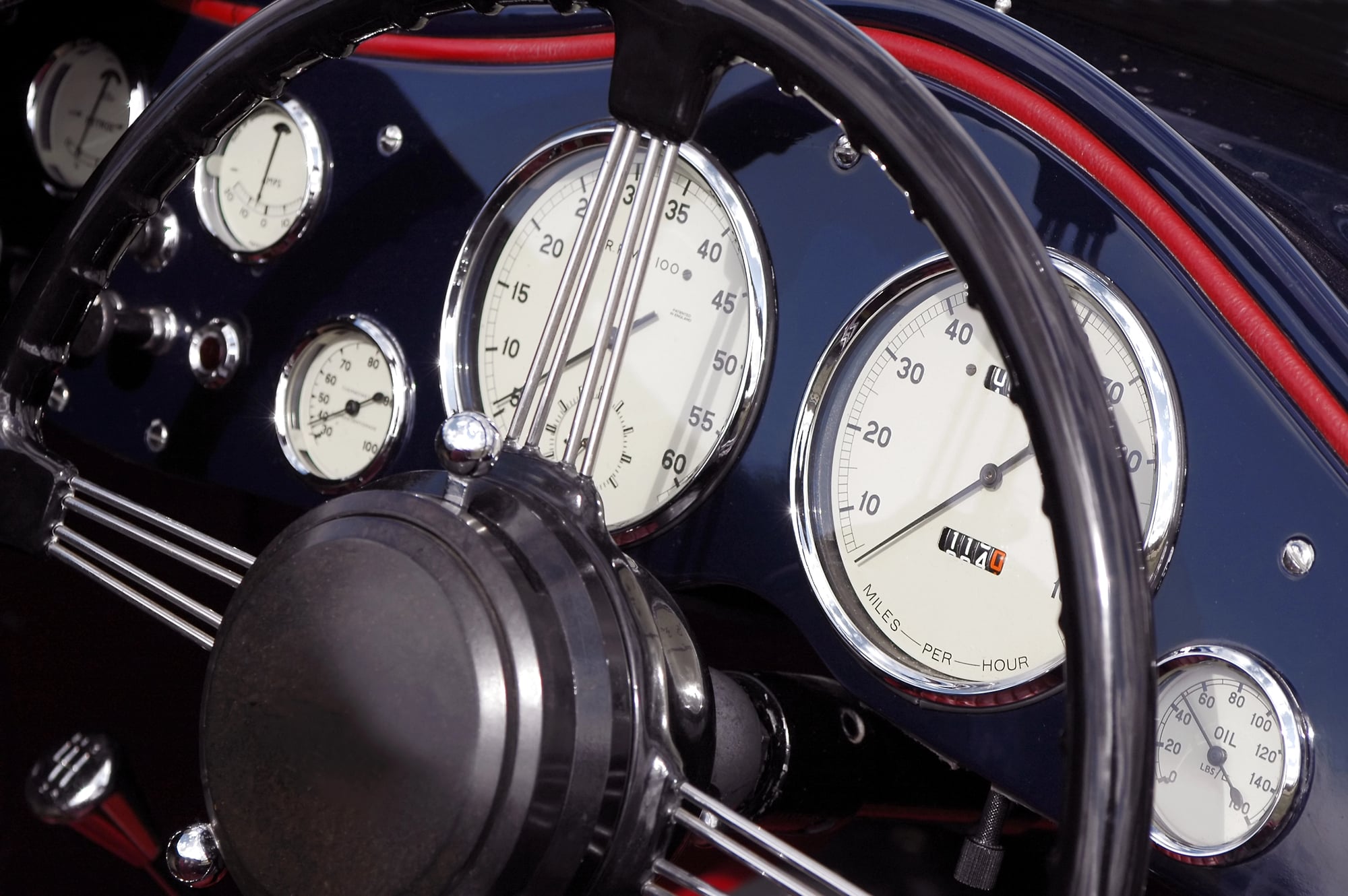
Sit inside a 1967 Mustang or a 1970 Dodge Challenger and the dashboard feels like a cockpit built for a human who enjoys driving. Gauges in clusters. A large steering wheel.
Physical knobs for everything. The layout tells you what the car values.
Modern dashboards have pivoted hard toward screens. Sometimes one large display handles climate, navigation, media, and vehicle settings all at once.
It’s functional. But it also means that adjusting the temperature requires a menu instead of a twist of the wrist.
Color Choices Then And Now

Detroit in the 1960s and 70s treated color like a feature. Plum Crazy Purple. Hemi Orange. Sublime Green.
These weren’t just paint options — they were personalities. A car in Grabber Blue didn’t blend into traffic; it declared itself.
Modern car colors have calmed down considerably. White, black, gray, and silver make up the majority of new car purchases.
Manufacturers still offer reds and blues, but the intensity has softened. The wild choices exist, but you have to look for them.
Grilles: Bold Faces And Blacked-Out Fronts
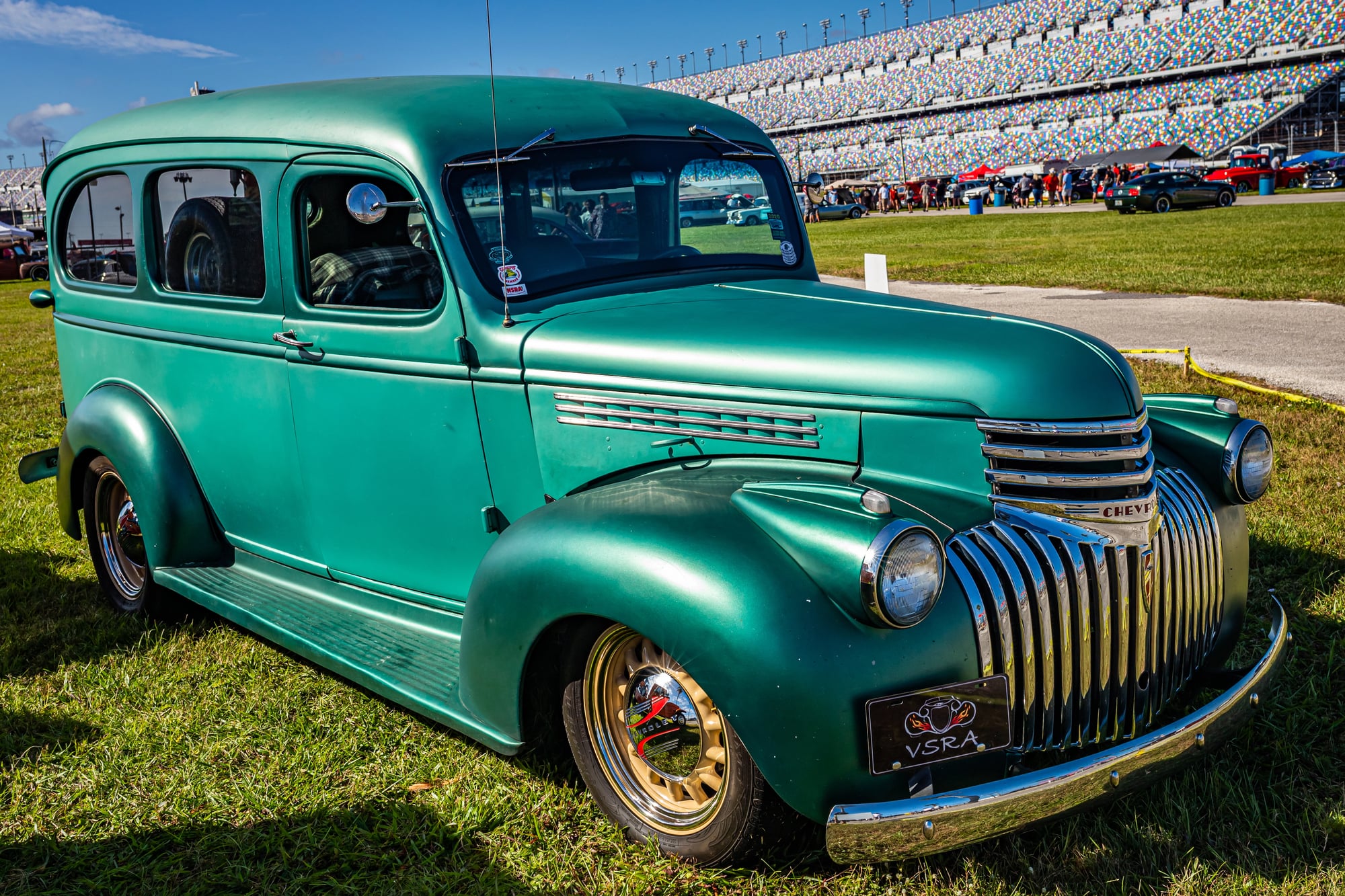
The grille was the face of the car in vintage design. Wide, horizontal bars. Vertical slats.
Bumper-integrated openings that spanned the full width of the front end. Everything was visible, upfront, and unapologetic.
Modern grilles have gone in two directions simultaneously. Some manufacturers have made them massive — BMW’s kidney grilles have grown to sizes that divide opinion sharply.
Others have started eliminating them entirely as electric vehicles don’t need the airflow in the same way. Either extreme moves away from the classic proportions people associate with a “proper” car face.
Curves That Cost A Fortune
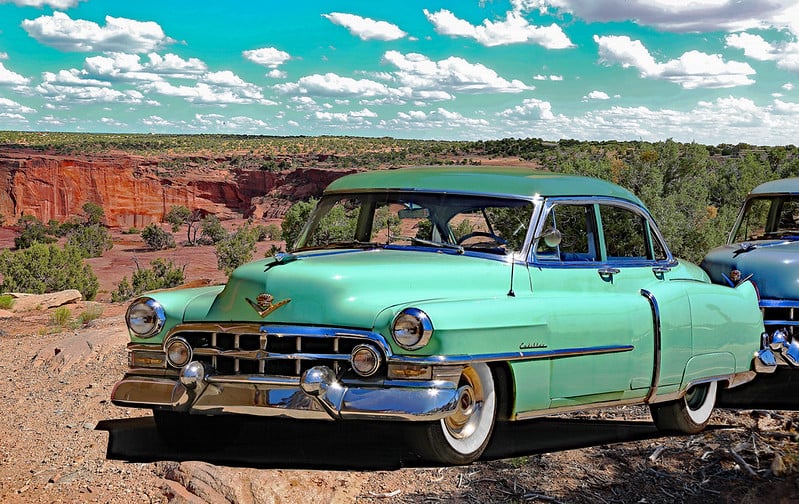
The bodywork on a 1950s or 60s American car required skilled craftspeople to produce. Those sweeping fenders, sculpted rear quarters, and long hood lines weren’t simple stamping operations.
The curves had depth — highlights and shadows that shifted as you walked around the car. Modern manufacturing has brought those costs down, but it’s also created a different aesthetic.
Many body panels are flatter, with creases and character lines standing in for the organic curves of the past. The crease line on a modern sedan does work that a rounded shoulder used to do on a classic.
When Aerodynamics Took Over
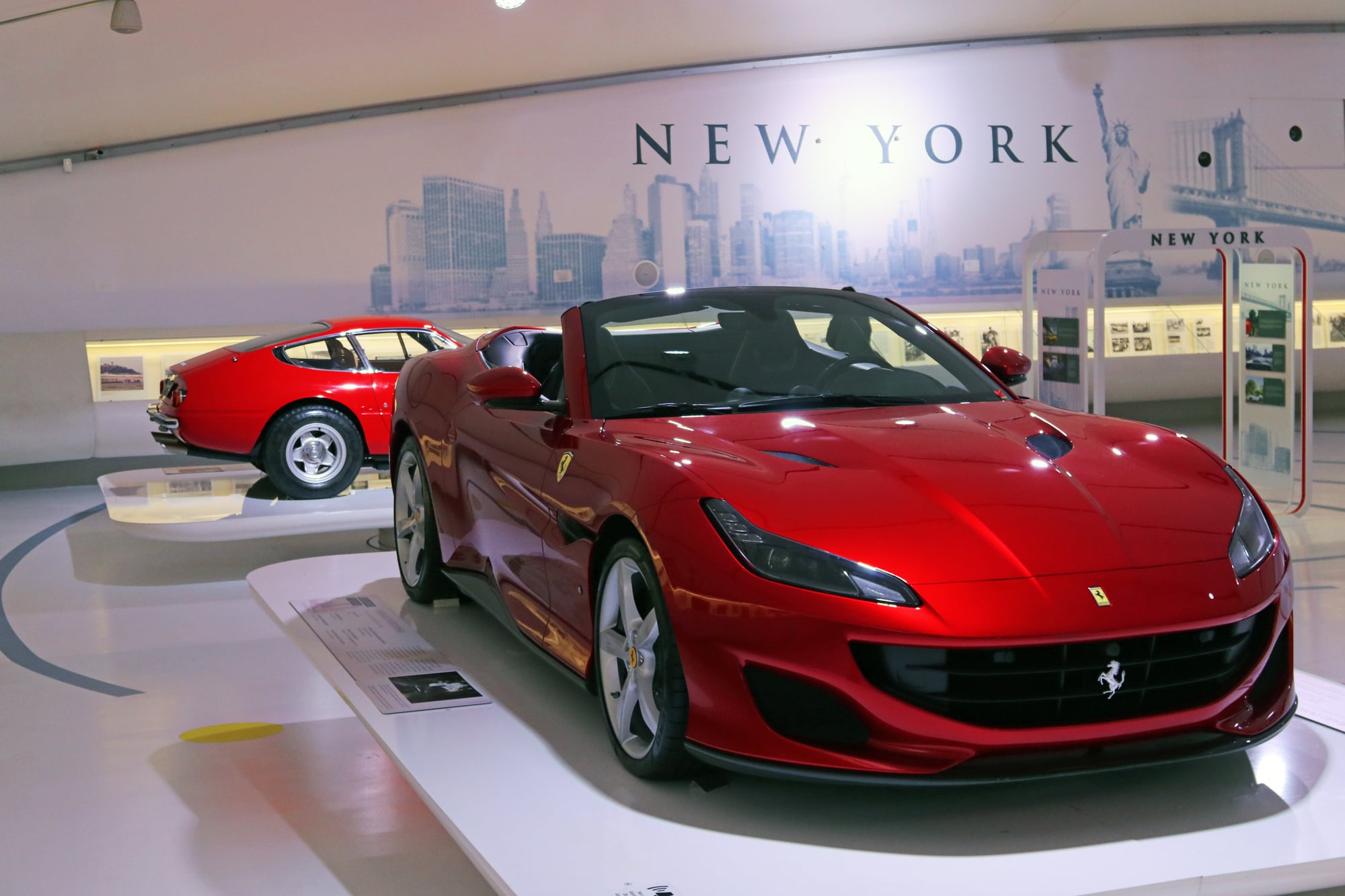
The 1980s changed things. Fuel economy standards tightened, and aerodynamics stopped being a niche concern and became central to every production car’s development.
The result was cleaner shapes — and also blander ones. That decade produced some genuinely interesting designs (the original Ford Taurus, the Citroën BX), but it also produced a lot of identical-looking “jellybeans.”
The discipline that aerodynamics imposed was real and necessary. What got lost was the sense that the designer’s hand had been there at all.
The Muscle Car Middle Ground
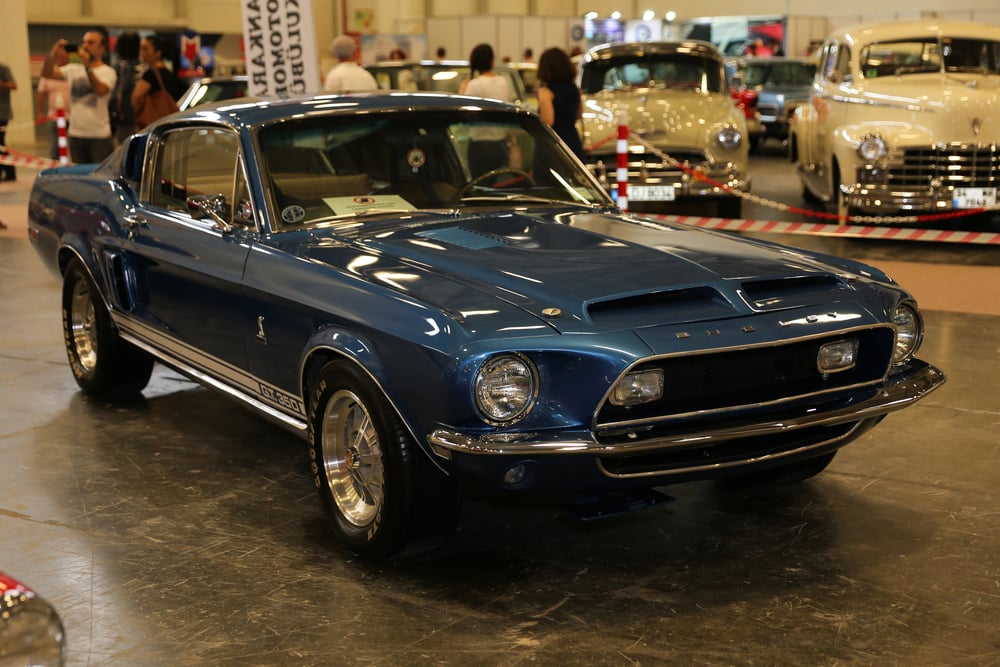
It’s worth noting that some modern cars bridge the two worlds better than others. The Ford Mustang, Dodge Challenger, and Chevrolet Camaro have all drawn on retro cues in their recent generations — wide bodies, long hoods, round taillights — while packing modern powertrains underneath.
These cars get criticized in some circles for leaning on nostalgia. But the sales numbers and the reactions they get at gas stations suggest there’s a real appetite for design that references something beyond last year’s auto show.
Details That Got Lost Along The Way
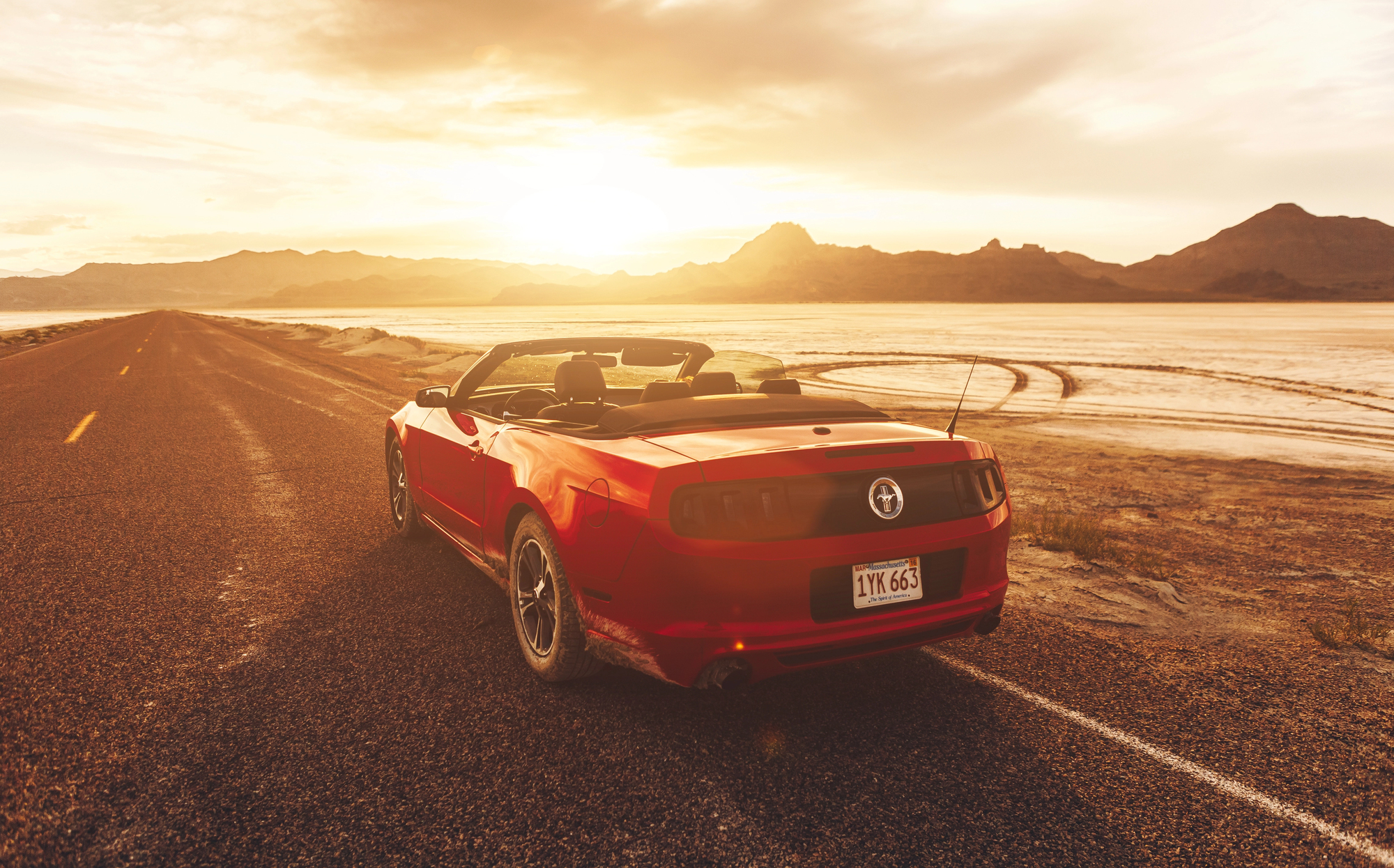
Vent windows. Hood ornaments. Fender skirts. Two-tone paint jobs split by chrome trim. Opera windows.
These details defined vintage cars in ways that feel almost quaint now, but they also gave each model a distinctive vocabulary. Modern cars have their own details — flush door handles, integrated spoilers, diffusers, ambient interior lighting — but the density of small, considered touches that characterized great vintage design is harder to find.
The goal now is simplicity. Sometimes what gets simplified is the character.
Modern Cars And The Screen Takeover
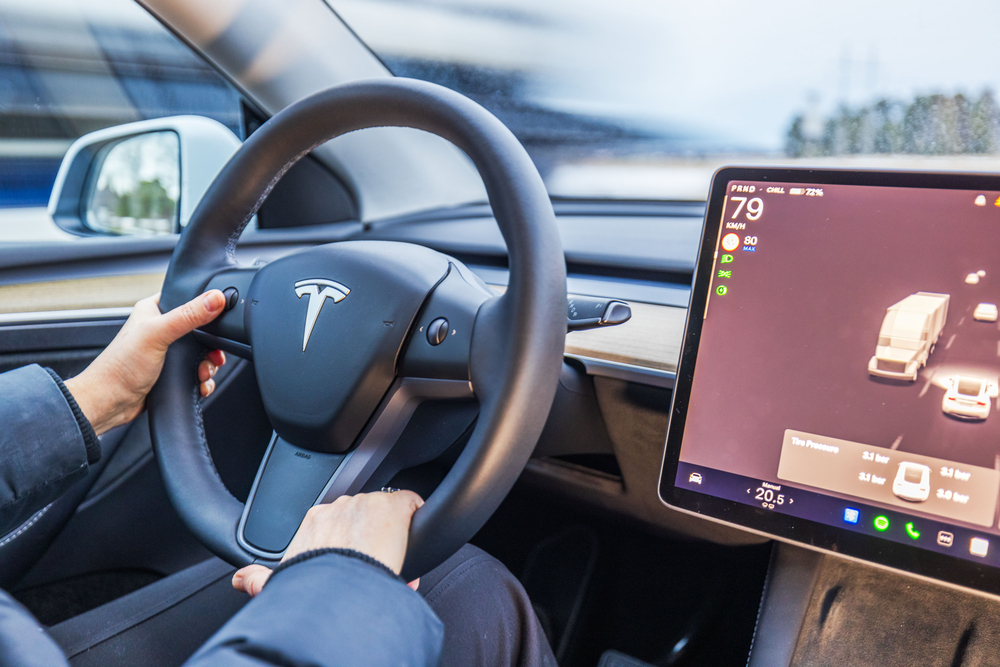
The integration of large touchscreens has arguably done more to reshape car design than any styling trend. When a single screen replaces a dozen physical controls, the entire center console gets restructured around it.
Some executions are elegant. Others feel like a tablet was dropped into a dashboard that wasn’t designed to receive it.
The challenge for interior designers is making technology feel intentional rather than installed — and the best modern interiors are starting to figure that out.
What Restorers Know That Designers Forgot
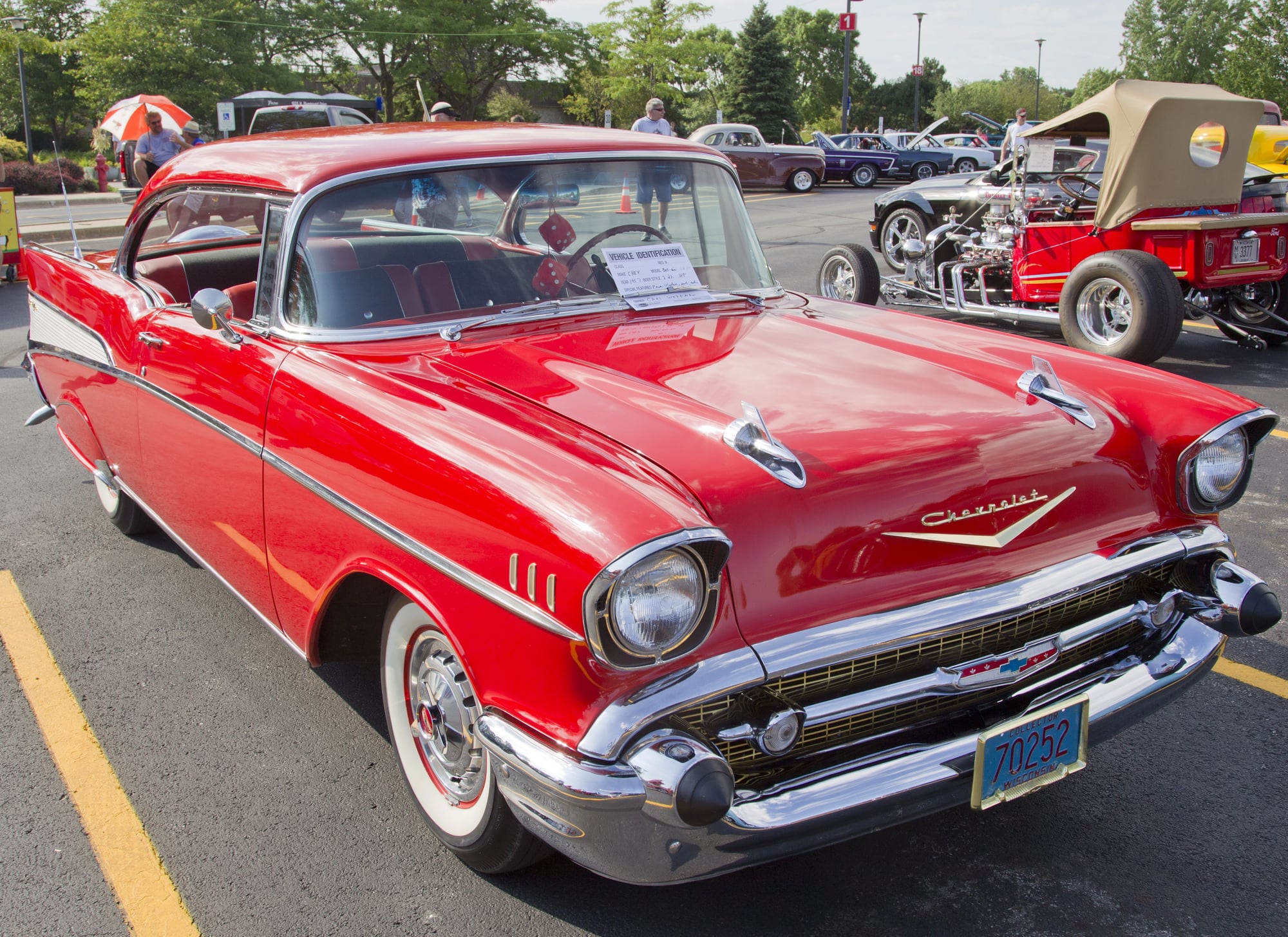
Hang out near folks fixing up old cars and it hits you fast. Those first engineers cared deeply about sightlines. Shape mattered close up. Shine changed everything.
Far away? Still had to impress. Every viewpoint earned attention. A car from 1957, the Bel Air, gives back when you take time to see it.
Spend half a dozen slow moments near it, then notice how more shows up – the gleam tracing each curve, color layered deep into its sides, fins shaped like something carved by hand. Today’s designs rarely do that; most aim just to seem tidy while moving fast or okay when waiting still.
The Weight Of Safety Standards
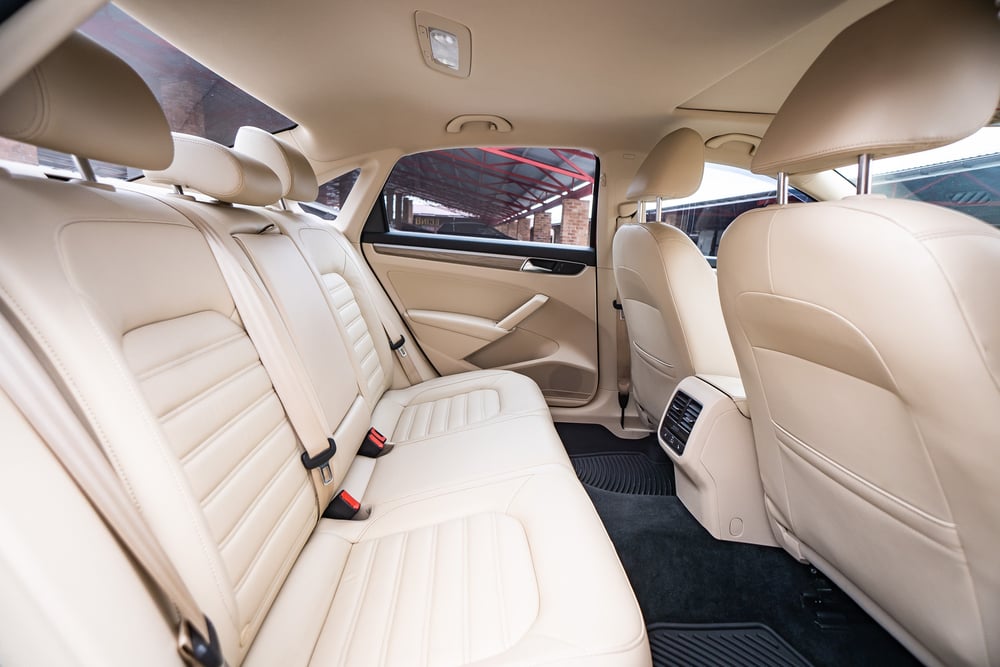
These days, vehicles manage crashes much better than older models did. Thanks to crumple zones and airbags working together with stronger frame designs, outside shapes have changed on purpose.
Rules demanding room under hoods for safety tend to push them higher up. When rollover tests need sturdier roofs, pillars near the windshield grow thicker as a consequence.
What keeps today’s vehicles safe on impact? Clever engineering. Yet those smart solutions come with limits unseen fifty years ago.
Picture design choices now boxed in by rules shaping every curve. Curious about sleek headlights or bulky bumpers? Chances are, laws helped decide that shape.
The Electric Frontier

Now cars run on electricity, their shapes start shifting in ways nobody expected. Hood lengths shrink when engines vanish beneath the dash.
Floor space opens up once gas tanks disappear underfoot. Seats float where drivetrains used to block. Inside feels different now – cleaner lines, fewer limits. Designers sketch cabins without old rules holding them back.
One might notice how certain makers now adjust sizes once limited by gas engines – extended distances between wheels, even floor levels, reduced loading heights. Yet some choose instead to craft forms never seen before, unbound by old rules.
What stands out most is when an electric vehicle truly feels fresh, not just a familiar model minus its tailpipe.
Where Your Eye Lands First
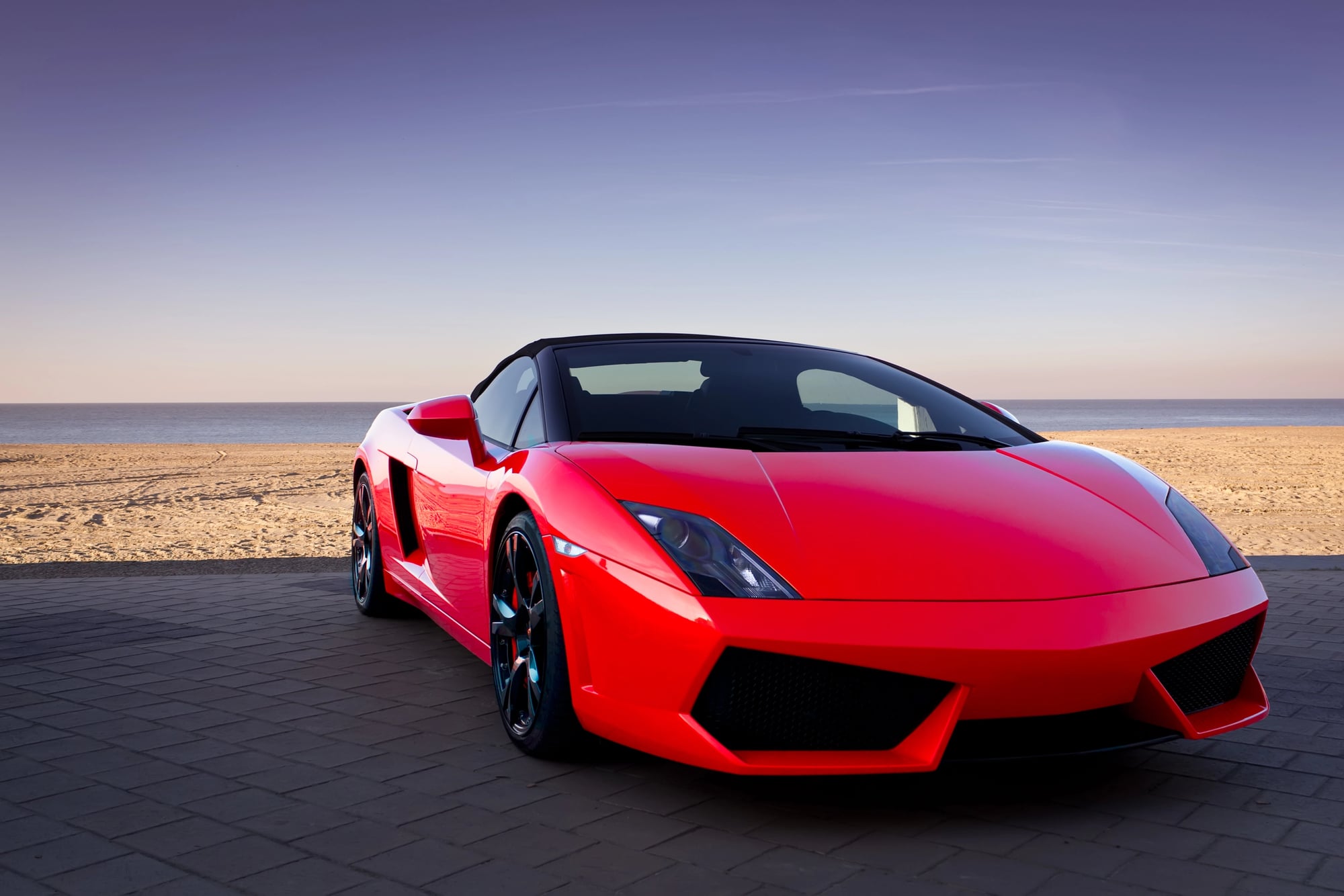
Look at a car. Your gaze knows right away if it works. A good old car pulls your eyes here, then there – never settling, always discovering details tucked into curves and edges.
What stands out on today’s vehicle? Likely the emblem. Maybe the rims. Perhaps how the headlights shine.
The remaining shape feels put together, competent even, yet asks nothing of your attention. Wrong? Neither way fits that label.
Yet the mood shifts, right there by the curb when the sun hits at ten on a weekend. Snap pictures of one type like it belongs in a frame. The second sort pulls you toward the driver’s seat without asking. Most folks care about each – just not while breathing the same air.
More from Go2Tutors!

- The Romanov Crown Jewels and Their Tragic Fate
- 13 Historical Mysteries That Science Still Can’t Solve
- Famous Hoaxes That Fooled the World for Years
- 15 Child Stars with Tragic Adult Lives
- 16 Famous Jewelry Pieces in History
Like Go2Tutors’s content? Follow us on MSN.