Brands That Revolutionized the Auto Industry
The car has been around for well over a century, and in that time, it’s gone from a novelty for the wealthy to something billions of people depend on every single day. That didn’t happen by accident.
A handful of brands pushed hard enough — through engineering, stubbornness, risk, and sometimes sheer luck — to change what cars are and what they can do. Some of these names you’ll recognize immediately.
Others deserve more credit than they usually get.
Ford: The Brand That Made Cars for Everyone

Before Ford, cars were hand-built, expensive, and mostly out of reach for ordinary people. Henry Ford changed that with the moving assembly line and the Model T. Suddenly, the people building cars could afford to buy one.
That shift — from luxury item to everyday tool — is arguably the single biggest moment in automotive history. Ford didn’t just build a better car.
It built a whole new relationship between people and transportation.
Toyota: Proving That Reliability Could Be a Feature

For a long time, reliability wasn’t really marketed as a selling point. Cars broke down.
That was just part of ownership. Toyota came along and treated quality as something worth engineering for, not just hoping for.
The result was a reputation that took decades to build and proved nearly impossible to shake. The Corolla became the best-selling car in history not because it was exciting, but because it kept showing up and kept running.
That dependability quietly changed what buyers expected from every manufacturer.
Tesla: Forcing the Entire Industry to Rethink Its Future

Tesla didn’t invent the electric car. What it did was make one that people actually wanted.
Before the Model S, electric vehicles were small, slow, and apologetic about it. Tesla built something fast, sleek, and expensive — and proved there was a market.
What followed was every major automaker scrambling to announce electric lineups, retool factories, and rethink decade-long strategies. Tesla also pushed over-the-air software updates into mainstream automotive culture, which changed how cars improve after you buy them.
Volkswagen: The Car That Said Small Was Fine
Post-war Germany wasn’t exactly an obvious place for an automotive legend to emerge. But the Beetle came to symbolize something: that a car didn’t need to be large, powerful, or flashy to succeed.
In the 1960s, while American manufacturers were racing to build bigger and faster cars, Volkswagen ran ads celebrating how small and cheap the Beetle was.
It worked. The brand found a completely different audience and proved that practicality, done with personality, could build lasting loyalty.
General Motors: Building the Blueprint for Brand Strategy

General Motors didn’t just make cars — it created an entire system for selling them. The idea of offering a brand for every budget (Chevrolet at the bottom, Cadillac at the top) shaped how the whole industry thought about product lines and customer segmentation.
GM also pioneered annual model changes, which kept buyers interested and coming back. Not all of those ideas aged well, but the framework GM built influenced every major automaker that followed.
Mercedes-Benz: Where Safety Became Standard

Plenty of brands talk about safety. Mercedes-Benz made it an engineering priority long before regulations required it. The crumple zone, the anti-lock braking system, the airbag — all of these trace back in large part to Mercedes research and production implementation.
When safety features eventually became standard across the industry, it was often because Mercedes had already proved they worked. The brand turned what was once a premium feature into something every driver now takes for granted.
BMW: Making the Argument for Driver-Focused Engineering

BMW built its identity around one specific idea: that driving should feel like something. While other manufacturers focused on comfort, capacity, or cost, BMW kept asking how the car felt to the person behind the wheel.
That focus on steering feedback, chassis balance, and engine response created a loyal following and pushed other premium brands to take the driving experience more seriously. Whether you love BMW or find the culture around it exhausting, the brand genuinely shifted what performance meant for everyday road cars.
Honda: The Engine Company That Kept Raising the Bar

Honda came into the car business as an engine company, and that background shows. The brand built a reputation for engines that lasted, revved willingly, and did more with less fuel than you’d expect.
The Civic became a benchmark for small cars done right. The Accord set the standard for midsize sedans for years.
But the VTEC engine technology Honda developed in the late 1980s showed the whole industry that you could have efficiency and performance without choosing between them. Other manufacturers spent years catching up.
Jeep: Defining an Entire Category of Vehicle

The word “Jeep” functions almost like a common noun at this point. That’s how thoroughly the brand defined off-road vehicles for generations of drivers.
The original military Jeep proved that a vehicle could go almost anywhere if you built it right. The civilian versions that followed created the market for recreational off-roading and eventually led to the modern SUV boom.
Every crossover and trail-rated truck on the road today owes something to the Jeep formula: four-wheel drive, high clearance, and the promise of going further than paved roads allow.
Volvo: The Brand That Made “Safe” Respectable

At a certain point in automotive history, safety-focused cars had a reputation for being boring. Volvo wore that reputation and then quietly dismantled it by making safety an actual engineering achievement rather than a marketing position.
The three-point seatbelt — which Volvo invented and then gave away to the rest of the industry for free — has saved more lives than almost any other single invention in automotive history. That decision alone puts Volvo in a different category from most brands.
The company could have patented it. They chose not to.
Porsche: Showing That Sports Cars Could Also Be Practical
The 911 has been in continuous production since 1963. That kind of longevity doesn’t happen with gimmicks.
Porsche built a sports car with a usable back seat, a front trunk, reasonable fuel economy, and engineering that actually improved over generations instead of just changing appearance. The brand proved that performance and practicality aren’t opposites.
It also demonstrated that staying true to a design concept — rather than chasing trends — could build a stronger following than constant reinvention.
Land Rover: Luxury and Wilderness at the Same Time

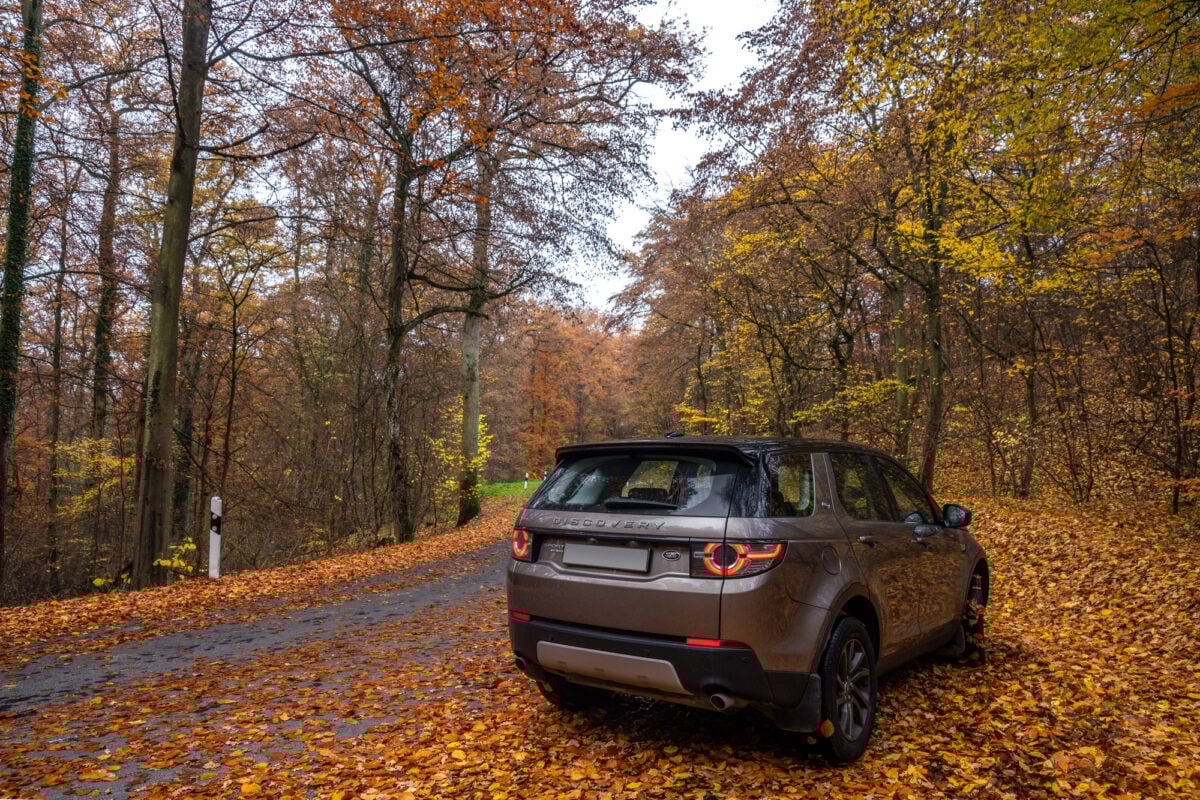
Land Rover did something that seemed contradictory for a long time: it made luxury and serious off-road capability coexist in the same vehicle. The Range Rover, when it launched in 1970, had leather seats and a proper interior alongside the kind of four-wheel-drive system you’d expect from a working farm vehicle.
That combination redefined what premium could look like and helped build the market for high-end SUVs that now dominates global car sales. Brands like Bentley and Rolls-Royce eventually followed with their own SUVs — something that would have seemed absurd before Range Rover proved the market existed.
Dodge: Putting Raw Power Within Reach
Dodge built its reputation on one thing: muscle. Not refined, not subtle, not particularly practical — just powerful. The Charger and the Challenger became symbols of American performance culture in the 1960s and ’70s, and when Dodge revived both nameplates in the 2000s, the formula still worked.
The brand showed that there’s a persistent appetite for cars that prioritize power over polish, and it kept delivering that without apology for decades. In an era of increasing electrification and efficiency standards, Dodge’s commitment to the combustion engine made it one of the most discussed brands in the industry.
Subaru: Building a Community Around a Drivetrain
All-wheel drive used to be an occasional feature. Subaru made it the entire identity. By putting symmetrical AWD in nearly everything it sold, the brand found a specific audience — people in snowy climates, outdoor enthusiasts, rural drivers — and built real loyalty there.
The Outback and the Forester weren’t glamorous, but they were exactly what the people buying them needed. Subaru also cultivated one of the more devoted owner communities in the industry, proving that targeted appeal, done consistently, can outlast broader strategies with no clear focus.
The Road These Brands Paved
Car making stays alive only because of the choices people make. Not every move is made according to the rules.
Few car companies went so far as to stress safety even before laws required it. Some other ones, on the other hand, were so focused on reliability that they practically ignored their buyers while making decisions.
Those designs that no one liked suddenly became the ones that everyone lived with after people’s lifestyles had been changed. Not every brand that turned the industry upside down was the largest or the most profitable one.
What was their secret? A big faith, greatly loved, that influenced the first of these choices, the designs and the direction.
While the rest were just copying the known moves, these went deep instead of just taking a comfortable route. Staying loyal to their beliefs turned out to be their silent strength.
More from Go2Tutors!

- The Romanov Crown Jewels and Their Tragic Fate
- 13 Historical Mysteries That Science Still Can’t Solve
- Famous Hoaxes That Fooled the World for Years
- 15 Child Stars with Tragic Adult Lives
- 16 Famous Jewelry Pieces in History
Like Go2Tutors’s content? Follow us on MSN.



