15 School Activities That Were Banned After Serious Accidents
Schools have always walked a fine line between providing enriching experiences and keeping students safe. Over the decades, countless activities that were once considered normal parts of school life have been permanently removed from curricula after tragic incidents proved they were simply too dangerous to continue.
Here is a list of 15 school activities that were banned after serious accidents changed everything.
Trampolines in Physical Education
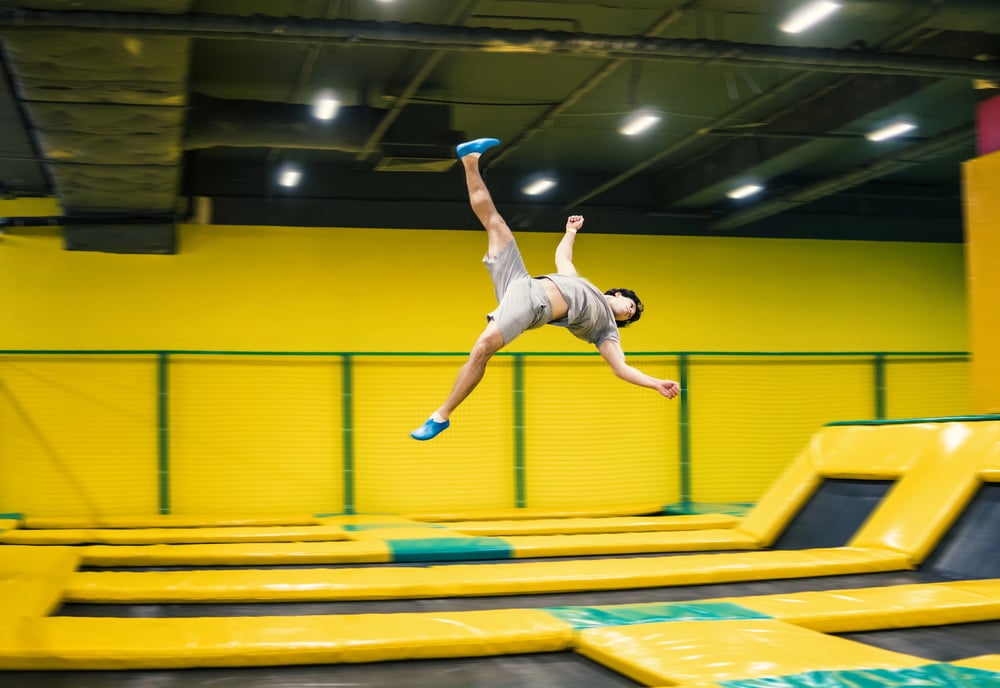
Trampolines were once a staple of gym classes across America. Students bounced their way through fitness routines until a series of catastrophic spinal injuries in the 1970s and 1980s led to their widespread removal from schools.
The American Academy of Pediatrics reported that trampoline accidents were causing permanent paralysis in young athletes at an alarming rate — with most injuries occurring during supervised school activities rather than backyard play.
Javelin Throwing
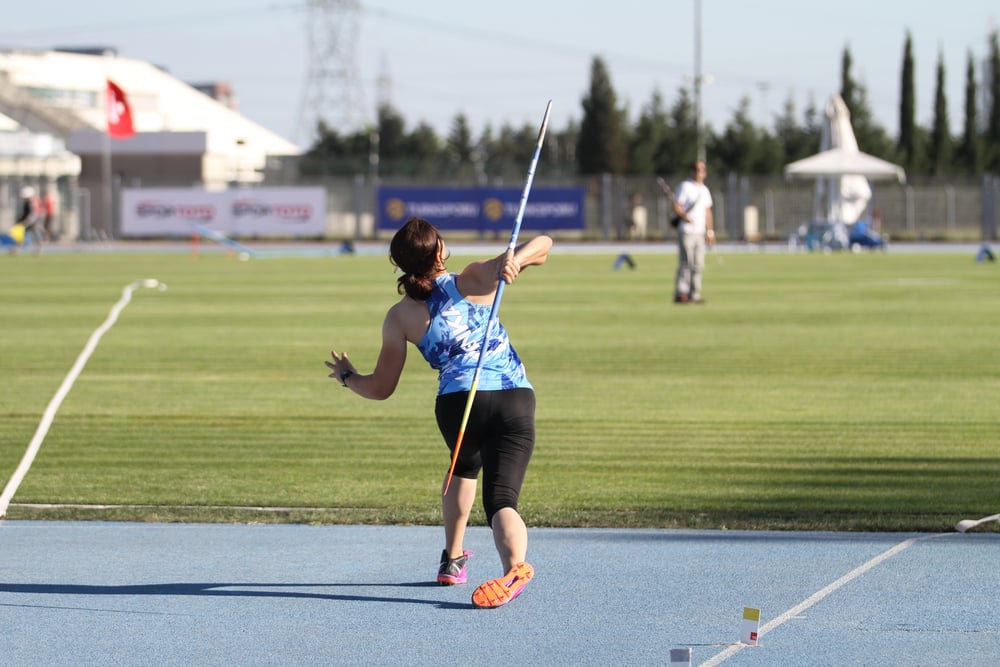
Track and field programs commonly included javelin throwing as part of their athletic curriculum until the 1980s. A fatal accident at a Connecticut high school changed everything when a student was impaled during practice.
This incident marked the beginning of the end for this ancient Olympic sport in American schools, while insurance companies began refusing to cover schools that continued javelin programs.
Like Go2Tutors’s content? Follow us on MSN.
Chemistry Experiments with Mercury

Science teachers once regularly used liquid mercury in classroom demonstrations, allowing students to handle the silvery metal with their bare hands. When researchers discovered the severe neurological damage mercury exposure could cause — especially in developing brains — schools immediately banned its use.
The final straw came when several students at a Massachusetts school developed mercury poisoning after a thermometer broke during a lab experiment in 1991.
Rope Climbing in Gymnasiums
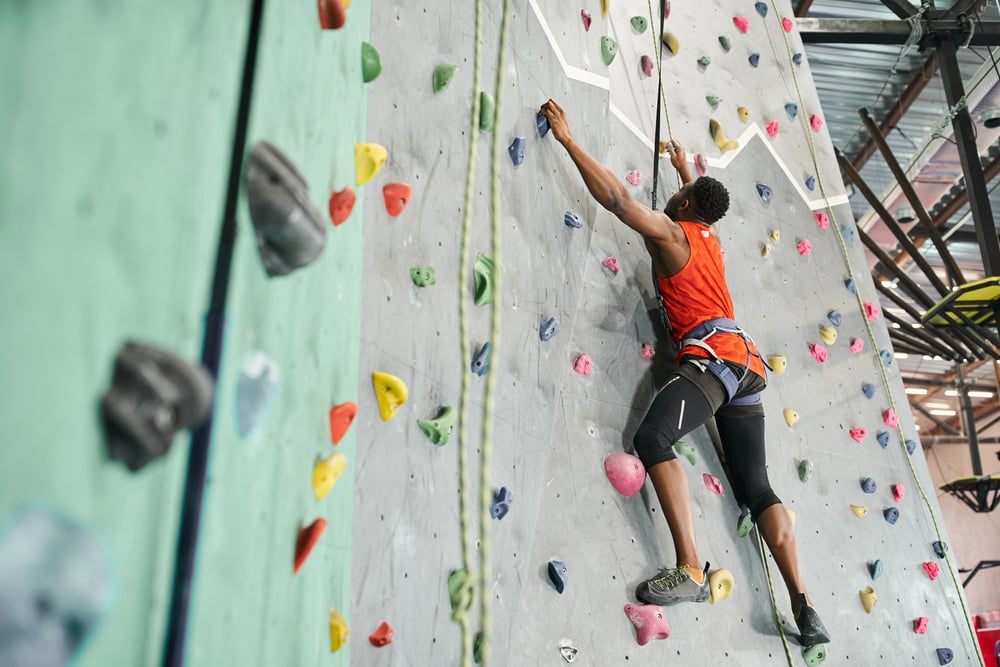
The classic gym rope that hung from the ceiling was a rite of passage for generations of students. Yet rope climbing was banned in most schools after a series of fatal falls in the 1990s, including a tragic incident where a student’s grip failed during a timed climb.
Modern liability concerns and the recognition that rope climbing provided minimal fitness benefits compared to its risks sealed the fate of this once-beloved activity.
Lawn Darts in Recreational Activities

Lawn darts, also known as Jarts, were popular in school recreational programs and summer camps until they were completely banned in 1988. The Consumer Product Safety Commission acted after documenting thousands of injuries — including a case where a child was killed by a dart that penetrated their skull.
Schools that had been using lawn darts for outdoor activities immediately removed them from their equipment inventories.
Like Go2Tutors’s content? Follow us on MSN.
Contact Sports for Elementary Students

Full-contact football and hockey programs for elementary school students were common until medical research revealed the devastating effects of repeated head trauma on developing brains. The ban on tackle football for young children gained momentum after studies linked early contact sports to chronic traumatic encephalopathy (CTE).
Most school districts now require students to wait until middle school before participating in contact sports — with many implementing flag football alternatives for younger students.
Unsupervised Swimming in Natural Bodies of Water

Field trips to lakes, rivers, and ponds for swimming were standard educational experiences until drowning incidents led to strict regulations. A particularly tragic case in Ohio — where three students drowned during a school-sponsored lake trip despite the presence of teachers — resulted in nationwide policies requiring certified lifeguards and designated swimming areas.
Natural water swimming is now virtually eliminated from school programs in favor of supervised pool activities.
Archery Without Protective Barriers

Archery programs in schools once took place in open gymnasiums or outdoor fields with minimal safety equipment. After a student was accidentally shot by another student’s arrow during a Wisconsin school archery class, strict safety protocols were implemented.
Many schools found the new requirements for protective barriers, certified instructors, and individual supervision too expensive and logistically challenging — leading them to eliminate archery programs entirely.
Like Go2Tutors’s content? Follow us on MSN.
Metalworking with Power Tools

Shop classes featuring metalworking with industrial power tools were once central to vocational education programs. A series of severe accidents, including amputations and deep lacerations, prompted schools to reconsider these programs.
The combination of inexperienced students, powerful machinery, and the potential for momentary lapses in attention created an environment that many schools deemed too risky to continue.
Gymnastics on Unpadded Equipment

Gymnastics programs in schools traditionally used minimal padding — with students performing routines on hard surfaces and basic equipment. The sport’s ban from many school programs came after multiple cases of paralysis from falls onto gymnasium floors.
The cost of proper safety equipment, including thick mats and foam pits, proved prohibitive for many schools, leading them to discontinue gymnastics rather than risk student injury.
Cheerleading Pyramids and Tosses

Cheerleading stunts involving human pyramids and throwing squad members into the air were common until a string of serious accidents led to restrictions. A case in Texas where a student suffered permanent brain damage after being dropped during a routine prompted many schools to limit cheerleading to ground-level activities.
The sport’s injury rate eventually surpassed that of football, though this led to either outright bans or severe restrictions on aerial stunts.
Like Go2Tutors’s content? Follow us on MSN.
Pole Vaulting in High Schools

High school pole vaulting programs were significantly reduced after several fatalities occurred when athletes missed the landing mats or were impaled by broken poles. The sport’s technical complexity and the potential for catastrophic failure made it a target for elimination from many track and field programs.
Schools that continue pole vaulting now require extensive safety equipment and specialized coaching that many can’t afford.
Dodgeballs with Hard Rubber

The classic game of dodgeball was banned in many schools after concerns about both physical injuries and psychological trauma. While the physical risks from hard rubber hitting students were significant, the game’s elimination was also driven by its potential to create bullying situations.
Several lawsuits from parents whose children were injured during dodgeball games accelerated the movement to replace it with less aggressive alternatives.
Boxing Programs in Physical Education

Boxing was taught in many school physical education programs until the long-term effects of repeated head trauma became widely understood. Schools began eliminating boxing programs in the 1980s as medical evidence mounted about the connection between boxing and brain damage.
The sport’s removal from school curricula was swift once administrators realized the potential liability of teaching students to punch each other in the head.
Like Go2Tutors’s content? Follow us on MSN.
Woodworking with Sharp Hand Tools

Traditional woodworking classes using chisels, hand saws, and other sharp tools were phased out after numerous serious injuries. A particularly severe case where a student lost several fingers while using a hand plane led to the implementation of strict safety protocols that many schools found impossible to maintain.
The combination of sharp tools, inexperienced users, and the potential for permanent disability made woodworking programs too risky for many educational institutions.
From Playground to Courtroom

These banned activities represent more than just policy changes. They reflect our evolving understanding of child safety and institutional responsibility.
While some critics argue that removing these activities has made students less resilient and adventurous, the documented injuries and fatalities make clear why these decisions were necessary. Schools today face the ongoing challenge of providing engaging, educational experiences while navigating an increasingly complex landscape of safety regulations and liability concerns.
The legacy of these banned activities serves as a reminder that the price of ignoring safety can be measured in young lives forever changed.
More from Go2Tutors!

- 16 Historical Figures Who Were Nothing Like You Think
- 12 Things Sold in the 80s That Are Now Illegal
- 15 VHS Tapes That Could Be Worth Thousands
- 17 Historical “What Ifs” That Would Have Changed Everything
- 18 TV Shows That Vanished Without a Finale
Like Go2Tutors’s content? Follow us on MSN.



