Bridges That Cross National Borders
The idea of standing in two countries at once has a strange appeal. Border bridges make this possible, and they do something more practical too—they connect economies, families, and cultures that geography tried to separate.
Some of these structures carry thousands of people daily between nations. Others sit in remote valleys where the only traffic comes from locals who’ve crossed back and forth their whole lives.
The Rainbow Bridge Between Canada and the United States

Niagara Falls draws millions of tourists each year, but the Rainbow Bridge sitting just downstream handles a different kind of crossing. This arch bridge connects Niagara Falls, Ontario, with Niagara Falls, New York. Built in 1941 after its predecessor collapsed under ice, the Rainbow Bridge processes pedestrians and vehicles around the clock.
You can walk across in about fifteen minutes. The view takes in the American Falls on one side and the Horseshoe Falls on the other.
Border officers work at both ends, and the process moves quickly on most days. Winter changes everything—ice spray from the falls coats the bridge deck, and crews work constantly to keep it passable.
Bridge of Friendship Spanning the Niemen River

Poland and Russia share few warm moments these days, but their border bridge at Sovetsk-Grzechotki carries on regardless. The structure crosses the Niemen River, the same waterway where Napoleon’s Grande Armée once marched into Russia.
History weighs heavy here. The bridge handles mainly commercial traffic now.
Trucks loaded with goods queue for hours during peak times. Border formalities take longer here than at most European crossings, and the political climate makes every crossing feel a bit tense.
Tui-Valença International Bridge Over the Minho

Spain and Portugal maintain a relaxed border these days, thanks to the European Union. The bridge connecting Tui in Spain with Valença in Portugal demonstrates this perfectly.
Built in 1884, this metal structure sits low over the Minho River and carries both vehicles and pedestrians. The towns on either side have different characters.
Tui climbs a hillside with narrow medieval streets. Valença spreads inside old fortress walls.
People cross the bridge for shopping, dining, or just a change of scenery. No one checks passports anymore.
The border exists mainly as a line on maps and a small sign in the middle of the bridge.
Friendship Bridge Connecting China and North Korea
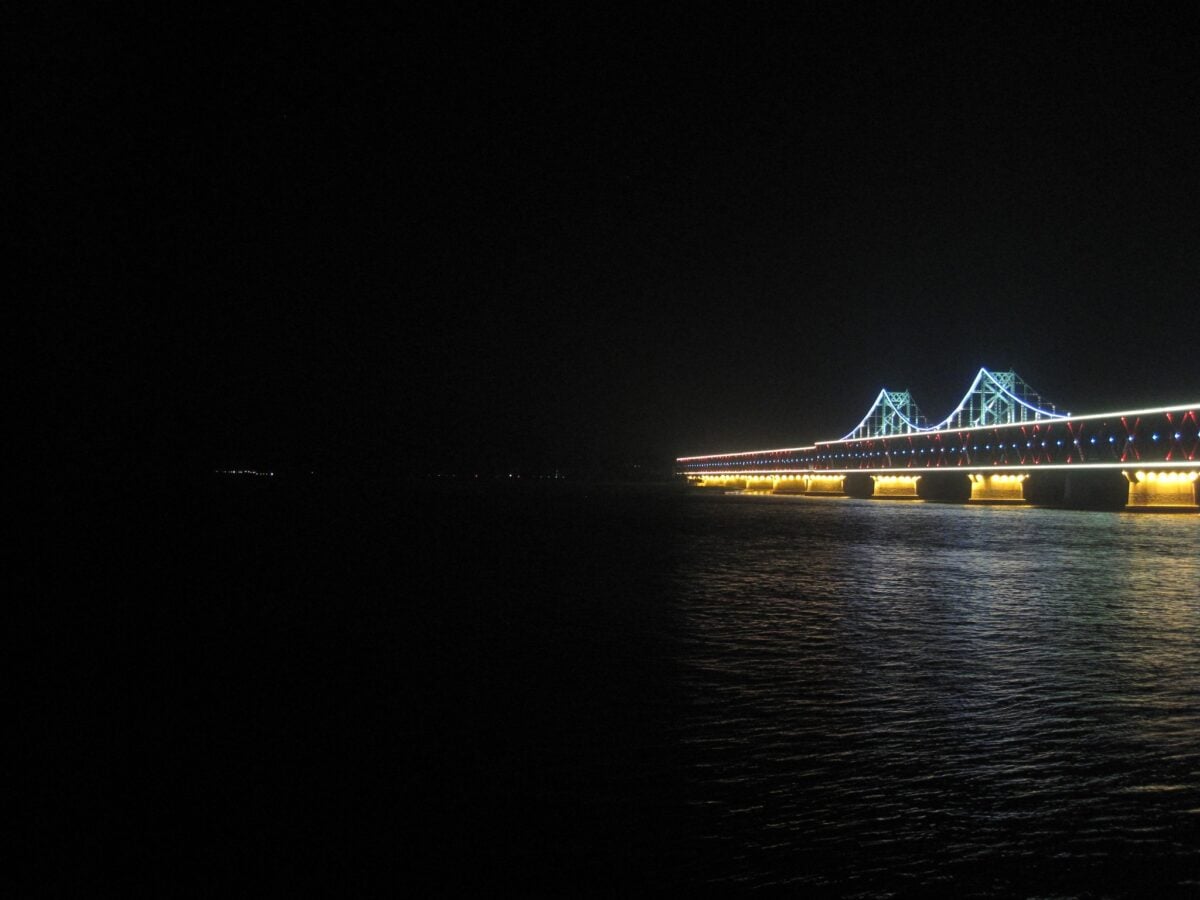
The Sino-Korean Friendship Bridge crosses the Yalu River between Dandong, China, and Sinuiju, North Korea. This green steel truss bridge carries most of the trade between these two nations.
You can see it clearly from the Chinese side, where tour boats and restaurants cater to curious visitors. Looking across at North Korea from the bridge reveals a different world.
The North Korean side shows little activity compared to the bustling Chinese city. Trucks cross regularly, carrying goods into North Korea, but individual travel remains heavily restricted.
The bridge stands as both a connection and a reminder of isolation.
Øresund Bridge Linking Denmark and Sweden

The Øresund Bridge does something unusual—it transforms from a bridge into a tunnel halfway across the strait between Copenhagen and Malmö. The bridge section stretches for five miles before diving onto an artificial island, where traffic continues through a tunnel under the shipping channel.
This combination of bridge and tunnel opened in 2000 and changed both cities. Commuters now live in one country and work in the other.
The crossing takes about ten minutes by car or train. Before this structure existed, only ferries connected these two nations across the water.
The bridge created a cross-border metropolitan region where 4 million people live and work.
Peace Bridge at the Oder River

Germany and Poland share a complicated history, but their border bridges now carry normal traffic without drama. The Peace Bridge at Frankfurt (Oder) and Słubice represents this normalization.
The old bridge was destroyed in World War II, and the current crossing opened in 1953. These twin cities grew together over time.
Students cross daily to attend universities. Shoppers hunt for bargains on either side.
The border formalities disappeared when both countries joined the Schengen Area. The river still runs between them, but it separates less than it used to.
Ambassador Bridge Between Detroit and Windsor

The Ambassador Bridge handles a quarter of all trade between the United States and Canada. This suspension bridge spans the Detroit River, connecting Detroit, Michigan, with Windsor, Ontario.
Built in 1929, it carries 8,000 trucks daily. Traffic jams build up during peak hours.
Commercial drivers know to time their crossings carefully. The bridge sits in private hands, which makes it unusual among major international crossings.
Plans for a second bridge nearby have faced delays for years, even as traffic continues to grow.
Simon Bolivar Bridge Across the Táchira River

Venezuela and Colombia share a long border, and the Simon Bolivar Bridge at Cúcuta serves as one of the main crossing points. The bridge spans a small river, but it carries enormous human traffic.
Political and economic turmoil in Venezuela pushed millions to flee across this bridge in recent years. The crossing turns chaotic during migration surges.
People carry everything they own across on foot. Aid organizations set up stations on both sides.
The bridge becomes a symbol of desperation for some, of hope for others. Normal commercial traffic continues, but the humanitarian crisis overshadows everything else.
Europa Bridge Connecting Bulgaria and Romania
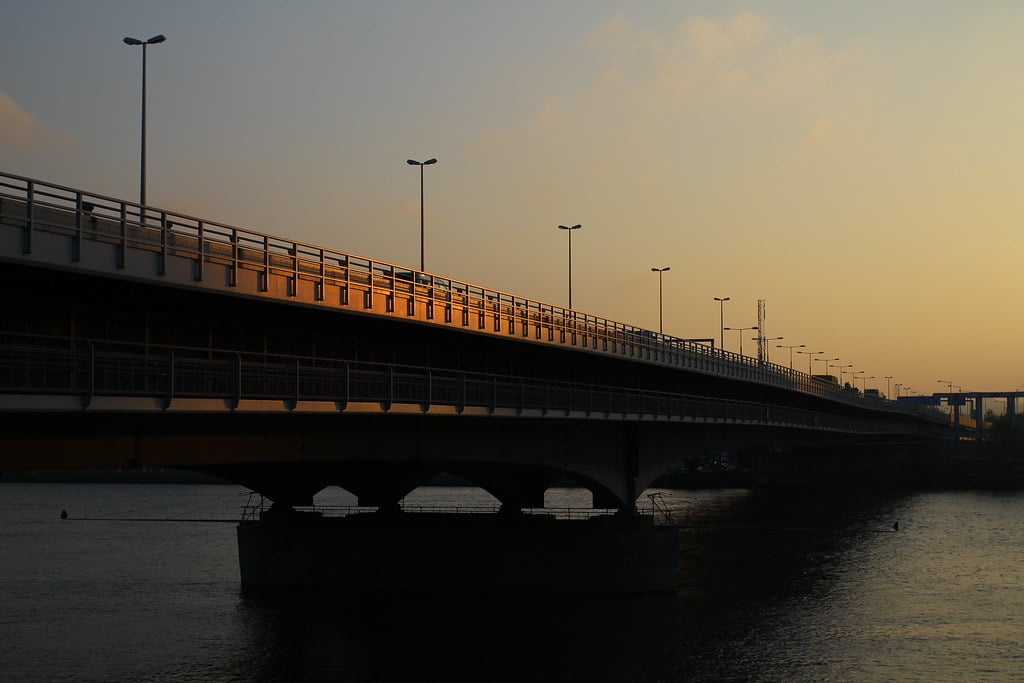
The Danube River forms a natural border across Eastern Europe, and for many years it isolated Romania and Bulgaria from each other. The Danube Bridge at Ruse and Giurgiu opened in 1954 and served as the only bridge between these countries until 2013.
This steel truss bridge stretches for 1.5 miles. It carries both road and rail traffic.
Before this bridge existed, ferries provided the only crossing. Even now, with a second bridge downstream at Vidin-Calafat, this remains the busier of the two crossings.
The bridge brought these Black Sea neighbors closer, even when both sat behind the Iron Curtain.
Tumen River Railway Bridge Into North Korea

Russia and North Korea share a short border along the Tumen River, and the railway bridge at Khasan serves as the main connection. This obscure crossing handles freight trains carrying goods between the two countries.
Few people outside of logistics specialists think about it, but it serves as North Korea’s main railway link to the outside world. The bridge sees coal heading out of North Korea and other goods heading in.
Russian border guards patrol one end, North Korean guards the other. The crossing operates quietly, away from international attention, unlike the more visible bridges with China.
Tek Bridge Spanning the Beas River
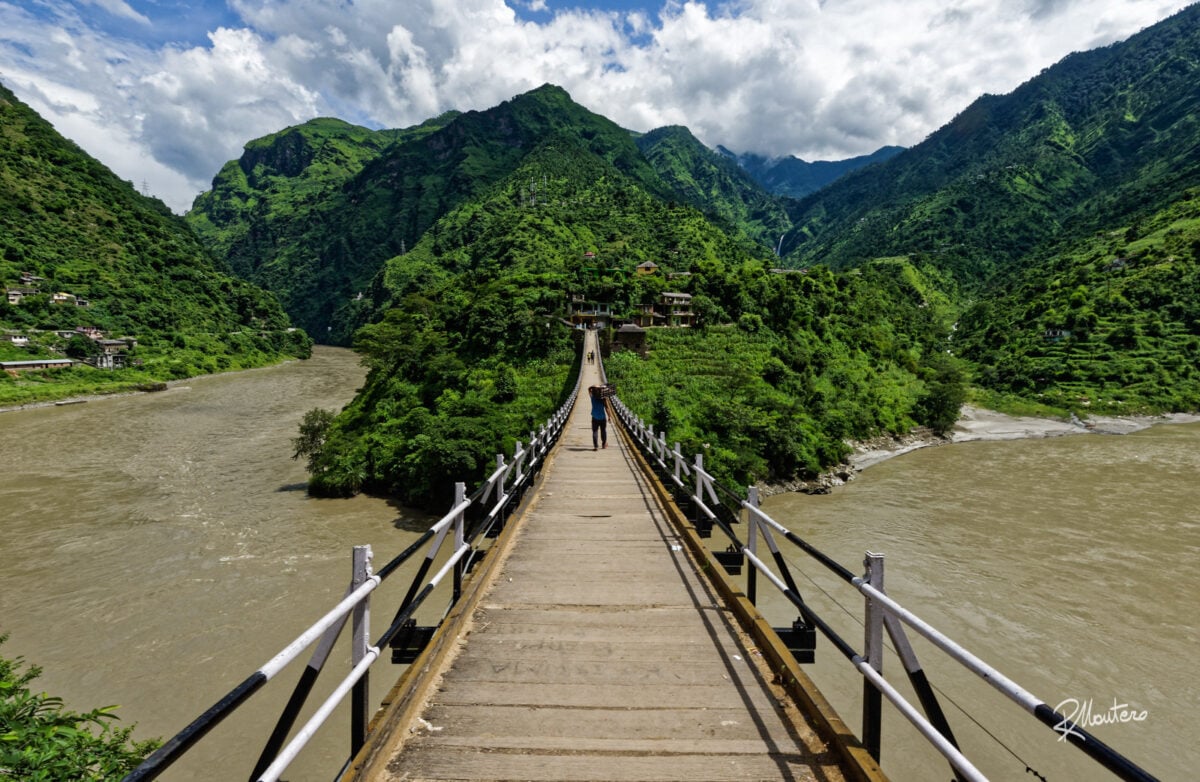
India and Pakistan maintain a tense border, with most crossings heavily militarized. The Tek Bridge over the Beas River doesn’t cross that particular border, but India’s borders with Nepal and Bangladesh feature numerous small bridges where daily life flows across lines on maps.
These smaller crossings don’t make headlines. Local residents cross to visit family, attend markets, or work on the other side.
Border formalities range from thorough to nearly nonexistent, depending on the location and the political climate at the time.
Puente Internacional Paso del Norte

On the U.S.-Mexico border, two cities grow into a shared urban stretch – El Paso sits on one side, Juárez just across. A bridge named Paso del Norte links them, known locally as the Santa Fe crossing.
People walk or drive through it every day, moving back and forth without pause. Opened decades ago in 1967, it stays busy from morning until night.
Midway through the cityscape, a span links two nations. From one side to the next, folks move – not for grand reasons, yet simply because life unfolds across both banks.
Some go for jobs, others for groceries, relatives, or a meal in another country. Delays shift without warning – one day brief, the next stretched by long stretches of standing still.
This structure holds more than traffic; it carries habit, rhythm, the unremarkable act of stepping from here to there.
Skopje to Kosovo Highway Bridges

Built for war, many Balkan spans now link towns without fuss. Over in the north, the span from Macedonia into Kosovo hums with daily commuter vans and delivery trucks.
When Yugoslavia came apart, lines on maps changed more than once around these roads.
Still standing, these crossings show how lines on a map shift while structures stay.
Built for reasons that fade, the bridges endure beyond their original purpose. Movement continues, yet people recall clearly the times it stopped.
Where Lines Blur
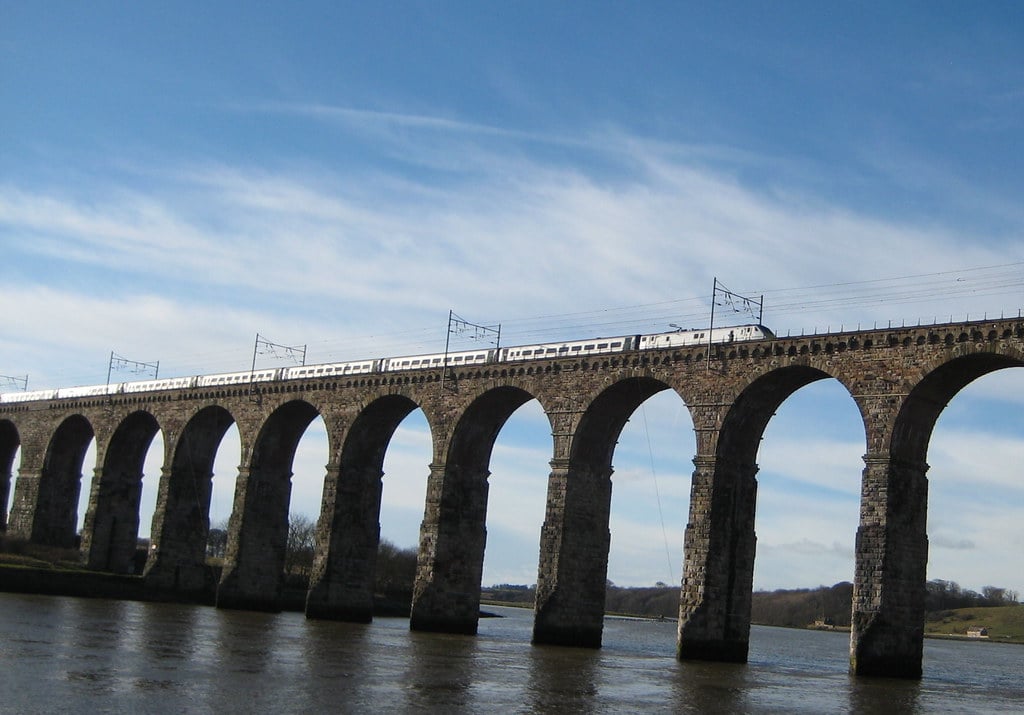
Bridges at borders feel strange underfoot. This one is shared, yet claimed by no single place.
Move forward once, you’re in a new country. Step again, and you’re back where you started.
Rivers or gaps in the land are what these spans were made to cross. Yet these crossings do more than join places – they tie together jobs, relatives, lives, things walls aim to split apart.
Over time some feel ordinary, so common folks hardly notice when one country becomes another. Others stand cracked or blocked, showing only how far people are pushed apart.
Many simply sit there doing a job – moving traffic, letting goods through – while also meaning something heavier without choosing to.
More from Go2Tutors!

- The Romanov Crown Jewels and Their Tragic Fate
- 13 Historical Mysteries That Science Still Can’t Solve
- Famous Hoaxes That Fooled the World for Years
- 15 Child Stars with Tragic Adult Lives
- 16 Famous Jewelry Pieces in History
Like Go2Tutors’s content? Follo