Bridges that Move to Let Ships Pass
Bridges usually look like permanent structures, firmly crossing rivers, bays, or canals.
But a few aren’t stuck in place – they shift aside so boats can pass.
These clever builds mix function with show, letting watercraft slip under while keeping cars or trains rolling nearby.
Instead of staying put, they use heavy weights, spinning sections, or lifting arms – proof that smart design solves tough clashes between roads and shipping lanes.
These bridges show up in many forms – each built with unique traits and smart design choices.
A few shoot upward like rockets, while one spins on a central point instead; another leans sideways just enough for boats to slip by.
Take a peek at standout moving bridges across the globe along with how their inner workings actually function.
Bascule Bridges
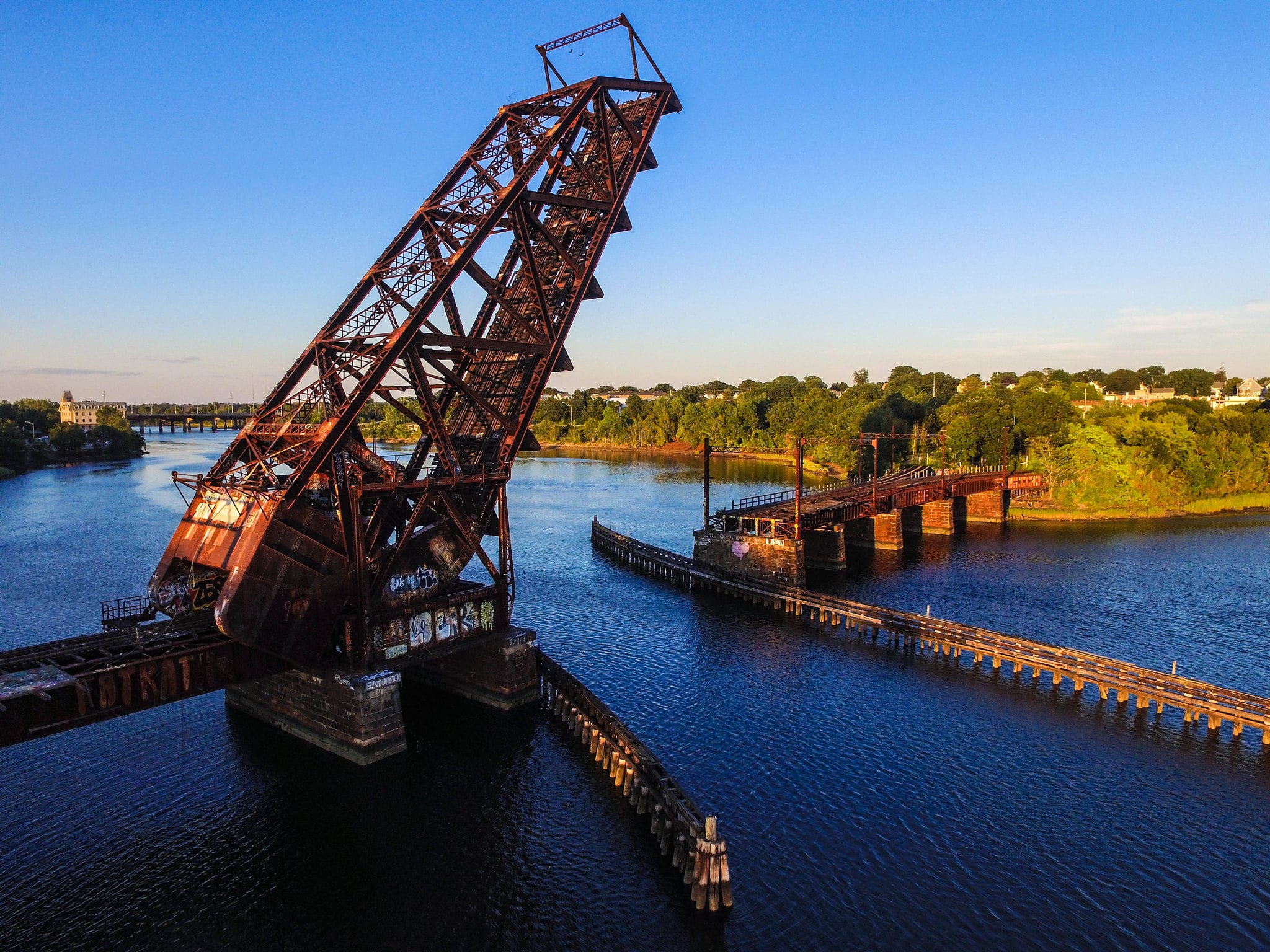
Bascule bridges – sometimes known as drawbridges – are probably the best-known kind of moveable bridge.
‘Bascule’ is borrowed from French, meaning seesaw; that’s exactly how this structure works.
Instead of relying on force, they use a heavy weight to balance the deck, so when it swings up around an axis at its base, lifting becomes smooth.
Because of this setup, part of the roadway rises fast whenever needed, making room for boats or large ships to pass through.
The way bascule bridges work seems basic at first glance – yet they need exact design details.
Their mass gets evenly distributed, meaning even heavy concrete or steel sections rise using minimal power.
While some swing open in less than sixty seconds, keep in mind how massive these things actually are.
Urban areas with packed rivers, like Chicago, rely on many such spans to let boats pass while keeping road flow steady overhead.
Swing Bridges

Swing bridges spin sideways on a fixed center – often anchored by a pillar right in the river’s flow.
As boats come near, the structure swings aside, opening up room for passage through the water.
Instead of rising upward like drawbridges do, these ones twist open using turning motion.
You’ll typically find them crossing broad rivers, especially when hoisting a massive section straight up isn’t really an option.
Some swing bridges look pretty cool when they move.
What seemed like a solid road breaks apart, then turns aside so boats can go through.
Back in the day, these bridges showed up often in busy factory towns and harbors – big vessels had to get by on a regular basis.
Right now, places such as Portland or Pittsburgh keep using them to handle both boat routes and city streets.
Vertical-Lift Bridges

Vertical-lift bridges hoist a chunk of pavement directly upward, held aloft by tall structures and steel ropes.
As the deck moves skyward between these uprights, it stays flat – so boats with different mast heights can slip under easily.
Since the traveling surface doesn’t tilt steeply, roads stay drivable without ramps or slopes.
You’ll often spot them on train routes or busy waterways where big ships need clearance but trains must roll smoothly when the span’s lowered.
Building a vertical-lift bridge takes accuracy plus toughness.
Cables have to handle huge loads, while counterweights require exact tuning.
Instead of turning like bascule types, these bridges rise straight up – usually powered by motors or hydraulics for steady movement.
One well-known model is the Arthur Kill lift bridge near NYC; it hoists heavy rail cars above a crowded channel, showing how big size and practical design can work together smoothly.
Historical Roots and Modern Innovation
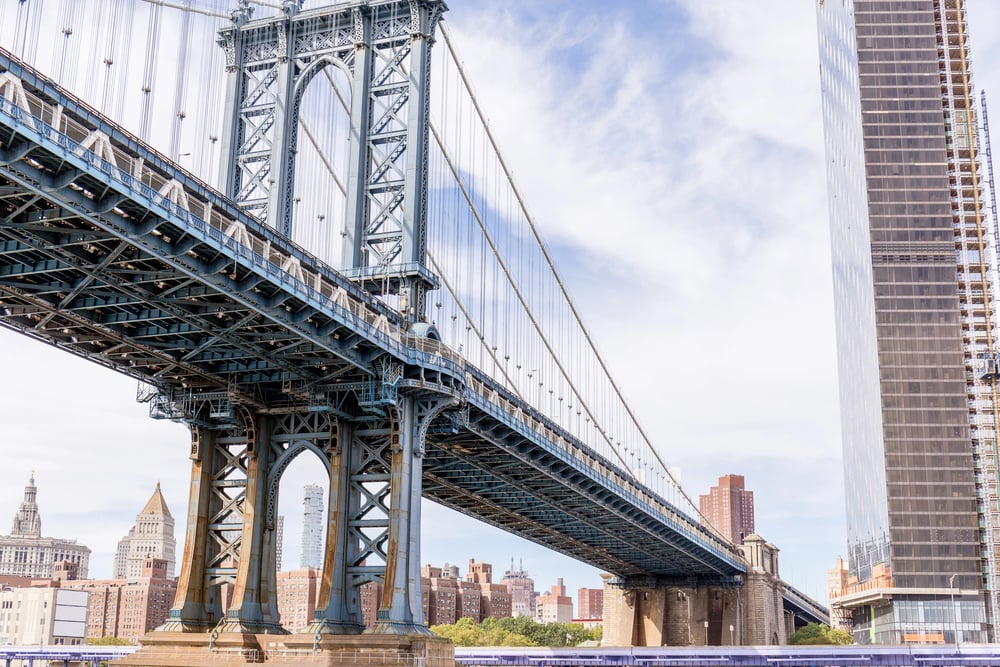
Movable bridges aren’t just something from today’s world.
Back in medieval days, drawbridges were already around – keeping castles and villages safe from attackers, yet letting ships slip through gaps in fortifications.
Over time, they shifted from basic wood platforms using pulleys and heavy weights, into advanced builds made of steel and concrete that shift huge chunks of roadway or train tracks almost effortlessly.
Nowadays folks who build bridges use old ideas but boost ’em with new tech.
Thanks to gadgets like sensors and smart hydraulics, drawbridges work quicker, smoother, and break down less often.
In busy urban spots, these setups run almost on their own – so cars keep rolling while boats pass through without long waits.
Urban and Maritime Impact

Movable bridges matter in how towns grow.
Where rivers or ports shape a city, they keep goods moving while letting boats pass through – so traffic isn’t blocked.
Cities such as Venice, Amsterdam, or Stockholm rely on them; their shifting spans don’t just serve ships – they set the pace of local life.
More than mere crossings, they stand out visually yet fit naturally into daily routines.
The look of a moveable bridge shows the push-pull between solid ground and flowing water.
Yet engineers have to weigh safety against how well it works and how it looks.
Instead of just lifting or turning freely, it’s got to handle vehicles, storms, plus upkeep too.
Still, it’s an ongoing trade-off – people wanting access versus nature doing its thing – all built right into metal, concrete, cables.
Iconic Examples Around the World

Some shifting bridges turned into famous spots, known just as much for their design as how they look.
Take London’s Tower Bridge – a lift-style span finished back in 1894 – mixing medieval-style details with heavy-duty mechanics.
Ships still need room to move up the Thames, so it lifts apart often, drawing onlookers every single time.
The Gateshead Millennium Bridge in England shows off clever thinking for today’s world.
Instead of opening the usual way, it leans open like an eye blinking, letting boats pass – this mix works well and looks amazing too.
Over in America, Chicago’s lift-up bridges are tied closely to how people see the city; they rise for sailing ships with high masts but still keep cars moving on top.
In Japan, Osaka’s Minato Bridge along with Tokyo’s Kachidoki Bridge show off lift-style and swinging bridge designs used in tightly packed city areas.
These structures prove that getting things done fast doesn’t rule out good looks – movable spans can work well while still being pleasing to the eye.
Engineering Challenges and Solutions
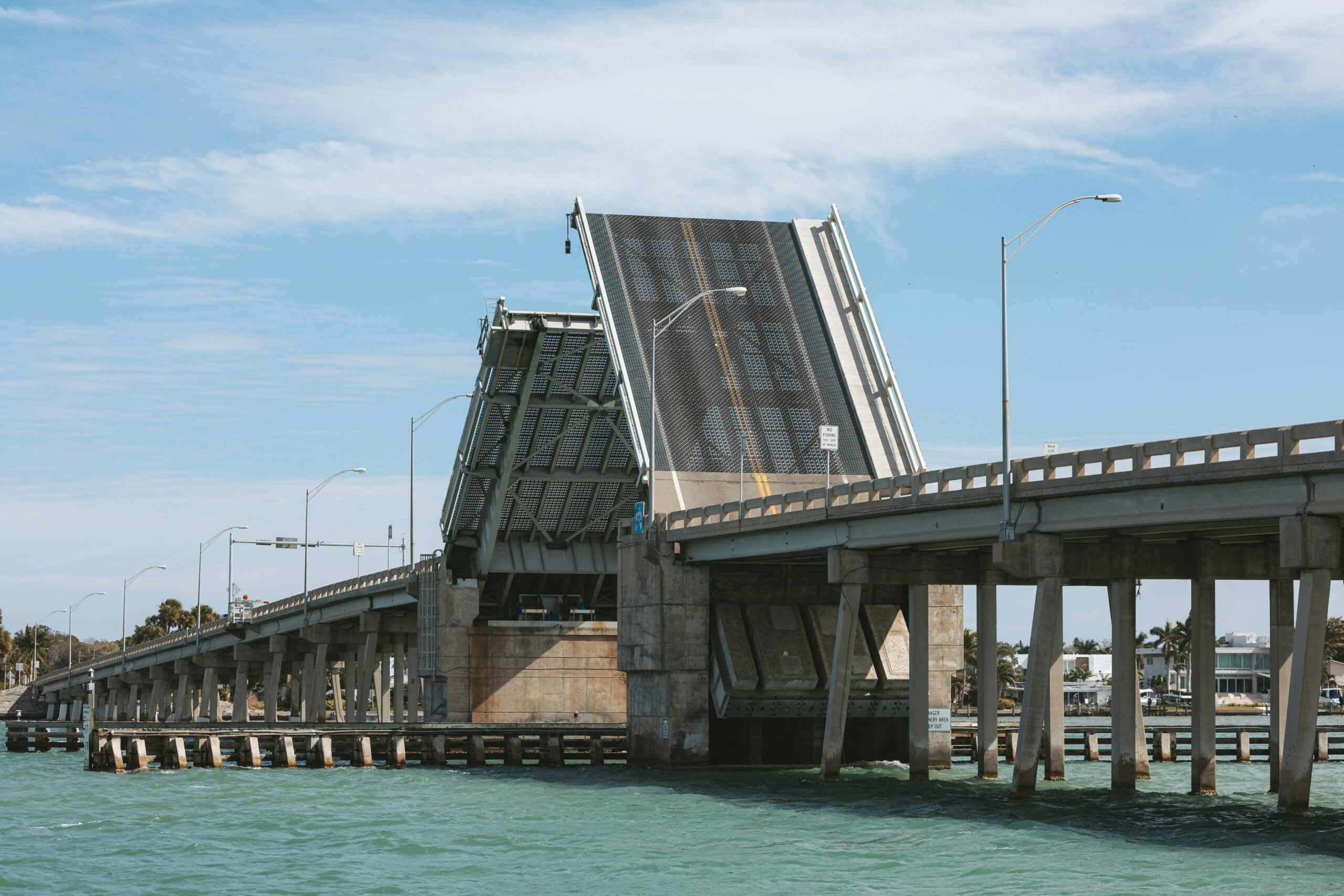
Building a moving bridge means tackling tough problems.
It’s got to hold up under ongoing strain from shifting parts, big loads, plus harsh weather.
Engineers consider things like gusts, flowing rivers, heat changes – also how regular use wears it down.
Keeping folks safe matters most since cars cross while huge ships pass through.
Automated checks, strong hydraulic parts, or better-balanced weights tackled several past issues.
Newer stuff – like tough steel paired with lightweight composite layers – cuts down mass but lasts longer.
Service routines stay tight, usually checking swivel spots, ropes, along with lift gears for steady performance over time.
All these upgrades reveal how design progress keeps moving bridges solid when pushed hard.
Cultural and Visual Appeal

Besides being useful, drawbridges also carry cultural weight and catch the eye.
Often viewed as signs of flexibility, they show how urban areas respond to landscape shapes and money demands.
Seeing one lift or pivot might seem like a small drama unfolds – a brief break in routine that highlights clever design made by people.
Artists, snapshooters, or moviemakers often pick moving bridges thanks to how they shift and react.
Not like fixed builds, these crossings play off nearby scenes moment by moment – altering glimmers, dark patches, plus mirrored surfaces.
They turn regular rivers into live sets where tech meets greenery, showing cleverness woven into city planning.
Why It Still Matters

Movable bridges aren’t just old leftovers from the past.
Still today, they play key parts in city layouts – helping boats pass while keeping traffic moving.
With urban areas expanding and ships getting bigger, such crossings show how smart design solves real problems – and grabs attention at the same time.
These everyday pieces of roadways prove even common constructions can hide cleverness and deeper function.
In today’s tech-heavy reality, moveable bridges stand out as clear signs of how inventive people can be.
Yet they don’t just link districts or factories – they tie together rivers and cities too, showing flexibility matters just as much as staying put.
Whenever one lifts or swings open, it quietly honors the balance among earth, flow, and what humans dare to build.
More from Go2Tutors!

- The Romanov Crown Jewels and Their Tragic Fate
- 13 Historical Mysteries That Science Still Can’t Solve
- Famous Hoaxes That Fooled the World for Years
- 15 Child Stars with Tragic Adult Lives
- 16 Famous Jewelry Pieces in History
Like Go2Tutors’s content? Follow us on MSN.