Candy Bars That Changed the Game
There’s something about a candy bar that makes people feel like kids again. Whether it’s the crunch of chocolate and peanuts or the smooth flow of caramel, these treats have been part of American life for over a century.
Some came and went quietly, but a few truly changed everything. They introduced new flavors, fresh ideas, and combinations that nobody thought would work.
These are the candy bars that didn’t just satisfy a sweet tooth—they rewrote the rules. Let’s take a look at the ones that made history and turned into legends.
Hershey’s Milk Chocolate Bar

Milton Hershey didn’t invent chocolate, but he made it affordable for everyone. Before his bar hit the market in 1900, chocolate was a luxury that most people couldn’t buy.
Hershey figured out how to mass-produce it without losing quality, and suddenly chocolate wasn’t just for the rich anymore. His bar became the standard that every other company had to measure up to.
It was simple, consistent, and everywhere. That accessibility changed the entire industry and made chocolate a regular part of American culture.
Snickers
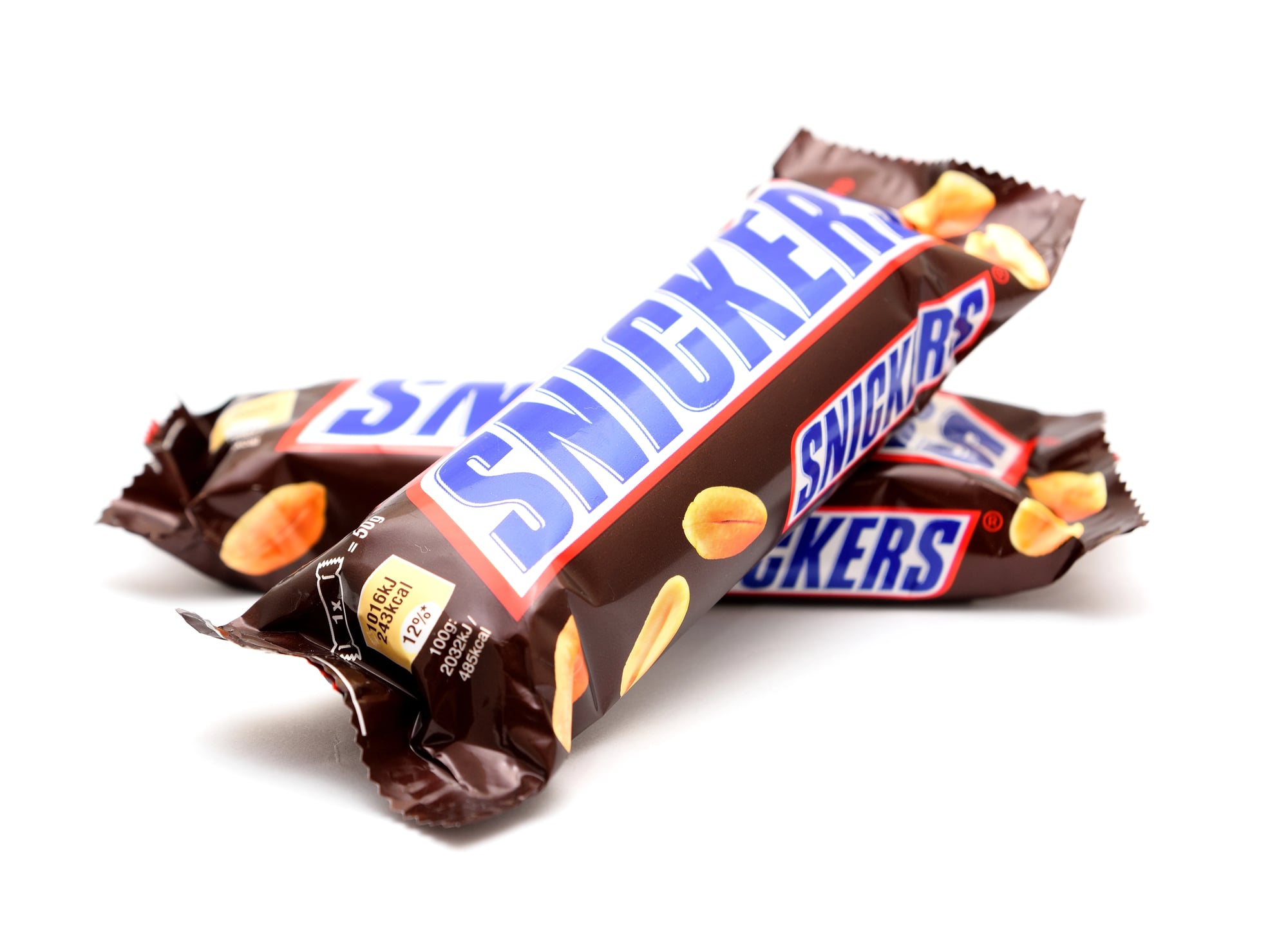
Snickers took the idea of a candy bar and made it a meal replacement. It came out in 1930 during the Great Depression, and people loved it because it actually filled them up.
The combination of peanuts, caramel, nougat, and chocolate was packed with energy, and it didn’t cost much. Workers would grab one for lunch, kids would trade them at school, and athletes started eating them before games.
It became the best-selling candy bar in the world and stayed there for decades. Snickers proved that candy could be more than just a treat.
Reese’s Peanut Butter Cups
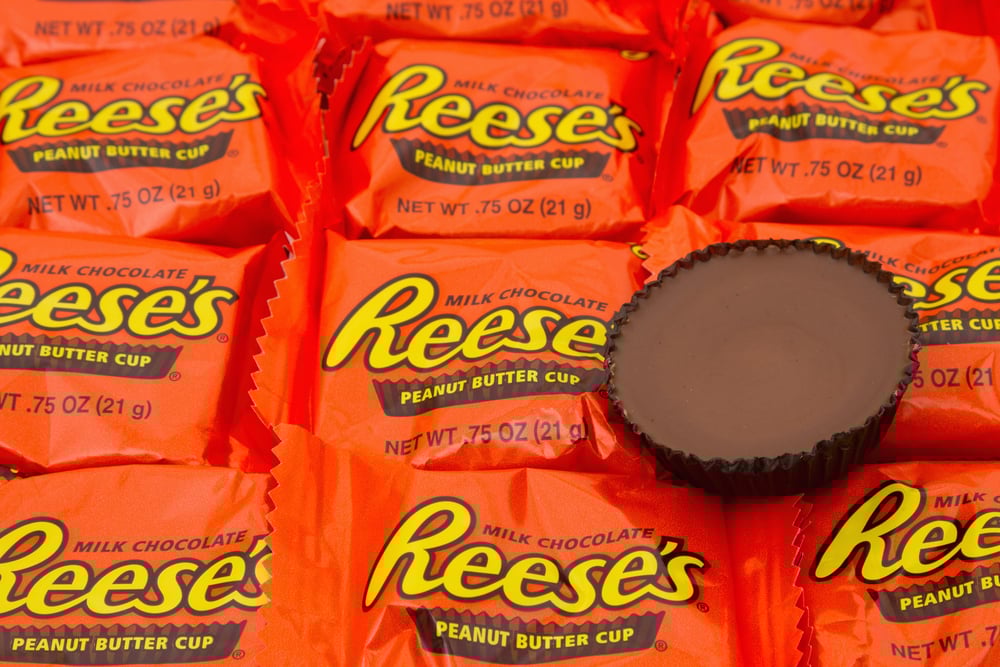
H.B. Reese worked for Milton Hershey before he started making his own candy in his basement. He tried a bunch of different ideas, but the peanut butter cup was the one that stuck.
It came out in 1928, and people couldn’t believe how well chocolate and peanut butter worked together. The combination felt new even though both ingredients were common.
Reese’s became so popular that Hershey eventually bought the company, and it’s now one of the top-selling candies in the country. It opened the door for every peanut butter and chocolate product that came after.
Milky Way

The Milky Way bar wasn’t named after the galaxy—it was named after a milkshake. Frank Mars created it in 1923 as a candy version of a malted milk drink, which was huge at the time.
The nougat inside was light and fluffy, and the chocolate coating made it feel rich without being too heavy. It became one of the first candy bars to really focus on texture, not just taste.
People loved how it felt in their mouth, and that became just as important as the flavor. Mars proved that a candy bar could be an experience, not just a snack.
Kit Kat

Kit Kat was born in England in 1935, but it didn’t take long to become a favorite in the United States. The idea of a chocolate bar you could snap apart was totally new, and people found it fun.
Each piece made a satisfying crack, and sharing became part of the appeal. The wafer inside gave it a light crunch that set it apart from heavier candy bars.
Kit Kat showed that a candy bar didn’t have to be dense or packed with filling to be satisfying. It was different, and that difference made it stick around for almost 90 years.
3 Musketeers

This bar started with three flavors in 1932—chocolate, vanilla, and strawberry. That’s where the name came from.
But after World War II, the company dropped the other two and kept only chocolate because ingredients were hard to get. The bar became known for its fluffy nougat center, which was lighter than almost anything else on the shelf.
It felt like eating a cloud covered in chocolate. People who didn’t want something too heavy gravitated toward it, and it carved out its own spot in the candy aisle.
It proved that less could be more.
Butterfinger

Butterfinger launched in 1923 with a bold, crunchy peanut butter core that shattered when you bit into it. The texture was nothing like Reese’s or any other peanut butter candy at the time.
It was flaky, crispy, and stuck to your teeth in the best way. The bright orange color made it stand out on shelves, and kids loved how messy it was to eat.
Butterfinger didn’t try to be smooth or refined—it was loud, fun, and unapologetic. That attitude helped it survive for a century in a crowded market.
Baby Ruth

Even though people think it’s named after the baseball player, the company claimed it was named after President Grover Cleveland’s daughter. Either way, it became one of the most recognizable candy bars in America after it launched in 1921.
The mix of peanuts, caramel, and nougat was filling and satisfying, and it competed directly with Snickers for years. Baby Ruth was one of the first candy bars to use celebrity-style marketing, showing up in movies and ads everywhere.
It became a cultural icon before most candy bars even had a brand identity.
Almond Joy

Almond Joy took a risk by putting coconut front and center in 1946. Coconut wasn’t a popular candy ingredient in the U.S. at the time, but Peter Paul decided to go for it anyway.
The chewy coconut paired with crunchy almonds and smooth chocolate created a tropical vibe that felt exotic. It wasn’t for everyone, and that was the point.
Almond Joy attracted people who wanted something different from the usual caramel and peanut combos. It proved that niche flavors could succeed if they were done right.
Twix

Twix didn’t come to the United States until 1979, but it quickly became a favorite because of its cookie base. Most candy bars used nougat or peanut butter as a foundation, but Twix went with a crunchy biscuit instead.
The caramel on top added sweetness, and the chocolate coating brought it all together. The cookie gave it a texture that felt more like a dessert than a candy bar.
Twix showed that there was still room for innovation even in a market that seemed full. It became one of the top sellers almost immediately.
Take 5

Take 5 quietly launched in 2004 and didn’t get much attention at first, but it had everything. Pretzels, peanuts, peanut butter, caramel, and chocolate all came together in one bar, and somehow it worked.
The salty pretzel was the key—it balanced out the sweetness and gave the bar a savory edge. Take 5 proved that candy bars didn’t have to stick to traditional flavor profiles.
It took risks that other brands wouldn’t, and over time it built a loyal following. Hershey’s eventually gave it more attention, and now it’s a sleeper hit.
Payday

Payday broke the rules by skipping chocolate entirely. It came out in 1932 with just peanuts and caramel, and that was enough.
The bar was covered in salted peanuts, which gave it a crunchy, savory coating that felt more like a snack than candy. Workers loved it because it was filling and didn’t melt as easily as chocolate bars.
Payday proved that a candy bar didn’t need chocolate to succeed, and it’s still one of the few non-chocolate options that sells well. It carved out a unique space and never tried to be anything else.
Mounds

Mounds came before Almond Joy and did something even bolder—it used dark chocolate instead of milk chocolate. It launched in 1920 and became the first major coconut candy bar in the U.S.
The dark chocolate gave it a more grown-up taste, and the coconut made it chewy and rich. Mounds didn’t chase trends or try to appeal to everyone.
It stayed true to its original recipe for over a hundred years, and people still reach for it when they want something less sweet. It proved that simplicity and confidence could build a lasting brand.
100 Grand

Originally called the $100,000 Bar when it launched in 1966, this candy bar brought crispy rice into the mix. The combination of caramel, chocolate, and crunchy rice created a texture that was light but satisfying.
It wasn’t as heavy as a Snickers or as dense as a Milky Way, and that made it stand out. The name made it feel valuable, like you were getting more than you paid for.
100 Grand showed that small changes in texture could make a big difference in how people experienced a candy bar. It’s still underrated, but the fans it has are devoted.
Zero

Zero launched in 1920 and focused on white fudge instead of the usual nougat. The creamy center was covered in caramel, peanuts, and chocolate, creating a flavor that was smooth but not too sweet.
It didn’t get as much attention as other bars, but it had a dedicated fan base that appreciated the difference. Zero proved that you didn’t need flashy marketing or a famous name to survive.
It stayed on shelves for over a century by being consistently good and just different enough to matter.
Charleston Chew

Charleston Chew hit the scene in 1925, known for one quirky twist – taste improved cold. While soft and sticky when warm, tossing it in the freezer changed everything.
Young fans enjoyed cracking through the icy chocolate shell, since it took more effort to eat. It also stayed around longer once chilled.
No need for wild mixes or trendy stuff inside. It caught on since people could join in while having a good time eating it.
Because of that lighthearted vibe, it stuck around close to 100 years.
Whatchamacallit

Whatchamacallit hit stores back in ’78 – named like you’d shrug while saying it. Inside, there was this mix: crunchy peanut stuff, gooey caramel, then chocolate on top; somehow it just clicked even though it seemed thrown together.
It never acted fancy or tried to impress anyone – that’s what made people like it. Hershey’s? They saw how odd it was, so instead of hiding it, they went all in.
Whatchamacallit proved sweet makers can play around, ignoring old rules. Its crowd loves how weird it is – no excuses given.
That’s why it sticks around even now.
Clark Bar
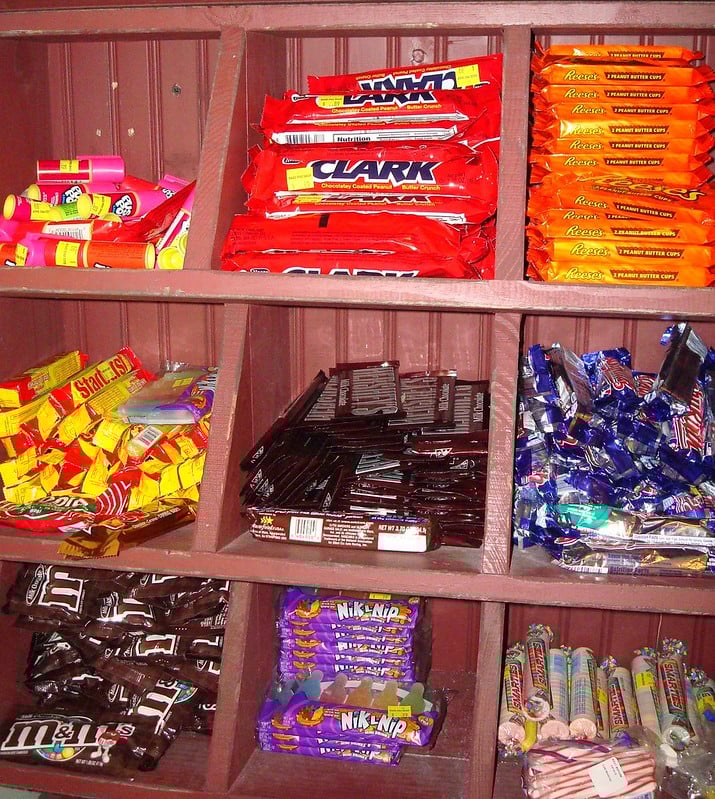
The Clark Bar landed on store shelves in 1917 – among the earliest treats blending peanut butter with chocolate. Its crisp, flaky bite stood out from everything else around then.
While it blazed trails, it didn’t catch the fame of Reese’s or Butterfinger, despite arriving earlier. Over decades, ownership shifted multiple times; at one point, it vanished completely before returning again.
Being first isn’t always enough to stay known – but solid concepts tend to resurface eventually.
The wrappers we can still identify
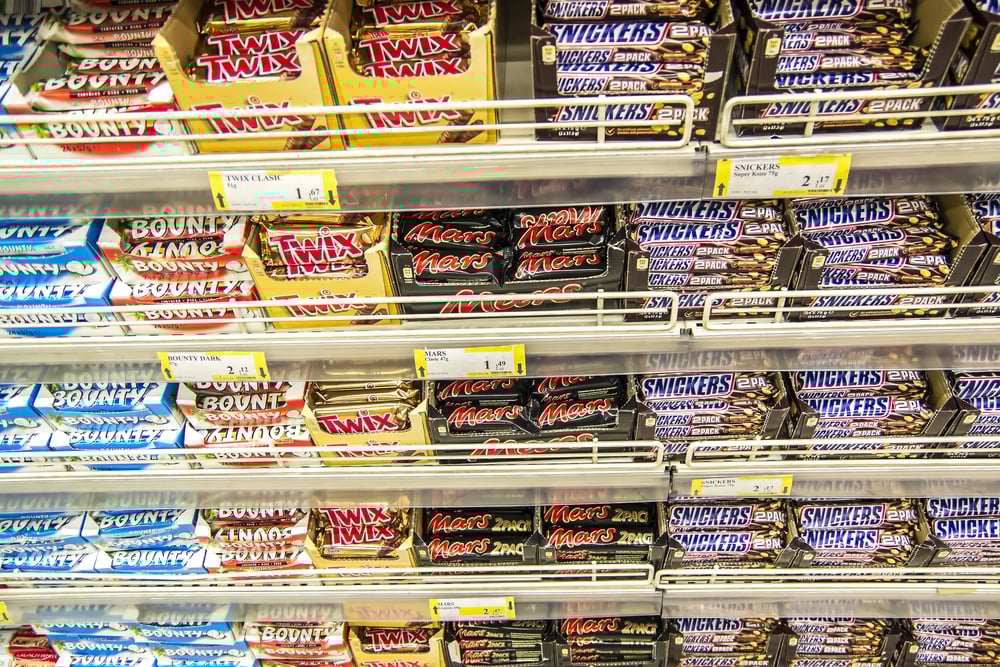
These candy bars didn’t only shift snacks – they flipped the whole idea of sweets. One brought wild tastes, another messed with crunch or chew, while some dared to go where none had gone before.
They slipped into birthdays, Halloween bags, car rides, and midnight munchies. The standouts didn’t vanish when fads moved on – instead, they held tight to their original charm.
Right now, every shelf full of treats stands because a few bold bars broke ground.
More from Go2Tutors!

- The Romanov Crown Jewels and Their Tragic Fate
- 13 Historical Mysteries That Science Still Can’t Solve
- Famous Hoaxes That Fooled the World for Years
- 15 Child Stars with Tragic Adult Lives
- 16 Famous Jewelry Pieces in History
Like Go2Tutors’s content? Follow us on MSN.