The World’s Strangest Museums
Most museums stick to the tried and true approach of displaying art, history, or science in ways that feel familiar and safe.
They showcase paintings behind velvet ropes, ancient artifacts under glass, and informational plaques written in careful academic language.
But scattered across the globe are institutions that throw that playbook out the window entirely, creating spaces so unusual that visitors often wonder if they’ve stumbled into some kind of elaborate prank.
Here are some of the most bizarre museums that actually exist and welcome guests through their doors.
Museum of Broken Relationships
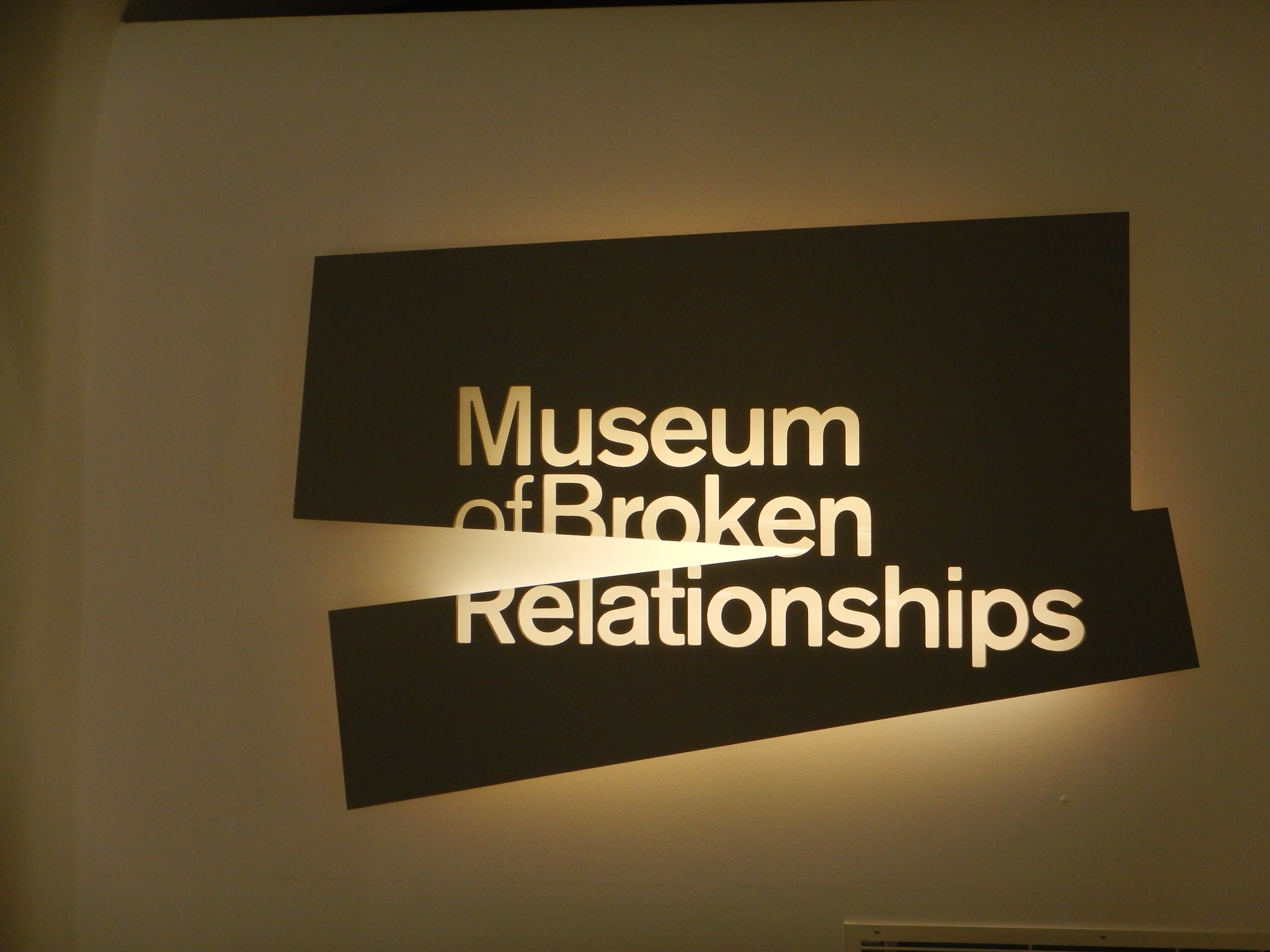
Two Croatian artists created this museum in Zagreb after their own relationship ended, turning heartbreak into a traveling exhibition that eventually found a permanent home.
People from around the world donate items from their failed relationships, each accompanied by an anonymous story explaining its significance.
The collection now includes roughly 3,500 objects and continues growing.
You might see an axe someone used to destroy their ex’s furniture, a toaster stolen so a former partner could never make breakfast again, or wedding dresses donated after engagements fell apart.
The museum won the Kenneth Hudson Award in 2011 for being Europe’s most innovative museum.
The exhibit manages to be both deeply sad and surprisingly funny, proving that heartbreak might be universal but the ways people cope with it are endlessly creative.
Icelandic Phallological Museum
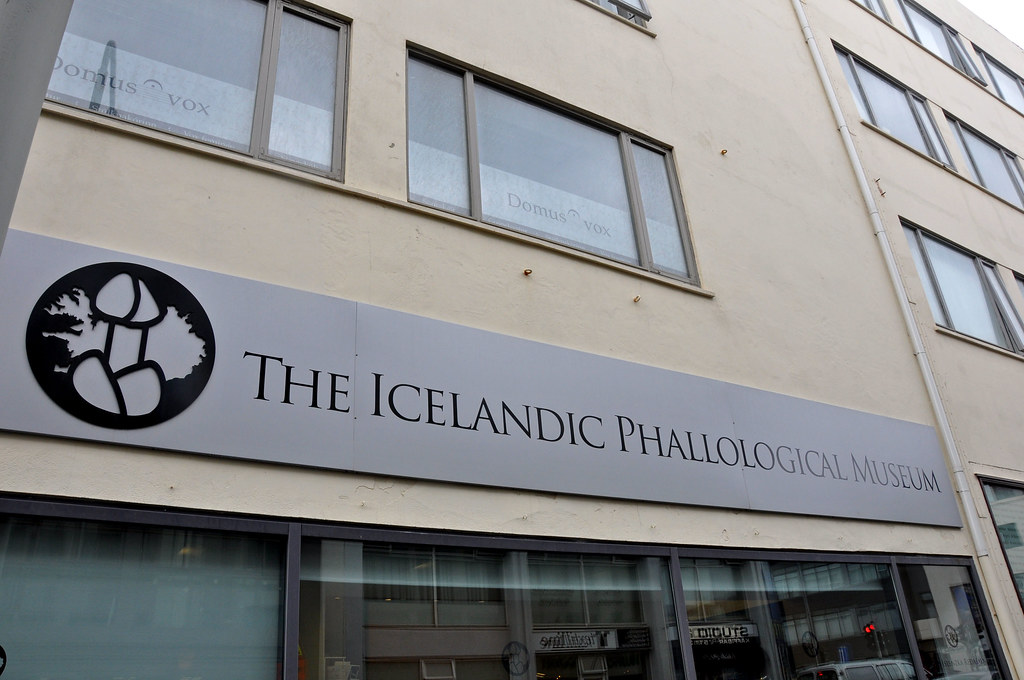
Located in Reykjavik, this museum bills itself as probably the only institution in the world entirely devoted to male reproductive organs.
The collection features specimens from various animals including a two-meter section from a five-meter blue whale, as well as much smaller examples from creatures like hamsters.
More than 11,000 people visit each year to see these bizarre anatomical displays.
The museum even includes specimens supposedly from mythical creatures like elves and mermaids, though those remain invisible to the human eye.
It takes what could be purely juvenile humor and presents it with enough scientific seriousness to feel educational, though visitors definitely spend time giggling.
Museum of Bad Art
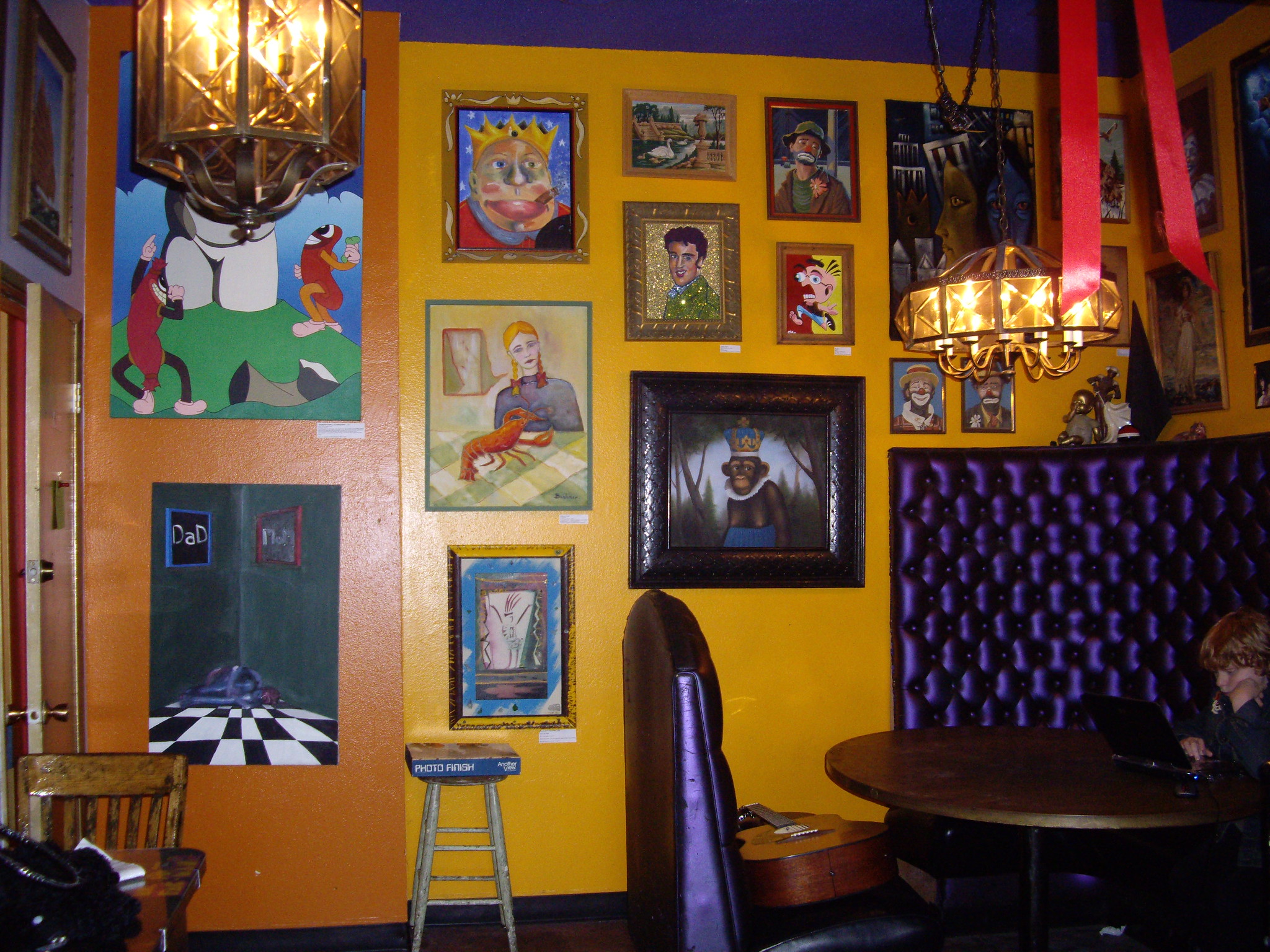
An antique dealer named Scott Wilson founded this Massachusetts institution after finding a painting called ‘Lucy in the Field with Flowers’ among trash on a Boston curb.
The museum now operates in three locations around Somerville and Brookline, dedicated entirely to artwork that fails spectacularly.
These aren’t pieces that are merely mediocre or forgettable.
They’re paintings and sculptures so misguided that they loop back around to being fascinating.
Think portraits where the proportions are wildly wrong, landscapes that look like they were painted during an earthquake, or abstract pieces that seem to have no concept guiding them whatsoever.
The museum proves that bad art can be just as captivating as masterpieces, though for completely different reasons.
Sulabh International Toilet Museum
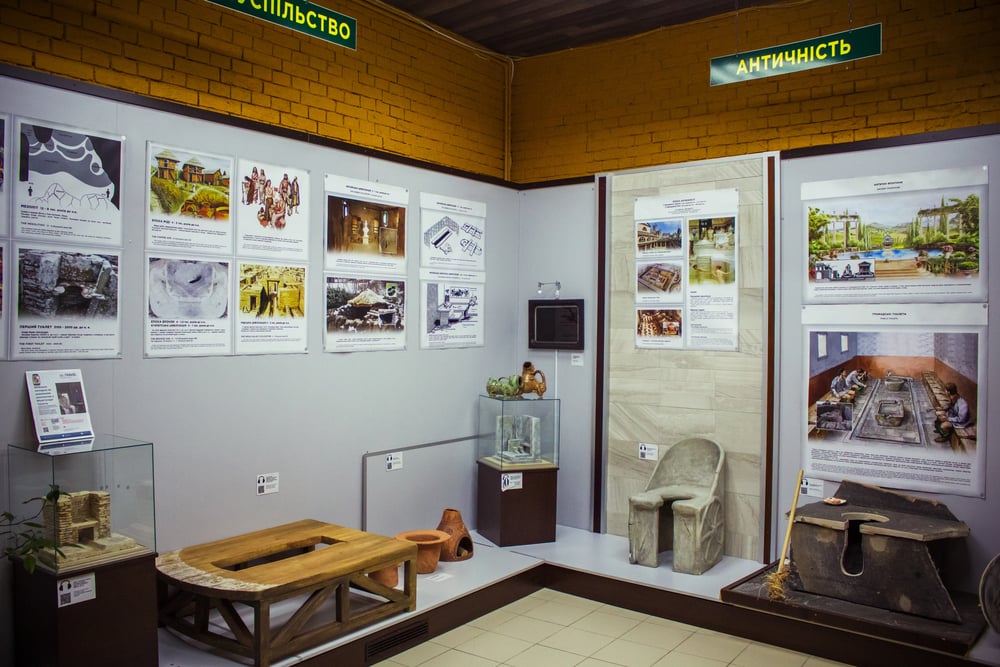
Located in New Delhi, this museum was founded by an organization working on sanitation and hygiene improvements in developing countries.
Displays are divided into ancient, medieval, and modern sections, with the ancient section covering the first manmade toilets from Pakistan dating to 3000 BC.
The medieval section features hand-painted ornate Austrian toilet bowls that are genuinely beautiful, while the modern area showcases high-tech toilets from Japan and Korea.
The museum treats bathroom facilities with the respect they deserve, showing how sanitation technology has evolved and improved public health.
It might sound silly, but toilets have saved more lives than most medical innovations, making this museum far more important than it initially appears.
Cancun Underwater Museum
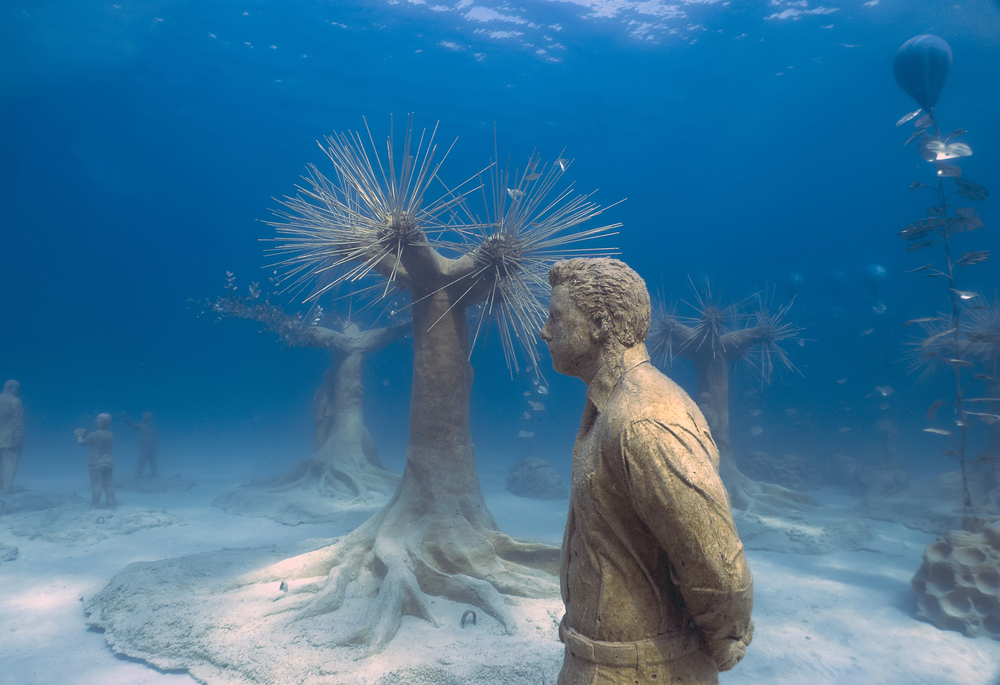
Situated in the Mexican National Marine Park, this museum displays around 500 sculptures submerged between 10 and 20 feet underwater.
Visitors need scuba gear or snorkeling equipment to view the collection, which depicts local residents and various scenes from Mexican coastal life.
All sculptures are made from special marine-friendly materials designed to eventually become artificial coral reefs.
The statues slowly transform as marine life colonizes them, with algae, coral, and fish turning each piece into a living ecosystem.
What started as art became something closer to environmental science, creating habitats for ocean creatures while giving divers an otherworldly experience swimming through underwater galleries.
Avanos Hair Museum

Created by Turkish potter Chez Galip, this museum sits in caves beneath his pottery studio in the town of Avanos and contains hair from more than 16,000 women.
The walls are covered with locks of every length and color, along with names and addresses of the donors.
The story goes that a friend gave Galip a lock of her hair before moving away, and he hung it in his cave.
Other women who visited started adding their own hair to the collection.
The practice continued for decades until the caves became completely covered in human hair.
It sounds creepy because it absolutely is creepy, but it’s also become a genuine tourist attraction where visitors can add their own contributions to the ever-growing collection.
Vent Haven Museum
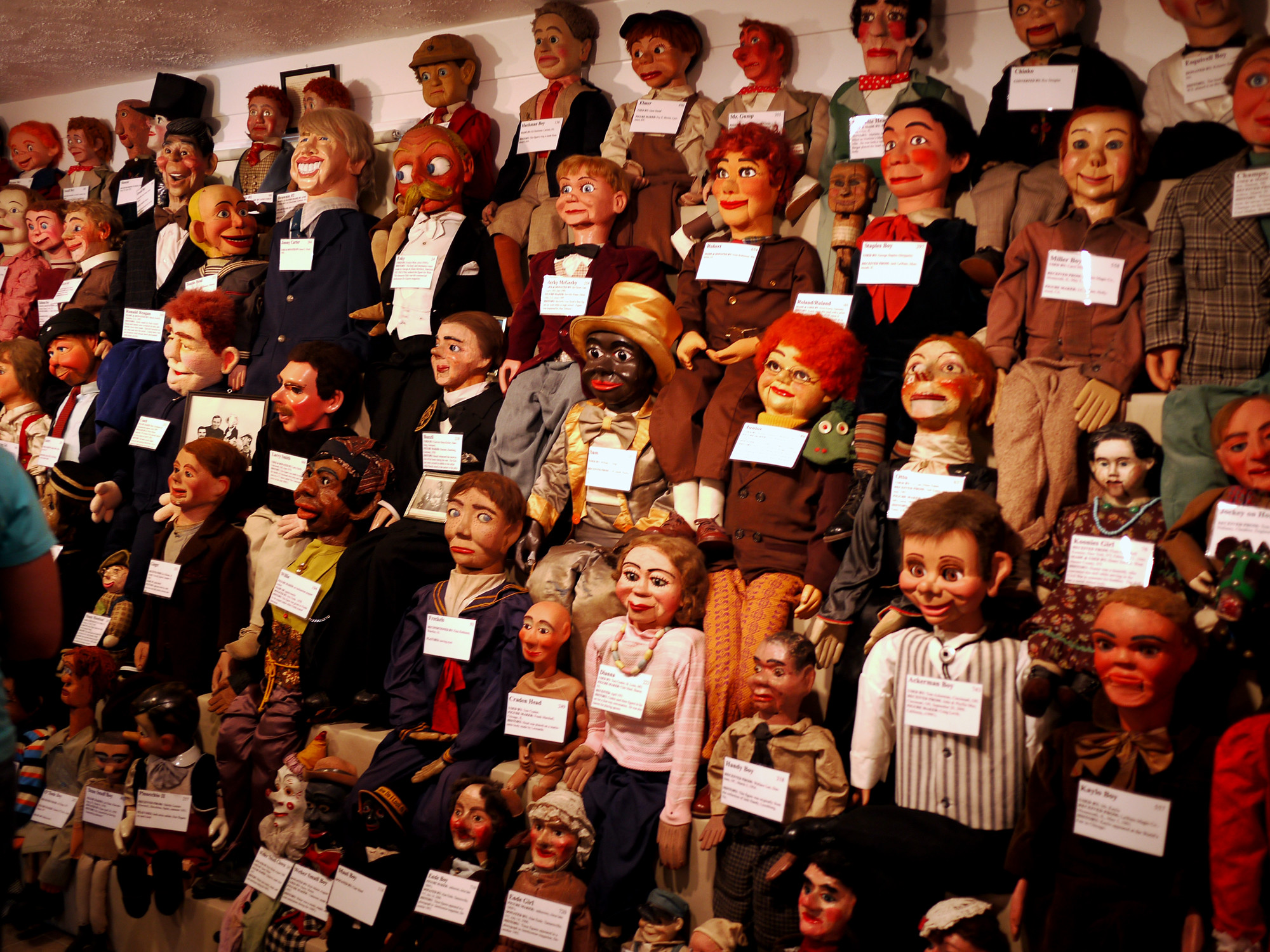
William Shakespeare Berger purchased his first ventriloquist dummy named Tommy Baloney in 1910, and by 1947 his collection had grown so large he had to renovate his garage to display them.
The Kentucky museum now houses more than 800 dummies, along with photographs, playbills, and historical books related to ventriloquism.
Walking through rows of wooden figures with painted faces and glassy eyes feels like stepping into a horror movie.
The museum hosts an annual ConVENTion that brings ventriloquists from around the world together.
Ventriloquism might seem like a dying art form, but this museum proves there’s still a devoted community keeping the practice alive, even if most people find the dummies unsettling.
Cup Noodles Museum
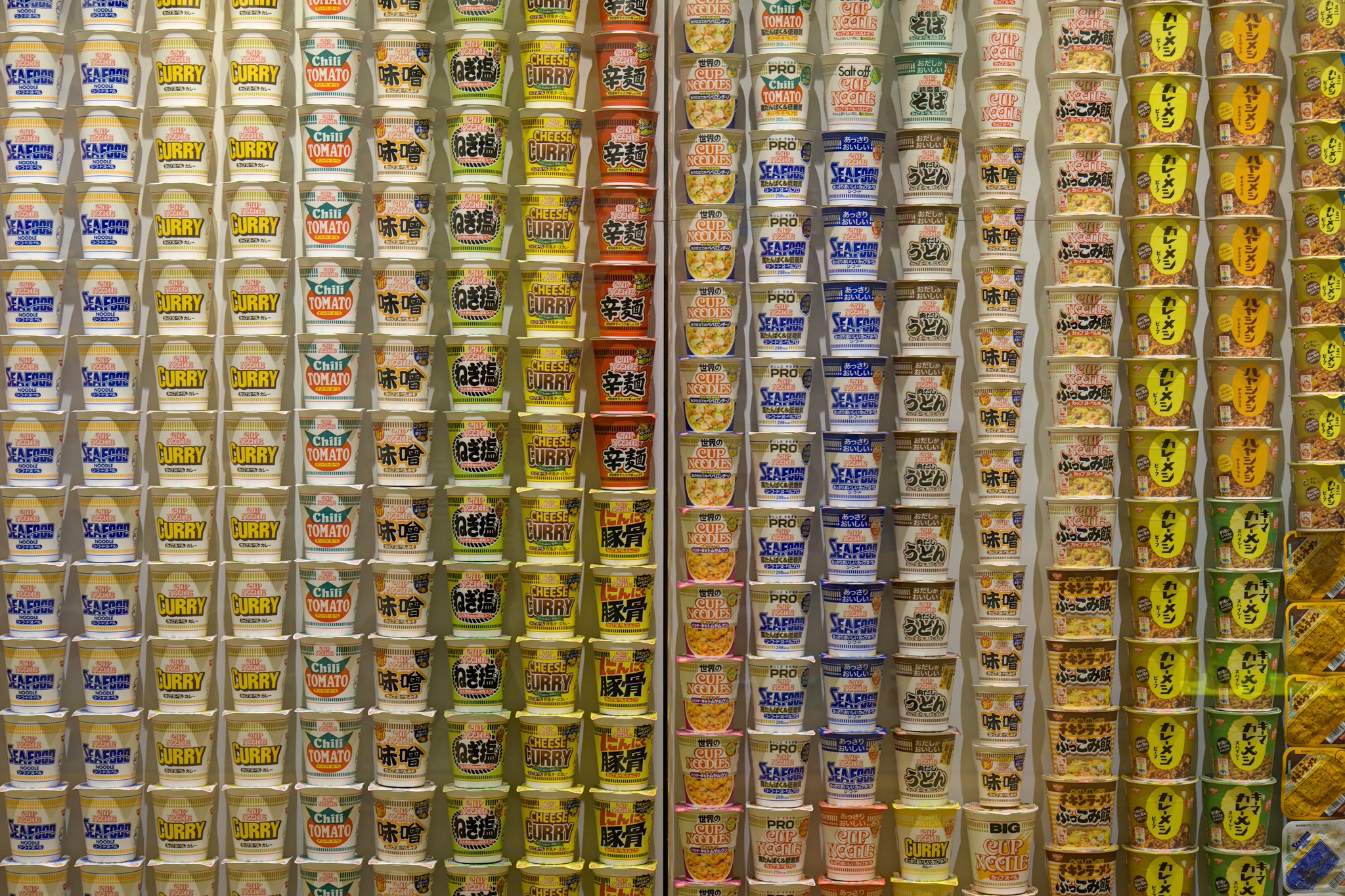
Located in Yokohama, Japan, this massive museum celebrates the invention of instant noodles by Momofuku Ando.
Visitors can design their own instant noodles with custom packaging at the CUPNOODLES Factory, while kids play on a playground made entirely from noodle cups.
The museum includes a replica of the tiny wooden shed where Ando invented chicken ramen, along with a theater detailing his life story.
There’s even a Chicken Ramen Factory where guests learn to make noodles from scratch.
The entire experience is free, and you can easily spend several hours exploring.
It takes a simple food product and turns it into an immersive experience that’s part amusement park, part history lesson, and completely devoted to celebrating instant ramen.
British Lawnmower Museum

Tucked in the back of a DIY shop in Southport, England, this museum houses the country’s largest collection of gardening equipment.
The collection includes racing lawnmowers used in competitive events, vintage models from decades past, and lawnmowers once owned by famous people.
There’s even a solar-powered robot mower representing the future of lawn care.
The museum treats these machines with the reverence that other institutions reserve for fine art or historical artifacts.
Only in England could someone create an entire museum dedicated to grass-cutting equipment and have people actually visit it.
The museum also provides information about lawnmower racing, which is apparently a real competitive activity with dedicated participants and spectator events.
Museum of Salt and Pepper Shakers

Archaeologist Andrea Ludden started collecting salt and pepper shakers in 1985, viewing them as examples of everyday creativity.
Her collection in Gatlinburg, Tennessee, now contains more than 20,000 examples.
The shakers come in every imaginable shape, size, and design, from simple glass containers to elaborate ceramic figures.
Some are shaped like animals, others like buildings or vehicles.
The collection demonstrates how much thought and artistry can go into designing such mundane household items.
Visitors often arrive skeptical that anyone could fill an entire museum with salt and pepper shakers, then leave impressed by the sheer variety and creativity on display.
Parasitological Museum
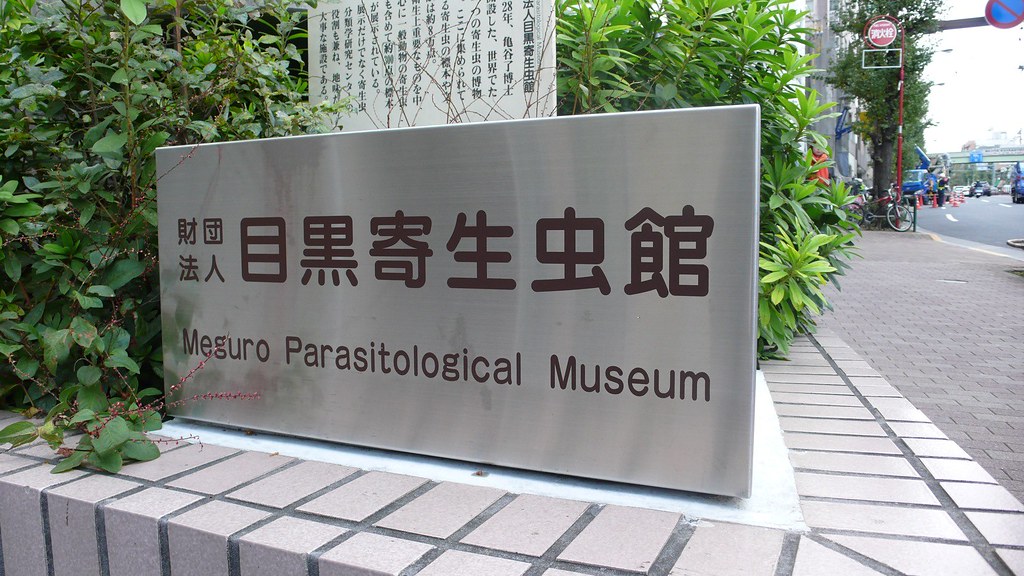
Japanese parasitologist Dr. Satoru Kamegai opened this Tokyo museum in 1953, and it now holds more than 60,000 specimens along with 50,000 books about parasitology.
One particularly disturbing exhibit features an eight-meter-long tapeworm displayed next to a white ribbon to emphasize its horrifying length.
The museum shows parasites from fish, mammals, and humans, many preserved in jars of formaldehyde.
It’s educational but deeply unsettling, showing creatures that live inside other organisms in ways that make visitors uncomfortable.
The museum isn’t trying to gross people out for entertainment value.
It genuinely wants to educate the public about parasites and the diseases they cause, but that doesn’t make the exhibits any less disturbing to view.
International Banana Museum
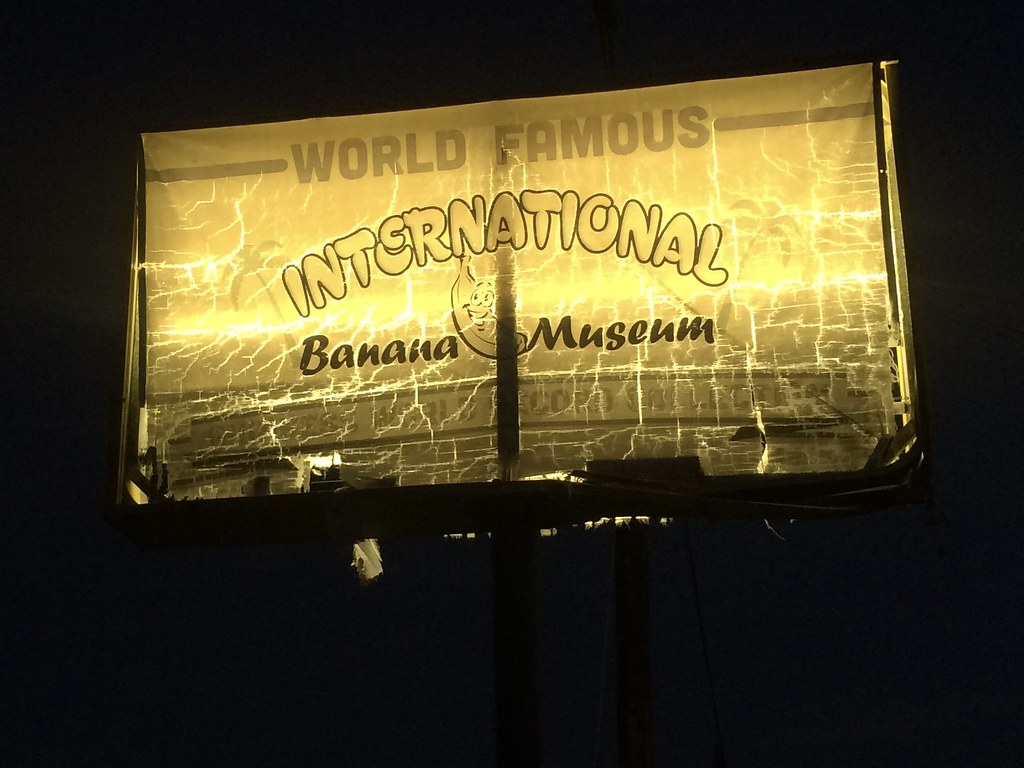
Located in Mecca, California, this museum holds the Guinness World Record for the largest collection of banana-related items.
The collection includes more than 25,000 objects, from banana-shaped furniture to clothing, art, toys, and kitchen gadgets.
Everything remotely related to bananas finds a home here.
The museum’s bright yellow exterior matches its theme, and inside visitors encounter room after room stuffed with banana memorabilia.
It started as one person’s quirky collection and expanded into a roadside attraction that draws curious travelers.
The sheer commitment to a single fruit makes it memorable, even if the concept seems ridiculous on paper.
Dog Collar Museum

Housed at Leeds Castle in England, this museum was founded in 1977 when antique collector Gertrude Hunt donated her collection of 60 dog collars to the castle.
The collection includes a fifteenth-century collar worn by Spanish hunting dogs to protect their necks from bears, along with ornate gilt designs from the baroque period and elegant silver collars from the nineteenth century.
The exhibits show how dog collars evolved from purely functional tools to decorative accessories reflecting their owners’ wealth and status.
Some collars feature elaborate engravings and precious metals.
Others include spikes designed to protect hunting dogs from predators.
The museum takes an overlooked accessory and uses it to tell the story of how humans have treated their canine companions throughout history.
Currywurst Museum

This Berlin museum is entirely dedicated to currywurst, the German dish of sliced sausage covered in curry ketchup.
Interactive exhibits include a ketchup bottle-shaped audio station playing currywurst-themed songs, a sausage-shaped sofa for photos, and a sniffing station where visitors learn about the dish’s key spices.
There’s even a large collection of currywurst literature for people who want to read extensively about this specific food.
The museum treats this simple street food with mock seriousness, presenting it as if it were high culture.
Germans love their currywurst, and this museum celebrates that devotion by creating an entire interactive experience around sliced sausage and spiced ketchup.
Museum of Bread Culture

Located in Ulm, Germany, this museum contains more than 18,000 exhibits covering 6,000 years of bread history.
The collection includes bread-related artwork by Salvador Dali, Man Ray, and Pablo Picasso, along with ancient baking artifacts from the Stone Age.
The museum explores bread’s role in human civilization, from ancient Egypt through modern times.
Despite being devoted to humanity’s most basic food, visitors won’t find anything edible inside.
Two entrepreneurs who worked in the bakery trade founded it in 1960, and it’s now run by a charitable foundation.
The museum shows that even something as simple as bread has a rich cultural history worth preserving and studying.
The Bin Laden Family Museum

Located in the village of Al Rubat in Yemen, this museum sits in the ancestral family home of the bin Laden family.
The museum focuses on the family’s history before Osama bin Laden became internationally known, showcasing traditional Yemeni life and architecture.
It’s an uncomfortable attraction because of the name’s associations, but the museum attempts to separate family heritage from one member’s actions.
The building itself represents traditional Yemeni construction methods and houses artifacts from the region’s history.
Visitors often struggle with the cognitive dissonance of touring a museum connected to such a notorious figure while trying to appreciate the legitimate historical and cultural elements on display.
Mmuseumm
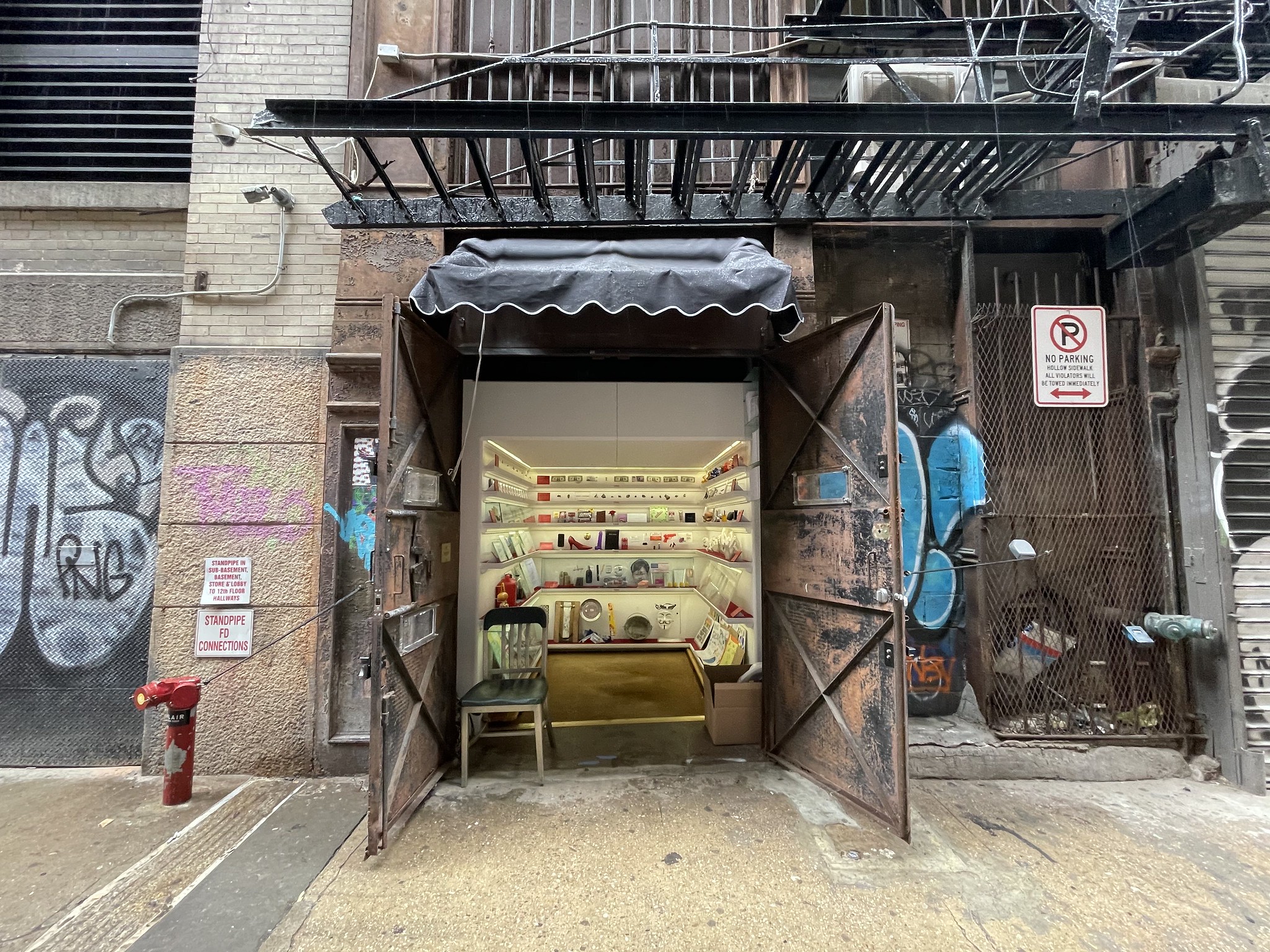
This New York institution operates out of a converted freight elevator shaft measuring just 36 square feet in Tribeca.
The tiny museum displays carefully curated collections of everyday objects that somehow reveal deeper truths about contemporary life.
Past exhibits have included fake IDs confiscated at bars, counterfeit products from Canal Street, and objects left behind by refugees.
The museum’s size forces curators to be extremely selective about what they display, creating intensely focused exhibitions.
Visitors peer through a window to view the displays when the museum is closed, or can step inside during limited open hours.
It proves that museums don’t need massive buildings or extensive collections to provide meaningful cultural experiences.
What they reveal about us
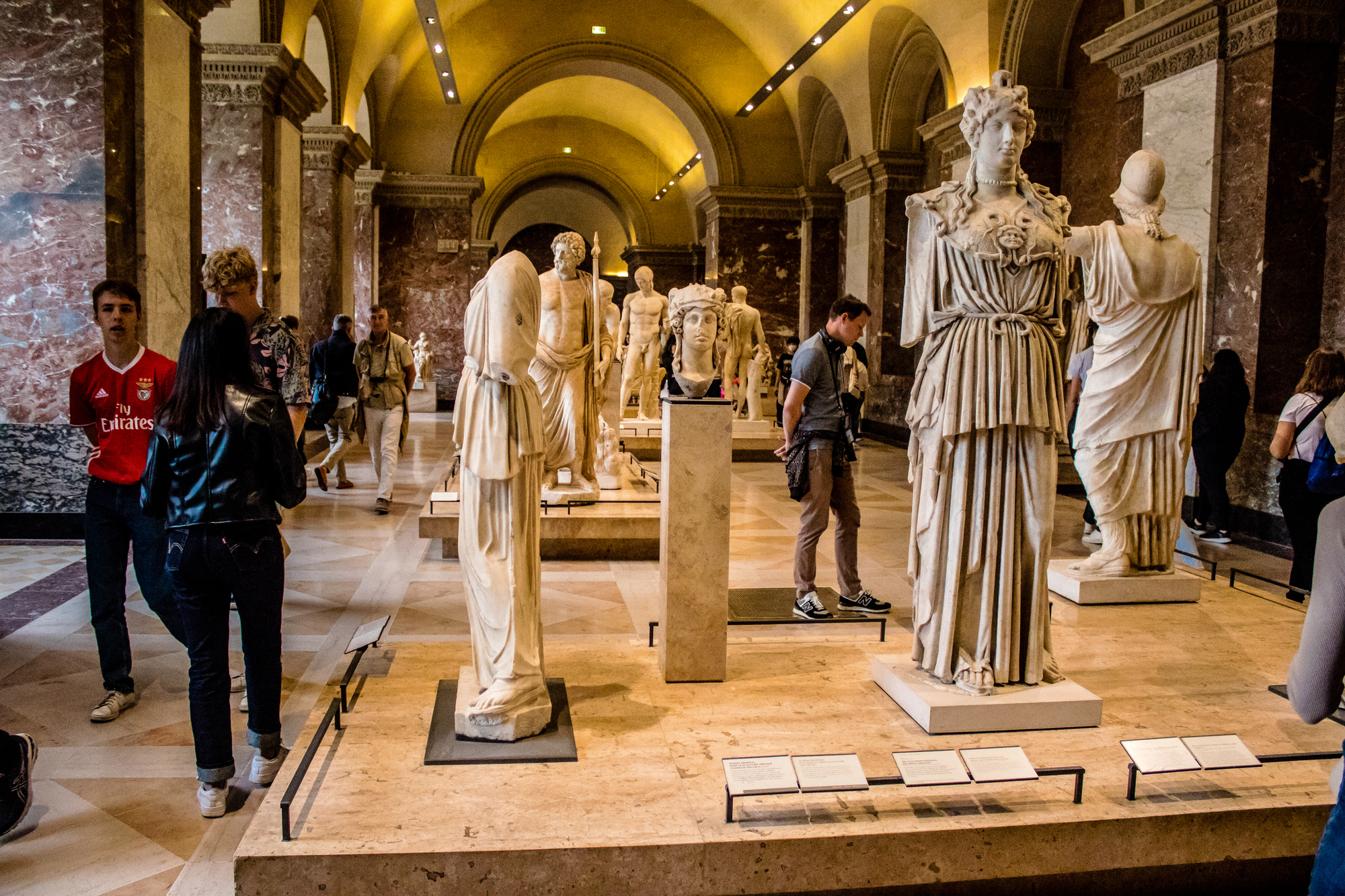
These unusual museums exist because people are endlessly creative about what they consider worth preserving and displaying.
They take ordinary objects that most institutions ignore and build entire experiences around them.
Whether it’s hair, heartbreak, or instant noodles, these museums prove that anything can become fascinating when you commit fully to exploring it.
They also reveal that museums don’t have to be stuffy institutions filled with priceless treasures.
Sometimes the most memorable museum experiences come from places willing to embrace the weird, the mundane, and the deeply specific.
The strangest museums often end up teaching us more about human nature than traditional institutions ever could.
More from Go2Tutors!

- The Romanov Crown Jewels and Their Tragic Fate
- 17 Halloween Costumes Once Considered Taboo
- Famous Hoaxes That Fooled the World for Years
- 15 Child Stars with Tragic Adult Lives
- 16 Famous Jewelry Pieces in History
Like Go2Tutors’s content? Follow us on MSN.