Horror Movies Based on Real Events
Fear doesn’t always come from fantasy. Sometimes it sneaks in when you realize what you’re watching might have really occurred.
Movies built on actual records, true stories, or moments history never forgot carry a different kind of chill. Instead of just making things up, they borrow dread from facts people wrote down long ago.
Knowing parallels exist outside the screen changes how deeply it sinks into your thoughts. Folks tend to tweak facts when turning true tales into movies.
Scenes get stretched, dates squished together, one person might stand in for three. Yet deep down, they pull from actual moments – places, faces, horrors that stuck around long after.
Those whispers? They started somewhere solid.
A fresh peek into famous horror films drawn from actual happenings – what really sparked their stories, plus how truth sometimes feels creepier than make-believe.
The Exorcist
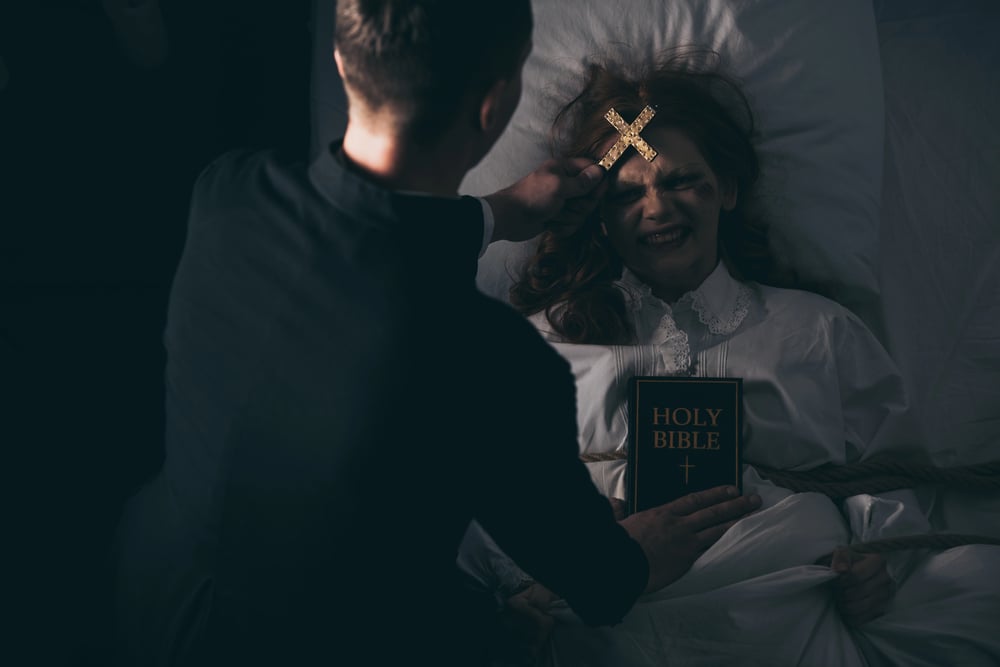
The Exorcist is widely regarded as one of the most frightening films ever made, and its origins lie in a real case from the late 1940s. The story was inspired by reports of a young boy in the United States who underwent a series of religious rituals after exhibiting unexplained behavior.
The details of the original case were documented in church records and later reported in newspapers, though many specifics remain disputed. The film’s author drew from these accounts, amplifying them for dramatic effect.
While the movie presents extreme imagery, its unsettling strength comes from the idea that respected institutions once treated the situation as real. What makes this film endure is not just its visuals, but the sense that fear was taken seriously by adults who believed something extraordinary was happening.
The Texas Chainsaw Massacre

Despite its exaggerated brutality, The Texas Chainsaw Massacre was loosely inspired by the real-life crimes of Ed Gein. Gein was not a chainsaw-wielding murderer, but his crimes in mid-century America deeply shocked the public and influenced multiple horror films.
The film borrows elements from Gein’s behavior, particularly his use of household objects made from human remains. These aspects were adapted into a fictional family and setting, turning isolated crimes into a nightmarish rural legend.
The film’s power lies in how grounded it feels. The gritty atmosphere and documentary-style presentation make it seem plausible, which is why it remains disturbing decades later.
Psycho
Psycho was also inspired by Ed Gein, though in a subtler way. Alfred Hitchcock’s portrayal of Norman Bates drew from Gein’s isolation, psychological instability, and relationship with his mother.
Unlike later films, Psycho avoids graphic excess. Its horror comes from suggestion and tension, allowing viewers to fill in the gaps themselves.
The knowledge that the character was inspired by a real person adds a chilling undertone to the experience. The film reshaped horror cinema by proving that fear could come from the familiar.
An ordinary motel, a quiet man, and a seemingly normal setting became sources of lasting dread.
The Amityville Horror

Few horror films have sparked as much debate as The Amityville Horror. The movie is based on a real house in New York where a family was killed, followed by claims from later occupants that the home was plagued by unexplained events.
While many investigators later questioned the accuracy of these claims, the house itself and the original crime are real. The film leans heavily into the family’s reported experiences, presenting them as genuine encounters.
The controversy surrounding the story has only added to its notoriety. Whether viewers believe the accounts or not, the idea of a real family experiencing something terrifying in their own home remains deeply unsettling.
The Conjuring

The Conjuring is based on cases investigated by Ed and Lorraine Warren, real-life paranormal researchers who documented numerous claims throughout the twentieth century. The film focuses on one family’s reported experiences in a rural farmhouse.
While the movie dramatizes events and compresses timelines, the case itself was part of the Warrens’ extensive records. The filmmakers framed the story as a recreation rather than pure fiction, which helped fuel its impact.
The success of the film launched an entire cinematic universe, all rooted in cases the Warrens claimed to have investigated. Its appeal lies in blending domestic realism with the suggestion of something unseen.
Annabelle
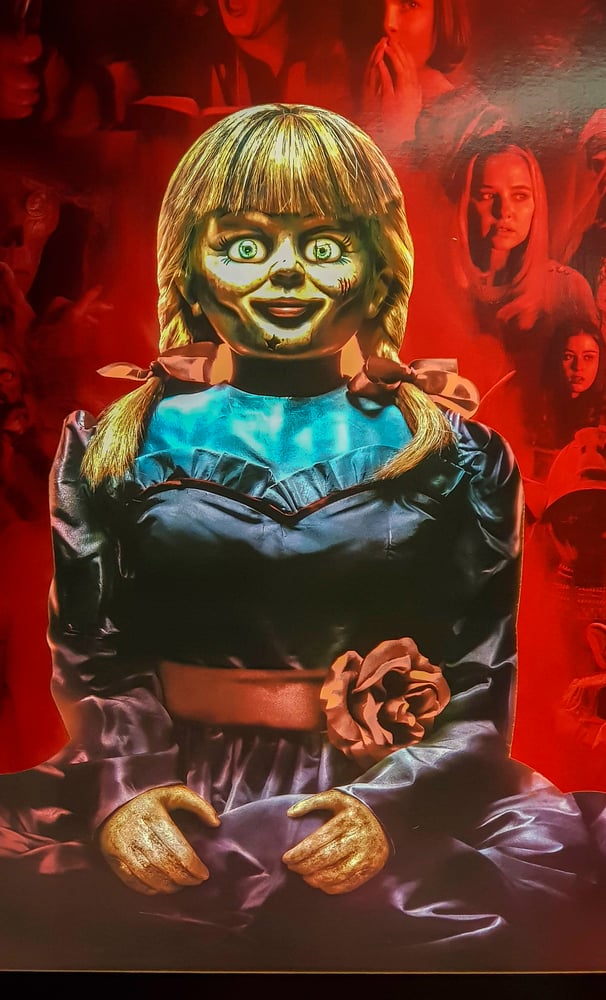
Spun off from The Conjuring, Annabelle centers on a doll inspired by a real object kept by the Warrens. The actual doll looks nothing like its film counterpart, but the story behind it was drawn from reported experiences involving unexplained behavior.
The film heightens the menace for cinematic effect, but the concept of an everyday object becoming a focus of fear is grounded in real accounts. This familiarity makes the horror feel closer to home.
Stories like this persist because they blur the line between superstition and belief, leaving viewers unsettled even if they remain skeptical.
The Girl Next Door

Unlike many supernatural horror films, The Girl Next Door is based on a deeply disturbing real crime. The story was inspired by the case of Sylvia Likens, a teenager whose abuse shocked the United States in the 1960s.
The film presents a fictionalized version of events, but the core elements are drawn from court records and testimony. There is no supernatural element, which makes the story particularly difficult to watch.
Its horror lies in human behavior rather than the unknown. The film serves as a grim reminder that real events can be more disturbing than imagined monsters.
Wolf Creek

Wolf Creek was inspired by several real cases involving travelers who disappeared in remote areas of Australia. The filmmakers drew from these incidents to create a fictional antagonist representing the dangers of isolation.
While the story itself is not a direct retelling, the setting and circumstances are rooted in documented disappearances. The vast landscape becomes part of the horror, emphasizing vulnerability and distance from help.
The film’s realism and slow-building tension give it an uneasy authenticity. Making it one of the more unsettling entries in modern horror.
Zodiac
Often categorized as a thriller rather than traditional horror, Zodiac earns its place through atmosphere and psychological tension. The film is based on the real Zodiac case, involving a serial offender who sent coded messages to the press.
The movie focuses less on violence and more on obsession, frustration, and the inability to find closure. Its meticulous attention to detail grounds the story firmly in reality.
What makes it haunting is its lack of resolution. The uncertainty mirrors real life, where some cases remain unresolved despite years of investigation.
Open Water
Open Water was inspired by the true story of a couple accidentally left behind during a diving excursion. The film strips away traditional horror elements, relying instead on isolation and helplessness.
Its minimal dialogue and realistic pacing heighten tension. There are no dramatic rescues or exaggerated threats, only the slow realization of a dire situation.
The film resonates because it depicts a simple mistake with devastating consequences. Reminding viewers how vulnerable people can be in unfamiliar environments.
Why Real Events Make Horror More Effective

Horror rooted in real events works because it removes the safety net of fantasy. Viewers can dismiss ghosts or creatures, but real cases resist easy separation.
They suggest that fear does not always come from imagination. These films often rely more on atmosphere than spectacle.
Knowing that something similar happened encourages viewers to project themselves into the situation, making the experience more personal. Reality also introduces ambiguity.
Unlike fictional endings, real-life inspired stories often lack clear resolution. Which leaves discomfort lingering long after the film ends.
The Line Between Fact and Fiction

It’s important to recognize that horror films frequently dramatize reality. Characters are altered, events are exaggerated, and timelines are reshaped to serve storytelling.
These changes do not erase the real origins, but they do complicate interpretation. Understanding this balance allows viewers to appreciate the films without confusing entertainment with history.
The truth is often less polished, but no less unsettling.
Why It Still Matters
What sticks around isn’t just scares – it’s how close they feel. Sometimes truth hides teeth.
People remember when nightmares wear familiar faces. The world shifts without warning.
That unsettles more than fiction ever could. Fear takes shape through real events, making audiences face what they might rather ignore.
Not made up, but shown – this mix of truth and story hits differently than fantasy ever could. What sticks around when the screen goes dark isn’t just fear – it’s how close some of those stories cut to what actually happened.
More from Go2Tutors!

- The Romanov Crown Jewels and Their Tragic Fate
- 13 Historical Mysteries That Science Still Can’t Solve
- Famous Hoaxes That Fooled the World for Years
- 15 Child Stars with Tragic Adult Lives
- 16 Famous Jewelry Pieces in History
Like Go2Tutors’s content? Follow us on MSN.