Car Features from the ’70s That Disappeared
A 1970s car announced itself before the engine even turned over. The door closed with a thunk, the vinyl seat was either freezing or scalding, and the dashboard offered a strip of fake walnut and a radio with five mechanical buttons.
Nobody called any of it retro. It was simply how cars were built.
Most of that hardware is gone now, retired by safety rules, fuel economy targets, electronics and changing taste. Some of it deserved to go.
A surprising amount of it is still missed.
Front Vent Windows
Small triangular panes at the leading edge of the front doors pivoted outward to scoop air into the cabin, and for decades they were the closest thing most drivers had to climate control. General Motors introduced the idea in 1933 as Fisher No-Draft Ventilation, and it spread across the industry.
By the 1970s, flow-through vents and cheaper factory air conditioning were making the little windows redundant, and automakers were happy to delete the extra glass, latches and wind noise. Pickup trucks held on to them longer than most cars did.
Anyone who rode in one remembers aiming that pane directly at a sweaty face in July.
Front Bench Seats
One wide cushion ran from door to door in most American sedans of the decade, which meant a family of six could travel in a car with two rows. The middle front passenger straddled the transmission hump and got a lap belt at best.
Bucket seats and center consoles were marketed as sporty, then became standard as floor shifters, cupholders and side airbags claimed the space between the seats. The 2013 Chevrolet Impala is widely cited as the final American sedan sold with a front bench.
Full-size pickups still offer a version, though it folds into an armrest and fools nobody.
Three-on-the-Tree Column Shifters
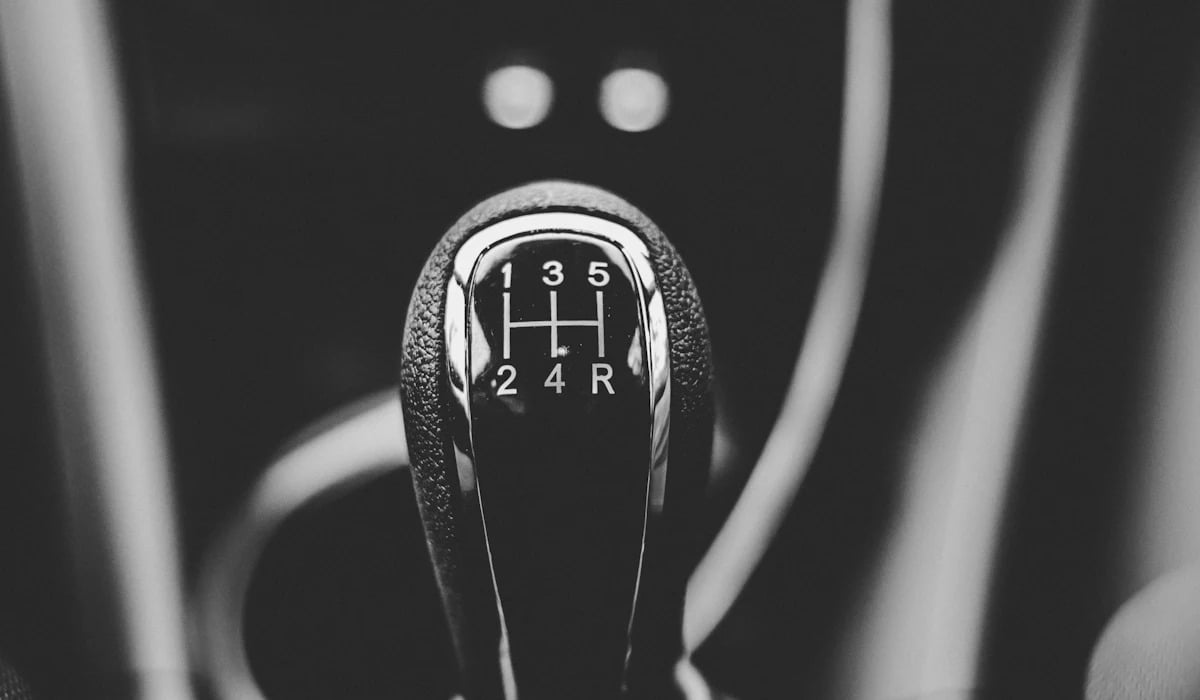
Base-model sedans and pickups of the early 1970s often came with a three-speed manual transmission worked by a lever on the steering column, an arrangement nicknamed three-on-the-tree. The shift pattern was an H turned on its side, and worn linkage under the hood could jam between gears, leaving the driver to raise the hood and free the rods by hand.
Automatics were taking over, and buyers who wanted a manual increasingly wanted four speeds on the floor. The column manual lingered on General Motors compacts such as the Chevrolet Nova through 1979 and on some work trucks into the 1980s.
Plenty of licensed drivers today have never seen one.
Eight-Track Tape Players

The eight-track cartridge reached the dashboard in the mid-1960s, when Ford offered factory players on its 1966 models. The format came from a group led by Bill Lear of Learjet fame, working with partners that included Ford, Motorola and RCA.
A single endless loop of tape carried four stereo programs, and the player switched between them with a loud clunk that sometimes landed in the middle of a song. Cartridges warped on hot dashboards and jammed without warning.
Compact cassettes were smaller, could rewind and could record, and by the early 1980s the eight-track had left new-car option lists.
CB Radios Under the Dash
Citizens band radio went from a trucker’s tool to a national craze in the middle of the decade. The 1973 oil embargo and the 55 mph national speed limit that followed gave drivers a reason to trade tips about fuel and speed traps, and the 1975 novelty hit Convoy and the 1977 film Smokey and the Bandit did the rest.
The FCC expanded the service from 23 channels to 40 in 1977 to relieve the crowding. Detroit even offered factory radios with CB built in.
Then the fad cooled, the whip antennas came off the trunk lids, and channel 19 went back to the professionals.
Opera Windows in the Roof Pillar
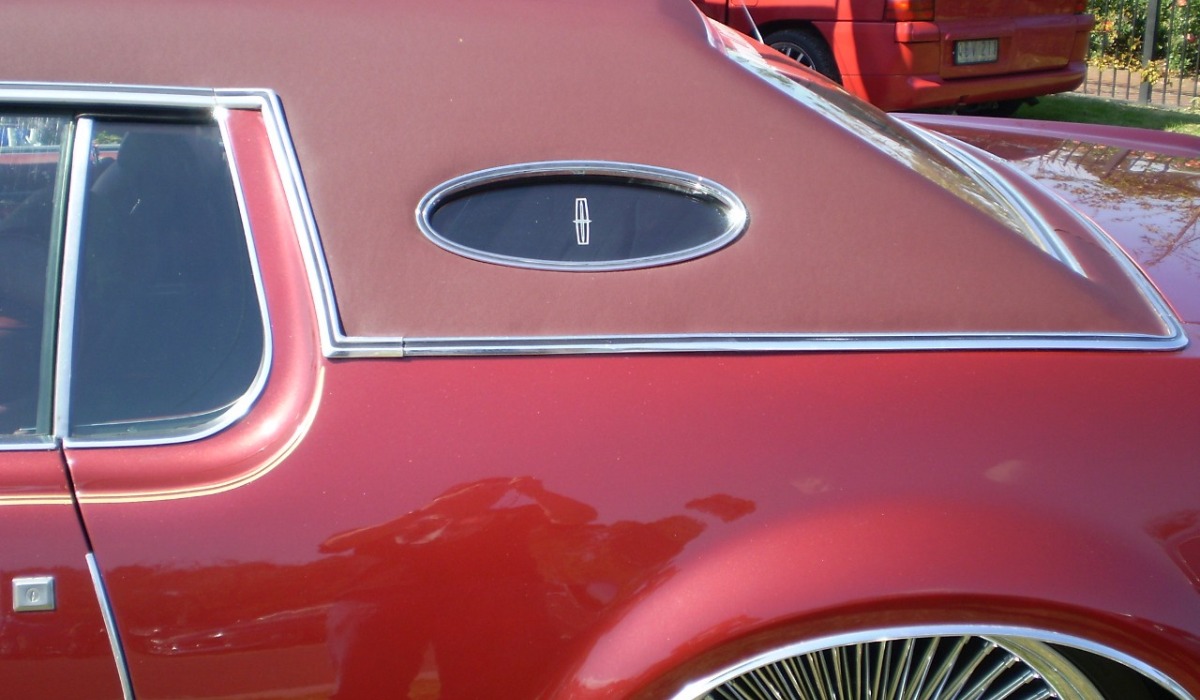
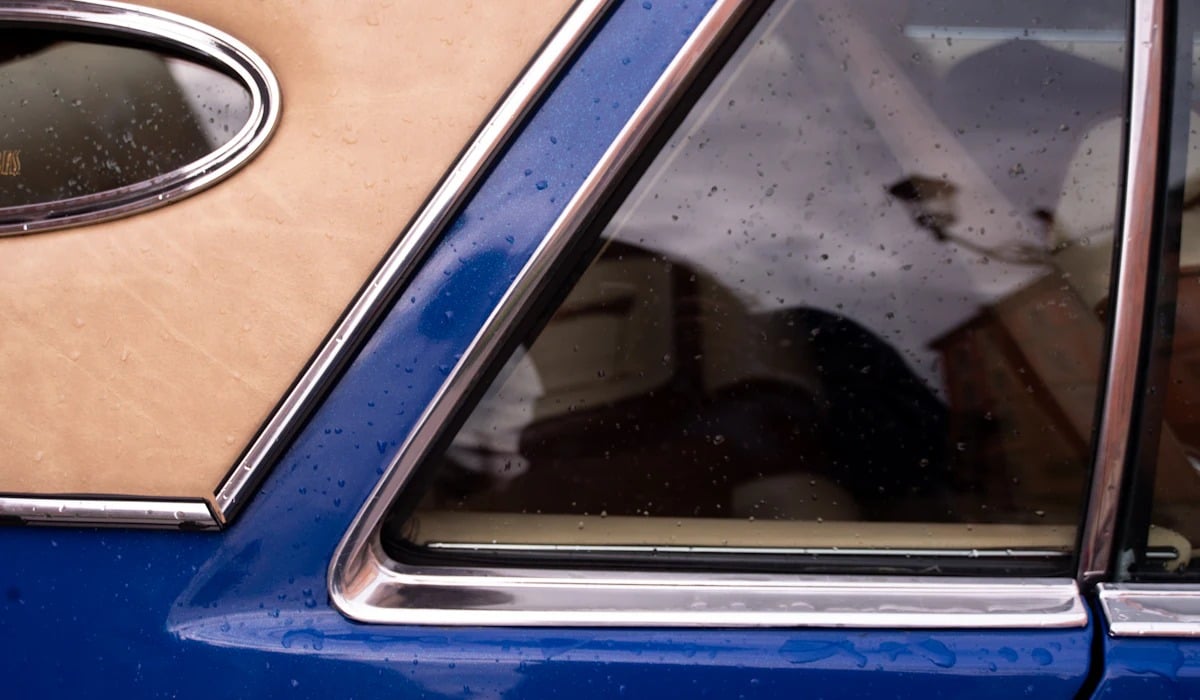
Personal luxury coupes of the 1970s wore thick rear roof pillars, and designers cut a small fixed window into each one. The oval opera window on the Lincoln Continental Mark IV, introduced for 1972, became the best known example, and within a few years versions appeared on Thunderbirds, Cordobas, Monte Carlos and plenty of cheaper cars.
Some carried an etched emblem in the glass. The windows did little for rear visibility, which was the point: they suggested a private carriage.
When boxy formal rooflines gave way to aerodynamic shapes in the 1980s, the opera window had nowhere left to sit.
Padded Vinyl Landau Roofs
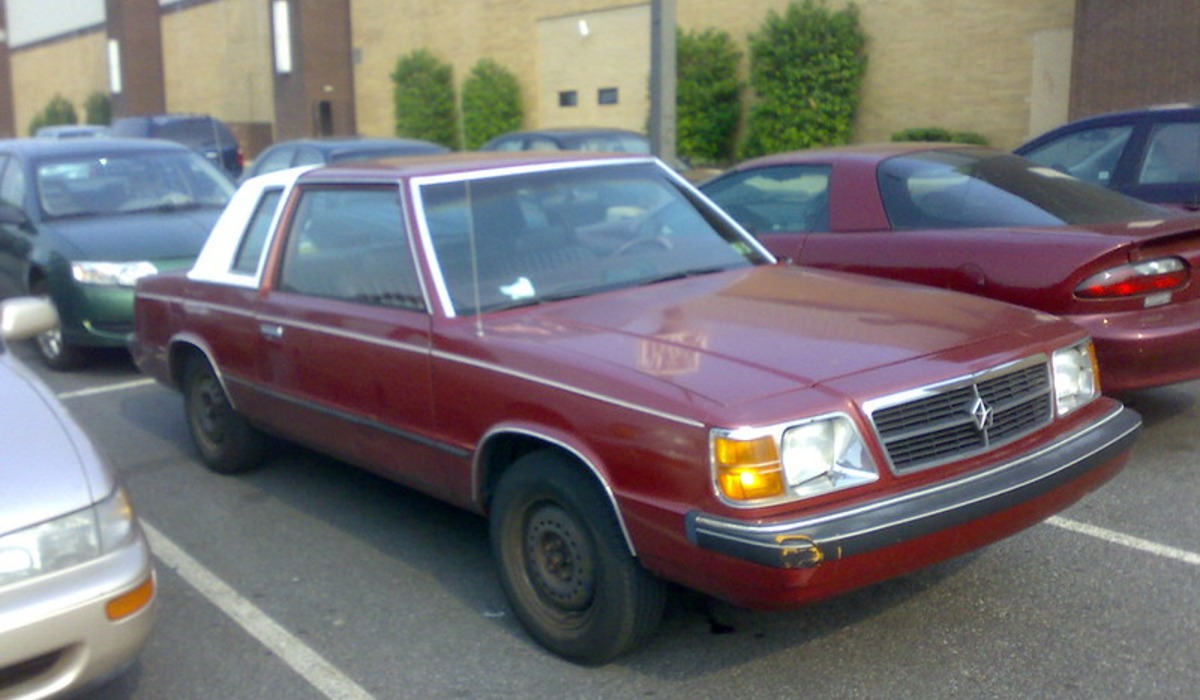
A layer of grained vinyl over foam padding turned an ordinary steel roof into an imitation of a convertible top, and Detroit put them on everything from Pintos to Cadillacs. The landau version covered only the rear half of the roof, often finished with a chrome band and a decorative S-shaped bar borrowed from horse-drawn carriages.
Buyers paid extra for the look of old money. The trouble arrived years later, when moisture trapped beneath the vinyl rusted the roof and the rear window frame out of sight.
Sun cracked the material and the seams lifted. By the 1990s the factory vinyl roof had mostly retreated to aftermarket shops and funeral cars.
Hidden Headlights
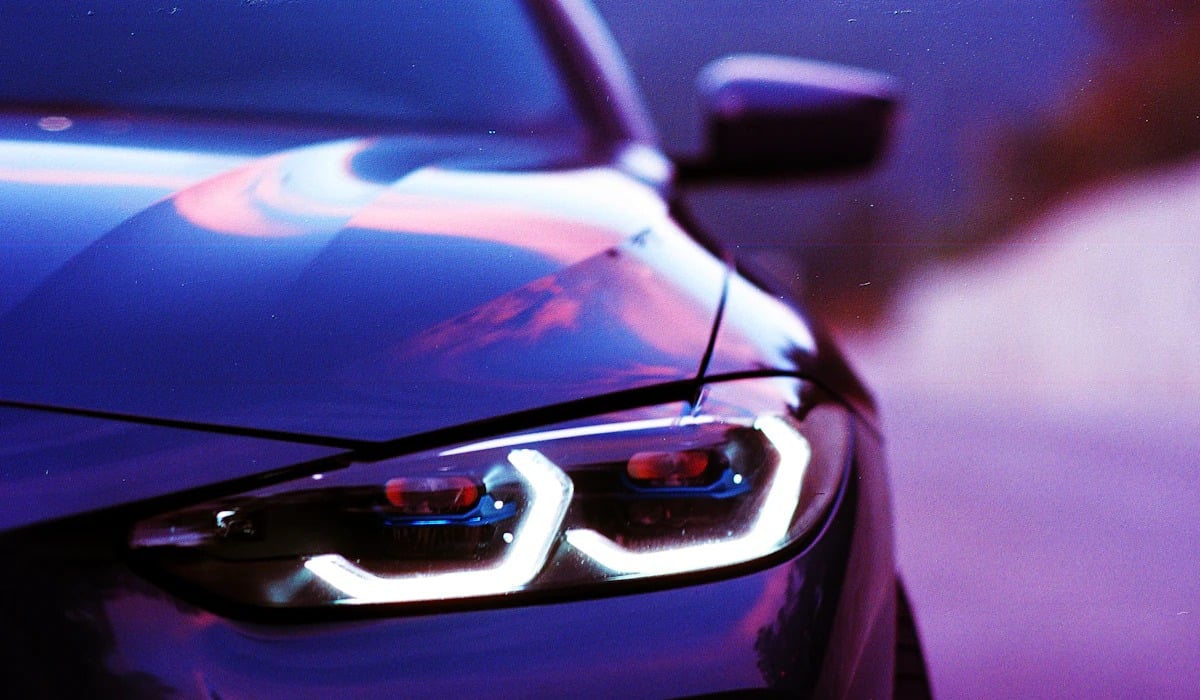
Concealed headlamps gave a parked car a clean, unbroken face. The Cord 810 of 1936 is generally credited with introducing them, cranked open by hand from the dashboard, and by the 1970s they hid behind vacuum-operated doors on Lincoln Continentals and popped up from the nose of the Chevrolet Corvette.
The vacuum systems leaked with age, so an older car often sat with one lamp open and one shut, as if winking. Weight, cost, aerodynamic drag and pedestrian safety rules abroad worked against the idea.
The Corvette and the Lotus Esprit carried pop-up lamps until 2004, and nothing has replaced them.
T-Tops and the Hurst Hatch
Two removable roof panels with a fixed bar down the center offered most of a convertible’s sunshine at a time when automakers feared proposed rollover rules might kill open cars outright. The 1968 Chevrolet Corvette brought the layout to American showrooms.
In the mid-1970s Hurst sold its own version, the Hurst Hatch, fitted to cars including the Pontiac Trans Am that Burt Reynolds drove in Smokey and the Bandit. The panels stowed in vinyl bags in the trunk.
They also leaked, rattled and invited theft, and stiffer bodies and returning convertibles made them unnecessary. The Chevrolet Camaro and Pontiac Firebird, gone after 2002, were the last major holdouts.
Pillarless Hardtops
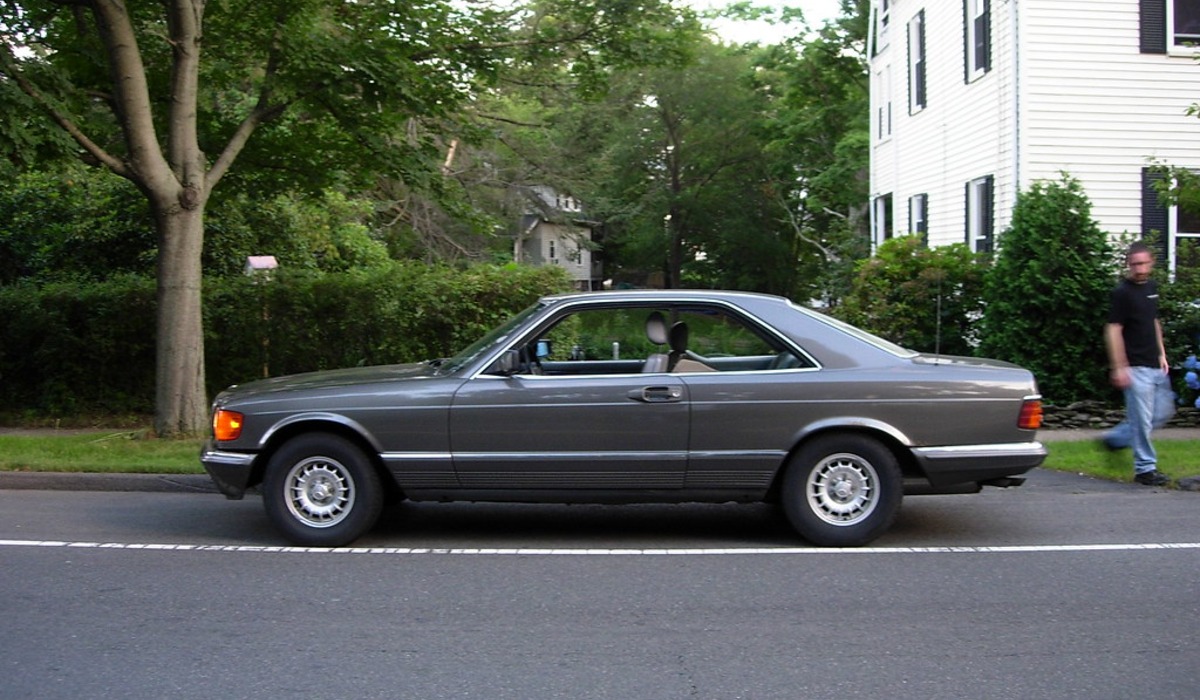
With all four windows down, a hardtop had no post between the front and rear glass, leaving one long opening along each side of the car. General Motors popularized the style for 1949 on the Buick Roadmaster Riviera, Cadillac Coupe de Ville and Oldsmobile Holiday, and it defined American styling for a quarter century.
A roof without center posts is harder to make strong, though, and federal roof-crush standards arrived in the 1970s alongside customers who kept the windows up and the air conditioning on. The big automakers phased the style out over the decade.
Chrysler’s full-size four-door hardtops of 1978 are usually named as the last from Detroit.
Carburetors and the Choke Knob
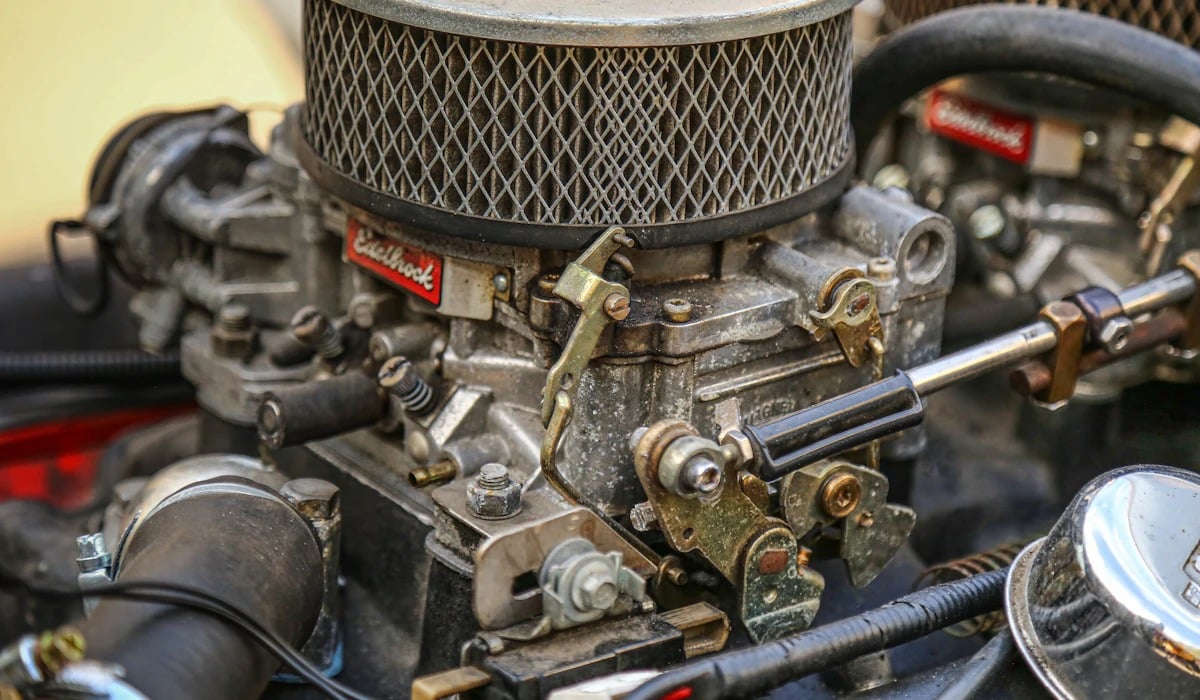
Nearly every gasoline car sold in America in 1970 mixed its fuel and air in a carburetor, and many small imports and base models left the cold-weather adjustment to the driver. A knob on the dash closed a plate in the carburetor throat to enrich the mixture.
The winter routine involved pulling the knob, pumping the pedal, turning the key and easing the choke back in as the engine warmed. Forgetting it meant a flooded engine or black exhaust.
Emissions rules pushed automakers toward electronic fuel injection through the 1980s, and by the early 1990s the carburetor had all but vanished from American showrooms.
Stand-Up Hood Ornaments
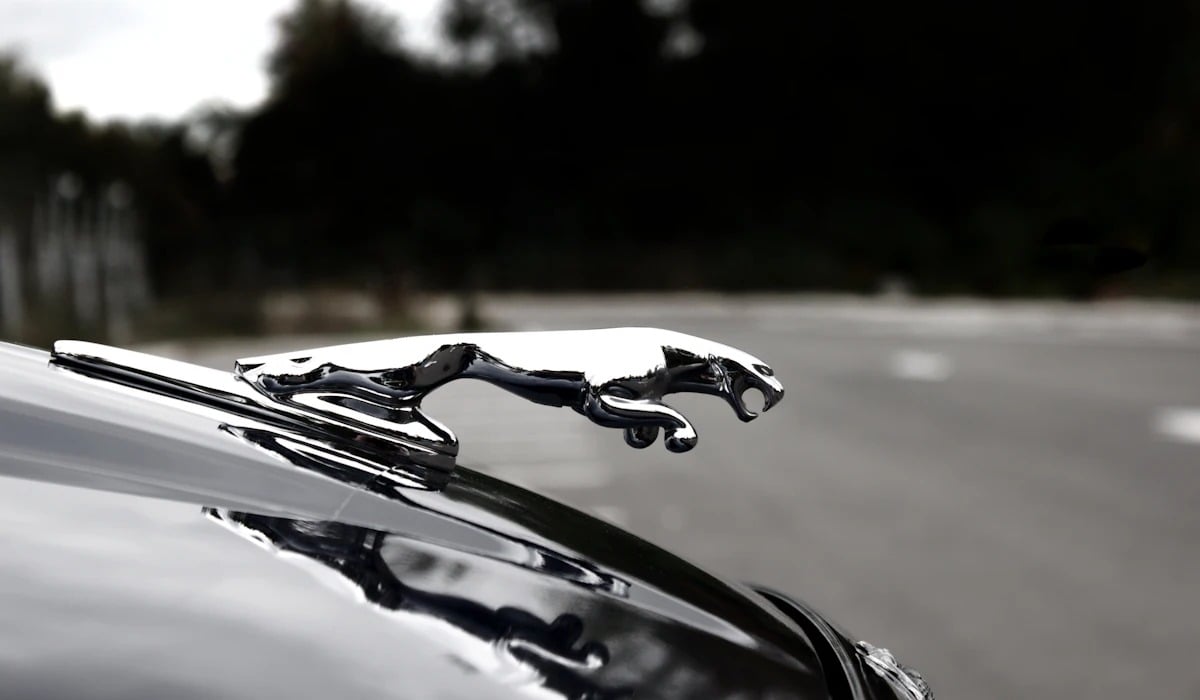
A chrome figure at the far end of a long hood gave the driver something to aim with. Cadillac had its wreath and crest, Lincoln its four-pointed star, Mercedes-Benz its three-pointed one, and Jaguar its leaping cat.
By the 1970s most were mounted on spring-loaded bases so they would fold on impact, a concession to safety regulators. That did not stop them from being snapped off in parking lots as souvenirs.
Lower, sloping hoods and pedestrian protection standards finished the job, and emblems moved flat onto the grille. Rolls-Royce still fits its Spirit of Ecstasy, which now drops out of sight when the car is locked or the figure is struck.
Chrome Bumpers Before the 5 MPH Rule
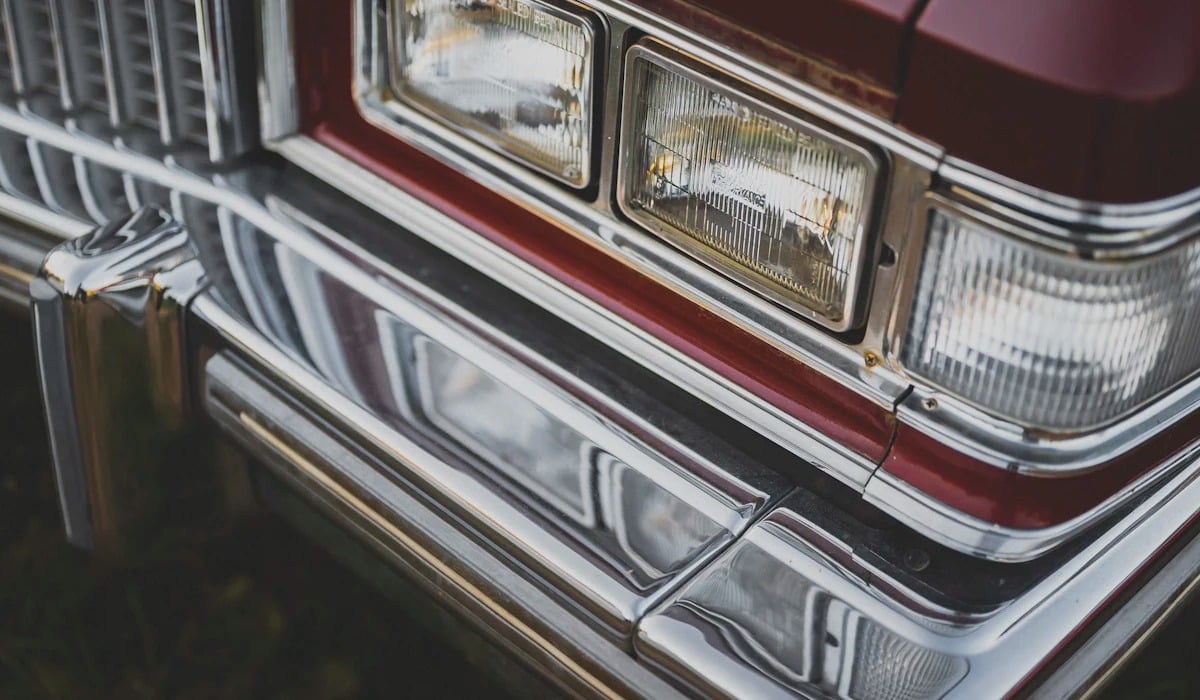
Until 1973, a bumper was a slim blade of chrome-plated steel shaped to suit the styling. Federal rules then required front bumpers to survive a 5 mph impact without damage to lights and safety equipment, with a milder 2.5 mph test at the rear, and the full 5 mph standard reached both ends for 1974.
Designers answered with massive bars on shock-absorbing mounts, and small cars such as the MGB sprouted heavy black rubber noses. Chevrolet gave the Corvette a body-colored urethane front for 1973 and a matching rear the next year, pointing to where everything was headed.
Regulators relaxed the requirement to 2.5 mph in 1982. By then, painted plastic covers had won.
Rear-Facing Third-Row Wagon Seats
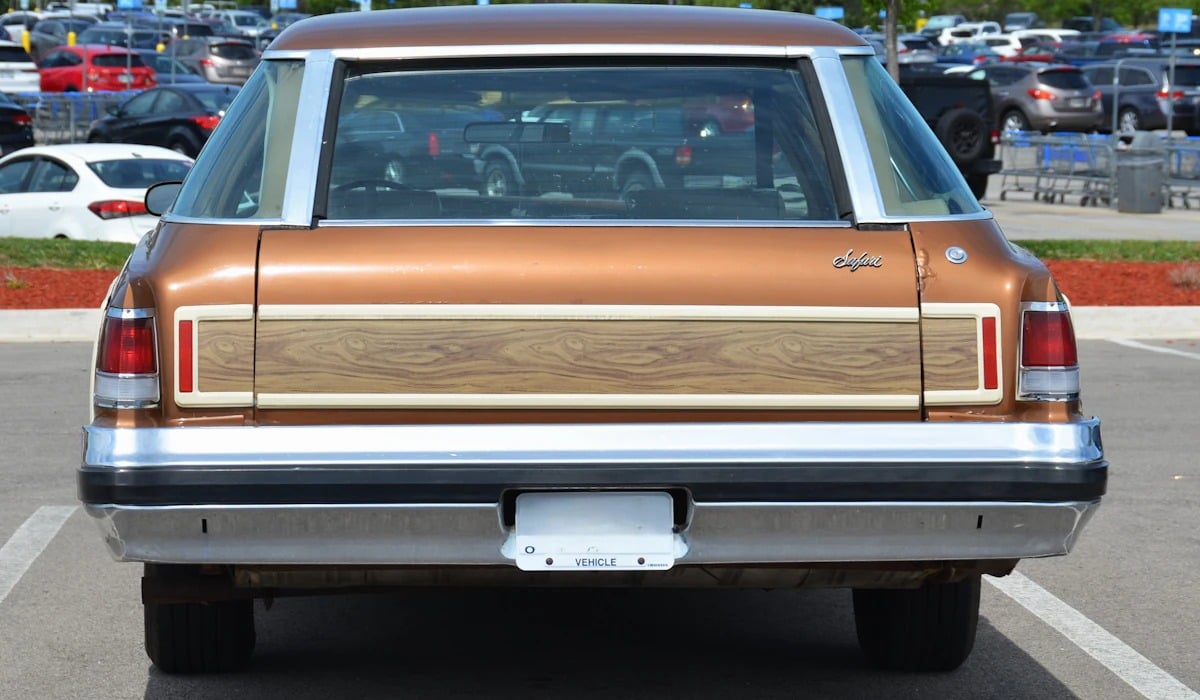
Many station wagons of the decade put their youngest passengers in a seat that folded up from the cargo floor and faced backward. Ford preferred two small jump seats that faced each other across the tailgate.
Either way, kids spent long trips making faces at the driver behind, separated from the next bumper by a sheet of glass and a tailgate. Minivans with forward-facing third rows took over family duty after 1984, and crash standards made the rearmost zone harder to justify.
The Buick Roadmaster and Chevrolet Caprice wagons kept the backward seat until 1996, and Mercedes-Benz offered one in its E-Class wagon for years after.
Simulated Woodgrain Side Panels
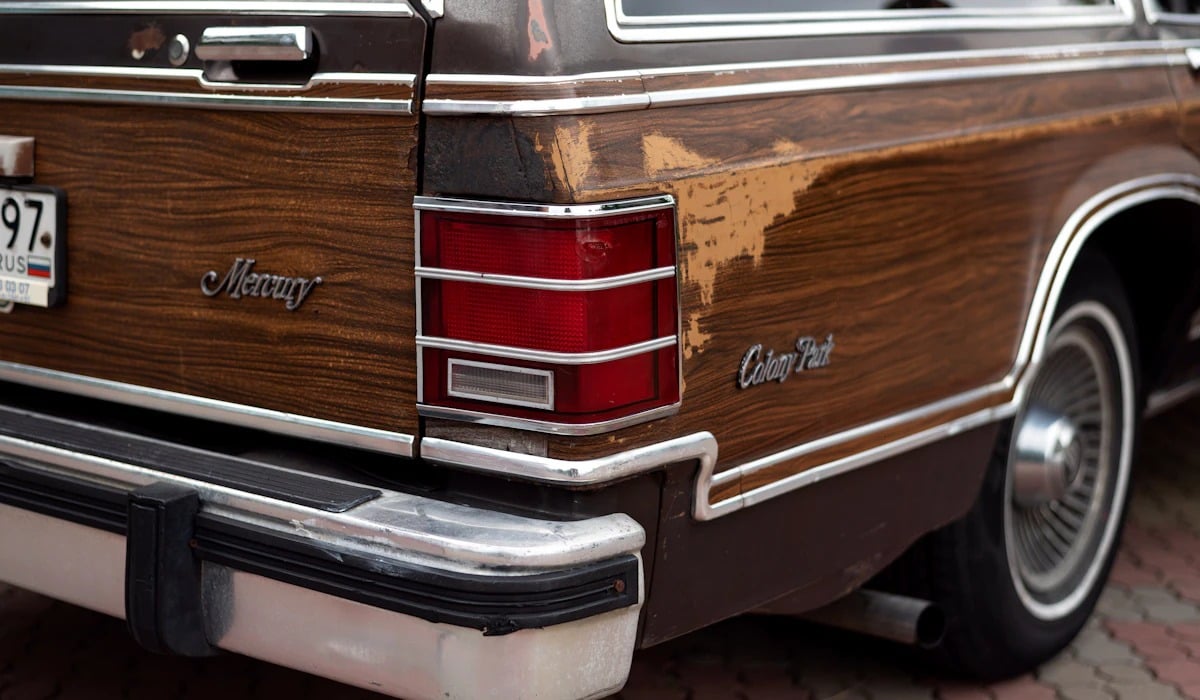
Real wood bodywork left American station wagons in the early 1950s, and vinyl film printed to look like it took its place. The best known material was Di-Noc, a 3M product, usually framed by fiberglass or plastic trim molded to resemble ash rails.
Ford’s Country Squire wore it for decades, as did the Chrysler Town and Country, the Mercury Colony Park and the Jeep Wagoneer. In the 1970s the look spread to Pintos, Vegas and Pacers.
The film faded to a chalky orange in strong sun and peeled at the edges. Chrysler’s first minivans carried the tradition into the 1980s, and the Buick Roadmaster Estate is usually counted as the end of the line in 1996.
GM Clamshell Tailgates

From 1971 through 1976, the full-size wagons from Chevrolet, Pontiac, Oldsmobile and Buick had a tailgate that disappeared. The power rear glass slid up into the roof and the lower gate slid down beneath the cargo floor, by hand or with optional power assist, leaving an opening with nothing to reach over or walk around.
General Motors called it the Glide-Away tailgate. It worked well in a tight garage and impressed the neighbors.
It also added weight and complexity to cars that were already enormous, and the downsized 1977 wagons went back to a conventional door. No major automaker has tried anything quite like it since.
Floor-Mounted High-Beam Dimmer Switches
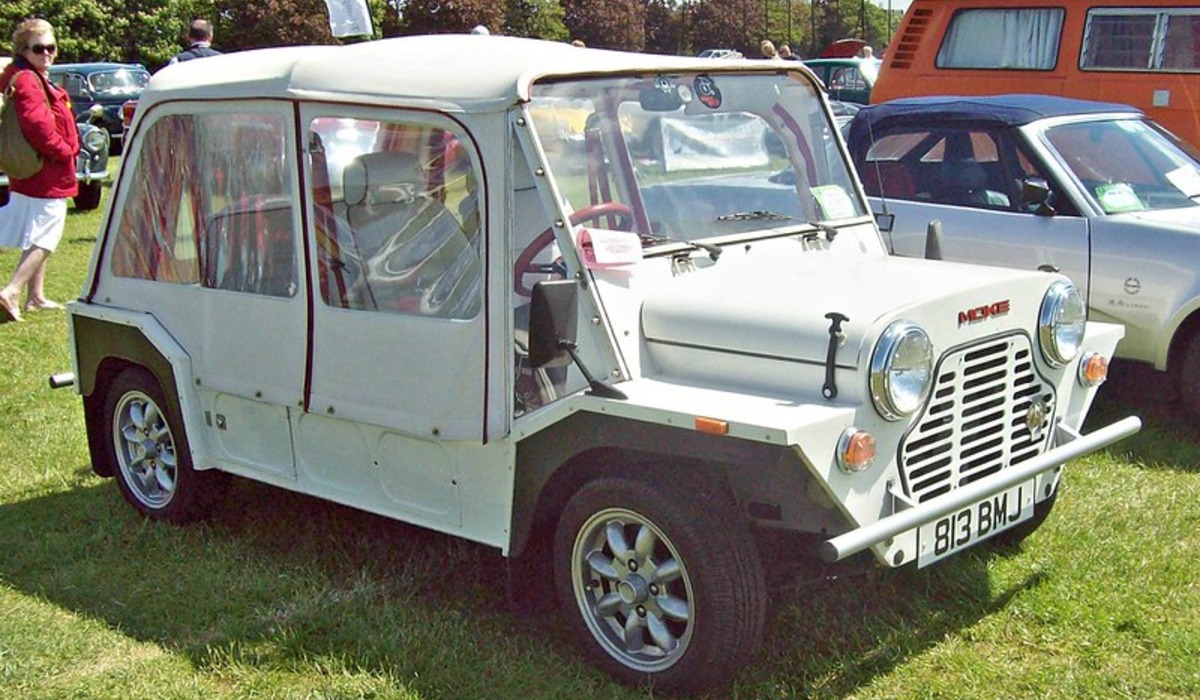
For most of the century, American drivers switched between low and high beams by pressing a metal button on the floor with the left foot. It sat to the left of the brake or clutch pedal, clicked firmly, and kept both hands on the wheel.
It also lived where road salt and slush collected, and the switches corroded. European and Japanese cars put the function on a steering column stalk, and Detroit followed model by model through the late 1970s and 1980s.
Some domestic trucks kept the floor button into the early 1990s. Drivers of a certain age still tap an empty patch of carpet on dark roads.
Seatbelt-Ignition Interlocks
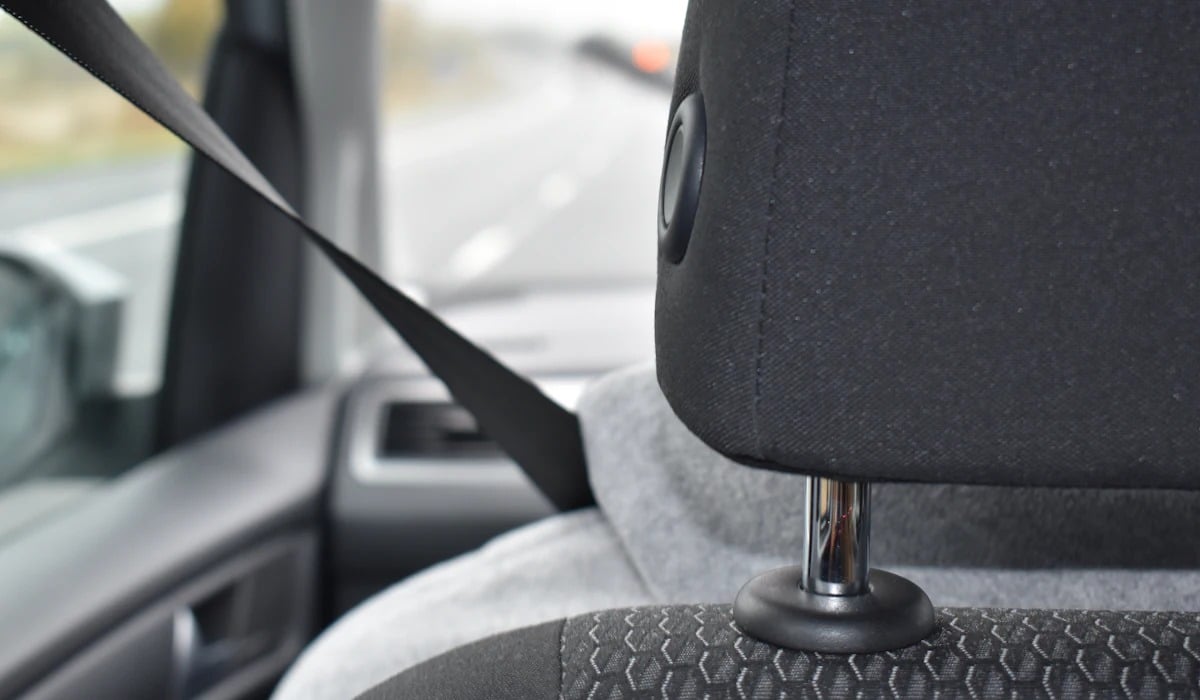
For the 1974 model year, federal rules required new cars to refuse to crank unless the driver and front passenger had buckled up. Sensors in the seats and belts fed a logic module, and the system was easily confused: a bag of groceries or a dog on the passenger seat could strand a car in a parking lot.
Owners learned to buckle the belts behind them or disconnect the wiring. Complaints reached Congress quickly, and legislation signed in October 1974 ended the requirement.
Few federal car rules have died faster. A warning light and a brief buzzer took its place, and their descendants are still nagging today.
Speedometers That Stopped at 85

A federal rule that took effect in September 1979 barred speedometers from reading higher than 85 mph and required special emphasis on the 55 mark. The thinking was that drivers would be less tempted by numbers they could not see.
So a Corvette and a Chevette shared the same top figure, and the needle on a fast car simply ran off the scale and rested against a peg. Regulators dropped the requirement in the early 1980s, but many automakers kept the dials for years afterward.
An 85 mph gauge is now a quick way to date a car to that era.
GM Swivel Bucket Seats
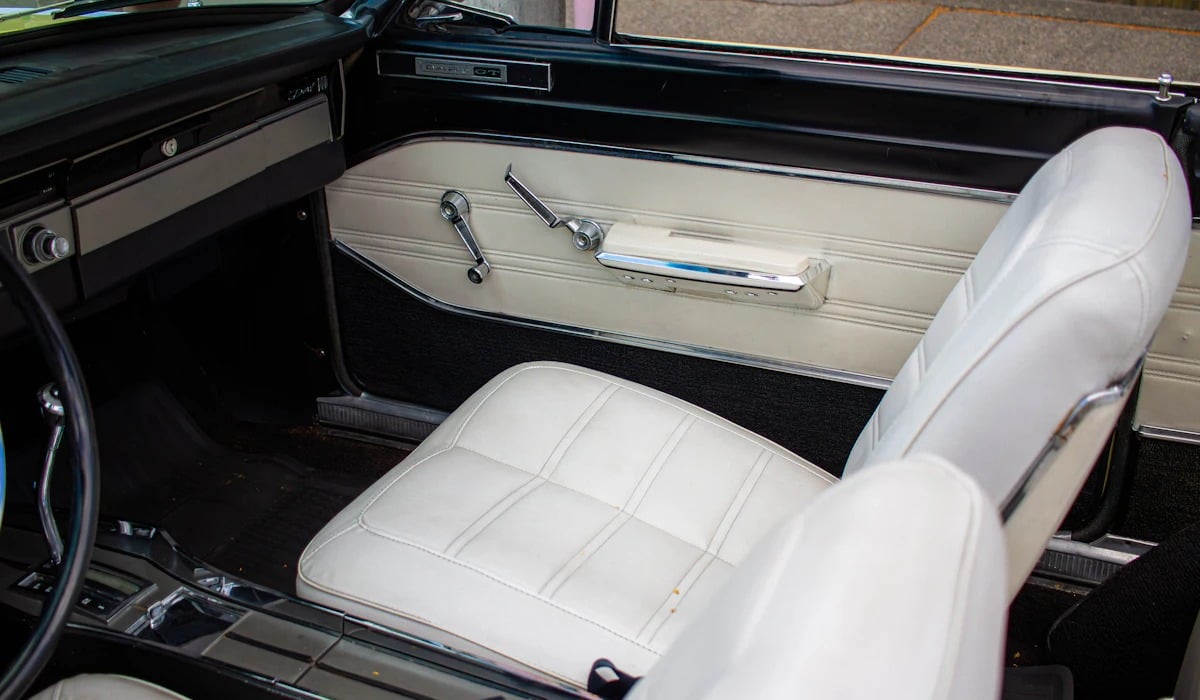
Buyers of certain General Motors midsize coupes from 1973 to 1977 could order front bucket seats that rotated 90 degrees toward the door. The option appeared on cars such as the Chevrolet Monte Carlo and Chevelle Laguna and the Oldsmobile Cutlass, whose long, heavy doors and low roofs made climbing in awkward.
A release lever let the seat turn outward, the occupant sat down, and the seat swung back and locked. Chrysler had tried a similar idea around 1960.
The mechanism added cost and wiggle, and the downsized cars that followed dropped it. Front swivel buckets never returned to mainstream American coupes.
Separate Keys for Ignition and Trunk

Most 1970s key rings carried two keys for one car. General Motors used a square-headed key for the ignition and a rounded one for the trunk and glove box, and other makers followed similar schemes.
The logic was that a parking attendant could be handed one key while valuables stayed locked. Many keys were cut on one edge only, so they went in a single way, usually discovered in the dark on the second attempt.
Ignition locks had also moved from the dashboard to the steering column around 1970, where a locking mechanism froze the wheel. One-key systems spread in the following decades, and then fobs replaced the ritual altogether.
Levi’s Denim Interiors in the AMC Gremlin
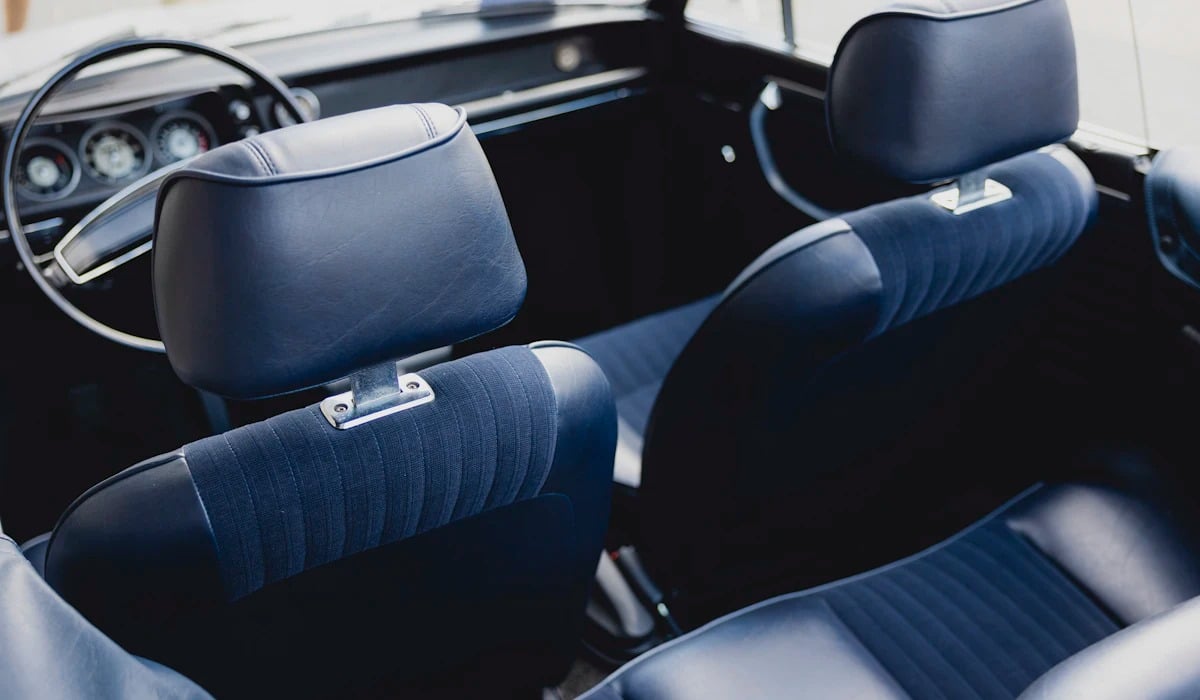
American Motors offered a Levi’s trim package on the Gremlin beginning with the 1973 model year, complete with orange stitching, metal jeans buttons and a Levi’s tag on the seats. The upholstery looked like blue denim but was a nylon fabric made to imitate it, since real cotton denim would not have met wear and flammability standards.
Levi’s badges went on the front fenders. The package was also offered on the Hornet and on Jeep CJ models.
It was one of several fashion tie-ins AMC tried in those years, including interiors credited to Pierre Cardin and Oleg Cassini. Designer-label editions faded, though Lincoln kept the idea alive for a while.
Corinthian Leather Upholstery
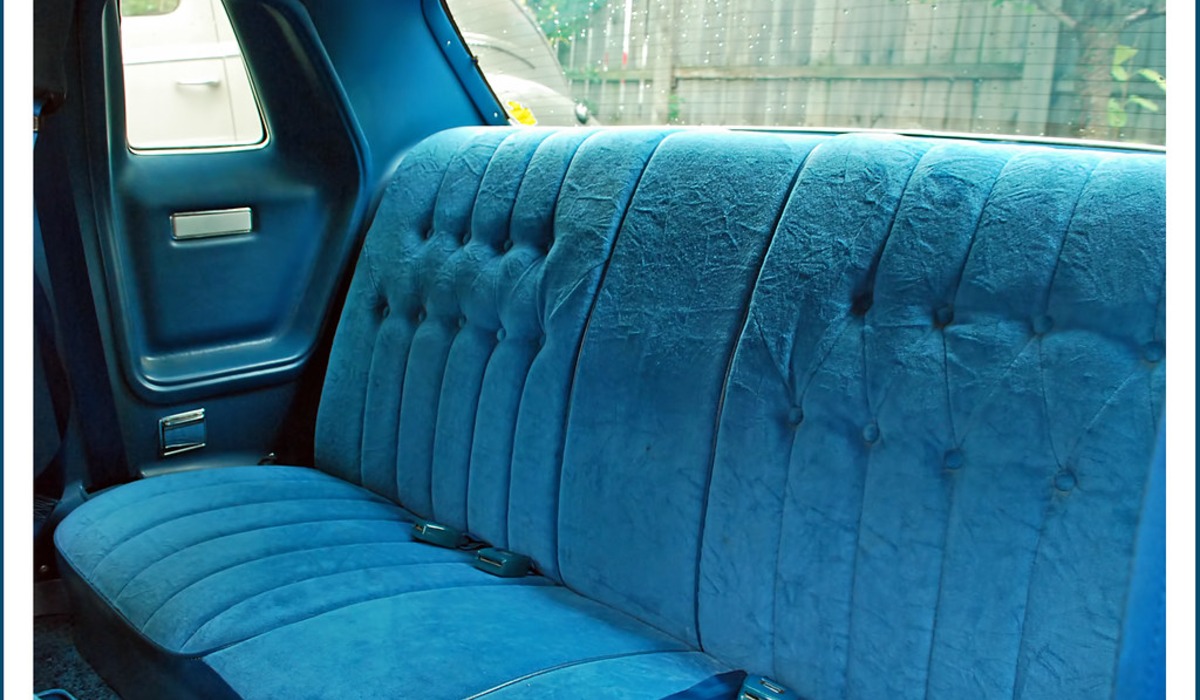
Chrysler introduced the Cordoba for 1975, and its television commercials featured actor Ricardo Montalban praising seats trimmed in Corinthian leather. The phrase sounded like an ancient tannery tradition.
It was an advertising invention with no connection to Corinth, and the hides reportedly came from a supplier in Newark, New Jersey. It worked anyway: the Cordoba became one of Chrysler’s best sellers of the decade, and the line followed Montalban for the rest of his career.
The adjective drifted among soft, fine and rich depending on the ad. Trim names have grown more sober since.
Nobody purrs about them on television anymore.
Hand-Crank Windows
Power windows existed in the 1970s, but on most cars they were an extra-cost option, and the standard equipment was a chrome crank on each door. Lowering the passenger window from the driver’s seat meant a long lean across the cabin, often at a stoplight.
The cranks had their virtues. They worked with the engine off, weighed little, and rarely failed beyond a stripped handle or a lost retaining clip.
As electric motors got cheaper, automakers found it simpler to build every car one way, and manual windows shrank to the cheapest trims of the cheapest models. The phrase about rolling down a window remains, attached to a motion nobody makes.
Chrome, Vinyl and the Cars That Asked More of Their Drivers
A 1970s car expected participation. Its driver set the choke, cranked the glass, pressed a button on the floor for high beams and waited out the clunk of a tape changing programs.
Each of those small jobs has since been handed to a motor, a sensor or a line of software. The result is safer, cleaner and far more reliable.
Something went missing along the way, and it is harder to measure. The hardware of that decade was visible and mechanical, so people understood it, fixed it and formed opinions about it.
Modern cars hide their workings behind smooth plastic and menus. Nostalgia for a vent window is partly nostalgia for a machine that explained itself.
MORE FROM GO2TUTORS!

- The Romanov Crown Jewels and Their Tragic Fate
- 13 Historical Mysteries That Science Still Can’t Solve
- Famous Hoaxes That Fooled the World for Years
- 15 Child Stars with Tragic Adult Lives
- 16 Famous Jewelry Pieces in History
Like Go2Tutors’s content? Follow us on MSN.