Caves With Their Own Weather Systems
Underground spaces usually seem stable. Silent. Unchanging. But some caves defy that assumption completely.
They generate clouds, produce wind strong enough to knock people over, maintain freezing temperatures in summer heat, and create conditions so extreme that humans can barely survive inside. These aren’t small microclimates—they’re full weather systems operating in total darkness.
Son Doong Cave’s Underground Atmosphere
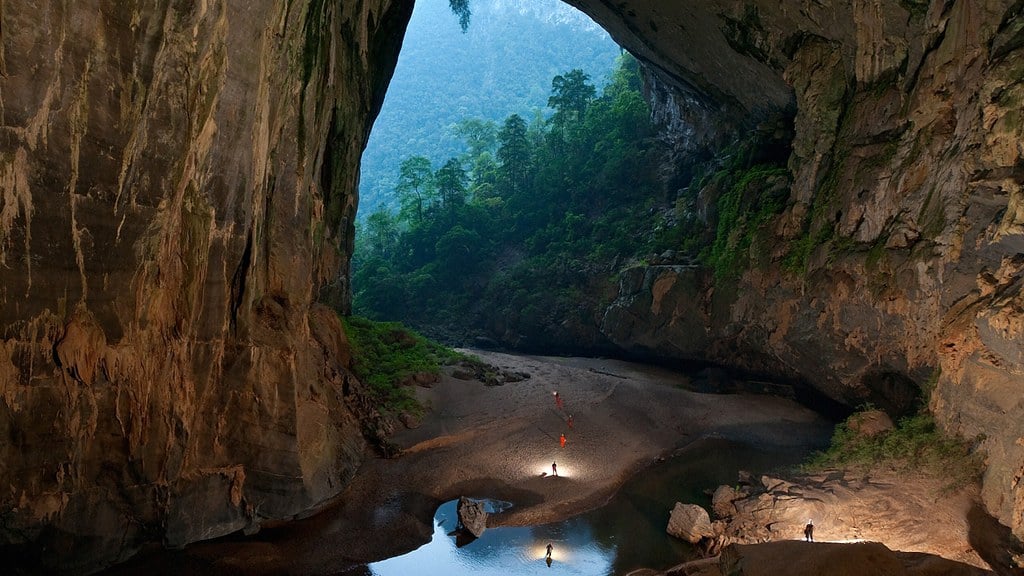
Hidden in Vietnam’s Phong Nha-Ke Bang National Park, Son Doong Cave stretches nearly nine kilometers through limestone mountains. The cave reaches such massive proportions that a 40-story building could fit comfortably inside its largest chambers.
But size alone doesn’t create weather. Son Doong has something more—two giant dolines where the ceiling collapsed, creating skylights that funnel conditions from the surface world into the underground realm.
When warm, humid air from outside meets the cooler cave atmosphere, clouds form. Real clouds, visible and thick enough to reduce visibility to mere meters. The temperature inside stays around 73 degrees year-round while the tropical climate outside swings wildly.
This difference drives constant air movement and condensation.
Clouds That Rain Underground

The clouds in Son Doong don’t just float—they produce actual precipitation. When moisture-laden air rises through the massive chambers and hits the ceiling hundreds of feet overhead, water condenses and falls back down like rain.
Mist hangs suspended in passages, drifting with air currents that move through the cave like slow winds. During Vietnam’s rainy season, the effect intensifies. Water pours through the dolines, creating waterfalls that empty into pools reaching 300 feet deep.
The spray combines with existing clouds to create conditions where you can’t see more than a few yards ahead. This weather system operates on predictable cycles tied to seasons and daily temperature changes, just like surface weather but compressed into a single cave.
Wind Cave’s Barometric Breathing
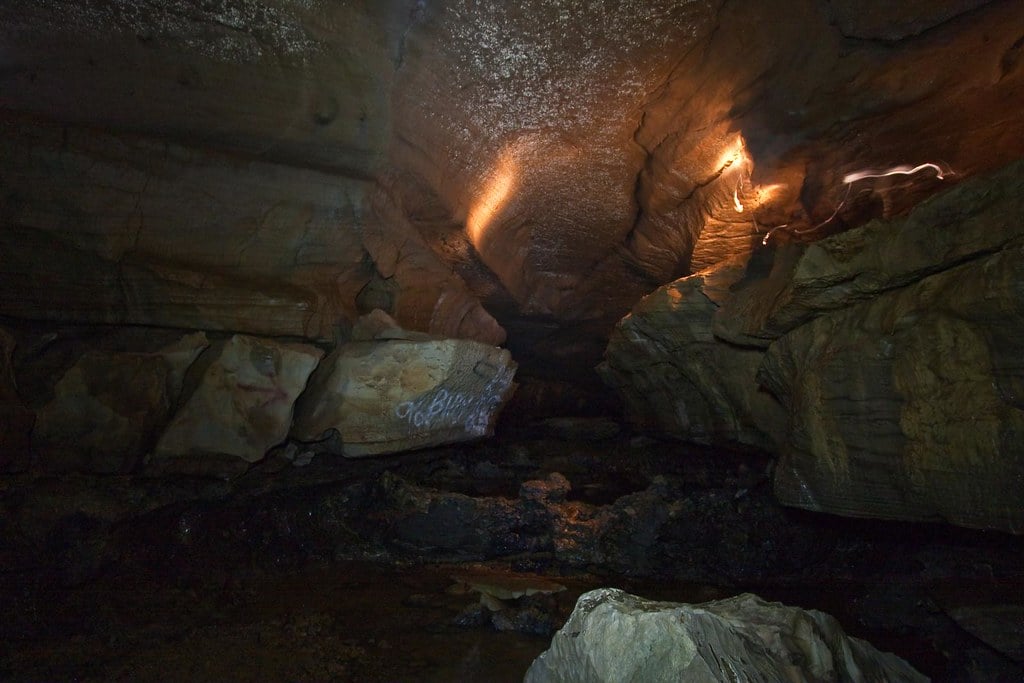
Wind Cave in South Dakota earned its name honestly. The entrance blows air in or out with enough force to create an audible whistle, sometimes knocking visitors off balance.
This breathing happens because of pressure differentials between the cave’s interior and the outside atmosphere. When a high-pressure system moves across the surface, the cave exhales massive volumes of air through its openings.
Low pressure makes it inhale. The wind can reach 40 miles per hour in narrow passages.
Indigenous Lakota peoples knew about this phenomenon for centuries, calling the cave “the place that breathes” and incorporating it into creation stories. Modern visitors still feel these powerful gusts, which continue regardless of surface weather conditions.
The cave essentially functions as a giant lung responding to atmospheric pressure changes.
Mammoth Cave’s Air Currents
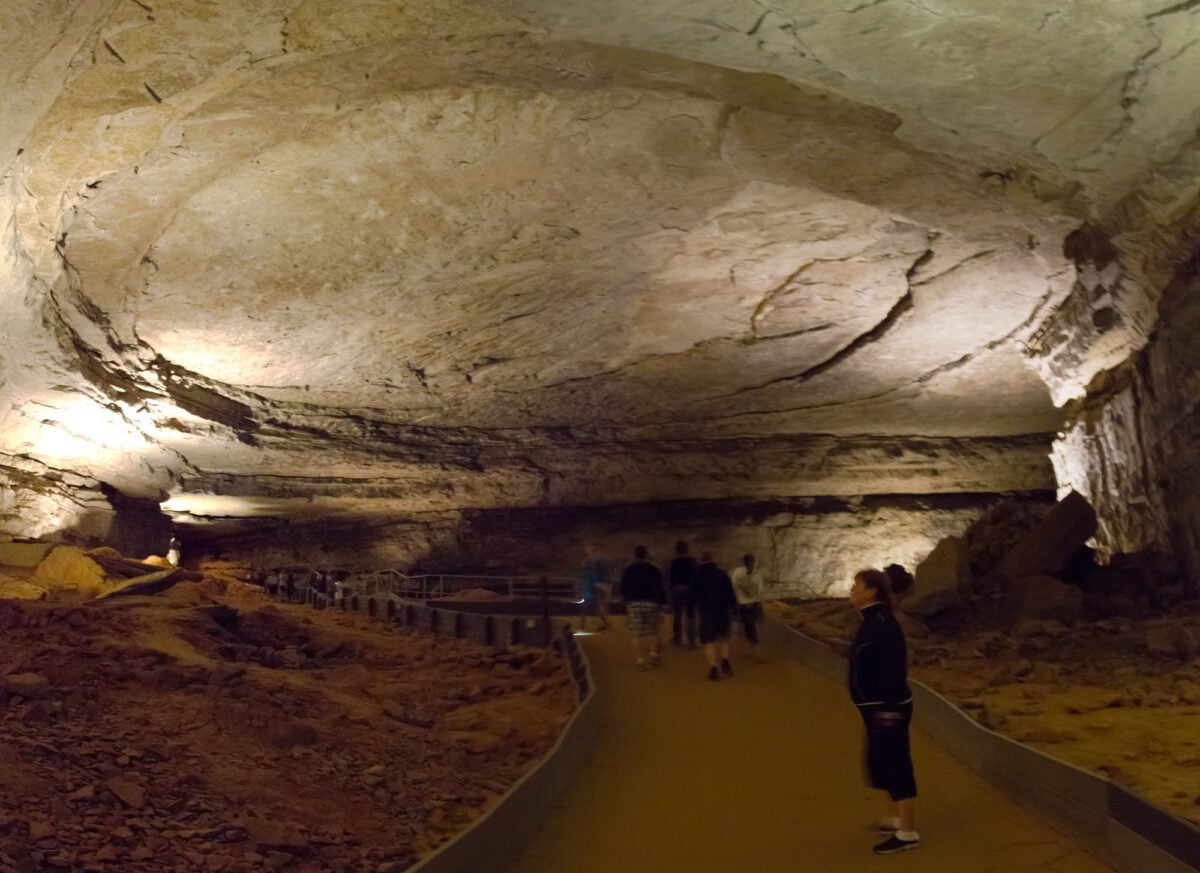
Mammoth Cave in Kentucky holds the title of world’s longest cave system, with over 400 miles of mapped passages. The sheer volume of interconnected chambers creates complex air circulation patterns.
Temperature differences between various sections generate winds that flow through the labyrinth like underground rivers of air. In some chambers, these currents blow strong enough to extinguish candles and make standing difficult.
The cave maintains relatively stable temperatures overall, but moving between sections feels like passing through different climate zones. Air drawn in from multiple entrances travels through the system following routes determined by temperature gradients and passage geometry.
Early explorers noticed these air movements immediately and used them to navigate, following breezes toward unexplored sections.
Carlsbad Caverns’ Humidity Factory
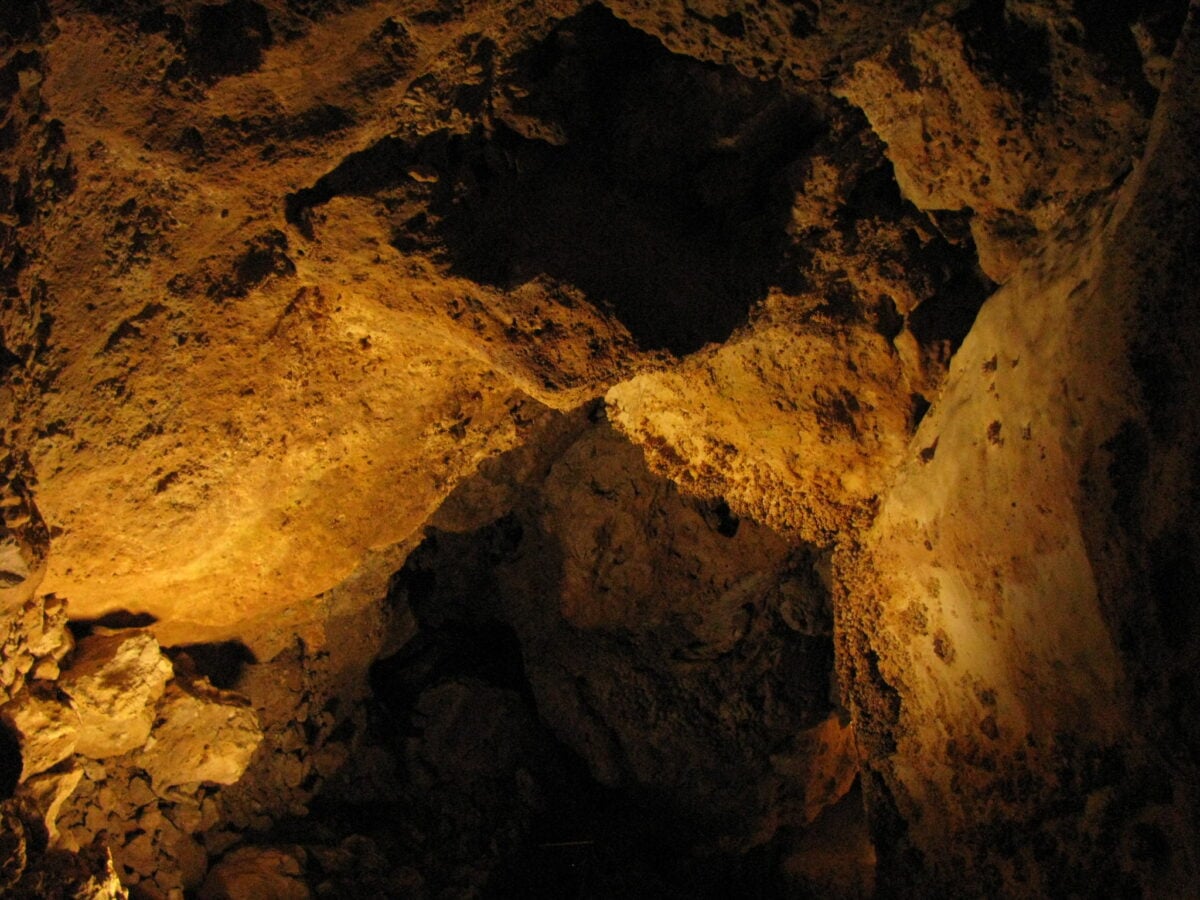
The Big Room in Carlsbad Caverns—North America’s largest single cave chamber—operates as a natural humidity control system. The cave maintains moisture levels between 87% and 96% year-round, creating an environment so stable that it preserves organic materials for thousands of years.
Underground streams and pools constantly evaporate, sending moisture into the air. That water vapor then condenses on cool cave walls and drips back down, creating a perpetual cycle.
Different areas within the same cave system develop distinct humidity signatures based on airflow, water sources, and chamber size. This moisture management happens without any mechanical assistance, sustained entirely by temperature differences and natural ventilation patterns.
Eisriesenwelt’s Frozen Microclimate

Austria’s Eisriesenwelt Cave stretches 26 miles through the Alps, making it the largest ice cave in the world. The entire first kilometer remains frozen solid year-round, with ice formations reaching 65 feet thick.
This happens because of precise airflow patterns. During winter, cold air flows into the cave and freezes accumulated snow and moisture.
In summer, the cave’s cold interior air flows outward toward the entrance, preventing the ice from melting. The temperature stays at or below freezing even when outside temperatures climb past 80 degrees.
This creates such a stark contrast that locals once believed the cave was an entrance to hell because of the freezing wind that blew from its mouth. The ice formations—massive columns, frozen waterfalls, and crystalline sculptures—remain perfectly preserved because the cave’s geometry creates an air circulation pattern that functions like a natural refrigeration system.
Cueva de los Cristales’ Lethal Heat
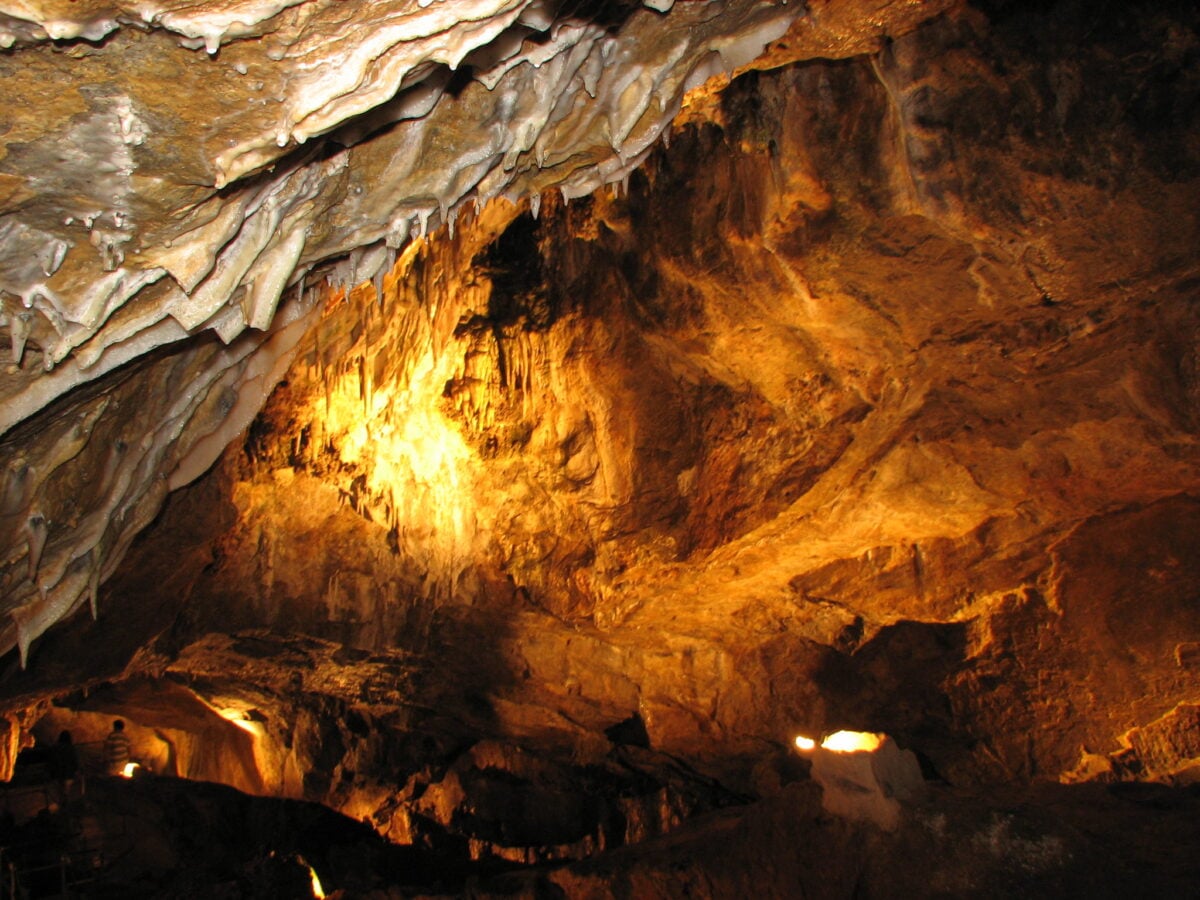
Mexico’s Cave of Crystals sits nearly 1,000 feet underground beneath an active mine. The chamber temperature reaches 136 degrees Fahrenheit with humidity near 100%.
These conditions make the cave one of the most hostile environments on Earth. Humans can survive inside for only minutes before their bodies begin to shut down.
The extreme heat comes from a magma chamber far below, while the humidity results from mineral-rich water that once filled the space. Those conditions allowed massive selenite crystals—some over 30 feet long—to grow over hundreds of thousands of years.
The cave maintains these brutal conditions constantly because heat from below continues rising while the surrounding rock traps moisture. Researchers who study the crystals must wear special cooling suits and work in short shifts to avoid deadly heat exhaustion.
Krubera Cave’s Underground Hurricanes

Georgia’s Krubera Cave experiences what scientists call barometric breathing on a massive scale. When surface atmospheric pressure changes, the cave responds with powerful air movements that surge through passages like underground storms.
Wind speeds can hit 40 miles per hour as the cave system attempts to equalize pressure with the outside world. These events can last for days, driven entirely by weather systems passing overhead.
The cave literally inhales and exhales billions of cubic feet of air, creating conditions that affect everything from cave formations to bat migration patterns. Temperature fluctuations accompany the pressure changes, making some chambers feel like they have their own fronts and storm systems.
Daily Thermal Cycles in Deep Chambers

Research has revealed something unexpected—some caves experience daily temperature cycles even in their deepest sections. Previously, scientists assumed deep cave zones remained thermally stable with no daily variation.
But caves with multiple entrances or specific airflow patterns show temperature fluctuations tied to the 24-hour cycle outside. Warm air enters during the day, cool air at night, creating rhythms that might actually influence organisms living in the cave.
These daily cycles occur alongside seasonal patterns, giving cave environments more temporal complexity than anyone suspected. The discovery suggests that caves aren’t as isolated from surface conditions as we thought.
Temperature Gradients and Thermal Layers

Within individual caves, temperature can vary dramatically depending on location. Some passages sit at a comfortable 60 degrees while nearby chambers reach well below freezing or climb past 100 degrees.
These differences create thermal layers similar to those found in oceans, with distinct zones stacked vertically. Warm air rises, cold air sinks, and the result is stratification that divides caves into distinct climate zones.
An explorer might move from a temperate section to a freezing chamber simply by climbing or descending a few dozen feet. These gradients drive air circulation, influence where ice forms, and determine which areas can support life.
The thermal structure of a cave affects everything from crystal formation to microbial ecosystems.
Moisture Cycles and Underground Precipitation

Water doesn’t just drip in caves—it evaporates, condenses, and falls again in miniature precipitation cycles. Streams and pools release moisture into the air.
That vapor rises with warm air currents until it hits cooler sections of the cave, where it condenses on walls and ceilings. The condensed water then drips or runs back down, completing the cycle.
Some caves experience what amounts to rain as water condenses high overhead and falls through large chambers. This constant moisture movement creates humidity gradients where each passage might have its own distinct dampness level.
The cycles operate continuously, driven by temperature differences and maintained by the cave’s geometry. Over time, these processes contribute to cave formation as condensation gradually dissolves more limestone.
Seasonal Breathing Patterns
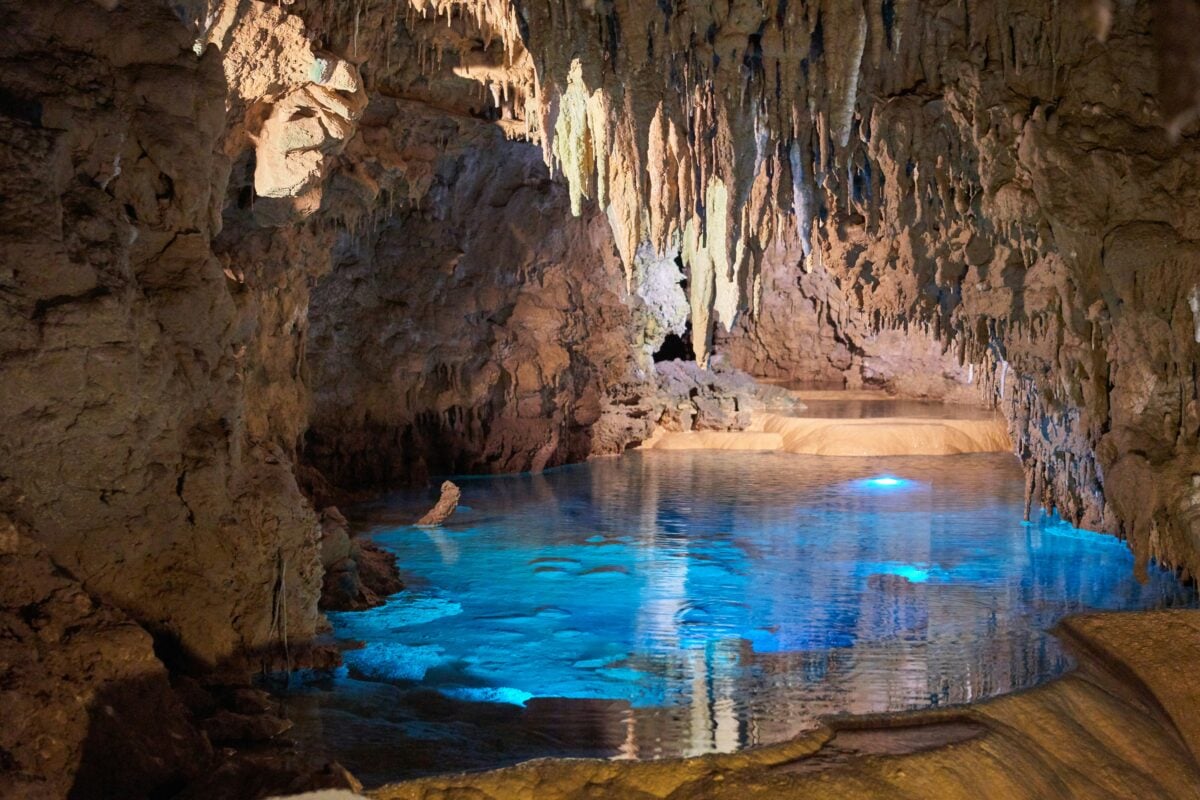
Many caves switch between “open” and “closed” periods based on seasons. During winter, cold outside air flows into the cave, cooling it and sometimes depositing ice.
In summer, the pattern reverses as warmer surface air encounters the still-cool cave interior. This seasonal breathing affects everything from temperature to humidity to air chemistry.
Caves might accumulate ice during winter that slowly melts over summer, or they might trap cold air that persists for months. The seasonal patterns influence which sections of a cave remain habitable for bats, how quickly formations grow, and even how human visitors experience different areas.
Understanding these cycles helps predict when caves will be safest to explore and when they might develop dangerous conditions.
Impact of Tourism on Cave Climates

When humans enter caves regularly, they disrupt carefully balanced weather systems. Body heat from visitors raises temperatures.
Breath adds carbon dioxide and moisture. Lighting generates warmth. Opened doors and gates alter airflow patterns. Even lint from clothing affects microbial populations.
Studies comparing tourist sections to undeveloped areas show measurable differences in temperature, humidity, and air chemistry. Some caves have implemented strict visitor limits to protect their unique climates.
Postojna Cave in Slovenia monitors microclimate changes caused by tourism continuously, adjusting tour sizes and schedules to minimize impact. The presence of even a few dozen people can temporarily shift a cave’s weather patterns, and repeated exposure can cause permanent changes.
Caves as Climate Archives

The weather inside caves doesn’t just exist in the present—it leaves records. Ice layers trap atmospheric gases and particles from when they formed.
Mineral deposits record temperature and moisture levels over millennia. Cave formations grow or shrink based on prevailing conditions, creating timelines of climate change stretching back thousands of years.
Scientists study cave ice cores and calcite deposits to reconstruct past climates and predict future changes. The stable conditions that preserve these records depend on the cave’s weather system remaining intact.
As global temperatures rise, cave climates shift. Ice caves lose their frozen sections. Humidity patterns change.
Temperature cycles intensify. The same features that make caves valuable climate archives also make them sensitive indicators of climate disruption.
Climate Change Effects on Cave Weather
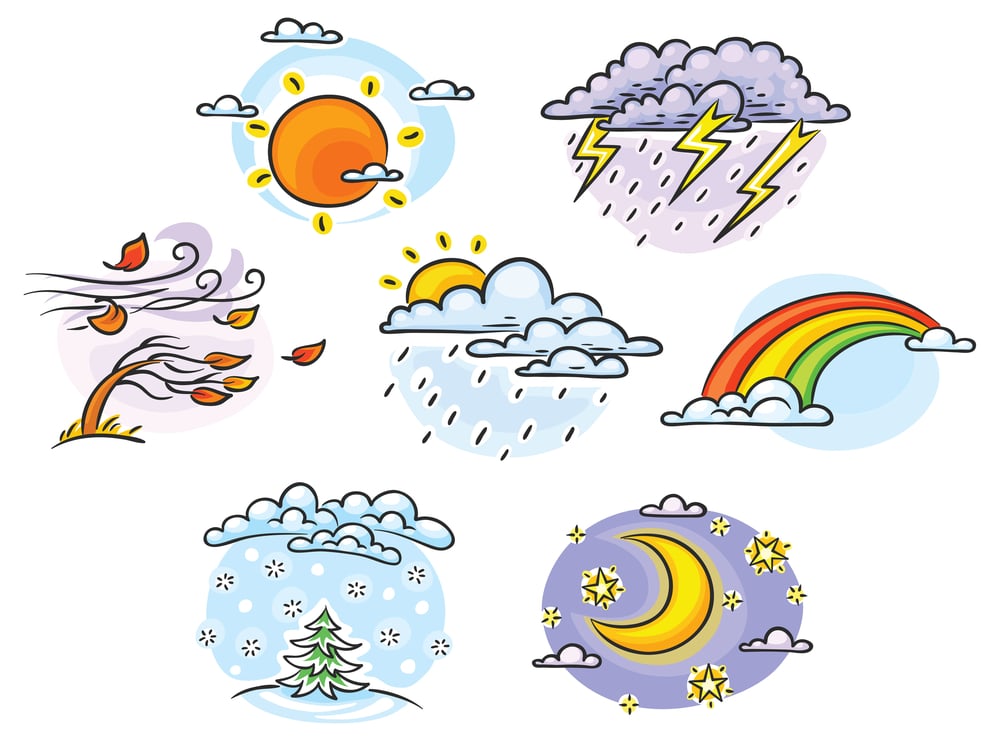
Rising heat endangers underground habitats across the planet. Some ice-filled caverns, once permanently frozen, thaw each summer now. In the Alps, subterranean spaces have warmed noticeably since the 1950s.
As outside and inner temps grow closer, their natural airflow changes rhythm. Precipitation shifts change how much water slips into caves, tweaking dampness levels along with mineral buildup rates.
In certain caverns, warmer temperatures boost air movement due to sharper contrasts between zones. Meanwhile, in others, weaker differences cause circulation to drop off.
Creatures used to steady underground environments start hitting limits they can’t handle. These effects creep in gradually yet build up over time – putting ancient ventilation patterns at risk, ones shaped across millennia.
Where Underground Weather Shapes Everything

Caves cook up their own air – shaped by dark, squeeze, yet walls of rock. Their mini-storms – fog, airflow, drips, frost – follow familiar rules seen above ground, though packed tight, fueled oddly.
Belowground breezes feed odd life zones, lock away old-time climate clues, and also show wild shifts hidden inside what looks like unchanging stone. Getting how cave air moves shields these spots while uncovering tangled links among earth layers, water flow, plus invisible gases hiding under us daily.
More from Go2Tutors!

- The Romanov Crown Jewels and Their Tragic Fate
- 13 Historical Mysteries That Science Still Can’t Solve
- Famous Hoaxes That Fooled the World for Years
- 15 Child Stars with Tragic Adult Lives
- 16 Famous Jewelry Pieces in History
Like Go2Tutors’s content? Follow us on MSN.



