NBA Players With the Weirdest Rituals
Professional athletes operate at such high levels of performance that the margin between success and failure shrinks to almost nothing. A slight mental edge can determine whether you hit the game-winning shot or miss it entirely.
So players develop rituals—patterns and behaviors they believe give them that edge. Some rituals make sense.
Others defy explanation. The strangest ones become part of a player’s identity, quirks that fans recognize and talk about.
These aren’t just superstitions. They’re deeply ingrained habits that players refuse to abandon, even when everyone around them thinks they’re ridiculous.
Michael Jordan’s Shorts Security Blanket
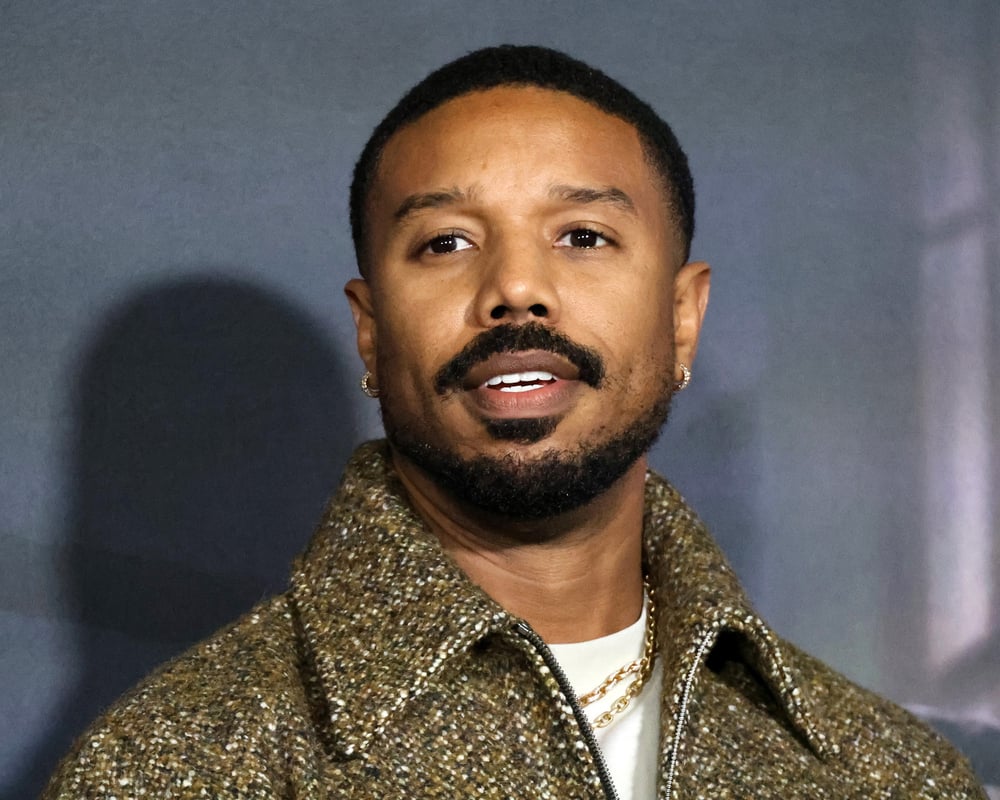
Jordan wore his University of North Carolina shorts under his Chicago uniform for every game of his professional career. He believed they brought him luck, so he kept wearing them even as his NBA shorts got longer to accommodate the extra layer.
This wasn’t a casual superstition. Jordan’s attachment to those college shorts influenced fashion across the entire league.
Players started wearing longer shorts partly because Jordan did, and Jordan wore longer shorts because he needed them to cover his UNC gear. The shorts survived six championships and countless washings.
Jordan never considered playing without them. When asked about it, he said they reminded him of where he came from and the success he’d already achieved.
Jason Terry’s Nightly Outfit

Terry slept in the opposing team’s shorts the night before every game. Not just any shorts—the actual uniform shorts of the team he’d be playing against.
He’d get them from the equipment staff, wear them to bed, then return them before tip-off. The ritual started early in his career and continued for nearly two decades.
Terry believed it helped him visualize the next day’s game and mentally prepare for the matchup. He claimed it put him in the right mindset to compete.
Think about the logistics. Every road trip, every game, Terry had to coordinate with someone to get those shorts.
He had to pack them, sleep in them, and make sure they got back to the right locker room. The commitment was absolute.
Kevin Garnett’s Headbutt Tradition

Garnett slammed his head into the padding of the basket stanchion before every game. Not a light tap—a full-force headbutt that echoed through the arena.
He did this for years, game after game, playoffs and regular season alike. The ritual served as his final preparation before tip-off.
After going through his warmup routine, after the introductions, after everything else, Garnett would find that stanchion and hit it hard enough to make you wince watching it. No one ever convinced him to stop.
Teammates got used to it. Opponents expected it.
Fans would wait for it. The headbutt became as much a part of Garnett’s game as his intensity and trash talk.
LeBron James’s Chalk Toss Theater
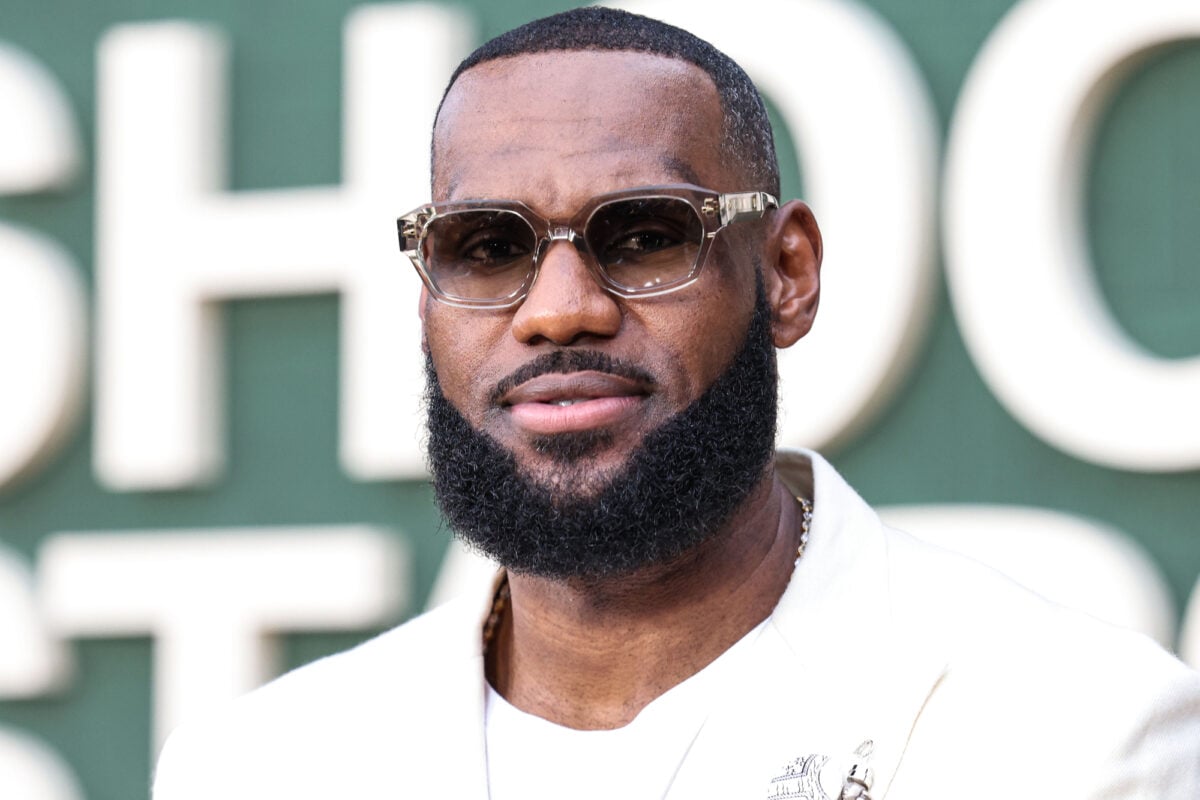
James turns throwing chalk into the air into a full production. He claps his hands together to create a cloud of powder that rises above him and the crowd.
The timing, the build-up, the execution—it’s all carefully orchestrated.
This ritual became so iconic that venues made sure they had chalk available for him. Cameras knew to catch it. Fans expected it.
The chalk toss marked the transition from warmups to game time. But here’s the interesting part: James doesn’t need chalk for grip. Most players don’t use it anymore.
Modern technology provides better alternatives. He does it purely for the ritual, for the mental preparation it provides.
Rajon Rondo’s Shower and Slam

Rondo took a shower at halftime of every game. Not a quick rinse—a full shower, complete with soap and shampoo.
He’d come off the court sweaty from the first half, head straight to the showers, clean up completely, then get dressed and ready for the third quarter. The halftime break is only 15 minutes.
Most players use that time to rest, get treatment, or talk strategy. Rondo used it to get clean.
He insisted the shower reset his mind and body for the second half. His teammates learned to work around it.
Coaches knew not to expect him for the first few minutes of halftime discussions. The ritual was non-negotiable, so everyone adapted.
Caron Butler’s Straw Addiction
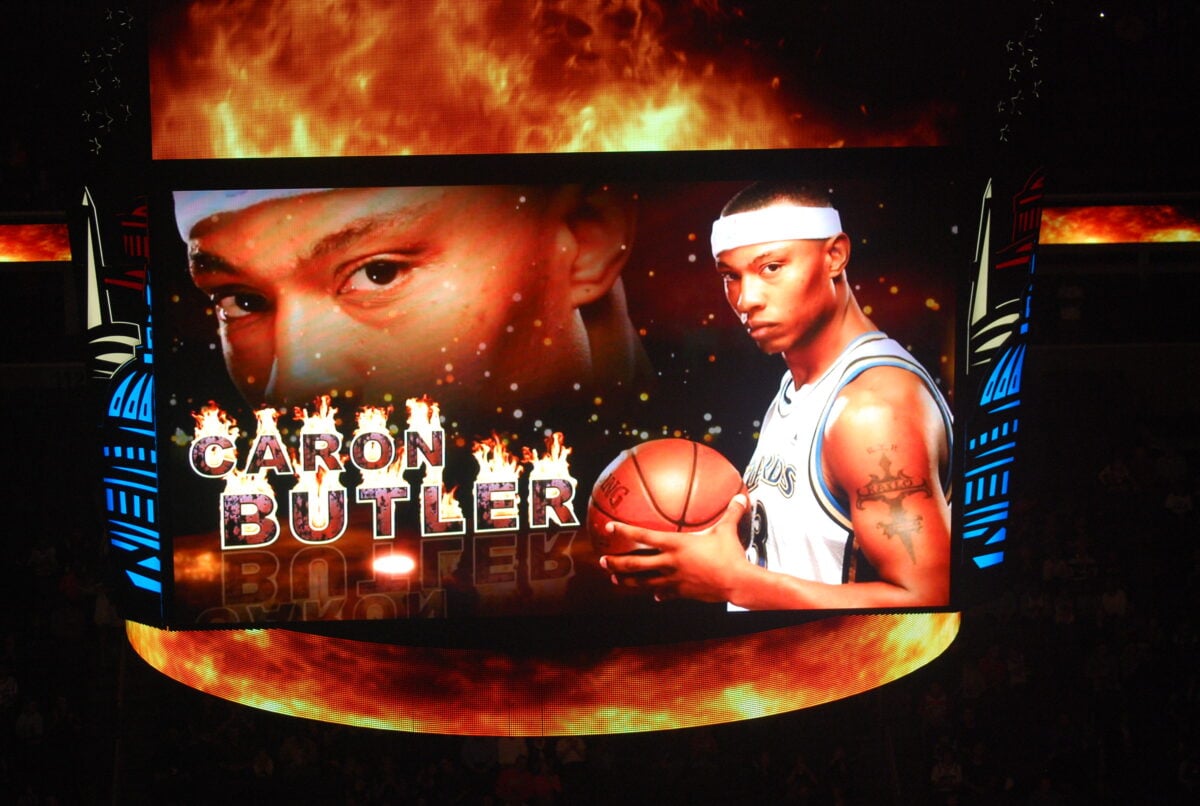
Butler chewed plastic straws constantly. During games, during practice, during film sessions—he always had a straw in his mouth.
He went through hundreds of them, biting down on the plastic like some people chew gum. The habit became such a problem that the NBA banned him from doing it during games.
The league cited safety concerns, worried that he might choke on a piece of plastic during play. Butler had to find alternatives.
He switched to chewing straws only during timeouts and breaks. The ban didn’t stop the compulsion.
He just adapted the ritual to fit within the rules. His need for the straws remained as strong as ever.
J. Stackhouse’s Pre-Game Fast Food
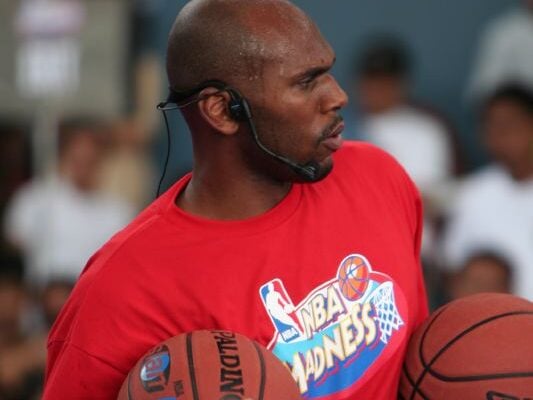
Stackhouse ate the same meal before every game: two McDonald’s cheeseburgers and fries. Not a carefully prepared athletic meal with optimal nutrition—fast food from the golden arches.
He believed this specific meal helped him perform at his best. Nutritionists probably cringed, but Stackhouse didn’t care.
He’d been eating those burgers for years and saw no reason to change. The ritual mattered more than modern sports science.
Teams traveling to away games had to factor in time for Stackhouse to get his McDonald’s. It became part of the game day routine.
No burgers meant no optimal performance, at least in his mind.
Metta World Peace’s Sitcom Study
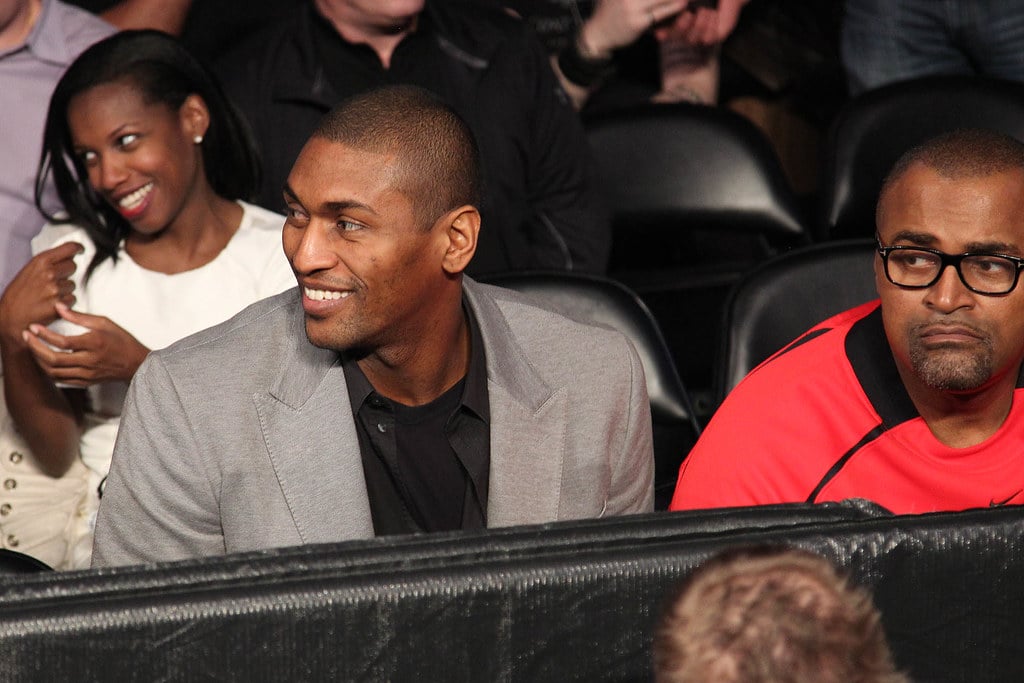
The player formerly known as Ron Artest, now Metta World Peace, claimed he watched episodes of “Friends” before games to stay calm. The sitcom helped him maintain emotional balance and avoid the aggression that got him in trouble early in his career.
This might sound reasonable until you consider the intensity he brought to games. World Peace was known for physical, aggressive play.
Yet he prepared by watching Ross, Rachel, and the gang navigate New York dating life. The contrast between the show’s lighthearted comedy and World Peace’s on-court intensity was jarring. But he insisted it worked.
The ritual helped him channel his aggression productively rather than destructively.
Bruce Bowen’s Wardrobe Constant

Bowen wore the same pair of socks for every game throughout his entire career. The same physical socks, not just the same style or brand.
He’d wash them after each game and wear them again for the next one. The socks eventually deteriorated from constant use and washing, but Bowen kept wearing them.
They developed tears. The elastic wore out.
The fabric thinned until they barely qualified as socks anymore. He wore them anyway.
When asked about it, Bowen said the socks represented consistency and reliability—qualities he tried to bring to his defensive game every night. The ritual reminded him to be dependable.
Kobe Bryant’s Name Game

Bryant refused to let anyone autograph his shoes. Other players would sign each other’s sneakers as a sign of respect or friendship, but not Kobe’s.
His shoes remained unmarked, no matter who asked. He also had specific routines for how he put his uniform on, in what order, and how he tied his shoes.
Everything followed a precise sequence that never varied. Any deviation felt wrong to him.
Bryant’s rituals extended to practice, too. He’d shoot from specific spots in a specific order during warmups.
The routine was so ingrained that his body went through the motions automatically.
Gilbert Arenas’s Nighttime Snack
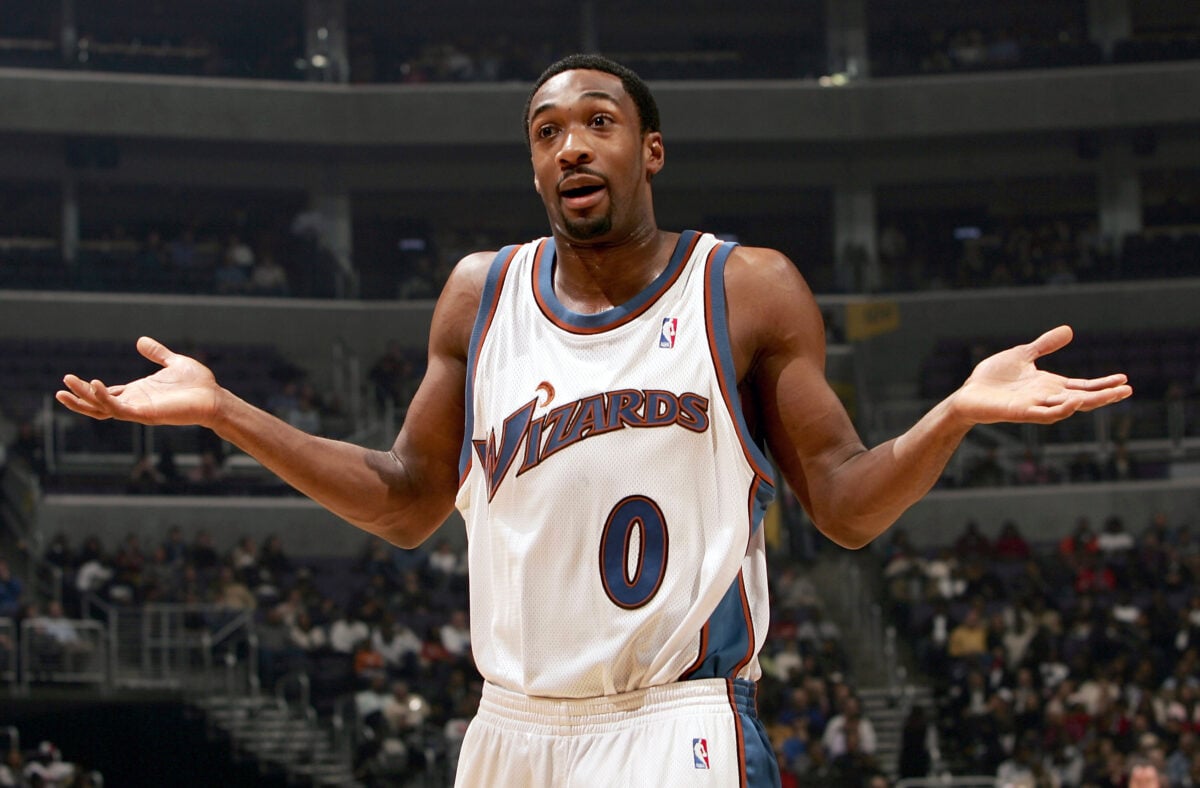
Arenas ate candy before every game. Not energy gels or sports nutrition products—actual candy from the store.
He’d consume sugar in various forms right before heading onto the court. The ritual started when he was younger and hungry before a game.
Candy was available and cheap, so he ate it. He played well that night, so he kept eating candy before games.
The pattern stuck for his entire career. Nutritionists and trainers tried to convince him to eat something healthier.
Arenas ignored them. The candy ritual was established, and changing it felt like inviting bad luck.
Paul Pierce’s Pre-Game Bathroom Break

Pierce left the court during player introductions to use the bathroom. Every single game.
He’d wait for his name to be called, wave to the crowd, then immediately head to the locker room. This wasn’t a physical need.
Pierce admitted it was psychological. The bathroom trip helped him gather his thoughts and prepare mentally for the game.
The few minutes of solitude gave him space to focus. His teammates knew not to expect him for the final huddle before tip-off.
Pierce would be in the bathroom, collecting himself. He’d return just in time for the opening jump.
Tyson Chandler’s Mouthguard Ritual

Chandler put his mouthguard in and took it out repeatedly during games. He’d wear it for a possession or two, remove it, hold it for a bit, then put it back in.
The cycle continued throughout the entire game. The constant motion became a nervous habit, something his hands did while his mind focused on the game.
But it also served as a rhythm marker, a physical action that helped him stay engaged. Teammates could tell Chandler’s mental state by how quickly he cycled the mouthguard.
Faster cycling meant higher stress or intensity. The ritual became a readable signal.
The Mind Games We Play
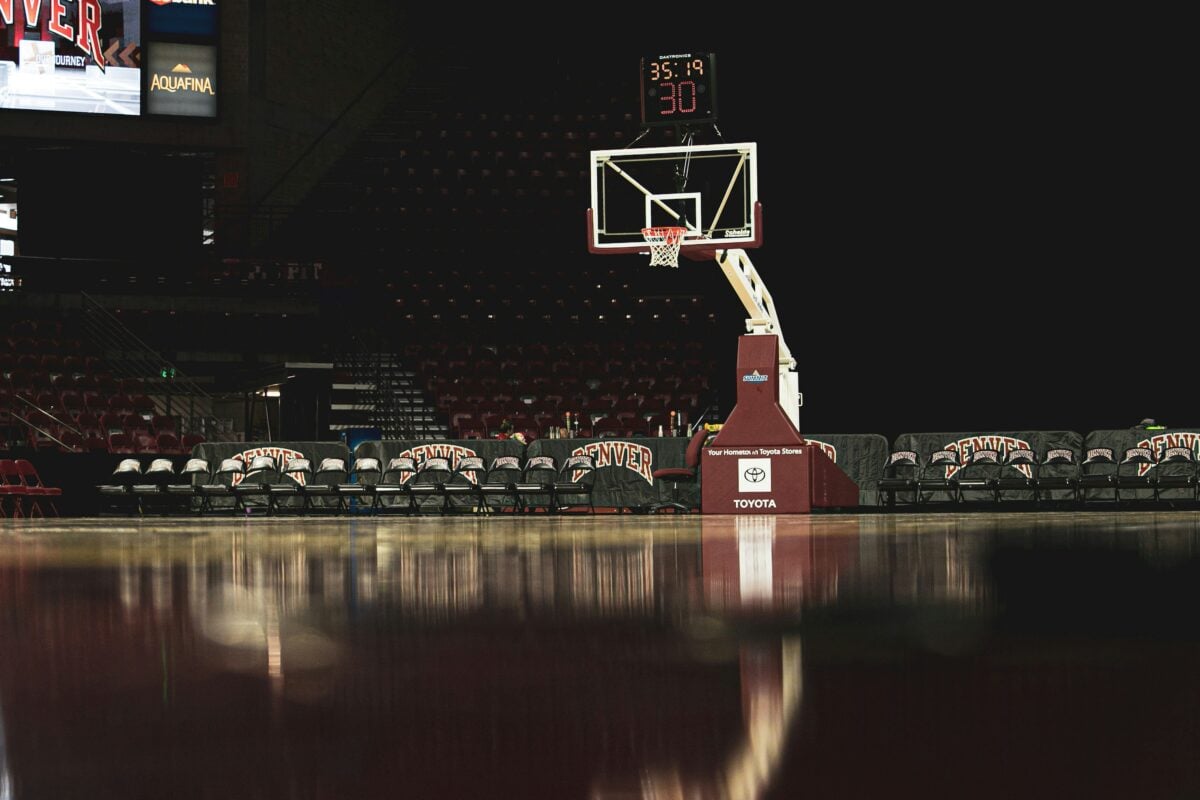
Out there, these habits look odd. Take someone built like a champion – why stick to actions that don’t tie to winning? A rinse between halves, wearing rival gear overnight… does it shift anything? From far away, none of it adds up.
What matters most is not reasoning. When things feel unpredictable, it’s really about holding on to some sense of command and ease.
Preparation sits within reach. Putting in the work – that part belongs to them.
But the orbl is going through the hoop? That slips out of grasp.
A ref’s decision comes down to split-second judgment – unpredictable. An opponent rising to an unbelievable level – that too lies outside their hands.
Doing the same thing over and over makes it seem like you’re in charge. It builds a steady rhythm when nothing else is certain.
After five hundred wins with one pattern, changing even a small part seems risky. That habit turns into evidence that you left nothing out.
What drove Jordan to grab those old college shorts, nobody really knows. The same goes for Terry wearing rival team clothes while he rested.
It did the job for both of them, nothing else needed saying. When you’re pushing limits, belief in yourself has to be unshakable.
If chewing on sweets or bumping your head on mats brings that certainty, then it fits just right.
More from Go2Tutors!

- The Romanov Crown Jewels and Their Tragic Fate
- 13 Historical Mysteries That Science Still Can’t Solve
- Famous Hoaxes That Fooled the World for Years
- 15 Child Stars with Tragic Adult Lives
- 16 Famous Jewelry Pieces in History
Like Go2Tutors’s content? Follow us on MSN.



