Childhood Books We All Reread
There’s something strange that happens when you pick up a book you loved as a kid. The words are the same. The pictures haven’t changed.
But somehow, the story feels different — richer in some places, simpler in others. You notice things you missed at eight or ten or twelve.
And for a few hours, you’re both the child who read it for the first time and the adult who knows how it ends. These are the books people return to. Not out of nostalgia exactly, but because they hold up.
Charlotte’s Web by E.B. White

The first time, you’re reading it for Wilbur. You want the pig to survive.
But come back as an adult and the whole thing shifts. Charlotte is the story. Her quiet work, her acceptance of what’s coming, her love for a friend she never expects anything from — it hits differently once you understand what it means to care for someone without keeping score.
White doesn’t spare children from hard truths, and that’s exactly why this book lasts.
The Phantom Tollbooth by Norton Juster

Most kids encounter this book and enjoy the puns and the wordplay. Revisiting it later, you realize it’s a book about how boredom makes you miss your own life.
Milo starts the story unable to find meaning in anything, and the entire adventure is one long argument that paying attention is worth the effort. The jokes are still funny. But the argument underneath them gets more interesting with age.
Matilda by Roald Dahl

Matilda is about a child with extraordinary abilities trapped in a house full of people who don’t care about her. Every kid who ever felt misunderstood by adults connected to her immediately.
Rereading it, you might find yourself thinking more about the adults — what made the Wormwoods so incurious, what made Miss Trunchbull so cruel, and how lucky Matilda was to have one teacher who actually saw her. It’s still satisfying when justice arrives. Some things don’t change.
A Wrinkle in Time by Madeleine L’Engle
The science in this book is more metaphor than physics, and that’s fine. What stays with you is Meg — awkward, angry, deeply loyal Meg — learning that her biggest flaw (her stubbornness, her refusal to let go) is also the thing that saves everyone.
Adults rereading it often notice how well L’Engle captures the particular loneliness of being smart and out of place. The universe is strange and dangerous and worth fighting for. That message holds.
Where the Wild Things Are by Maurice Sendak
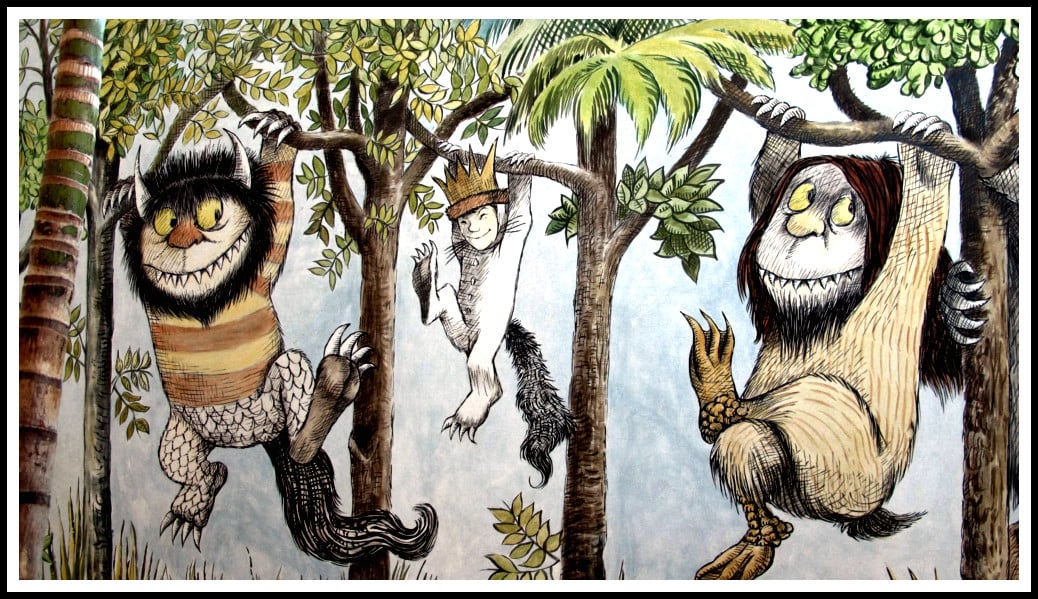
Ten sentences. Nine double-page spreads. And somehow, a complete emotional arc. Max throws a tantrum, gets sent to his room, escapes into a fantasy world where he’s king, gets lonely anyway, and comes home to a warm supper.
Children read it as an adventure. Adults read it as a map of how feelings actually work — the way anger burns bright, then burns out, and what’s waiting on the other side of it.
The Lion, the Witch and the Wardrobe by C.S. Lewis
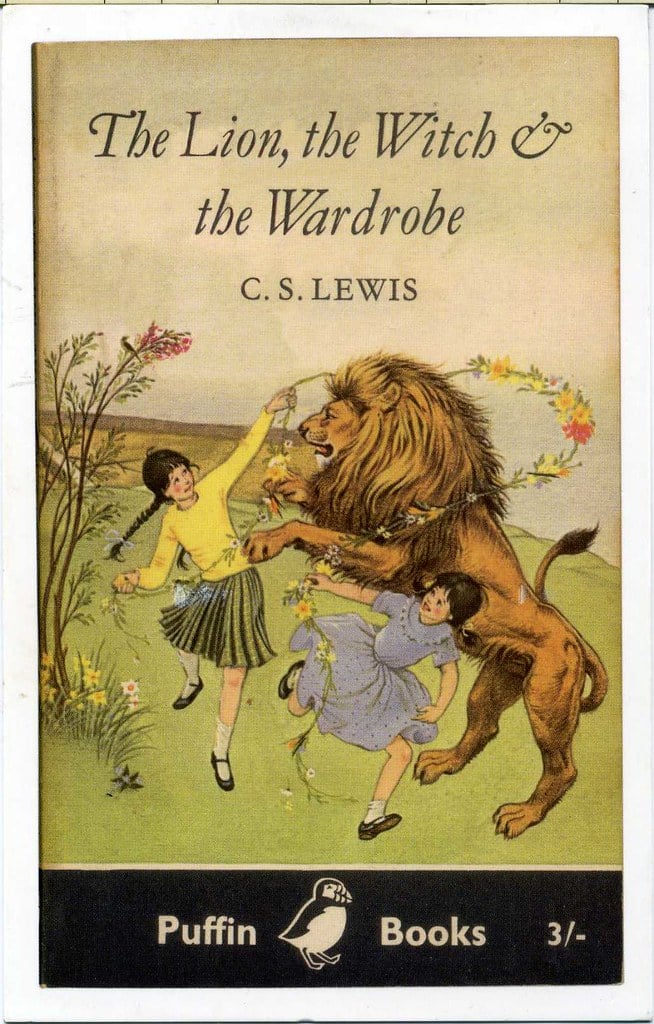
The wardrobe, the lamppost, the Turkish Delight. These images stick because they’re doing more than decoration. Lewis built Narnia to feel like a real place with its own history, and the first trip through the wardrobe still produces that particular thrill of a world opening up.
Older readers tend to notice the allegory more. Whether that enriches the story or flattens it a little depends on the reader. Either way, Aslan is still Aslan.
James and the Giant Peach by Roald Dahl

Dahl appears twice on this list because he understood children’s actual inner lives — not the sanitized version, but the real one, with fear and cruelty and unfairness. James escapes two genuinely terrible aunts inside a magic peach, surrounded by giant insects who become his family.
The aunts are so awful they’re almost funny. Almost. Rereading as an adult, you might feel less amused by them and more grateful that James found his way out.
The Secret Garden by Frances Hodgson Burnett

Mary Lennox starts the book as one of the least likable protagonists in children’s literature — selfish, rude, and completely unaware of other people. And that’s exactly right. She’s been raised by people who ignored her.
Of course she turned out that way. The garden is a story about what happens when neglected things — children, spaces, people — get tended to. It’s slower than most books on this list, but it earns its ending.
Goodnight Moon by Margaret Wise Brown

You might not have thought of this one as a book you reread, because you probably stopped reading it sometime before kindergarten. But if you’ve ever sat with a small child while reading it aloud, you’ve experienced it again from a completely different angle.
The rhythm is almost hypnotic. The great green room feels genuinely safe. There’s a reason this book has been used to help children sleep for over seventy years — it does something specific and quiet and real.
The Hobbit by J.R.R. Tolkien
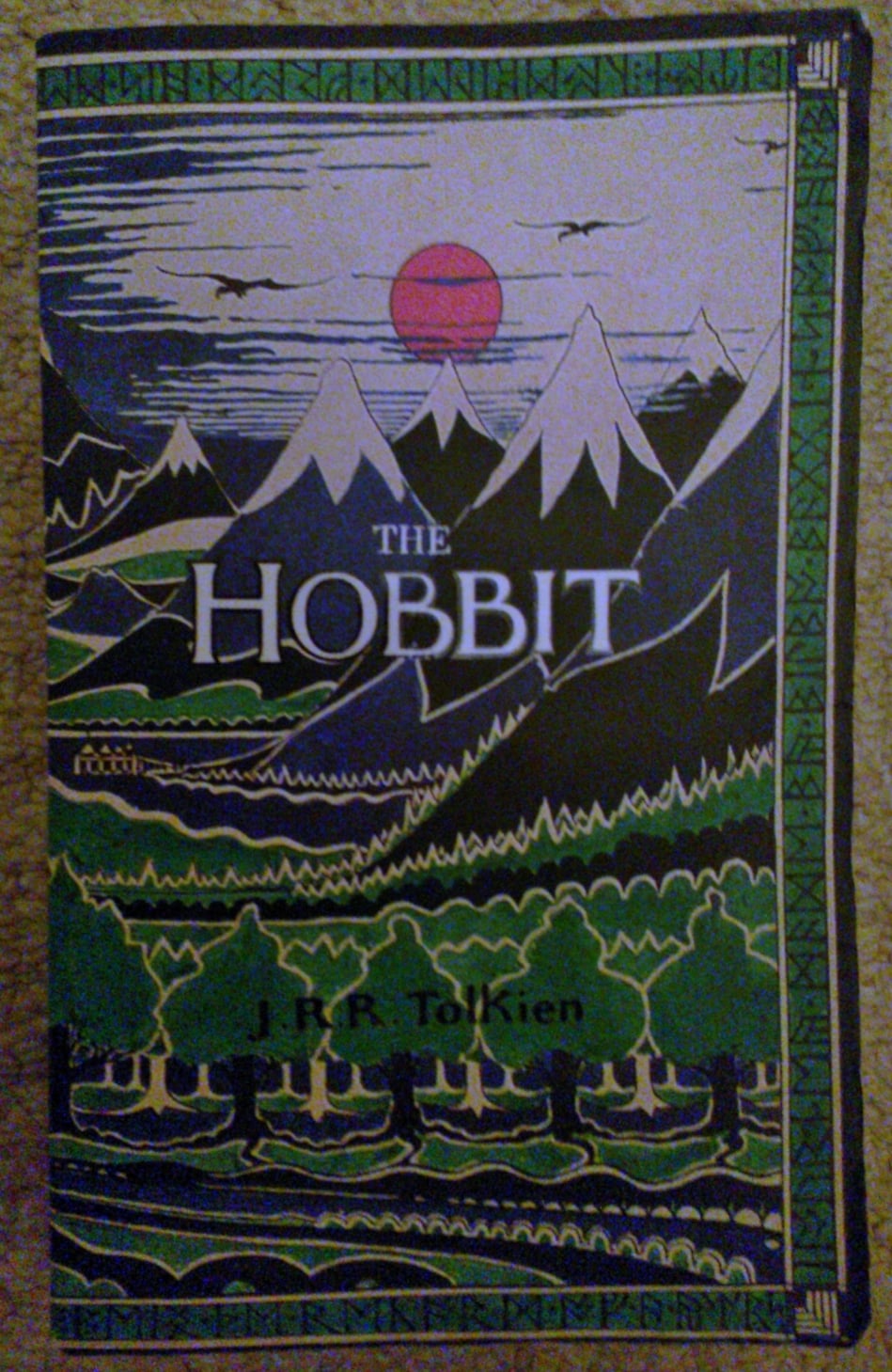
Bilbo doesn’t want an adventure. He’s happy where he is, with his pantry and his pipe and his predictable days.
The whole story is Gandalf insisting that contentment isn’t the same thing as a life well lived. Children tend to love the dragon and the dwarves and the riddles. Adults tend to sit a little longer with Bilbo’s reluctance.
The Shire sounds nice. So does the road. That tension is the whole book.
Are You There God? It’s Me, Margaret by Judy Blume

Back then, kids’ books stayed quiet on growing up – Blume broke that silence. Her character Margaret wrestles questions of faith while her body changes.
Friendships shift around her, just like her sense of self. Who she feels inside doesn’t always match who others expect her to be. Truth hit early for some girls finding this book at eleven. Later returns reveal its quiet respect – no talking down, ever. Blume listened, then wrote like trust mattered.
The Giving Tree

This one could spark more arguments than any other here. Kids often see it as a romance between friends.
Grown-ups question that view – does the tree give too much, or do humans just grab what they want while missing the cost? Maybe Silverstein meant it that way at first. Yet how grown-ups see it now hints at what changes after years of letting others down. Sometimes, realizing you were the letdown comes quietly.
Harry Potter and the Sorcerer’s Stone by J.K. Rowling
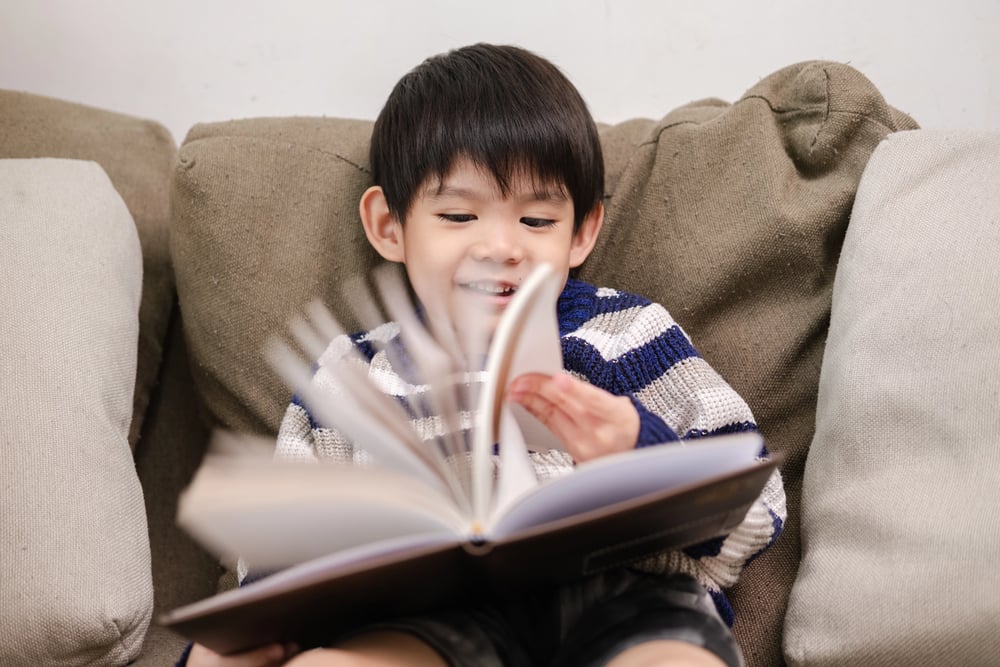
Out of nowhere comes a boy who’s never mattered much – then lands right into halls that twist, shops full of odd wands, towers shifting when you least expect. What sticks harder than stone corridors or floating candles? A kid used to cupboards under stairs now walking tall through wide-open doors.
It still feels real today. Each time you return, the enchanted places seem warmer, richer somehow; yet what pulls at you isn’t just memory – it’s that quiet pull toward belonging, toward realizing strength hidden before. Doesn’t fade.
The Velveteen Rabbit

Real begins when love wears you down, says the Skin Horse – fur rubbed away from constant hugging, eyes gone from staring into small faces. Kids see something tender in that loss.
Grown-ups feel a quiet crack inside. Worn thin by love – some say it’s a gift. First hearing, you just accept without proof. Years pass. Either it feels true deep down or the struggle makes sense instead.
Some Pages Remain Unread
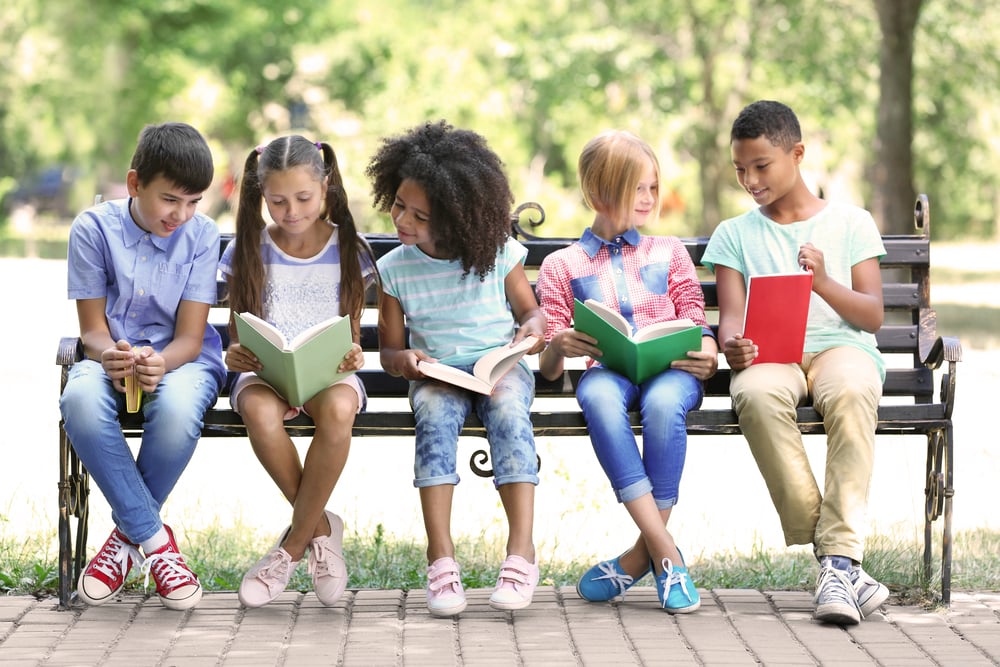
A story sticks around when it speaks early to kids without speaking down. Not every book manages this.
Some rely on childish tricks, then fade fast. Others start simple yet carry weight beneath. Their words stay clear, their paths straight forward. Yet inside them live big puzzles – where do I fit, why does this feel wrong, what should we let go of – that grown-ups wrestle with forever.
These stories grow older alongside readers. Start reading once more. This round could show you things you didn’t see before.
More from Go2Tutors!

- The Romanov Crown Jewels and Their Tragic Fate
- 13 Historical Mysteries That Science Still Can’t Solve
- Famous Hoaxes That Fooled the World for Years
- 15 Child Stars with Tragic Adult Lives
- 16 Famous Jewelry Pieces in History
Like Go2Tutors’s content? Follow us on MSN.



