14 Actors Who Served in the Military
Hollywood stars often seem like they exist in a world completely separate from everyday life. But many of the faces you recognize from the big screen have stories that go far beyond movie sets and award shows.
Some wore uniforms before they wore costumes. They trained for combat before they trained for close-ups.
These actors didn’t just play heroes on screen—they were the real thing first.
James Stewart: The Brigadier General Who Won an Oscar

Jimmy Stewart already had an Academy Award when World War II started, but he didn’t want special treatment. He tried to enlist but got rejected for being underweight.
So he ate everything in sight until he made the minimum. Stewart flew 20 combat missions over Germany as a bomber pilot, earning the Distinguished Flying Cross twice.
He stayed in the Air Force Reserve after the war and eventually became a brigadier general. When he returned to Hollywood, the boyish charm was still there, but something had changed in his eyes.
Directors noticed it. The audience felt it.
Clint Eastwood: The Plane Crash Survivor

Before Eastwood became the Man With No Name, he was just another guy trying to survive military service. He was drafted into the Army during the Korean War but ended up as a swimming instructor at Fort Ord in California.
The most dramatic moment of his service came when he hitched a ride on a Navy plane that went down in the Pacific. Eastwood swam miles to shore through cold water.
He doesn’t talk about it much, but the experience taught him something about fear and endurance that probably helped when he started doing his own stunts.
Elvis Presley: The King Who Didn’t Want Special Treatment
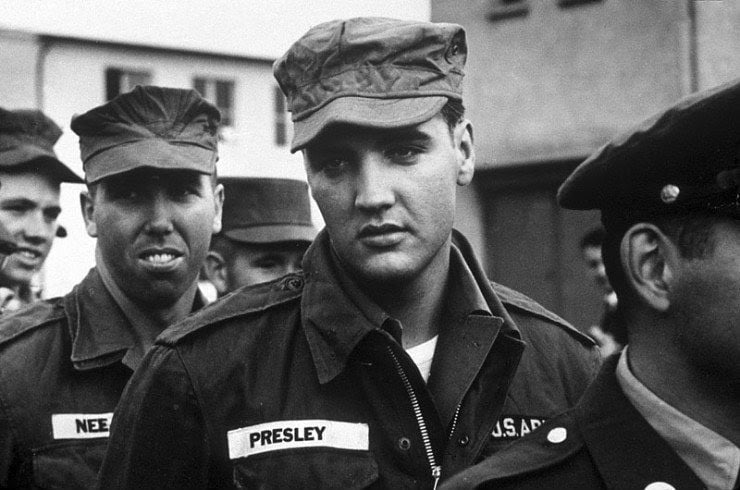
Elvis was already massive when he got drafted in 1958. His manager wanted to get him assigned to Special Services to perform for troops.
Elvis refused. He wanted to be a regular soldier. So he went to Germany, drove trucks, and lived in the barracks with everyone else.
His mother died while he was in basic training, which devastated him. The Army experience changed Elvis in ways that aren’t always obvious.
He came back more serious, more interested in dramatic roles. Some fans thought the music lost something after his service.
Others believed it gained depth.
Morgan Freeman: The Mechanic Who Turned Down Pilot Training
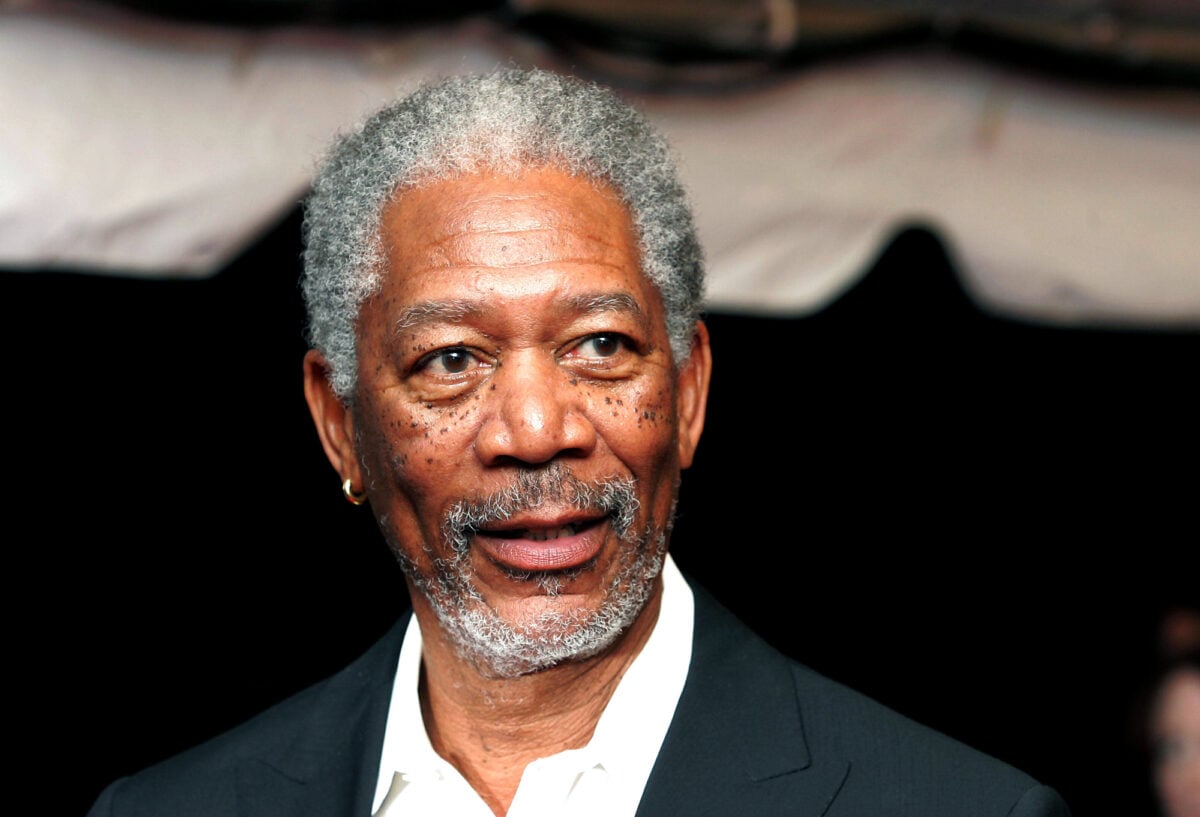
Freeman joined the Air Force right after high school in 1955, dreaming of becoming a fighter pilot. He made it into training but realized something during his time in the cockpit—he liked the idea of flying more than the reality.
He turned down a chance to become a commissioned officer and instead became an Automatic Tracking Radar Repairman. Freeman served for four years, and during that time he started acting in base theater productions.
The military didn’t make him an actor, but it gave him time to figure out what he actually wanted to do.
Chuck Norris: The Air Policeman in Korea

Long before Chuck Norris became a meme and an action star, he was stationed at Osan Air Base in South Korea as an Air Policeman. He started studying martial arts there, training in Tang Soo Do and eventually earning black belts in multiple disciplines.
When he got back to the States, he opened karate schools and started competing in tournaments. Bruce Lee became a friend and encouraged him to try acting.
Without that tour in Korea, there’s no way Norris becomes the person he ended up being. The martial arts came first, and they came from military life.
Mr. T: The Military Police Officer
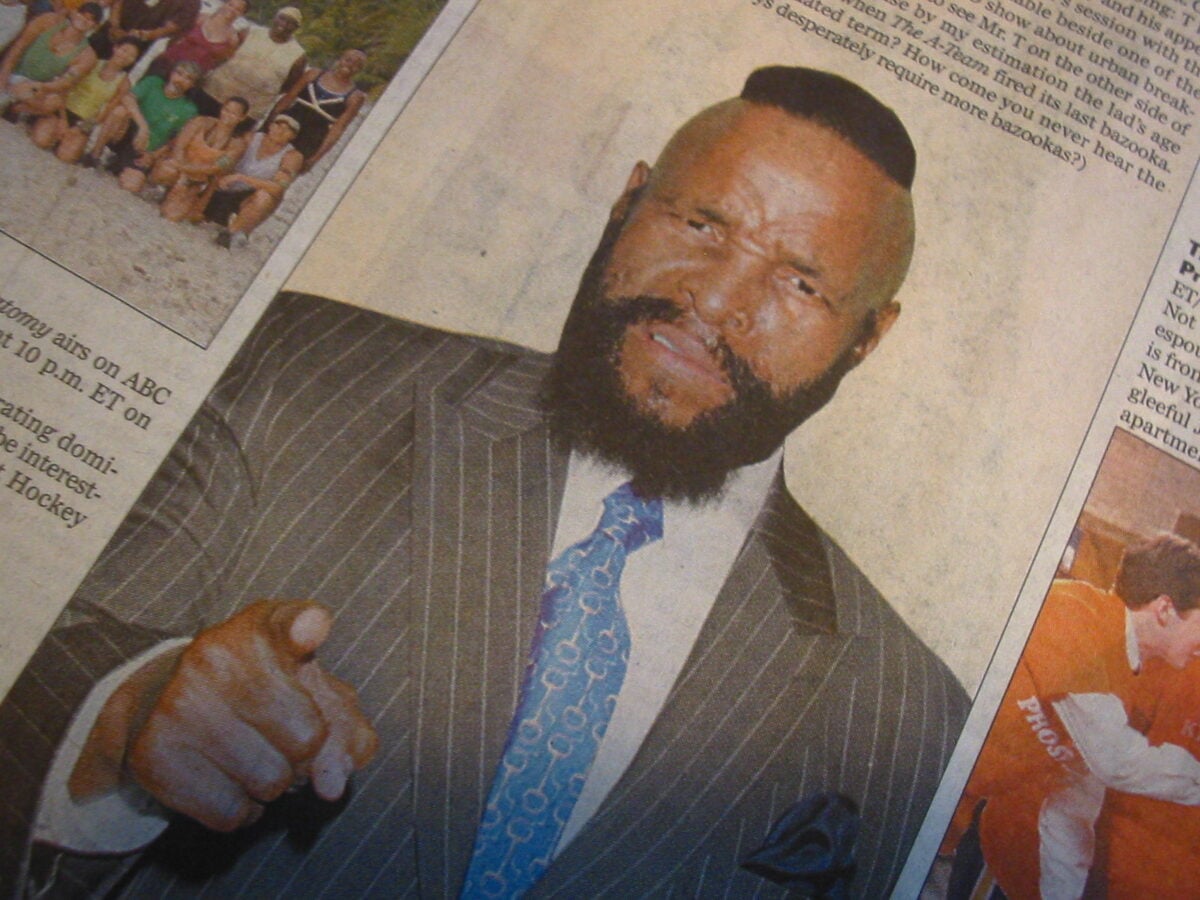
Before the mohawk and the gold chains, Mr. T was Lawrence Tureaud from Chicago, serving in the Army as a Military Police officer. He spent time in the MP Corps and earned a letter of recommendation from his drill sergeant, which he still keeps.
Mr. T doesn’t romanticize military service. He talks about it as hard work and discipline, the kind of foundation that helped him later when he became a bodyguard for celebrities and eventually an actor.
The persona you see on screen—the toughness, the confidence—has roots in what he learned during those years.
Bea Arthur: One of the First Women Marines

You know her as Dorothy from “The Golden Girls,” but Bea Arthur was a staff sergeant in the Marine Corps during World War II. She enlisted in 1943, right after the Marine Corps started accepting women.
Arthur worked as a typist and truck driver, and she hated every minute of it. She didn’t hide her disdain for authority, which got her in trouble more than once.
But she served for two years and got an honorable discharge. Years later, when she found success in comedy, some of that Marine Corps attitude—the directness, the refusal to take nonsense—became part of what made her characters so memorable.
Gene Hackman: The Marine Who Lied About His Age

Hackman dropped out of high school at 16 and lied about his age to join the Marines. He served for four and a half years, including a stint as a field radio operator.
The Marines didn’t work out perfectly for Hackman—he got in some trouble, didn’t always follow orders the way he should have—but it got him out of a small town in Illinois and showed him parts of the world he wouldn’t have seen otherwise. When he finally got into acting years later, he brought a working-class toughness to his roles that felt authentic because it was.
Paul Newman: The Navy Radioman in the Pacific

Newman enlisted in the Navy during World War II, hoping to become a pilot. But he was colorblind, which disqualified him from flight training.
Instead, he became a radioman and rear gunner on torpedo bombers in the Pacific. His plane never saw direct combat, but he served on several aircraft carriers.
Newman didn’t talk much about his service, and when he did, he downplayed it. He came home, used the GI Bill to study drama, and built one of the most respected careers in Hollywood history.
The war was just one chapter, but it was the chapter that gave him the means to pursue everything that came after.
Rob Riggle: The Marine Who Served in Combat Zones

Riggle isn’t just a comedian who happened to serve. He’s a Marine Corps Reserve officer who deployed to Liberia, Kosovo, Albania, and Afghanistan. He joined in 1990 and stayed in the reserves while building his comedy career. Riggle served for 23 years and retired as a lieutenant colonel.
He’s received multiple awards for his service, including the Combat Action Ribbon. His comedy often draws on military experience, but it’s never disrespectful.
He understands both worlds—the seriousness of military service and the absurdity that sometimes exists within it.
Adam Driver: The Marine Whose Service Ended Before Deployment

Driver joined the Marines right after 9/11, driven by the same impulse that sent thousands of young people into recruiting offices that year. He served for two years and eight months, training to deploy to Iraq with his unit.
But two months before deployment, he got injured in a mountain biking accident and received a medical discharge. Driver has said the injury devastated him at the time.
He felt like he’d let his unit down. He enrolled in Juilliard using the GI Bill and started acting almost as a second choice.
That sense of unfinished business shows up in the intensity he brings to roles.
Ice-T: The Ranger Who Funded His Music Career

Ice-T served four years in the Army after high school, including time in the 25th Infantry Division. He used his military pay to buy turntables and start DJing, which eventually led to his rap career.
The discipline he learned in the Army shows up in how he approaches his work—he’s consistent, professional, and focused. Ice-T doesn’t romanticize the military, but he credits it with giving him structure when he needed it most.
Without that foundation, the transition from soldier to rapper to actor might not have happened the same way.
Humphrey Bogart: The Navy Enlistee with the Famous Scar

Bogart enlisted in the Navy during World War I and served on the USS Leviathan. The story about how he got the scar on his lip—the one that became part of his signature look—has several versions.
One claims it happened when his ship was shelled and a splinter hit his face. Another says it was from a handcuffed prisoner who hit him while he was transferring the man to another facility.
Whatever the real story, that scar and the toughness that came with military service helped define the characters Bogart played. Rick Blaine and Sam Spade weren’t soldiers, but they had that same worn, seen-too-much quality that Bogart brought from his own life.
Gal Gadot: The Israeli Defense Forces Combat Instructor

Spending time in uniform came naturally, since nearly everyone in Israel does it. A role teaching troops how to stay strong and handle gear became hers during those years.
People raised eyebrows about her casting as Wonder Woman, wondering if that past fit the character. Facing comments head on, she speaks openly when asked.
Her history in the armed forces isn’t something she hides or downplays. What stands out is how naturally she handles fight scenes – like handling guns isn’t new or forced.
That ease? Built through actual practice, far beyond choreography alone. Being a veteran shapes who she is, regardless of others’ opinions.
When the Uniform Comes Off
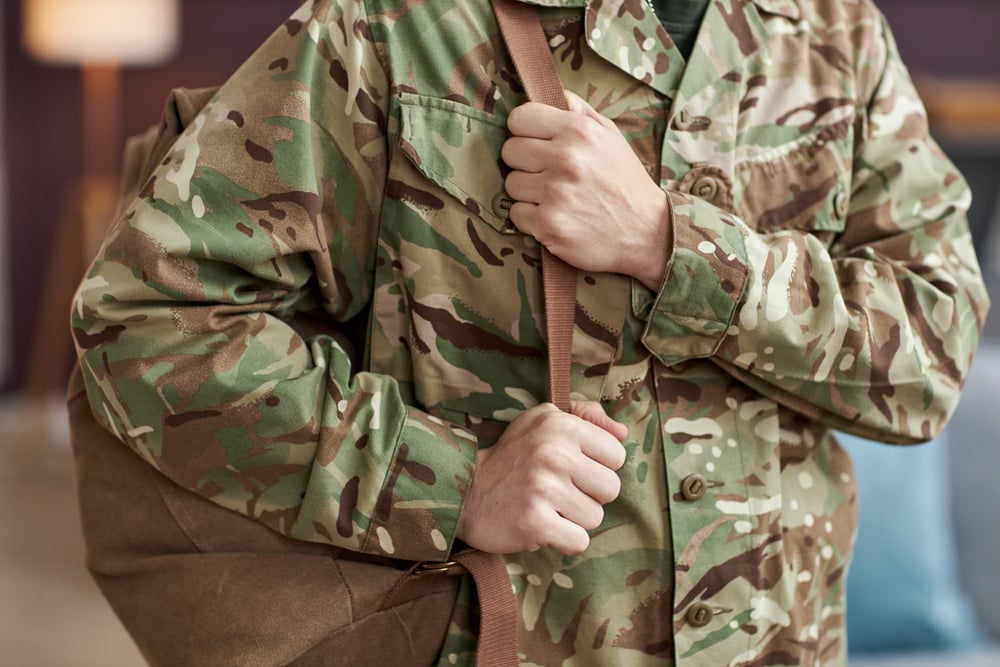
Something ties these performers together besides skill or chance. Into unknowns they walked – no lines handed down, no safety net below, just another voice calling the shots. A few discovered purpose through army life. For others, escape felt like freedom waiting.
Real pressure shaped them, not rehearsal rooms. Still, each took a piece of that time forward, letting it shape what came after.
Watch how they stand, notice the people they decide to play, sense the weight behind parts needing strength or openness – sometimes both at once. Once the uniform is gone, its lessons remain fixed inside.
You pick up on it while watching, even if you never learn where it started.
More from Go2Tutors!

- The Romanov Crown Jewels and Their Tragic Fate
- 13 Historical Mysteries That Science Still Can’t Solve
- Famous Hoaxes That Fooled the World for Years
- 15 Child Stars with Tragic Adult Lives
- 16 Famous Jewelry Pieces in History
Like Go2Tutors’s content? Follow us on MSN.



