15 Highest Paid Movie Roles In The Entire History Of Hollywood
Movie stars have always commanded enormous salaries, but some performances have shattered every previous record. These astronomical paychecks reflect not just star power, but the massive revenues that blockbuster films generate worldwide.
From backend deals that paid off beyond anyone’s wildest dreams to upfront salaries that made headlines, these are the roles that redefined what it means to be financially rewarded in Hollywood.
Will Smith – Men In Black 3
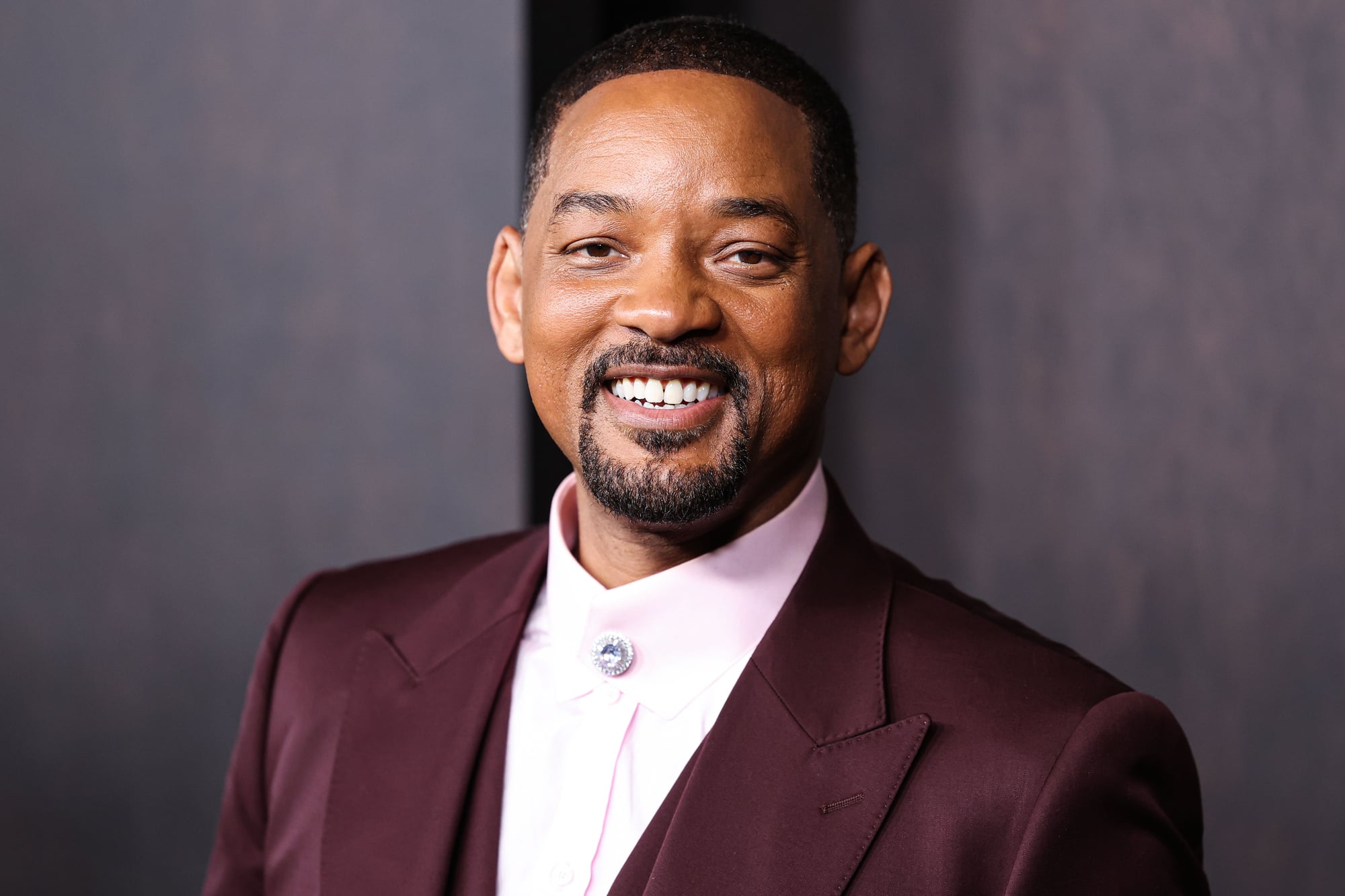
Smith earned $100 million for the third Men in Black film. The studio paid him $20 million upfront, then added backend participation that exploded when the movie hit $624 million worldwide.
Tom Cruise – Mission: Impossible – Ghost Protocol
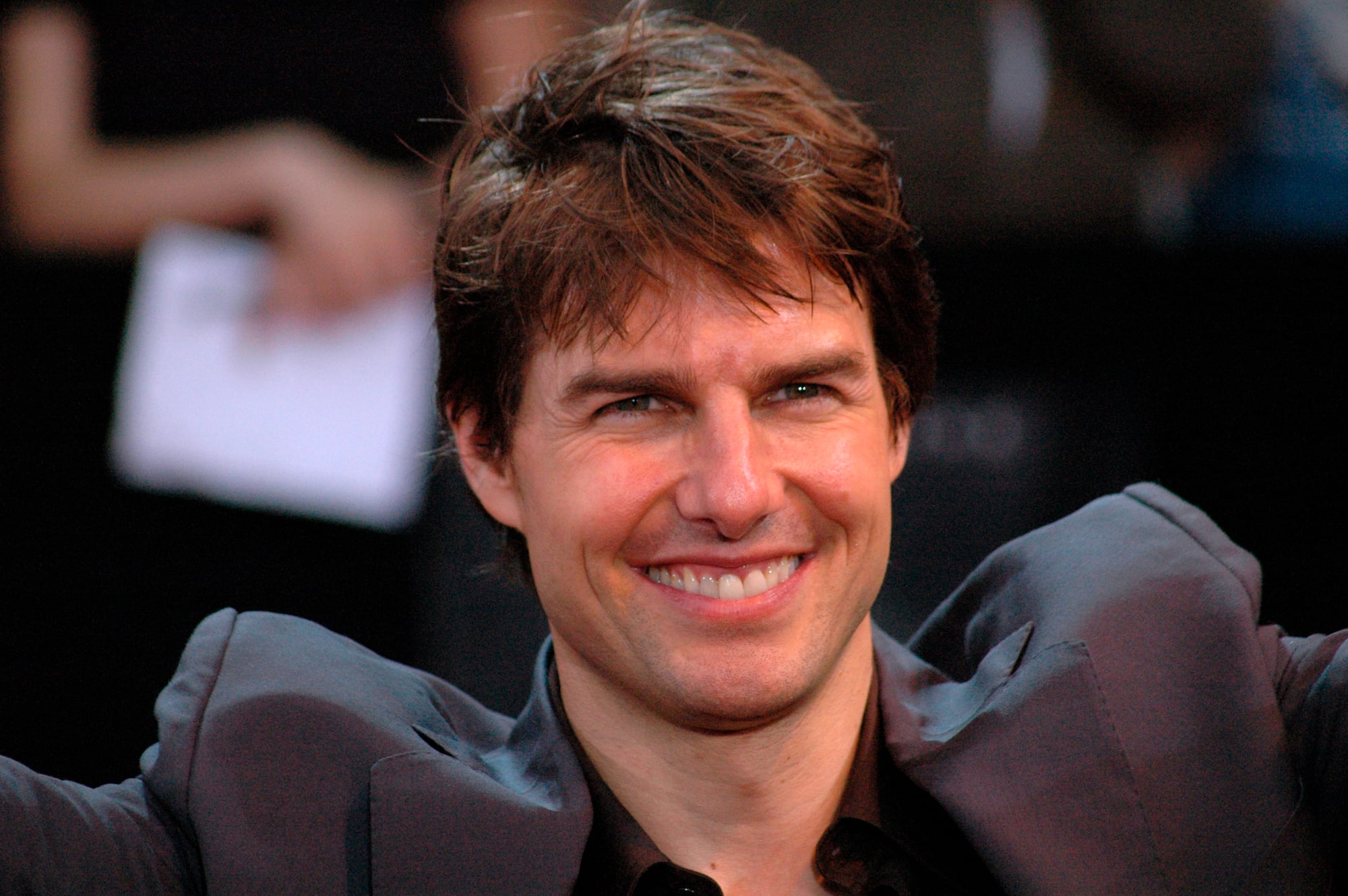
Cruise’s deal structure netted him $75 million. He took a smaller upfront fee in exchange for first-dollar gross participation.
Smart move, considering the film earned $694 million globally.
Robert Downey Jr. – Avengers: Endgame
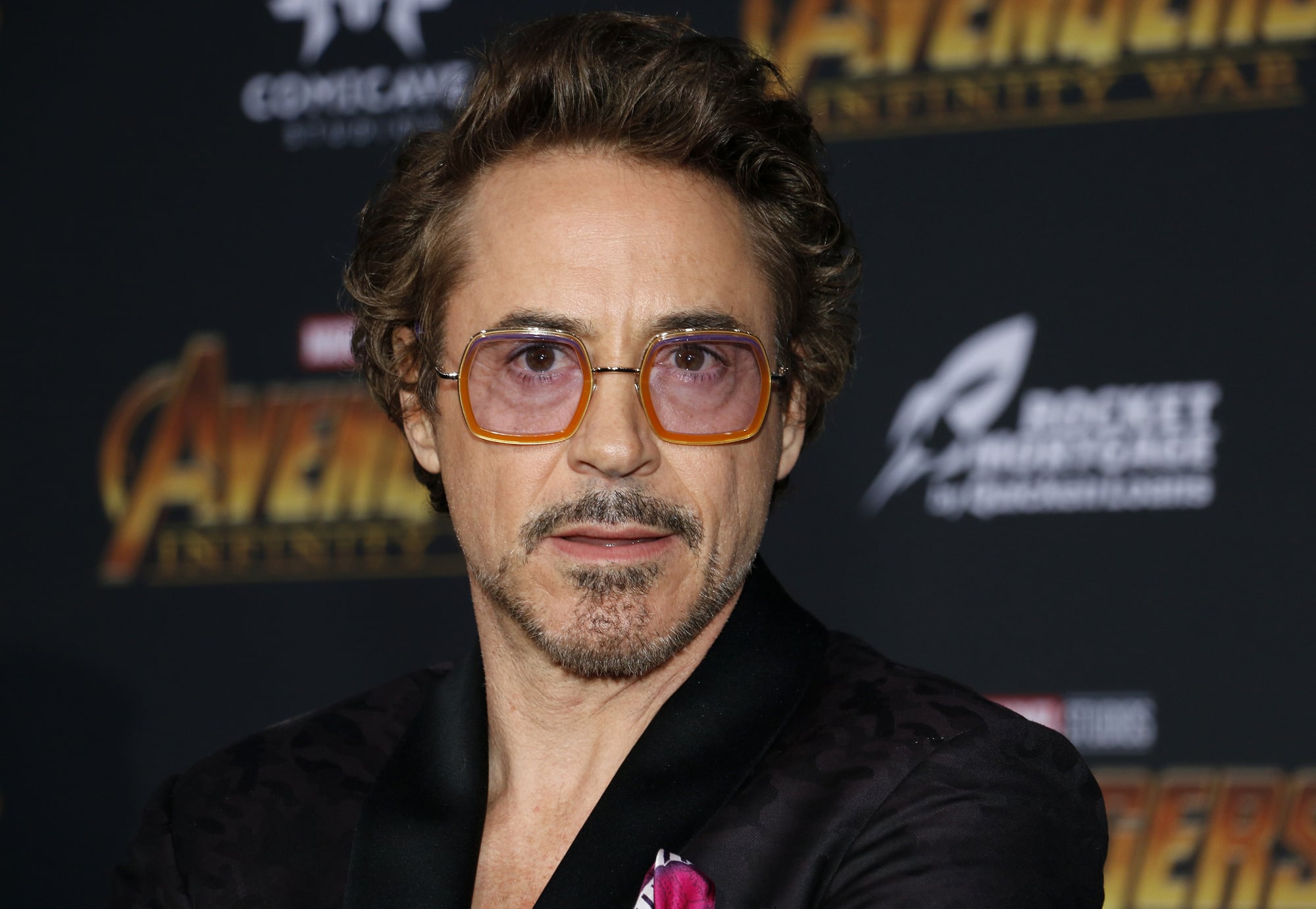
When Disney needed to bring Tony Stark back for the Marvel finale, they wrote a check that (according to industry insiders who track these things, and Hollywood accounting being what it is) likely reached somewhere between $75-100 million — a figure that sounds absurd until you remember that Endgame became the highest-grossing film of all time, pulling in nearly $2.8 billion worldwide.
And Disney knew exactly what they were doing.
Downey had become the irreplaceable center of their most valuable franchise, so they structured a deal that gave him a percentage of the gross profits — not the net profits, which in Hollywood accounting might never exist, but the actual money coming through the door.
The result was a payday that matched the cultural impact of his final performance as Iron Man.
Johnny Depp – Alice In Wonderland
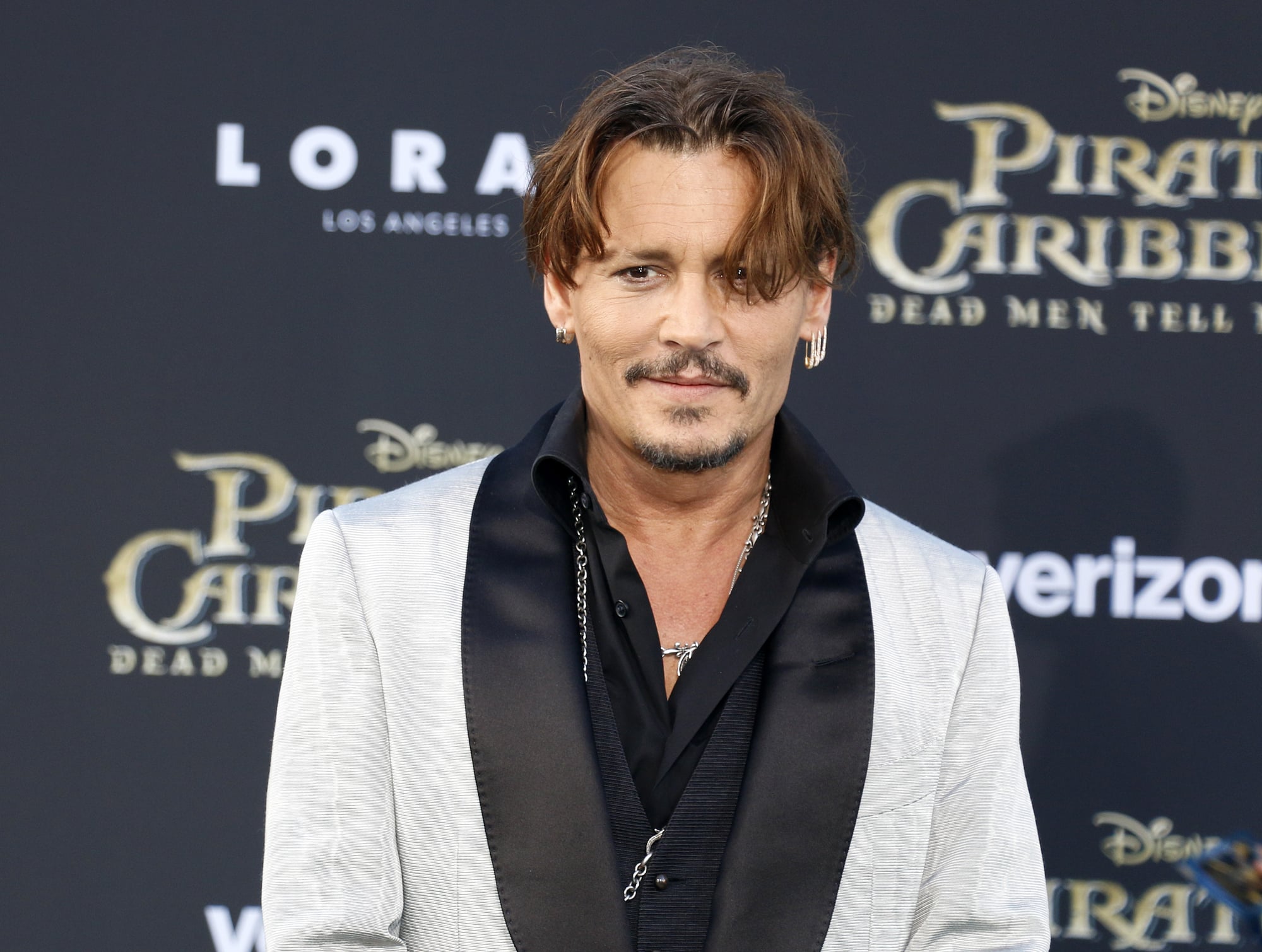
Disney’s live-action Alice generated $1.025 billion worldwide. Depp’s backend deal delivered him $68 million for playing the Mad Hatter.
Sandra Bullock – Gravity

Bullock negotiated a brilliant deal that earned her $70 million total. She took $20 million upfront plus 15% of first-dollar gross.
The film’s $723 million worldwide take made her very wealthy.
Jack Nicholson – Batman
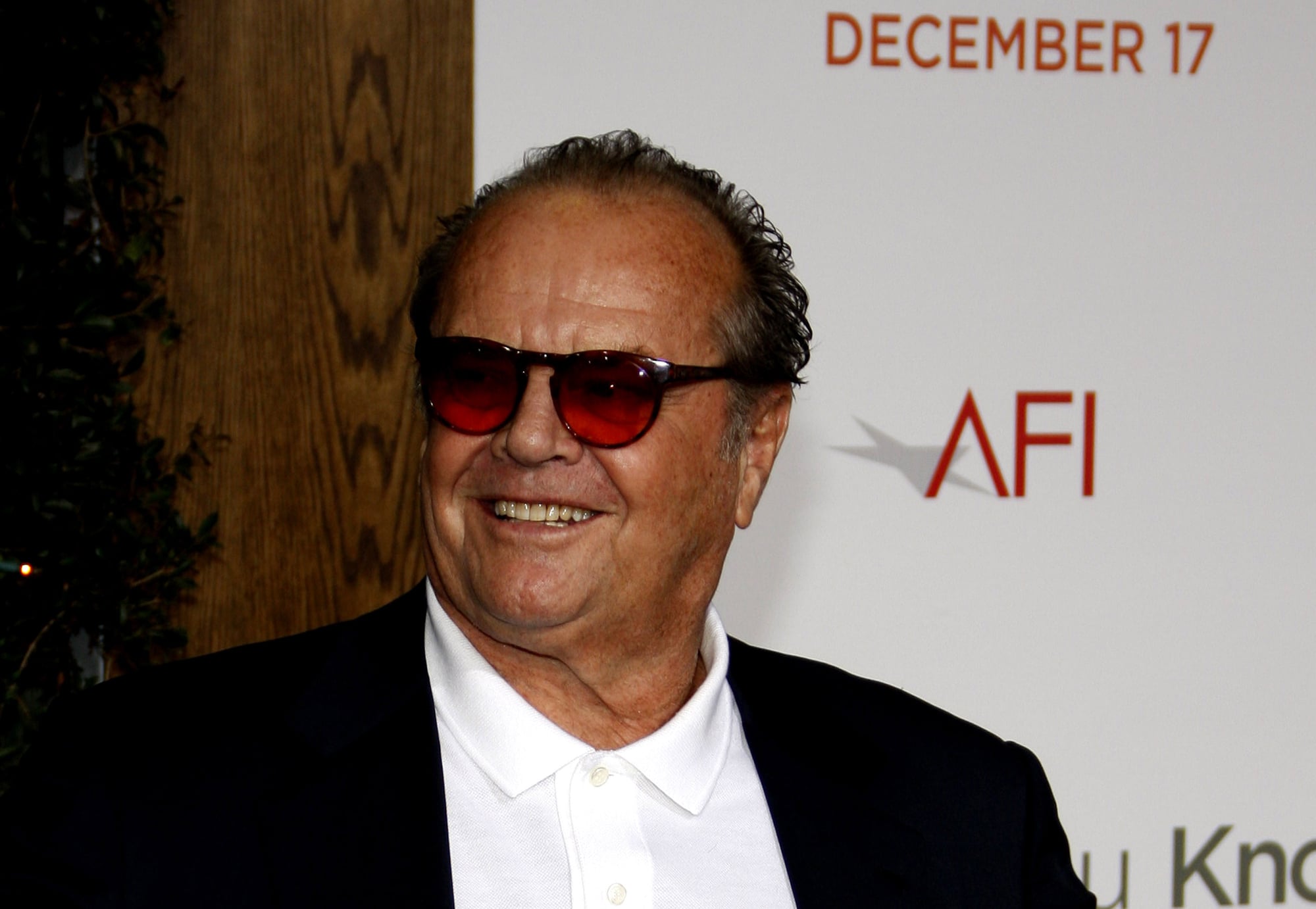
Nicholson’s Joker remains the shrewdest negotiation in film history. He secured a percentage of all Batman merchandise revenue — not just the 1989 film, but everything Batman-related that followed.
This foresight transformed a $6 million base salary into an estimated $60-90 million windfall that kept paying for decades.
The purple suits, the maniacal laugh, the perfectly timed “Wait till they get a load of me” — Nicholson understood he was creating something that would outlive the movie itself.
And while other actors negotiated for sequel participation, he negotiated for cultural permanence.
Keanu Reeves – The Matrix Sequels
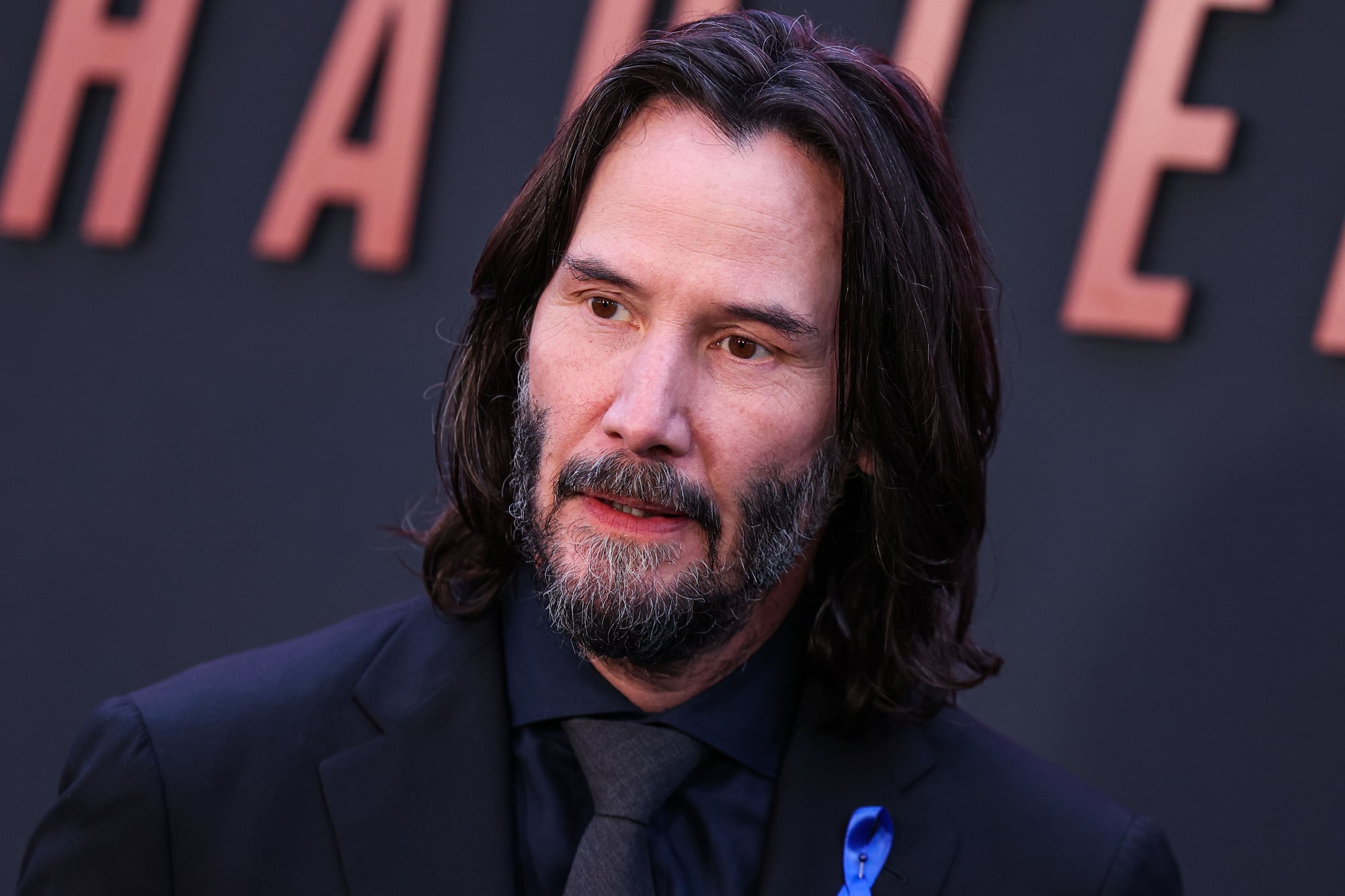
Reeves earned $83.3 million combined for The Matrix Reloaded and The Matrix Revolutions. He took lower base salaries in exchange for backend participation that paid off handsomely.
Tom Hanks – Forrest Gump
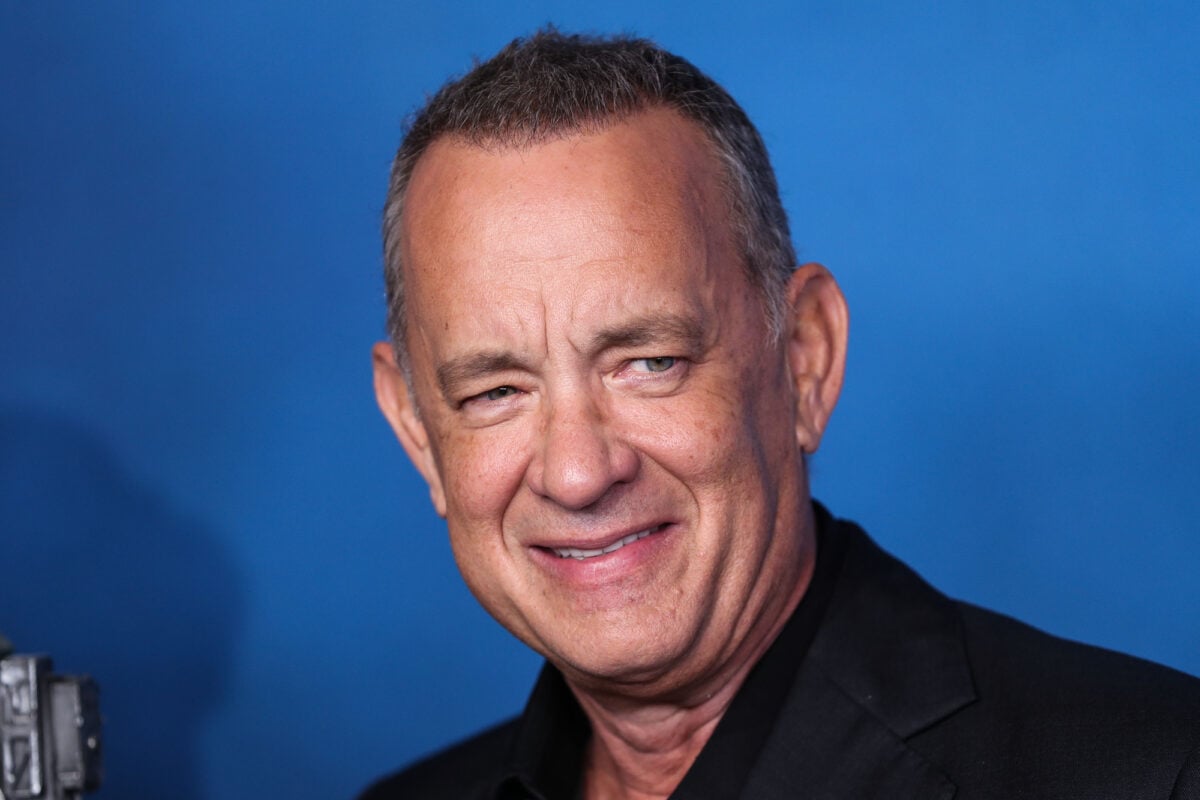
Hanks initially agreed to a $7 million salary, then negotiated backend participation worth an additional $60 million when the film became a cultural phenomenon earning $678 million worldwide.
Harrison Ford – Indiana Jones And The Kingdom Of The Crystal Skull
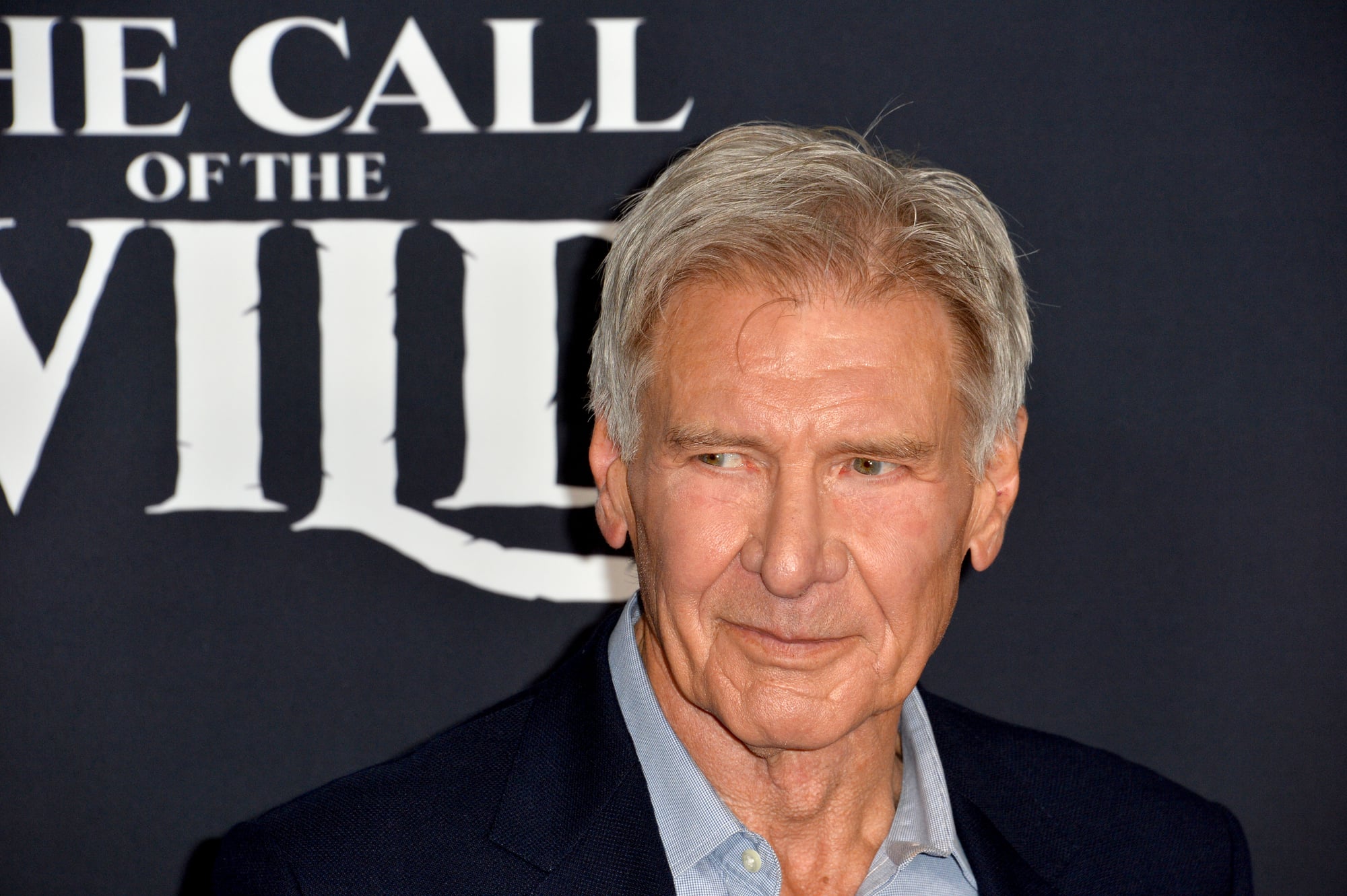
Ford commanded $65 million to return as Indiana Jones after 19 years. The studio paid premium pricing to bring back an irreplaceable character, and the film’s $790 million gross justified every dollar.
Age hadn’t diminished Ford’s box office appeal — it had only made him more expensive.
Fair enough, considering he was reprising one of cinema’s most beloved characters after two decades away from the whip and fedora.
Leonardo DiCaprio – Inception
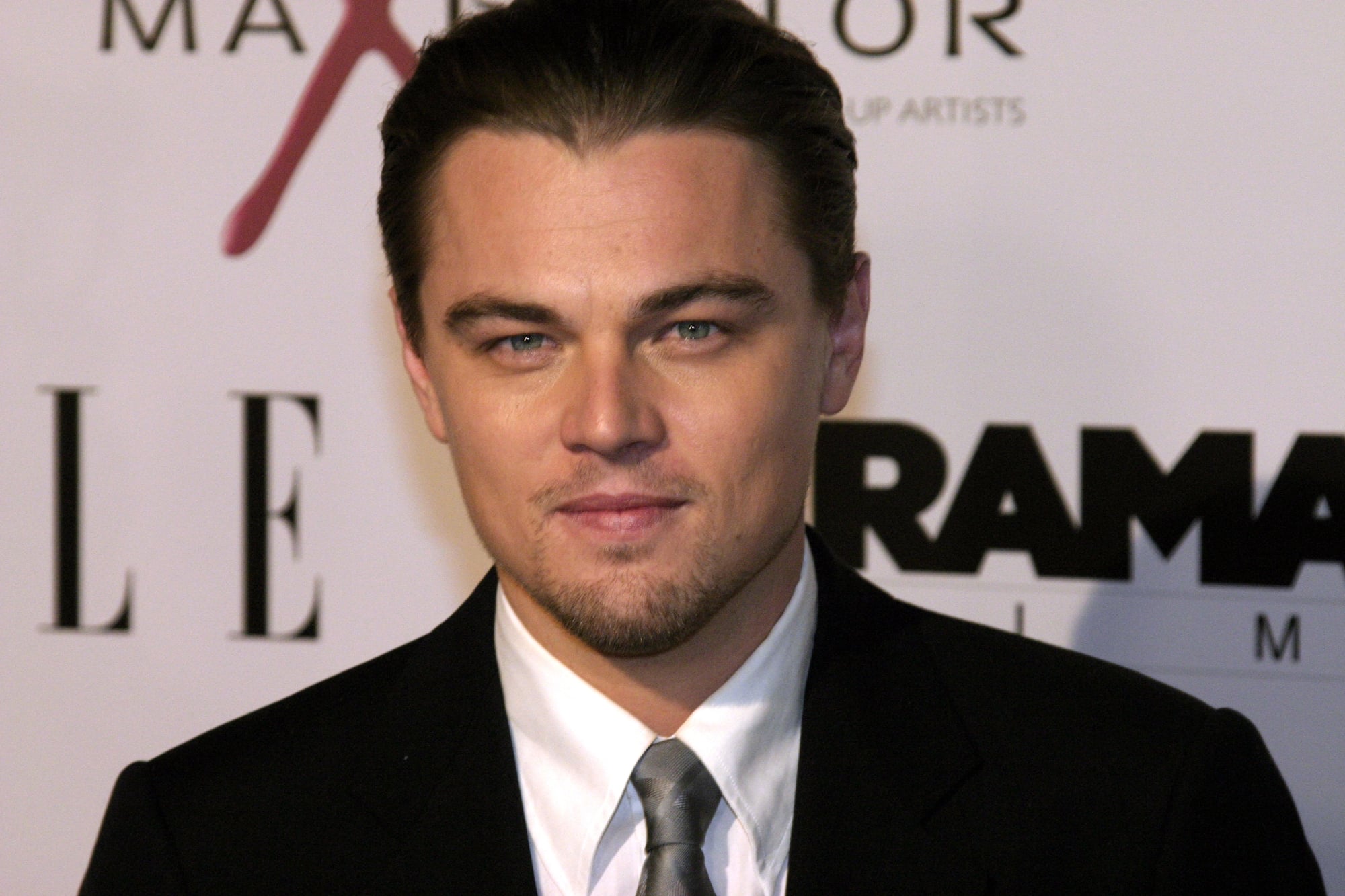
DiCaprio’s complex deal structure earned him $59 million total. He received $50 million upfront plus backend participation from the film’s $836 million worldwide earnings.
Tom Cruise – Top Gun: Maverick
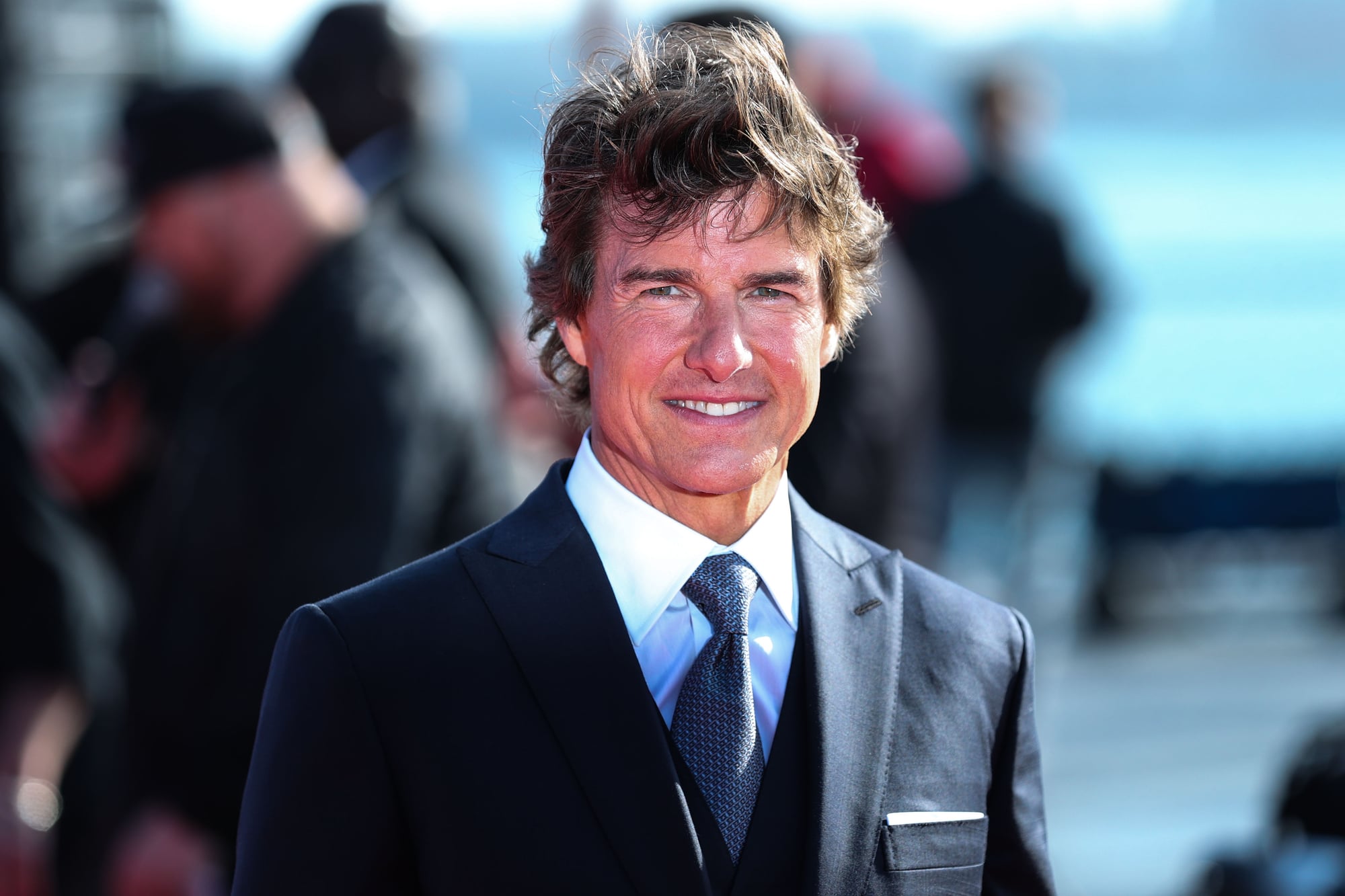
Cruise earned an estimated $100 million from the Top Gun sequel through backend participation. His deal included first-dollar gross points that exploded when the film hit $1.49 billion worldwide — a figure nobody predicted for a legacy sequel arriving 36 years after the original.
Cruise had spent decades perfecting the art of backend deals, but Maverick represented the ultimate vindication of his strategy (not to mention his insistence on practical stunts and theatrical releases over streaming).
The movie reminded everyone why movie stars used to command these astronomical figures: sometimes they really can carry a film to heights that pure marketing cannot reach.
Will Smith – Ali
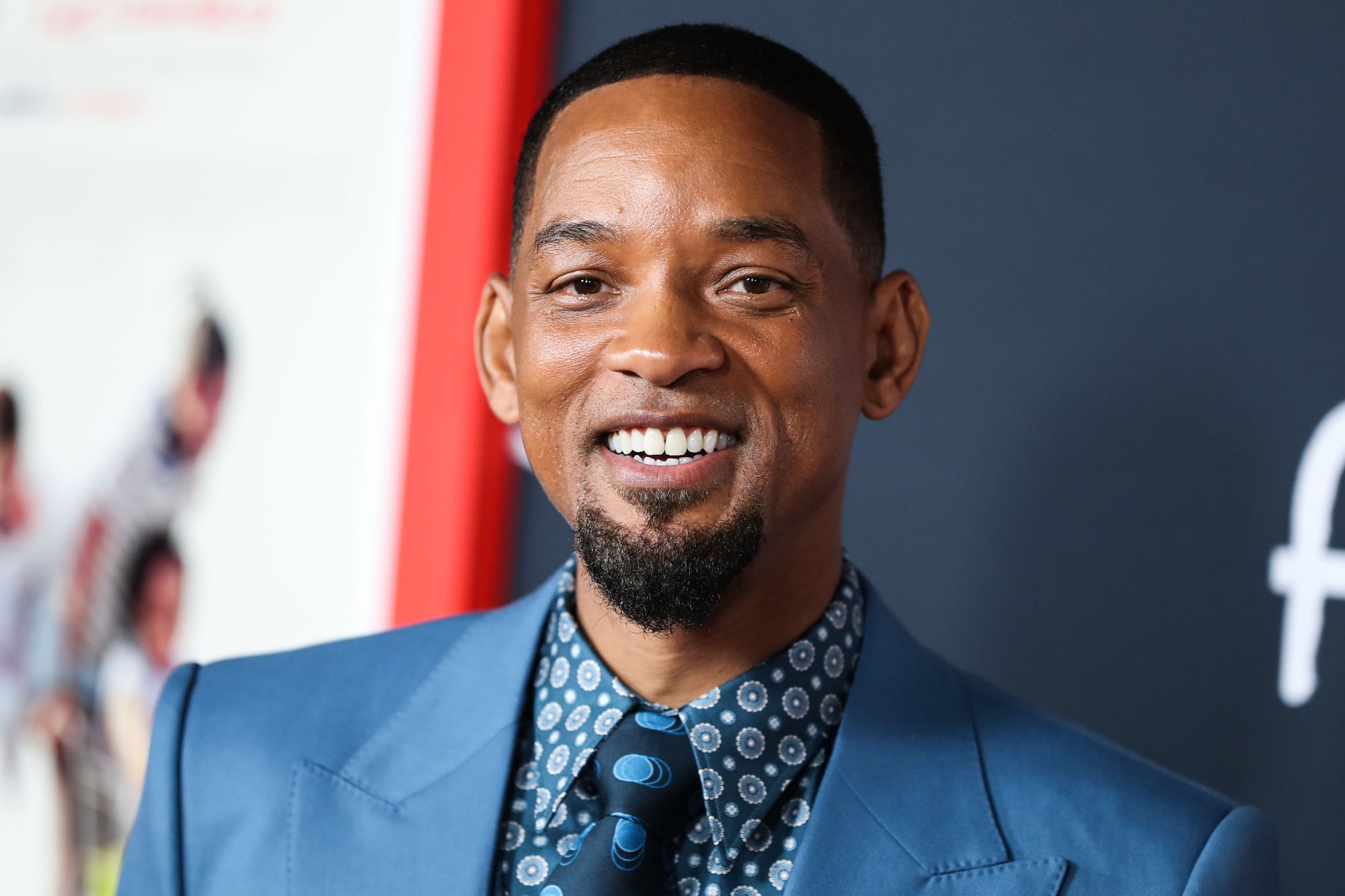
Smith received $52 million to portray Muhammad Ali. The film’s modest box office performance made this one of Hollywood’s most expensive creative gambles.
Jim Carrey – Yes Man
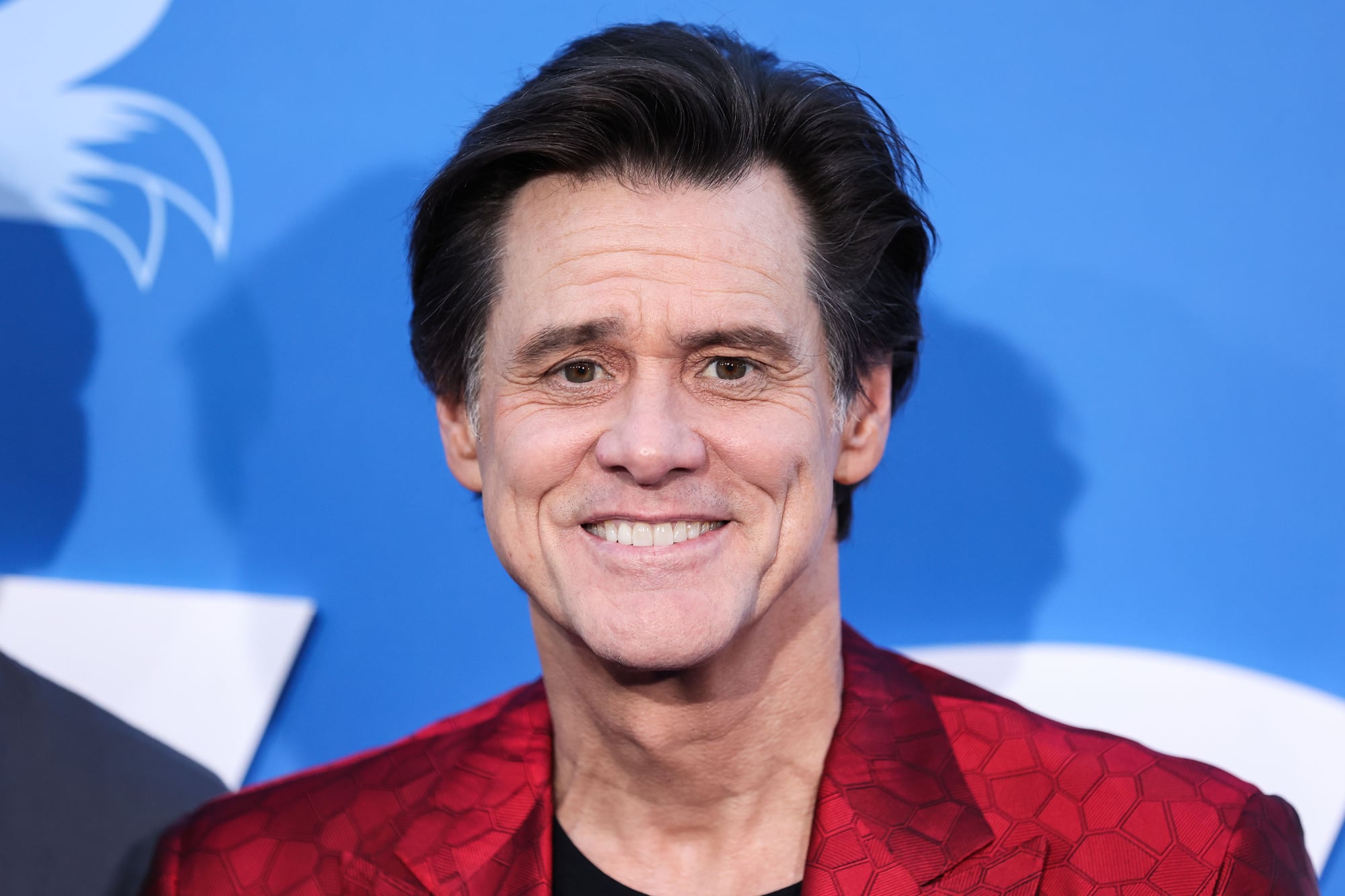
Carrey’s deal earned him $50 million through backend participation. His base salary was significantly lower, but the film’s success triggered generous profit-sharing clauses.
Adam Sandler – Netflix Deal
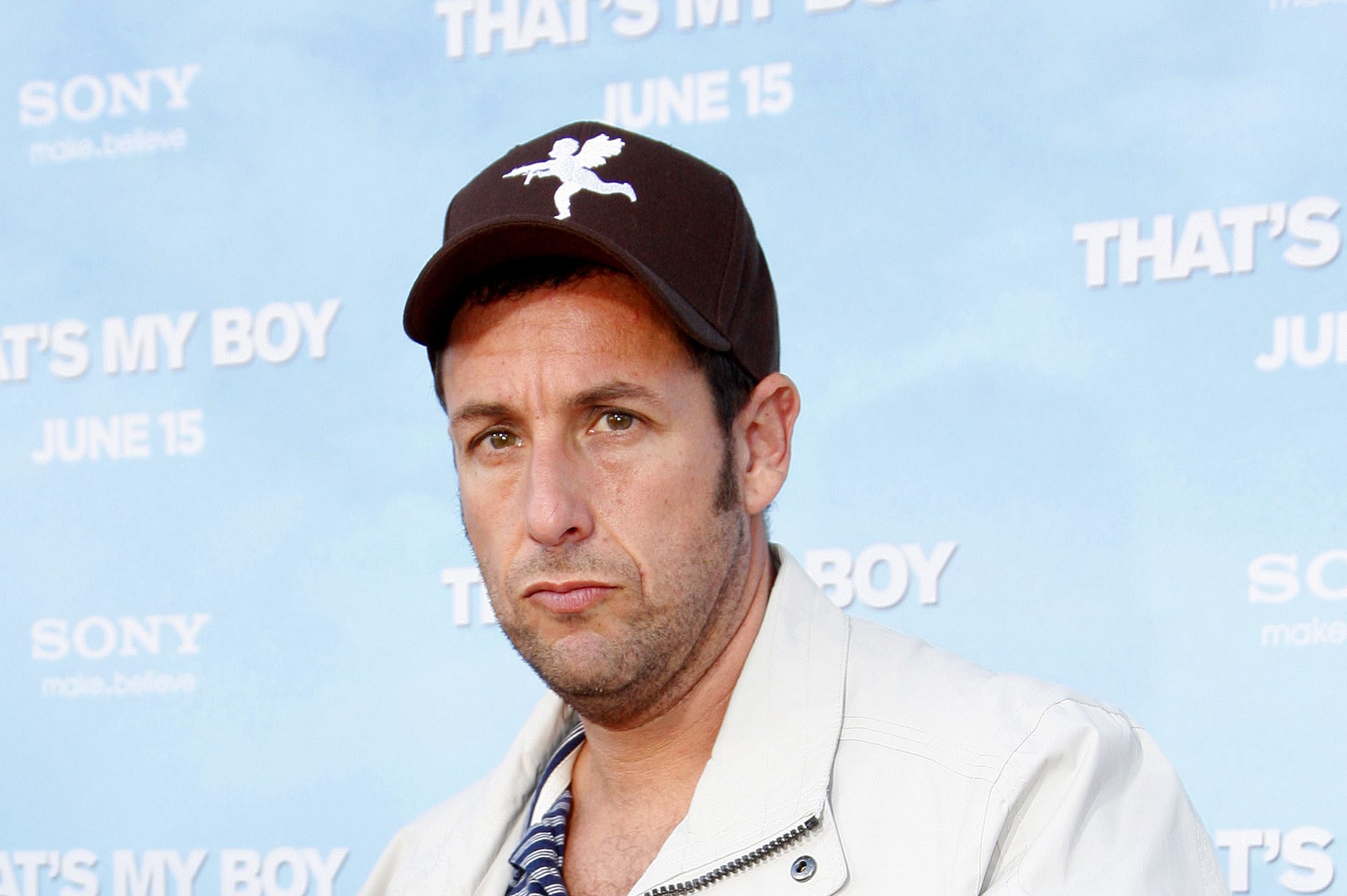
Sandler’s four-film Netflix contract paid him approximately $250 million total, averaging over $60 million per film. The streaming giant valued his consistent audience delivery over critical acclaim.
Dwayne Johnson – Red Notice
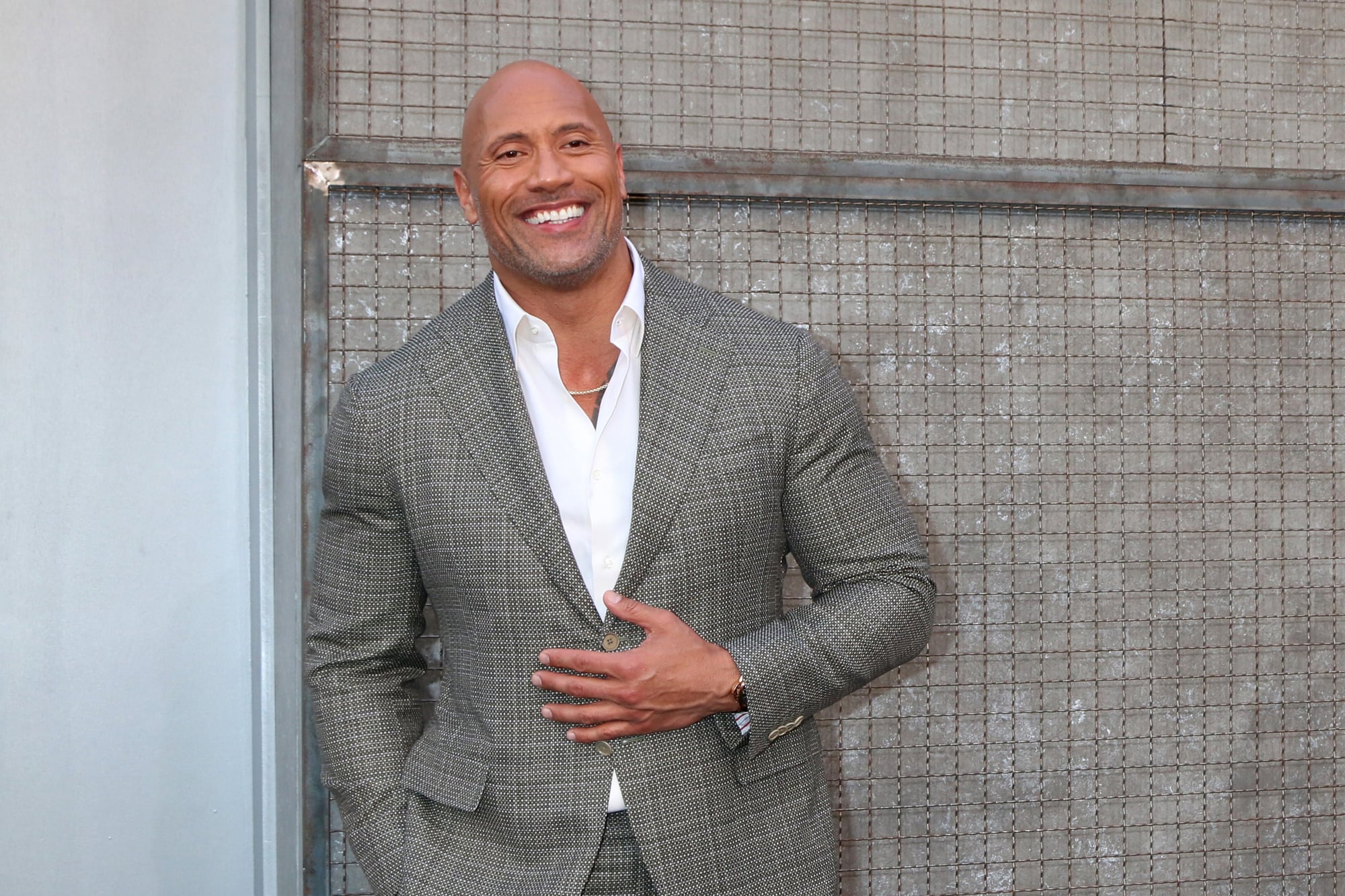
Johnson earned $50 million for Netflix’s Red Notice, combining his $23.5 million salary with backend compensation. Netflix’s willingness to pay premium rates reflects their global subscriber strategy rather than traditional box office metrics.
The Rock had become something Hollywood rarely produces: a genuinely global movie star whose appeal transcends language and cultural barriers.
So when Netflix wanted to make a statement about their movie ambitions, they wrote the kind of check that gets attention. Red Notice proved moderately successful by streaming standards, but Johnson’s payday reflected his value as a brand rather than this particular film’s performance.
The Currency Of Cultural Impact

These astronomical paychecks represent more than individual wealth — they reflect Hollywood’s ongoing calculation of star power versus revenue potential. The actors who command these figures have proven their ability to open movies worldwide, justify massive production budgets, and deliver profits that dwarf even these enormous salaries.
In an industry where a single film can cost $300 million to make and market, paying $100 million to the right star can seem like the safest bet available.
More from Go2Tutors!

- The Romanov Crown Jewels and Their Tragic Fate
- 13 Historical Mysteries That Science Still Can’t Solve
- Famous Hoaxes That Fooled the World for Years
- 15 Child Stars with Tragic Adult Lives
- 16 Famous Jewelry Pieces in History
Like Go2Tutors’s content? Follow us on MSN.