17 Train Routes That Connected Hostile Nations
Railways have an unusual way of ignoring political boundaries and international feuds. Even when countries are pointing weapons at each other or haven’t spoken diplomatically in decades, trains sometimes keep rolling across their borders, carrying everything from essential supplies to desperate people seeking safety. These iron connections often become the last threads holding together relationships that have otherwise completely unraveled.
The persistence of these railway links during times of hostility reveals something profound about human nature and economic necessity. Here is a list of 17 train routes that managed to operate between nations that were actively hostile toward each other.
Samjhauta Express (India-Pakistan)

The Samjhauta Express between New Delhi and Lahore has maintained service despite India and Pakistan fighting four wars since 1947. Named after the Urdu word for ‘agreement’ or ‘compromise,’ this train symbolizes the stubborn persistence of human connections across one of the world’s most militarized borders.
Service has been suspended during major conflicts but always resumes, with passengers enduring hours-long security checks and crossing procedures that can take longer than the actual journey.
Trans-Siberian Railway Through Mongolia (USSR-China)

During the height of Sino-Soviet tensions in the 1960s and 1970s, when both nuclear powers had troops massed along their border, the Trans-Siberian Railway continued operating through Mongolia to connect the hostile communist superpowers. Soviet forces had blockaded other transport routes, making this railway connection even more strategically important.
Passengers traveling this route during the Cold War found themselves crossing between two countries that were preparing for a potential nuclear war.
Berlin S-Bahn Through East Germany
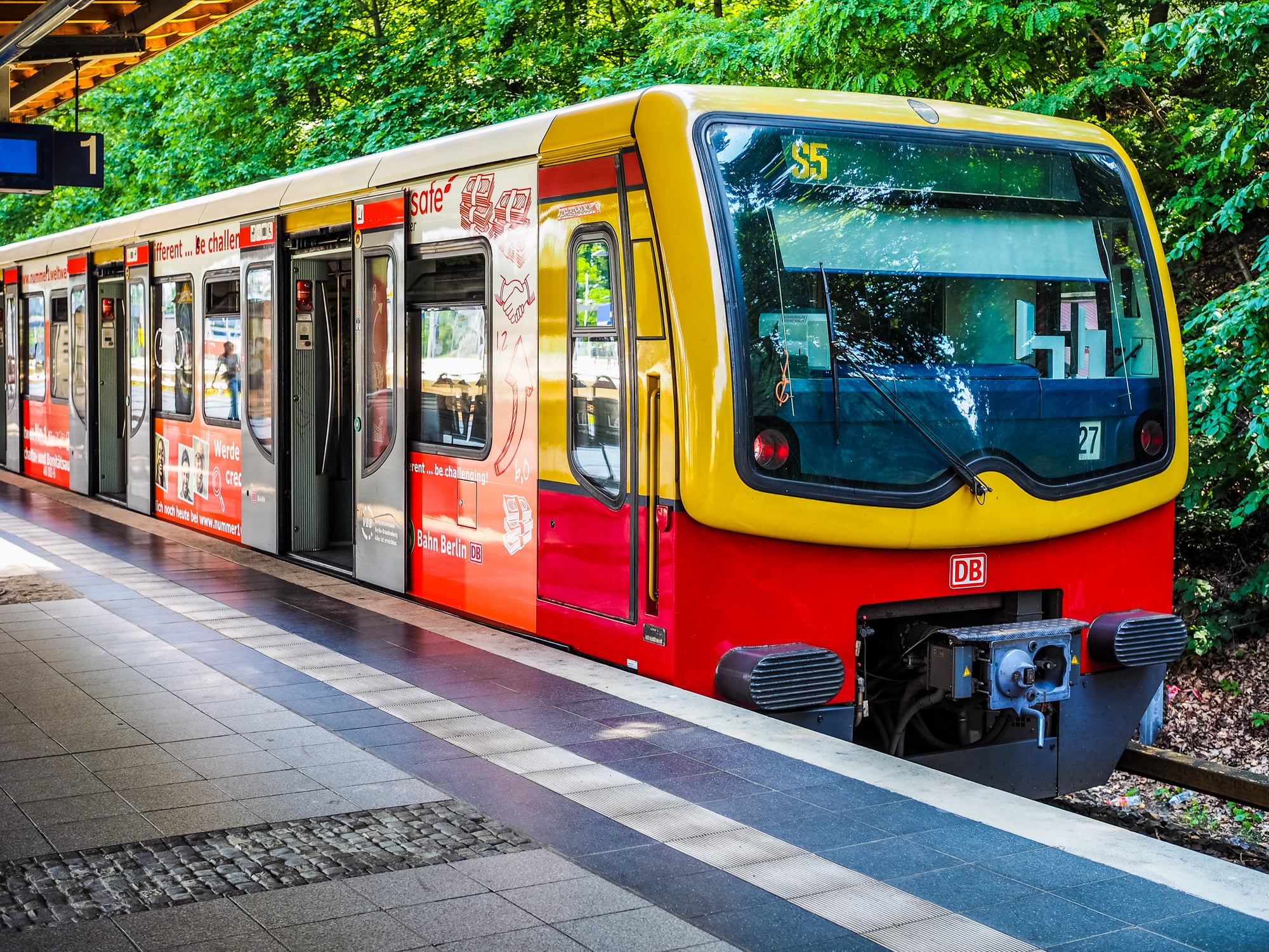
West Berlin’s S-Bahn system continued operating through East German territory throughout the Cold War, creating surreal daily commutes through hostile territory. West Berliners could travel on trains that passed through East German stations without stopping, watching armed guards on platforms they couldn’t access.
The East German government actually operated these trains and collected the revenue, creating an odd situation where communist authorities profited from capitalist commuters.
Korean War Hospital Trains

During the Korean War, hospital trains operated under Red Cross protection between North and South Korean territory for prisoner exchanges and medical evacuations. These trains carried wounded soldiers and prisoners of war across active battle lines, often under temporary ceasefire agreements.
The routes changed constantly as front lines shifted, but the principle of medical neutrality kept these trains running even during the war’s bloodiest phases.
Iran-Iraq Railway Before 1980

Before their devastating eight-year war, Iran and Iraq maintained regular passenger and freight service between Tehran and Baghdad, facilitating both trade and religious pilgrimage. The railway carried thousands of Shia Muslims traveling to holy sites in Iraq, creating an economic lifeline that both countries were reluctant to sever despite mounting political tensions.
Service continued sporadically even as diplomatic relations deteriorated in the late 1970s.
East-West German Transit Routes

Multiple railway lines connected West Germany to West Berlin through East German territory, creating a complex web of transit agreements between the hostile German states. These routes required Western trains to travel through communist territory under strict protocols, with East German guards conducting thorough searches at border crossings.
The railways became pawns in larger Cold War games, with service occasionally suspended during diplomatic crises.
China-Vietnam Border Railway
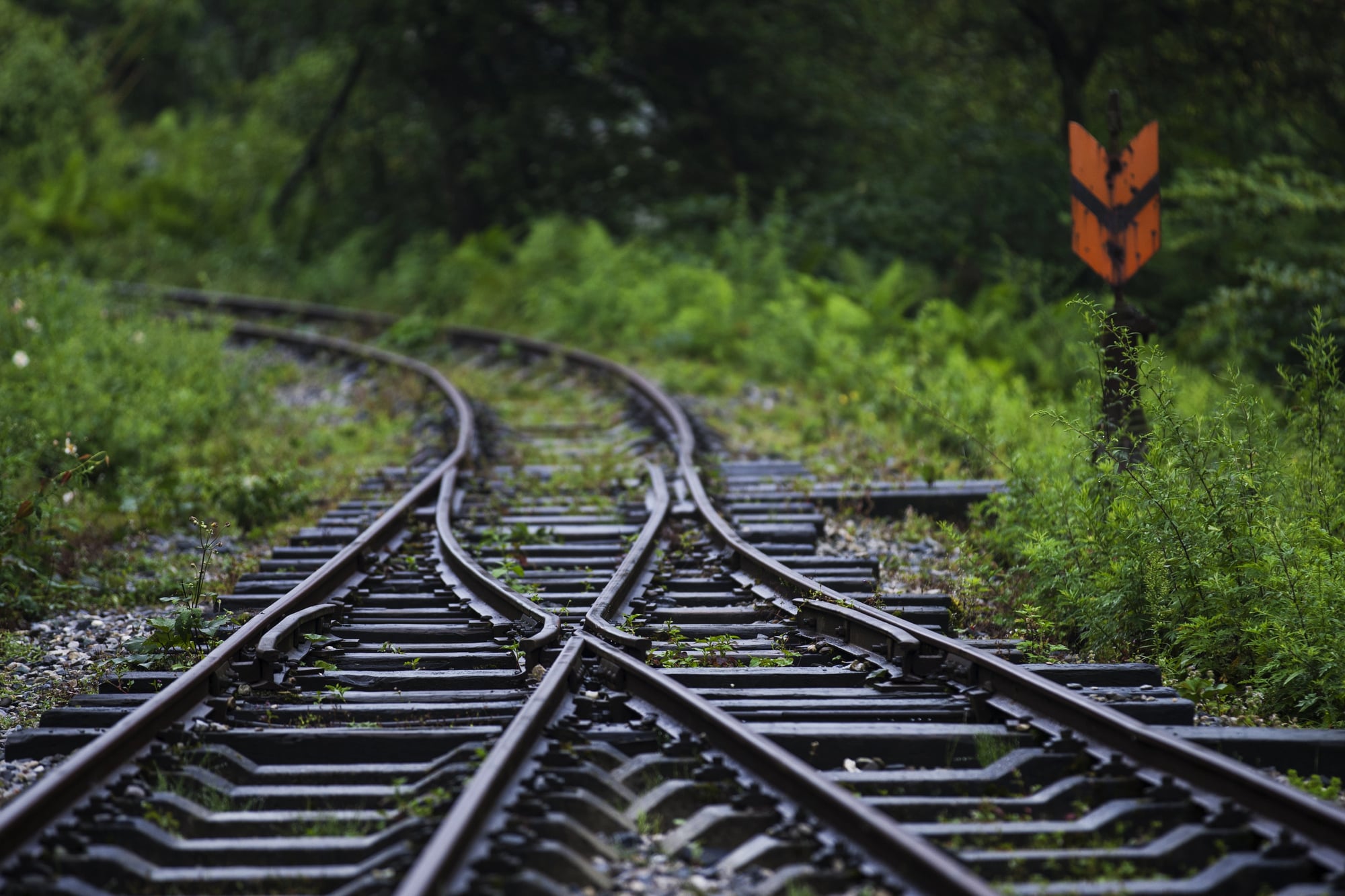
The narrow-gauge railway between China and Vietnam continued operating intermittently even during their 1979 border war, demonstrating how essential trade connections can survive military conflicts. Chinese and Vietnamese authorities would halt service during active fighting but quickly resumed operations once immediate hostilities ceased.
Local communities on both sides depended on this railway for basic goods, creating pressure to maintain service despite official hostility.
Israel-Jordan Armistice Line Crossings

Before the Six-Day War in 1967, limited railway crossings operated between Israel and Jordan under UN supervision, primarily for humanitarian purposes and prisoner exchanges. These crossings used the old Ottoman-era Hejaz Railway infrastructure, which had been divided by the 1948 armistice lines.
The service was irregular and heavily restricted, but it provided one of the few official connections between the hostile neighbors.
Turkish-Armenian Border Railway

The railway between Kars, Turkey and Gyumri, Armenia operated until 1993, when Turkey closed its border with Armenia in solidarity with Azerbaijan during the Nagorno-Karabakh conflict. For decades after the Armenian Genocide, this railway maintained the only regular connection between the hostile neighbors, carrying limited trade and some diaspora Armenians visiting their homeland.
The infrastructure remains intact on both sides, waiting for political reconciliation.
Yugoslavia’s Wartime Internal Routes

During the Yugoslav Wars of the 1990s, some railway routes continued operating between territories controlled by hostile ethnic groups, often under international supervision. These trains carried humanitarian supplies, UN personnel, and occasional civilian passengers through war zones, creating dangerous but necessary connections.
The routes operated sporadically and required constant negotiation between warring factions.
Northern Ireland-Republic of Ireland Lines

During the height of ‘The Troubles,’ railway services between Northern Ireland and the Republic of Ireland continued operating despite bombings, security concerns, and political hostility between the British and Irish governments. The Dublin-Belfast line remained the main connection between the hostile territories, though passengers faced extensive security checks and the constant threat of IRA attacks on railway infrastructure.
Service was occasionally suspended during particularly violent periods but always resumed.
Greek-Turkish Cyprus Railway

Before the 1974 Turkish invasion of Cyprus, the island’s narrow-gauge railway connected Greek and Turkish Cypriot communities, continuing to operate even as intercommunal violence escalated. The British colonial-era railway served both communities until partition made cross-border travel impossible.
The tracks on both sides of the Green Line fell into disuse after division, but they had provided essential connectivity during the island’s most tense periods.
Morocco-Algeria Colonial Railways

The French colonial railway network connecting Morocco and Algeria continued operating after Algeria’s independence in 1962, despite immediate hostilities between the neighboring countries over border disputes. These connections facilitated trade and movement of people until the Sand War of 1963 and the subsequent closure of borders.
The railway infrastructure became a casualty of post-colonial political tensions, with both countries choosing isolation over connectivity.
Afghan-Soviet Supply Lines

During the Soviet occupation of Afghanistan (1979–1989), railways crossing the Soviet-Afghan border carried both military supplies for the occupying force and civilian goods for local populations. The Termez-Hairatan bridge railway became a crucial supply line, while mujahideen fighters occasionally attacked the infrastructure.
Local Afghan civilians continued using these connections for essential trade, even as their country was being occupied.
Cambodia-Vietnam Border Railways
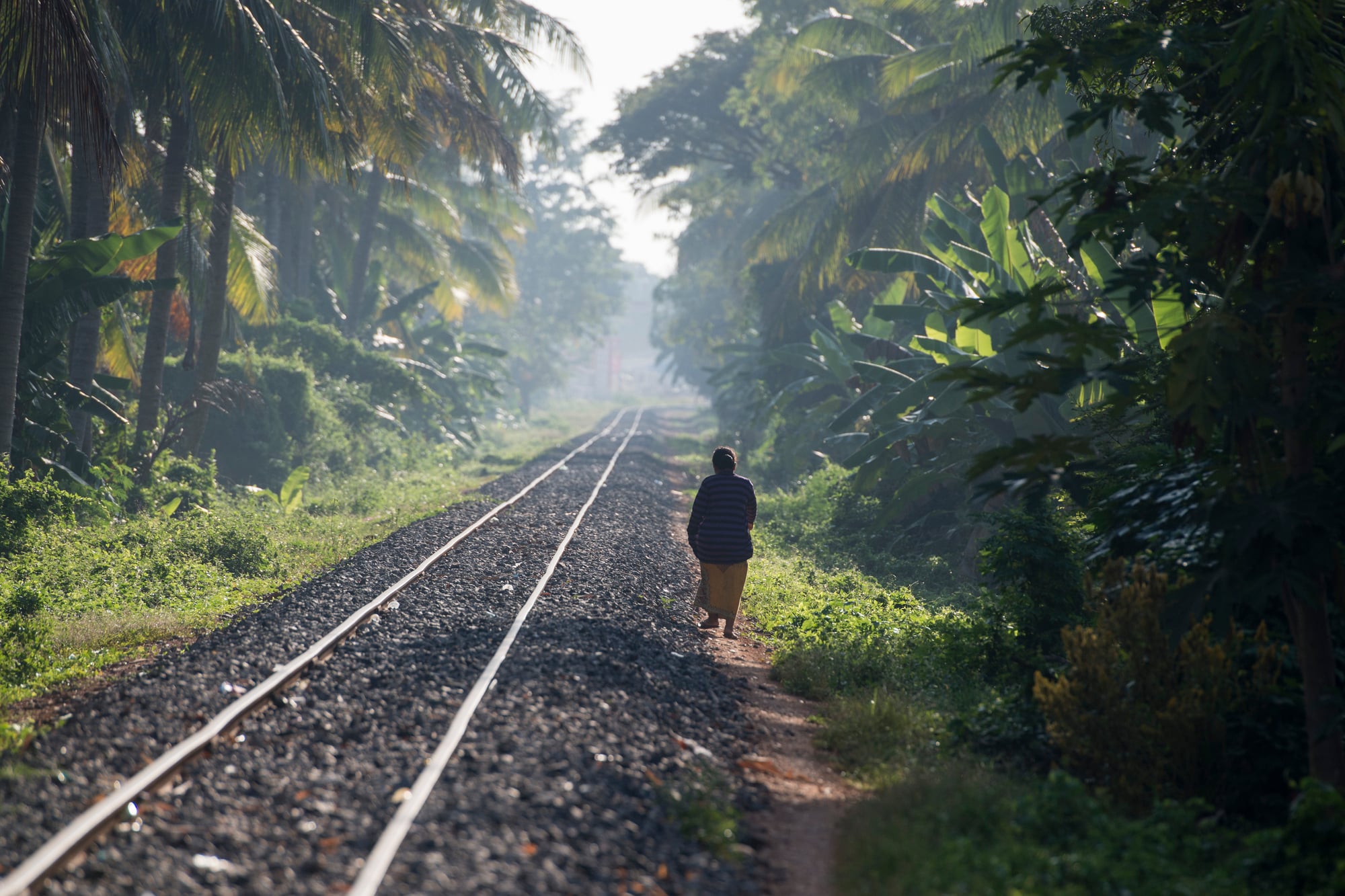
During the Vietnamese occupation of Cambodia (1979–1989) and the subsequent civil war, railway connections between the hostile neighbors operated under Vietnamese military control. These routes carried Vietnamese troops and supplies while also serving civilian populations on both sides of the border.
The Khmer Rouge and other resistance groups frequently targeted these railways, making them dangerous but strategically essential.
Ethiopia-Somalia Railway Plans

During the Ogaden War (1977–1978) between Ethiopia and Somalia, the old Italian colonial railway infrastructure in the region continued operating sporadically under Ethiopian control, even as Somali forces occupied parts of the territory. The railway became a strategic asset in the conflict, with both sides recognizing its importance for moving supplies and troops.
Service was irregular due to combat operations but never completely ceased.
Lebanese Civil War Transit Routes

During Lebanon’s civil war (1975–1990), the railway connecting Beirut to Damascus continued operating intermittently despite Syrian military intervention and hostility between various Lebanese factions and neighboring countries. Syrian forces often controlled sections of the route, while different militia groups would allow or block service depending on their political calculations.
The train became a lifeline for civilians trapped in Beirut during the worst sieges.
When Tracks Transcend Politics
These railway connections demonstrate that even the deepest political hostilities sometimes bow to practical necessity and human persistence. Many of these routes eventually fell victim to war, diplomatic collapse, or long-term isolation—but for a time, they endured.
Their continued operation amid hostility speaks to the power of connection, even when everything else is breaking apart. The iron roads that briefly linked enemy nations remind us that sometimes, the most enduring ties aren’t forged in peace treaties, but in the quiet, stubborn act of keeping people and goods moving forward—no matter how hostile the destination.
More from Go2Tutors!

- The Romanov Crown Jewels and Their Tragic Fate
- 13 Historical Mysteries That Science Still Can’t Solve
- Famous Hoaxes That Fooled the World for Years
- 15 Child Stars with Tragic Adult Lives
- 16 Famous Jewelry Pieces in History
Like Go2Tutors’s content? Follow us on MSN.