Cities With the Most Skyscrapers in the World
Skyscrapers used to be rare sights that drew crowds and made headlines. Now they define entire city skylines from Asia to the Middle East to North America.
The race to build taller and pack more buildings into smaller spaces has turned some cities into vertical jungles of steel, glass, and concrete. These towers represent more than just architectural achievements.
They show economic power, population density, and the ambition of cities trying to make their mark on the world stage. The numbers tell a clear story about which cities lead this vertical race.
Most sit in Asia, where rapid economic growth and limited land create the perfect conditions for building up instead of out.
Hong Kong
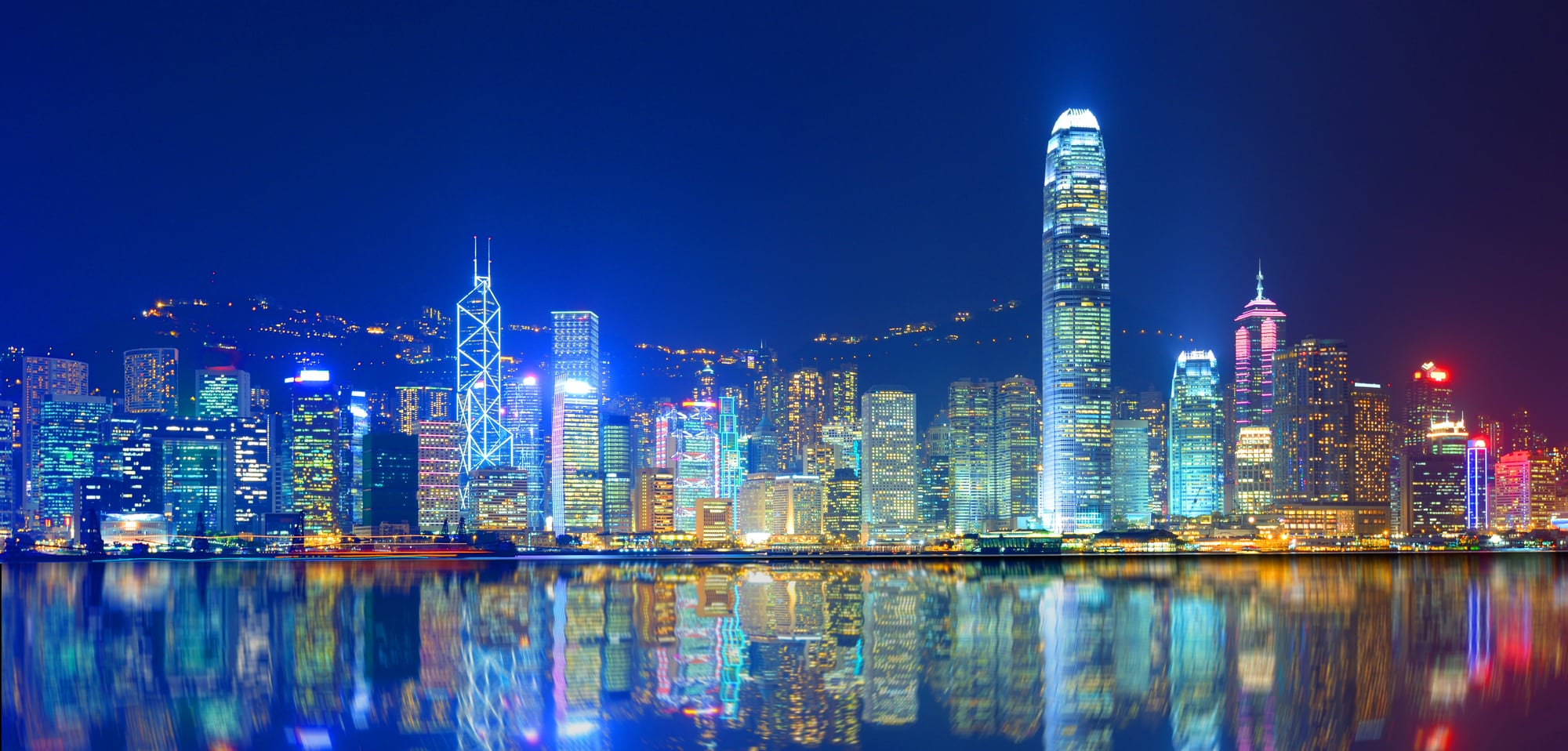
Hong Kong holds the clear lead with around 570 buildings taller than 150 meters. The city sits squeezed between mountains and the sea, leaving no choice but to build upward.
Dense neighborhoods pack together in every available space, and the skyline stretches for miles along Victoria Harbour. The International Commerce Centre stands as the city’s tallest at 484 meters with 108 floors, making it the only building in Hong Kong with more than 100 stories.
Hong Kong’s total built-up height from all its skyscrapers combined reaches about 207 miles when stacked together, earning it the title of the world’s tallest urban area.
Shenzhen
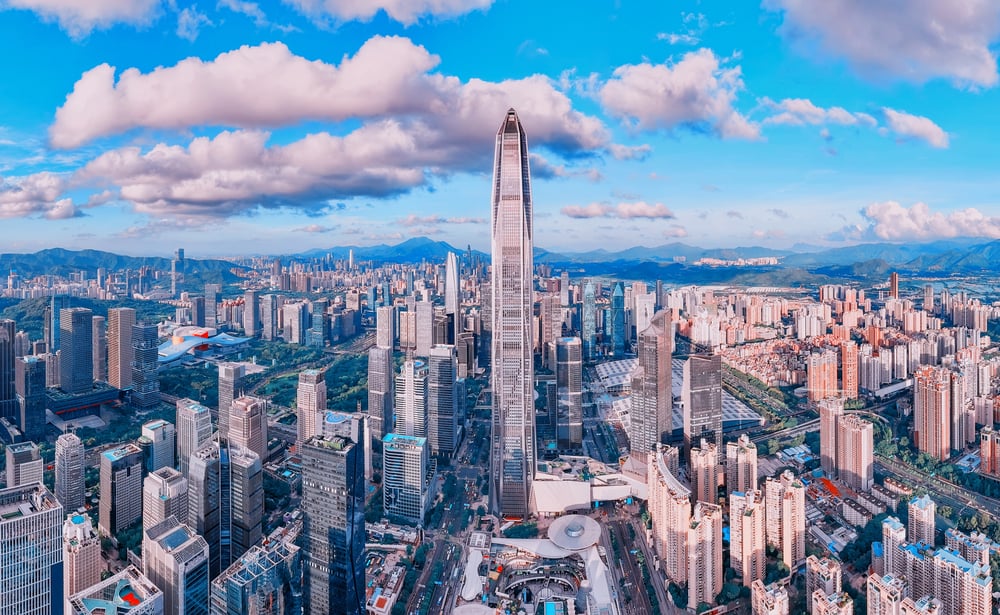
Right across the border from Hong Kong sits Shenzhen with more than 440 completed skyscrapers. This city barely existed 40 years ago when it was just a fishing village, but China’s economic reforms turned it into a manufacturing and tech powerhouse.
The Ping An Finance Centre rises 599 meters, making it the fifth tallest building in the world. Shenzhen has more buildings taller than 200 meters than any other city globally, with around 184 of them.
The city shows no signs of slowing down its vertical growth, with dozens more towers under construction.
New York City
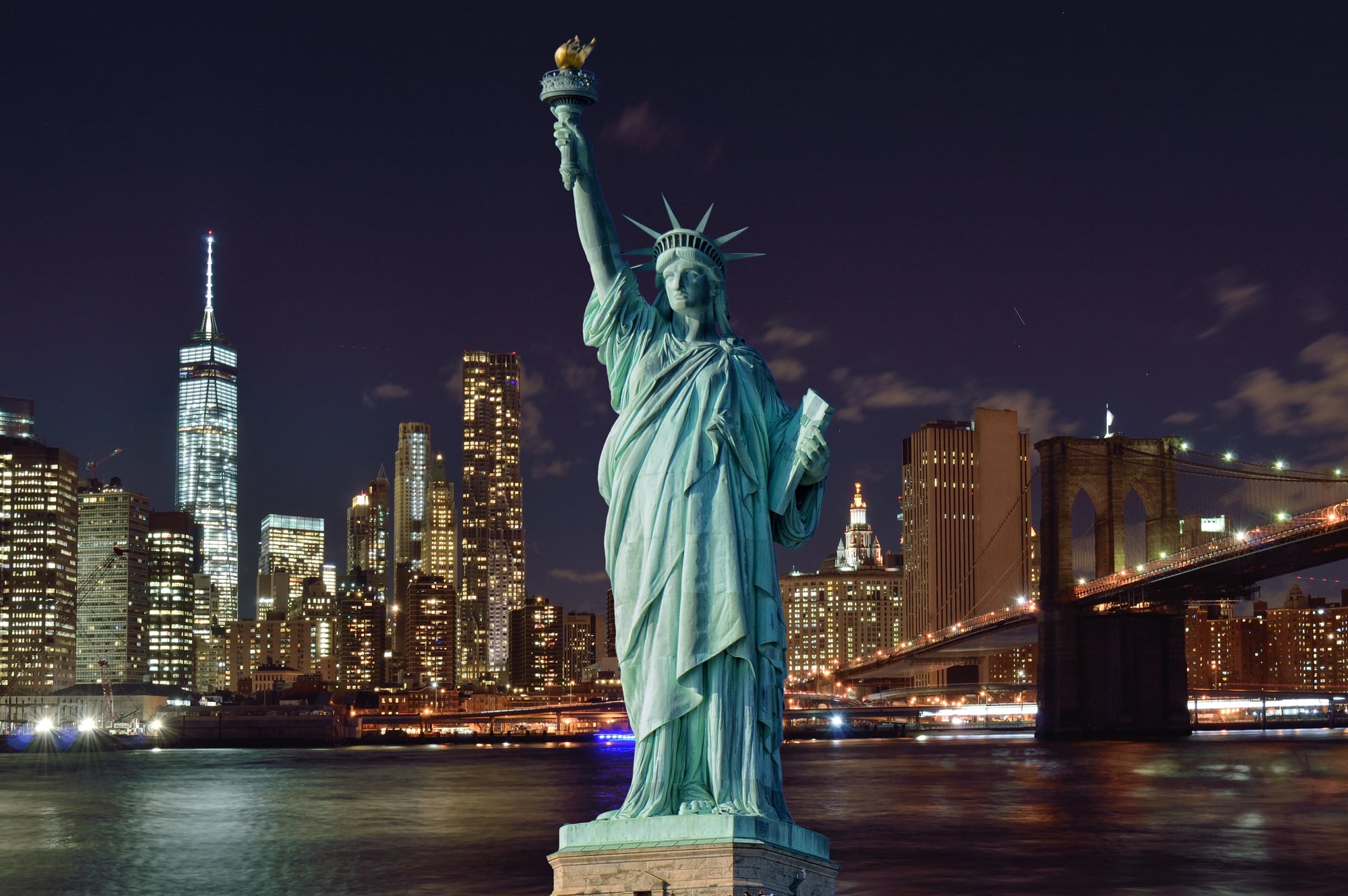
New York City ranks third with around 320 skyscrapers and remains the city most people picture when they think of towering buildings. The skyline defined what skyscrapers could be for most of the 20th century.
Manhattan packs most of these tall buildings into a relatively small area, creating one of the most recognized skylines anywhere. One World Trade Center now stands as the tallest at 541 meters, replacing the twin towers lost in 2001.
The city went through a major building boom in the 2010s with new residential towers on Billionaires’ Row and the Hudson Yards development adding multiple supertall buildings to the count.
Mumbai
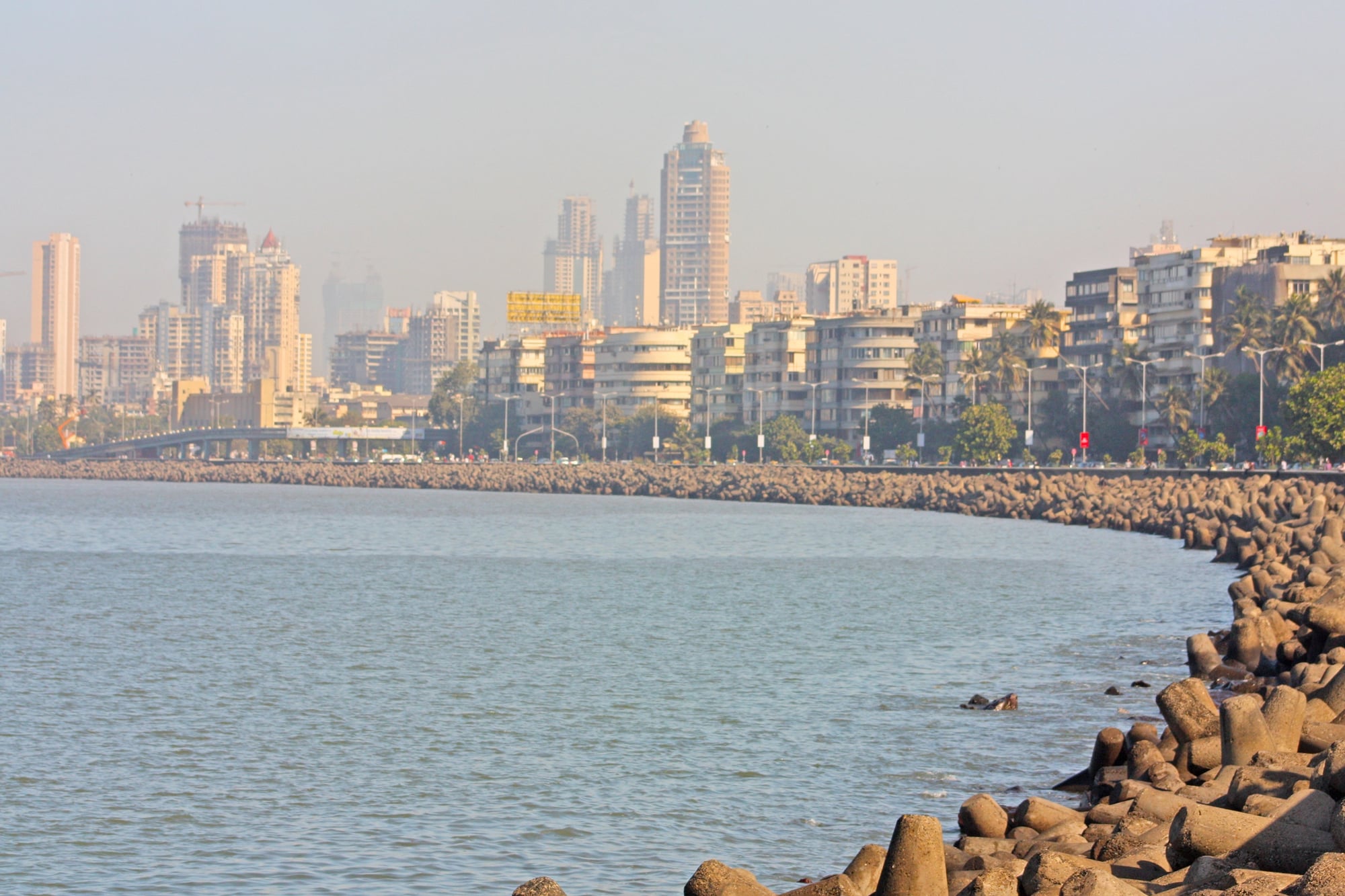
Mumbai comes in fourth place with well over 300 skyscrapers, more than most people realize. The city sprawls across a peninsula with limited room to expand, forcing development upward to house its massive population of over 20 million people in the metro area.
Most of Mumbai’s skyscrapers serve as residential buildings rather than offices, reflecting the extreme demand for housing in one of the world’s most densely populated cities. Lokhandwala Minerva stands as the city’s tallest building and South Asia’s only supertall structure at just over 300 meters.
The skyline mixes gleaming new towers with older structures, creating a patchwork that shows the city’s rapid growth.
Dubai
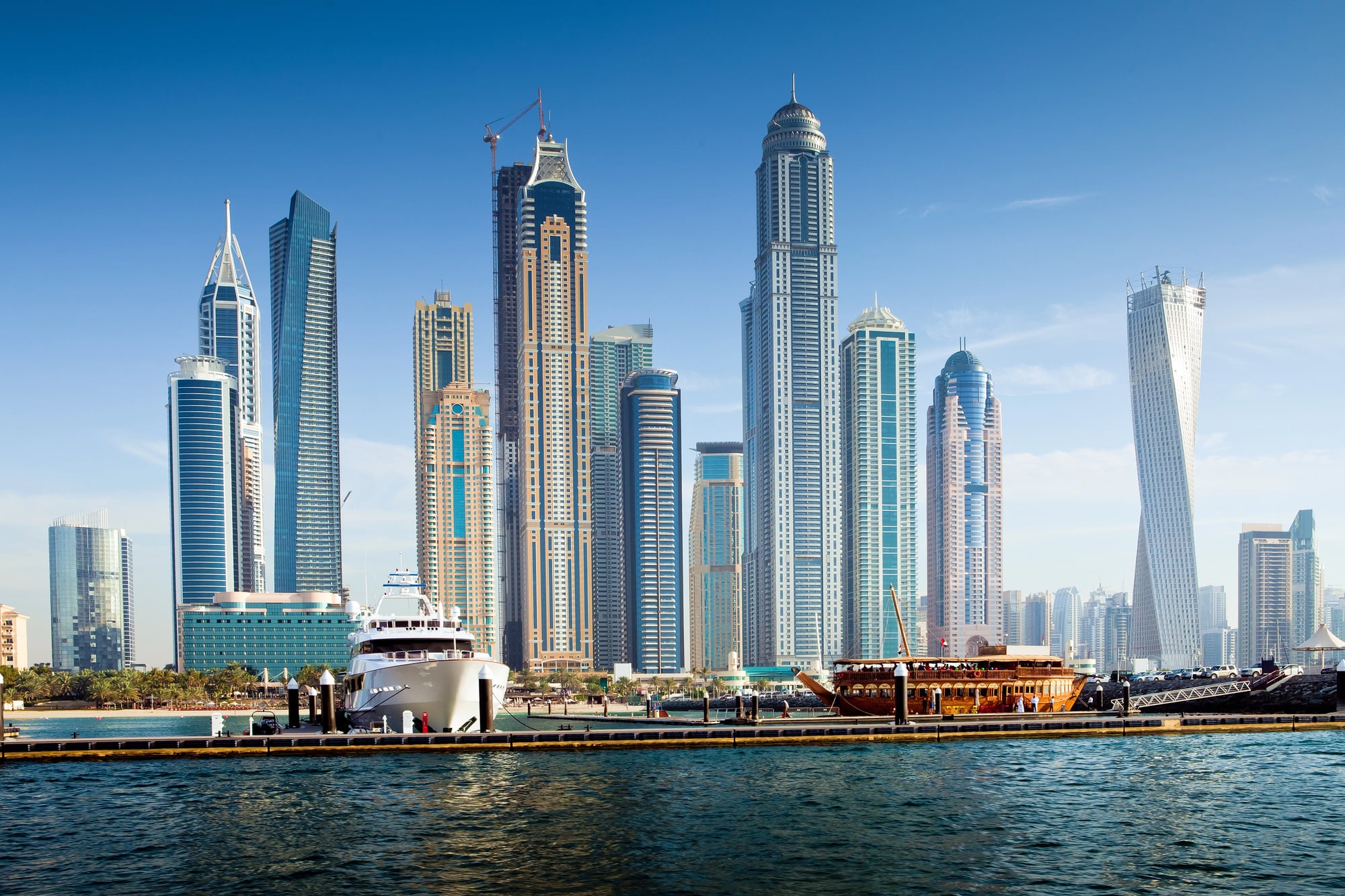
Dubai ranks fifth with around 270 skyscrapers, but raw numbers don’t tell the full story here. This desert city has more supertall buildings over 300 meters than anywhere else in the world, with 33 of them.
The Burj Khalifa dominates not just Dubai’s skyline but every skyline on Earth at 828 meters and 163 floors. Dubai didn’t have a single skyscraper 30 years ago, making its transformation the fastest and most dramatic of any city.
The sheikdom turned oil wealth and tourism ambitions into an architectural playground where developers keep pushing height records.
Guangzhou
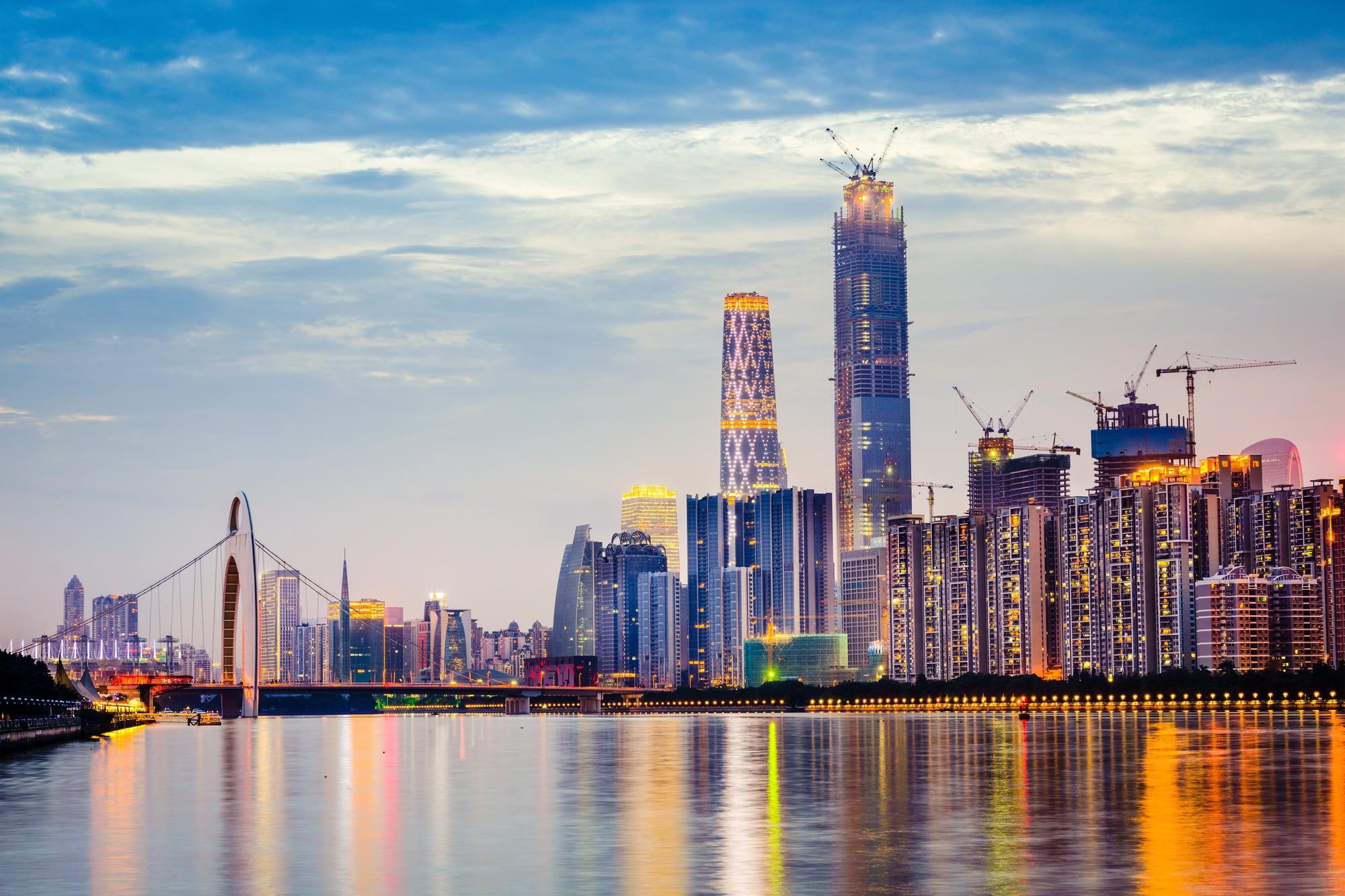
Guangzhou in southern China holds around 200 skyscrapers and continues adding more each year. The city serves as a major commercial hub in the Pearl River Delta region, one of China’s wealthiest areas.
Its central business district features sleek glass towers that went up mostly in the past 20 years. Guangzhou’s skyline doesn’t get as much attention as Hong Kong or Shanghai, but the sheer number of tall buildings makes it impossible to ignore.
The city benefits from being close to manufacturing centers while serving as a financial and trade gateway.
Shanghai
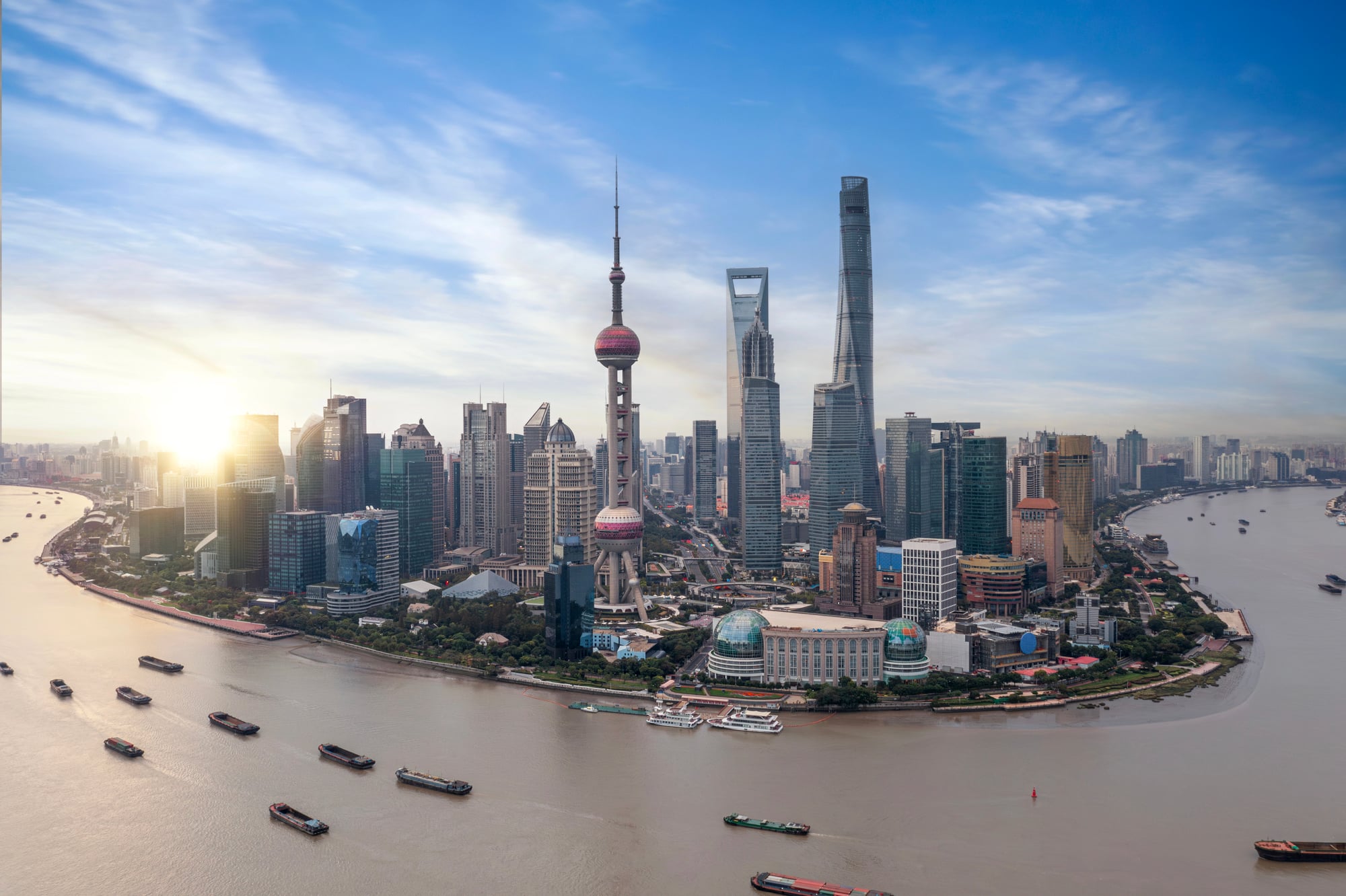
Shanghai has around 190 skyscrapers creating one of the most photographed skylines in Asia. The city mixes futuristic towers in the Pudong district with historic buildings along the Bund waterfront across the river.
The Shanghai Tower reaches 632 meters as the third tallest building in the world and second tallest in China. Walking through Shanghai feels like moving through different eras of architecture within blocks.
The city’s wealth and importance as China’s financial capital keep construction cranes busy, though recent economic slowdowns have reduced the pace.
Kuala Lumpur
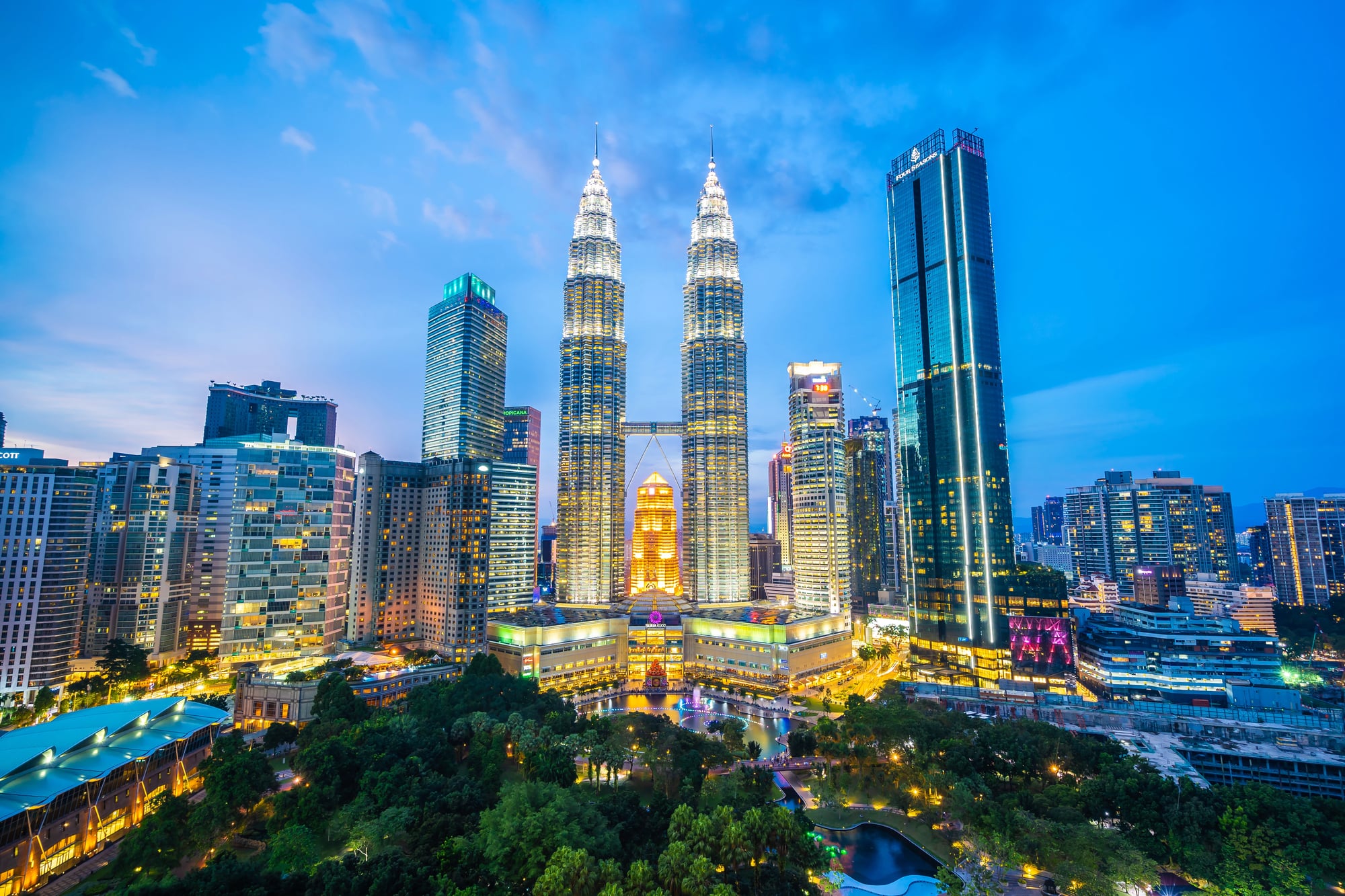
Kuala Lumpur matches Wuhan with around 165 skyscrapers, making it Southeast Asia’s most vertical city. The Petronas Twin Towers held the title of world’s tallest building in the late 1990s and still define the city’s image.
Merdeka 118 recently completed at 679 meters, making it the second tallest building in the world behind only the Burj Khalifa. The Malaysian capital grew rapidly as the country’s economy expanded, and limited flat land in the city center pushed development upward.
Unlike some cities where skyscrapers cluster tightly, Kuala Lumpur’s towers spread across several districts.
Wuhan

Wuhan sits in central China with around 165 skyscrapers taking advantage of the city’s strategic location on the Yangtze River. The city serves as a transportation and industrial hub connecting eastern and western China.
Most people outside China knew little about Wuhan until recent global events brought it attention, but the city’s skyline rivals better-known places. Its dramatic location where two major rivers meet creates natural boundaries that concentrate development.
The combination of mountains and waterways makes Wuhan’s skyline particularly striking when viewed from certain angles.
Tokyo
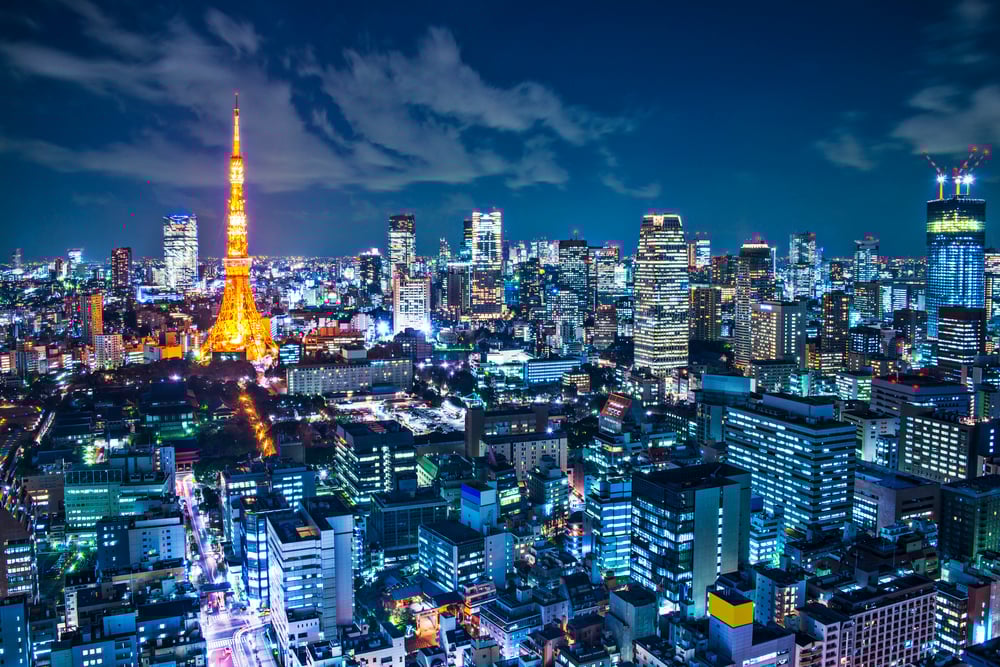
Tokyo has around 175 skyscrapers despite strict building codes that require earthquake-resistant design. The engineering required to build tall in one of the world’s most seismically active areas makes each tower more expensive and complicated.
Japanese architects developed innovative techniques to let buildings sway during earthquakes without collapsing, allowing Tokyo to build upward safely. The skyline doesn’t reach the heights seen in Chinese or Middle Eastern cities, but the towers demonstrate remarkable engineering.
Tokyo spreads across a massive area, so the skyscrapers get distributed across multiple business districts rather than clustering in one spot.
Chongqing
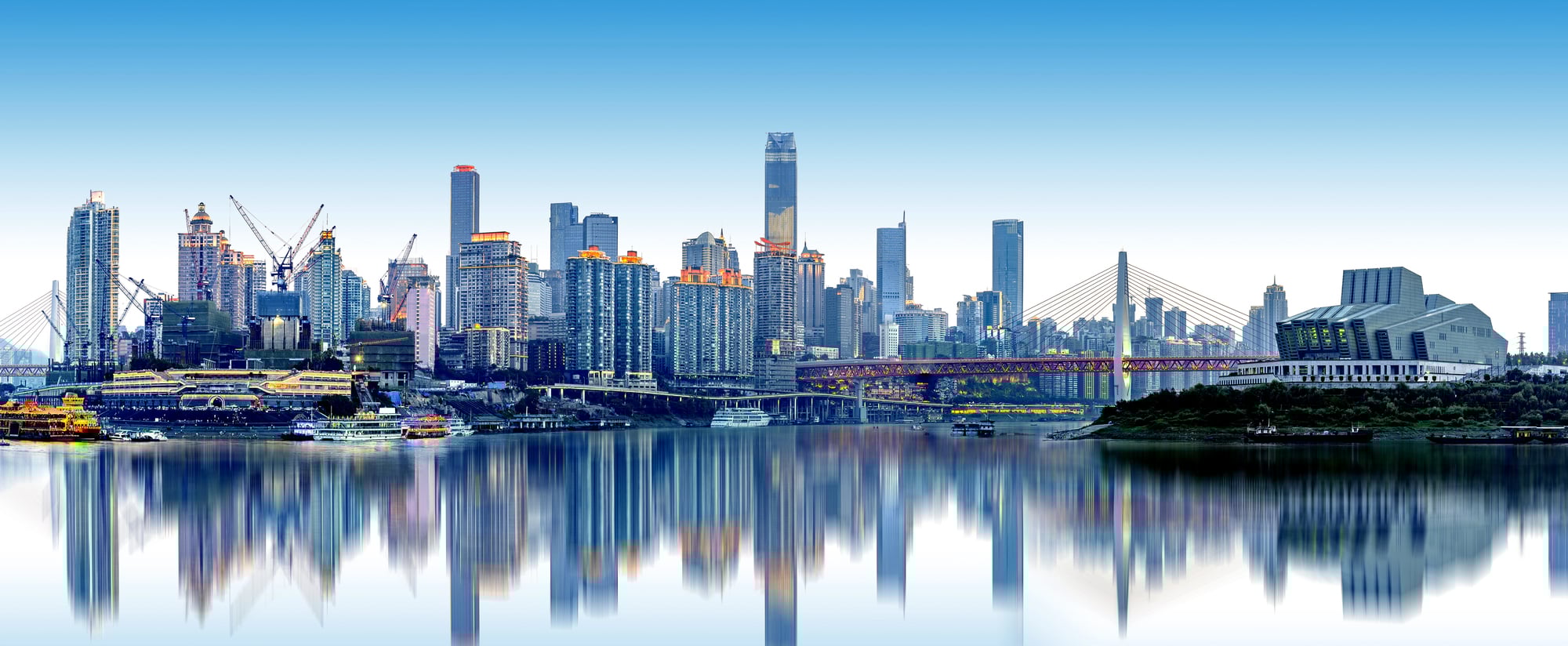
Chongqing’s mountainous setting creates one of the most unusual skyline experiences anywhere. The city has around 160 skyscrapers built on dramatic hillsides that make some buildings appear taller or shorter depending on viewing angle.
Chongqing serves as a major city in southwestern China with over 30 million people in its administrative area. The topography forces creative solutions, with some buildings having ground-level entrances on multiple floors because of the terrain.
Skyscrapers pop up wherever flat land exists, creating pockets of density across the sprawling municipality.
Seoul

Seoul has around 150 skyscrapers concentrated in several business districts across the South Korean capital. Lotte World Tower stands at 555 meters as the sixth tallest building in the world and dominates Seoul’s skyline since its completion.
The city took longer to embrace supertall construction compared to Chinese cities, but recent years brought major growth. Seoul’s skyscrapers tend toward sleek, modern designs that prioritize efficiency and earthquake resistance.
The Han River cuts through the city, creating natural districts on each side that developed their own clusters of tall buildings.
Panama City
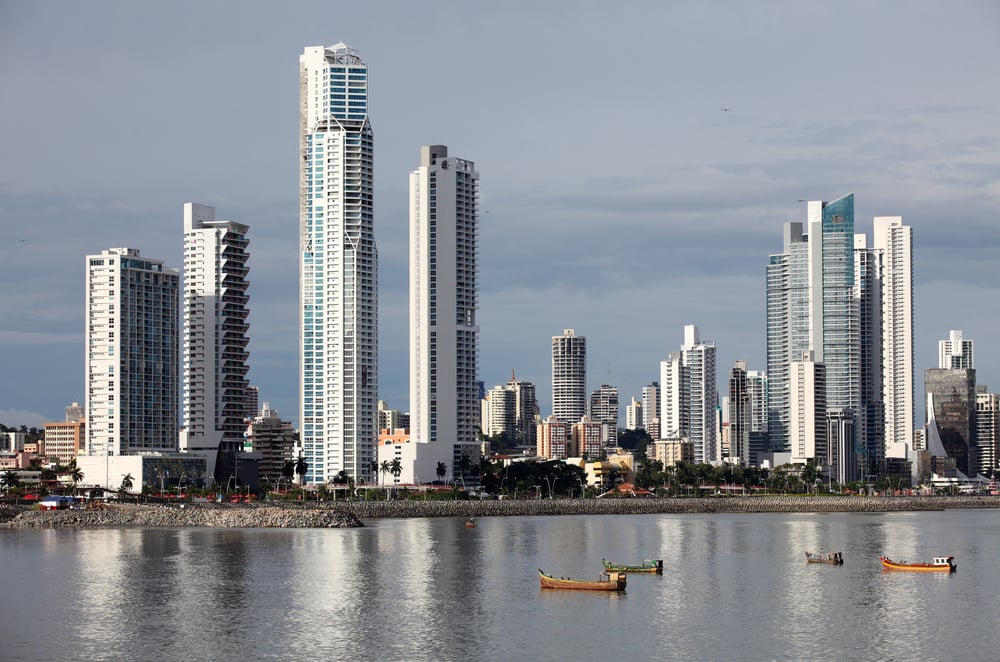
Panama City surprises people who don’t expect Central America on this list, with around 140 skyscrapers lining the Pacific coast. The city’s role as a banking and logistics hub brought wealth that funded extensive high-rise construction.
Most of Panama City’s towers serve as residential buildings for the growing middle and upper classes. The skyline stretches for miles along the waterfront, creating one of the most impressive views in Latin America.
Panama’s favorable business climate attracted international investment that shows up in the form of glass towers.
Busan
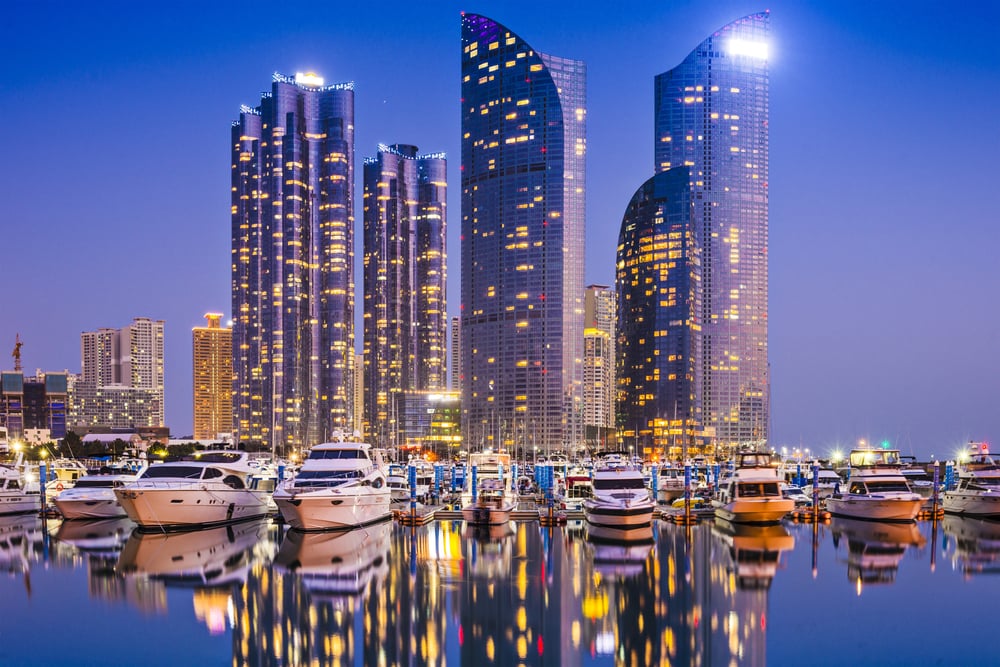
Busan ranks as South Korea’s second largest city with around 130 skyscrapers taking advantage of its coastal location. The city serves as a major port and industrial center, bringing in enough wealth to support extensive development.
Busan’s beaches and mountains create a scenic backdrop that makes the skyline more visually interesting than just towers against the sky. The city’s towers cluster in several areas rather than one central business district, reflecting how Busan grew organically over time.
Recent years brought renewed construction as the city tries to attract more business from Seoul.
Bangkok
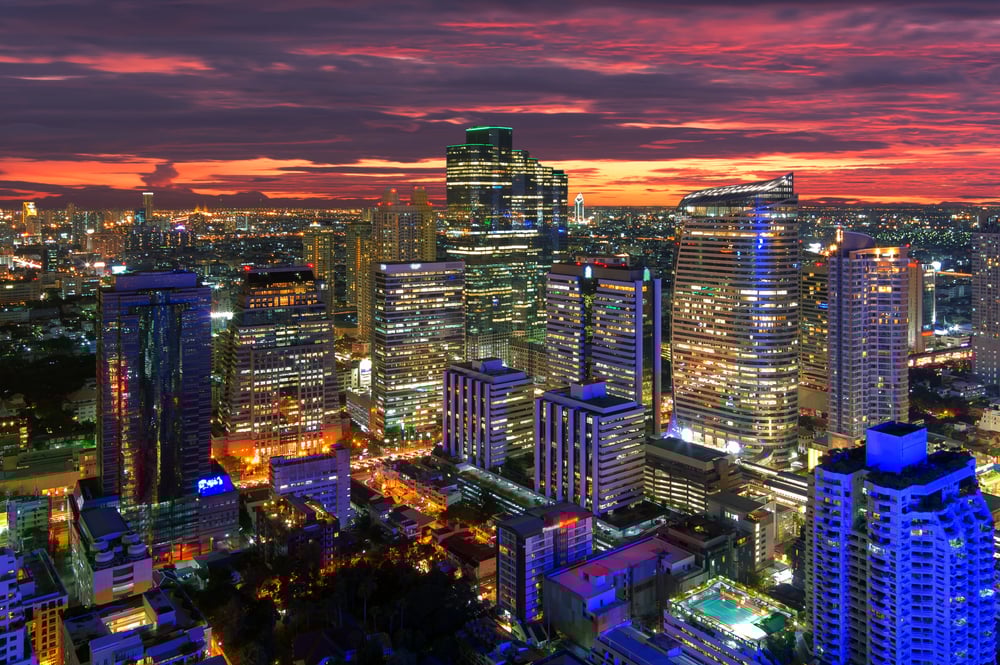
Bangkok has around 125 skyscrapers creating a vibrant and colorful skyline that matches the city’s energetic character. The towers mix with historic landmarks and temples, creating interesting contrasts between old and new Thailand.
Bangkok’s skyline doesn’t reach the heights of other Asian cities on this list, but the density of development makes it notable. The city faces challenges with flooding and soft soil that complicate tall building construction, yet developers keep adding more towers.
Bangkok’s role as Southeast Asia’s second largest economy after Jakarta keeps construction active.
Chicago

Standing near a vast lake, Chicago shows off about 130 towering structures. Born from innovation, the modern high-rise first took shape here.
Thanks to breakthroughs in steel frameworks during the 1800s, reaching new heights became possible. Even now, landmarks like the Willis Tower define what the city looks like from afar.
Although taller ones exist today across Asia, these giants still stand strong in people’s minds. At dusk, lights spark on along the shore, reflecting off glass and water alike.
Time has passed, yet few skylines carry such architectural weight. Newer doesn’t always mean more meaningful.
Jakarta

Twelve hundred meters above sea level, in spirit if not fact, rise some 120 tall buildings across Jakarta – Indonesia’s biggest urban hub. Home to more than thirty million souls, the sprawl fuels constant pressure for places to live and work.
Since the early two thousands, cranes have dotted the sky as growth in national wealth sparked steel and glass towers. Sinking ground, gridlocked streets, and floods plague daily life here, still builders pour concrete.
A fresh capital takes shape far away on Borneo island, state-led and distant. Even so, Jakarta keeps its pulse, its forest of rooftops standing firm.
The Height Race Goes On

Towering structures rise faster as urban areas grow tighter. Innovation sneaks into building methods because cities race past one another.
Things thought unbuildable years ago now stand without fuss – structures above 300 meters pop up like regular features across big cityscapes. Future giants won’t chase altitude alone; they’ll lean heavier on green design, shared spaces, and different functions under one roof.
Towering upwards becomes necessary where land ends – pressed by mountains, blocked by seas, hemmed in by boundaries. Change arrives floor by floor, as cranes lift steel into skies once clear.
Old buildings vanish when newer ones reach higher, chasing status through height. In some regions, density demands these stacks of homes for countless families.
Elsewhere, a single spire rises just to say, We are here now. Still, they climb, one city after another, without slowing.
More from Go2Tutors!

- The Romanov Crown Jewels and Their Tragic Fate
- 13 Historical Mysteries That Science Still Can’t Solve
- Famous Hoaxes That Fooled the World for Years
- 15 Child Stars with Tragic Adult Lives
- 16 Famous Jewelry Pieces in History
Like Go2Tutors’s content? Follow us on MSN