City Skylines Then-And-Now
Cities never stand still. They grow, shrink, rebuild, and reinvent themselves with every passing decade.
What once defined a skyline can vanish almost overnight, replaced by something taller, shinier, or completely different. These transformations tell stories about economics, ambition, disaster, and the relentless march of progress.
Let’s take a look at how some of the world’s most recognizable skylines have changed over time.
Dubai

Back in the 1990s, Dubai was mostly desert with a few low-rise buildings scattered around. The skyline barely registered compared to other major cities.
Fast forward to today, and it’s almost unrecognizable. The Burj Khalifa now towers over everything at 2,717 feet, surrounded by hundreds of gleaming skyscrapers that seem to multiply every year.
What took other cities centuries to build, Dubai accomplished in just a few decades. The transformation is so dramatic that old photos look like they’re from a completely different country.
Shanghai

Shanghai in 1990 had the Bund’s historic waterfront, but the Pudong district across the river was mostly farmland and warehouses. The skyline was modest, dominated by a few Soviet-style buildings.
Today, Pudong is a forest of supertall towers, including the Shanghai Tower, the Oriental Pearl Tower, and dozens of other giants. The city went from sleepy to spectacular in less than 30 years.
It’s one of the fastest urban transformations in human history.
New York City
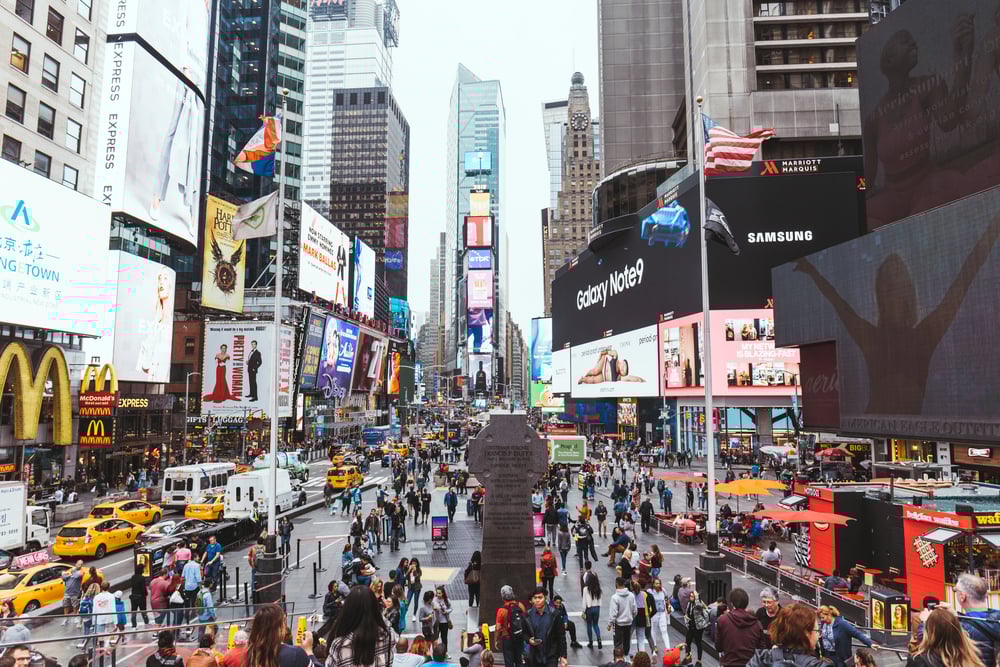
The Twin Towers defined Lower Manhattan’s skyline for three decades after their completion in the early 1970s. They stood as the tallest buildings in the world for a brief period and became instant icons.
After their destruction in 2001, the skyline had a painful gap for years. One World Trade Center now stands in their place, reaching 1,776 feet tall and reclaiming the sky.
The surrounding area has filled in with new residential and office towers, making the tip of Manhattan denser than ever before.
Singapore

Singapore’s skyline in the 1960s was low and colonial, with just a handful of modern buildings breaking through. The city-state was newly independent and still finding its footing.
Today, Marina Bay is packed with architectural landmarks like the Marina Bay Sands hotel and the supertall towers of the financial district. The government’s relentless focus on development turned a small trading port into one of Asia’s most impressive urban centers.
Green spaces have been preserved too, creating a balance that few cities manage to pull off.
Tokyo

Tokyo has always been massive, but its skyline used to be shorter and more spread out. Strict building codes after World War II kept most structures relatively low for decades.
Recent changes in regulations and engineering have allowed for taller buildings, and the skyline has shot upward. The Tokyo Skytree, completed in 2012, stands at 2,080 feet and dominates the eastern part of the city.
Shibuya and Shinjuku are now packed with towers that would have been impossible to build just a generation ago.
London
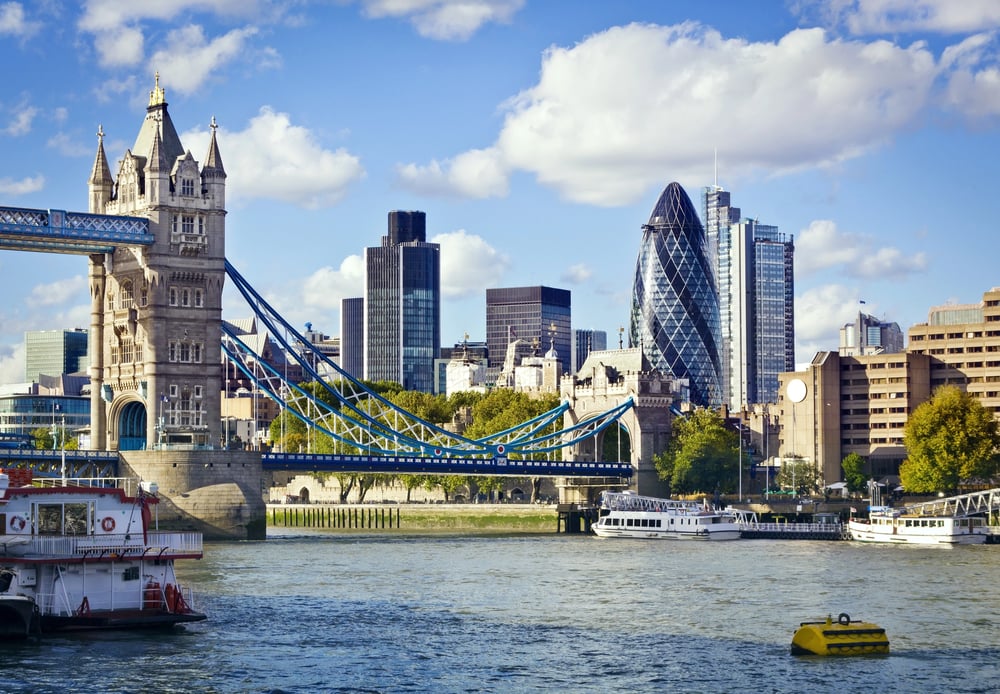
London’s skyline stayed remarkably flat for centuries because of height restrictions and a strong preservation culture. The view from the Thames barely changed from the 1800s through most of the 1900s.
Then came the towers: the Gherkin, the Shard, the Walkie-Talkie, and dozens of others. The Shard alone rises 1,016 feet, dwarfing everything around it.
Londoners remain divided on whether these changes improve or ruin the city’s character, but the skyline is undeniably different now.
Las Vegas
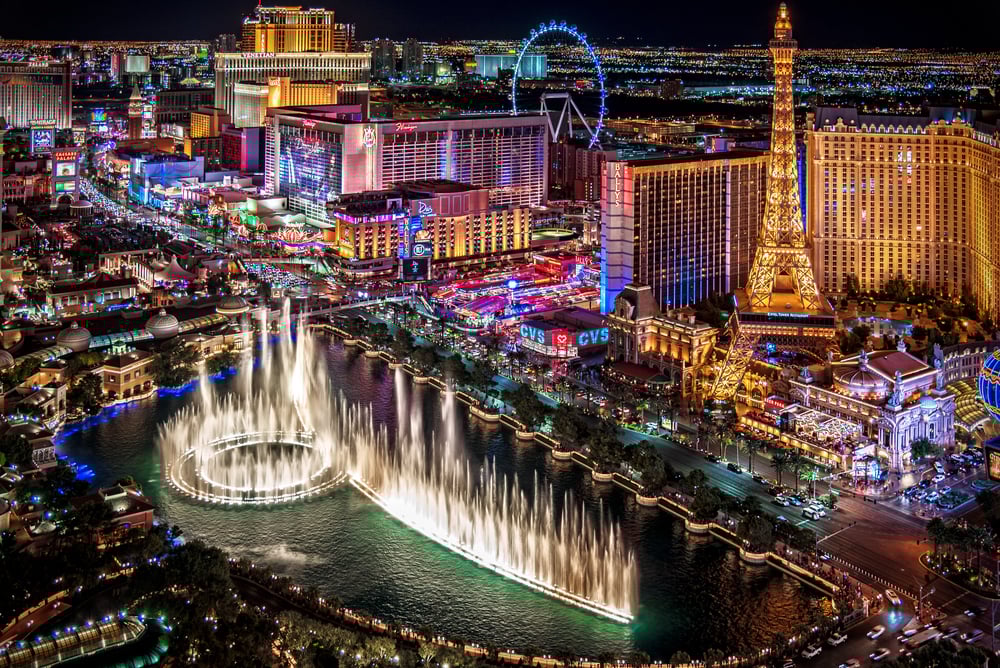
Las Vegas in the 1950s was a strip of small casinos and motels in the middle of the desert. The skyline was almost nonexistent outside of a few neon signs.
Today, it’s a chaotic mix of themed mega-resorts that compete for attention. Each hotel tries to outdo the last with bigger, wilder designs.
The Stratosphere tower shoots up 1,149 feet, while replicas of the Eiffel Tower and New York’s skyline add to the visual noise. It’s not elegant, but it’s certainly memorable.
Chicago
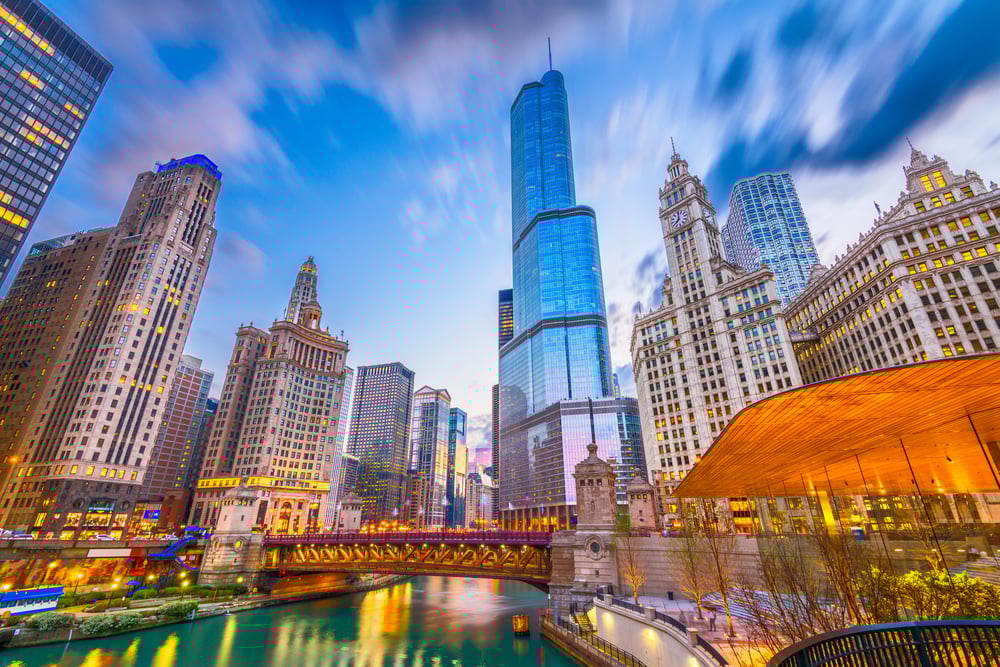
Chicago gave the world the skyscraper, so its skyline has always been important. The city’s 1920s and 1930s buildings like the Wrigley Building and Tribune Tower set the standard for urban design.
Modern additions like the Willis Tower and the Trump Tower have pushed the skyline even higher. What’s changed most is the density along the river and lakefront, where glass towers now crowd together.
The architectural mix of old and new gives Chicago a skyline that feels both historic and contemporary.
Seoul

Seoul in the 1960s was still recovering from the Korean War, and the skyline reflected that struggle. Most buildings were low and functional, with little money for anything fancy.
The city’s economic boom changed everything, and now Seoul is packed with high-rises and neon-lit towers. The Lotte World Tower, completed in 2017, reaches 1,819 feet and has become the city’s new landmark.
The Han River is now lined with apartment towers that stretch for miles, creating one of the densest urban landscapes on Earth.
Miami
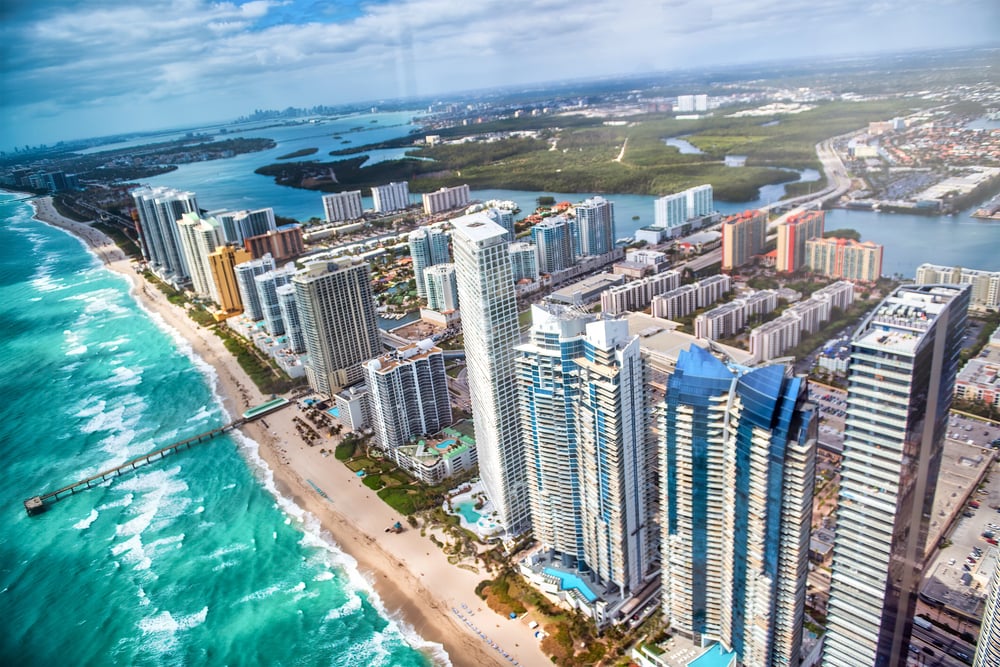
Miami’s skyline used to be dominated by Art Deco buildings in South Beach and a modest downtown cluster. The city felt more like a beach town than a major metropolis.
Then came the condo boom of the 2000s and 2010s, which completely reshaped Brickell and downtown. Glass towers now line Biscayne Bay, many of them residential buildings for wealthy buyers from around the world.
The transformation has been controversial, with locals worrying about affordability and overdevelopment, but the skyline itself is undeniably more impressive.
Hong Kong
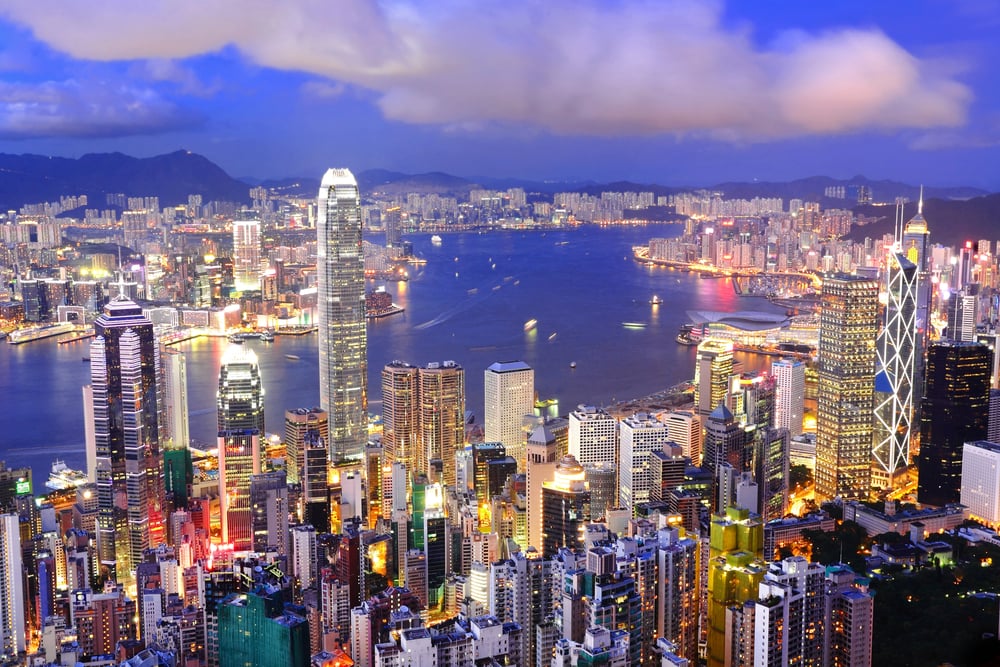
Hong Kong has always been vertical because of its limited land, but the scale has changed dramatically. In the 1970s, the skyline was busy but short by today’s standards.
Now it’s one of the densest collections of skyscrapers anywhere, with over 500 towers above 490 feet. The International Commerce Centre reaches 1,588 feet and anchors the Kowloon side.
Victoria Harbour remains the centerpiece, but both sides are now packed wall-to-wall with towers. The city keeps building up because there’s simply nowhere else to go.
Boston

Boston’s skyline stayed low for a long time because of height restrictions near the airport and a desire to preserve historic views. The Prudential Tower and the John Hancock Tower were the exceptions for decades.
Recent years have seen a push for more height, especially in the Seaport District and along the waterline. New residential and office towers are filling in gaps that were once parking lots or industrial sites.
The city’s skyline is still modest compared to New York or Chicago, but it’s growing steadily.
Los Angeles
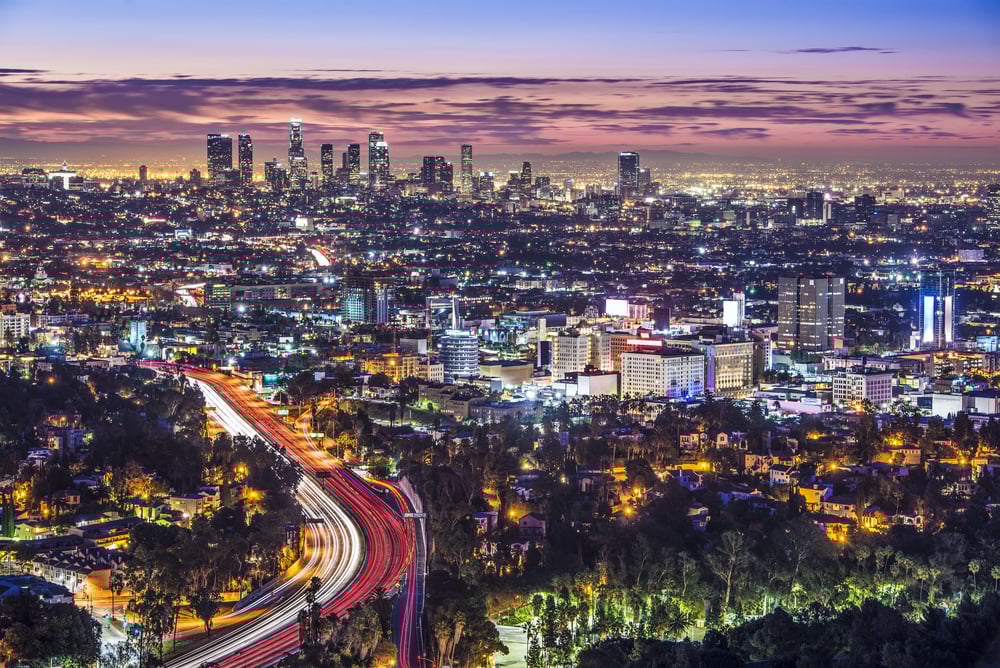
Los Angeles never had a traditional skyline because it sprawled outward instead of upward. Downtown was small and mostly ignored for decades.
Height restrictions were lifted in the 1950s, and the skyline finally started to grow. The Wilshire Grand Center, finished in 2017, is now the tallest building west of the Mississippi at 1,100 feet.
Downtown has become a real urban center for the first time in generations, though most of LA still spreads out horizontally across the basin.
Frankfurt

Frankfurt has been Germany’s financial capital for a long time, but the skyline used to be relatively modest. After World War II, the city was rebuilt with modern but not particularly tall buildings.
The 1980s and 1990s brought a wave of skyscraper construction that earned Frankfurt the nickname ‘Mainhattan’. The Commerzbank Tower and other giants now dominate the city, making it the only German city with a true high-rise skyline.
It stands out starkly against the rest of the country, where tall buildings are rare.
Sydney

Back then, Sydney’s outline showed just the Harbour Bridge plus some short structures near the center. By 1973, the Opera House landed on the scene – suddenly everything shifted.
That bold white shape became a symbol overnight. Heights started climbing after that, tower by tower creeping up beside Circular Quay and stretching toward Darling Harbour.
Water wraps around much of it, helping views feel alive with contrast. Tall? Not really.
But few cities match its look at sunrise or how it unfolds from the water. Cameras love it, yes – though what matters more is how space and light play together there.
Toronto

Out by the lake, Toronto used to wear low buildings like an old coat – until the 1970s flipped everything. Up sprang the CN Tower, stretching 1,815 feet into the clouds, suddenly owning the view.
For ages after, no other free-standing spire on Earth reached higher. While it stood tall, the city didn’t rest.
Slowly at first, then faster, glass towers began clustering nearby. Condos poured in, wave after wave, filling gaps where quiet once lived.
Along Ontario’s shore, steel skeletons rose one after another, reshaping what eyes expected. Most of these giants arrived within two short decades.
Now the horizon hums with height and hustle, matching major cities across the continent. Growth hasn’t slowed – one glance shows more cranes than ever.
Kuala Lumpur

Before the 1990s, Kuala Lumpur had almost no tall buildings at all. Low structures from colonial times mixed with older residential areas across most of the city.
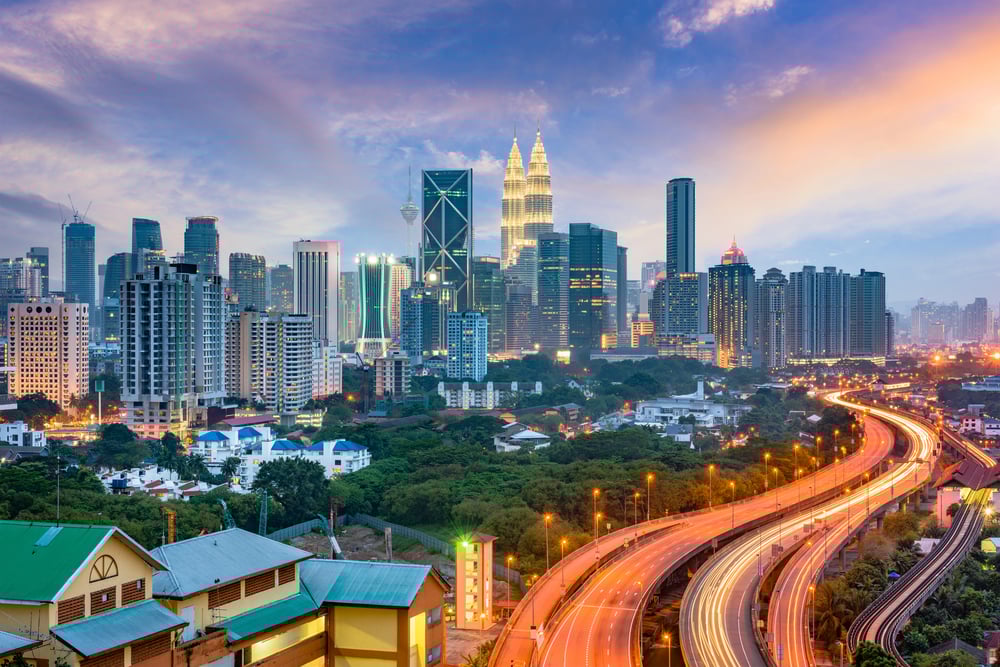
Out of nowhere, two massive towers rose up in 1998 – Petronas Towers – at a height of 1,483 feet, suddenly making the city visible worldwide. Soon after, high-rises began crowding around them: offices appeared alongside malls and hotels without pause.
Far off, the skyline rolls on without end, matching what you’d see in Singapore or Hong Kong. How fast things shift here – cash meets drive, and suddenly everything changes.
Looking Again At That Spot From Another Angle
Now think about skylines – they mark an era, yet nothing ever truly stops moving. When fires hit or floods rise, construction follows close behind, rising like smoke from ash.
Economic surges pull cranes into the air, stacking floors one after another. Yet silence grows where factories once roared, hollow spaces replacing motion.
Old images laid beside fresh shots show more than steel and glass – pressure marks of change sit visible between frames. Speed fools memory; people walk familiar streets stunned by strangers’ homes.
Few rise bit by bit, generation after generation piling fresh chapters into view. Whichever path, city edges shift shape – fifty winters from now, expect still stranger silhouettes breaking the horizon.
More from Go2Tutors!

- The Romanov Crown Jewels and Their Tragic Fate
- 13 Historical Mysteries That Science Still Can’t Solve
- Famous Hoaxes That Fooled the World for Years
- 15 Child Stars with Tragic Adult Lives
- 16 Famous Jewelry Pieces in History
Like Go2Tutors’s content? Follow us on MSN.