Classic Snack Foods That Disappeared
Remember walking down the snack aisle as a kid, grabbing your favorite treat without a second thought? Then one day, it’s just gone—vanished like it never existed.
Plenty of beloved snacks have met this fate over the years, pulled from shelves due to poor sales, changing tastes, or corporate decisions that still baffle fans today.
Some sparked petitions demanding their return, while others faded quietly into memory.
These are a few classic snack foods that disappeared from store shelves.
Altoids Sours
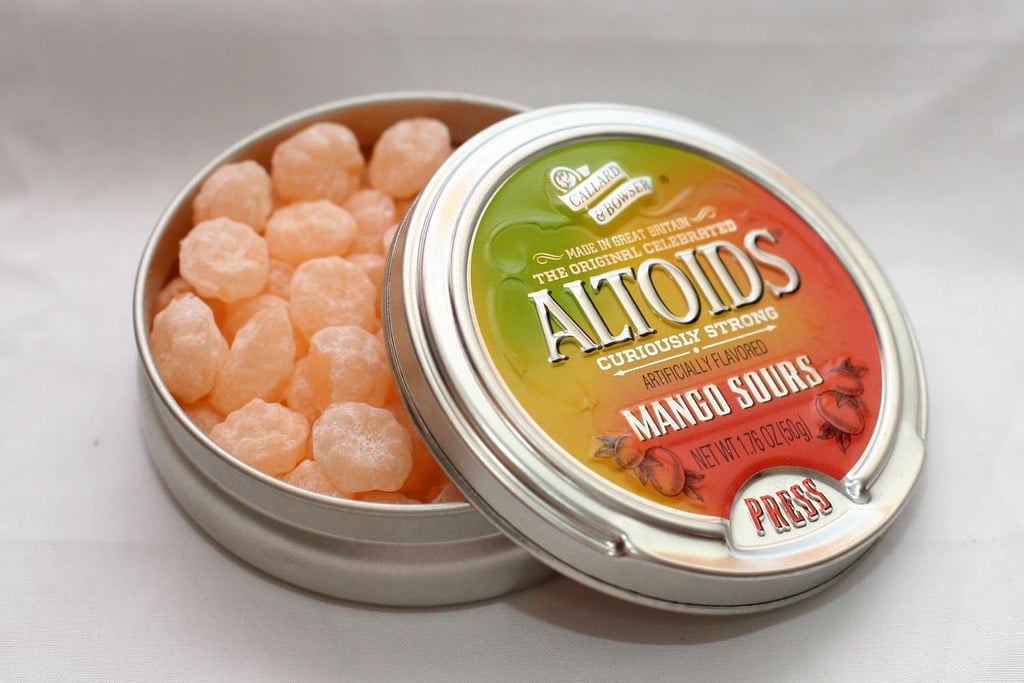
These brightly colored, intensely sour candies hit stores in 2004 and quickly became a cult favorite among people who loved that mouth-puckering punch.
They came in flavors like raspberry, lime, apple, tangerine, and mango, all packed in the signature Altoids tin.
The candies were discontinued in February 2010 due to low national demand, though plenty of fans would argue otherwise.
The intensity was part of the appeal—these weren’t for casual candy eaters.
Planters P.B. Crisps
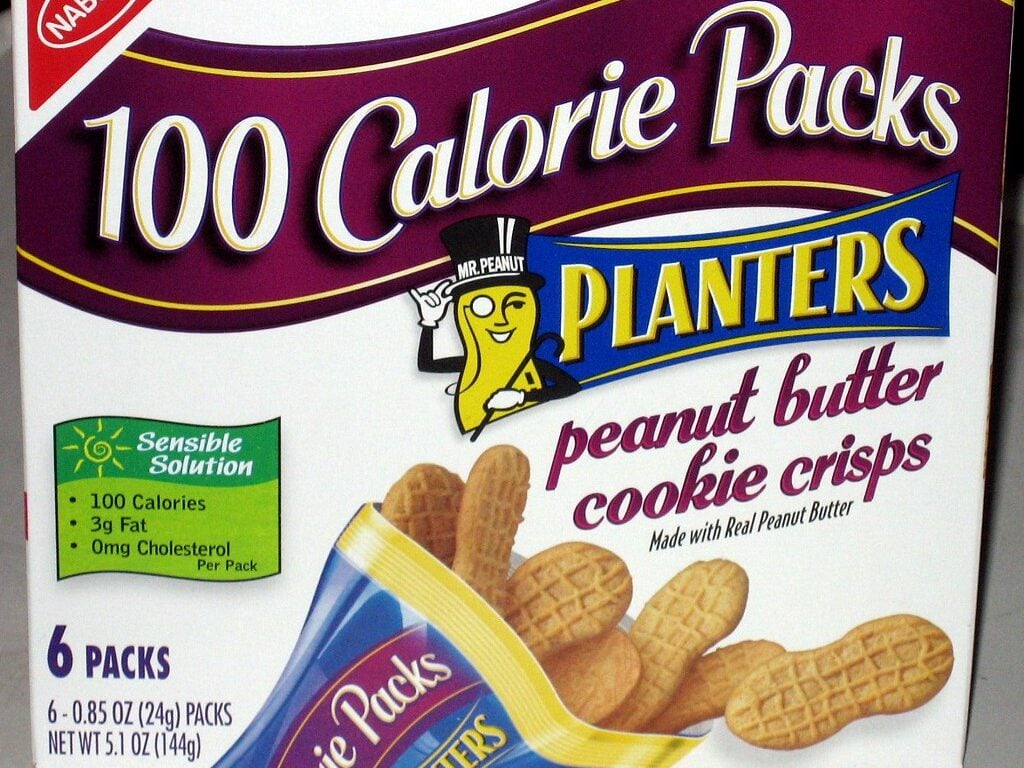
Picture a peanut-shaped shell with a creamy peanut butter filling, and you’ve got P.B. Crisps.
These bite-sized snacks were perfect for movie theaters and easy snacking.
They disappeared in the mid-1990s, leaving behind a devoted following that never quite moved on.
Planters actually brought them back briefly in 2018 after fans demanded their return for years, but it was only a temporary reunion.
The fact that people still talk about these decades later says everything about how good they were.
3D Doritos

Regular Doritos are great, but in the mid-1990s, Frito-Lay decided to take things up a notch with a puffed, three-dimensional version.
The special chips came in three different flavors: jalapeño cheddar, nacho cheese, and zesty ranch.
They lasted for a few years but were discontinued sometime in the early 2000s.
There was an attempted reboot called Doritos Jacked 3D in 2015, but it didn’t capture the magic of the original.
Sometimes the first version is the only version that matters.
Pizzarias

Keebler launched these pizza-flavored chips in 1991, and they absolutely took off.
They earned $75 million in wholesale revenue in their first year and even garnered industry awards.
The snack world doesn’t hand out awards lightly, so this was a genuine hit.
Unfortunately, the crackers were discontinued in the late 1990s after the sale and breakup of Keebler.
Corporate restructuring killed what might have been a lasting snack legacy.
Philadelphia Cheesecake Snack Bars
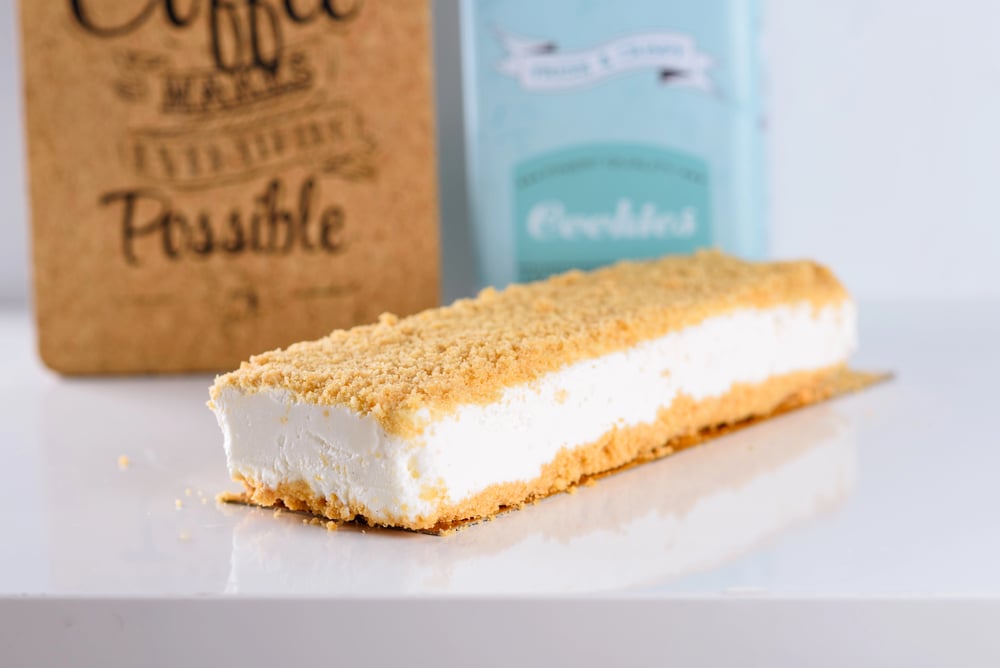
Cheesecake in a portable bar form seemed like genius when Kraft introduced these in 1999.
Popular flavors like classic, strawberry, and chocolate chip were joined by creative ones like white chocolate raspberry and chocolate decadence, all drizzled with icing on a graham cracker crust base.
The bars were discontinued in 2005 due to manufacturing problems, though some people suspected the 200 calories and 13 grams of fat per bar didn’t help.
Fans created a petition with more than 40,000 signatures demanding their return.
Kudos Bars

Mars introduced these chocolate-coated granola bars in 1986, and they became a lunchbox staple throughout the 1990s.
They came in a variety of flavors and felt like a dessert disguised as a healthy snack.
Parents could feel slightly better about packing them, even though everyone knew they were basically candy bars in disguise.
They were discontinued in 2017 as consumers caught on to the reality that the bars were little more than disguised candy bars.
The jig was up, and Kudos disappeared for good.
Ecto Cooler
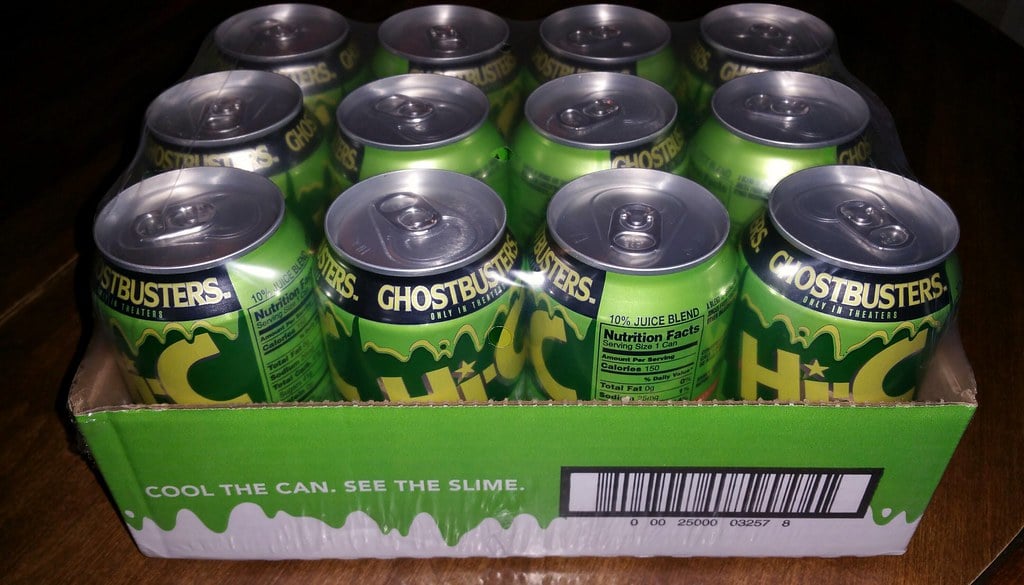
Hi-C launched this bright green drink in 1987 to promote the Ghostbusters cartoon, featuring the ghost Slimer on the box.
It was so successful that the juice box flavor survived the series’ 1991 cancellation, with Slimer leaving the box around 1997.
Minute Maid did not discontinue the product until 2001.
That citrus-flavored drink had a taste that’s hard to describe but impossible to forget if you grew up drinking it.
Promotional tie-ins usually die with the movie or show, but Ecto Cooler had real staying power.
Shark Bites
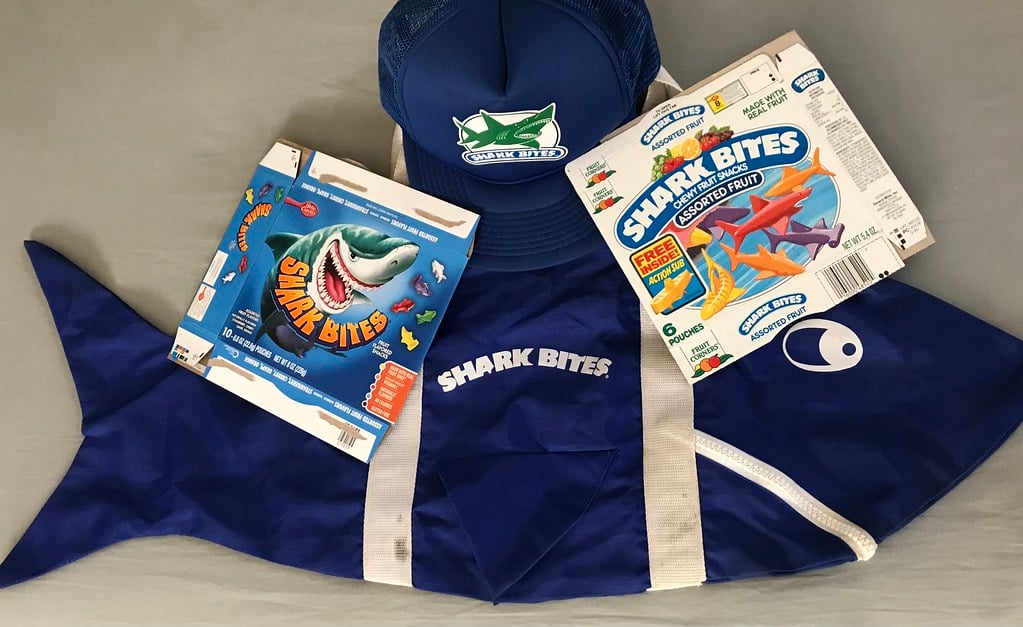
These fruit snacks came in shark shapes and were known for being firmer than your typical gummy candy.
The white, opaque shark gummies were especially memorable to anyone who ate these regularly.
Betty Crocker discontinued them after vowing to no longer include artificial flavors or colors in any of their products, which meant goodbye to the white sharks.
Once those distinctive white sharks disappeared, people lost interest.
Sometimes it’s the little details that make a snack iconic.
Yogos
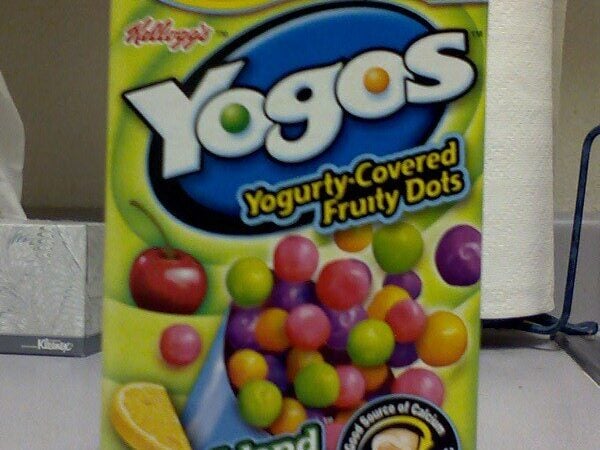
These yogurt-covered fruit snacks launched in 2005 and became the ultimate flex in school lunches.
The fun-sized, yogurt-covered treats took the world by storm when they debuted.
Then, in 2010, they disappeared forever.
Kids who had Yogos in their lunchbox had serious snack credibility.
The combination of tangy yogurt coating and chewy fruit center was something special that hasn’t been replicated since.
Fritos BBQ
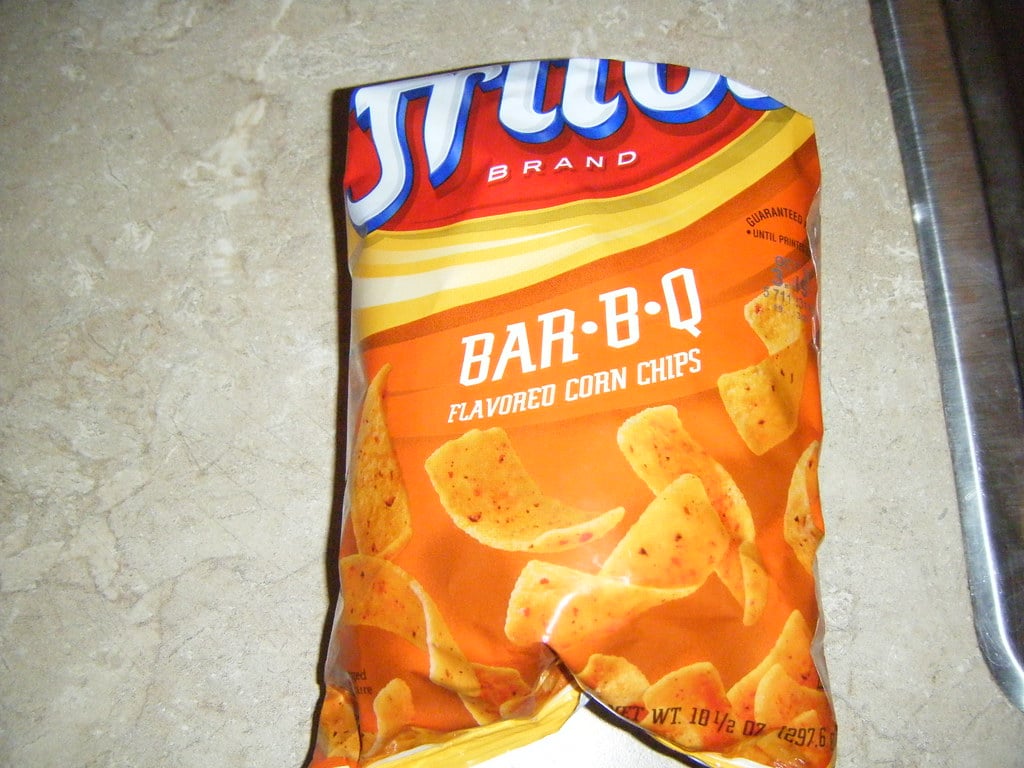
Fritos defined their brand with a classic BBQ flavor that stuck around for over 80 years.
In 2018, the brand switched flavors and discontinued the classic in favor of a new Honey BBQ flavor.
Many didn’t realize this classic flavor vanished from plain sight, and the change still hasn’t been reversed.
When you’ve been eating something for decades, even a subtle flavor change feels like betrayal.
Loyal fans of the original BBQ flavor are still waiting for Fritos to come to their senses.
Munch ‘Ems
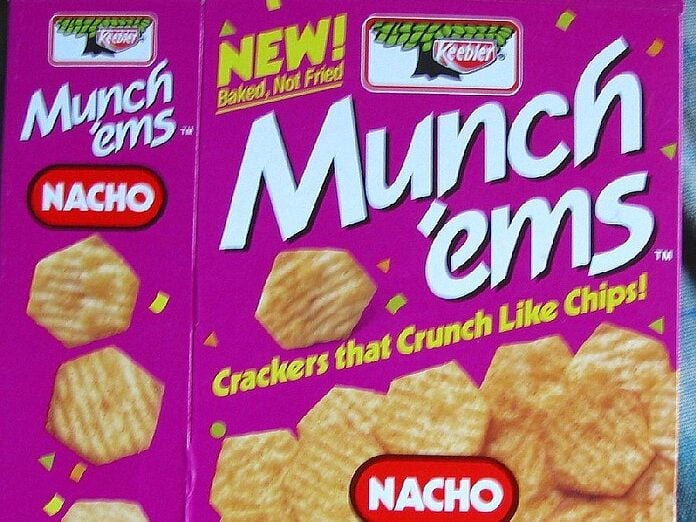
Imagine a hybrid between a potato chip and a cracker, and you’ve basically got Munch ‘Ems.
Made by Keebler, they came in several flavors, including sour cream and onion, ranch, and cheddar.
The product was off the shelves by the early 2000s.
Keebler had a real knack for creating addictive snacks, and this one combined the best qualities of two different snack categories.
It’s honestly surprising they didn’t last longer.
String Thing
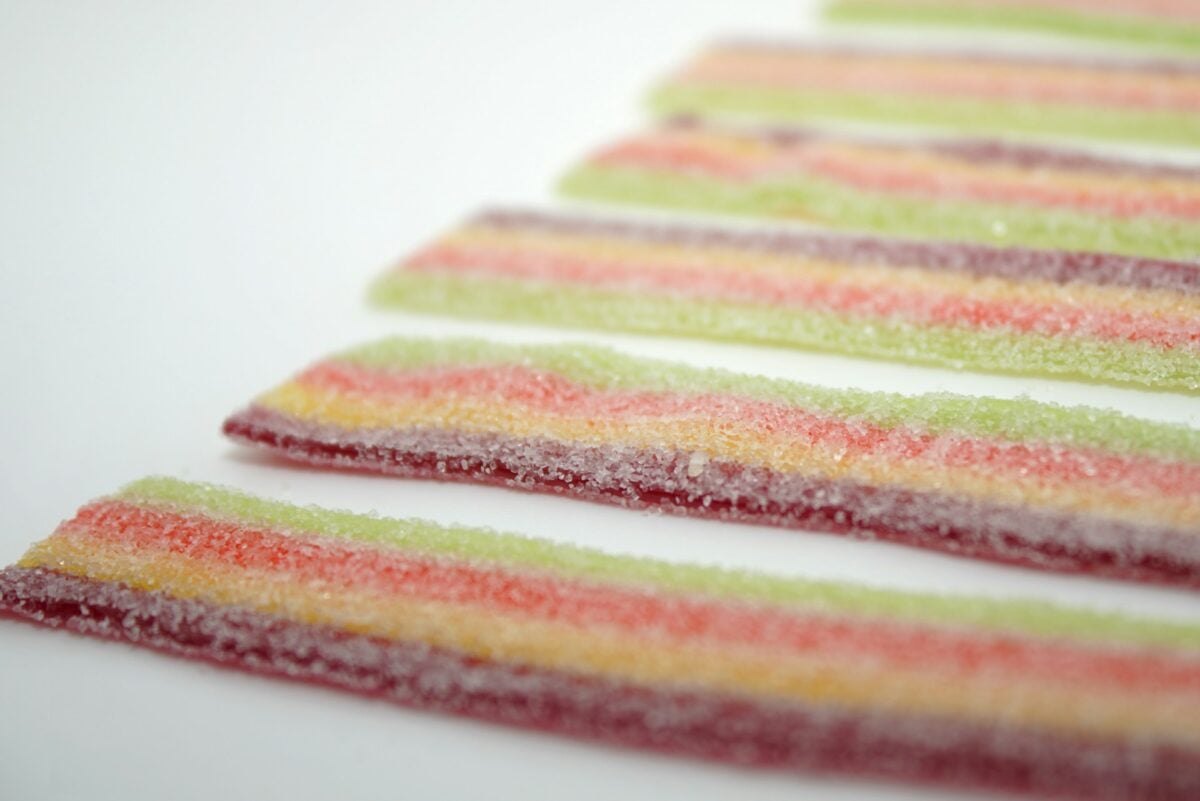
This fruity, stretchy snack came shaped like thin strings coiled into fun designs.
Its playful, peel-and-eat nature made it a hit with kids when it launched.
It disappeared in the late 1990s, though commercials featuring catchy jingles still stick in the memory of ’90s kids.
The interactive aspect of peeling and eating made it more than just a snack—it was an activity.
Food that doubles as entertainment always has an edge with younger audiences.
Rice Krispies Treats Cereal

Take the beloved Rice Krispies Treats and turn them into breakfast cereal—sounds perfect, right?
Rice Krispies Treats Cereal was phased out, made a comeback with a slightly modified formula that wasn’t as good, and was then discontinued for good.
The original version hit differently, but once they changed the recipe, it just wasn’t the same.
Sometimes companies should leave perfection alone instead of trying to improve it.
Space Dust
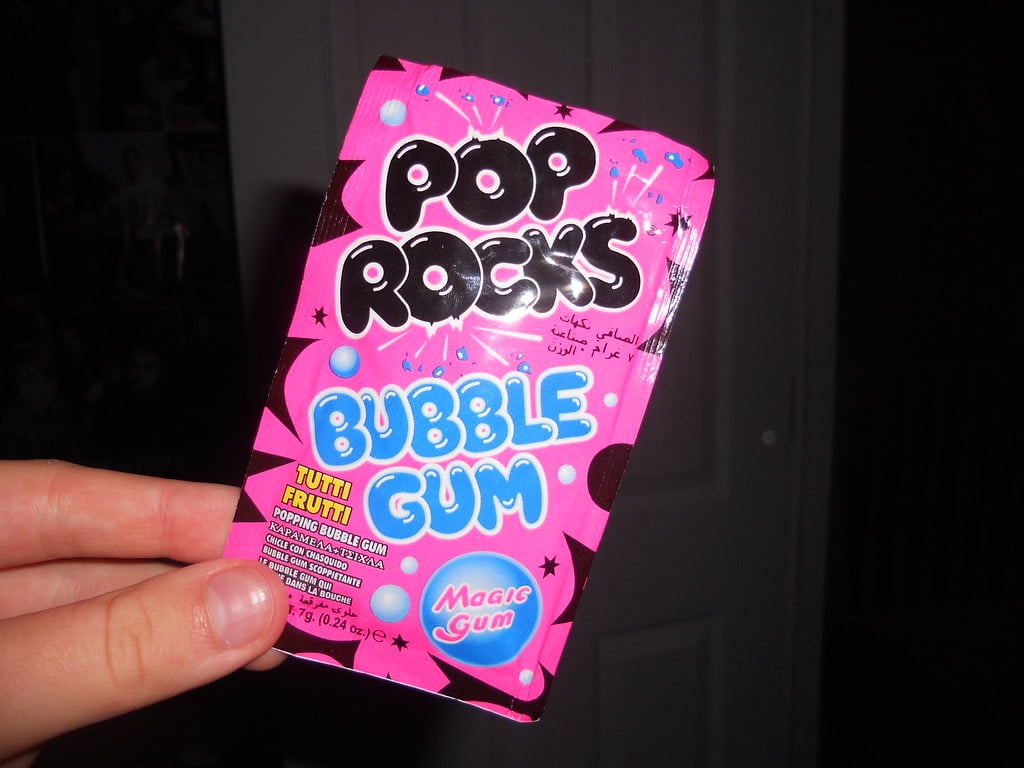
Launched in the 1970s as a finer, more intense version of Pop Rocks, Space Dust delivered serious fizz and pop in your mouth.
Unfortunately, this sizzling candy didn’t make it into the new millennium.
The novelty of candy that crackled and sparked on your tongue was wild for its time.
Space Dust represented the kind of weird, experimental candy that felt slightly dangerous to eat, which only made kids want it more.
Butterfinger BB’s
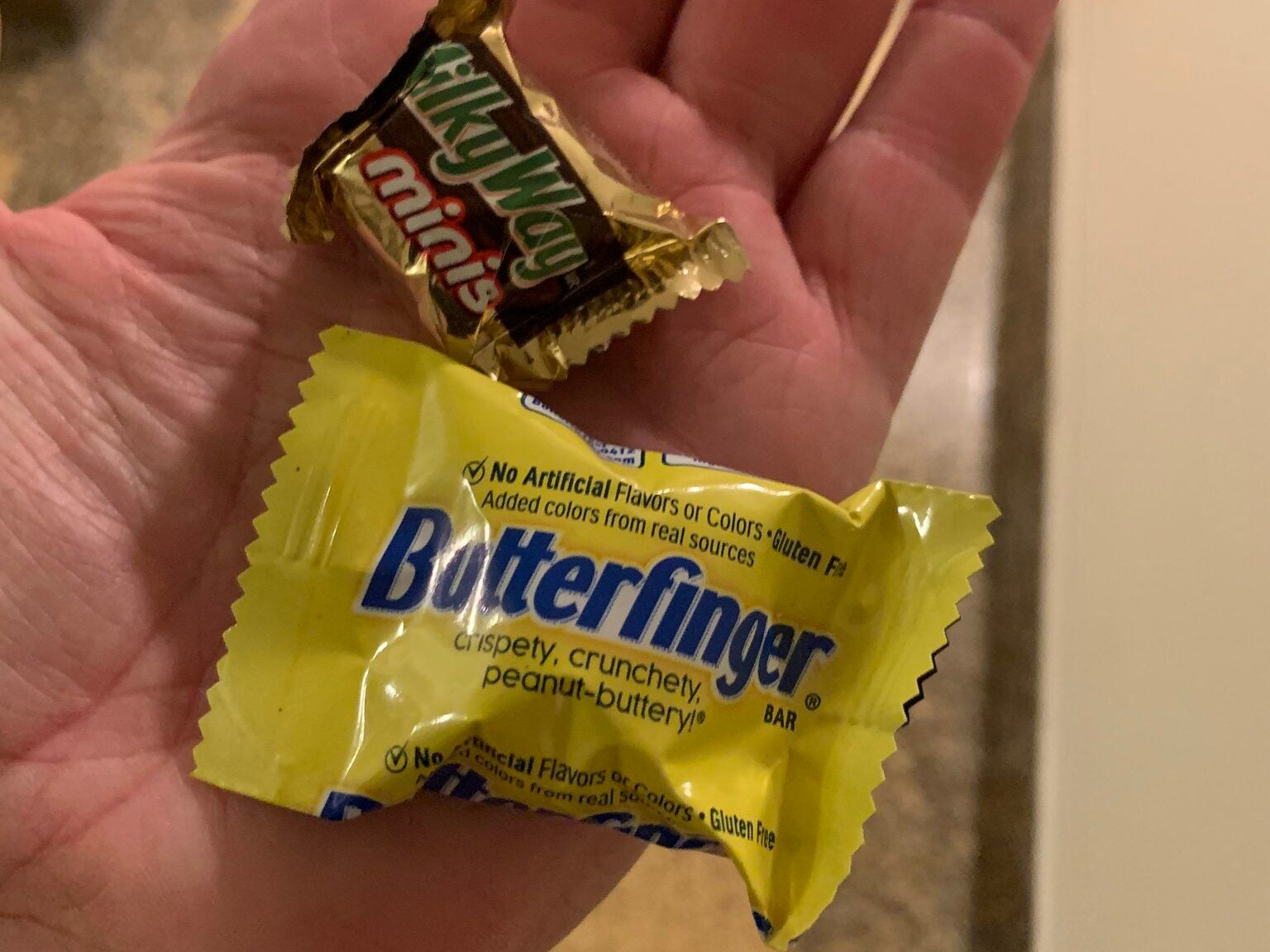
These were bite-sized versions of the classic Butterfinger candy bar, making them perfect for snacking.
They were easy to snack on and perfect for movie theaters when they were around.
Fans speculate that manufacturers discontinued the candy in 2006 because it would easily melt, creating a sticky mess.
The melting issue was probably a legitimate problem, but fans would have gladly dealt with sticky fingers to keep these around.
Sometimes practicality wins over popularity.
The Snack Aisle Moves On

The snacks that disappear tell us something about how companies operate and what survives in a competitive market.
Some vanished because of legitimate issues like manufacturing problems or health concerns, while others simply fell victim to changing consumer preferences or corporate reshuffling.
Every year, food distributors pull products due to poor sales, health concerns, ingredient scarcity, and many other factors.
What seemed like a sure hit can disappear within months, while other snacks stick around for generations.
The discontinued treats that still spark nostalgia and petition drives prove that taste memory runs deep—sometimes a snack becomes more than just food, it becomes a piece of your childhood that you can’t quite replace.
More from Go2Tutors!

- The Romanov Crown Jewels and Their Tragic Fate
- 17 Halloween Costumes Once Considered Taboo
- Famous Hoaxes That Fooled the World for Years
- 15 Child Stars with Tragic Adult Lives
- 16 Famous Jewelry Pieces in History
Like Go2Tutors’s content? Follow us on MSN.