Clever Ways Movies Got Around Censorship
From 1934 to 1968, Hollywood operated under the Motion Picture Production Code, better known as the Hays Code. This strict set of moral guidelines banned everything from profanity and explicit violence to any hint of romance outside marriage.
But filmmakers are creative people, and when you tell an artist they cannot do something, they will find a way to do it anyway—just more cleverly. The result was an era of remarkable ingenuity.
Directors, screenwriters, and editors developed techniques that became part of cinema’s visual language, using symbolism, suggestion, and subtext to convey what they could not show directly. Here is a list of clever ways movies got around censorship.
Double Entendres
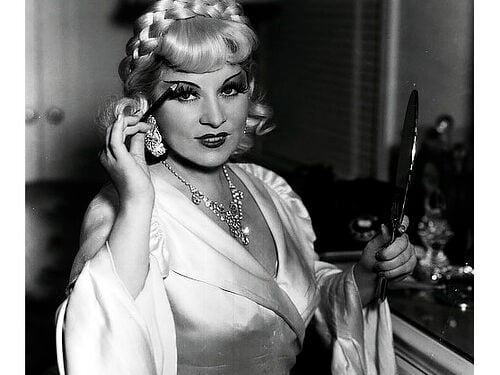
Writers like Billy Wilder mastered the art of dialogue that meant two things at once. A character could say something perfectly innocent on the surface while implying something entirely different underneath.
Mae West became legendary for this technique, turning even mild lines into brazen suggestions through delivery and context. The censors could not object to words that technically followed the rules, even when everyone in the audience understood the real meaning.
Visual Metaphors
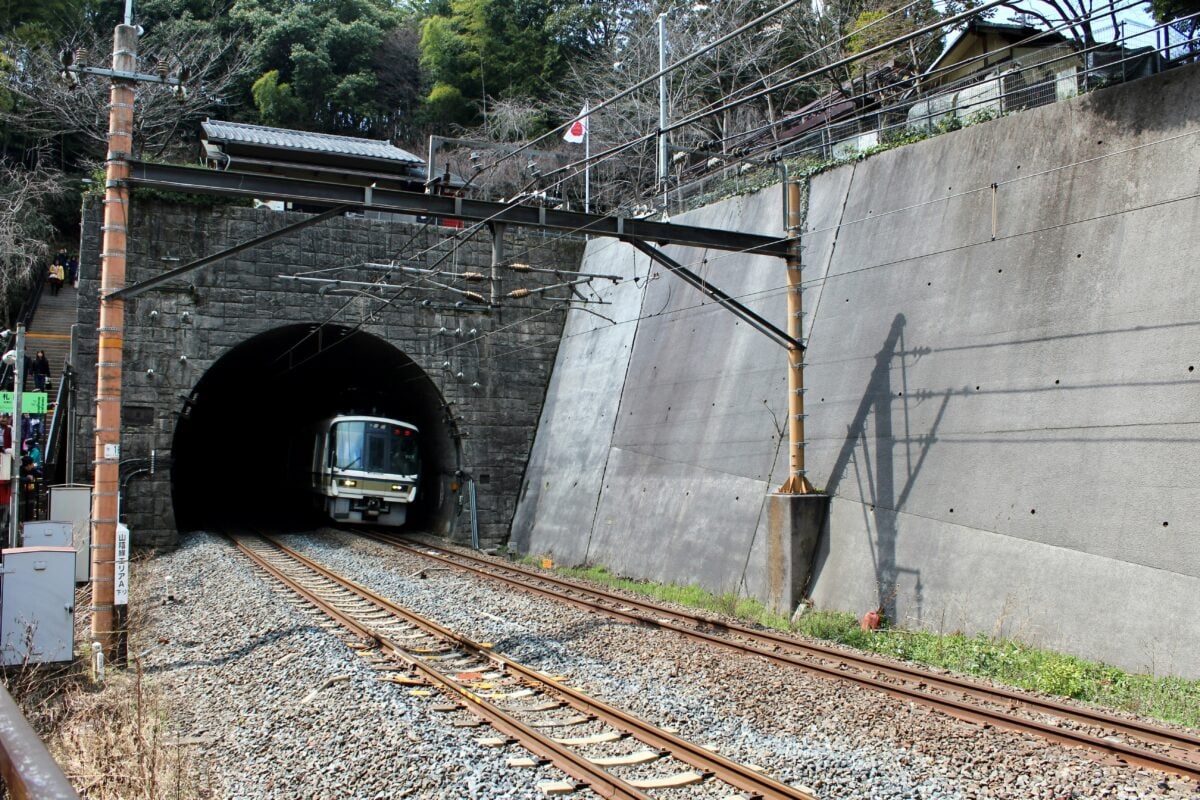
Alfred Hitchcock ended North by Northwest with one of cinema’s most famous visual puns: a train entering a tunnel immediately after Cary Grant pulls Eva Marie Saint into his sleeping compartment. The symbolism was obvious to audiences but technically showed nothing objectionable.
This single shot became so iconic that Hitchcock considered it one of his finest achievements, and screenwriter Ernest Lehman admitted he could take no credit for it since his script simply said ‘the train heads off into the distance.’
Breaking Up Passionate Scenes
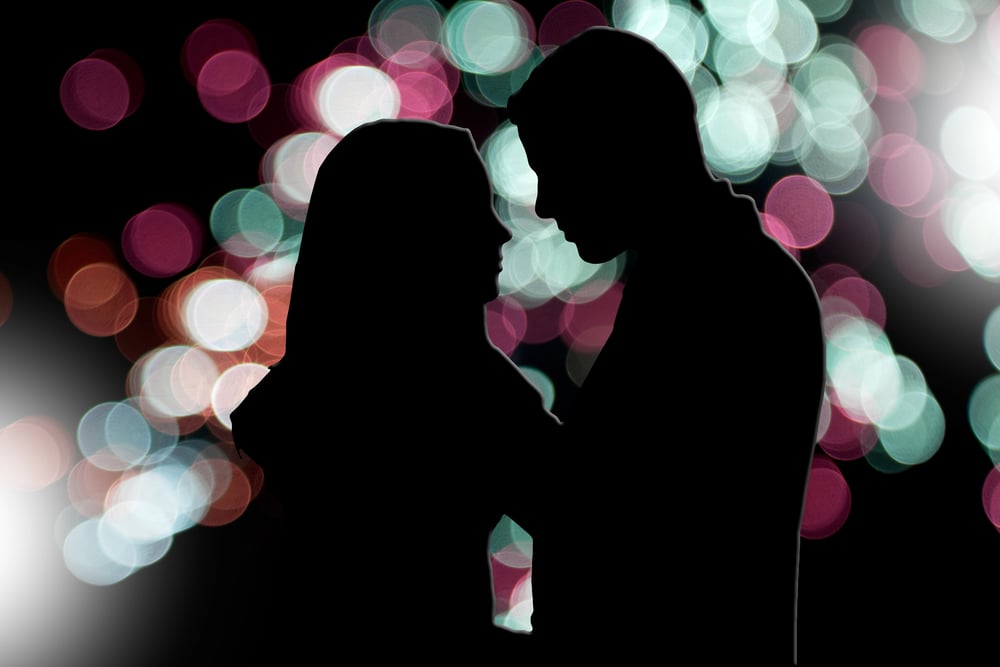
The Code restricted kisses to three seconds maximum, which posed a problem for Hitchcock when filming the romantic scene between Cary Grant and Ingrid Bergman in Notorious. His solution was brilliantly simple: he broke up the kissing with dialogue and movement around the room.
The scene lasted nearly three minutes but technically never violated the rule because no single kiss exceeded the time limit.
Strategic Camera Angles
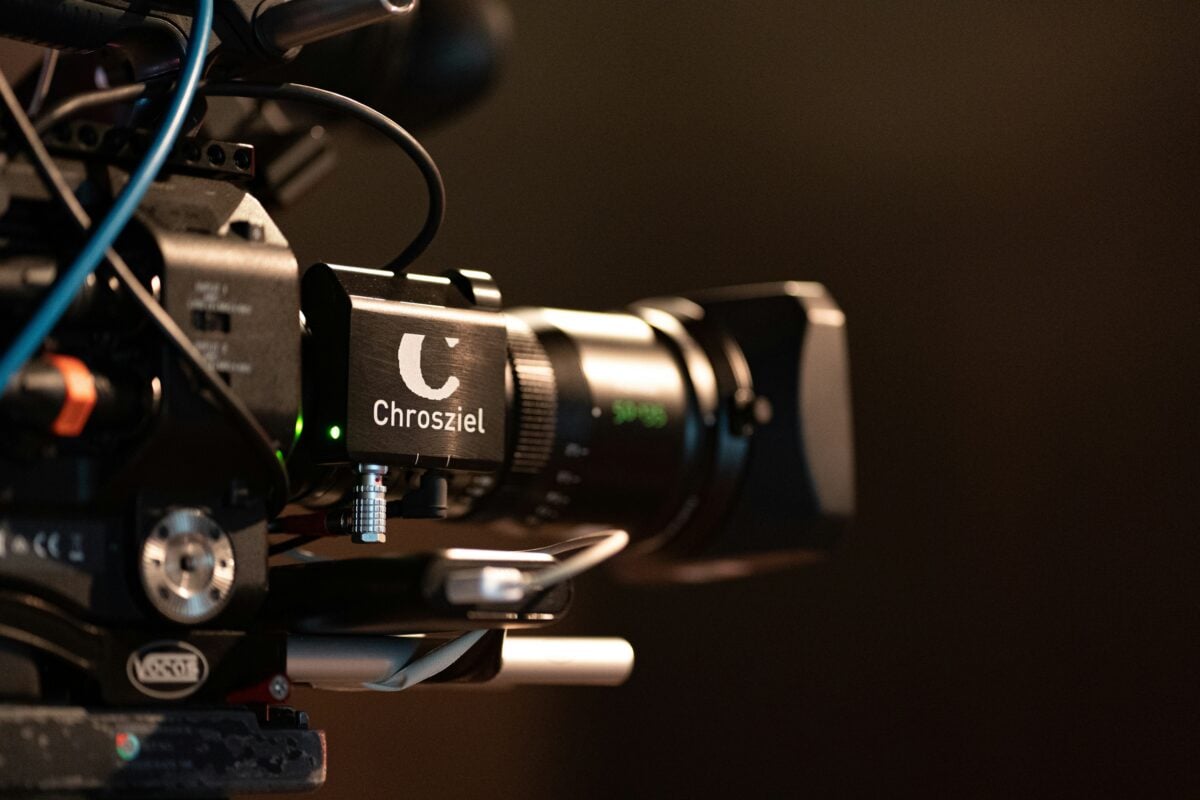
Directors learned that what you do not show can be more powerful than what you do. Hitchcock used this principle repeatedly, framing shots to suggest rather than reveal.
In Psycho, the famous shower scene used extreme close-ups and swift edits so that audiences felt they saw violence and nudity when neither actually appeared on screen. The camera work created the impression while staying within the Code’s boundaries.
Replacing Fade-Outs with Dissolves

In Casablanca, censors initially objected to a fade-out between scenes with Rick and Ilsa because everyone knew what that editing technique signified. The solution was to replace it with a dissolve instead, which carried less implication.
This tiny technical change allowed the film to suggest their romantic past without explicitly confirming it, and the censors approved the alteration.
Hiding the Furniture

The Hays Office told Casablanca’s producers that Rick’s apartment could contain no bed, couch, or anything else that might suggest intimate activity. So the set designers simply removed those items from the scene.
The audience could still understand what was happening between Rick and Ilsa through dialogue and performance, but nothing on screen violated the literal rules.
Mouthing Profanity Silently

The pilots in Wings found a clever workaround for the ban on obscene language. They simply mouthed curse words during the aerial dogfight scenes without actually voicing them.
Audiences could clearly read their lips and understand the ‘salty language’ being used, but since no sound accompanied the words, censors initially let it pass. This loophole was eventually closed when the Hays Commission tightened their restrictions.
Bargaining with Excessive Violations
Screenwriter Julius Epstein revealed that when writing Casablanca, he and his colleagues would deliberately include far more instances of forbidden words than they needed. They would write fifty uses of ‘hell’ knowing the censors would demand cuts.
Then they would negotiate, offering to reduce it to twenty-five, and eventually settling on the two or three they actually wanted in the first place.
Creative Cursing Alternatives
Billy Wilder became famous for finding ways around profanity bans. Since he could not use ‘son of a bitch,’ he wrote the line ‘if you had a mother, she would bark’ instead.
This approach allowed characters to sound like they were cursing without technically using forbidden words. The insult landed just as effectively while technically complying with the Code.
Fast Editing and Implied Violence
Hitchcock spent a week filming Psycho’s shower scene, using rapid cuts and tight framing to create the impression of graphic violence. Actress Janet Leigh wore moleskin patches for modesty, and the ‘stabbing’ sounds came from knives thrust into casaba melons.
The montage of images implied everything the Code forbade—audiences left theaters convinced they had seen things that never actually appeared on screen.
Sound Design Tricks

Directors learned that what audiences hear can be as powerful as what they see. The shower scene in Psycho used Bernard Herrmann’s shrieking violins to heighten tension in a way that had never been done before.
Hitchcock originally planned no music for the scene but realized the sound could convey violence more effectively than visuals ever could under the Code’s restrictions.
Queer Coding
When the Code banned any explicit depiction of LGBTQ characters, filmmakers responded with subtle implications instead. Martin Landau deliberately played his character Leonard in North by Northwest as a man in love with his male boss, James Mason’s character.
Both Hitchcock and screenwriter Ernest Lehman endorsed this interpretation, but Landau performed it subtly enough that censors could not identify anything specific to cut.
Claiming Historical Accuracy
Westerns frequently circumvented violence restrictions by arguing they were depicting actual historical events. Since the censors tended to view cowboys as the ‘good guys’ and saw Western violence as part of American history, these films received more leeway than other genres.
This double standard allowed gunfights and brawls that would have been censored in contemporary settings.
Genre Films Flying Under the Radar

B-movies and film noir operated somewhat beneath the censors’ notice since moral guardians focused primarily on big-budget prestige pictures. Films like The Big Combo, Detour, and Touch of Evil contained more progressive and interesting content than the A-movies they played alongside.
Directors working in these genres had a freer hand because their work was not taken as seriously.
Appealing and Changing the Rules
Producer David O. Selznick fought hard to keep the line ‘Frankly, my dear, I don’t give a damn’ in Gone with the Wind. He made every argument he could think of, even adding the word ‘frankly’ to soften the impact.
His persistence paid off when the Code was amended in November 1939 to allow ‘hell’ and ‘damn’ if essential to a literary quotation or historical context. This opened the door for other filmmakers.
Darkness and Shadow
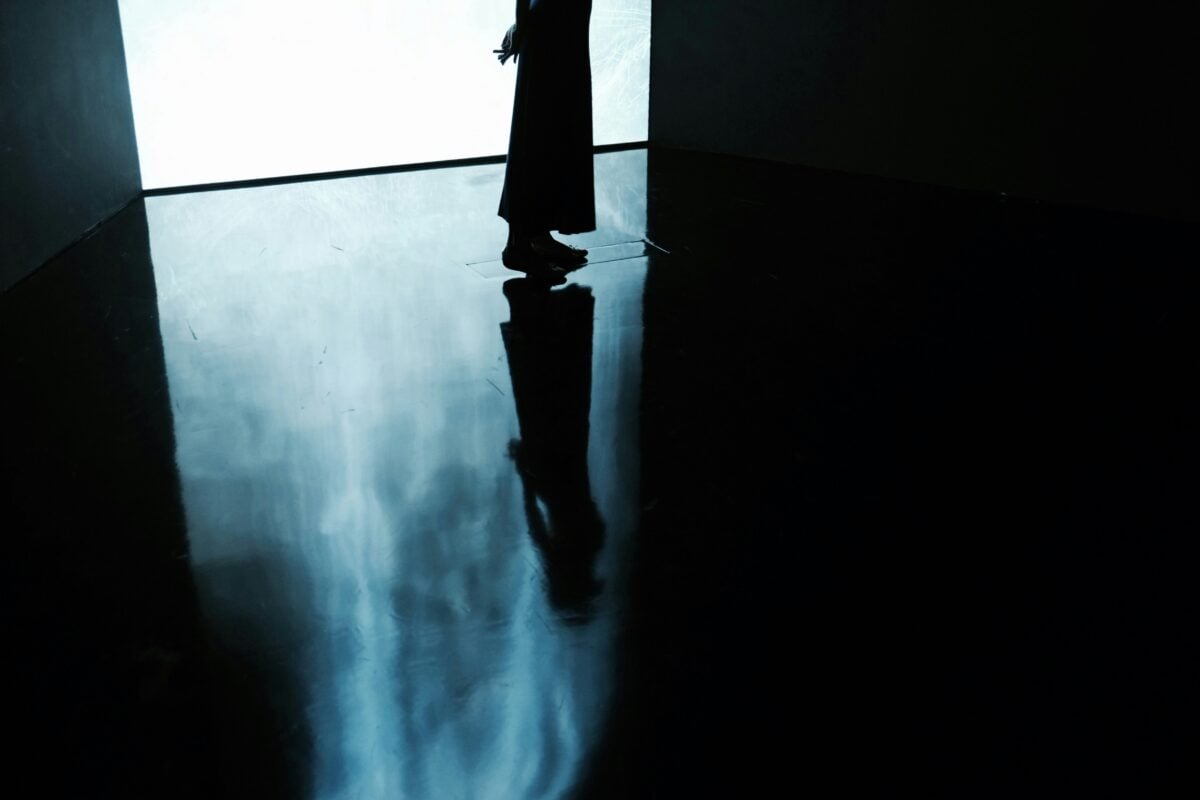
Film noir thrived under the Hays Code partly because it used lighting to suggest rather than show. Shadows could hide violence and imply danger without revealing anything explicit.
The genre’s trademark dark cinematography became both an aesthetic choice and a practical necessity, allowing directors to approach taboo subjects while staying within technical compliance.
Symbols and Objects as Stand-Ins

Directors learned to use everyday objects to represent ideas they could not show directly. The oranges that appear throughout The Godfather became symbolic of death and betrayal.
In East of Eden, dim lighting and sounds heard off-screen suggested the world of prostitution without showing anything explicit. These visual cues allowed sophisticated audiences to understand what was happening while censors found nothing concrete to object to.
How Restrictions Shaped Modern Cinema

The Hays Code forced an entire generation of filmmakers to become masters of suggestion and subtext. Many directors later admitted these restrictions actually improved their work by making them think more carefully about visual storytelling.
The techniques developed during this era—using symbolism, editing, sound, and framing to convey meaning—remain fundamental to cinema today. While we can appreciate the greater creative freedom modern filmmakers enjoy, the ingenuity of those who worked under censorship created some of the most sophisticated and layered films ever made.
More from Go2Tutors!

- The Romanov Crown Jewels and Their Tragic Fate
- 13 Historical Mysteries That Science Still Can’t Solve
- Famous Hoaxes That Fooled the World for Years
- 15 Child Stars with Tragic Adult Lives
- 16 Famous Jewelry Pieces in History
Like Go2Tutors’s content? Follow us on MSN.



