Most Expensive Substances by Weight
Heavy things often get high prices, but not always. Tiny specks sometimes beat tons in value. What matters is how hard it gets made or found.
Rarity plays a big role, yes, yet so does human struggle to produce it. Some materials sit just beyond what labs can easily handle.
Price tags grow when limits are pushed, even if few want them. Worth isn’t only about need – it’s about near-impossible work.
It’s not the cost that catches attention. What matters is why they cost so much. Rareness rules some – earth hardly gives them up.
For others, people cracked how to twist materials beyond normal reach. Every one shows where lines get drawn, be it by physics, skill, or money.
Astonishing prices per gram set certain materials apart from anything we handle daily. What hides behind their worth becomes clear only when examining rarity fused with demand.
Weight for weight these stand leagues away from common stuff. Reasons coil around scarcity tangled with how hard it is to get them.
Some emerge from fleeting moments in labs rather than mines. Others decay too fast to pile up.
Their cost climbs not just because science struggles but also due to where they show up – medicine, tech, dreams of clean energy. Each gram carries more than mass; it holds possibility strained through limits.
Antimatter
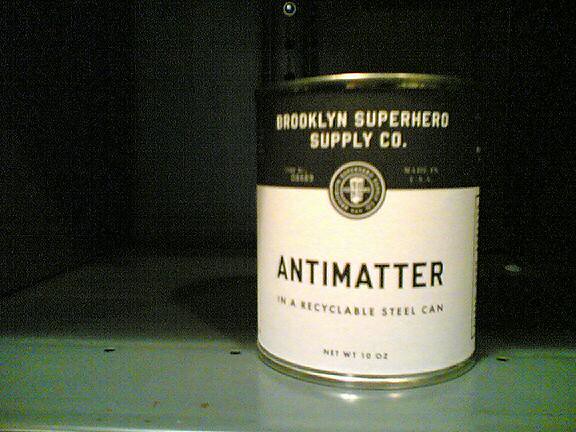
Antimatter is often cited as the most expensive substance known, and for good reason. It does not occur naturally in usable quantities and must be created particle by particle using massive accelerators.
Even after creation, storing it is an enormous challenge because it annihilates on contact with ordinary matter. The cost reflects energy and infrastructure rather than market trade.
Producing even tiny amounts requires vast electrical input and specialized containment systems. Antimatter’s value exists largely on paper, representing the theoretical cost of production rather than a commercial price tag.
Still, its significance is real. Antimatter plays a role in advanced physics research and medical imaging, making it valuable not as a commodity, but as a scientific tool.
Californium

Californium is a synthetic radioactive element produced in nuclear reactors or particle accelerators. It is extraordinarily rare because it requires multiple stages of neutron bombardment, followed by complex chemical separation.
Production is slow, expensive, and limited to a few facilities worldwide. Despite its price, californium has practical uses.
It helps start nuclear reactors, detect hidden moisture in materials, and locate mineral deposits. These applications justify its cost, even though only tiny amounts are ever used.
That said, californium’s value comes from controlled scarcity. It cannot be mined or stockpiled easily, which keeps supply permanently constrained.
Diamond
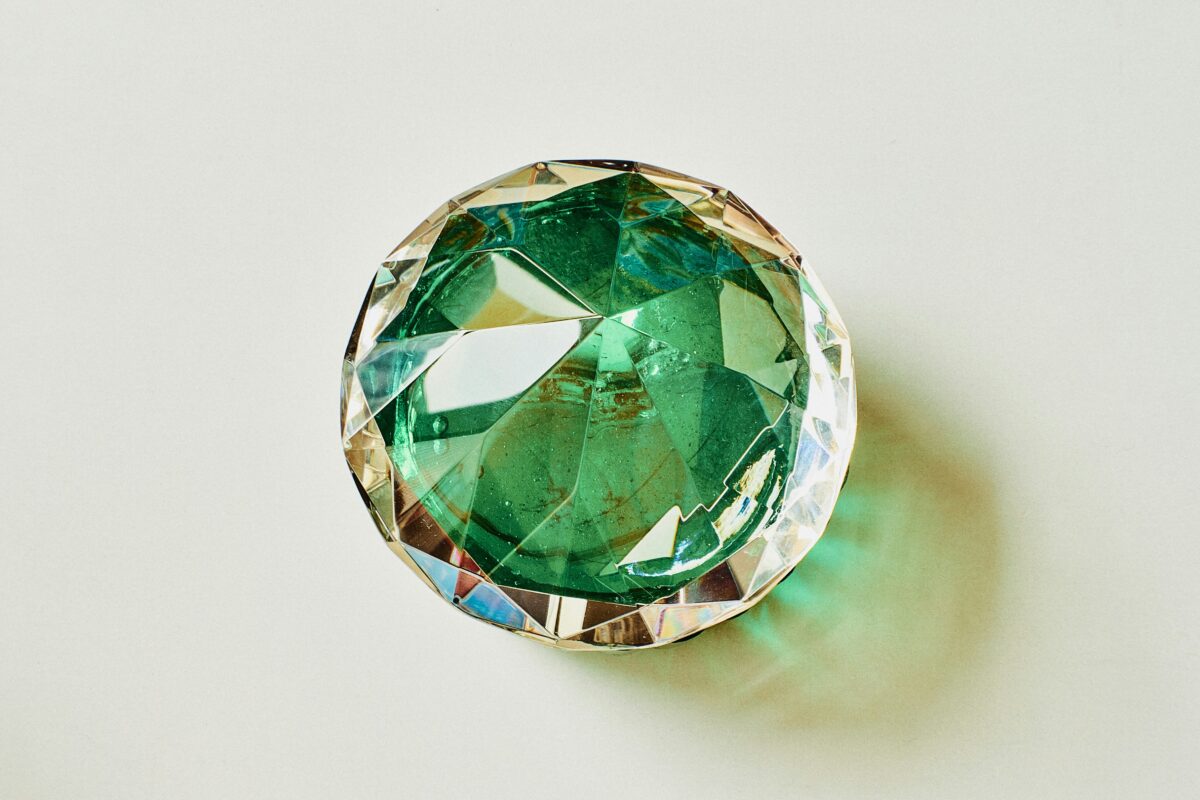
Diamonds are familiar as luxury items, but their high value by weight comes from a combination of geological rarity and cultural demand. Natural diamonds form under extreme pressure deep within the Earth and reach the surface only through rare volcanic processes.
Gem-quality stones command the highest prices, particularly those with exceptional clarity, color, and cut. While industrial diamonds exist in abundance, they do not approach the value of stones intended for jewelry.
Even so, diamond pricing reflects perception as much as physics. Their value persists because they are difficult to replace culturally, not because they are the rarest material on the planet.
Tritium

Tritium is a radioactive form of hydrogen used in research, lighting, and fusion experiments. It does not exist in large quantities in nature and must be produced artificially, often within nuclear facilities.
Its expense stems from both production difficulty and limited shelf life. Tritium decays over time, which means it cannot be stored indefinitely. This constant loss requires ongoing production, keeping costs high.
Still, tritium remains essential in certain scientific and industrial contexts. Its value lies in function rather than collectability.
Taaffeite
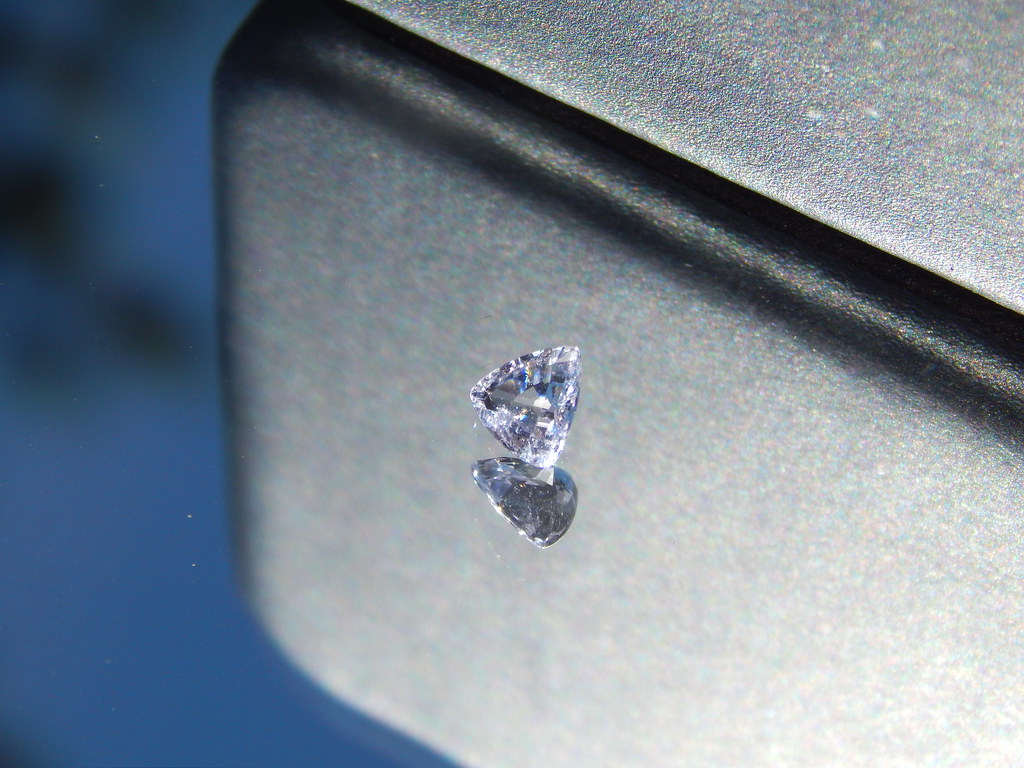
Taaffeite is one of the rarest gemstones ever identified, initially discovered by accident when a gem dealer noticed unusual optical properties in a cut stone. Unlike most gems, taaffeite is found only in tiny quantities and rarely in sizes suitable for jewelry.
Its scarcity far exceeds that of diamonds, yet it remains relatively unknown outside specialist circles. That lack of fame does not diminish its value by weight, which can exceed many better-known stones.
On the other hand, taaffeite illustrates how obscurity can coexist with extreme rarity. Value does not always require widespread recognition.
Plutonium
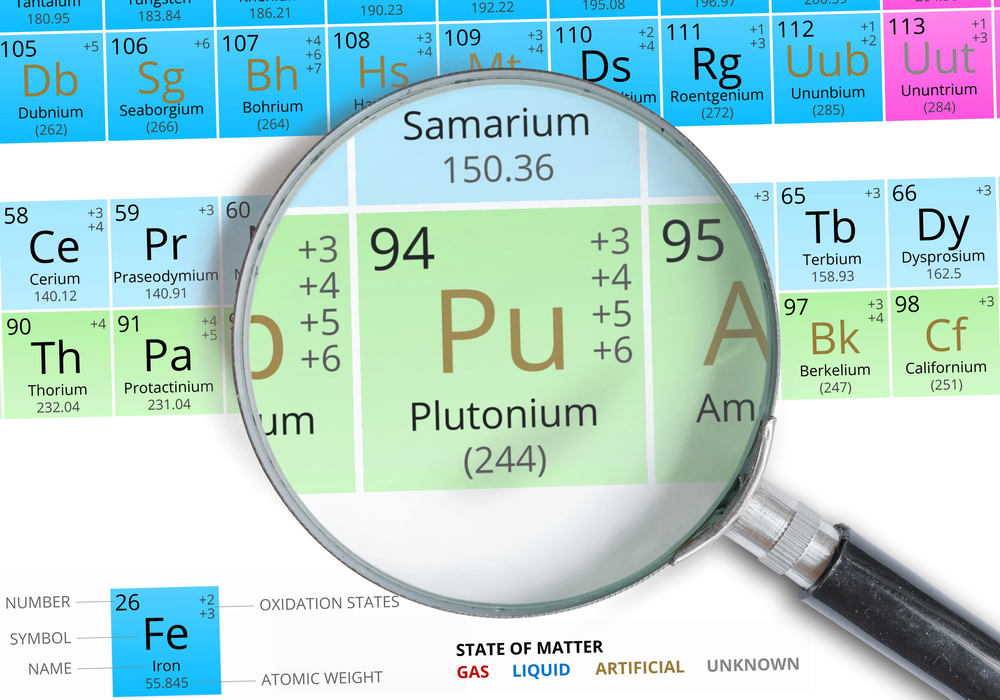
Plutonium is another synthetic element whose value reflects production complexity rather than market exchange. It is created in nuclear reactors through controlled processes that demand time, expertise, and regulatory oversight.
While plutonium has limited civilian applications, it plays a role in energy research and specialized scientific fields. Its handling requires extensive safety measures, which add to its effective cost.
That said, plutonium’s value is rarely expressed in open markets. Like antimatter, it is better understood as a measure of effort and constraint than a traditional commodity.
Painite
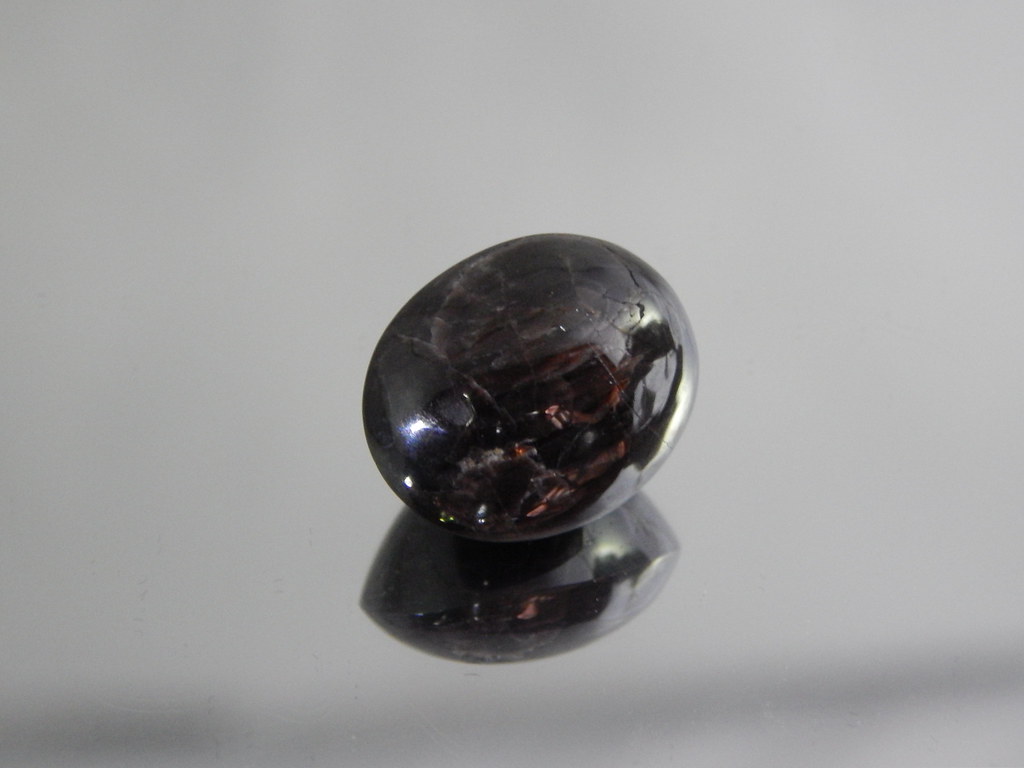
Once considered the rarest mineral on Earth, painite was known from only a handful of specimens for decades. Its reddish-brown crystals contain a unique combination of elements rarely found together.
Although more examples have been discovered in recent years, high-quality specimens remain scarce. Painite’s value by weight reflects both its rarity and its significance to mineral collectors.
Even so, its appeal is largely academic and aesthetic. Painite is prized not for utility, but for the story it tells about geological chance.
Rhodium
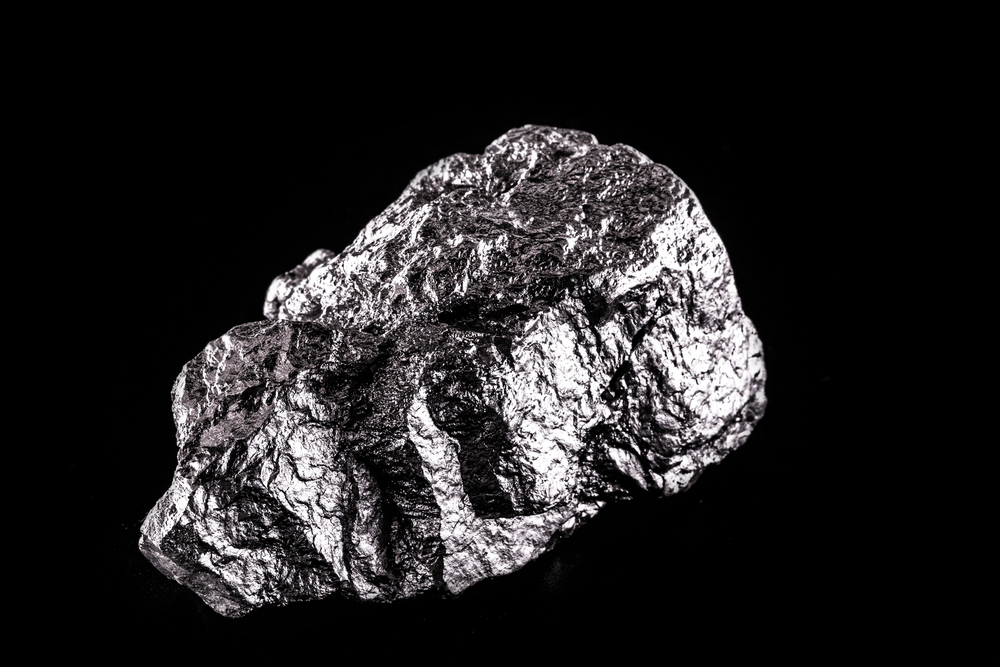
Rhodium is a precious metal used primarily in catalytic converters and advanced industrial applications. It is exceptionally rare, typically found only as a byproduct of platinum mining.
Prices fluctuate sharply because supply cannot be easily increased to meet demand. When industrial needs rise, rhodium’s value can surge dramatically, making it one of the most expensive metals by weight.
Still, its worth is tied directly to usefulness. Unlike gemstones, rhodium’s value depends on what it can do rather than how it looks.
Red Diamonds
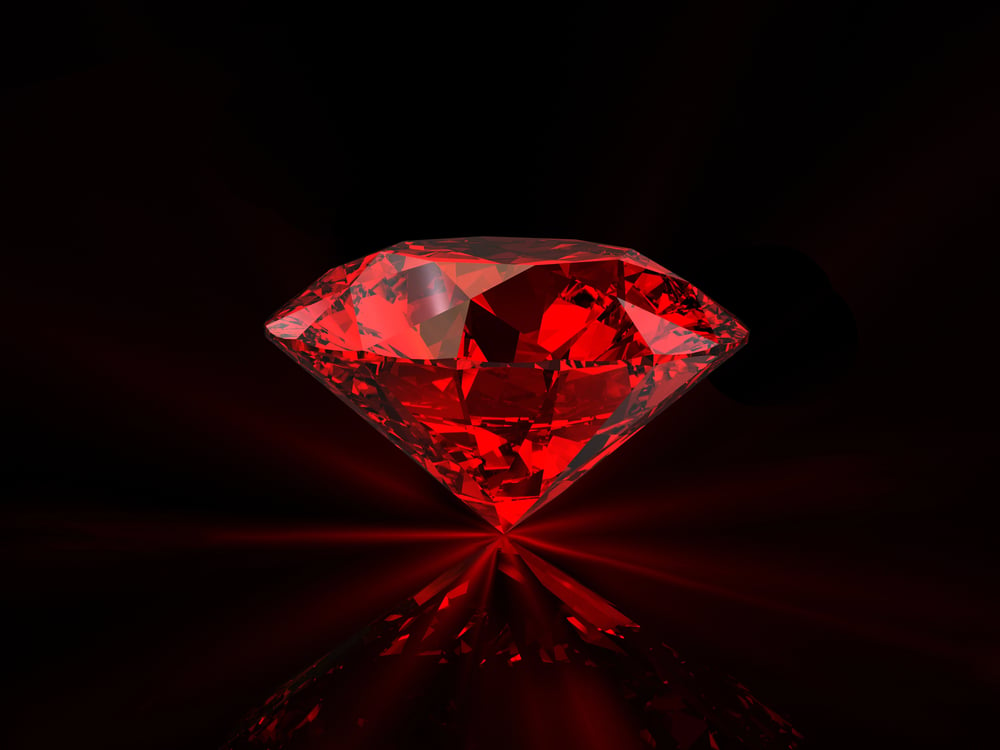
Among diamonds, red stones stand alone. Their color is caused by a rare distortion in the crystal lattice, not by chemical impurities.
This structural anomaly is so uncommon that only a tiny number of natural red diamonds exist. Their value by weight can surpass almost any other gemstone, especially when color intensity is high.
Most are small, which only increases their mystique. That said, red diamonds demonstrate how rarity within rarity can amplify value dramatically.
Even familiar materials can reach extraordinary prices under the right conditions.
Aerogel

Aerogel is sometimes called frozen smoke due to its translucent appearance and ultra-low density. It is produced by removing liquid from a gel without collapsing its structure, a process that requires precise control.
While not expensive in bulk for industrial forms, high-purity aerogels designed for aerospace and research applications can be extremely costly by weight. Their ability to insulate against extreme temperatures makes them invaluable in specialized environments.
On the other hand, aerogel’s value reflects engineering sophistication rather than rarity. It shows how process complexity can rival natural scarcity.
Gold
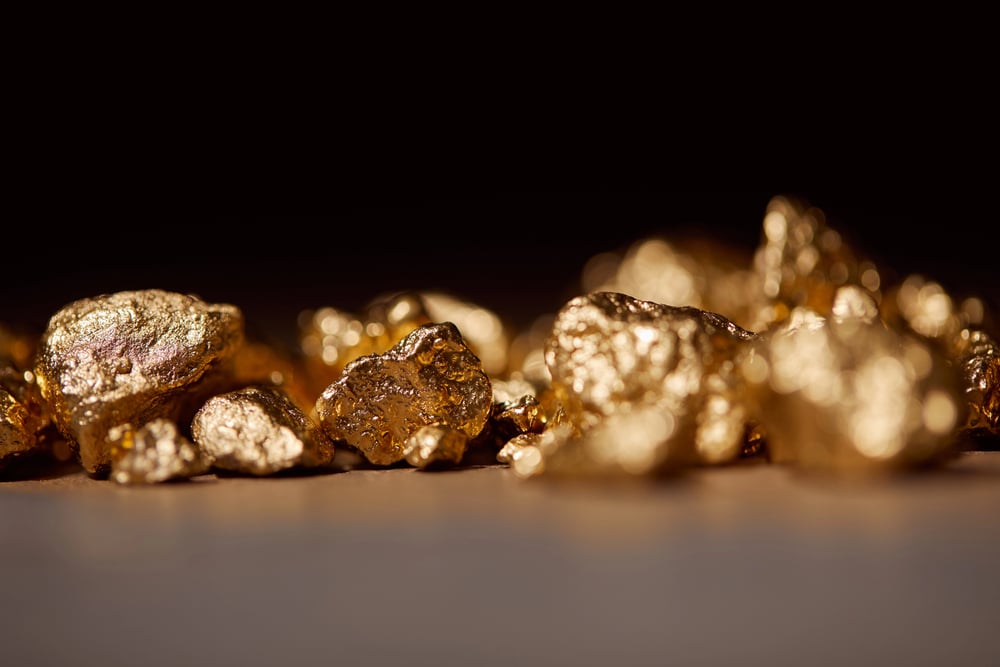
Gold remains one of the most recognizable expensive substances by weight. Its value comes from durability, malleability, and long-standing cultural trust as a store of wealth.
Unlike many substances on this list, gold is traded openly and consistently. Its price reflects global markets rather than production difficulty alone.
Still, gold earns its place here because it bridges worlds. It is both ancient and modern, symbolic and practical, rare yet familiar.
Why Price by Weight Tells a Bigger Story

Looking at substances by weight reveals a different perspective on value. The most expensive materials are often invisible to everyday life, used sparingly or not at all outside laboratories and vaults.
Their cost reflects boundaries, whether technological, geological, or energetic. These substances remind us that scarcity takes many forms.
Sometimes it comes from nature’s refusal to produce more. Other times it emerges from human limits in creating or controlling matter.
In a world driven by scale and speed, the most expensive substances by weight show that true value often lives at the smallest margins.
More from Go2Tutors!

- The Romanov Crown Jewels and Their Tragic Fate
- 13 Historical Mysteries That Science Still Can’t Solve
- Famous Hoaxes That Fooled the World for Years
- 15 Child Stars with Tragic Adult Lives
- 16 Famous Jewelry Pieces in History
Like Go2Tutors’s content? Follow us on MSN.