Colors Once Banned for Commoners
Throughout history, rulers found ways to set themselves apart from everyone else. They built bigger palaces, wore heavier crowns, and claimed divine authority.
But one of the subtler methods involved something most people take for granted today: color. Wearing the wrong shade could land you in serious trouble.
Laws restricted certain colors to the elite, and breaking these rules meant fines, imprisonment, or worse.
Purple Meant Power in Ancient Rome

The Romans obsessed over Tyrian purple. This color came from sea snails found along the Mediterranean coast, and it took thousands of these creatures to produce even a small amount of dye.
The expense alone put it out of reach for most people, but emperors took things further. They passed laws reserving the deepest, richest purposes exclusively for imperial use.
If you showed up to the forum wearing a toga dyed in true Tyrian purple, you weren’t just making a fashion mistake. You were committing a crime against the state.
The punishment varied depending on who caught you and what mood they were in, but nobody wanted to test those limits.
Chinese Emperors Claimed Yellow
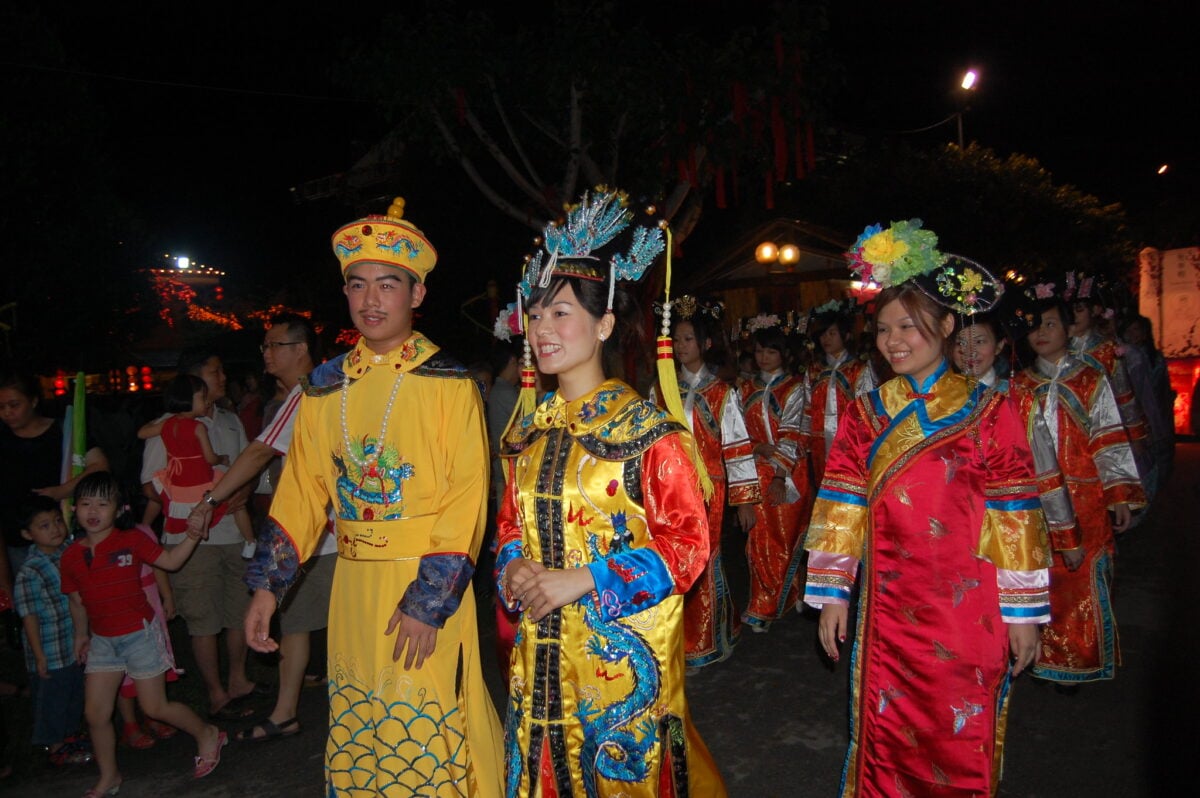
Imperial yellow became the exclusive property of Chinese emperors during the Tang Dynasty. This wasn’t just any yellow but a specific bright shade that required precise dyeing techniques.
The color represented the earth and the center of the universe, which emperors believed they ruled over. Commoners caught wearing this shade faced severe consequences.
The laws stayed in place for centuries, lasting well into the Qing Dynasty. Even nobles had to be careful about which yellows they chose for their clothing.
Medieval Europe Had Complex Color Codes
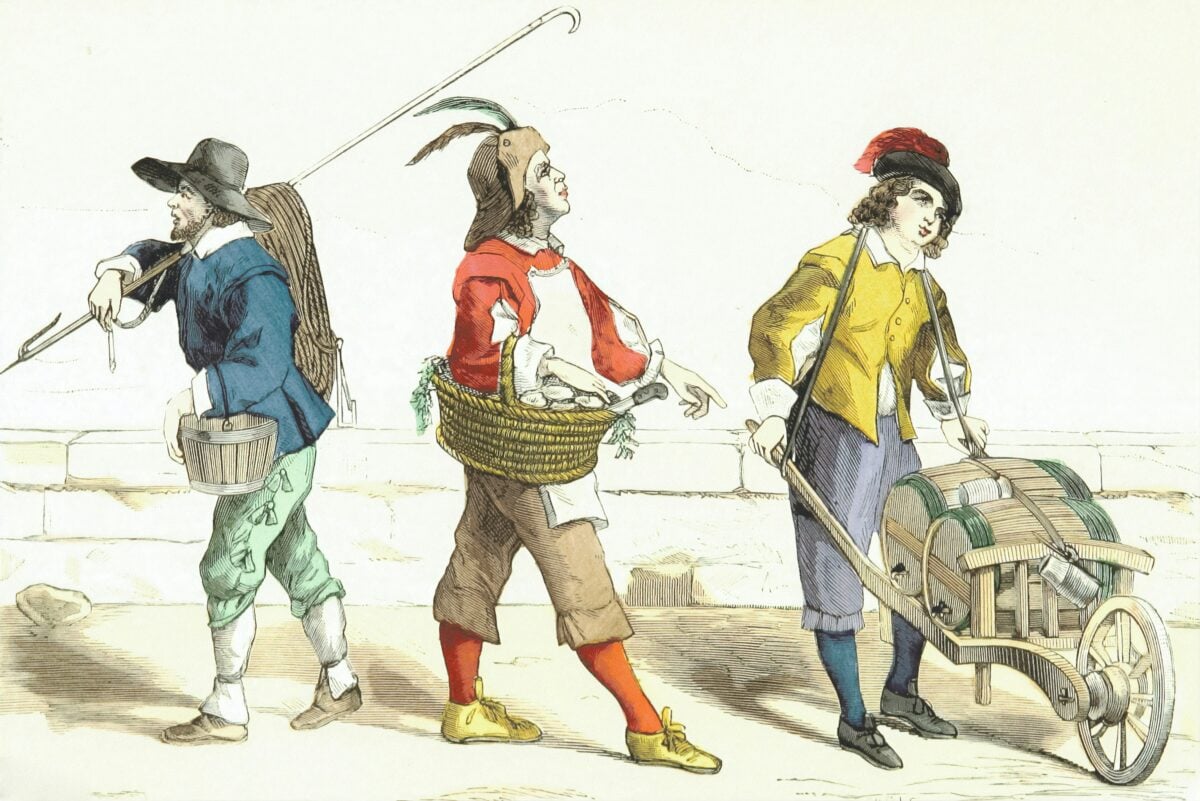
European sumptuary laws during the Middle Ages created a complicated system. Different regions had different rules, but the general principle remained the same.
Your social class determined what colors you could wear. Purple stayed restricted in many places, echoing Roman traditions.
But other colors also came with rules. Certain reds, specific blues, and even particular shades of green got reserved for nobility.
Merchants and craftspeople had their own permitted palette, while peasants wore browns, grays, and undyed fabrics.
England Banned Certain Purples and Crimsons

English law got specific about which members of society could wear which shades. Purple velvet belonged exclusively to the royal family.
Crimson velvet went to higher nobility. Lesser nobles got their own approved colors, creating a visual hierarchy anyone could read at a glance.
These laws served multiple purposes. They maintained social order, made it easier to identify someone’s rank, and protected domestic textile industries by restricting imports of expensive foreign dyes.
The Byzantine Empire Protected Imperial Purple

After Rome fell, Byzantine emperors continued the purple tradition with even stricter enforcement. They controlled the production facilities where Tyrian purple got made.
Guards protected these workshops, and revealing the dyeing process to outsiders counted as treason. Only the emperor could wear garments entirely dyed in this color.
Even high-ranking officials needed permission to use purple trim or accents. The newborn children of emperors got wrapped in purple cloth, announcing their royal status from birth.
Japanese Rulers Restricted Deep Purples

Japan developed its own system of color restrictions during the Nara and Heian periods. The deepest, most saturated purples belonged to the imperial family and highest-ranking courtiers.
The exact regulations changed over time, but the general principle stayed consistent. Creating these purples required expensive imported dyes and skilled craftspeople.
The rarity of the color made it a natural choice for marking elite status. Common people wore simpler colors derived from local plants and minerals.
Venetian Laws Controlled Red Dyes

Venice passed detailed laws about who could wear certain reds. The city-state’s position as a trading hub meant access to expensive dyes from around the world, but that access came with restrictions.
Specific shades of scarlet and crimson got reserved for government officials and wealthy merchants who’d earned the right through service or purchase. The laws changed frequently as Venice tried to balance sumptuary restrictions with its commercial interests.
Too many restrictions hurt the textile trade. Too few undermined the social order.
France Made Purple a Noble Privilege

French kings reserved purple for themselves and their closest family members. The color appeared in royal portraits, throne rooms, and ceremonial garments.
Nobles could sometimes obtain permission to use purple accents, but full purple garments stayed off limits. These restrictions extended beyond clothing to include tapestries, furniture coverings, and other textiles.
Even wealthy merchants who could afford the expensive dyes couldn’t legally use them without facing penalties.
Scotland Had Its Own Color Hierarchies

Scottish clan systems included color restrictions based on social rank. The number of colors in your tartan indicates your status.
Common people stuck to simple patterns with few colors, while chiefs and their families wore complex designs with many shades. These weren’t formal laws in most cases but strong social customs that everyone understood and followed.
Breaking these customs meant social consequences that could affect your entire family.
Gold and Silver Threads Stayed Exclusive
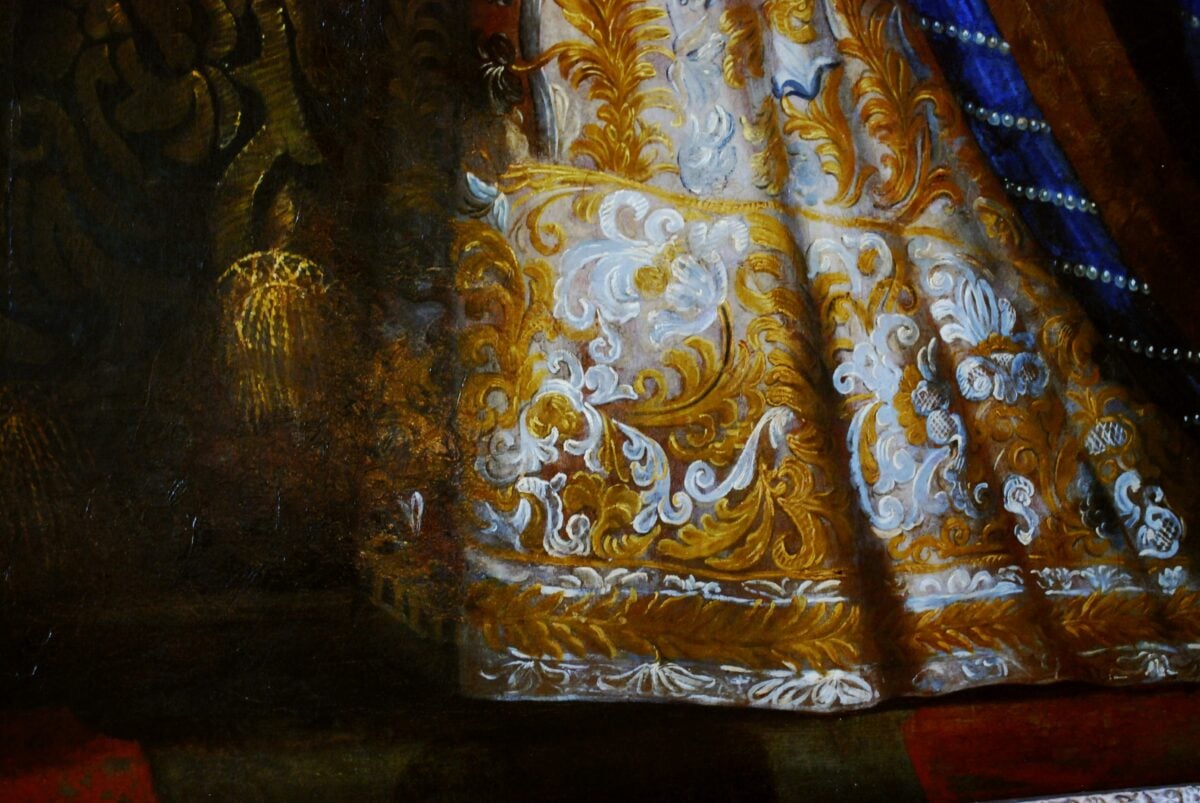
Beyond specific colors, metallic threads came with their own restrictions across many cultures. Gold and silver threads required actual precious metals, making them expensive.
But laws often went beyond economics, reserving these materials for royalty and high nobility even when wealthy merchants could afford them.
Ottoman Empire Regulated Red and Purple

Ottoman sumptuary laws controlled who could wear certain shades of red and purple. The sultan and his immediate family had exclusive rights to specific colors.
High-ranking officials got their own approved palette, while merchants, craftspeople, and common people faced clear restrictions. The empire’s vast territory and long history meant these laws evolved over centuries.
Different regions sometimes had slightly different interpretations, but the basic hierarchy remained recognizable throughout Ottoman lands.
Dye Scarcity Reinforced Restrictions
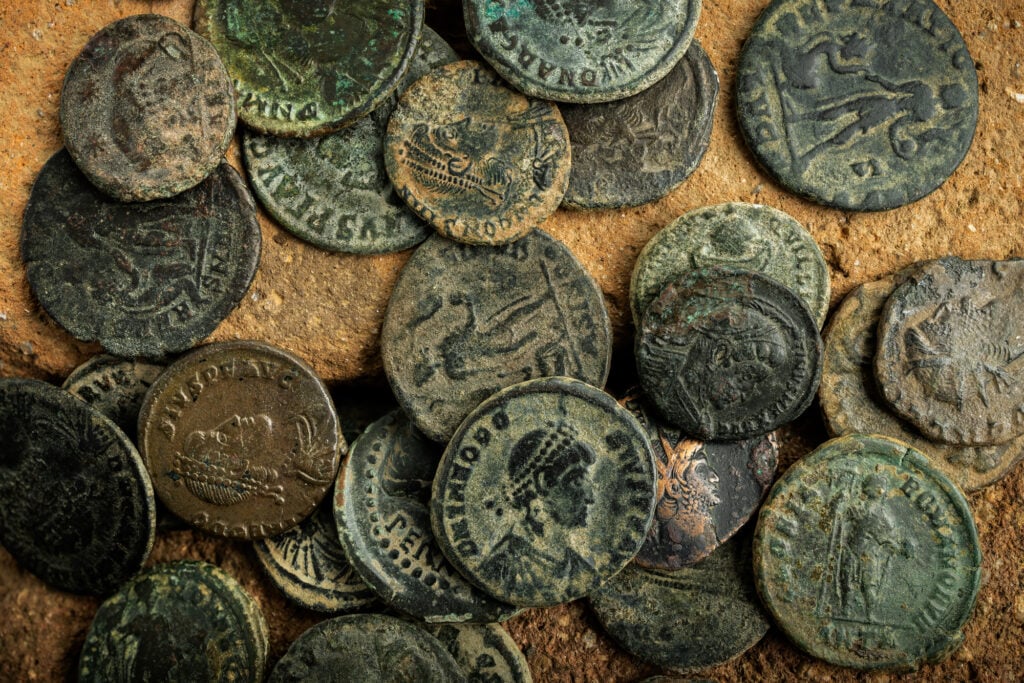
Many color restrictions started for practical reasons. Rare dyes cost enormous amounts of money.
A pound of Tyrian purple dye could cost more than a worker earned in a year. Cochineal red, indigo blue, and other prized colors required imports from distant lands or labor-intensive processing.
Rulers turned economic reality into a legal mandate. By restricting access to expensive colors, they ensured visual markers of status that everyone could recognize.
The laws transformed luxury into exclusive privilege.
Enforcement Methods Varied Widely

How did authorities enforce color restrictions? Methods ranged from social pressure to legal penalties.
In small communities, neighbors reported violations. In cities, officials conducted inspections of clothing and textiles. Punishments included fines calibrated to the severity of the offense. Repeat offenders faced harsher consequences including imprisonment.
In extreme cases, particularly for those who impersonated royalty through their clothing choices, execution remained possible though rare.
When the Rules Started Breaking Down

The rigid rules around who could wear what shades started falling apart in the Renaissance era – then later in early modern times. As merchants got richer, they pushed back against clothing limits.
With more folks able to afford banned dyes, authorities struggled to keep control. Back in the 1800s, fake dyes started spreading – this wrecked the old rules entirely.
Once even regular folks could buy purple, red, or bold yellow clothes, keeping social ranks by color just didn’t hold up anymore. Rules got dropped; still, hints of those meanings stayed around in suits and big events.
The Fabric of Authority

Back then, color rules weren’t just about looks or keeping people in line. Instead, they showed how influence often relies on signs you can actually see.
Take a purple toga – no need to speak, it shouted rank right away. Even if folks didn’t share a tongue or class, the message got through fast. You can rock whatever shade you feel like these days – no need to ask or worry about status.
Yet traces stick around when folks get dressed up, pick flag tones, or go for outfits that whisper wealth or classiness. Old rules are gone, sure – but those vibes? They’re still hanging on.
More from Go2Tutors!

- The Romanov Crown Jewels and Their Tragic Fate
- 13 Historical Mysteries That Science Still Can’t Solve
- Famous Hoaxes That Fooled the World for Years
- 15 Child Stars with Tragic Adult Lives
- 16 Famous Jewelry Pieces in History
Like Go2Tutors’s content? Follow us on MSN.