Tech Giants That Started in Garages
Some of the biggest companies in the world began in the most humble places imaginable. Cramped garages, cluttered basements, and tiny dorm rooms became the birthplaces of businesses now worth billions of dollars.
These origin stories prove that great ideas don’t need fancy offices or massive budgets to get started. Here are the tech companies that launched from garages and changed the world forever.
Apple

Steve Jobs and Steve Wozniak built the first Apple computers in the Jobs family garage in Los Altos, California, back in 1976. The duo assembled circuit boards by hand and sold them to local computer hobbyists who wanted to tinker with the new technology.
Jobs convinced Wozniak to quit his job at Hewlett-Packard so they could focus full-time on their garage operation. The Apple I computer sold for $666.66, and they made about 200 units in that cramped space before moving to a real office.
That garage is now considered a historical site in Silicon Valley, even though the current owners still live there and use it for parking.

Larry Page and Sergey Brin rented a garage in Menlo Park, California, in 1998 to turn their Stanford research project into a real business. The landlord was Susan Wojcicki, who later became the CEO of YouTube after Google bought it.
The garage had barely enough room for a few servers, some desks, and the two founders working late into the night. Google’s first employee worked out of that garage too, helping build the search engine that would eventually dominate the internet.
Wojcicki eventually sold the house to Google, and the company now owns this piece of its history.
Amazon

Jeff Bezos started Amazon in the garage of his rented house in Bellevue, Washington, in 1994. He was selling books online before most people even knew what the internet was or trusted buying things through a computer.
Bezos held meetings around a door he turned into a desk, which became a symbol of the company’s scrappy beginnings. The garage operation grew so fast that Bezos had to move the business to a real warehouse within just a few months.
That door desk idea stuck around, and Amazon still uses them in offices as a reminder of where they came from.
Microsoft

Bill Gates and Paul Allen didn’t actually start Microsoft in a garage, but they did launch it from a pretty small place. The duo founded the company in Albuquerque, New Mexico, in 1975 after dropping out of college to pursue their software dreams.
They worked out of a cheap motel room and a tiny office, writing code for the Altair 8800 computer. Gates was only 20 years old when he co-founded what would become one of the most valuable companies on the planet.
The company eventually moved to Washington State, where it grew into the software giant everyone knows today.
Disney

Walt Disney and his brother Roy started their animation studio in their uncle’s garage in Los Angeles in 1923. The Disney Brothers Studio produced short cartoons in that cramped space with just a camera, some basic animation equipment, and a lot of ambition.
Walt Disney lived with his uncle while working on early projects like the Alice Comedies. The garage studio was where Disney created the foundation for what would become a global entertainment empire.
That small space in Hollywood eventually led to Mickey Mouse, theme parks, and a company that now owns half of the entertainment industry.
Hewlett-Packard

HP is the company that basically started the whole garage startup tradition in Silicon Valley. Bill Hewlett and Dave Packard founded their electronics company in a garage in Palo Alto, California, in 1939.
Their first product was an audio oscillator that they sold to Walt Disney Studios for use in the movie Fantasia. The garage where they worked is now officially designated as the birthplace of Silicon Valley and has a plaque on it.
HP grew from that 12-by-18-foot garage into a tech giant that makes everything from printers to computers.
Mattel

Mattel started in a garage workshop in Southern California in 1945, making picture frames out of scrap wood. Harold Matson and Elliot Handler founded the company, with Handler’s wife Ruth helping out in the business.
They started making dollhouse furniture from the leftover frame materials and realized toys were more profitable than frames. Ruth Handler later created the Barbie doll, which became one of the most successful toys in history.
The garage operation turned into a toy empire that now makes billions of dollars every year.
Harley-Davidson

Harley-Davidson built its first motorcycles in a tiny wooden shed in Milwaukee, Wisconsin, in 1903. William Harley and Arthur Davidson were barely out of their teens when they started tinkering with motorized bicycles.
The shed was so small they could barely fit one motorcycle inside while they worked on it. Their first factory-built motorcycle had an engine the size of a soup can and couldn’t make it up hills without pedal assistance.
That humble shed spawned a motorcycle brand that became synonymous with American freedom and rebellion.
Dell

A teenager named Michael Dell began tinkering with computers inside his university bedroom back in 1984. That same year, instead of following a medical path, he built machines tailored to local companies’ needs.
Though enrolled at the University of Texas, classrooms took a backseat to circuit boards and startup dreams. When he left school behind, his family did not exactly celebrate the choice.
Working from makeshift spaces, including garages, he pushed forward without traditional retail chains. By skipping stores altogether, prices dropped – making tech accessible beyond the wealthy few.
What started among textbooks and late-night coding soon expanded far beyond campus borders. Eventually, that small project became a global force in computing hardware.
Yankee Candle

One winter day in 1969, sixteen-year-old Mike Kittredge poured melted crayons into a jar at home, mixing in old wax bits found around the house. That homemade glow came together simply – he had no money for presents, just an idea to give something warm to his mom that holiday season.
Word spread after someone nearby noticed the handmade light and asked if they could have one too. From there, orders grew slowly – friends showed up, then relatives called, each order nudging him further down an unmarked path.
Soon enough, jars lined shelves where tools once hung, space shrinking until machines needed room beyond the garage walls. Factories took shape years later, flames multiplying far past what any single wick could predict.
Today, those flickering origins fuel aisles full of scent-filled containers moving by the truckload each year.
Lotus Cars
Back in the late 1940s, Colin Chapman began crafting race cars in a shed tucked behind his dad’s pub in North London. A student of engineering, he held a deep passion for speed which led him to tweak vehicles for sharper handling.
Instead of buying new machines, he rebuilt damaged ones – like the first Lotus, pieced together in a hired workshop from bits of a wrecked Austin 7. Because of his fresh ideas and obsession with low weight, car making changed dramatically.
What grew out of that cramped space eventually became known worldwide, shaping elite sports models and claiming top spots in Formula One.
Nintendo

Nintendo started way back in 1889 making playing cards in Kyoto, Japan, in what was basically a small workshop. The company stayed relatively small for decades, making cards and toys from modest facilities.
It wasn’t until the 1970s and 1980s that Nintendo got into video games and became a global powerhouse. The humble beginnings in that small Japanese workshop led to Mario, Zelda, and systems that changed gaming forever.
Nintendo’s journey from cards to consoles shows that companies can completely reinvent themselves over time.
Maglite
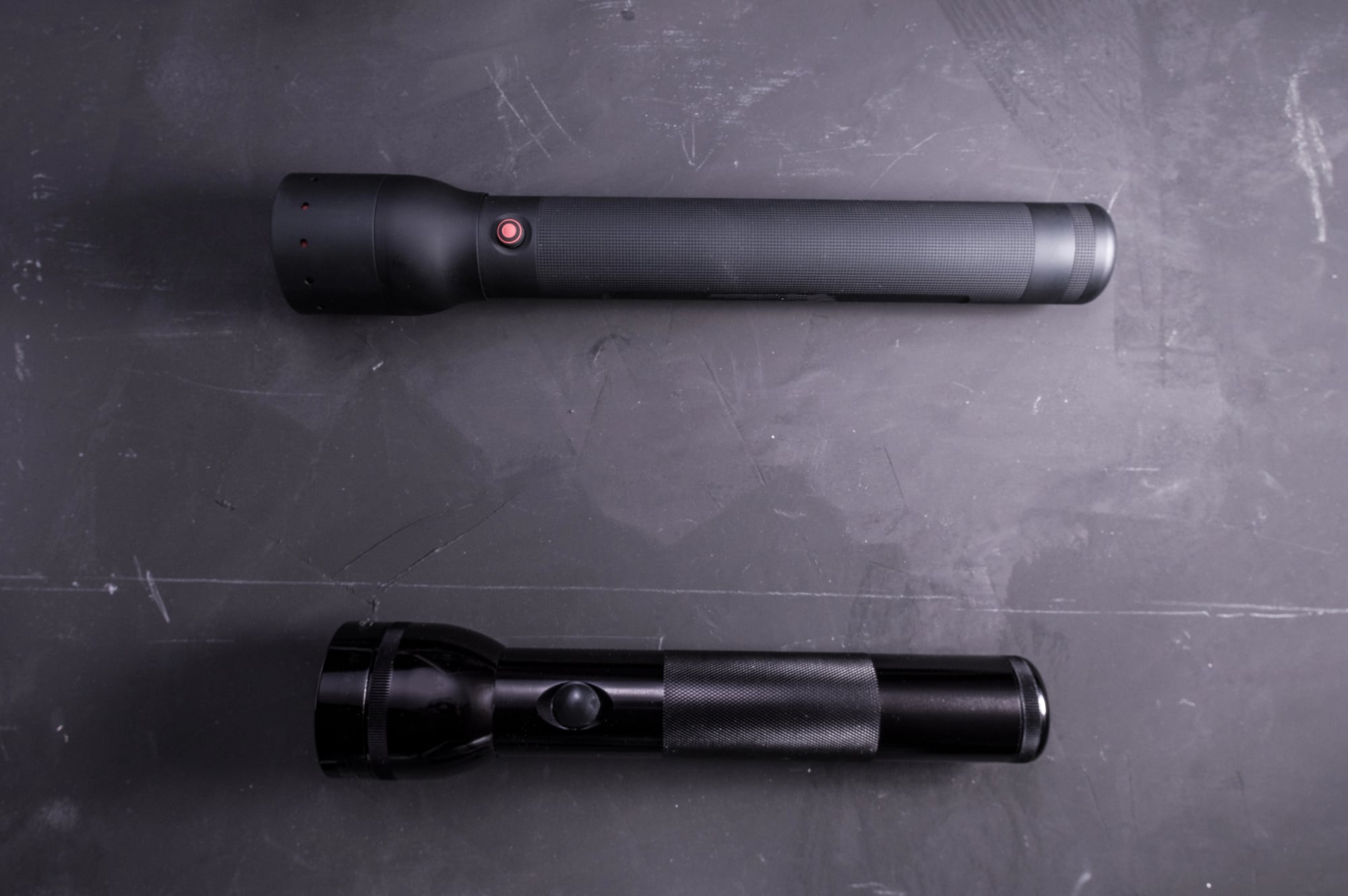
Tony Maglite founded Mag Instrument in his garage in Los Angeles in 1979 to make high-quality flashlights. He was frustrated with cheap flashlights that broke easily and wanted to create something better.
Maglite designed a nearly indestructible aluminum flashlight that became standard equipment for police and security officers. The garage operation grew as law enforcement agencies across America started ordering his products.
Those iconic black flashlights that double as self-defense tools started in a garage with one guy and a better idea.
The Kellogg Company

The Kellogg brothers didn’t start in a garage, but they did begin their cereal empire by accident in a sanitarium in Battle Creek, Michigan. They were trying to make granola in 1894 and accidentally left some wheat out too long, creating flaked cereal.
The brothers started selling their accidentally invented cornflakes from a small building, and it caught on fast. Their breakfast cereal idea went from a tiny operation to a global food company.
Sometimes the best innovations come from mistakes made in small spaces.
Under Armour

Kevin Plank started Under Armour in his grandmother’s basement in Washington, D.C., in 1996. He was a football player at the University of Maryland who got tired of sweaty cotton shirts during practice.
Plank started making moisture-wicking shirts in the basement and selling them out of his car to college teams. He maxed out credit cards and ran the business on almost no money for the first few years.
That basement operation grew into a sports apparel giant competing with Nike and Adidas.
Patagonia

A tiny shed close to the ocean in California held Yvon Chouinard’s first attempts at crafting climbing tools back in 1957. Teaching himself how to shape metal opened doors he had not expected.
Instead of copying others, he built pitons that lasted longer and worked smarter – climbers noticed right away. Sales happened wherever he went: parked cars, roadside stops, mountain trailheads along the coast.
Over time, jackets and pants joined the racks beside ropes and hardware. What began with hammer strikes turned into Patagonia – a name tied just as much to tough outerwear as it is to fighting climate harm.
From one quiet corner of sand and surf rose a business worth vast sums, yet still obsessed with protecting wild places.
GoPro
A surfer’s frustration sparked something real back in 2002. Inside a beat-up van, Nick Woodman sketched an idea on napkins before stitching it together – literally.
Months chasing waves across Australia and Indonesia showed him regular gear just wouldn’t cut it. So he rigged up a housing using scraps from a local shop, then sewed straps by hand like some DIY experiment gone right.
Cash came from selling handmade belts door to door along Pacific Coast Highway stops. That scrappy grind built what would become GoPro – a name now strapped to helmets, boards, and cliffs everywhere.
What began with thread and trial runs today rides alongside climbers, bikers, divers without saying a word. The whole thing feels oddly poetic when you think about it.
From Small Spaces To Global Reach

Out of small garages come stories nobody expects – drive plus vision often beat big budgets. Not every founder waited around for ideal setups or stacks of cash before beginning.
Instead, makeshift corners became labs where problems got solved step by step. Right this moment, some future leader might be tinkering in a shed, under stairs, inside a quiet room once meant for storage.
Simple roots? Sometimes those grow into things too large to predict.
More from Go2Tutors!

- The Romanov Crown Jewels and Their Tragic Fate
- 13 Historical Mysteries That Science Still Can’t Solve
- Famous Hoaxes That Fooled the World for Years
- 15 Child Stars with Tragic Adult Lives
- 16 Famous Jewelry Pieces in History
Like Go2Tutors’s content? Follow us on MSN.