Common ‘Facts’ About Animals That Are All Wrong
We’ve all heard them—those animal ‘facts’ that get repeated so often they just become accepted truth. Your teacher said it, your parents believed it, and you probably passed it along to someone else.
The thing is, a lot of what we think we know about animals is completely wrong. Some of these myths started from old folklore, while others were spread by movies or even well-meaning nature shows that got the science backward.
Here’s a list of animal myths that need to be retired for good.
Bulls Get Angry When They See Red
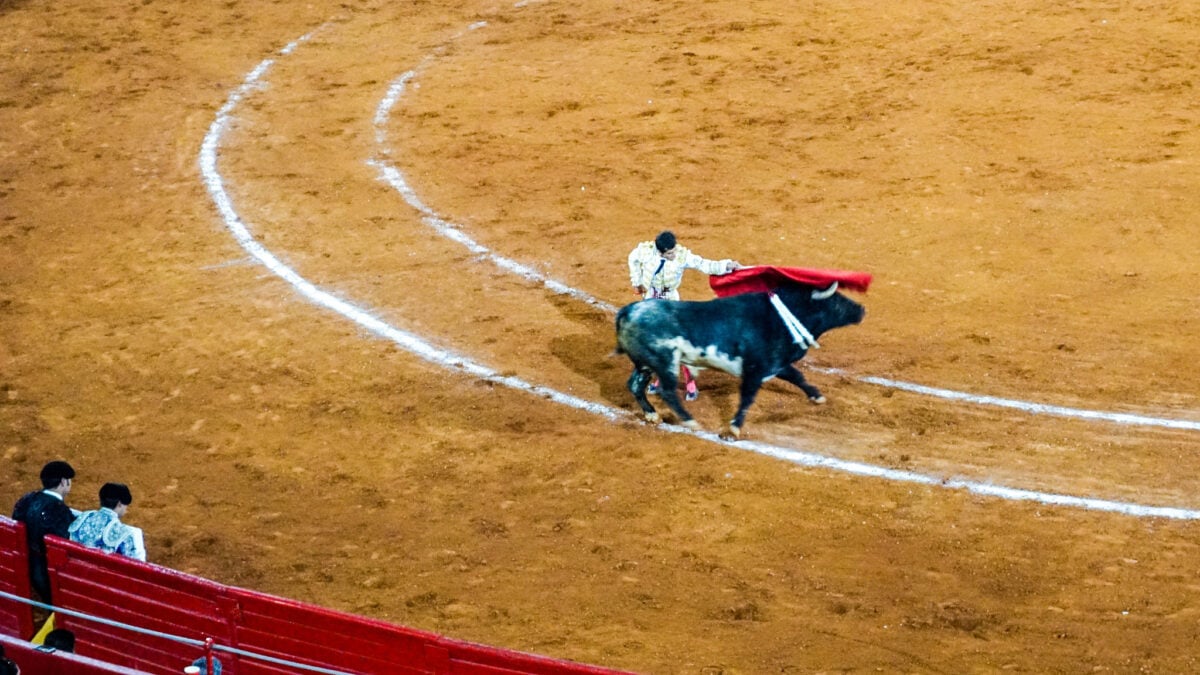
Bulls are actually red-green colorblind, so the red cape in bullfighting means absolutely nothing to them. What gets them riled up is the movement of the cape being waved around by a person in their space.
Matadors could use a blue, yellow, or polka-dotted cape and get the same result—the tradition of red is more about hiding bloodstains than triggering the bull.
Ostriches Bury Their Heads in Sand

Ostriches have never buried their heads in sand when scared, because suffocating yourself isn’t exactly a survival strategy. What they actually do is lie flat on the ground with their necks stretched out when they sense danger, which from a distance can look like their heads have disappeared.
They also regularly lower their heads to turn their eggs in ground nests, which might have added to the confusion.
Bats Are Blind

Bats can see just fine, thank you very much. They use echolocation because it’s incredibly effective for hunting insects in complete darkness, not because their eyes don’t work.
Some bat species actually have excellent night vision, and fruit bats rely heavily on their eyesight to find food.
Touching a Baby Bird Makes the Mother Reject It
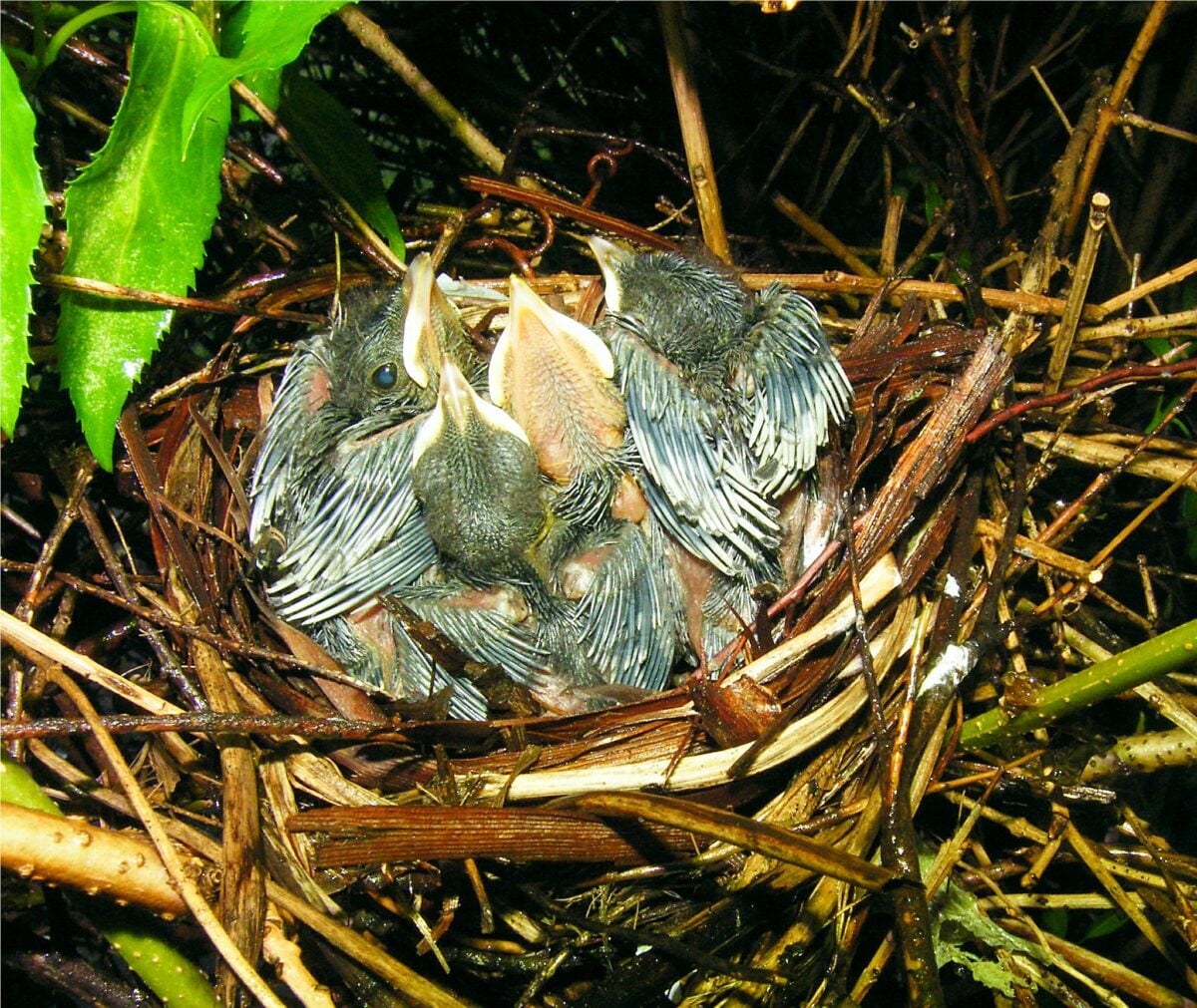
Most birds have a terrible sense of smell and won’t even notice if you’ve touched their baby. This myth has probably led to countless baby birds being left to die when they could have been safely returned to their nests.
The real reason mother birds might abandon a nest is if they feel the location has been compromised by predators—not because it smells like human hands.
Camels Store Water in Their Humps

Camel humps are packed with fat, not water. That fat gets metabolized when food is scarce, and the process does release some water as a byproduct, but the hump itself isn’t some biological water tank.
Camels are incredible at conserving water through other means, like their highly efficient kidneys and their ability to tolerate significant water loss before getting dehydrated.
Lemmings Commit Mass Self-Harm
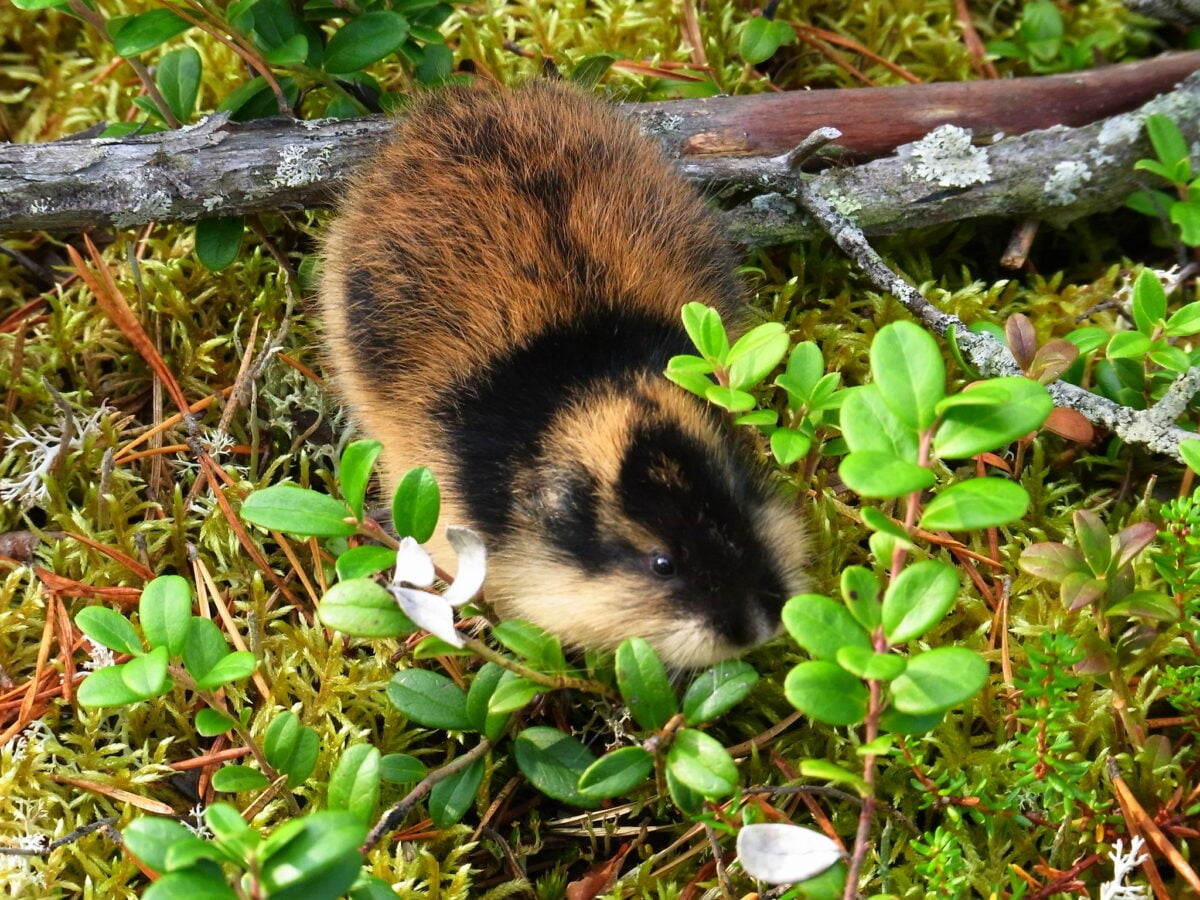
This is one of the cruelest myths because it was literally manufactured by a Disney documentary crew in 1958. They actually herded lemmings off a cliff and filmed it for the movie ‘White Wilderness,’ creating a myth that persists today.
Real lemmings do migrate in large groups and sometimes drown while crossing water, but there’s zero evidence they intentionally kill themselves.
Dogs Only Sweat by Panting

Dogs do sweat through glands in their paw pads, though panting is their primary cooling mechanism. You’ve probably noticed wet paw prints on a tile floor during summer—that’s dog sweat.
Panting is just way more efficient for them because of their fur coats, which would make sweating all over their bodies pretty pointless.
Sharks Are Immune to Cancer

Sharks absolutely get cancer, and this myth has led to people killing sharks for bogus supplements. The misconception started from a 1992 book claiming shark cartilage could cure cancer, but actual research has found tumors in sharks multiple times.
They might have lower cancer rates than some species, but they’re definitely not immune.
Daddy Longlegs Are the Most Venomous Spiders

First off, the common daddy longlegs (harvestmen) aren’t even spiders—they’re arachnids in a completely different order. They don’t have venom glands or fangs. There is a spider called a cellar spider that people sometimes call daddy longlegs, and while it does have venom, it’s harmless to humans and definitely not the most potent around.
Chameleons Change Color to Match Their Surroundings
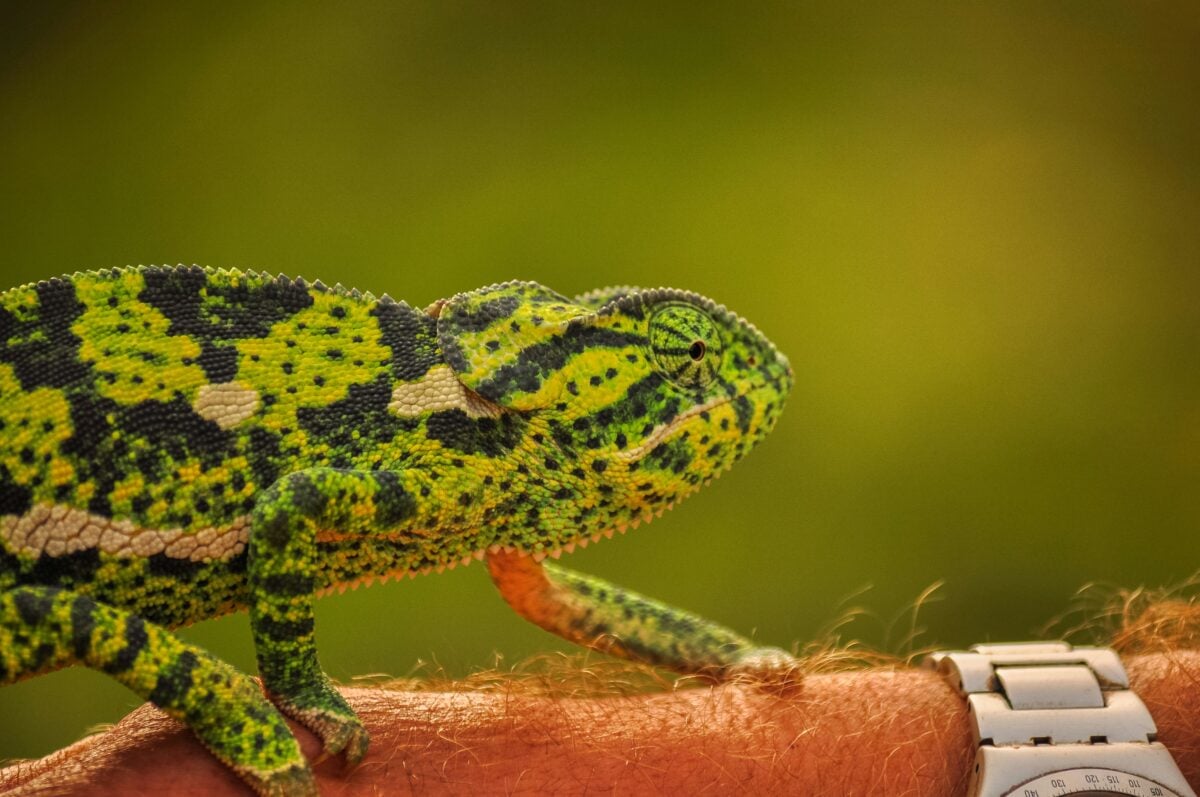
Chameleons change color primarily to communicate mood, attract mates, and regulate temperature. While their color changes can sometimes provide camouflage, they’re not consciously trying to blend in with whatever they’re sitting on.
A chameleon on a red cushion isn’t going to turn red—it’s going to turn whatever color reflects its current emotional or physical state.
Penguins Mate for Life

Some penguin species do stay with the same partner for multiple seasons, but many switch it up every year or even multiple times in a season. Emperor penguins, for example, might breed with the same partner one year and a different one the next.
The whole ‘mate for life’ thing is more romantic fiction than biological fact for most penguin species.
Mice Love Cheese

Given the choice, mice actually prefer grains, seeds, and sweet stuff over cheese. The cheese myth likely comes from the fact that cheese was commonly stored in homes before refrigeration, so mice encountered it often and ate it because food is food.
But if you’re setting a mouse trap, peanut butter works way better than cheese.
Opossums Hang from Trees by Their Tails

Adult opossums are way too heavy to hang by their tails for any length of time. Baby opossums can briefly dangle from their tails while learning to climb, but it’s not something they do regularly or that adults can manage.
Their tails are prehensile and help with balance and carrying nesting materials, but they’re not built for sustained hanging.
Elephants Are Afraid of Mice

There’s no scientific evidence that elephants fear mice any more than they fear other small, unexpected movements. Elephants have poor eyesight, so sudden movements from any small creature might startle them, but that’s different from having a specific mouse phobia.
This myth probably persists because the image of a massive elephant scared of a tiny mouse is inherently funny.
Touching Toads Gives You Warts

Warts are caused by the human papillomavirus, which you can only catch from other humans. Toads have bumpy skin that might look like warts, and some species do secrete mild toxins that can irritate your skin, but they’re not giving you warts.
This myth has probably led to a lot of unfair toad discrimination over the years.
Goldfish Grow to the Size of Their Tank

This gets repeated constantly, but it’s not the feel-good adaptation story people think it is. Goldfish in small tanks stay small because they’re essentially being stunted by poor water quality and stress, not because they’re intelligently adjusting to their environment.
In proper conditions, like a pond, common goldfish can reach over a foot long—they’re carp, after all.
Dogs Age Seven Years for Every Human Year

The real aging process is way more complex than a simple multiplication problem. Dogs mature rapidly in their first two years, then the aging rate depends heavily on their size and breed.
A giant dog breed might be elderly at seven, while a small dog could still be middle-aged. That seven-year rule is just too simplistic to mean anything useful.
The Myths That Stick
Animal myths spread so easily because they’re simple, memorable, and often confirm something we already want to believe. The truth is usually more complicated and less Hollywood-friendly than the legend.
But understanding how these creatures actually work makes them more impressive, not less—real animal behavior is fascinating enough without the made-up stories. Next time you hear one of these ‘facts’ at a dinner party, you’ll know better.
More from Go2Tutors!

- The Romanov Crown Jewels and Their Tragic Fate
- 13 Historical Mysteries That Science Still Can’t Solve
- Famous Hoaxes That Fooled the World for Years
- 15 Child Stars with Tragic Adult Lives
- 16 Famous Jewelry Pieces in History
Like Go2Tutors’s content? Follow us on MSN.