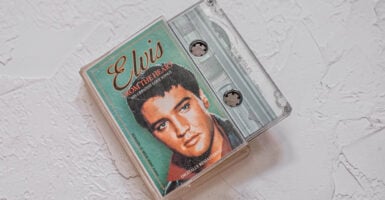
How Vinyl Records Made a Surprising Comeback
Remember when everyone said vinyl was dead? Technology experts confidently declared that CDs, then digital downloads, and finally streaming would bury the humble record forever.Yet here we are in 2025, watching vinyl sales shatter records that haven’t been broken in decades.
What’s behind this incredible resurrection story?Picture walking into a record store today and seeing teenagers carefully flipping through vintage albums alongside their parents. It’s a scene that would have seemed impossible just 20 years ago, when vinyl represented barely 0.2% of music sales.
But sometimes the most unexpected comebacks tell the most fascinating stories about who we are and what we truly value. Here are the remarkable factors that brought vinyl records back from near extinction to become a cultural phenomenon once again.
The Numbers Tell an Amazing Story
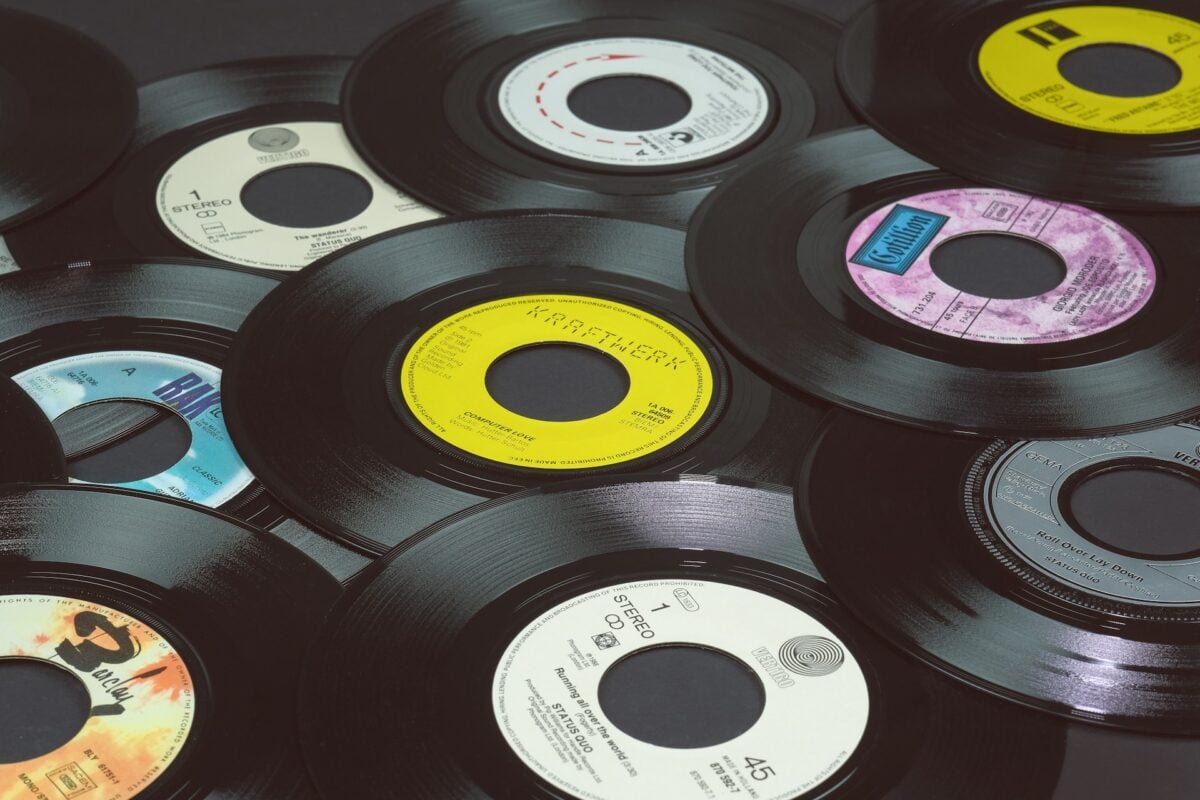
Ever wonder just how dramatic vinyl’s comeback really is? In 2022, vinyl records officially surpassed CDs as the most popular physical recorded music format for the first time since 1987, with 41.3 million units sold versus 33.4 million CDs.Think about that for a moment a format that was declared ‘dead’ in the 1990s actually outsold its supposed replacement.
Vinyl album sales in the United States have grown for the 17th consecutive year in 2023, with 43.2 million EPs/LPs sold.That’s not just a trend—it’s a sustained cultural shift that caught even industry experts off guard.
Since 2006, sales have grown from barely one million new vinyl albums to over 43 million units by 2023.Imagine any other ‘obsolete’ technology experiencing that kind of renaissance.
Young People Are Leading the Charge
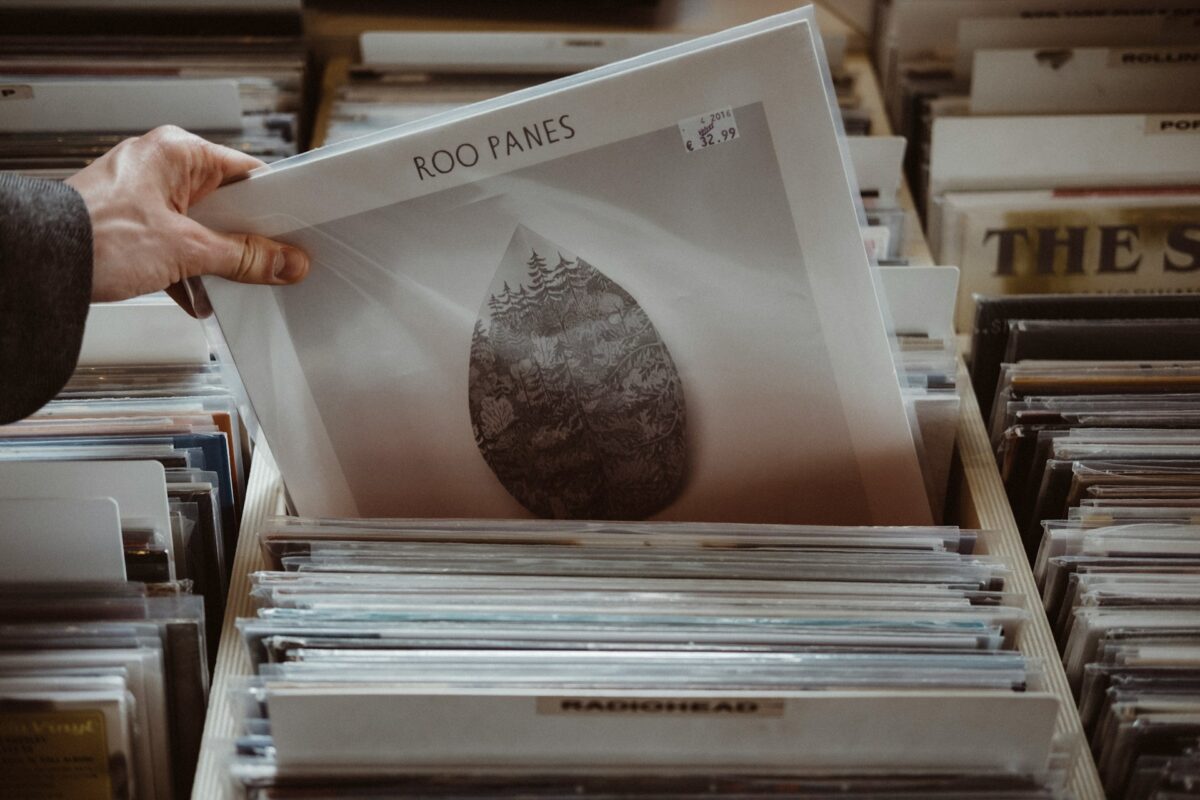
Who do you think is driving this vinyl revival? If you guessed nostalgic baby boomers, you’d be wrong.Fueled largely by millennial hipsters under the age of 35, the old, outdated format has risen from the dead.
Even more surprising? A quarter of all Gen Z kids say they’d shell out for a physical LP from their favorite artist.These are people who grew up with Spotify and Apple Music, yet they’re choosing to buy physical records.
When looking at independent record store buyers, 24% of consumers were 24 years old or younger and 41% were under 35 years old.Think about the beautiful irony here—the generation that has unlimited music at their fingertips is the same one investing in a format their grandparents used.
Like Go2Tutors’s content? Follow us on MSN.
It’s About the Experience, Not Just the Music
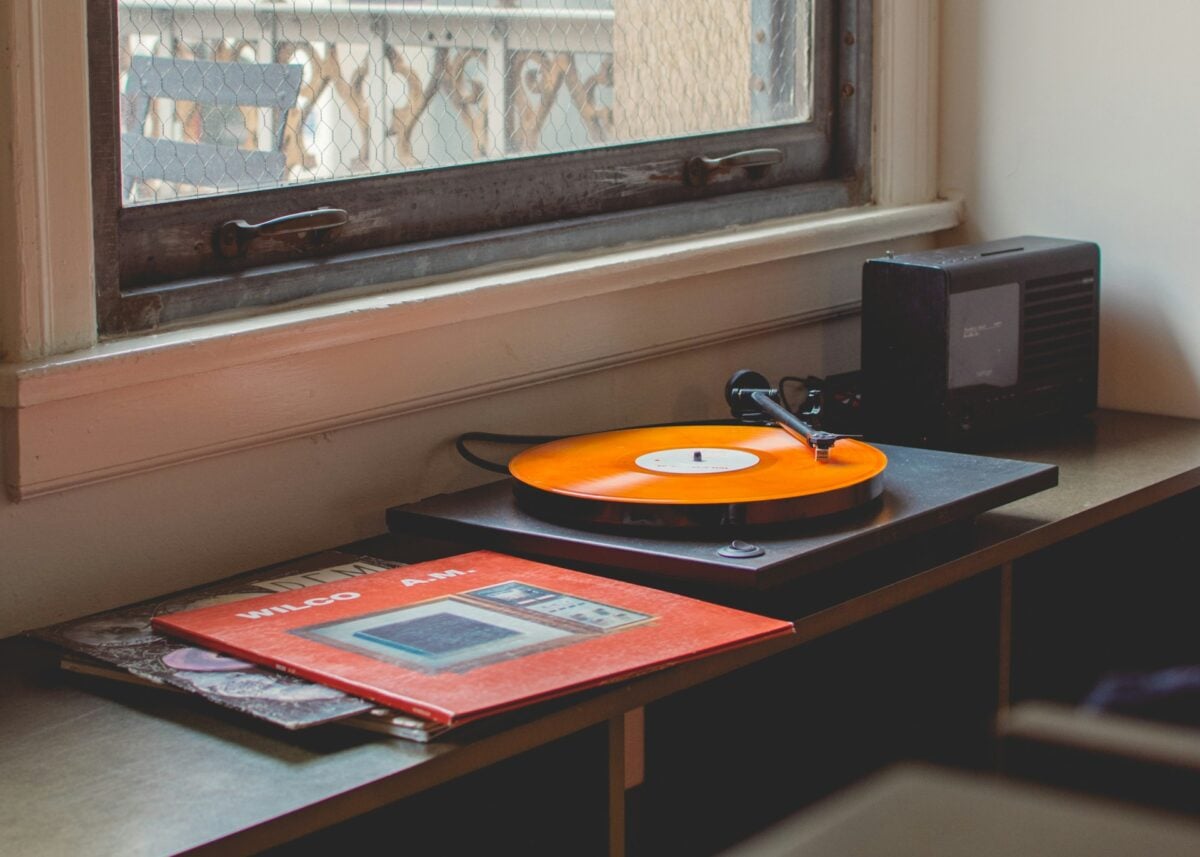
Have you ever noticed how different it feels to hold an album versus streaming a song? As my record-collecting teenage daughter explains, vinyl’s appeal is that it takes up space and forces you to look and listen.There’s something powerful about that observation. In our world of digital ephemera, vinyl demands presence and intention.
You can’t just skip through songs mindlessly—you have to engage with the entire experience. The ritual of dropping the needle, reading liner notes, and experiencing music as the artist intended creates a connection that streaming simply can’t replicate.
Deep listening, a normally solitary activity that leads one to seek a recording’s precise sonic details, can be obtained by experimenting with playback settings, equipment setup and other audible techniques.It’s like the difference between grabbing fast food and preparing a home-cooked meal—both satisfy hunger, but only one nourishes the soul.
Record Store Day Changed Everything
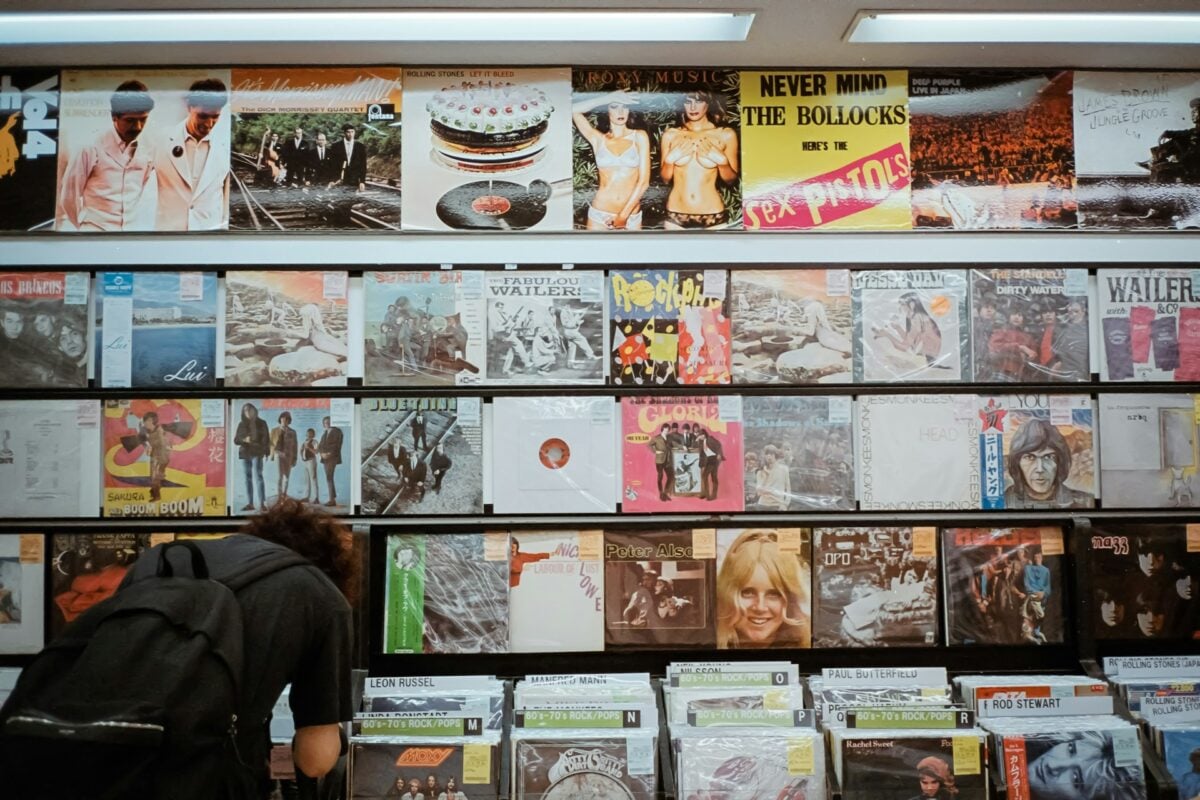
What happens when you turn shopping into an event? Record Store Day was launched in 2008 to celebrate and promote the unique culture of independent record stores in the US, and vinyl sales rose sharply in 2008, coinciding with the launch of Record Store Day.Suddenly, buying music became about community, discovery, and shared passion rather than just acquiring songs.
33% of all consumers who had purchased vinyl over the previous 12 months also went to an indie store on April 20, with 46% of those consumers under the age of 35.Think about how brilliant this was—creating scarcity and exclusivity around limited releases while bringing people together in physical spaces to celebrate music culture.
Independent Record Stores Became Cultural Hubs Again
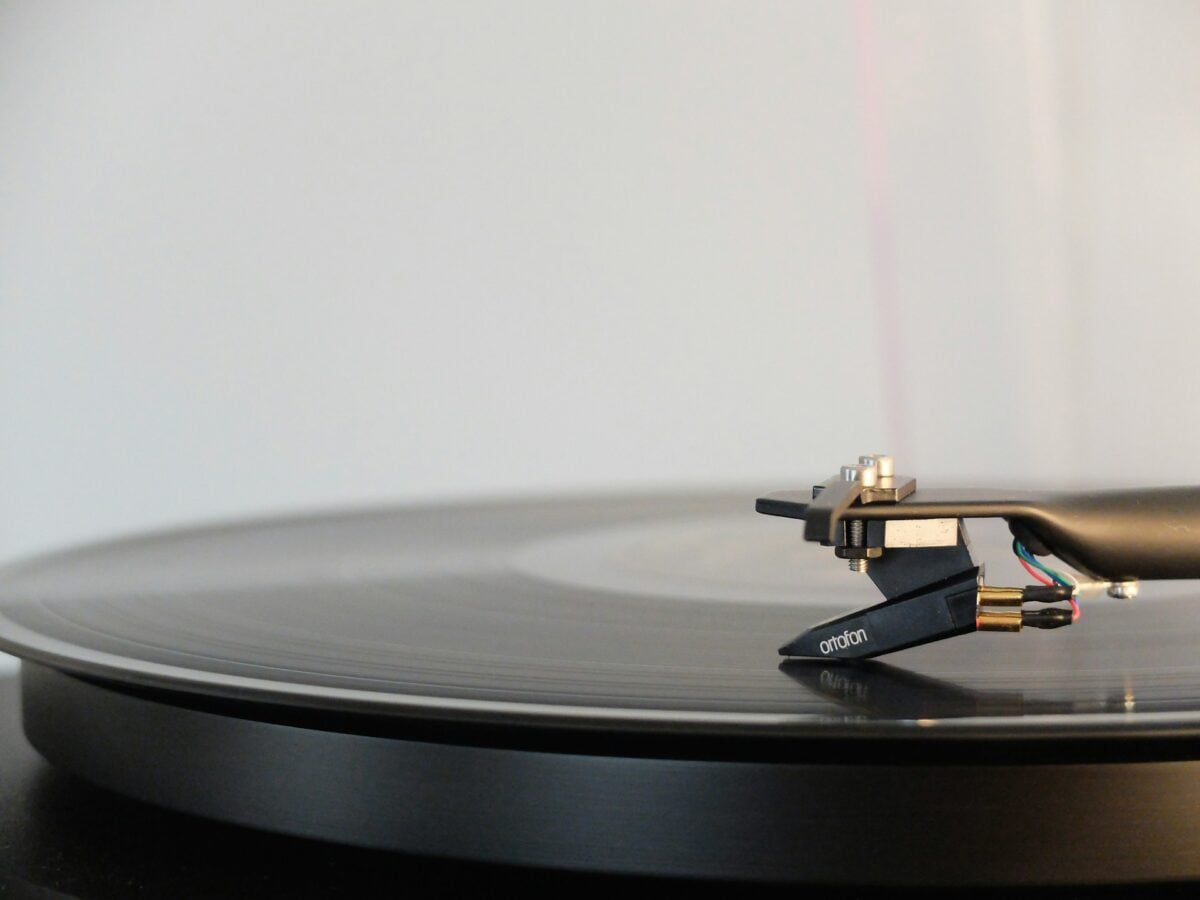
Remember when record stores were the heart of music communities? That magic has returned in a big way.Indie stores have sold tens of millions of records since 2016, representing nearly half the market.
These aren’t just retail spaces—they’re cultural gathering points where music lovers connect, discover new artists, and share their passion.Existing independent record stores that sometimes struggled to stay open during the rise of digital music are now thriving and new stores open every day in cities across the nation.
It’s beautiful when you think about it—technology that was supposed to eliminate these stores actually helped create the conditions for their revival.
Like Go2Tutors’s content? Follow us on MSN.
Collectors Found Their Treasure Hunt
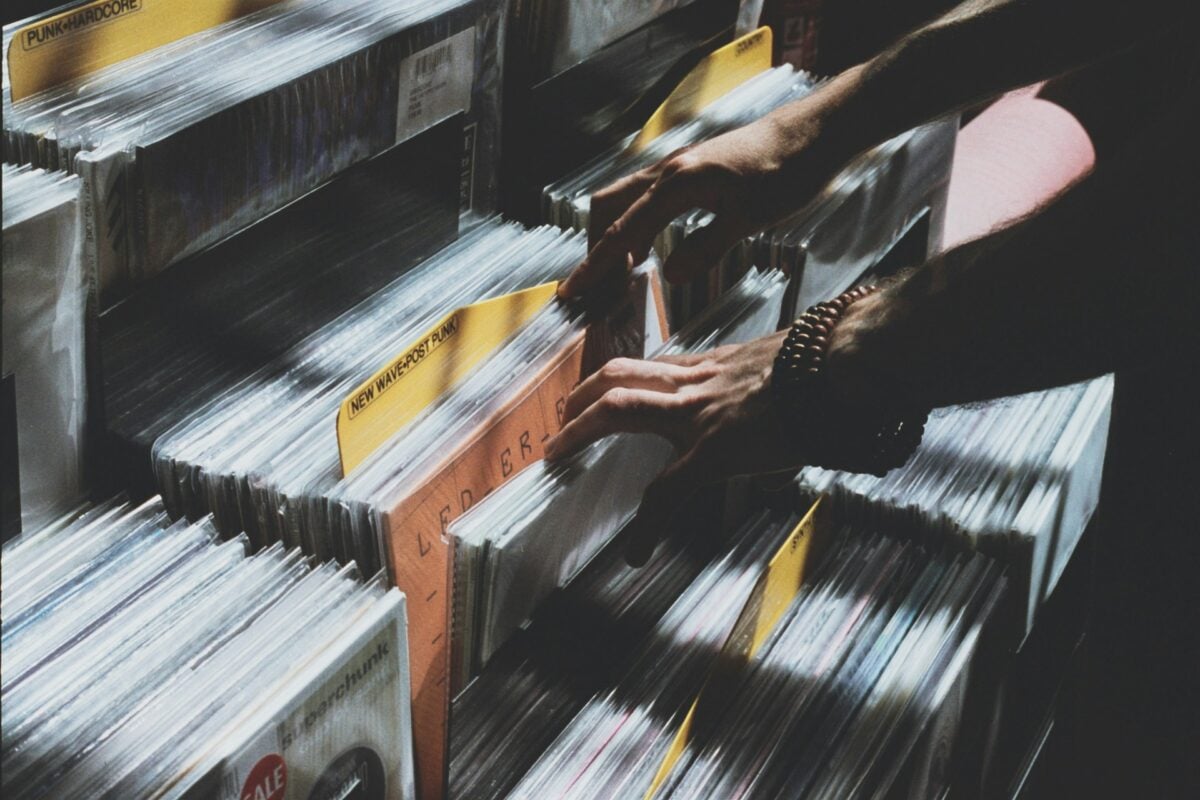
What drives someone to hunt for rare records when they could stream the same music instantly? Many people’s record collections are worth quite a lot of money and are something they take great pride in.A large number of records, both old and new and across all genres, are considered collector’s items and are hard to find in the wild.
There’s an addictive thrill to digging through crates, finding that rare pressing, or discovering an album you’ve been searching for years.Used vinyl sales are likely 1.5x those of new records, or approximately 50 million units based on 2021 projections.
The hunt itself becomes part of the joy—something that’s completely lost in the instant gratification of digital music.
Nostalgia Became a Powerful Marketing Tool
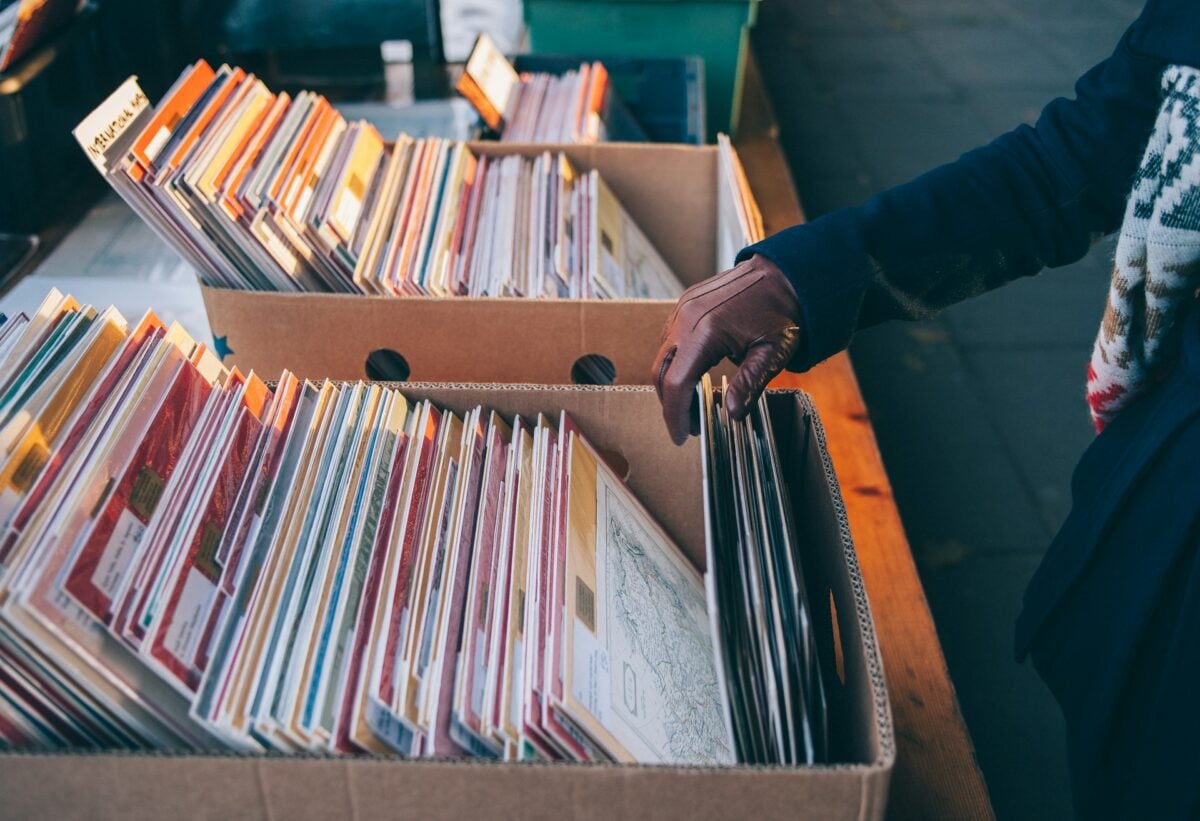
Have you noticed how many TV shows and movies feature turntables and vinyl collections? From apocalyptic thrillers like Leave the World Behind to period music dramas and popular TV shows, the presence of turntables and vinyl collections in their respective set designs delight vintage hi-fi enthusiasts.This isn’t accidental.
Media companies, brands, marketers and even artists themselves are skilled at turning our longing for the past into desire in the present that can be satiated with consumer goods.In the 2000s, the 1970s and 1980s experienced a cultural revival, which inevitably led to a renewed interest in music from those decades, most of which was released primarily on vinyl.
Sometimes the past feels more appealing than an uncertain future, and vinyl became a tangible way to connect with ‘better times.’
The Pandemic Accelerated Everything
What happens when people suddenly have more time at home and need new hobbies? In 2021, vinyl records enjoyed a 68% increase in total sales volume and a 55% increase in total sales revenue over 2020 in the US, reaching $1 billion in sales for the first time since 1985.This jump was likely driven by an increased interest in record collecting that occurred during the COVID-19 pandemic.
Being stuck at home made people crave tangible experiences and meaningful activities.Collecting records provided both a hobby and a way to rediscover music more deeply.
It’s fascinating how a global crisis helped accelerate a format that’s over a century old.
Like Go2Tutors’s content? Follow us on MSN.
Taylor Swift Became Vinyl’s Unlikely Champion
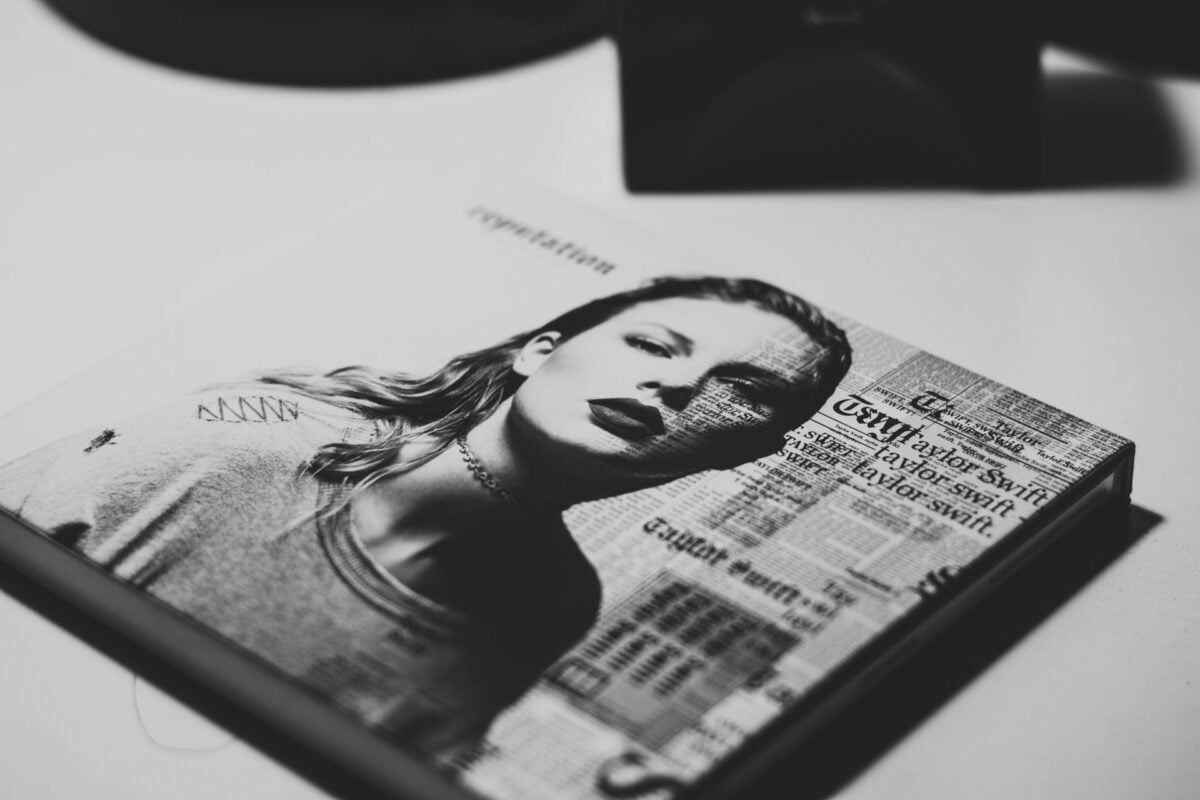
Who would have predicted that a pop superstar would become vinyl’s biggest advocate? Taylor Swift sold the most vinyl records of any artist in 2023, with nearly 3.5 million units.Various publications and record stores credited Taylor Swift with driving vinyl sales.
Her strategic use of exclusive variants, special editions, and limited pressings showed other artists how vinyl could be both an art form and a revenue stream.When one of the world’s biggest stars embraces an ‘obsolete’ format, it sends a powerful message to both fans and the industry.
Half the Buyers Don’t Even Own Turntables
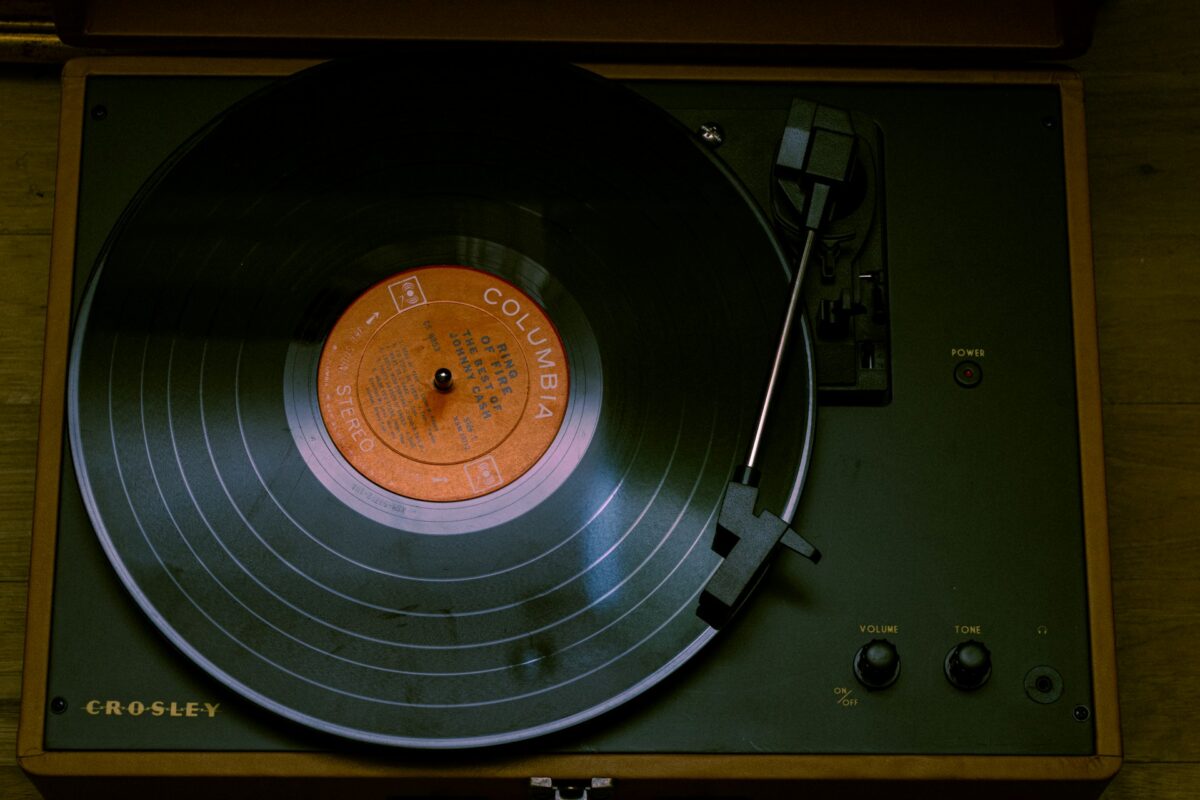
Here’s perhaps the most surprising fact of all: According to recent data, only 50 percent of vinyl buyers actually have a record player. Think about that for a moment.
People are spending money on music they can’t even play at home. This reveals something profound about vinyl’s appeal, especially among casual buyers—it’s not just about the music anymore.
These records have become collectibles, art objects, and symbols of musical taste for many fans. They’re like books on a shelf that communicate something about who you are, even if you never open them.
This trend shows how vinyl has evolved beyond just being a music format to become merchandise and memorabilia.
Manufacturing Can’t Keep Up with Demand
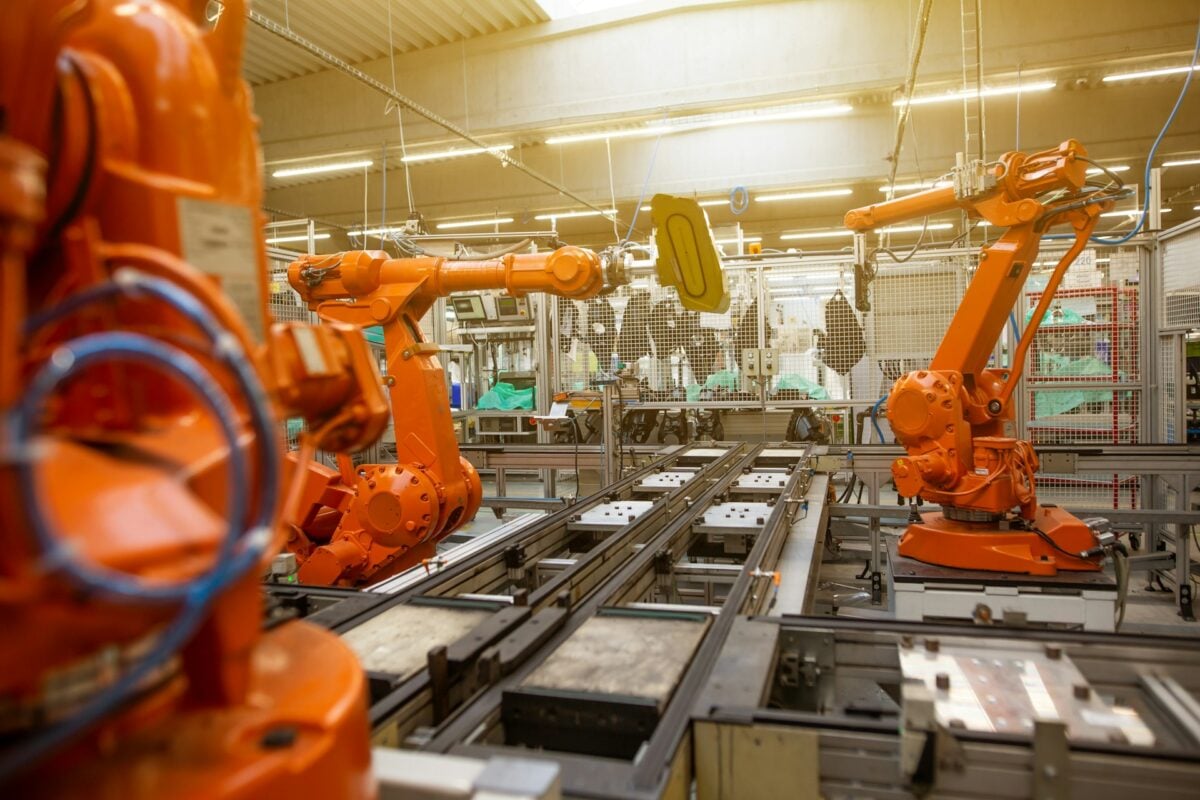
What happens when a ‘dead’ industry suddenly experiences explosive growth? Most of the specialized machines used to make records are 50+ years old and are nearly impossible to find, and the skilled work required to operate older machines is a dying art form.As a result, a process that used to take 6 weeks from start to finish now takes up to 6+ months.
The industry that almost disappeared found itself scrambling to rebuild manufacturing capacity.It’s like trying to restart a steam engine in the age of electric cars—possible, but requiring skills and equipment that barely exist anymore.
Like Go2Tutors’s content? Follow us on MSN.
It’s Not Just About Superior Sound Quality
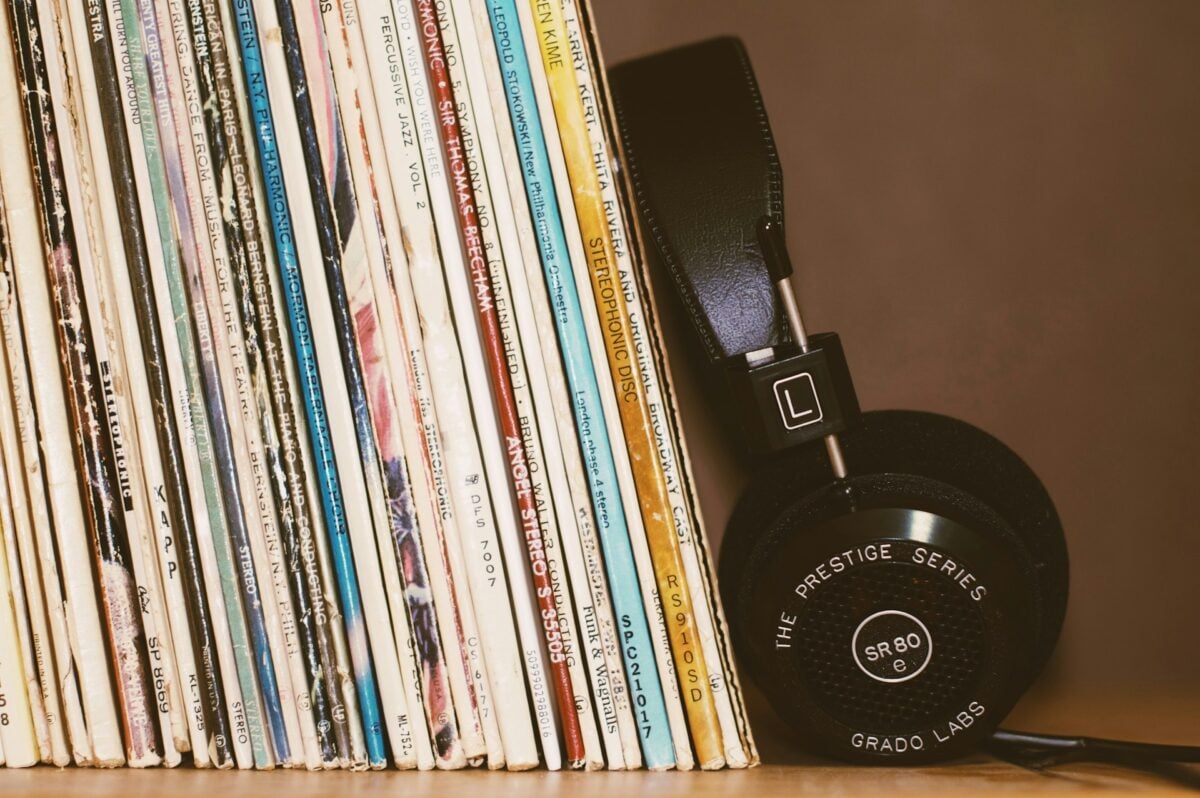
Do vinyl records actually sound better than digital? That’s been debated endlessly, but the truth is more nuanced.Vinyl’s unlikely comeback story is linked to a combination of marketing and promotion, claims of superior sound, the medium’s polysensorial character and how it evokes nostalgia.
The ‘better sound’ argument gives people permission to embrace what they already want—a more intentional, tactile relationship with music.Whether vinyl objectively sounds better matters less than the fact that it feels better to many listeners.
The crackles, the warmth, the ritual of playing a record—these become features, not bugs.
Why This Comeback Matters
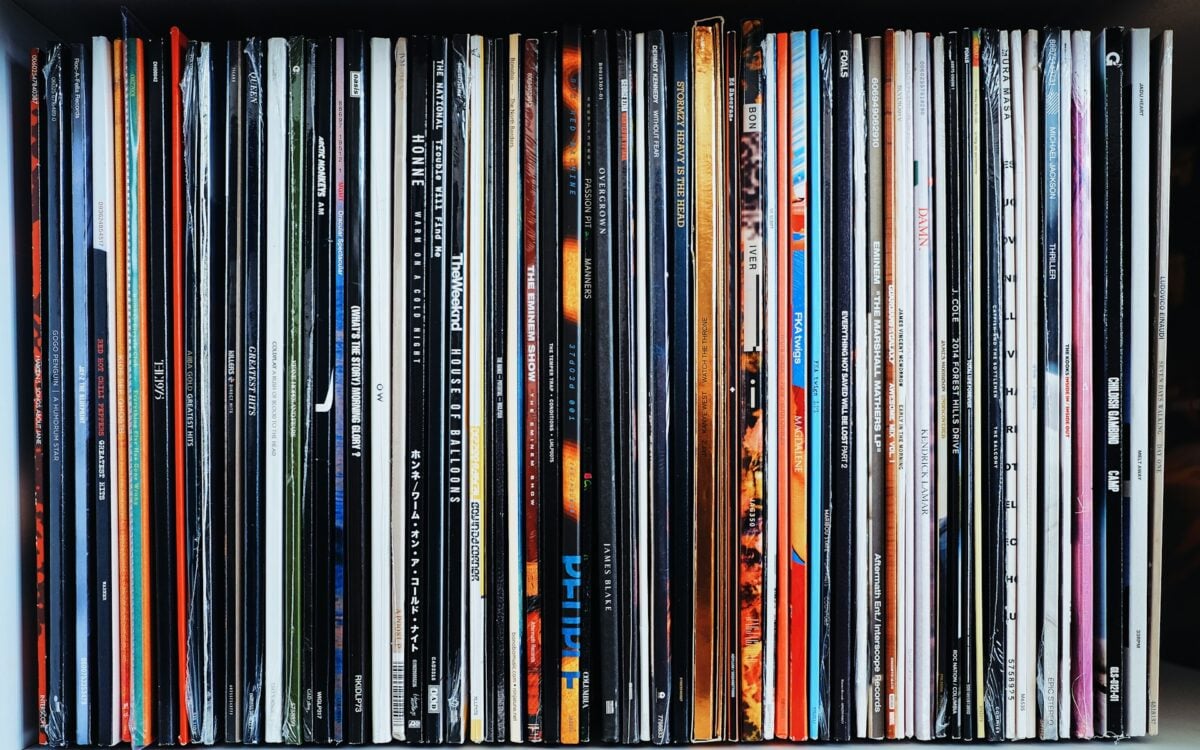
The vinyl revival teaches us something profound about human nature and what we value. While streaming accounts for 84% of all music revenue, physical formats make up just 10% of the music business’ annual revenue.
Yet that small percentage represents something much larger—a desire for authentic experiences, community connection, and tangible ownership in an increasingly digital world. Today’s pop culture mediascape is saturated in nostalgia, with media companies skilled at turning our longing for the past into desire in the present.
But perhaps vinyl’s success isn’t just about nostalgia—it’s about finding balance in a world that sometimes feels too fast, too disposable, and too disconnected. The humble record, spinning at 33⅓ rpm, reminds us that some experiences are worth slowing down for.
More from Go2Tutors!

- 16 Historical Figures Who Were Nothing Like You Think
- 12 Things Sold in the 80s That Are Now Illegal
- 15 VHS Tapes That Could Be Worth Thousands
- 17 Historical “What Ifs” That Would Have Changed Everything
- 18 TV Shows That Vanished Without a Finale
Like Go2Tutors’s content? Follow us on MSN.