Complex Rules Governing International Waters
The ocean covers more than 70 percent of Earth’s surface.
Figuring out who controls what, though? That’s where things get messy.
For most of human history, the seas operated under a brutally simple principle: whoever had the biggest navy made the rules.
Nations realized in the 20th century that this wasn’t sustainable.
What emerged was one of the most intricate legal frameworks ever created, governing everything from fishing rights to seabed mining.
These rules affect billions of dollars in trade.
They determine who extracts oil from beneath the waves and shape how navies move around the globe.
Here’s how international waters actually work — and why the system is far more complicated than it appears.
The Foundation: UNCLOS and the Law of the Sea

The United Nations Convention on the Law of the Sea serves as the constitution of the oceans.
Adopted in 1982 after nearly a decade of negotiations, it’s one of the most widely ratified treaties in existence.
The agreement took effect in 1994.
Currently has 168 parties.
The United States signed but never ratified it, though Washington generally follows its provisions anyway.
UNCLOS carved the ocean into distinct zones.
Each has different rules about who controls what.
Before this framework existed, countries made competing claims based on how far their cannons could shoot.
The treaty brought order to chaos.
It also introduced layers of complexity that lawyers and diplomats are still untangling.
The treaty runs hundreds of pages.
Covers everything from submarine cables to pollution control to archaeological treasures on the seabed.
Rules for laying pipelines.
Regulations for marine research.
Detailed procedures for settling disputes.
Territorial Seas: Where National Control Begins
Every coastal nation gets a territorial sea extending 12 nautical miles from its baseline.
Within this zone, countries exercise almost complete sovereignty.
They regulate fishing, control navigation, and enforce customs laws.
One major exception exists: innocent passage.
Foreign ships can pass through these waters as long as they aren’t threatening or causing trouble.
The 12-mile limit wasn’t always standard.
Some countries historically claimed 3 miles.
Others claimed 12.
A few ambitious nations tried claiming 200 miles or more.
The modern standard represents a compromise that most countries accept, though measuring these zones gets complicated.
Islands complicate things.
So do bays, river mouths, and indented coastlines.
Submarines face stricter requirements.
They must travel on the surface and show their flag.
No sneaking around underwater in someone’s territorial waters.
The Contiguous Zone: A Buffer with Limits
Just beyond the territorial sea sits the contiguous zone, extending up to 24 nautical miles from the baseline.
This area gives coastal states limited enforcement powers over four specific concerns: customs, taxation, immigration, and sanitary regulations.
A buffer zone where countries can chase down smugglers before they reach shore.
The contiguous zone doesn’t grant full sovereignty.
Other countries navigate freely here.
The coastal state can’t impose most domestic laws.
Drug smugglers and human traffickers often operate just beyond the 12-mile limit, assuming they’re safe.
The contiguous zone gives authorities legal reach to stop them early.
Exclusive Economic Zones: The Real Prize

The Exclusive Economic Zone extends up to 200 nautical miles from the baseline.
Most economically valuable maritime zone by far.
Within their EEZ, coastal states have exclusive rights to natural resources.
Fish, oil, gas, minerals — anything of value belongs to the country controlling the zone.
Other countries maintain important rights here.
They navigate freely, fly over it, lay submarine cables and pipelines, conduct military exercises.
The coastal state can’t stop foreign warships from passing through.
Creates tension between economic rights and navigational freedom, especially when military powers want to conduct operations near someone else’s coast.
EEZs cover roughly 38 percent of the ocean’s surface despite extending only 200 miles from shore.
The world has countless islands and coastlines.
Countries with extensive coastlines control enormous EEZs.
The United States has one of the world’s largest thanks to Alaska, Hawaii, and scattered Pacific territories.
France ranks near the top because of overseas departments across multiple oceans.
Fishing rights within EEZs generate constant friction.
Coastal nations want to protect their fish stocks.
Neighboring countries often have traditional fishing grounds that suddenly became someone else’s exclusive zone.
Continental Shelf Rights: Extending Control Below

Beyond the EEZ, some countries claim rights to the continental shelf.
The underwater extension of their landmass.
UNCLOS allows nations to claim the seabed and subsoil beyond 200 miles if they can prove their continental shelf extends that far.
These claims can reach up to 350 miles from the baseline.
Countries must prove their case scientifically.
They show that underwater geology connects to their landmass.
Requires expensive surveys and detailed data.
Russia planted a titanium flag on the seabed beneath the North Pole in 2007, claiming the Lomonosov Ridge as an extension of Siberian territory.
Other Arctic nations weren’t buying it.
Continental shelf rights only apply to the seabed and its resources.
Countries mine minerals or drill for oil.
They don’t control the water column above, though.
Fish swimming over an extended continental shelf belong to whoever catches them.
High Seas: Freedom with Responsibilities
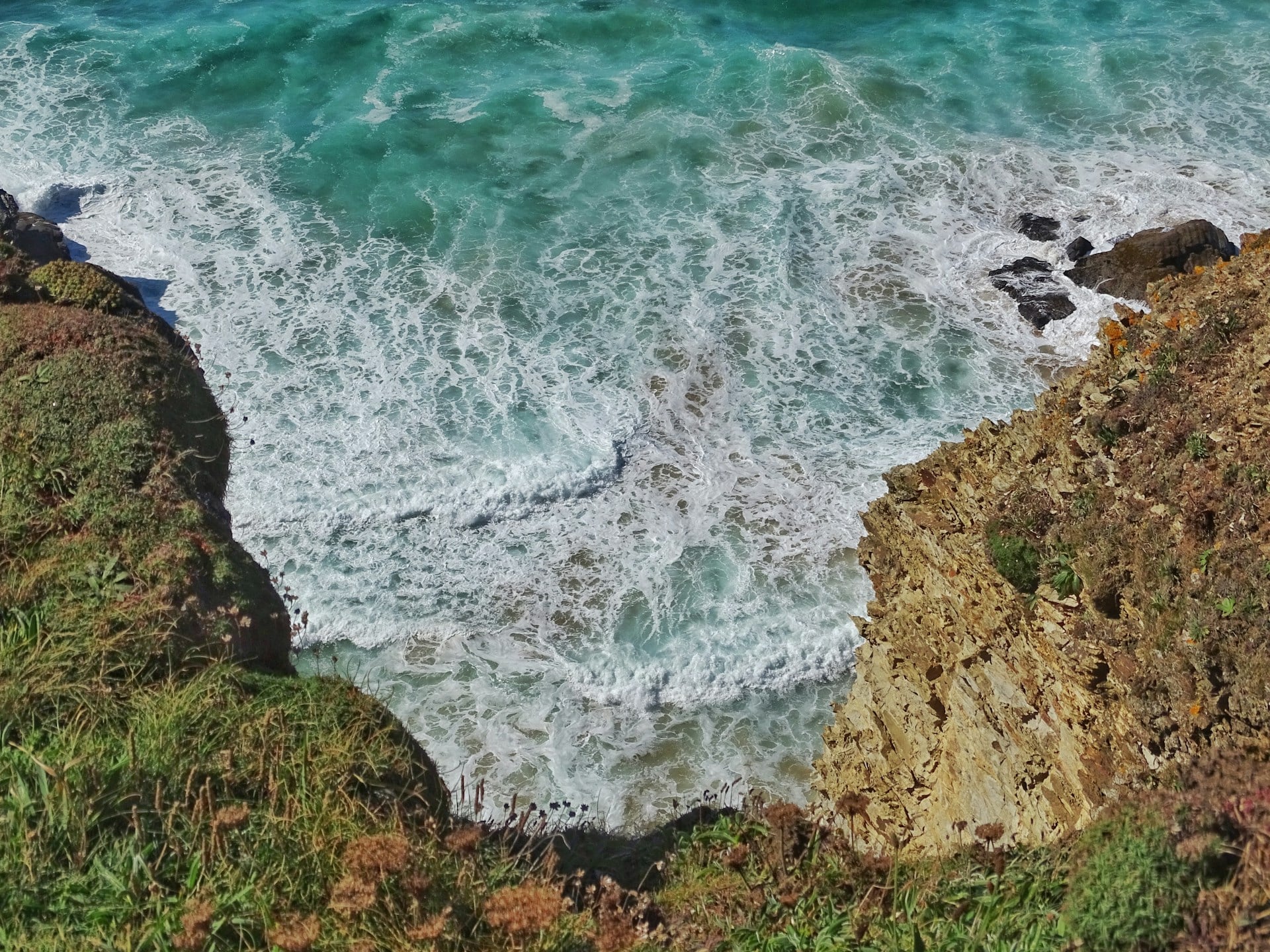
Everything beyond national jurisdiction falls under the high seas.
Covers nearly 50 percent of the ocean’s surface.
No country owns the high seas.
They’re open to all nations for navigation, overflight, scientific research, and fishing.
This freedom has existed for centuries.
Freedom doesn’t mean anarchy.
Ships on the high seas follow the laws of their flag state.
That country has the right and responsibility to enforce regulations and prosecute crimes.
Creates problems because some countries have lax enforcement.
Ships register in countries with minimal oversight.
Certain crimes trigger universal jurisdiction on the high seas.
Any nation can prosecute regardless of the ship’s flag.
Piracy tops this list.
When Somali pirates hijacked ships off the Horn of Africa in the 2000s, naval forces from dozens of countries responded.
The high seas also host a thorny resource management challenge: fishing.
Without ownership, managing fish stocks becomes a tragedy of the commons.
The Deep Seabed: Humanity’s Common Heritage

The seabed beneath the high seas belongs to no one and everyone simultaneously.
UNCLOS declares it the ‘common heritage of mankind.’
Sounds inspiring.
Creates practical headaches.
The International Seabed Authority in Jamaica regulates mineral extraction from the deep ocean floor.
Deep seabed mining remains largely theoretical.
Technology is advancing quickly, though.
The resources down there are valuable.
Rare earth elements, cobalt, nickel — materials essential for batteries and electronics.
As land-based sources become scarcer, the deep ocean looks increasingly attractive.
Environmental groups worry that mining could devastate poorly understood ecosystems.
The authority must balance competing interests: technological progress, environmental protection, and equitable sharing of benefits.
First commercial mining contracts could be approved within the next few years.
Disputes and Enforcement: When Rules Clash
Disputes erupt constantly despite detailed rules.
Countries disagree about where maritime boundaries should be drawn.
Who controls which rocks or reefs.
Whether certain activities violate international law.
UNCLOS established multiple dispute resolution mechanisms, including the International Tribunal for the Law of the Sea and arbitration panels.
The South China Sea showcases how maritime disputes escalate.
China claims historical rights to much of the sea.
Builds artificial islands to strengthen its position.
In 2016, an arbitration tribunal ruled against China’s sweeping claims.
Beijing rejected the decision outright.
The Philippines brought the case, but Vietnam, Malaysia, and Brunei have their own competing claims.
Enforcement remains the system’s weakest point.
No international maritime police force exists.
The tribunals can’t compel compliance.
Countries follow the rules when it suits them.
Find creative interpretations when it doesn’t.
Why It Still Matters
The rules governing international waters might seem like obscure legal minutiae.
They shape global economics, security, and environmental protection in profound ways.
Roughly 90 percent of world trade moves by sea.
Freedom of navigation is essential to modern commerce.
The rules determine who benefits from undersea resources worth trillions of dollars.
The system’s complexity reflects the ocean’s importance.
Managing a shared space that covers most of the planet isn’t simple.
As technology advances and pressures on ocean resources increase, these rules face new tests.
Autonomous ships, deep sea mining, melting Arctic ice — all forcing interpretations of provisions written decades ago.
What happens in international waters affects everyone.
More from Go2Tutors!

- The Romanov Crown Jewels and Their Tragic Fate
- 17 Halloween Costumes Once Considered Taboo
- Famous Hoaxes That Fooled the World for Years
- 15 Child Stars with Tragic Adult Lives
- 16 Famous Jewelry Pieces in History
Like Go2Tutors’s content? Follow us on MSN.



