Cities That Rise Entirely From Water
Most cities grow on solid ground where builders can dig foundations into rock or soil. They spread across plains, climb hillsides, or nestle in valleys where the earth provides reliable support.
But some communities took a completely different path, choosing to build their homes directly above rivers, lakes, and lagoons. These water cities emerged from necessity, creativity, and sometimes desperation.
People fleeing danger, seeking new fishing grounds, or simply running out of land found ways to make water itself into a foundation. The result is a collection of communities that look like they shouldn’t exist, yet have stood for centuries.
Building on water takes more than just courage. It requires engineering skills passed down through generations and an understanding of how to work with nature instead of against it.
Venice stands on a forest of wood
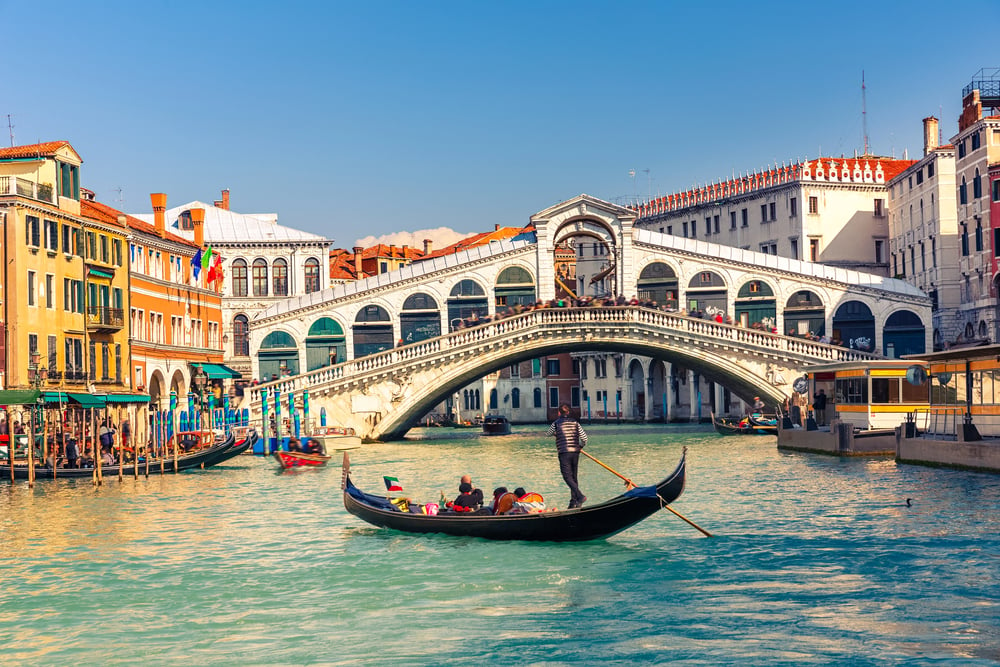
Venice doesn’t actually float, despite how it looks from a gondola. The city rests on millions of wooden poles driven deep into the muddy lagoon floor.
Workers hammered oak, larch, and pine stakes about 13 feet down until they hit harder clay layers. For Santa Maria della Salute church alone, builders used over a million wooden piles.
The wood never rots because it stays underwater where there’s no oxygen. Centuries of mineral-rich water have turned these wooden foundations as hard as stone.
Ganvie protected people from slave traders
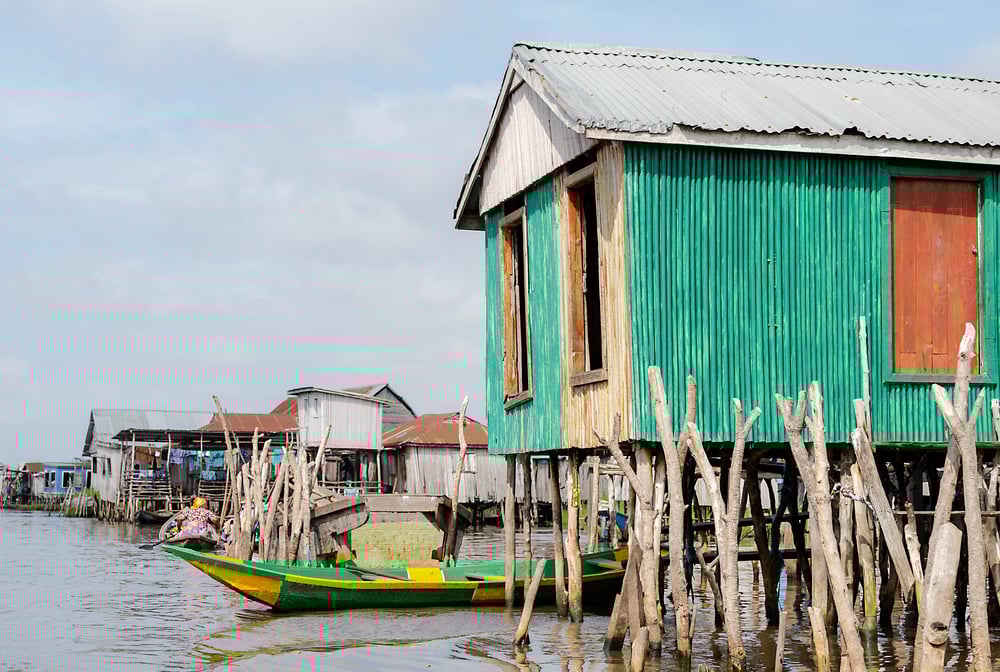
Around 20,000 people live in Ganvie, a village built on stilts in the middle of Lake Nokoué in Benin, West Africa. The Tofinu people established this refuge in the 16th century to escape slave traders.
According to the beliefs of the slave-trading Fon tribe, attacking people on water was forbidden because water was considered sacred. The Tofinu called their new home Ganvie, which means ‘we survived’.
Today, fishing and tourism sustain the community while ancient traditions continue.
Kampong Ayer has existed for over 600 years

Brunei’s Kampong Ayer houses roughly 30,000 residents in traditional stilt homes built directly over the Brunei River. This ‘Venice of the East’ has remained continuously inhabited for more than a millennium.
Schools, mosques, shops, and even a fire station all connect via wooden walkways that create a neighborhood floating above flowing water. The settlement spans 10 square kilometers and includes everything a city needs, from hotels to a police station, all perched above the river.
The Uros people build their own islands
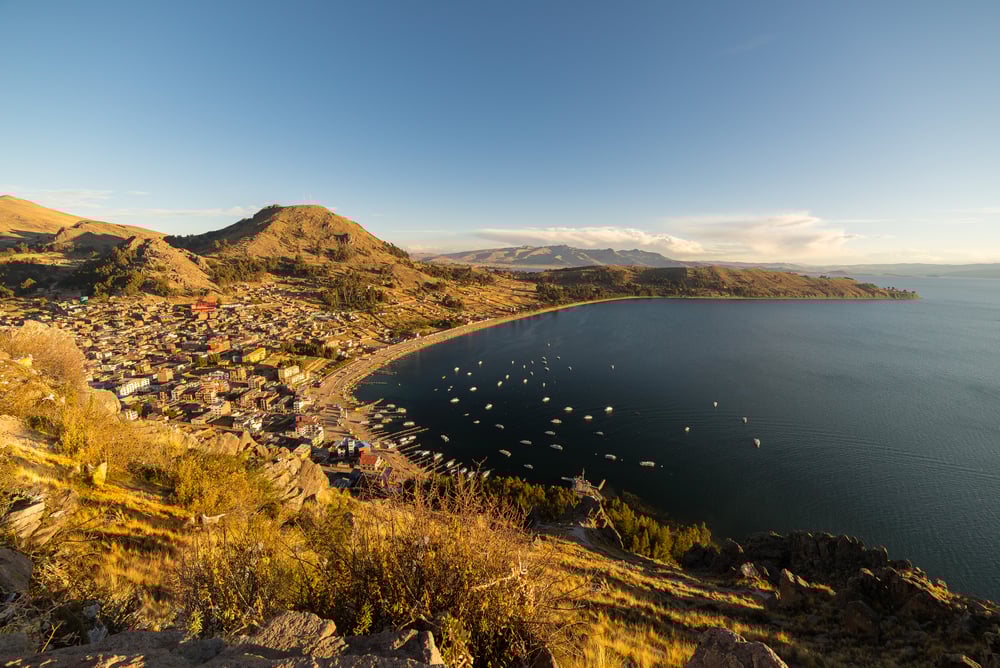
On Lake Titicaca in Peru, the Uros people craft the islands they live on from dried totora reeds that grow within the lake. They originally built these floating islands for defense purposes, creating homes that could literally move away from threats.
The reeds at the bottoms of the islands rot when they touch water, so residents must constantly add new layers on top. Each island lasts about 30 years before it needs to be completely rebuilt.
Around 62 of these handmade islands currently exist on the lake.
Makoko houses 85,000 people

Lagos, Nigeria’s Makoko, often called the ‘Venice of Africa’, houses over 85,000 people in stilt homes across Lagos Lagoon. Fishermen from the Republic of Benin originally settled this community more than 150 years ago.
Despite facing significant challenges including pollution and lack of basic services, Makoko has developed its own economy and complex social structures. Entire neighborhoods rest on precarious stilts hovering over the water, with residents traveling exclusively by canoe.
Amsterdam was built below sea level

Amsterdam demonstrates how a major city can exist entirely below sea level through careful engineering. The city sits on a network of artificial islands and canal systems, with thousands of wooden poles supporting historic buildings.
Some structures rest on foundations that have been stable for hundreds of years. The entire urban landscape requires constant water management to prevent flooding.
Amsterdam’s complex system has become a global model for cities dealing with challenging geographical conditions.
Ko Panyi clings to a cliff

In Thailand’s Phang Nga Province, the fishing village of Ko Panyi was built on stilts by fishermen and houses about 2,000 people descended from just two families. The village sits under a dramatic vertical limestone cliff, with 360 families living in wooden structures that rise directly from the sea.
The coolest feature is the floating soccer pitch that local children built from old scraps of wood and fishing rafts. The entire community operates on the water, with boats serving as the only transportation.
Halong Bay villages follow the fish
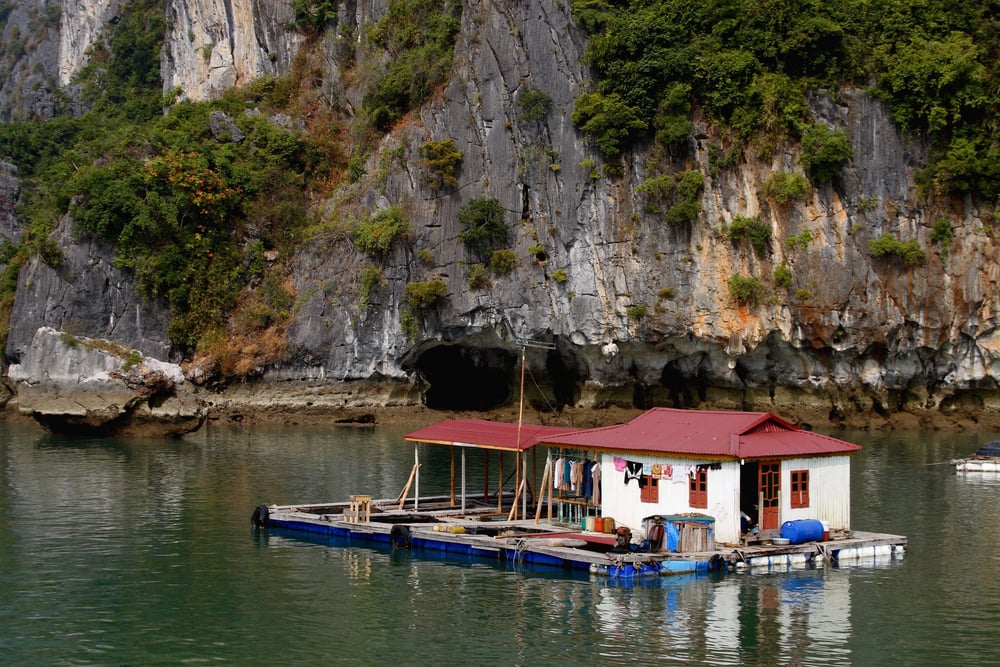
Vietnam’s stunning Halong Bay hosts several floating communities nestled among limestone karsts and emerald waters. These villages feature floating houses, fish farms, and even schools where generations of families have built their lives entirely on water.
Skilled fishermen and pearl cultivators relocate their homes seasonally, following fish migrations and avoiding severe weather. Everything floats, from homes to community buildings, creating neighborhoods that can literally move when needed.
Bangkok’s floating markets thrive on canals
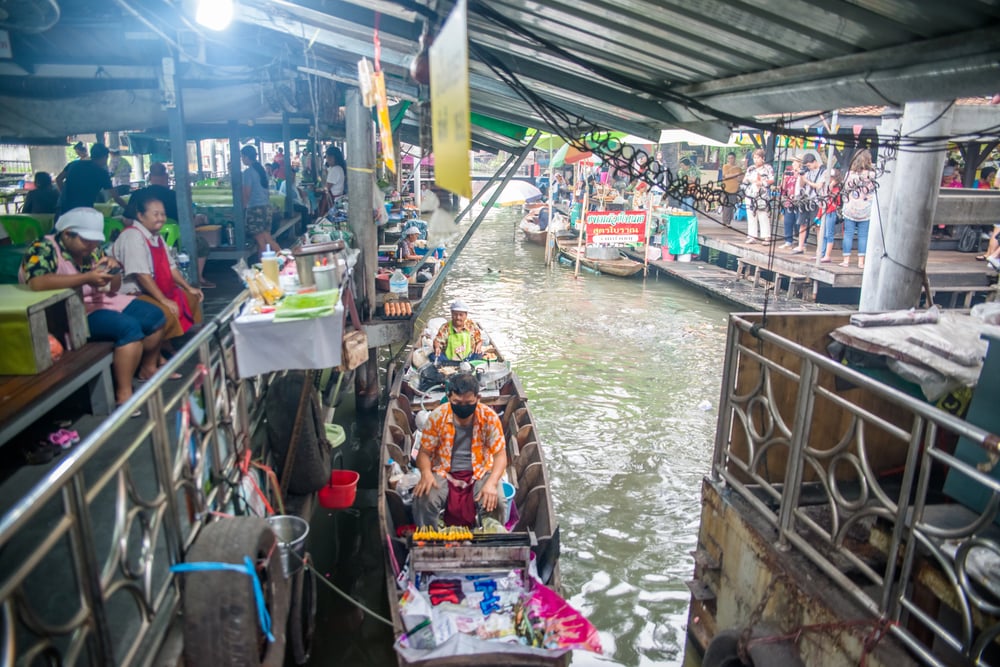
Six floating markets operate in Bangkok, with vendors selling fruits, vegetables, and different types of food directly from boats. The Damnoen Saduak market even appeared in the 1974 James Bond film.
Tens of canals traverse through these markets, all lined with boats instead of stalls. The markets get crowded in mornings and evenings when locals do their shopping, but tourists can enjoy a calmer experience during midday.
These waterways showcase Bangkok’s origins as a city built around and on water.
Tonle Sap holds 170 villages
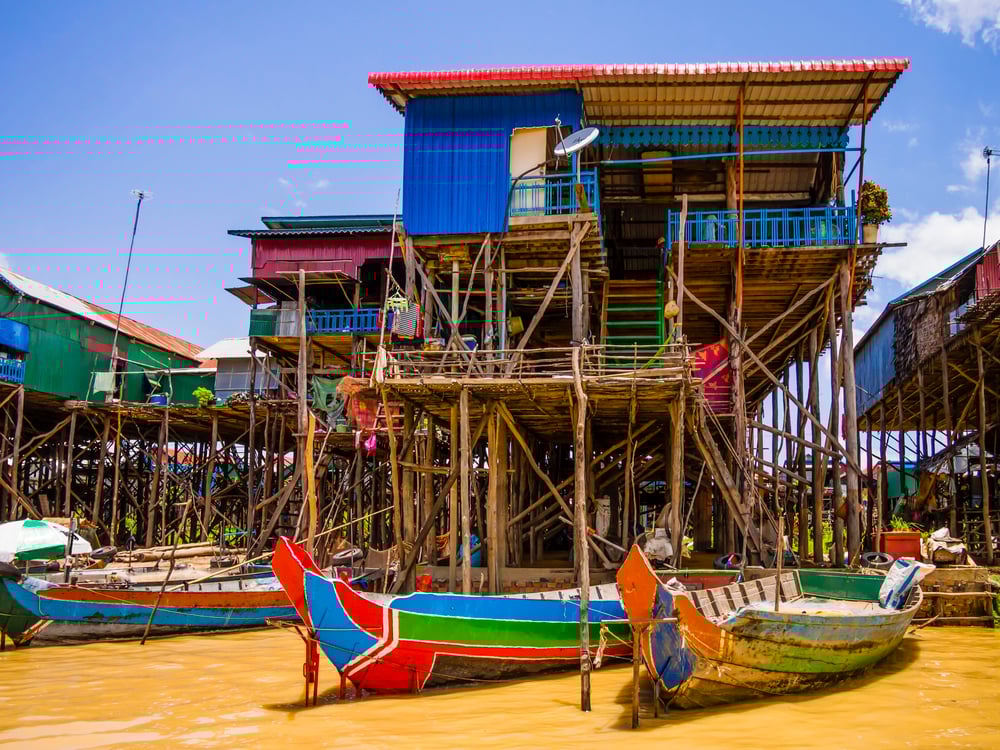
One of Cambodia’s freshwater lakes, Tonle Sap, houses hundreds of floating villages on towering stilts. The number of villages depends on the lake’s size, which changes with every season.
About 170 floating communities exist on the lake, populated by people from three ethnic groups: Vietnamese, Cham, and Khmer. These residents are often seen as people without a homeland.
During storms or typhoons, families tie their houses together for stability and mutual protection.
Maldives Floating City tackles rising seas
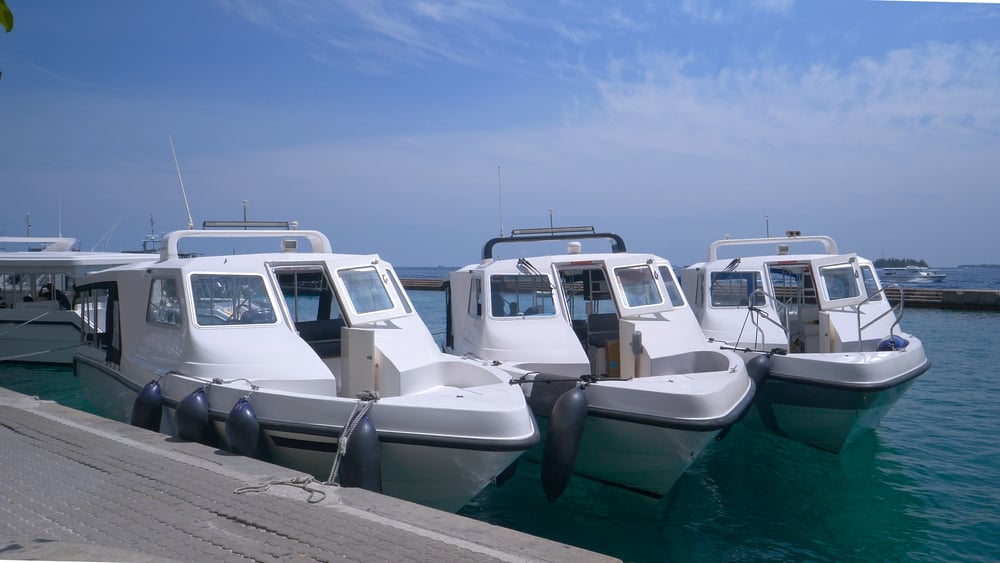
The Maldives Floating City represents the first modern floating city with full governmental support and legal framework. Located just ten minutes by boat from the capital Male, this development will house thousands of residents on modular floating platforms.
The design mimics brain coral, with roads and water canals organized in natural patterns. It’s being built to protect Maldivians from rising sea levels that threaten to submerge their entire nation within decades.
Sales have already begun for what will be the world’s first large-scale floating city.
Kampong Phluk adjusts to seasons

Cambodia’s Kampong Phluk consists of three villages with stilted houses located within the floodplain about 10 miles southeast of Siem Reap. Home to about 1,800 families and around 6,000 people, this community adapts to dramatic seasonal changes.
During the dry season, water levels drop and many villagers move onto the lake to stay in temporary houses. When water rises and the stilts go underwater, families return to their permanent houses on the floodplain.
This constant movement defines life in these communities.
Giethoorn has no roads
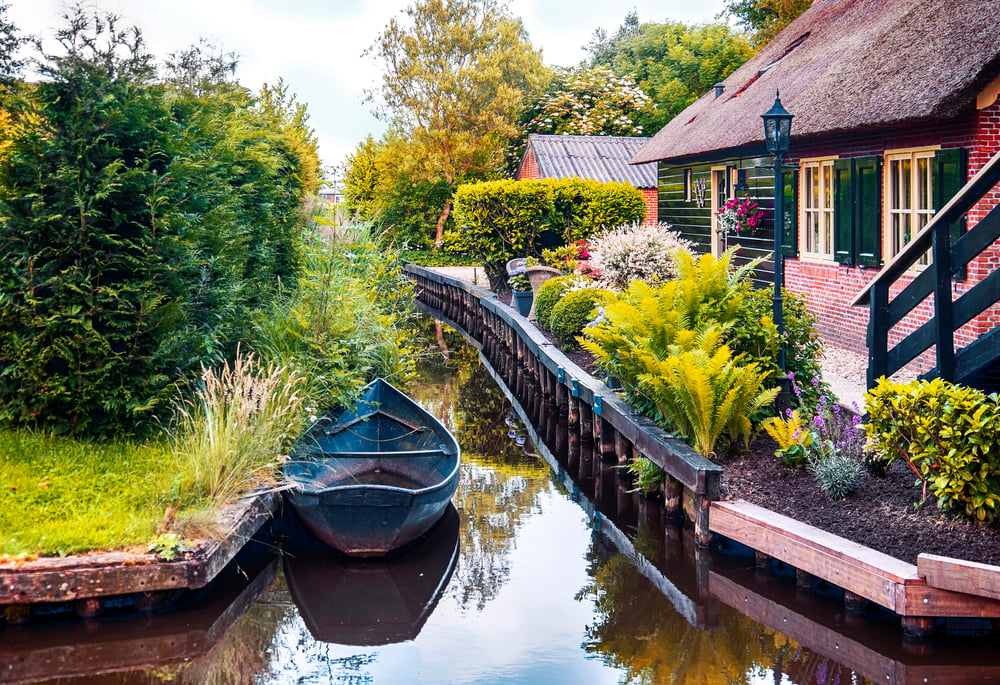
In the Netherlands, Giethoorn earned the nickname ‘Little Venice’ because it has no roads at all. The entire village consists of canals, wooden bridges, and homes accessible only by boat or on foot.
Most infrastructure comprises 18th and 19th-century farmhouses that have stood for generations. The village dates back to 1230 when Mediterranean fugitives established it.
Today, the serene ambiance and unique design attract tourists who glide through canals on whisper-quiet electric boats, enjoying a pace of life that cars never interrupt.
Bajau people live as sea nomads
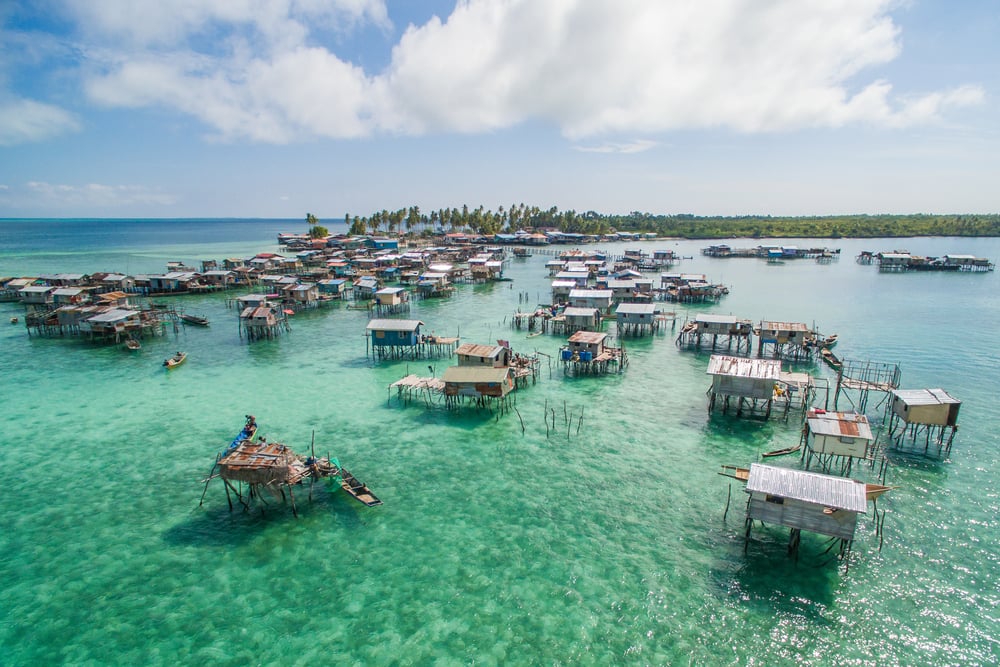
Out on the water, far from land, the Bajau dwell in homes that float – cut off from cities and steady roads. Their lives unfold on tiny boats topped with palm-thatched covers, drifting through daylight hours under open sky.
Instead of towns or farms, they rely on deep-sea diving and sharp fishing instincts to survive each week. Known as sea wanderers, these folks can stay below waves much longer than most humans do.
One reason? Their bodies adapted over time: spleens about half again bigger than average ones.
Long ago, tensions among groups drove them westward – from islands near the Philippines toward coastal regions of Sabah and parts of Borneo. There, life still flows with tides, just like it always has.
Stiltsville once housed Miami’s rebels

Out beyond Miami’s edge, where the water shallows meet sky, wooden legs held up a row of small shelters. A few were built back in the 1930s, others followed into the next decade, each raised high above the bay floor.
Instead of roads, boats came through open sea to reach them. People looking to be left alone found their spot here, away from rules that applied on land.
Over time storms took nearly everything – wind and waves pulled down roofs, broke walls apart. Now just seven frames stay upright against salt air and tide.
These last ones sit still, quiet proof of lives lived off-grid long before that term existed.
When necessity becomes innovation

Water-based settlements first appeared when people needed shelter from threats, faced shortages on solid ground, or sought new ways to feed themselves. Out of these early makeshift homes grew lasting towns, some still alive today after hundreds of years.
With current tools, designers can create large floating urban spaces meant for thousands, shaped by concerns about climate shifts and higher ocean levels. Every three decades, the Uros renew their islands; at the same time, the Maldives is building a futuristic community atop the waves – both acts show how deeply humans resist surrendering home to water.
More from Go2Tutors!

- The Romanov Crown Jewels and Their Tragic Fate
- 13 Historical Mysteries That Science Still Can’t Solve
- Famous Hoaxes That Fooled the World for Years
- 15 Child Stars with Tragic Adult Lives
- 16 Famous Jewelry Pieces in History
Like Go2Tutors’s content? Follow us on MSN.