Corset stories from fashion’s past
Corsets weren’t just stiff pieces of clothing. They shaped bodies, started debates, caused whispers, and made statements louder than words.
Worn by queens, rebels, and everyday people alike, corsets have had quite the journey. From tight-laced courts to flirty dance halls, the corset has been stitched into history in more ways than most realize.
What follows isn’t a lecture on fabric and laces. It’s a look back at the corset’s real stories—moments that made people talk, shift their thinking, and sometimes even gasp.
The corset that sparked a health scare

In the 1800s, doctors began to warn women about the risks of tight-lacing. They believed it squeezed organs, made breathing harder, and even caused fainting spells.
While not every warning was based on science, enough women had trouble breathing to start real concern. Newspapers ran stories with dramatic headlines, and public debates followed.
Corsets didn’t go away, but many started loosening their laces just a bit.
Marie Antoinette’s “rebel” corset

Marie Antoinette raised eyebrows at court when she chose a simpler, softer corset style. At a time when the French court demanded stiff and fancy dress, her choice felt bold.
Some called it disrespectful. Others saw it as refreshing.
Either way, her wardrobe caused whispers behind fans and curtains.
Like Go2Tutors’s content? Follow us on MSN.
The corset used as armor
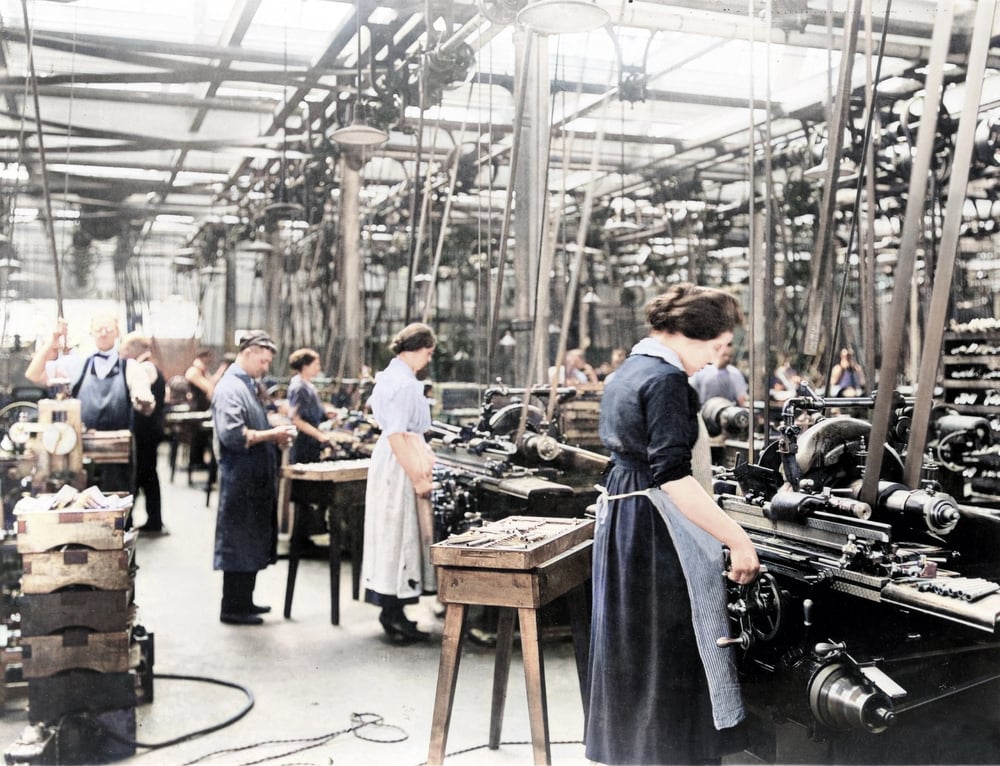
During World War I, some women sewed metal into their corsets for protection. These makeshift “armor corsets” were worn under clothes during air raids.
It wasn’t standard practice, but enough women did it that shops began offering versions with stronger boning. For many, it was both fashion and survival in one strange mix.
When men wore corsets too
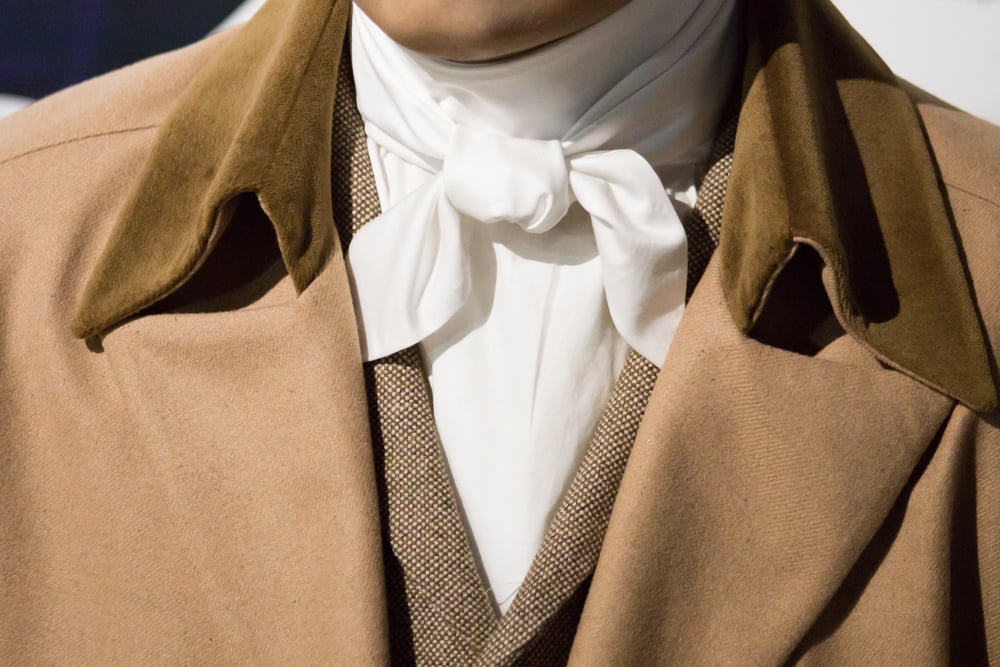
It wasn’t just women wearing them. In the 1700s and early 1800s, men also wore corsets—especially military officers and upper-class gentlemen.
These helped create a trim shape under uniforms and coats. Some even claimed it improved posture.
While the practice faded, it was common for a time.
Victorian waist competitions
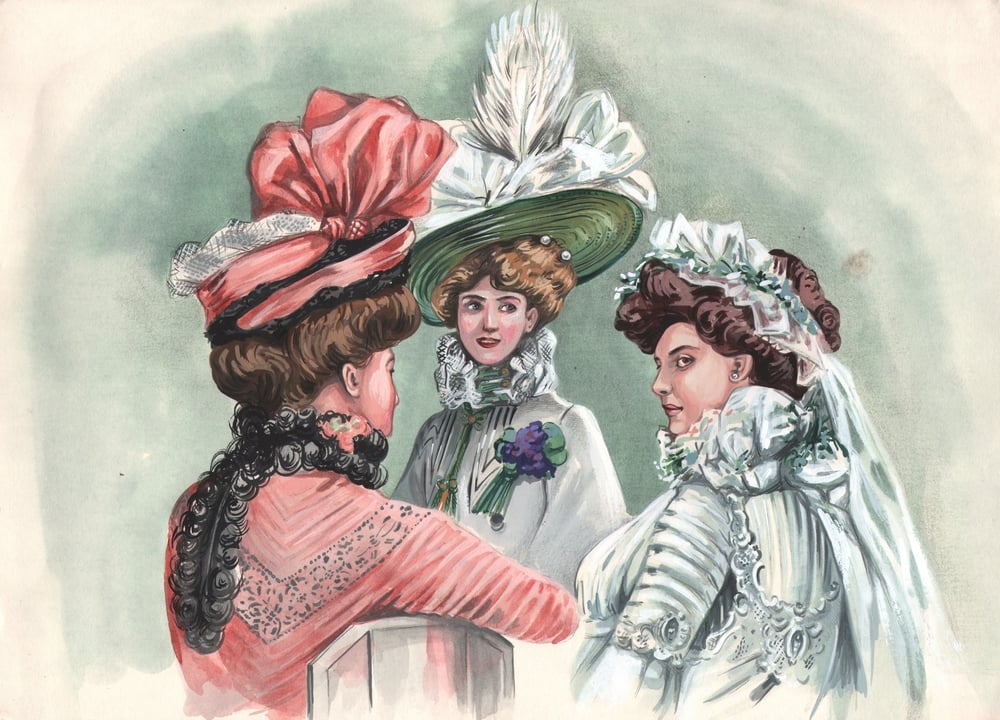
In some circles, women compared waist sizes like trophies. They’d pull out measuring tape and proudly announce their smallest size.
Some claimed waists as tiny as 16 inches. While not everyone joined in, the obsession with small waists became a kind of social game.
It made corsets even more important to those chasing the smallest number.
Like Go2Tutors’s content? Follow us on MSN.
The corset that caused a scandal on stage
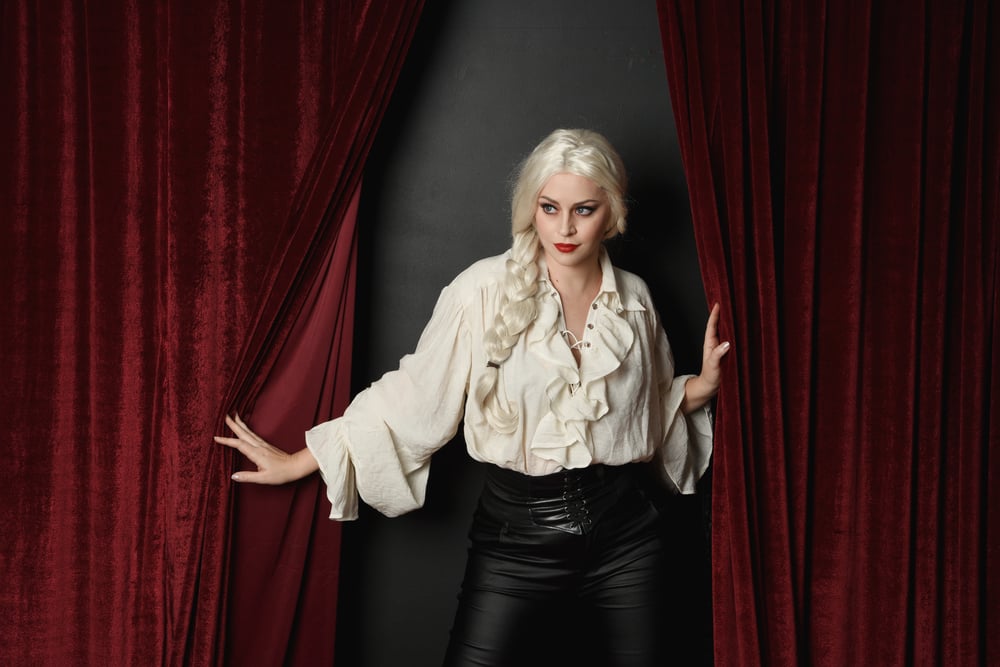
In the 1890s, an actress appeared on stage wearing only a corset and stockings during a performance in London. The crowd was shocked—and fascinated.
Some called it art, others said it was indecent. Newspapers printed the story across several days.
Tickets for the show quickly sold out.
Corsets in mourning fashion

After the death of Prince Albert, Queen Victoria dressed in mourning for the rest of her life. Her black corsets became part of the public image of grief.
This influenced many women to follow suit. Mourning corsets, made from black silk or cotton, became a niche fashion item.
They mixed sadness with strict elegance.
The corset that helped sell bicycles
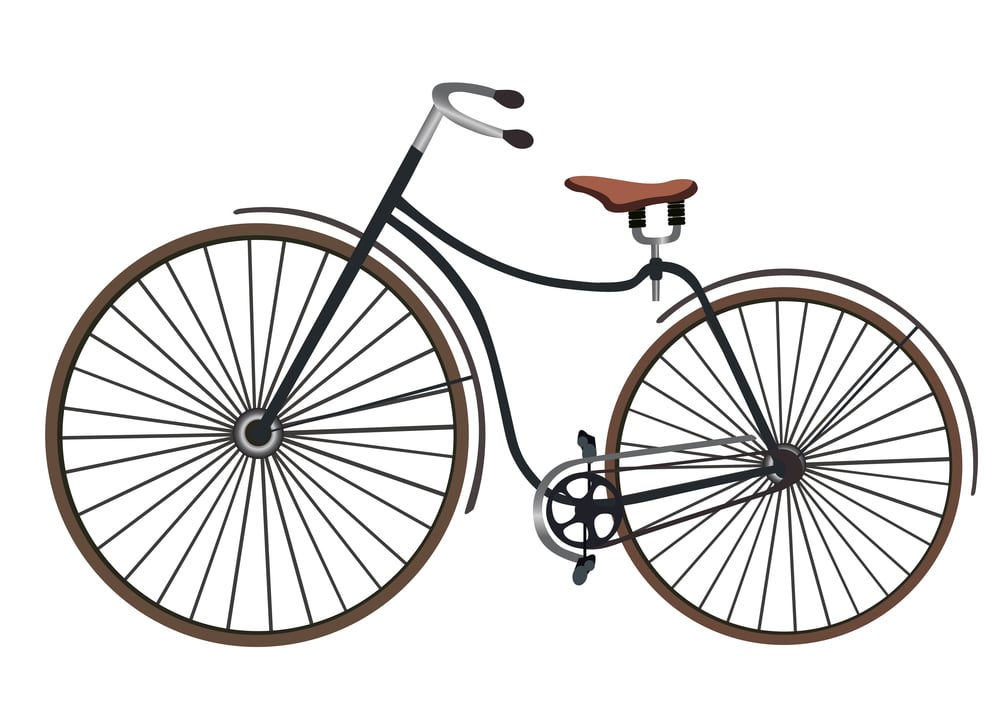
As women began riding bicycles in the late 1800s, they needed more flexible clothing. One solution? A “sports corset.”
It offered less stiffness and more give, making it easier to pedal. Companies marketed these directly to active women.
The bicycle boom helped reshape how corsets were made—and worn.
Like Go2Tutors’s content? Follow us on MSN.
Tight-lacing blamed for a wedding disaster
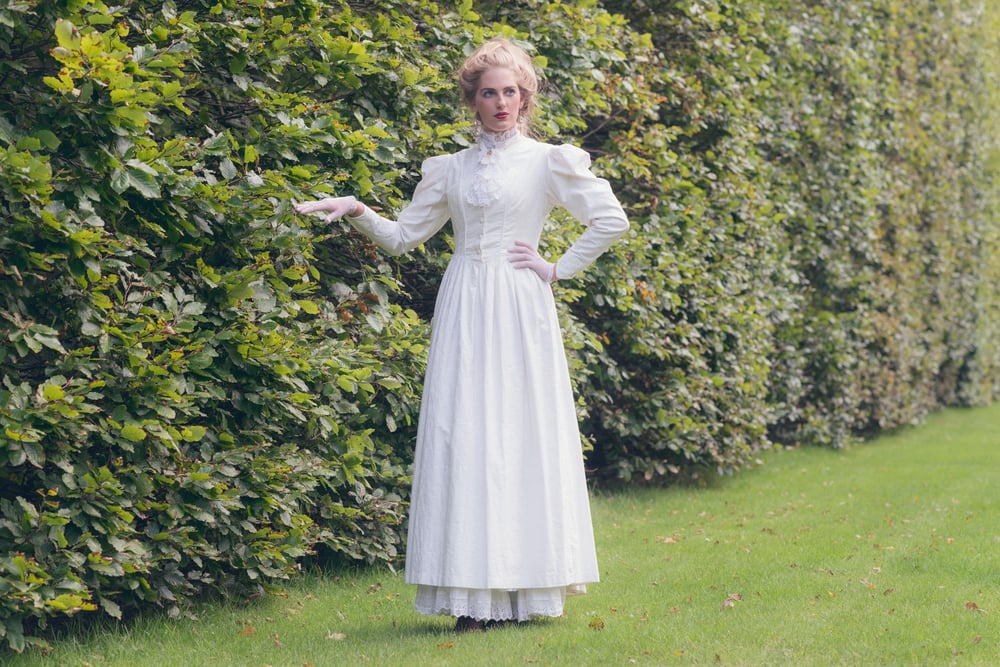
There’s an old story from Boston about a bride who fainted during her vows. The cause? Her corset was laced too tight.
Family members rushed to loosen it, and the ceremony continued after she recovered. Whether it’s true or not, the tale was shared in magazines for years.
It became a cautionary tale for brides everywhere.
The rise of the “wasp waist”
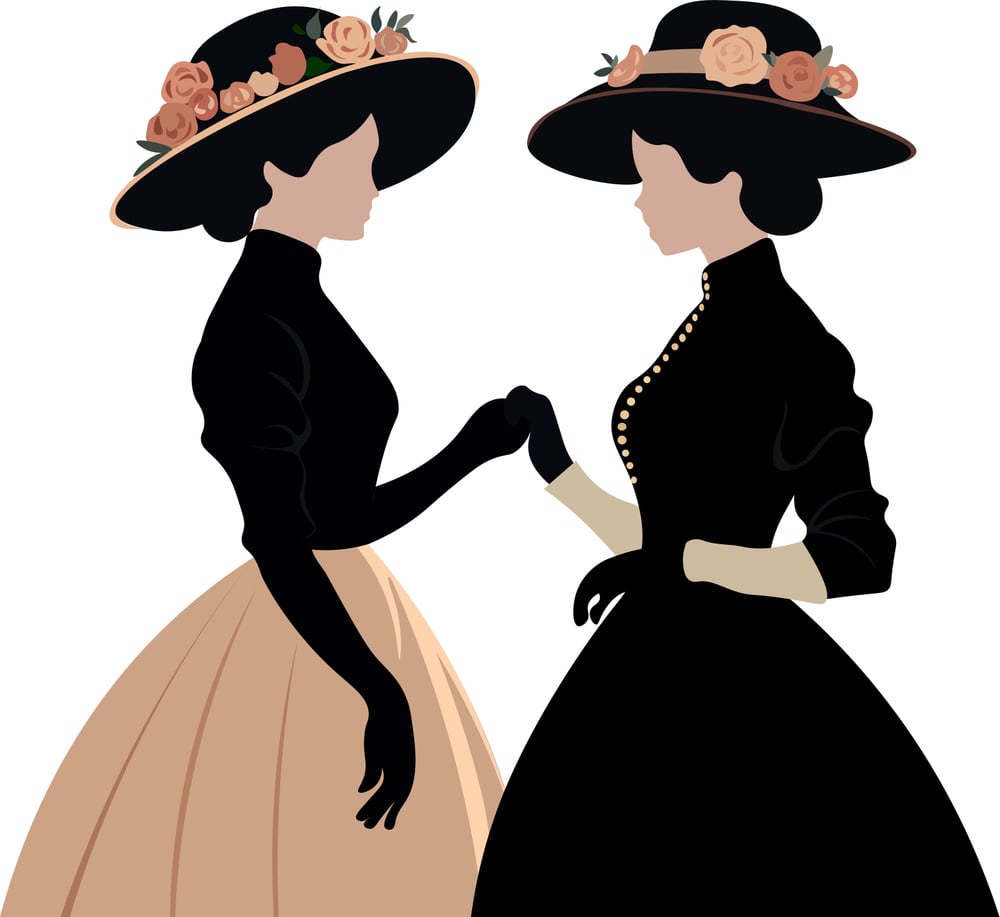
In the 1850s, the ideal figure was shaped like a wasp—tiny waist, full hips. Corsets helped women mold their bodies to match the trend.
Fashion plates and magazines praised the shape. Many women followed suit, often starting to wear corsets from a young age.
It became both a style and a daily routine.
The corset used for protest
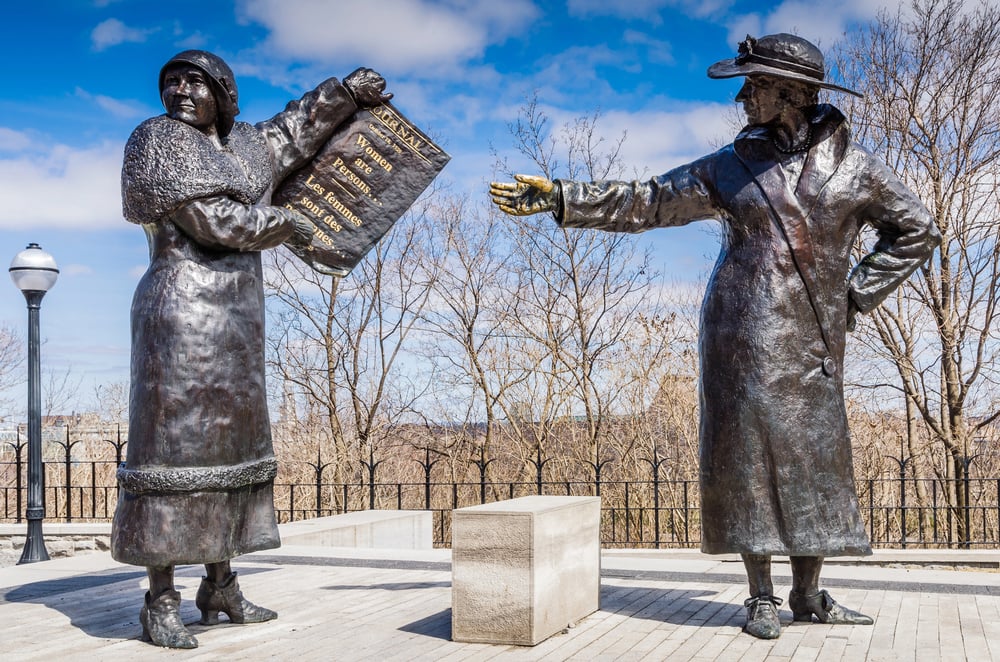
In the early 1900s, some women tossed their corsets into fires during women’s rights marches. It wasn’t just about comfort.
It was a symbol of breaking free from control and expectations. The image stuck, even if not everyone gave up corsets.
It showed how clothing could be political.
Like Go2Tutors’s content? Follow us on MSN.
Corsets in American Wild West saloons
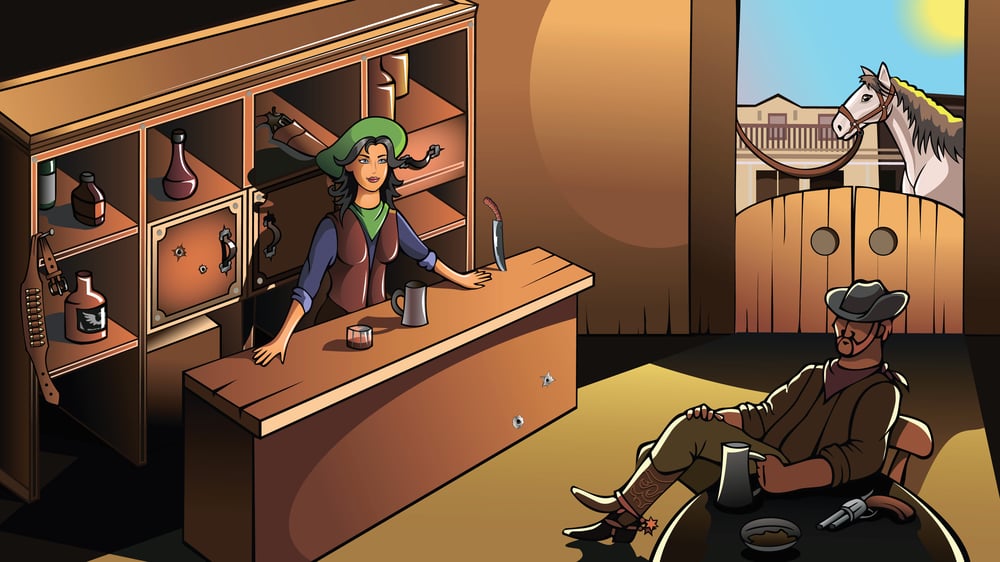
Saloon girls in the Wild West wore brightly colored corsets as part of their stage outfits. These weren’t hidden under dresses.
They were loud, flashy, and meant to be seen. Sometimes decorated with ribbons or sequins, they were part of the performance.
It added glamour to otherwise dusty towns.
The corset that ended up in court
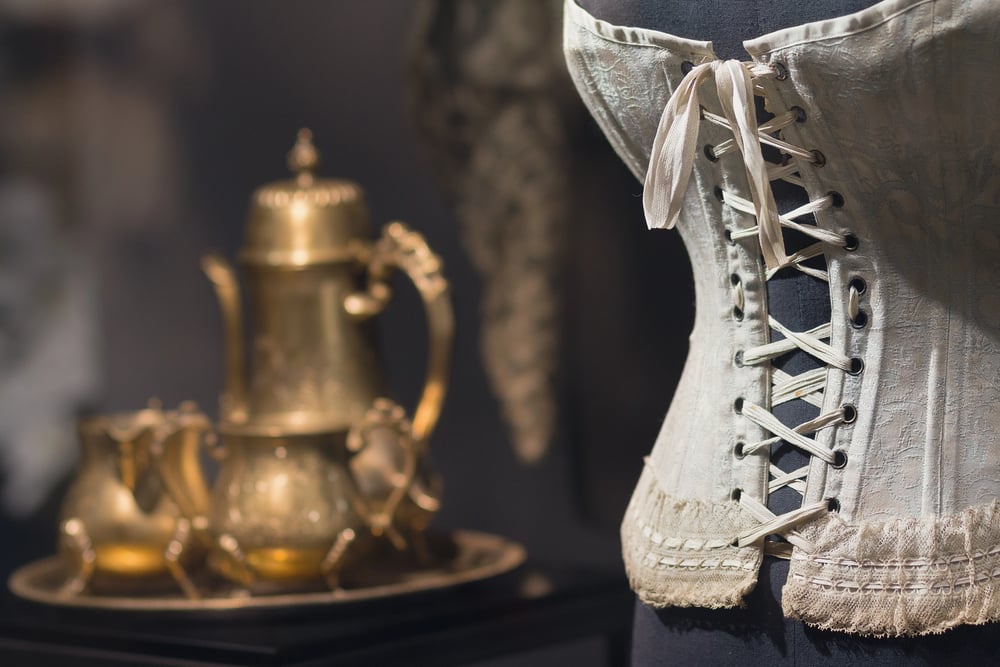
In 1913, a woman sued a corset company, claiming their product caused her injury. The court case drew media attention.
Experts were brought in to testify about how corsets worked. Eventually, the company had to pay damages.
It made other corset makers rethink how their products were designed.
Corsets and the flapper rebellion

By the 1920s, the flapper look took over—loose dresses, straight lines, no cinched waists. Many young women ditched corsets altogether.
It was seen as modern and bold. Some older generations criticized the trend.
But it marked a real shift in how fashion viewed the female body.
Like Go2Tutors’s content? Follow us on MSN.
Hollywood’s corset secrets

Old Hollywood stars often wore corsets under their costumes—even in movies set in modern times. Studios wanted that “hourglass” shape on camera.
Wardrobe teams worked carefully to hide laces and seams. Some actresses wore them for long filming days without complaint.
The audience never saw the work behind the glamour.
The corset’s brief return in punk fashion
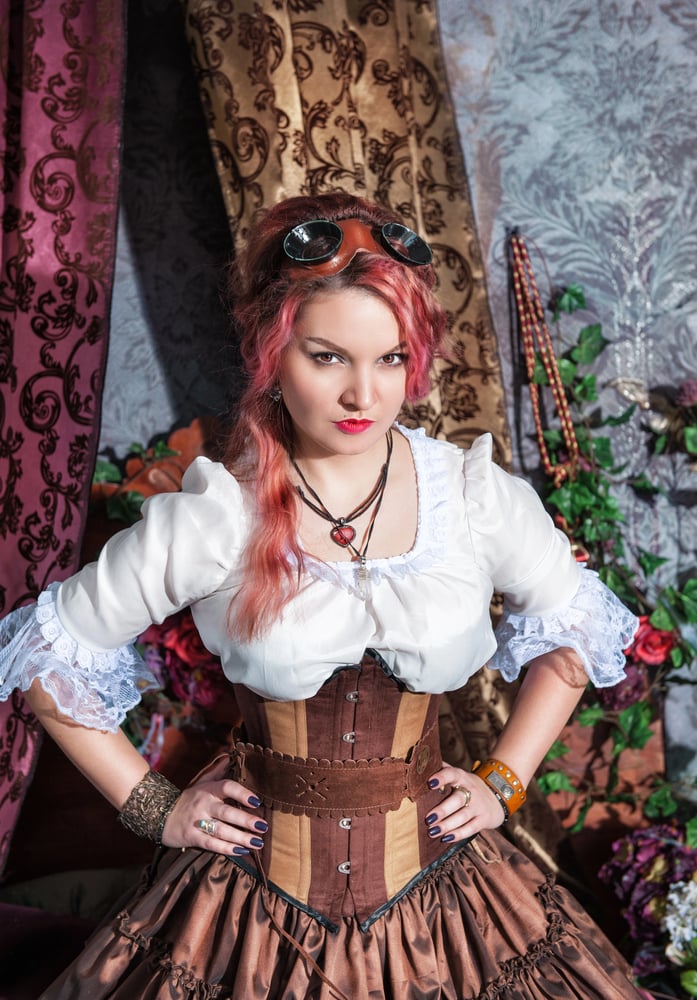
In the late 1970s and early 80s, punk and goth styles brought corsets back—with a twist. They were worn over clothes, made of leather or plastic, and decorated with studs or chains.
These corsets weren’t about shaping the body. They were about making a loud statement.
It flipped the corset’s old meaning on its head.
Runway designers reinventing the corset
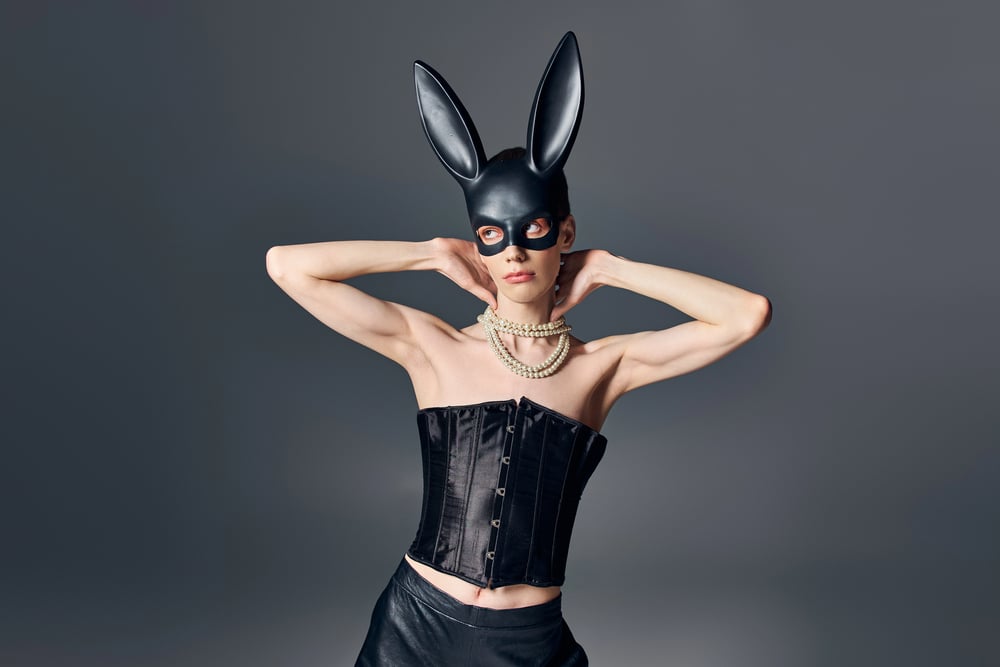
Modern designers like Vivienne Westwood and Jean Paul Gaultier didn’t see corsets as old-fashioned. They used them to build bold, artistic looks.
Some corsets had exaggerated shapes or were worn on top of clothes. These pieces made it clear: the corset wasn’t just surviving, it was evolving.
It became high fashion once again.
Like Go2Tutors’s content? Follow us on MSN.
Corsets in digital drag culture
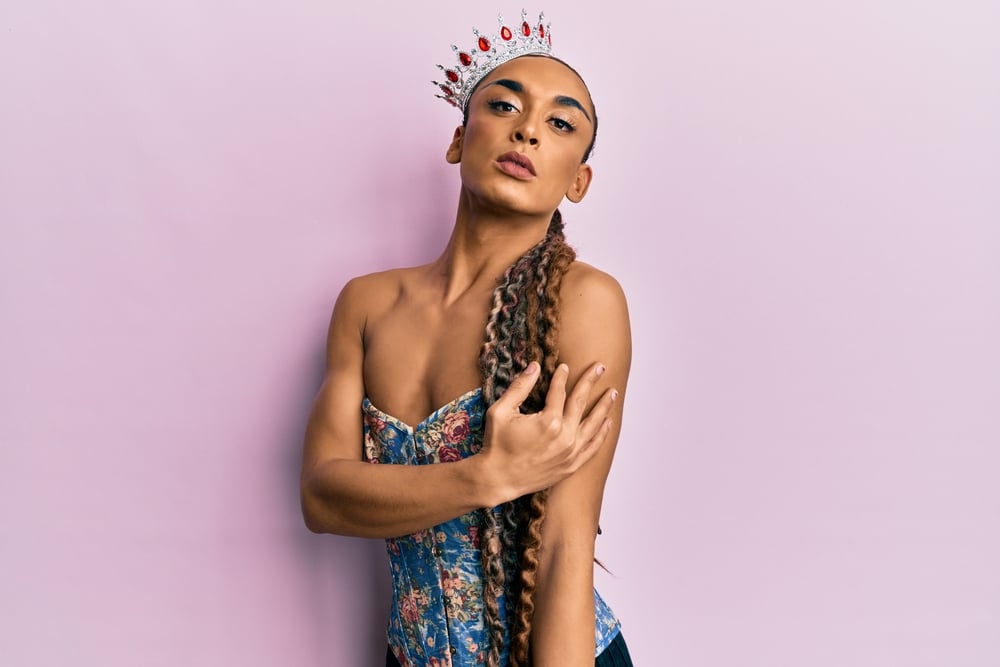
In recent years, online drag performers have brought the corset back into the spotlight. Through video tutorials and live shows, corsets help shape dramatic silhouettes.
They blend tradition with creativity. Viewers around the world watch how these performers lace up and transform.
It’s a new chapter in a very old story.
Where the lace leads now
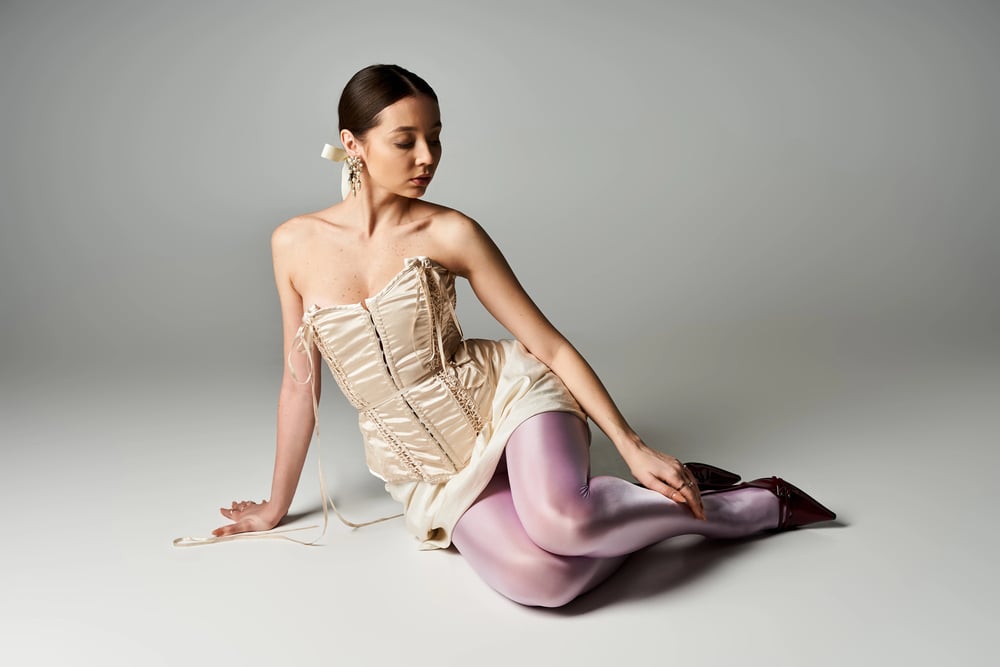
Looking back, the corset has worn many faces: tool, trend, armor, and art. Each generation redefined it—tightening, loosening, or tossing it out completely.
What once shaped bodies now helps shape stories, both on runways and screens. While it may no longer be daily wear, the corset still holds space in fashion and memory.
Its past remains stitched into the present.
More from Go2Tutors!

- 16 Historical Figures Who Were Nothing Like You Think
- 12 Things Sold in the 80s That Are Now Illegal
- 15 VHS Tapes That Could Be Worth Thousands
- 17 Historical “What Ifs” That Would Have Changed Everything
- 18 TV Shows That Vanished Without a Finale
Like Go2Tutors’s content? Follow us on MSN.