Countries With the Most Dangerous Animals in the World
Traveling brings excitement, but some destinations require extra awareness. Certain countries host wildlife that poses real threats to humans—not out of malice, but simply because these animals evolved to defend themselves, hunt, or survive in harsh environments.
You might love adventure, but understanding where the most dangerous creatures live helps you stay safe while exploring the planet.
Australia: Where Everything Bites or Stings

People joke about Australia trying to kill you, but the reputation comes from somewhere real. The box jellyfish drifts through northern waters with enough venom to stop a human heart in minutes.
Inland taipans carry venom potent enough to kill 100 adults with one bite, though they rarely encounter people. Saltwater crocodiles lurk in rivers and coastlines, growing up to 20 feet long and treating anything in their territory as potential prey.
The Sydney funnel-web spider builds burrows in gardens and homes, delivering bites that can kill within hours without treatment. Blue-ringed octopuses, small enough to fit in your palm, carry tetrodotoxin that paralyzes muscles and stops breathing.
Even the platypus, which looks harmless, has venomous spurs that cause excruciating pain.
Australia concentrates danger in both land and sea. You find deadly snakes in suburbs, venomous spiders in shoes, and marine creatures that blend into coral reefs.
The country has more varieties of venomous snakes than anywhere else on Earth.
Brazil: The Amazon’s Hidden Threats

The Amazon rainforest sprawls across Brazil, creating the perfect environment for creatures that humans should avoid. Poison dart frogs advertise their toxicity with bright colors—indigenous people once used their secretions on hunting weapons.
Brazilian wandering spiders roam forest floors and occasionally show up in banana shipments, carrying venom that causes intense pain and sometimes death. Anacondas coil through rivers and swamps, capable of constricting prey as large as jaguars.
Piranhas school in rivers, and while they rarely attack healthy humans, their razor-sharp teeth can strip flesh quickly when feeding. The candiru, a tiny parasitic fish, has a disturbing reputation for entering the body orifices of swimmers.
Electric eels generate shocks up to 600 volts, enough to stun an adult or trigger cardiac arrest. Jaguars prowl the jungle, ranking as the strongest big cat pound-for-pound. Brazil combines rainforest density with biodiversity, meaning danger hides at every level—from the canopy to the riverbed.
India: Tigers and Cobras Share the Landscape

India hosts the Bengal tiger, responsible for more human deaths than any other big cat species. These predators sometimes develop a taste for human prey, particularly in the Sundarbans mangrove forests where villages border tiger habitat.
King cobras, the world’s longest venomous snakes, rear up to eye level and deliver enough neurotoxin to kill an elephant. Russell’s vipers cause the most snakebite deaths in India, hiding in agricultural fields where farmers work.
Saltwater crocodiles patrol coastal regions, while gharials inhabit river systems. Indian leopards adapt to human settlements better than most big cats, occasionally entering homes at night.
Sloth bears may look slow, but they attack when surprised, using long claws to inflict serious injuries. Asian elephants cause hundreds of deaths annually, mostly during crop-raiding incidents or musth periods when males become aggressive.
The country’s dense human population means wildlife encounters happen frequently.
South Africa: Megafauna and Microscopic Killers

African lions still roam South Africa’s reserves and occasionally venture beyond park boundaries. Cape buffalo, often called “Black Death” by hunters, kill more people in Africa than any other large animal.
These bovines weigh up to 2,000 pounds and charge when threatened, goring victims with curved horns. Hippos spend days in water but emerge at night to graze, attacking anyone between them and the river.
Despite their plant-based diet, they kill around 500 people yearly across Africa. Nile crocodiles lie motionless for hours before striking, capable of taking down wildebeest and zebras.
The black mamba slithers through grasslands at speeds up to 12 miles per hour, delivering multiple bites that cause respiratory failure. Puff adders blend into sandy terrain, striking defensively when stepped on.
Great white sharks patrol the coast, particularly near seal colonies. South Africa combines the danger of large predators with venomous reptiles that hide in plain sight.
Indonesia: Komodo Dragons and Marine Hazards

Komodo dragons evolved on isolated islands, growing up to 10 feet long and hunting prey as large as water buffalo. Their bites deliver venom that prevents blood clotting while bacteria in their mouths cause deadly infections.
These lizards have killed humans who ventured too close to nesting sites or wounded animals they were tracking. Saltwater crocodiles reach even larger sizes in Indonesian waters.
Box jellyfish drift through tropical seas during certain seasons, their tentacles trailing venom-filled nematocysts. Blue-ringed octopuses hide in tide pools and coral, while stonefish camouflage perfectly on reef floors—stepping on one injects toxins that cause extreme pain and tissue death.
King cobras live throughout Indonesian jungles, and reticulated pythons rank among the world’s longest snakes, occasionally constricting humans. The combination of island geography and tropical climate creates diverse habitats for dangerous species.
Mexico: Desert Scorpions and Jungle Predators

The Arizona bark scorpion crosses into northern Mexico, delivering stings that prove particularly dangerous to children and the elderly. Mexican beaded lizards, one of only two venomous lizard species, bite and chew to inject toxins.
Rattlesnakes inhabit deserts, grasslands, and forests throughout the country. Jaguars prowl Mexico’s remaining jungles, though human encounters remain rare.
American crocodiles and spectacled caiman patrol coastal rivers. The country’s geographic diversity—from deserts to rainforests—supports various dangerous species adapted to different environments.
Coral snakes display red, yellow, and black bands, carrying potent neurotoxins. Scorpions hide in shoes, bedding, and woodpiles, leading to thousands of stings annually.
Mexico’s position bridging North and South America gives it fauna from both continents.
Tanzania: The Full Range of African Predators

The Serengeti hosts lions, leopards, and cheetahs that evolved hunting the largest land mammal migrations on Earth. Crocodiles concentrate in rivers, particularly during wildebeest crossings when easy prey presents itself.
Black mambas and puff adders represent the venomous snake threats. Cape buffalo travel in herds across grasslands, and wounded individuals become especially aggressive.
Elephants and rhinos, while usually calm, charge when protecting calves or feeling threatened. The tsetse fly spreads sleeping sickness, a parasitic disease that proves fatal without treatment.
Tanzania’s national parks preserve ecosystems where apex predators still hunt freely. The concentration of megafauna means visitors must maintain strict distance and follow guide instructions.
Thailand: Snakes in Cities, Danger in Seas

King cobras live throughout Thailand, even venturing into urban areas during monsoon seasons. Malayan pit vipers hide in vegetation near homes and farms.
The country reports thousands of snakebites yearly, many from monocled cobras that adapt well to human-modified landscapes. Box jellyfish arrive during certain months, closing beaches when concentrations become dangerous.
Stonefish blend with coral reefs popular among tourists. Saltwater crocodiles inhabit mangrove forests and occasionally river systems.
Bull sharks tolerate freshwater and sometimes swim far upstream. Thailand’s tropical climate and mix of forests, rivers, and coastlines create habitats for diverse dangerous species.
The tourism industry means more people encounter wildlife than in less-visited countries.
Colombia: Poison and Predators in the Jungle

Poison dart frogs evolved some of nature’s most potent toxins, absorbed from insects they consume. The golden poison dart frog carries enough batrachotoxin to kill 10 adult humans.
Black caimans, South America’s largest predator, grow up to 16 feet and hunt along riverbanks. Jaguars claim the top predator role in Colombian forests.
Fer-de-lance vipers hide in leaf litter, delivering bites that cause severe tissue damage and wounds. Bushmaster snakes, the longest vipers in the Americas, inject large quantities of hemotoxic venom.
The Amazon and other rainforests cover much of Colombia, creating layers of danger from canopy to forest floor. Electric eels generate shocks in rivers, while piranhas school in certain waterways.
Papua New Guinea: Cassowaries and Coastal Threats

Cassowaries, flightless birds standing six feet tall, use dagger-like claws to defend themselves. They’ve killed humans with powerful kicks that disembowel victims.
These territorial birds attack when they feel threatened or when protecting nests. Saltwater crocodiles grow to immense sizes in Papua New Guinea’s rivers and coasts.
Taipans and death adders rank among the world’s most venomous snakes. Box jellyfish drift through coastal waters, and blue-ringed octopuses hide in tide pools.
The country’s dense jungles and countless islands mean humans encounter dangerous wildlife regularly. Limited medical infrastructure makes bites and stings more serious when they occur far from hospitals.
The Philippines: Marine Life More Dangerous Than Land

Box jellyfish cause more deaths in the Philippines than any land animal, their transparent bodies nearly invisible in water. Blue-ringed octopuses, despite their small size, carry enough venom to kill 26 adults.
Cone snails fire venomous harpoons at prey and occasionally at humans who pick up their shells. Saltwater crocodiles survive in some regions, though their populations have declined.
Philippine cobras spit venom accurately up to several feet, aiming for eyes. The country’s 7,000 islands create extensive coastlines where dangerous marine life thrives.
Stonefish injuries happen regularly to fishermen and beachgoers who step on these well-camouflaged predators. The concentration of marine hazards makes ocean activities riskier than jungle treks.
Peru: Amazon Dangers at High Concentration

The Peruvian Amazon hosts black caimans, anacondas, and jaguars in dense populations.cdeliver stings that cause waves of intense pain lasting up to 24 hours—indigenous people use them in initiation rituals.
Poison dart frogs advertise their toxicity while wandering forest floors. Fer-de-lance snakes hide in plantations and villages near jungle edges.
Electric eels generate shocks that can stop a human heart. Piranhas fill certain rivers, though they pose less danger than popular media suggests.
The Amazon creates perfect conditions for biodiversity, including species that threaten human safety. Peru’s rainforest regions remain relatively undeveloped, meaning wildlife still dominates the landscape.
The sheer density of dangerous species per square mile ranks among the highest globally.
Kenya: Where Safari Means Real Risk
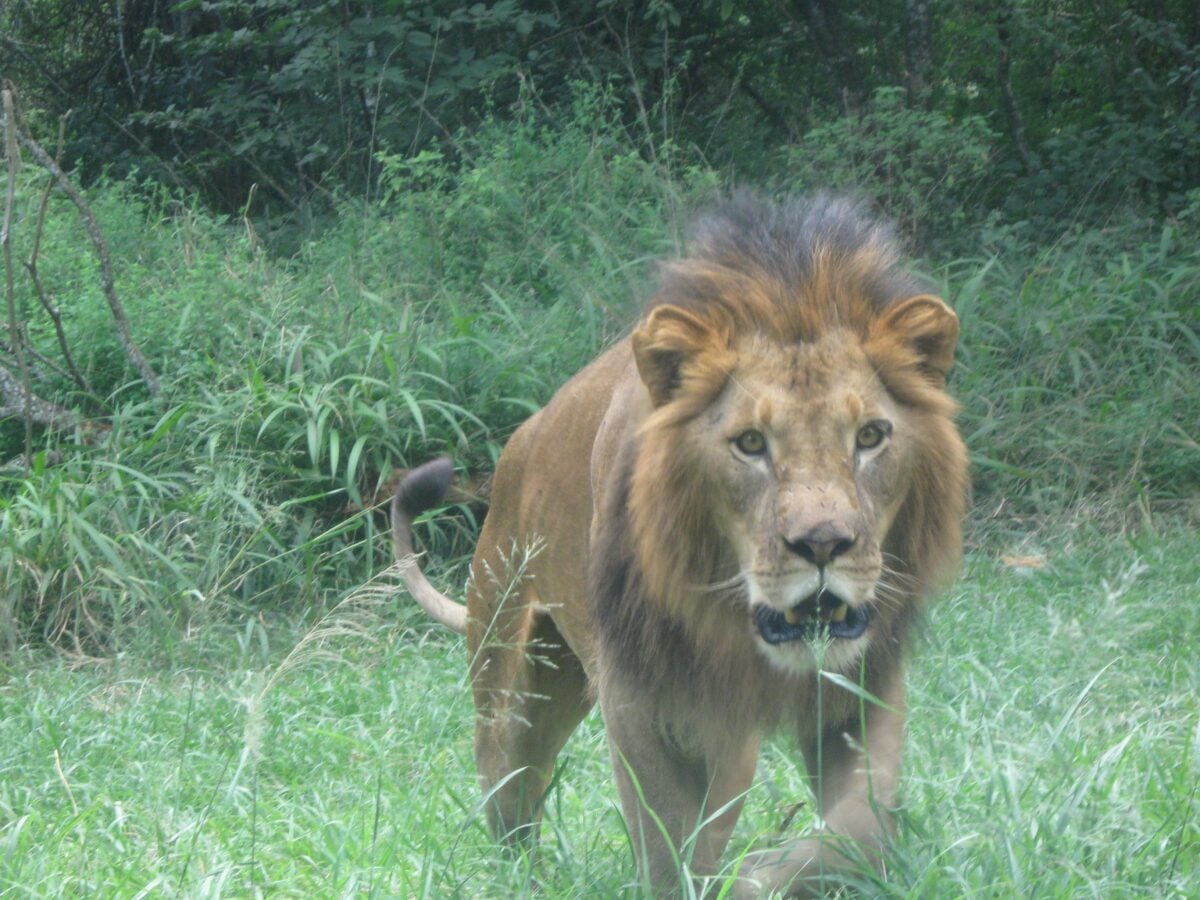
Lions sometimes take lives – both cattle and humans – in Kenya, especially where wild areas brush against villages. When feeling danger, elephants trample fields, charging without warning.
Fast as a flicker, black mambas bite, their venom shutting down breathing muscles within hours. Down by the Mara River, Nile crocodiles move slowly through the water, taking many lives each year.
Herds of cape buffalo feed together, yet turn fierce if hurt or guarding calves. Lying still in tall grass, puff adders wait – then lash out when stepped near, responsible for more fatal bites than any other snake on the continent.
Out in Kenya’s wild spaces, big cats move without fences. Seeing fierce animals nearby draws crowds on safari trips – yet trained leaders keep things under control.
Seeing Risk Clearly Without Scaring Yourself

Danger lurks in these lands, yet crowds arrive without harm each year. When sensing danger, defending space, or chasing meals – creatures strike.
Awareness keeps you steady; locals offer clues worth noting while distance guards against sudden moves. Before people walked the Earth, some creatures were already built to survive in harsh ways.
These animals shape their environments, controlling numbers so nature stays steady. Exploring wild areas means respecting risks – not avoiding them altogether.
How you act on arrival matters more than fear ever does.
More from Go2Tutors!

- The Romanov Crown Jewels and Their Tragic Fate
- 13 Historical Mysteries That Science Still Can’t Solve
- Famous Hoaxes That Fooled the World for Years
- 15 Child Stars with Tragic Adult Lives
- 16 Famous Jewelry Pieces in History
Like Go2Tutors’s content? Follow us on MSN.



