Trivia Questions That Went Viral
Some questions don’t need a quiz night to start a fight. A single post, a shared image, or a short audio clip is enough to send millions of people into a frenzy — all because nobody can agree on the answer.
These aren’t just brain teasers. They tap into something deeper: the unsettling idea that two people can look at the exact same thing and reach completely opposite conclusions.
Here are the trivia questions that broke the internet, one argument at a time.
The Dress That Divided the World
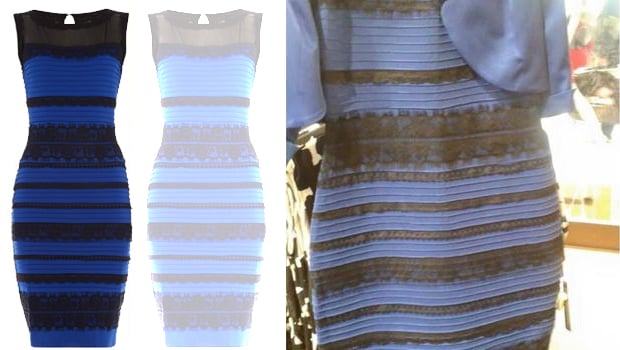
In February 2015, a photo of a dress started what might be the biggest optical debate in internet history. Some people saw it as blue and black.
Others saw white and gold. The original post got millions of views in a matter of hours, with people tagging friends, arguing in comment sections, and genuinely questioning their own perception.
The scientific explanation involves how your brain interprets light. People who assumed the dress was in shadow saw it as white and gold.
Those who assumed bright light saw blue and black. Neither group was wrong — they were just filling in the gaps differently.
The dress was actually blue and black, but that didn’t stop the debate from raging for days.
Yanny or Laurel

A few years after the dress, another perceptual puzzle split the internet down the middle. An audio clip posted to Reddit asked a simple question: do you hear “Yanny” or “Laurel”?
The answer depended on which frequencies your ears and brain prioritized. Younger listeners tended to hear Yanny.
Older ones heard Laurel. Some people could switch between the two by adjusting the audio.
The clip spread so fast that major news outlets covered it and it ended up on late-night TV within 24 hours.
Is a Hot Dog a Sandwich?

This one sounds ridiculous until you try to answer it. A hot dog is meat between bread.
That’s pretty much the definition of a sandwich. But something feels off about calling it one. The hot dog is in a hinged bun.
The meat is a single piece, not sliced. There’s something structurally different going on.
The debate got so intense that the Merriam-Webster dictionary weighed in on Twitter. The National Hot Dog and Sausage Council released an official statement declaring that a hot dog is not a sandwich.
Food historians and lawyers (yes, lawyers) got involved. It became a serious cultural question that people still argue about today.
How Many Openings Does a Straw Have?

One opening or two? This question looks simple until you actually think about it. A straw is a tube.
Does a tube have one continuous opening going through it, or does it have a separate opening on each end? Mathematicians and topologists will tell you a straw has one opening — it’s topologically equivalent to a donut, which also has one opening.
But most people’s intuition says two. The question became a genuine internet sensation because smart people kept reaching different conclusions depending on how they defined “opening.”
No consensus has ever been reached, which is exactly why it keeps circulating.
The Monty Hall Problem
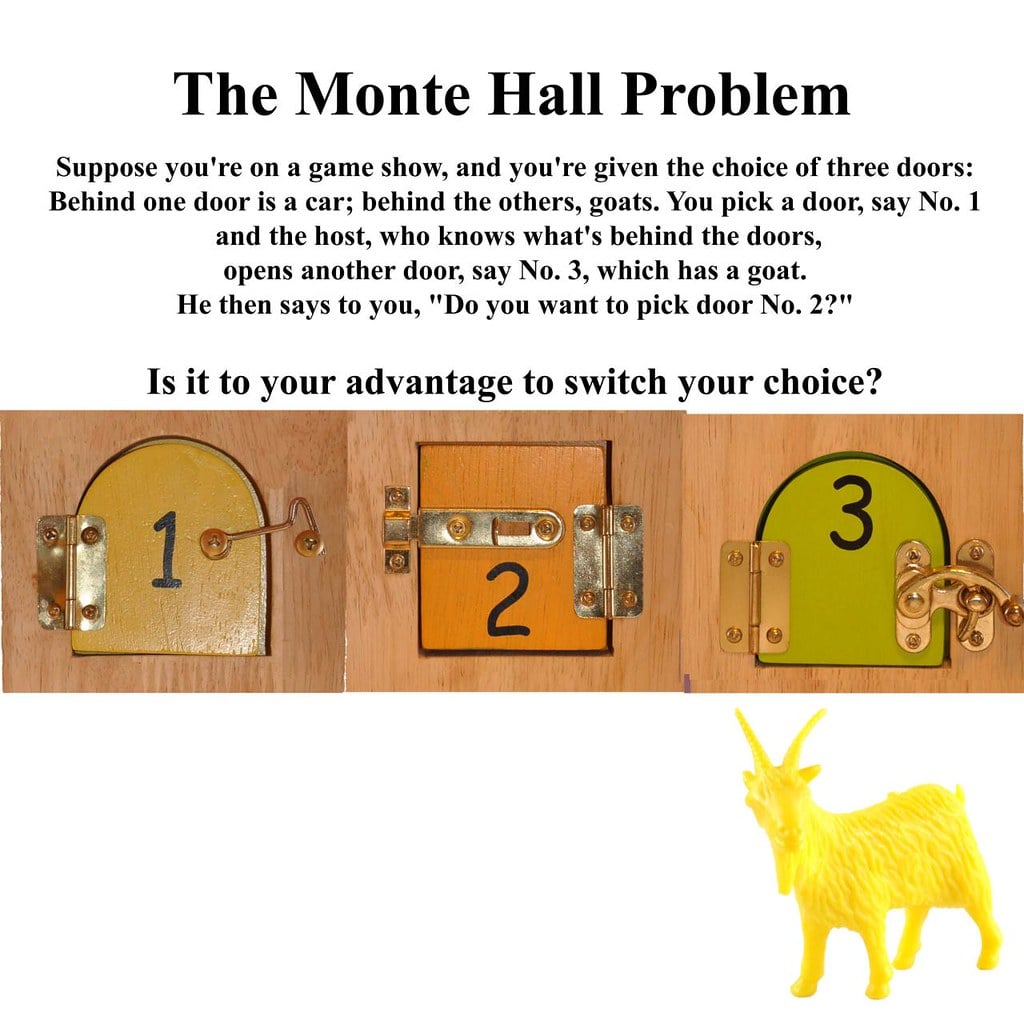
Named after the host of the game show Let’s Make a Deal, the Monty Hall Problem has been confusing people for decades. Here’s the setup: you’re on a game show. There are three doors.
Behind one is a car. Behind the other two are goats.
You pick a door. The host opens a different door to reveal a goat.
Now you can stick with your original choice or switch to the remaining door. What should you do? The answer is switch.
Switching gives you a two-thirds chance of winning. But that answer is so counterintuitive that when Marilyn vos Savant published it in Parade Magazine in 1990, thousands of people — including mathematicians and PhDs — wrote in to say she was wrong.
She wasn’t. The problem went viral again in the age of social media, and the arguments started all over.
Is Water Wet?

This question sounds like something a philosophy student asks at 2am, but it spreads across social media with surprising seriousness. The debate hinges on what “wet” actually means.
If wet means “covered in liquid,” then water can’t be wet because it is the liquid. If wet means “the experience of moisture,” then water certainly causes wetness — but is it wet itself? Scientists have pointed out that individual water molecules aren’t wet.
Wetness is a property that emerges from contact between water and another surface. That doesn’t fully resolve the debate, but it does make the question more interesting than it first appears.
What Color Is a Mirror?
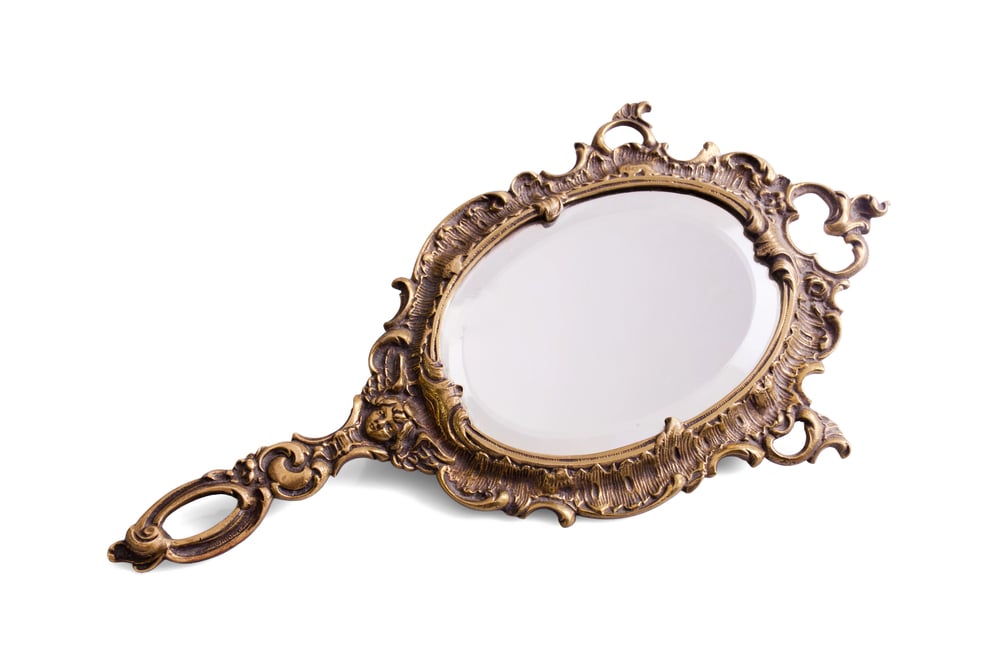
Most people say silver. Or maybe grey. Some say it has no color because it just reflects whatever you put in front of it.
But technically, a perfect mirror is green. This is because mirrors reflect light across the visible spectrum, but they slightly favor green wavelengths.
A perfectly reflective mirror would look like a very pale, slightly green light. The question circulated widely after a YouTube video explored it in detail, and it’s one of those answers that genuinely changes how you see everyday objects.
The Einstein Riddle
Also known as the, this logic problem is often attributed to Einstein, who supposedly claimed that only 2% of the population could solve it. Whether he actually said that is unclear, but the claim stuck, and it helped the puzzle spread.
The setup: five houses in a row, each a different color. Each house has an owner of a different nationality.
Each owner drinks a different drink, smokes a different brand (in the original), and keeps a different pet. Using a series of clues, you have to figure out who owns the fish.
It’s solvable through pure logic, but it takes patience and a systematic approach. The “2% claim” made millions of people want to try it just to prove they were in that group.
The Trolley Problem
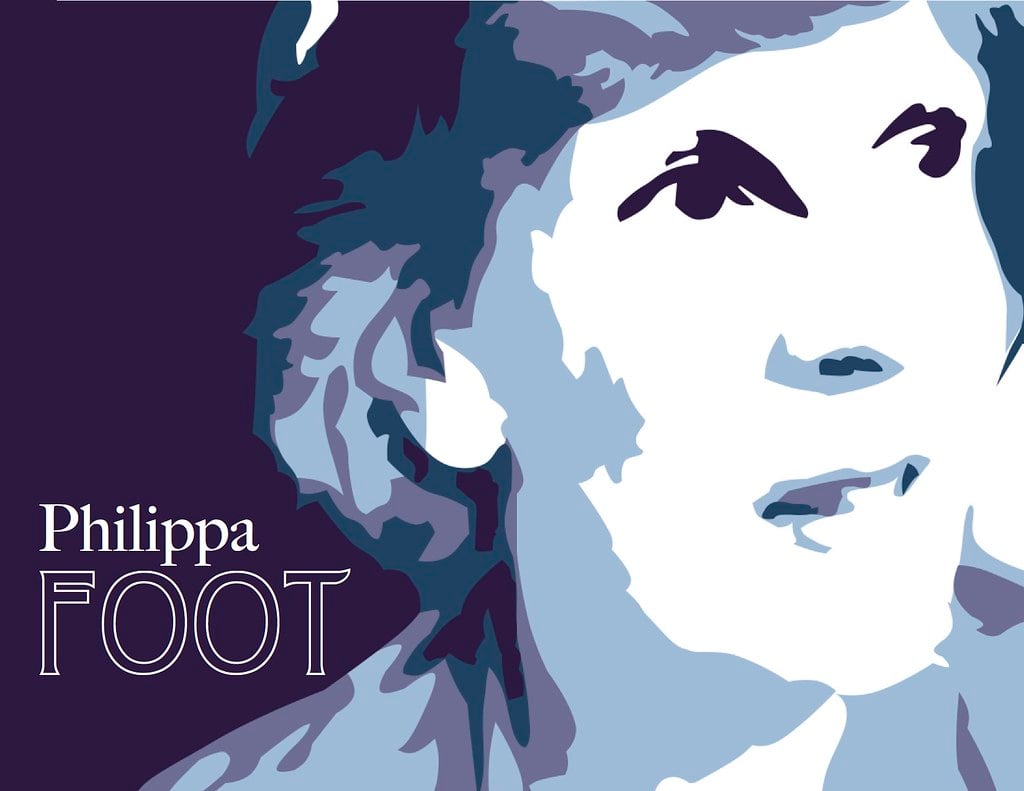
Originally a thought experiment from philosophy — specifically from ethicist Philippa Foot — the trolley problem exploded into mainstream culture when memes made it approachable. A runaway trolley is heading toward five people tied to the tracks.
You can pull a lever to divert it, but doing so will kill one person on another track. Do you pull the lever?
The question spread because it’s genuinely hard. Most people say yes, pull the lever — saving five lives justifies the one.
But then variants started circulating: what if the one person is a child? What if they’re a doctor?
What if you have to push someone off a bridge to stop the trolley instead of pulling a lever? Each twist changes how people answer, and that inconsistency reveals something uncomfortable about moral intuition.
How Many Squares Are in This Grid?

A 4×4 grid gets shared on social media and the question is always the same: how many squares do you see? Most people count 16. Then someone points out the 2×2 squares.
Then the 3×3. Then the 4×4 square that the entire grid forms.
The total is actually 30. This question has circulated in multiple versions — 3×3, 5×5, grids with overlapping shapes — and it always generates the same reaction.
People are confident in their answer until someone shows them what they missed. Then they feel compelled to share it with everyone they know.
GIF: Hard G or Soft G?

This debate started back in the eighties. At the 2013 Webby Awards, Steve Wilhite – the man who made GIF – said it should sound like “jif,” just like the peanut spread.
Online crowds didn’t buy it. Hard-G fans argue their way because the term comes from Graphics Interchange Format, where “graphics” kicks off with a strong G. Still going strong, the argument only grew louder after Wilhite spoke up.
Voices joined in – from word experts to everyday users typing online. What really decides it: the inventors say or how most folks say it? That part remains unsettled.
Either way, plenty stick to their version even now.
Chicken Before Egg Or Egg Before Chicken?
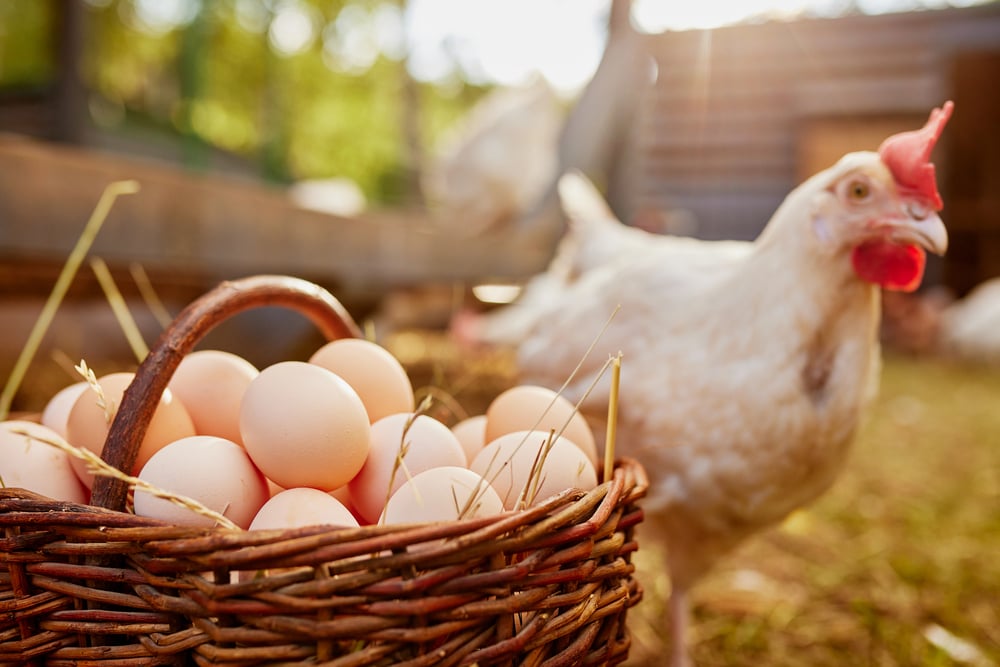
Oldest riddle around, shows up again and again since way back in Greece. Aristotle poked at it, then others followed – thinkers kept circling it like moths.
Now online, it pops up fresh each time someone stumbles into its trap. Looks impossible at first glance, that’s why it sticks.
First comes the egg, biology says. Changes in genes occur inside the parent’s cells, then show up when life begins fresh in a fertilized cell.
That means the very first creature we’d call a chicken emerged from an egg made by something almost but not quite chicken-like. Surprise? The egg was already there before the bird.
Yet folks often push back, calling that reply too clever, missing what they think the riddle asks – so debate lingers.
The Birthday Paradox

A single room, just twenty-three folks inside – suddenly it’s more likely than not two have the same birthday. Guesses often land near one hundred fifty, maybe even halfway to three sixty-five.
Truth shows up much sooner. A strange thing happens when numbers surprise us.
Though a year holds 365 days, only 23 people are needed for shared birthdays to become likely. That seems off at first glance.
But here’s the twist: the question isn’t about matching your own birthday – it’s about any match among everyone present. Once you see it that way, the connections multiply quickly.
Twenty-three individuals create no fewer than 253 chances for overlap. It’s the kind of truth most will doubt until they check twice.
Tomato Classification Debate?

A seed forms inside what we call a tomato after its bloom fades, making it a fruit by plant rules. Yet flavor bends salty here, so kitchens treat it like greens, not sweets. Store aisles stack them beside peppers, not apples.
Back in 1893, U.S. judges said commerce sees tomatoes as vegetables when taxes apply. Depending on if you ask someone who studies plants or someone who works in a kitchen, the reply shifts.
That uncertainty is why the topic pops up again and again online – each time pulling people into new arguments down through the comments. It just won’t stay quiet.
The Questions That Never Leave

Something odd happens when a puzzle spreads fast online. It seems simple at first glance, yet stumps most who try.
The setup tricks you into confidence. Then confusion follows.
Answers get stated clearly, but debate keeps going anyway. A basic idea about thinking gets shaken.
You pause. Your certainty slips.
That moment – when understanding wobbles – is what sticks. Truth hides in plain sight when a question makes you pause.
That moment of hesitation? It reveals more than facts ever could. Which is probably why these puzzles spread like wildfire online.
More from Go2Tutors!

- The Romanov Crown Jewels and Their Tragic Fate
- 13 Historical Mysteries That Science Still Can’t Solve
- Famous Hoaxes That Fooled the World for Years
- 15 Child Stars with Tragic Adult Lives
- 16 Famous Jewelry Pieces in History
Like Go2Tutors’s content? Follow us on MSN.



