December 25: Events That Happened This Day
You probably know December 25 as Christmas. But this date has witnessed far more than just holiday celebrations throughout history.
Wars have been paused and started, empires have risen and fallen, and ordinary moments have become extraordinary. Some of these events shaped entire civilizations, while others simply remind you that history keeps moving forward, even on the most sacred of holidays.
A Norman Takes the English Throne
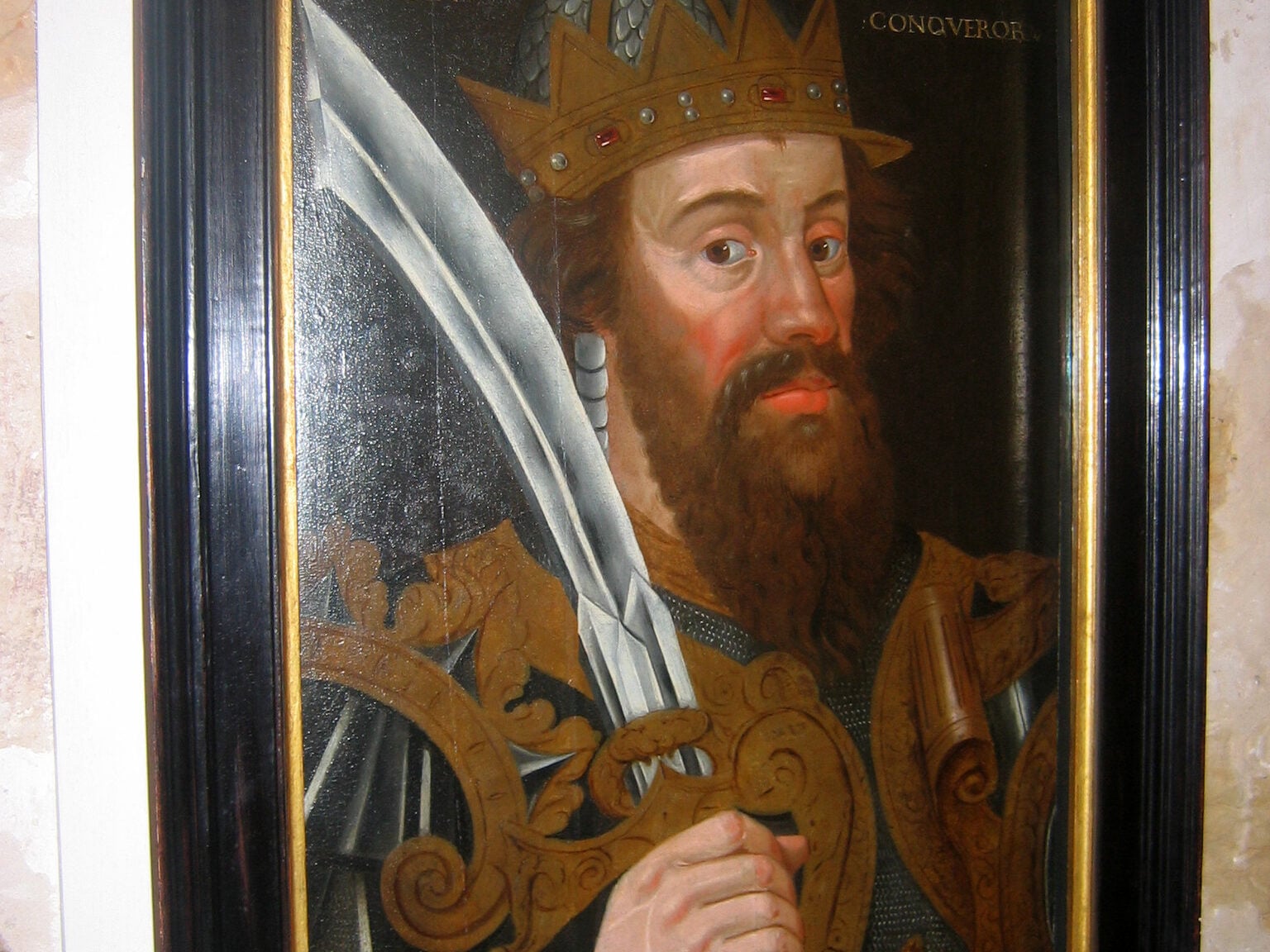
December 25, 1066 changed England forever. William the Conqueror stood in Westminster Abbey and accepted the crown of England, becoming the first Norman king.
He had defeated King Harold at the Battle of Hastings just months earlier, but claiming the throne and securing it were two different things. The coronation itself was tense.
When the congregation shouted their approval, Norman guards outside thought a riot had started and set fire to nearby buildings. William supposedly trembled through the ceremony.
Yet this moment ended more than 600 years of Anglo-Saxon rule and introduced a new language, new customs, and a complete restructuring of English society. The Norman Conquest touches every aspect of modern English culture, from the legal system to the vocabulary you use today.
An Emperor on Christmas Day, 800 AD
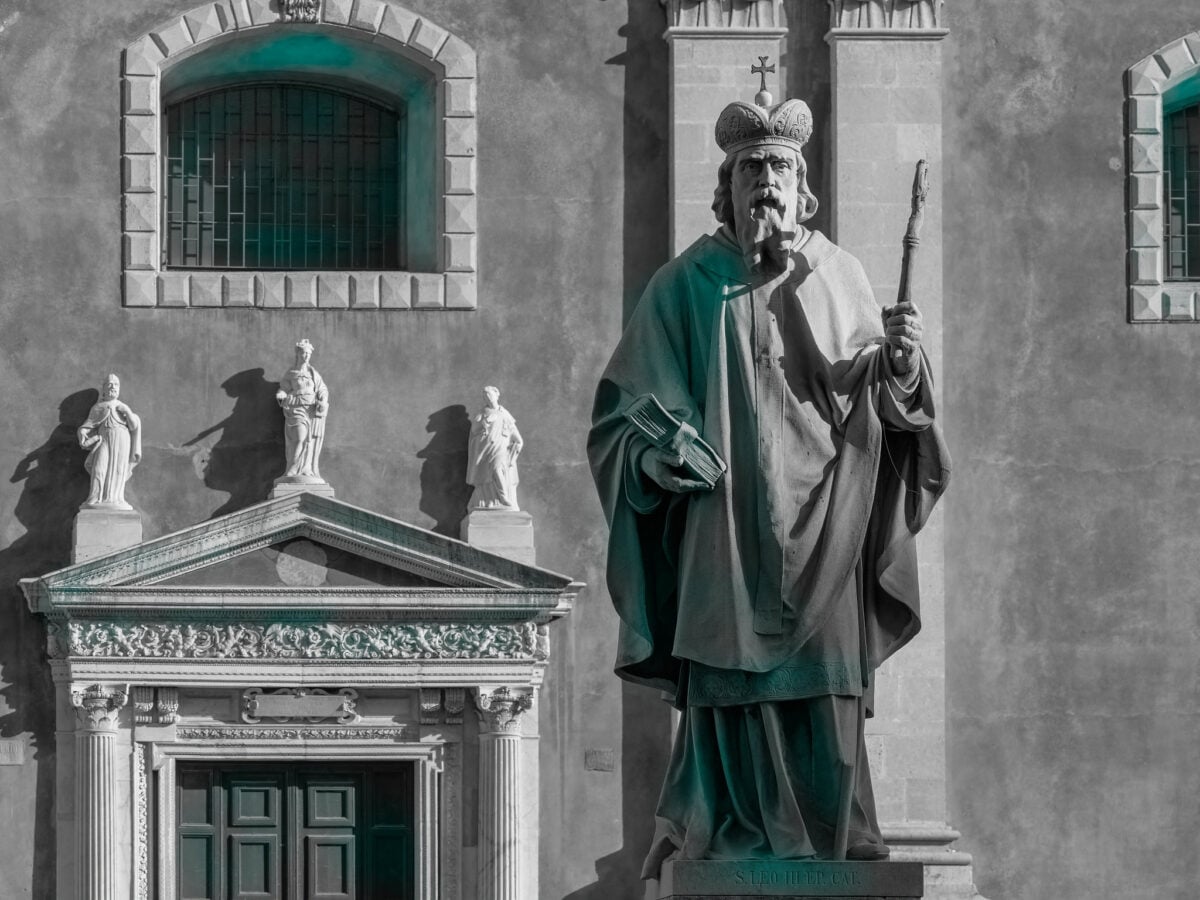
On Christmas Day in the year 800, Pope Leo III placed a crown on Charlemagne’s head in Rome. The moment created something that hadn’t existed for centuries: a Western Roman Emperor.
Charlemagne had already unified most of Western Europe under Frankish rule, but this coronation gave his power a sacred dimension. The gesture revived imperial authority in the West and established a precedent that would shape European politics for a thousand years.
The Holy Roman Empire, which emerged from this Christmas Day crowning, lasted until Napoleon dismantled it in 1806. Some historians argue Charlemagne was surprised by the coronation, that he would have avoided it if he’d known what the Pope planned.
Others say he orchestrated the entire thing. Either way, the decision to crown him on Christmas Day sent a clear message about the relationship between religious and political power.
Crossing the Delaware in Ice and Darkness
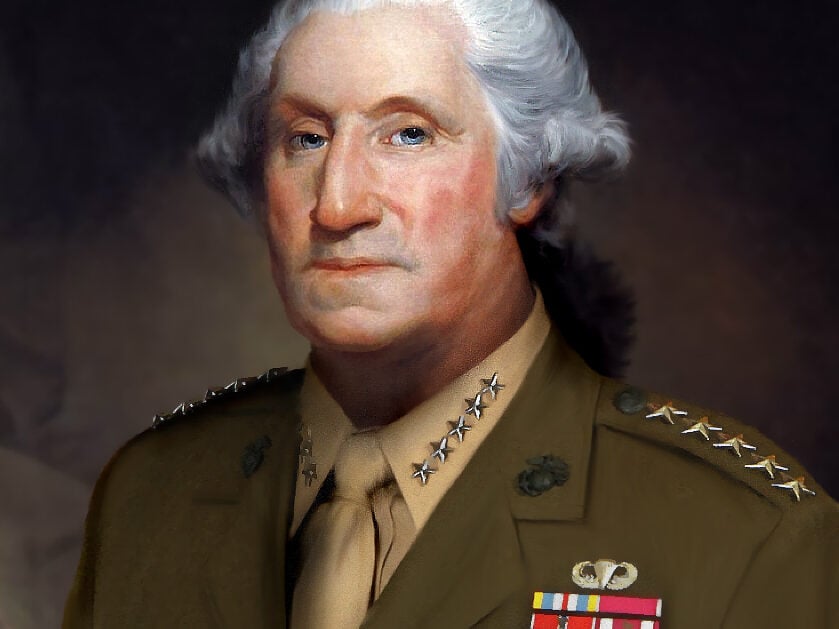
General George Washington needed a win badly. By December 1776, the American Revolution was failing. The Continental Army had lost New York City and was retreating across New Jersey with British forces in pursuit.
Morale had collapsed. Soldiers were deserting. The cause seemed lost.
Washington decided to gamble. On Christmas night, he led 2,400 men across the ice-choked Delaware River in a dangerous operation.
The weather was brutal. The crossing took longer than planned.
But the Hessian troops on the other side were celebrating Christmas and didn’t expect an attack. The raid succeeded. Washington’s forces captured about 900 prisoners, weapons, and supplies, then retreated back across the river before British reinforcements could arrive.
The victory was small in military terms but massive psychologically. It proved the Continental Army could still fight, still win.
The momentum shifted. American independence became possible again.
A Scientist Born on Christmas Day

Isaac Newton entered the world on December 25, 1642, at Woolsthorpe Manor in England. He arrived premature and so small that his mother later said he could have fit in a quart mug.
No one expected him to survive. He did more than survive.
Newton went on to describe the laws of motion and universal gravitation, develop calculus, and advance the understanding of light and optics. His work formed the foundation of classical physics and changed how humans comprehend the physical world.
The apple story is probably exaggerated, but the insight was real. Newton realized that the same force that pulls an apple to the ground also keeps the moon in orbit around Earth.
This simple observation connected earthly and celestial mechanics in a way no one had before.
When the Guns Went Silent
December 25, 1914 produced one of the strangest moments in military history. Along parts of the Western Front, British and German soldiers stopped fighting.
They climbed out of their trenches, met in No Man’s Land, and celebrated Christmas together. The truce wasn’t official or universal.
In some sectors, the fighting continued and men died. But in many places, enemies became temporary friends.
They sang carols, exchanged gifts, shared food and drink, and in a few locations, even played games together. Some soldiers helped bury each other’s dead.
The Christmas Truce happened because the men in the trenches decided it would. Pope Benedict XV had asked for an official truce, but military leaders on both sides refused.
The soldiers ignored their commanders. On Christmas Eve, German troops began singing carols and placing candles along their trenches. British soldiers sang back.
Tentative conversations started. By Christmas morning, soldiers were shaking hands in No Man’s Land.
The truce embarrassed military leadership. Officers worried it would undermine the fighting spirit. Orders went out to prevent any repetition.
The war continued for nearly four more years, claiming millions of lives. The Christmas Truce of 1914 never happened again.
The Founder of American Humanitarian Aid
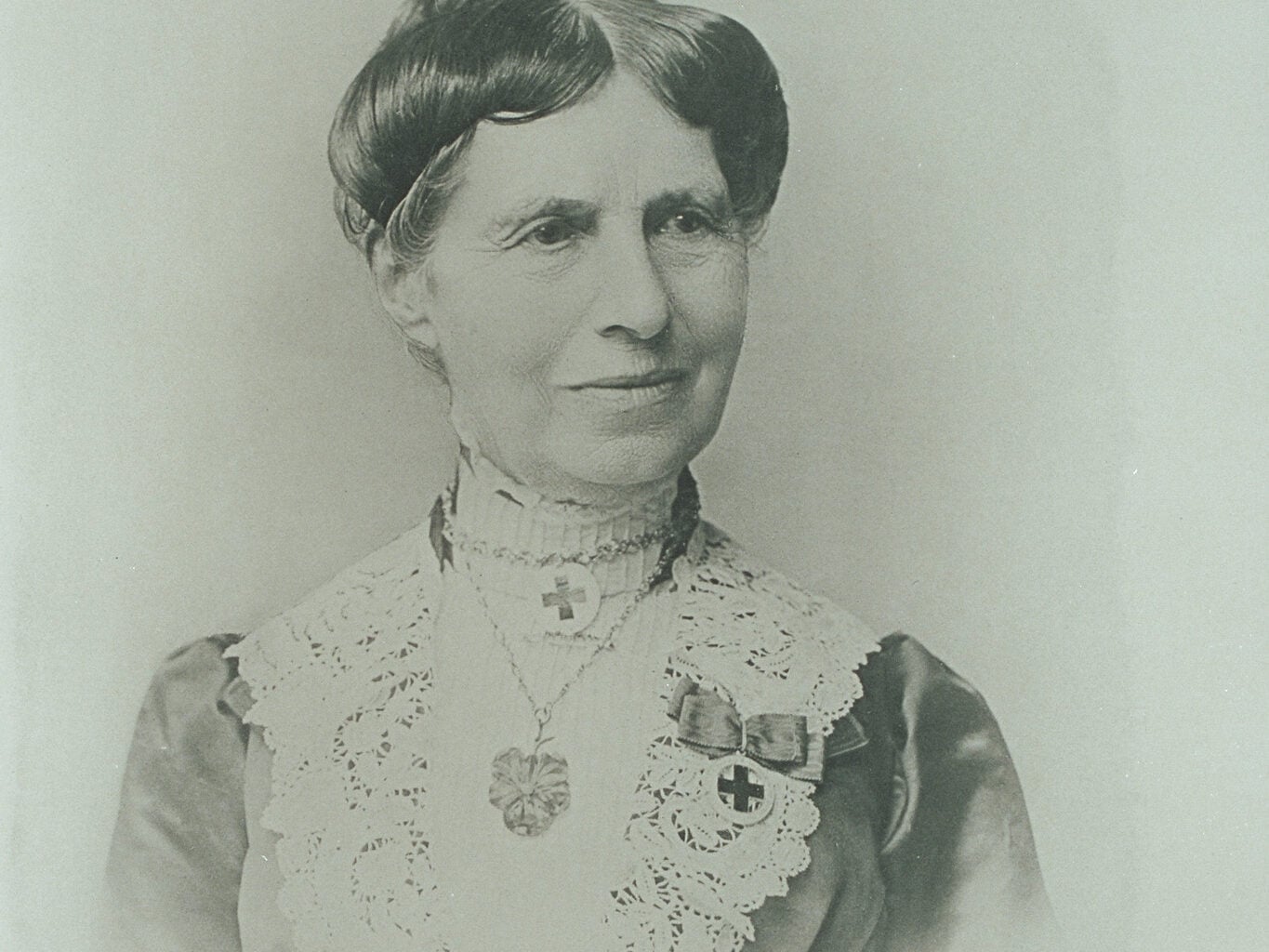
Clara Barton was born on Christmas Day in 1821 in Oxford, Massachusetts. She grew up helping care for others, nursing a seriously injured brother back to health when she was just eleven years old.
During the Civil War, Barton organized efforts to collect and distribute supplies to Union soldiers. She worked on battlefields providing medical care, often under fire.
After the war, she helped families locate missing soldiers. Her work identifying casualties and maintaining records saved countless families from years of uncertainty.
In 1881, Barton founded the American Red Cross, bringing the international Red Cross movement to the United States. She led the organization for 23 years, expanding its mission beyond battlefield medicine to include disaster relief.
Her Christmas birthday seems fitting for someone who dedicated her life to helping others.
The Song That Defined Christmas

— Photo by 1000Words
“White Christmas” received its first public performance on December 25, 1941. Bing Crosby sang Irving Berlin’s new composition on his NBC radio program, The Kraft Music Hall.
The timing was remarkable. The United States had entered World War II just weeks earlier after the attack on Pearl Harbor.
Millions of Americans were facing their first wartime Christmas, separated from loved ones serving overseas. Berlin’s lyrics captured a longing for home and simpler times that resonated deeply.
Crosby recorded the song for the 1942 film Holiday Inn. It became the best-selling single in history at the time.
Even today, it remains one of the most commercially successful songs ever released. The melancholy beneath its cheerful melody still connects with listeners decades later.
America’s First Scheduled Railroad
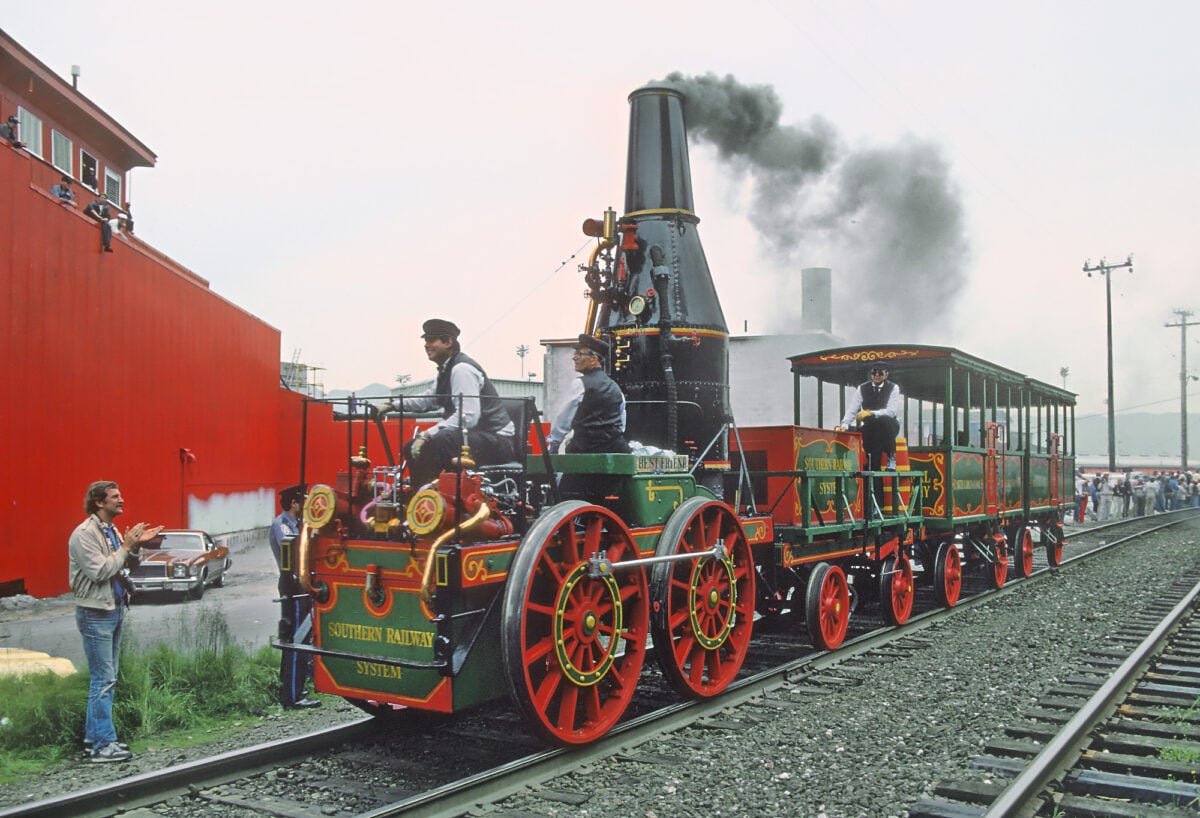
The Best Friend of Charleston made history on December 25, 1830, when it became the first steam locomotive in the United States to offer regularly scheduled passenger service. The locomotive pulled a train of passenger cars along six miles of track in South Carolina.
The railroad revolutionized American transportation and commerce. Before trains, moving goods and people across the country required weeks of difficult travel.
Railroads shortened those journeys to days and made the settlement of the interior practical. The Best Friend of Charleston itself had a short career. Its boiler exploded six months later when a fireman, annoyed by the sound of escaping steam, sat on the safety valve.
But the precedent had been set. Within decades, railroads crisscrossed the nation.
Scout Finch Goes to the Movies

To Kill a Mockingbird opened in Los Angeles on December 25, 1962. The film adaptation of Harper Lee’s Pulitzer Prize-winning novel told the story of racial injustice in Depression-era Alabama through the eyes of a young girl named Scout Finch.
Gregory Peck’s portrayal of Atticus Finch, the small-town lawyer defending a Black man falsely accused of assault, became iconic. Peck won the Academy Award for Best Actor.
The film earned more than six times its budget and won three Oscars in total. The movie arrived during the height of the Civil Rights Movement. Its themes of prejudice, justice, and moral courage resonated with audiences grappling with the same issues in their own communities.
The film remains required viewing in many schools.
Soviet Troops Enter Afghanistan
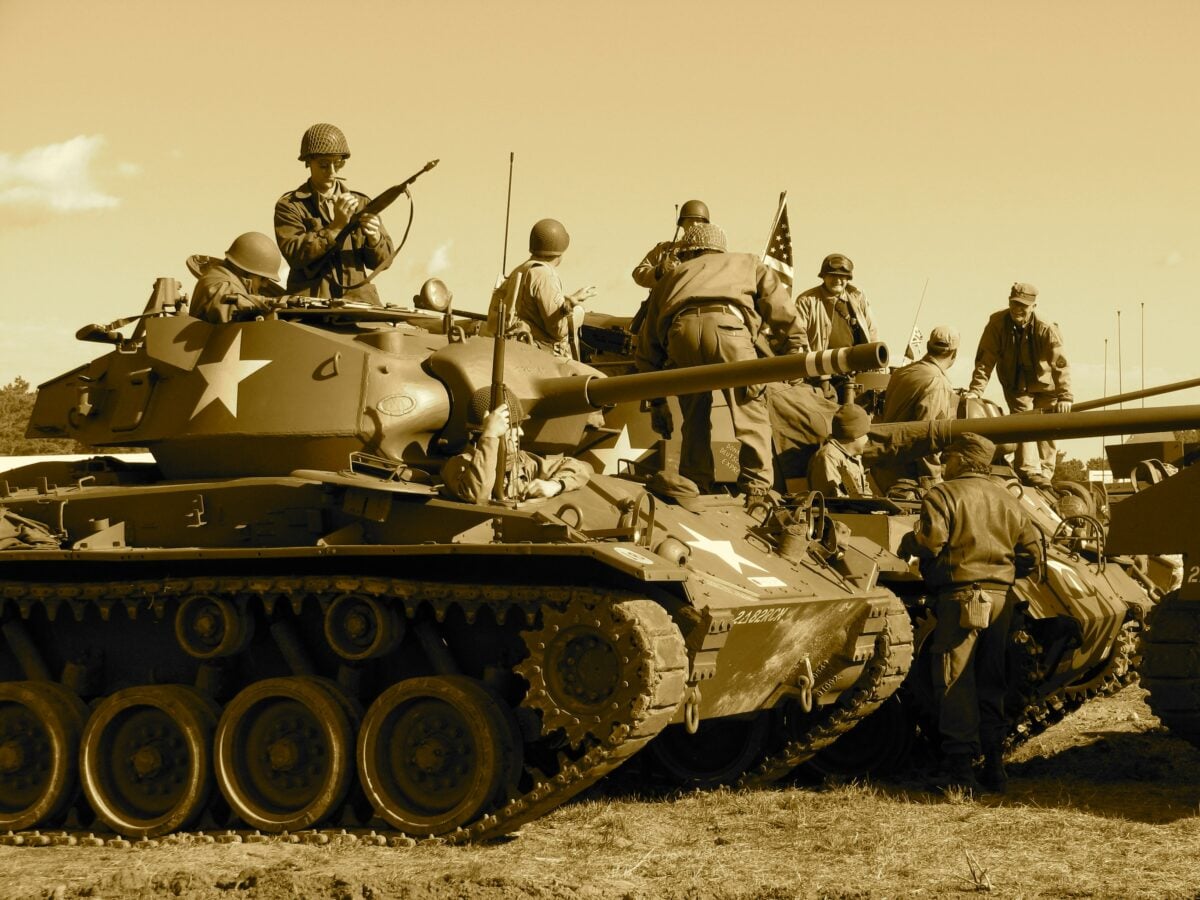
December 25, 1979 marked the beginning of a conflict that would last nine years and help bring down the Soviet Union. Soviet military transport planes began landing in Kabul, starting a massive airlift of troops into Afghanistan.
The Soviet leadership justified the invasion as support for Afghanistan’s communist government, which was facing an insurgency. But the mujahideen resistance received weapons and funding from the United States, Pakistan, and other nations.
The conflict became a proxy war of the Cold War era. Soviet forces never managed to control the countryside.
The war drained resources and morale. Soviet casualties mounted.
The conflict became increasingly unpopular at home. When Soviet troops finally withdrew in 1989, the mission had failed.
Many historians argue that this military disaster contributed significantly to the Soviet Union’s collapse two years later.
A Dictator’s Final Christmas
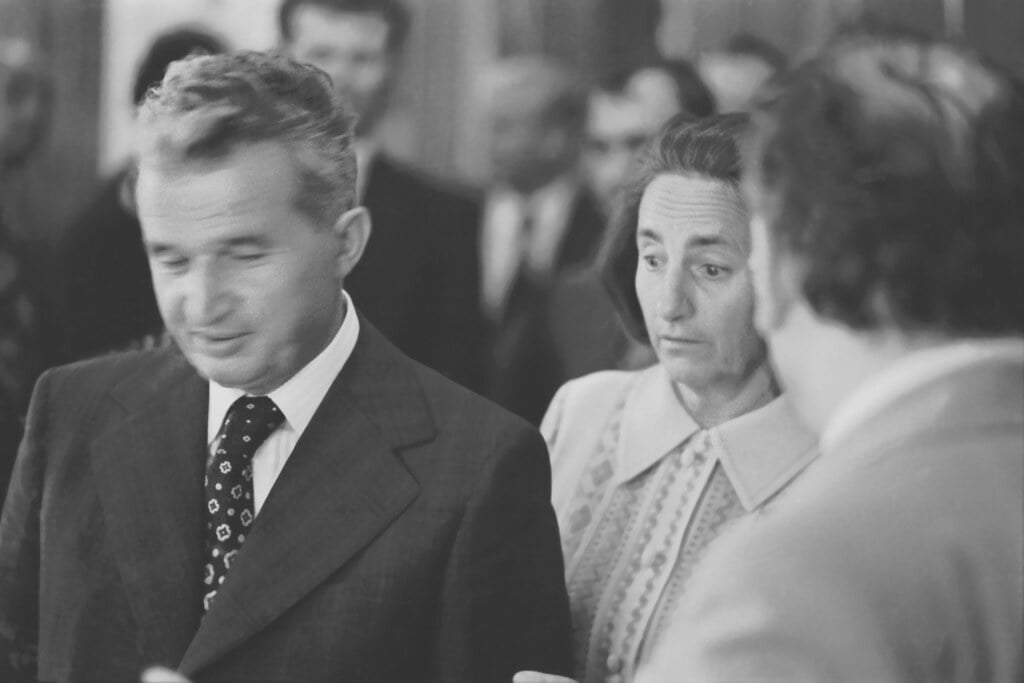
Nicolae Ceaușescu ruled Romania with an iron grip for 24 years. On December 25, 1989, he faced a firing squad.
His wife Elena stood beside him. The entire trial and execution took a few hours.
Ceaușescu had initially seemed like a reformer when he took power in 1965. He criticized Soviet policies and opened some dialogue with the West. But that period ended quickly.
He became one of the Eastern Bloc’s most brutal dictators, using his secret police to crush dissent and implementing policies that caused widespread suffering.
By December 1989, communist governments across Eastern Europe were collapsing. Protests erupted in Romania.
The military refused to fire on demonstrators and switched sides. Ceaușescu and his wife fled Bucharest but were captured.
A hastily organized military tribunal convicted them of genocide and other crimes. The execution was filmed and broadcast on Romanian television.
The swift trial and execution remain controversial. But Ceaușescu’s death symbolized the end of communist rule in Romania and completed the wave of revolutions that had swept Eastern Europe that year.
The Day the Soviet Union Ended
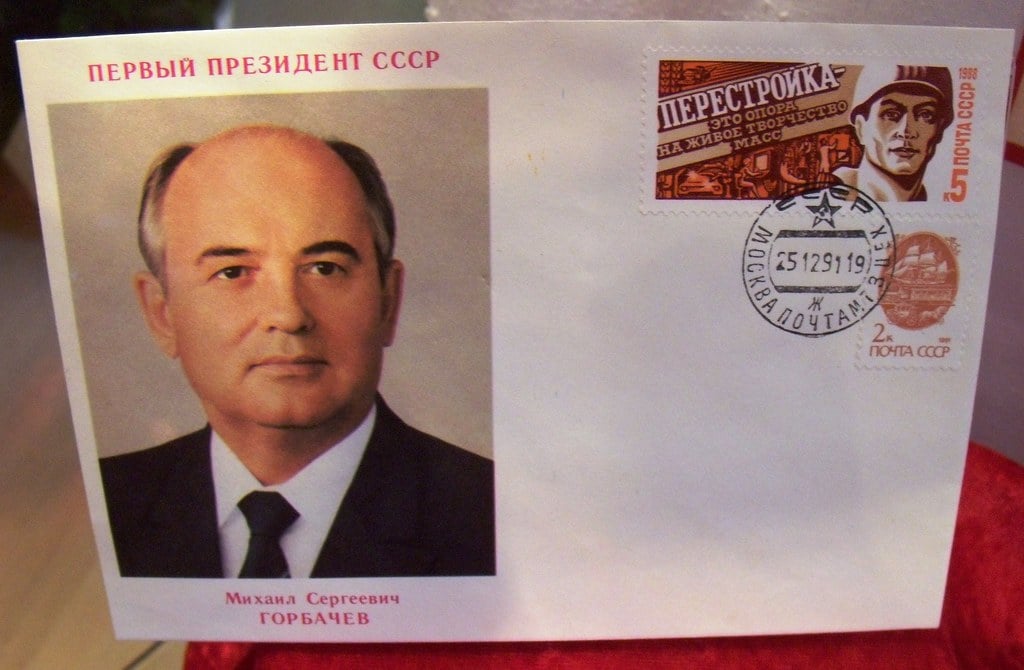
Mikhail Gorbachev announced his resignation as president of the Soviet Union on December 25, 1991. The announcement was largely ceremonial.
The Soviet Union had already ceased to function as a country. Four days earlier, eleven former Soviet republics had formed the Commonwealth of Independent States, effectively declaring independence.
The hammer and sickle flag came down from the Kremlin that evening. The Russian tricolor went up in its place.
An empire that had lasted seven decades ended quietly on a winter night. Gorbachev had tried to reform the Soviet system through his policies of glasnost and perestroika.
He wanted to modernize communism, not destroy it. But the reforms unleashed forces he couldn’t control.
Economic problems worsened. Nationalist movements gained strength.
Republics declared independence one by one. The Soviet collapse reshaped global politics.
The Cold War ended. Eastern Europe gained freedom. But the transition brought economic chaos to Russia and the former Soviet states.
Millions of people saw their savings disappear and their standard of living plummet. The consequences still shape international relations today.
When Hirohito Became Emperor
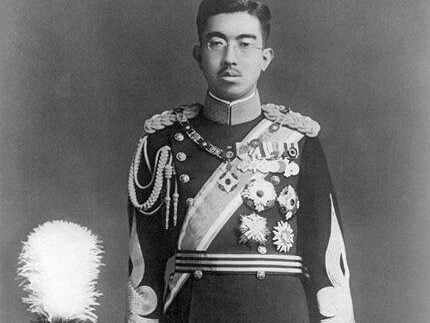
On December 25, 1926, Japan’s imperial era shifted dramatically. Following his father’s passing, Crown Prince Hirohito stepped into power.
At just 25, he claimed the throne. His time as ruler lasted six decades – longer than any before. Hirohito was emperor during a time of big upheaval in Japan. Because of aggressive military moves, Japan got pulled into WWII.
After the U.S. dropped atomic bombs on Hiroshima then Nagasaki, the fighting stopped. Once Japan gave up, American forces took control, reshaping nearly every part of life there.
The emperor’s involvement in war choices is still questioned. Yet some say he was just a symbol, controlled by military leaders.
While others think he played a key part in what Japan did. When the war ended, U.S. forces chose not to charge him as a criminal, since it could have shaken the country’s stability.
Hirohito shifted – once seen almost as a god, now just a ceremonial leader. Not only did his role change, but so did the nation’s path.
By the time he passed in ’89, Japan wasn’t an empire anymore; it was thriving economically. In fact, it ranked second globally by size of economy.
The Godfather of Soul’s Final Performance
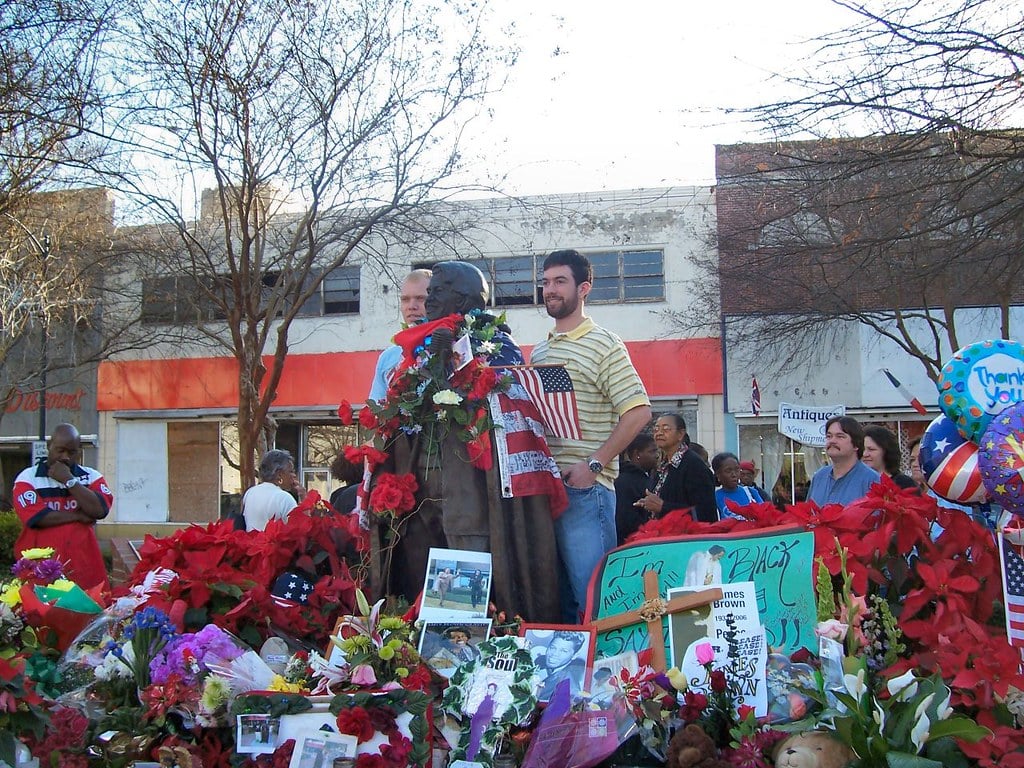
James Brown died on December 25, 2006, age 73. Though he reshaped popular music completely, that day found him lying in a hospital room in Atlanta.
Pneumonia was what finally did it – though truth is, his body had been fading for weeks before that. Brown changed music big time – period.
More than a performer, he twisted funk into fresh shapes, letting beat lead while melody stepped back, flipping song structure upside down. Live shows? Pure energy; his dance hits hard, crazy but locked in tight.
And that spark stuck around, fueling legends like MJ and Prince way after. Brown’s personal life? Total chaos.
Trouble with the law weighed heavy – mixed up with deep struggles from substance abuse. Even so, his sound cut through every problem. Songs like “Papa’s Got a Brand New Bag” or “I Got You (I Feel Good)” keep ringing true, even decades after they dropped.
Hip-hop grew by replaying Brown’s rhythms. Since his death on Christmas Day, another memory got locked into that date’s history.
More Than Just a Holiday

On December 25, old customs were pressed heavily after twenty centuries. Still, time never waits for celebrations.
Kings rose and fell right on this day. Conflicts kicked off or ended.
Creators entered the world – others left it. Breakthroughs pushed knowledge ahead.
Life around people slowly changed. Peering into those December 25 happenings shows a bit about how the past unfolds.
That day isn’t special by default. The real point? Life keeps moving, no matter what’s marked on a calendar.
Folks still choose paths, face dangers, yet build tomorrow during celebrations – just like any regular moment. Some choices linger for ages.
Meanwhile, others vanish fast. Yet each took place while everyone else looked elsewhere.
More from Go2Tutors!

- The Romanov Crown Jewels and Their Tragic Fate
- 13 Historical Mysteries That Science Still Can’t Solve
- Famous Hoaxes That Fooled the World for Years
- 15 Child Stars with Tragic Adult Lives
- 16 Famous Jewelry Pieces in History
Like Go2Tutors’s content? Follow us on MSN.



