Defunct Department Stores Families Spent Weekends In
There was a time when Saturday meant something different. Families piled into station wagons and headed to the department store — not for a quick errand, but for an experience that stretched across hours.
Children pressed their faces against toy department windows while parents wandered through aisles that seemed to contain everything a household could ever need. These weren’t just shopping trips; they were weekly rituals that anchored family life around places that felt more like community centers than retail stores.
The great American department store has largely vanished, leaving behind empty anchor spaces in dying malls and memories of escalator rides that felt like adventures. What disappeared wasn’t just commerce — it was the peculiar magic of places where you could buy a washing machine, eat lunch, get your portrait taken, and let the kids ride mechanical horses all under one roof.
Woolworth’s
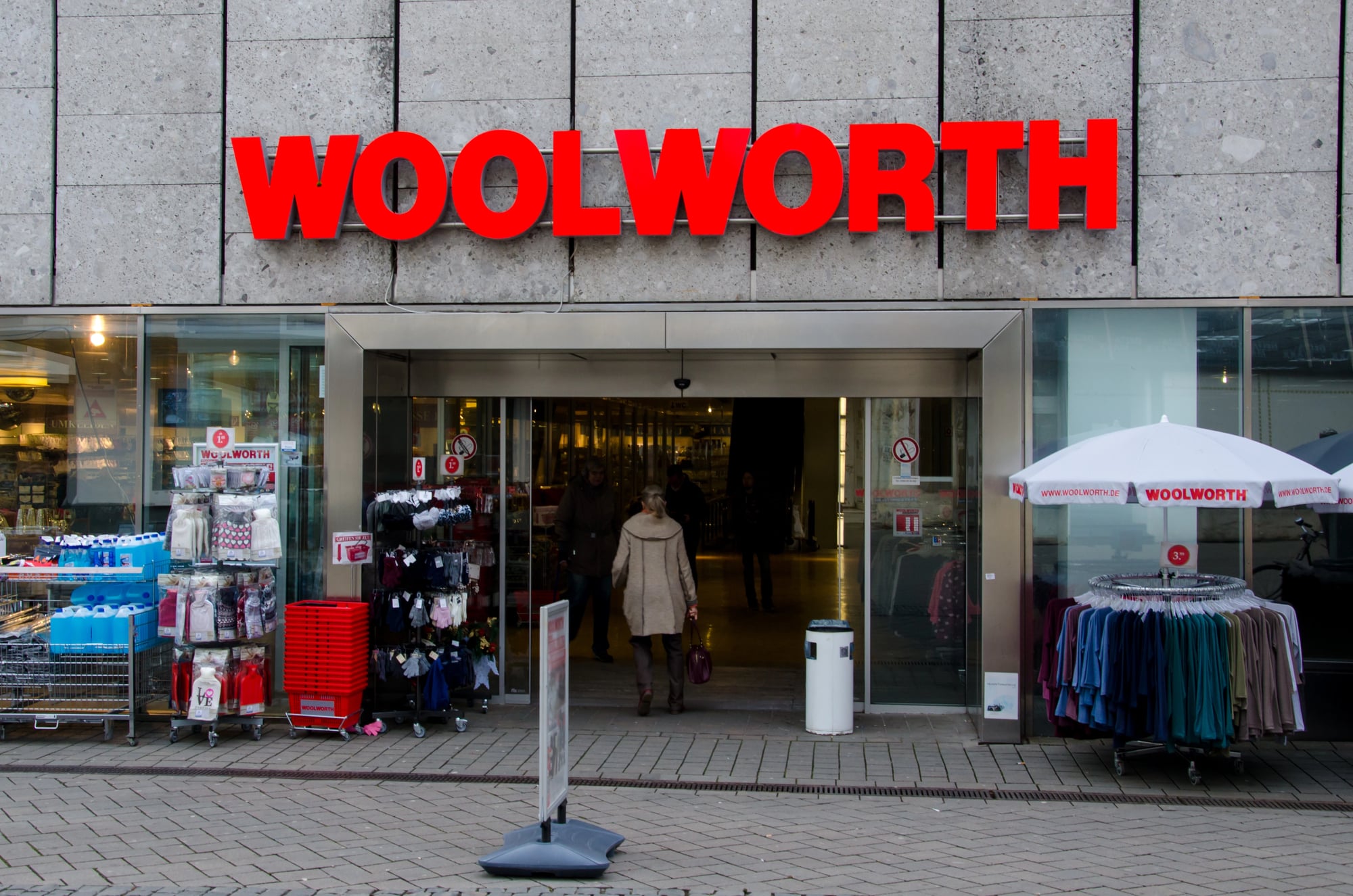
The lunch counter changed everything. Woolworth’s figured out that if you could get families to sit down and eat, they’d stay longer and spend more.
The red vinyl stools became gathering spots where kids ordered grilled cheese and chocolate milk while parents planned the rest of their shopping expedition. Those five-and-dime stores stretched the definition of what retail could be.
You’d find everything from goldfish to Halloween costumes crammed into aisles that seemed to multiply when you weren’t looking. The staff knew regular customers by name, and children learned to count change at registers that required actual math.
Montgomery Ward
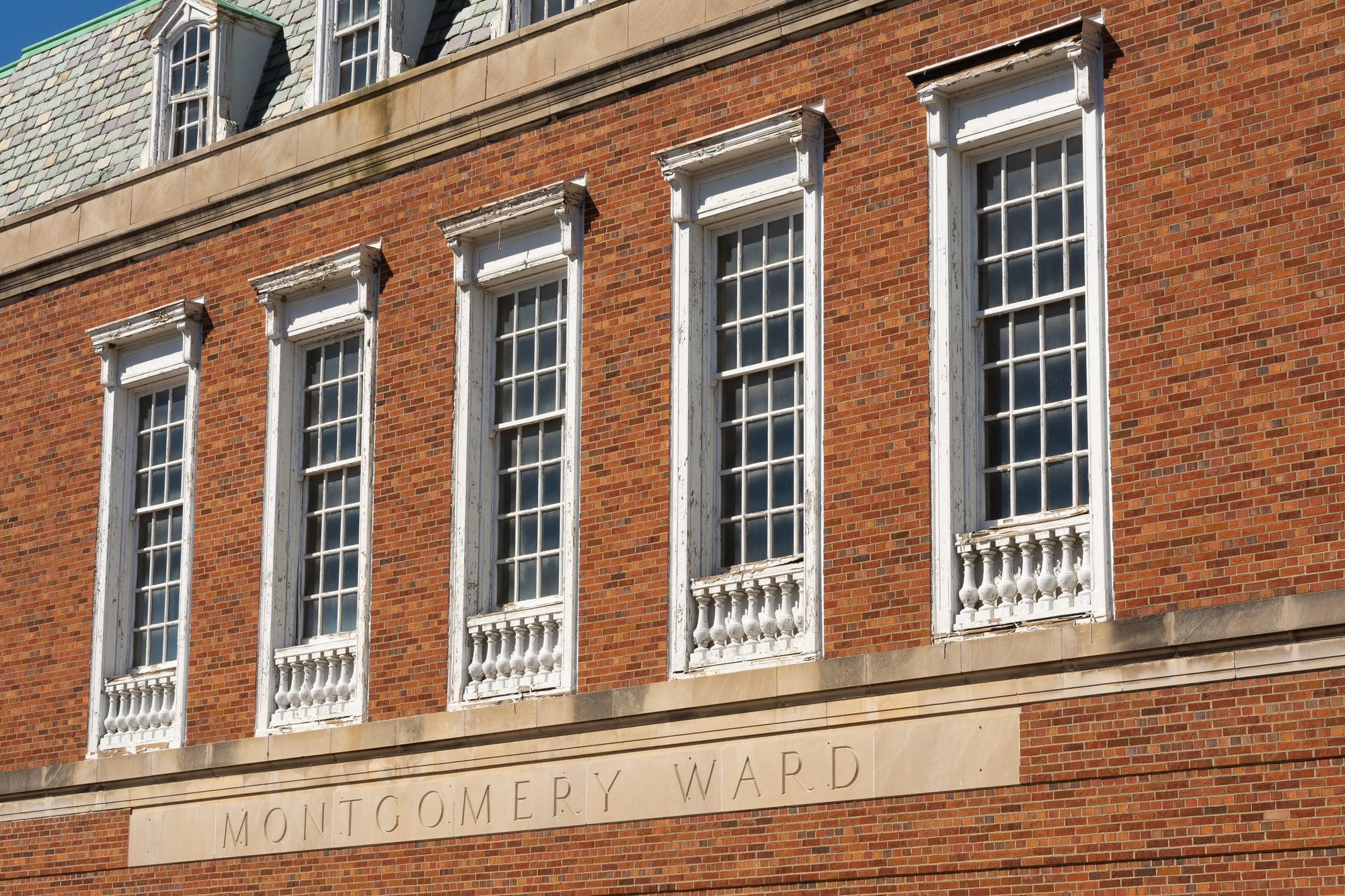
Mail-order built the empire, but the retail stores made it personal. Montgomery Ward understood something essential about American families: they wanted reliability without stuffiness, quality without pretension.
The catalog might have brought Ward into living rooms across the country, but the physical stores gave those relationships weight and texture. Walking into a Montgomery Ward felt like entering a place that had been designed by people who actually lived in houses and raised children — which, as it turns out, was exactly what made it work for so long.
The automotive section sat next to children’s clothes, which made perfect sense when Dad needed oil filters and the kids needed school shoes. And the Christmas catalog (that thick, glossy book that arrived in October and got dog-eared by December) turned into reality in those stores, where you could actually touch the toys that had seemed magical on the page.
Gimbels
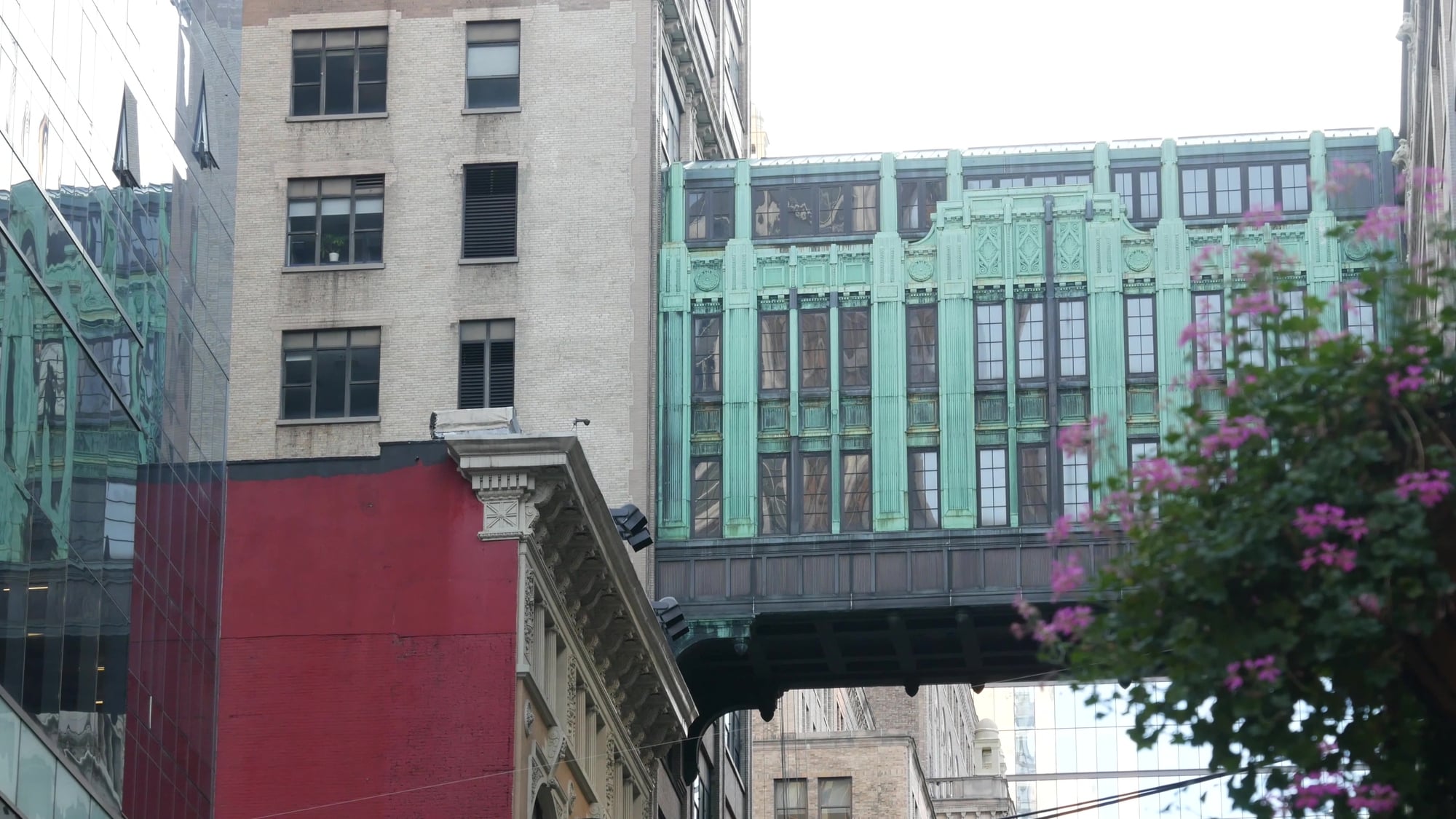
New York’s Gimbels carried itself with the confidence of a store that knew it mattered. This wasn’t just retail theater — it was retail architecture, designed to make shopping feel like an event worth dressing up for.
The rivalry with Macy’s gave Gimbels an edge that customers could feel. Both stores pushed harder because the other existed, and families benefited from that competition in ways that went beyond lower prices.
Service meant something when your reputation was on the line six days a week.
Abraham & Straus
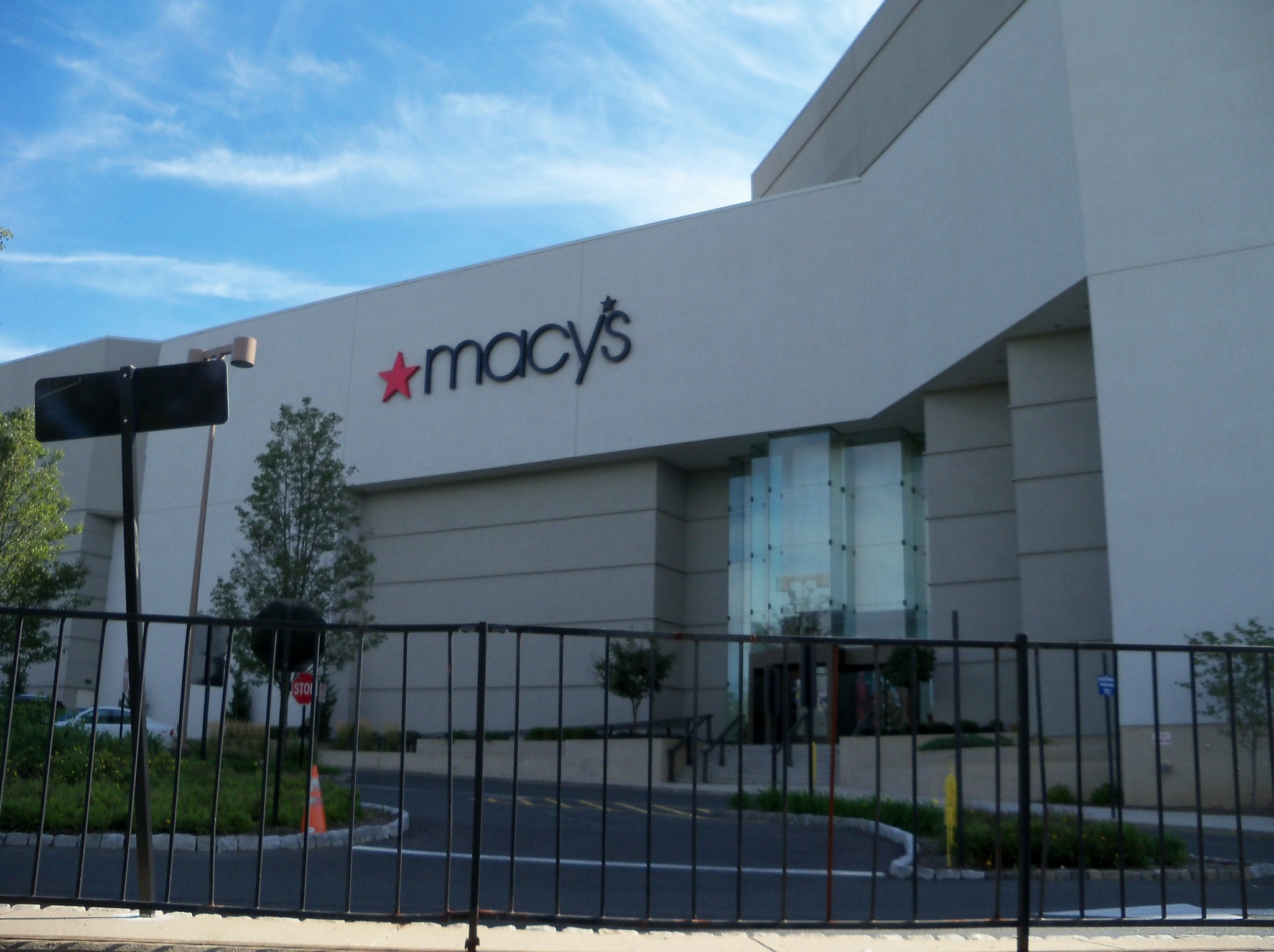
Brooklyn families knew A&S as the store that understood them. Not everyone could make the trip into Manhattan, and not everyone wanted to.
Abraham & Straus built its reputation on being the place that brought big-city sophistication to neighborhoods where people actually lived. The Fulton Street flagship became a destination that families planned around.
Saturday mornings meant A&S, and A&S meant you could handle everything from back-to-school shopping to wedding gifts in one trip. The store’s buyer clearly understood what Brooklyn families needed, which turned out to be everything from practical housewares to clothes that looked more expensive than they were.
Jordan Marsh
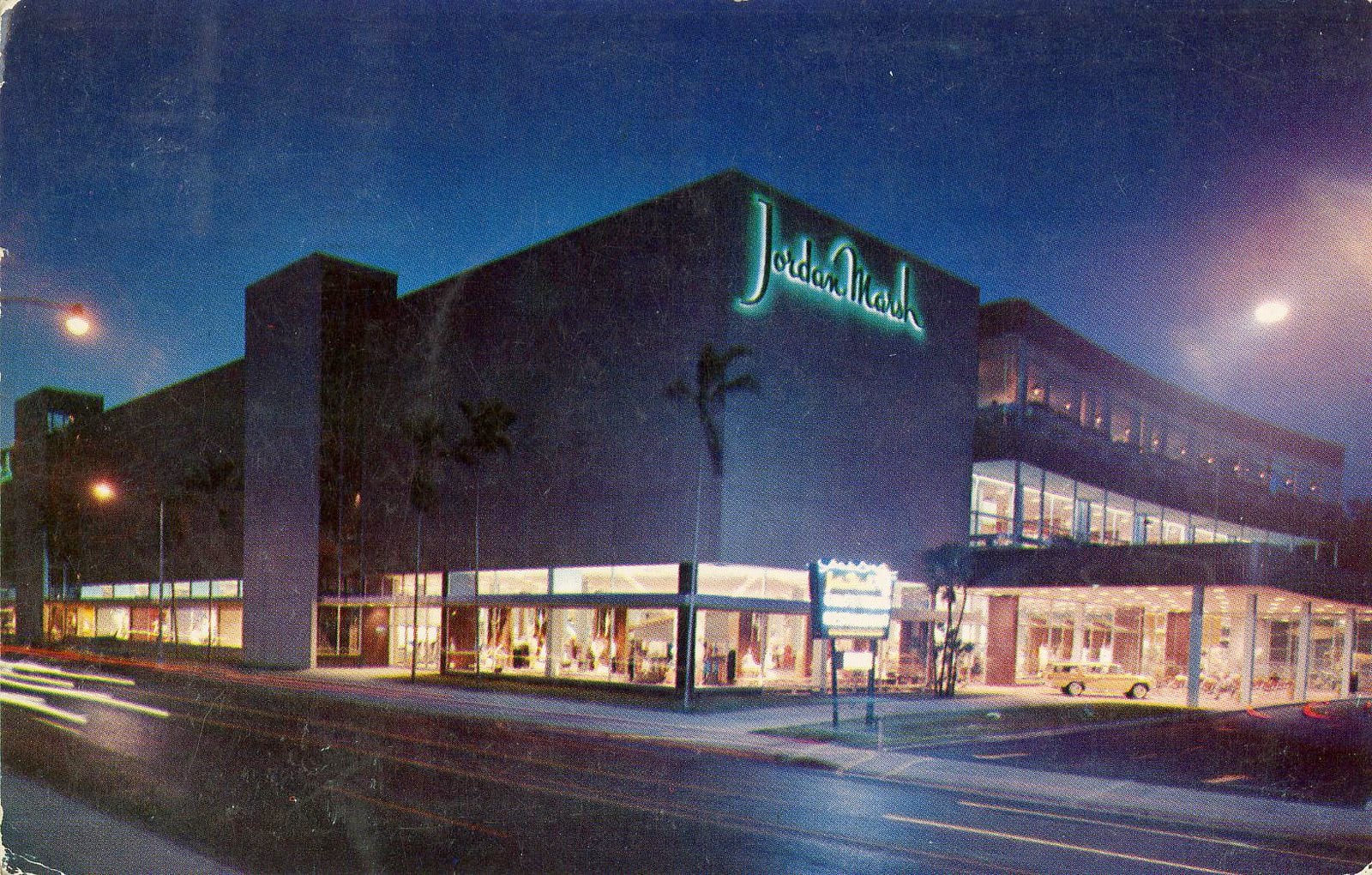
Boston retail ran on tradition, and Jordan Marsh represented the best of that approach (even when tradition occasionally got in its own way, which it did, because this was Boston after all). The store anchored downtown shopping districts that families treated as weekend destinations rather than necessary errands.
Their blueberry muffins became legendary — not because they were the world’s best muffins, but because they represented something essential about what department stores could be when they bothered to pay attention to details that had nothing to do with moving inventory. You came for school clothes and stayed for lunch, and somehow that muffin made the whole experience feel less like commerce and more like community.
And Jordan Marsh’s Christmas Enchanted Village became an annual pilgrimage for New England families, turning the basement into a winter wonderland that children remembered decades later.
Rich’s
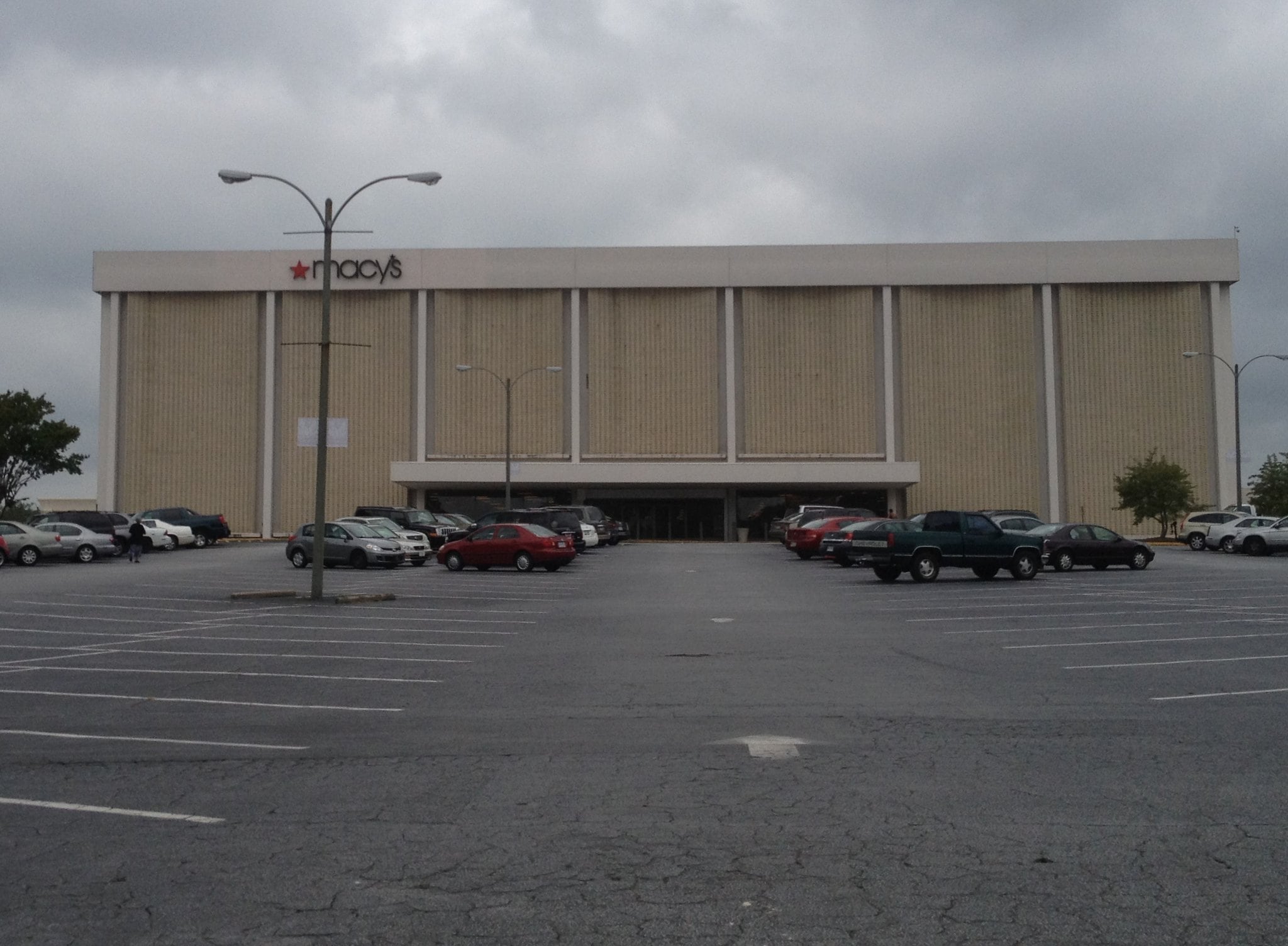
Atlanta’s Rich’s understood something about Southern retail that national chains never quite grasped. Shopping was social, and social required time and space and reasons to linger.
The store became a gathering place that happened to sell merchandise rather than merchandise that happened to gather people. The Great Tree at Christmas turned Rich’s into a destination that drew families from across the region.
But it was the everyday experience that built loyalty — the way sales associates remembered what you bought last season, the way the tearoom made lunch feel like an occasion, the way the store seemed designed for people who viewed shopping as a family activity rather than a chore to be completed as quickly as possible.
Bullock’s
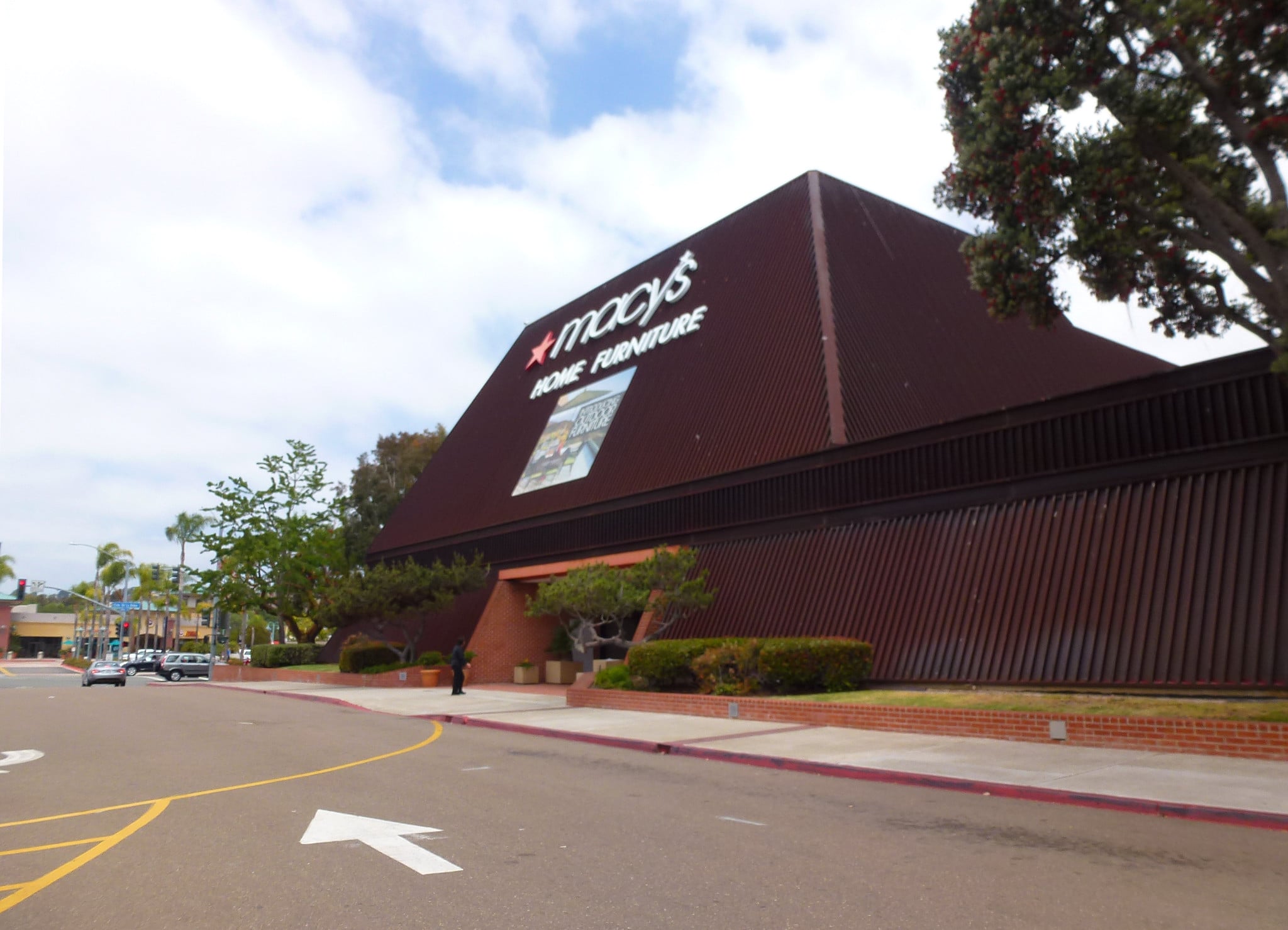
California department store culture ran on optimism, and Bullock’s embodied that spirit without apology. This was retail for people who believed the future would be better than the past, and who wanted their shopping experience to reflect that confidence.
The Wilshire Boulevard store became an anchor for a vision of urban life that mixed sophistication with accessibility. Families could spend entire afternoons wandering departments that seemed designed by people who understood that shopping could be entertainment if you approached it correctly.
Hudson’s
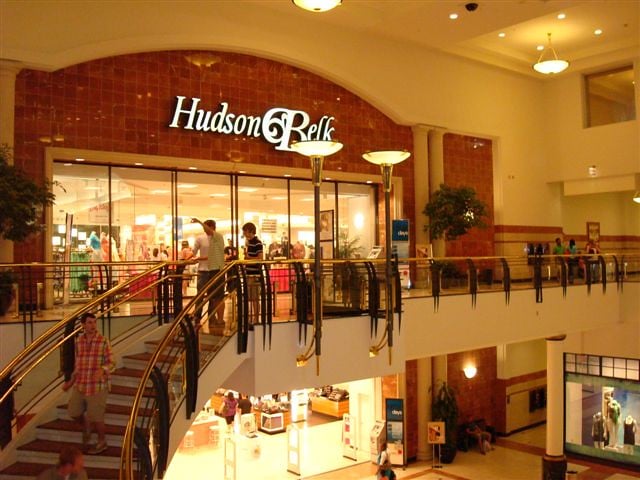
Detroit built cars, and Hudson’s clothed the people who built them. The relationship between the store and the city ran deeper than commerce — Hudson’s became woven into the fabric of family life in ways that made it irreplaceable until it was suddenly gone.
The Thanksgiving Day Parade anchored the holiday season for generations of Detroit families. But Hudson’s earned its place in daily life through less dramatic gestures: the way the toy department expanded before Christmas, the way back-to-school shopping became an annual ritual that marked the end of summer, the way the store’s buyers seemed to understand what middle-class families needed before the families knew it themselves.
B. Altman
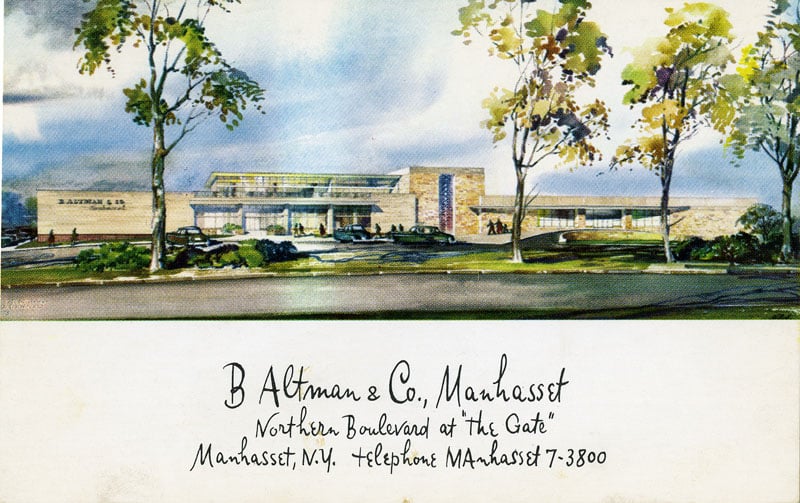
Fifth Avenue sophistication came with a price, but B. Altman made that price feel reasonable for families who wanted to dress well without pretension. The store carried itself with quiet confidence that attracted customers who appreciated quality without needing to announce it.
Shopping at B. Altman meant your children learned what good merchandise looked like and felt like. The sales staff expected customers to take their time, to ask questions, to understand what they were buying.
This approach built the kind of customer loyalty that lasted generations.
Bamberger’s
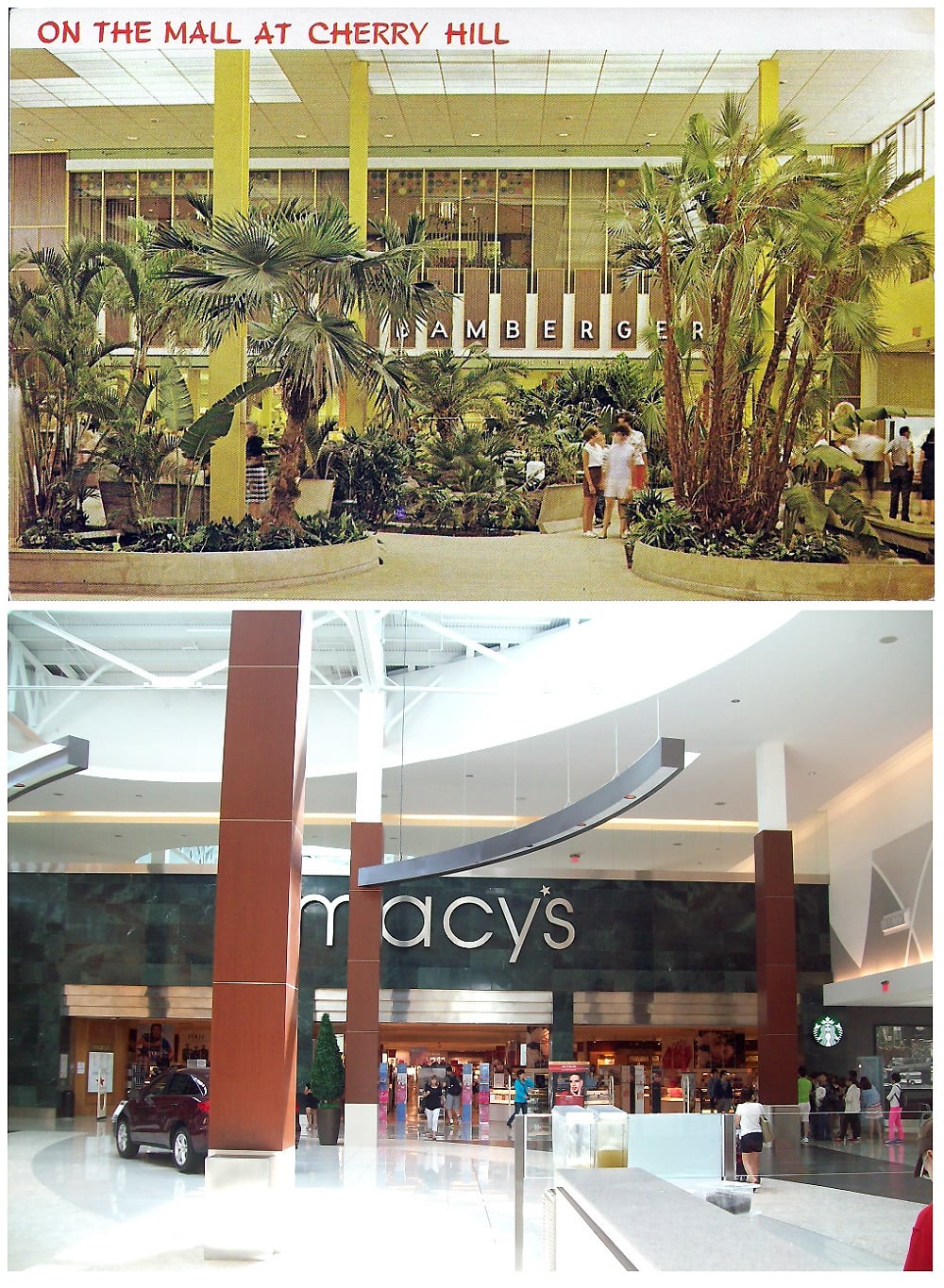
New Jersey families claimed Bamberger’s as their own, and the store returned that loyalty by understanding exactly what suburban retail needed to be. This wasn’t about competing with New York City glamour — it was about serving families who wanted quality and convenience without having to choose between them.
The store’s Thanksgiving Day Parade became a New Jersey tradition that drew families from across the region. But Bamberger’s earned its place in family life through smaller gestures: the way the customer service desk actually solved problems, the way seasonal departments appeared and disappeared with reliable timing, the way the store felt designed for people who had children and mortgages and Saturday afternoons to spend together.
Hecht’s
Washington D.C. retail reflected the city’s particular blend of formality and practicality, and Hecht’s captured that balance better than anyone. Government families needed clothes that worked for official functions and suburban weekends, often from the same shopping trip.
The store understood its market with precision that bordered on telepathy. Federal employees could find everything from cocktail dresses to lawn mowers, and somehow that combination made perfect sense when you were furnishing a life that moved between embassy receptions and Little League games.
Foley’s
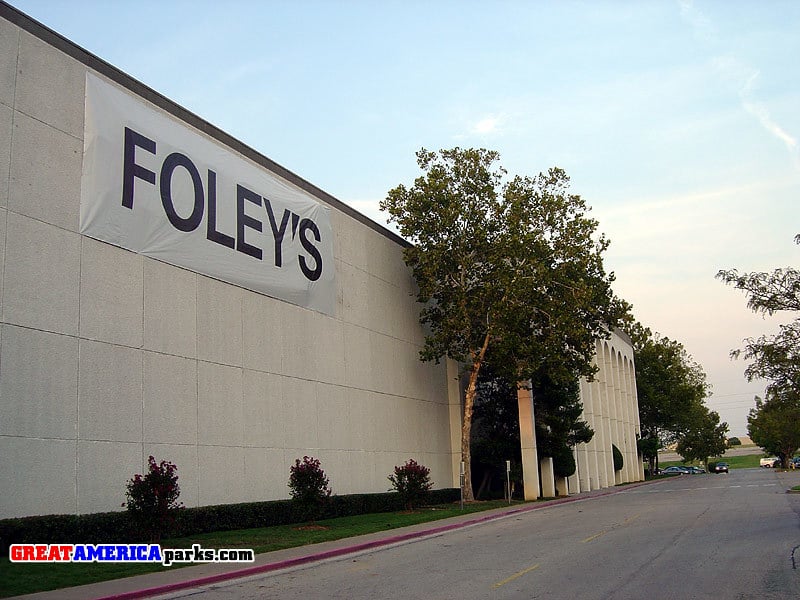
Houston’s Foley’s grew with the city, expanding from a downtown anchor to a retail empire that understood Texas-sized expectations. Families expected selection, service, and space — and Foley’s delivered all three without making customers feel like they were asking for too much.
The store’s annual holiday windows became a downtown tradition that families planned around. But Foley’s built its reputation on everyday reliability: the way departments connected logically, the way sales staff understood that Texas families needed everything from formal wear to ranch clothes, often in the same season.
Famous-Barr

St. Louis retail culture prized substance over flash, and Famous-Barr embodied that approach with stores that felt solid and reliable rather than trendy. Midwest families wanted merchandise that would last, service that made sense, and shopping experiences that didn’t waste anyone’s time.
The downtown flagship anchored shopping trips that became family traditions. Back-to-school meant Famous-Barr, Christmas shopping meant Famous-Barr, and prom dresses definitely meant Famous-Barr.
The store earned that loyalty by consistently understanding what families needed and delivering it without drama.
Kaufmann’s
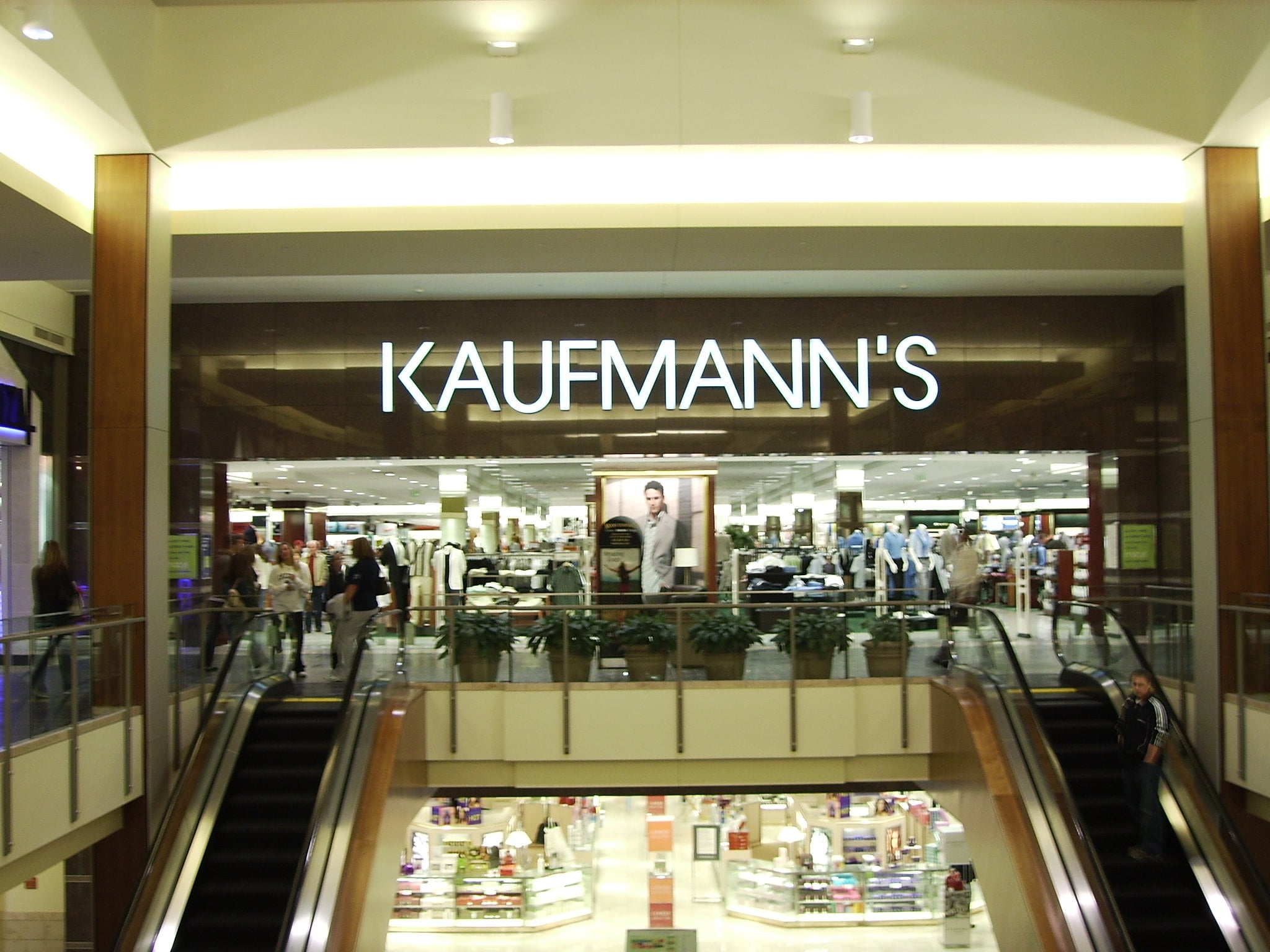
Pittsburgh’s Kaufmann’s reflected the city’s working-class pride and middle-class aspirations in ways that made perfect sense to families who understood both. This was retail for people who worked hard for their money and expected value in return.
The store’s Christmas displays transformed downtown Pittsburgh into a holiday destination that drew families from across western Pennsylvania. But Kaufmann’s built its daily reputation on fundamentals: quality merchandise, knowledgeable staff, and the understanding that shopping was often a family activity that required patience and space.
The May Company
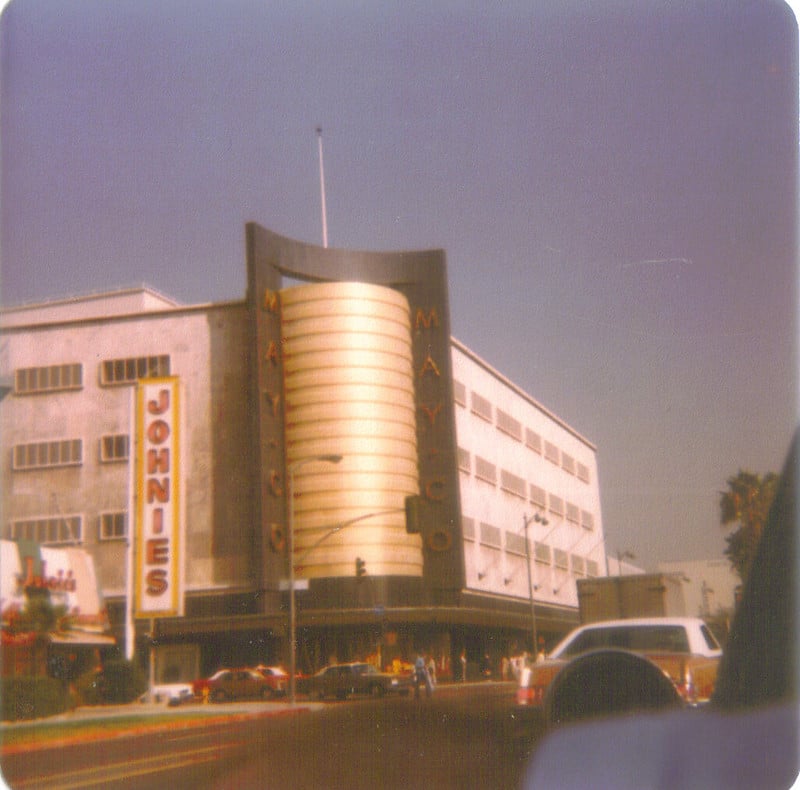
Los Angeles retail in the mid-century meant optimism and expansion, and The May Company captured that spirit in stores that felt designed for families who expected the future to be better than the past. Everything about the shopping experience suggested possibility rather than limitation.
The Wilshire Boulevard store became a template for suburban retail that other cities tried to copy. Open layouts, logical department connections, and customer service that assumed families wanted to enjoy their shopping experience rather than simply endure it.
Garfinckel’s
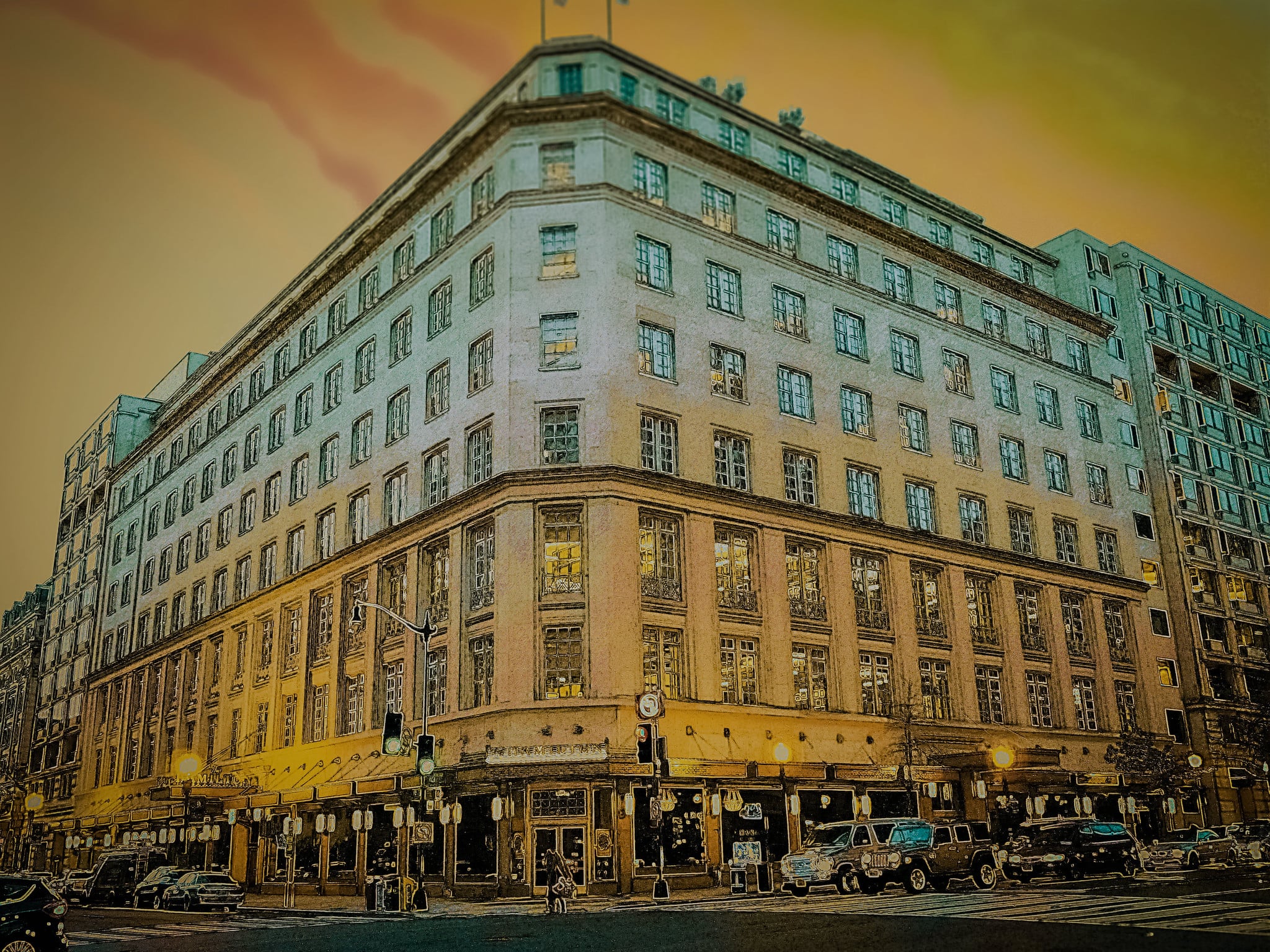
Washington D.C.’s Garfinckel’s served families who needed to dress for occasions that mattered. Diplomatic receptions, congressional hearings, Supreme Court arguments — the store understood that clothes were often costumes for democracy, and they took that responsibility seriously.
The sales staff could outfit entire families for events that required careful attention to protocol and style. Children learned what appropriate dress meant by watching their parents navigate Garfinckel’s seasonal collections with the kind of care that other families reserved for major purchases.
G. Fox & Co.
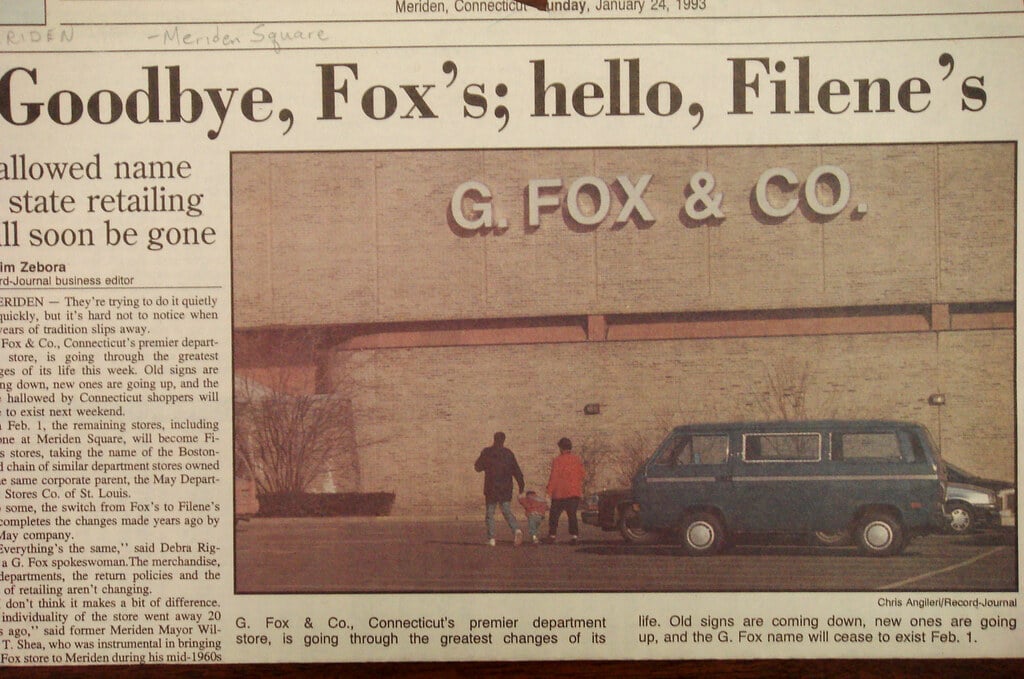
Hartford’s G. Fox dominated New England retail through stores that felt both grand and approachable. Connecticut families could find everything from everyday necessities to special occasion wear without having to choose between quality and convenience.
The Christmas displays became regional destinations that families planned around, but G. Fox earned its place in daily life through consistent understanding of what middle-class families needed. The store’s buyers seemed to anticipate seasonal requirements with accuracy that bordered on mind-reading.
Dayton’s
Minneapolis retail culture combined Midwestern practicality with Scandinavian design sensibility, and Dayton’s captured that balance in stores that felt both familiar and sophisticated. Minnesota families expected quality without pretension, and they got exactly that.
The downtown Minneapolis store anchored shopping trips that became multigenerational traditions. Mothers brought daughters, grandmothers brought everyone, and the store’s holiday displays drew families from across the Upper Midwest who planned entire weekends around the experience.
Marshall Field’s

Chicago’s Marshall Field’s set the standard for what American department stores could be when they took themselves seriously. The State Street flagship wasn’t just retail space — it was civic architecture designed to make shopping feel like participation in something larger than commerce.
Walking through Marshall Field’s meant experiencing retail as theater, but theater that served practical purposes. Families could spend entire days moving through departments that felt like different neighborhoods within the same city.
The Walnut Room restaurant became a destination that required reservations during the holidays, and the store’s Christmas windows drew crowds that blocked sidewalk traffic for blocks. The green shopping bags became symbols of Chicago sophistication that families carried with pride.
But Marshall Field’s earned that loyalty through daily excellence: sales staff who remembered customer preferences, merchandise that lived up to its price point, and customer service that assumed families deserved attention and respect.
Where The Weekends Went

The death of the department store took something with it that nobody quite knows how to replace. These weren’t just retail spaces — they were community centers disguised as commerce, places where families learned to navigate public life together.
Children practiced decision-making in toy departments while parents modeled adult interactions at customer service desks. Saturday afternoons that once stretched across multiple floors and several hours now compress into targeted errands completed as efficiently as possible.
We gained convenience and lost the peculiar magic of places that existed to serve every aspect of family life under one sprawling roof. The department store weekend wasn’t just about buying things — it was about belonging somewhere that made room for everyone.
More from Go2Tutors!

- The Romanov Crown Jewels and Their Tragic Fate
- 13 Historical Mysteries That Science Still Can’t Solve
- Famous Hoaxes That Fooled the World for Years
- 15 Child Stars with Tragic Adult Lives
- 16 Famous Jewelry Pieces in History
Like Go2Tutors’s content? Follow us on MSN.