Gourmet Foods With Steep Prices
Walking through a fancy food shop or browsing an upscale restaurant menu can feel like stepping into another world. The prices jump off the page, and suddenly a tiny jar of something or a small plate of food costs more than an entire week’s worth of groceries.
What makes these items so expensive, and why do people keep buying them? Let’s take a closer look at some of the priciest foods money can buy.
White truffles

These knobby underground mushrooms grow wild in specific regions of Italy, and nobody has figured out how to farm them successfully. Trained dogs sniff them out between October and December each year, making the harvest season incredibly short.
A single pound can cost thousands of dollars, with prices sometimes reaching $4,000 or more depending on the year’s crop. The flavor hits hard and fast, so chefs only shave paper-thin slices over pasta or eggs.
Their scent fills a room within seconds, earthy and intense in a way that’s tough to describe until you’ve experienced it yourself.
Beluga caviar
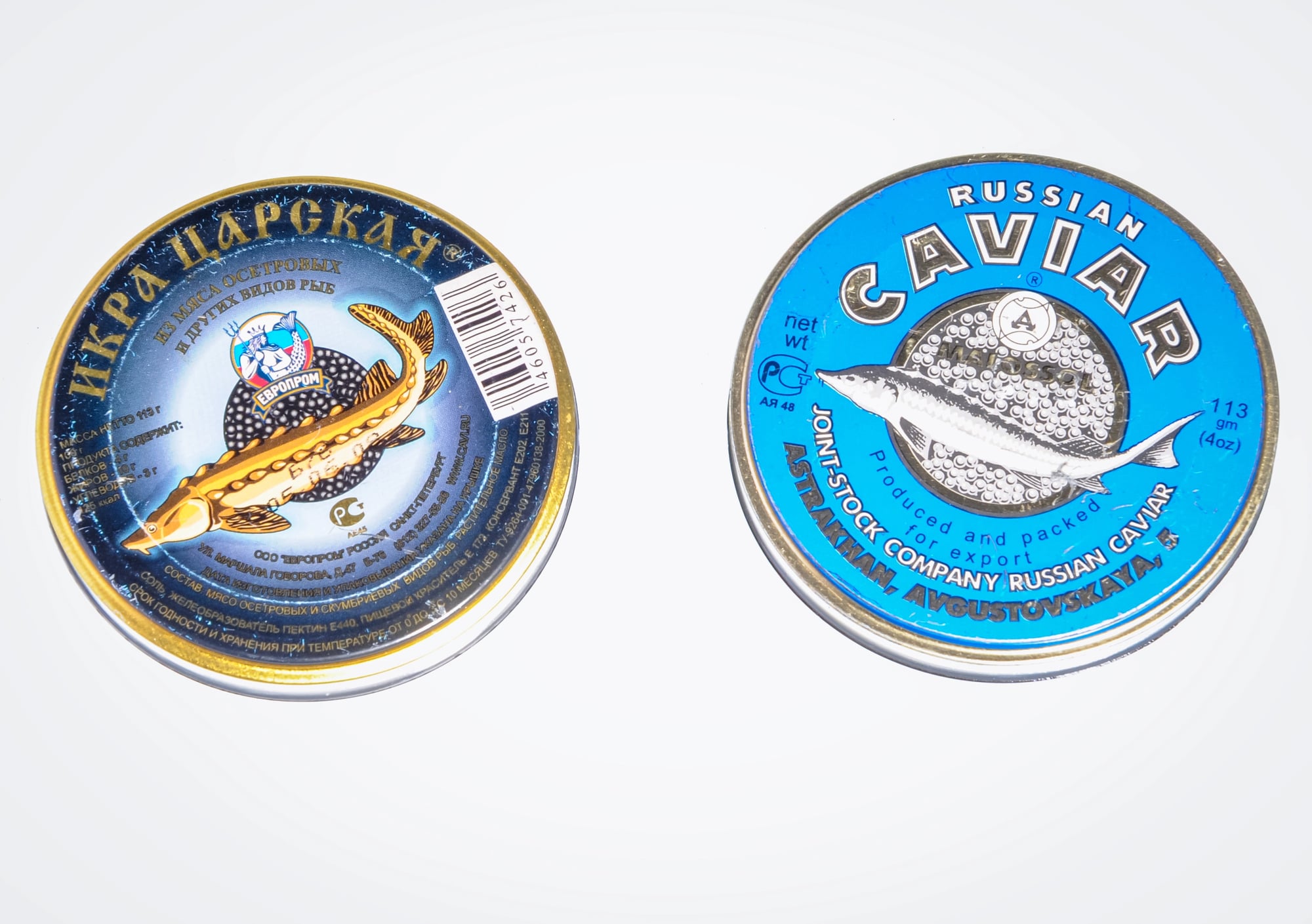
These small dark eggs come from beluga sturgeon that swim in the Caspian Sea, and the fish take up to 20 years to mature before producing roe. Overfishing nearly wiped out the species, leading to strict regulations and even outright bans in some countries.
A single ounce can set someone back $200 to $400, making it one of the priciest foods per weight in the world. The eggs pop gently on the tongue with a buttery, slightly briny taste that caviar lovers claim beats everything else.
Most people serve it simply on toast points or blinis with a dollop of crème fraîche to let the caviar shine through.
Kobe beef

True Kobe beef comes from a specific breed of cattle raised in Japan’s Hyogo Prefecture under incredibly strict conditions. The cows receive special feed, regular massages, and live stress-free lives that supposedly make their meat more tender.
Only about 3,000 cattle qualify for the Kobe label each year, and restaurants outside Japan rarely get authentic cuts. A single steak can cost $300 or more at high-end steakhouses, with the marbling creating a melt-in-your-mouth texture.
The fat distributes so evenly through the meat that it looks almost like a pink and white painting.
Saffron threads

Harvesting saffron means plucking three tiny red threads from each crocus flower by hand, and it takes roughly 75,000 flowers to make one pound of the spice. Workers must pick the flowers at dawn before the sun wilts them, then carefully remove the delicate stigmas without damaging them.
This labor-intensive process drives prices up to $500 or more per ounce, making it literally worth more than gold by weight. The spice adds a distinct floral flavor and golden color to dishes like paella and risotto.
Just a pinch transforms an entire pot of rice, so a small container lasts most home cooks for years.
Matsutake mushrooms
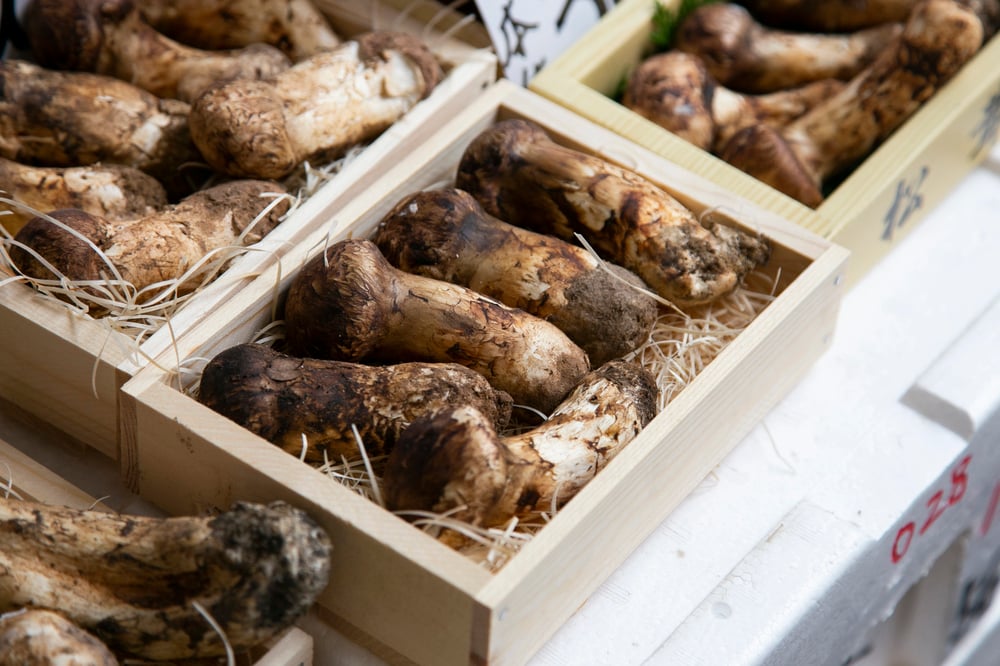
These mushrooms grow in forests across Japan, Korea, and parts of North America, forming relationships with specific tree roots that make cultivation nearly impossible. Climate change and pine beetles have damaged many of the forests where they thrive, making them increasingly rare each season.
Japanese varieties fetch the highest prices, sometimes reaching $600 per pound during peak season. The aroma combines cinnamon, pine, and something indefinably earthy that divides people into passionate lovers or complete haters.
Chefs typically grill them simply with a bit of soy sauce or steam them with rice to showcase their unique character.
Iberico ham

This cured pork comes from black Iberian pigs that roam oak forests in Spain, eating acorns that give the meat its distinctive nutty flavor. The best grade, called Jamón Ibérico de Bellota, comes only from pigs that spent months foraging freely before slaughter.
The curing process takes at least three years in temperature-controlled rooms, with some hams aging even longer for deeper flavor. A whole leg can cost over $1,000, and restaurants charge $20 or more for just a few paper-thin slices.
The fat melts at room temperature, so the ham practically dissolves on the tongue with a rich, complex taste.
Moose cheese

A farm in Sweden produces the world’s only moose cheese from three domesticated moose that get milked only during certain months of the year. Each moose produces far less milk than a cow, and the milking process requires handlers the animals trust completely.
The cheese costs around $500 per pound, making it one of the rarest dairy products on earth. Only about 600 pounds get made annually, with most of it staying in Sweden for local restaurants.
The taste reportedly resembles a cross between feta and a mild blue cheese, creamy with a slight tang.
Yubari King melons

Japanese farmers grow these cantaloupes in greenhouses with obsessive attention to detail, limiting each vine to just one or two fruits for maximum sweetness. The melons must meet strict standards for shape, weight, and sugar content before earning the Yubari King name.
At auction, pairs of these melons have sold for over $25,000, though typical retail prices hover around $200 per melon. The flesh reaches a perfect orange color and supposedly tastes sweeter than any other melon variety.
Gift-giving culture in Japan drives much of the demand, with the melons symbolizing luxury and care.
Bird’s nest soup

This Chinese delicacy uses nests built entirely from the hardened saliva of cave-dwelling swiftlets found in Southeast Asia. Collectors risk their lives climbing bamboo scaffolding or rock faces to reach the nests in dark caves.
A pound of cleaned nests can cost $3,000 or more, with red nests fetching even higher prices due to their rarity. The nests dissolve into a gelatinous texture when cooked, prized more for their supposed health benefits than their mild flavor.
Preparing the nests takes hours of careful cleaning to remove feathers and debris before cooking.
Densuke watermelon
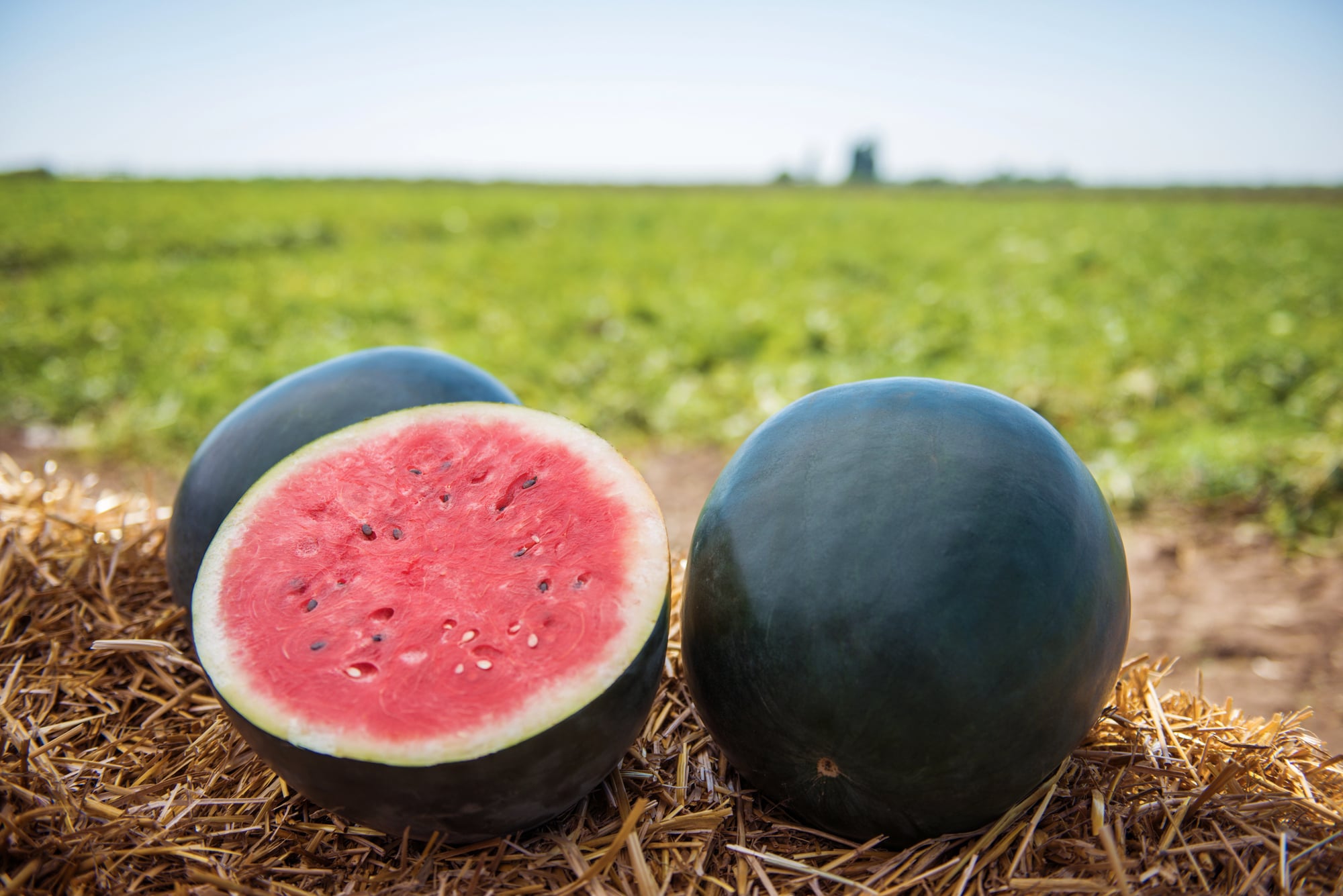
Only about 100 of these jet-black watermelons grow each year on Japan’s northern island of Hokkaido. Farmers pamper each fruit with individual attention, and the first harvest of the season often goes to auction.
Some have sold for over $6,000, though more typical prices settle around $200 to $300 per watermelon. The flesh inside looks like regular red watermelon but supposedly tastes sweeter and crisper than standard varieties.
The glossy black rind makes them instantly recognizable and adds to their appeal as luxury gifts.
Foie gras
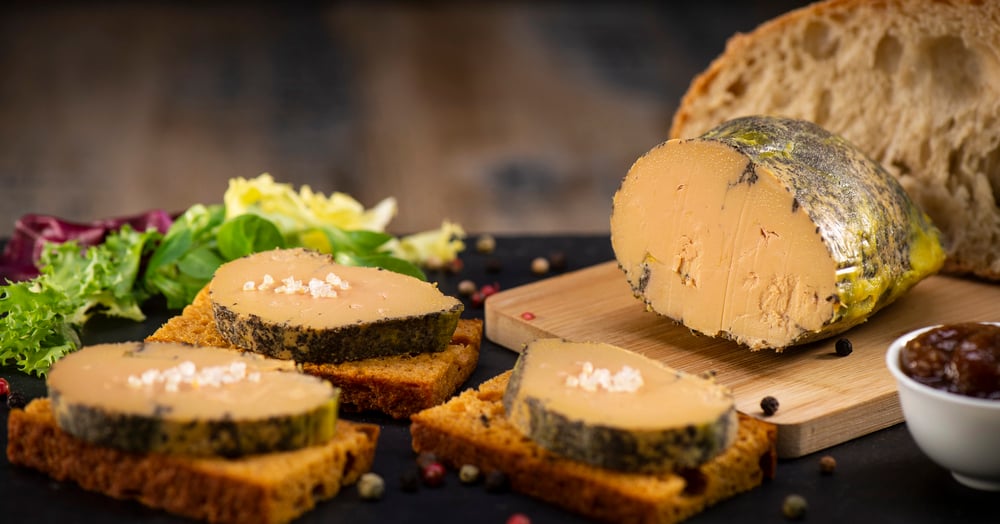
This French delicacy comes from the fattened liver of ducks or geese, created through a feeding process that remains controversial. Producers force-feed the birds corn through tubes several times daily for weeks, causing their livers to swell dramatically.
The resulting product costs $50 to $150 per pound, depending on quality and origin. When cooked, it melts into a buttery, rich spread that divides diners based on both taste preference and ethical concerns.
Several places have banned its production or sale, making it even more exclusive where it remains available.
Vanilla beans
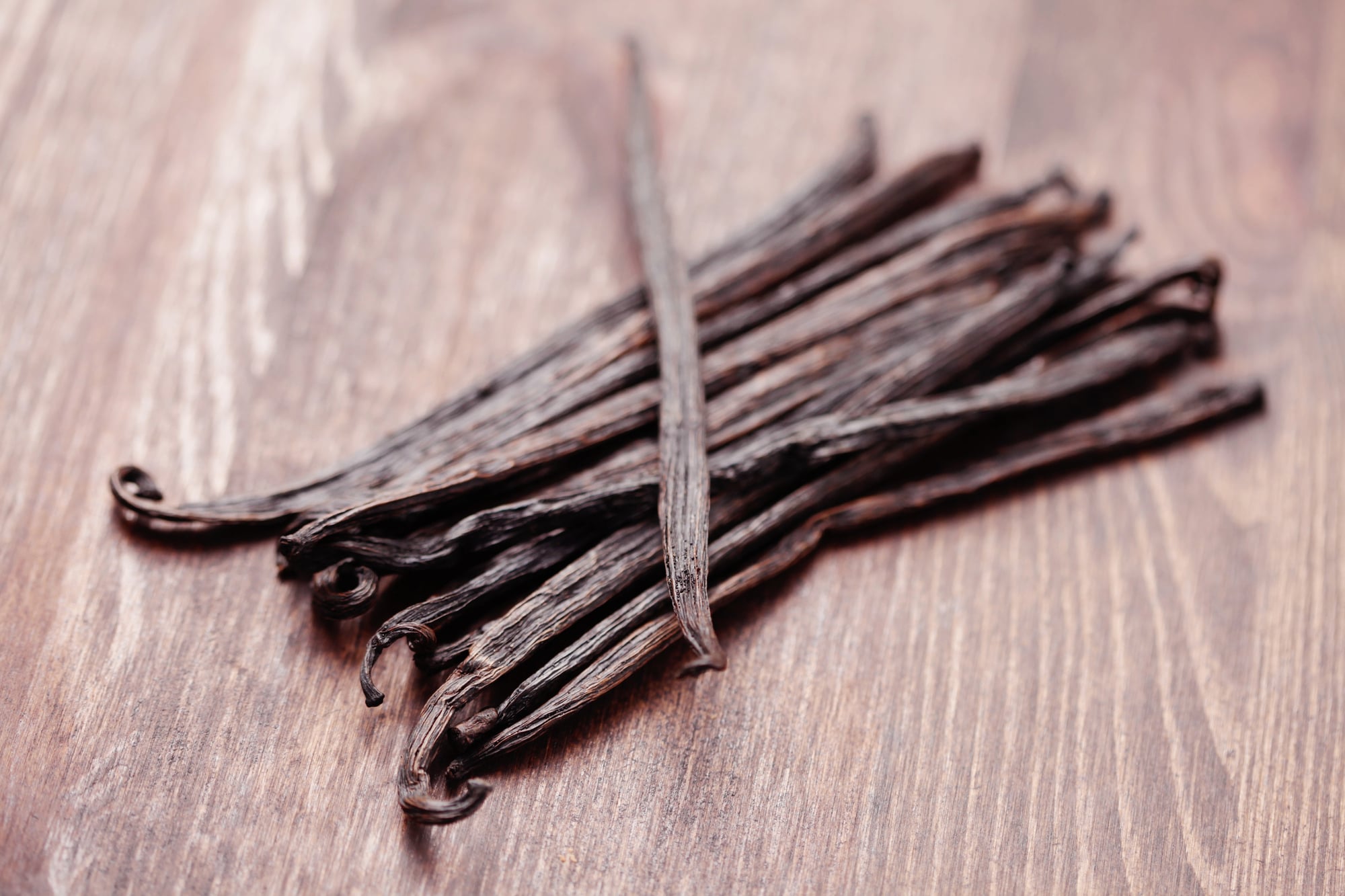
Real vanilla pods come from orchids that someone must hand-pollinate since the natural pollinator doesn’t exist outside Mexico. The beans need months of careful curing after harvest, involving daily sun exposure and nighttime wrapping to develop flavor.
Madagascar produces most of the world’s supply, but cyclones and political instability often disrupt crops and send prices soaring. Good quality beans cost $15 to $30 each, with prices sometimes spiking even higher during shortages.
The complex flavor profile includes over 200 different compounds, creating a depth that extract can’t fully replicate.
Bluefin tuna
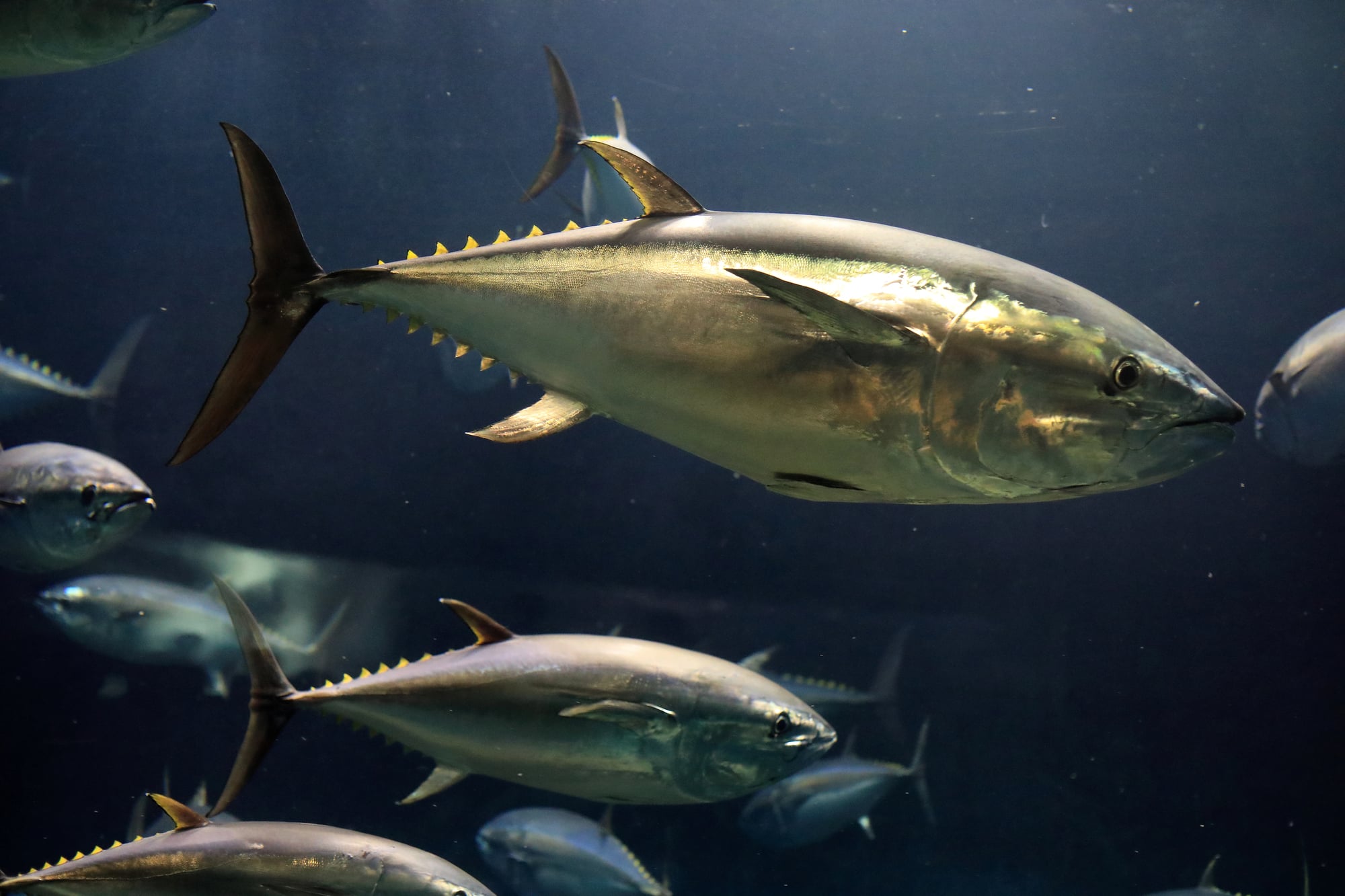
These massive fish can weigh over 600 pounds and swim across entire oceans during their lifetime. Overfishing has pushed populations to concerning levels, yet demand for the fatty belly meat remains intense at sushi restaurants.
A single fish sold at Tokyo’s famous fish market for over $3 million in 2019, though typical prices stay much lower. The deep red flesh contains high fat content that gives it a rich, almost buttery texture when eaten raw.
Regulations have tightened in recent years, but the species still faces an uncertain future.
Manuka honey
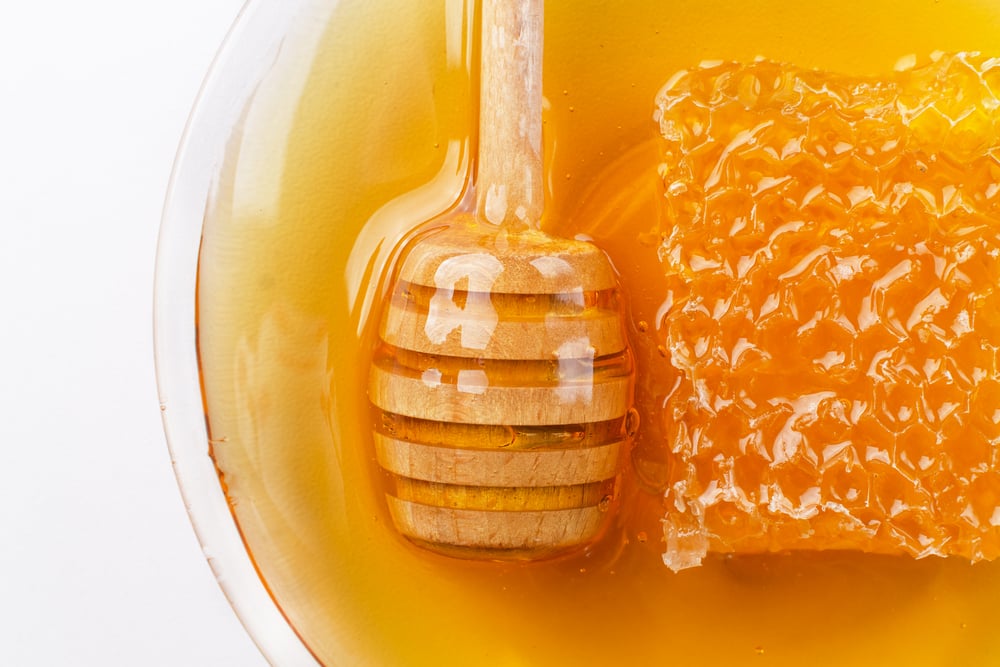
Bees in New Zealand collect nectar from manuka bush flowers for just a few weeks each year, producing honey with antibacterial properties. The honey gets tested and graded based on its methylglyoxal content, with higher grades costing significantly more.
Premium varieties can reach $100 or more per pound, marketed for both culinary and medicinal uses. The flavor tastes more earthy and less sweet than regular honey, with a slightly bitter edge.
Counterfeits flood the market since demand far exceeds what New Zealand’s manuka bushes can supply.
Kopi luwak coffee

This Indonesian coffee comes from beans eaten and defecated by Asian palm civets, with the digestion process supposedly improving the flavor. Workers collect the droppings from wild or caged civets, then clean and roast the beans inside.
Prices reach $600 per pound, driven partly by novelty and partly by limited production. Animal welfare concerns have grown as some producers keep civets in poor conditions to meet demand.
The taste reportedly smooths out the coffee’s bitter notes, though blind taste tests often fail to show significant differences from high-quality regular coffee.
Wagyu beef
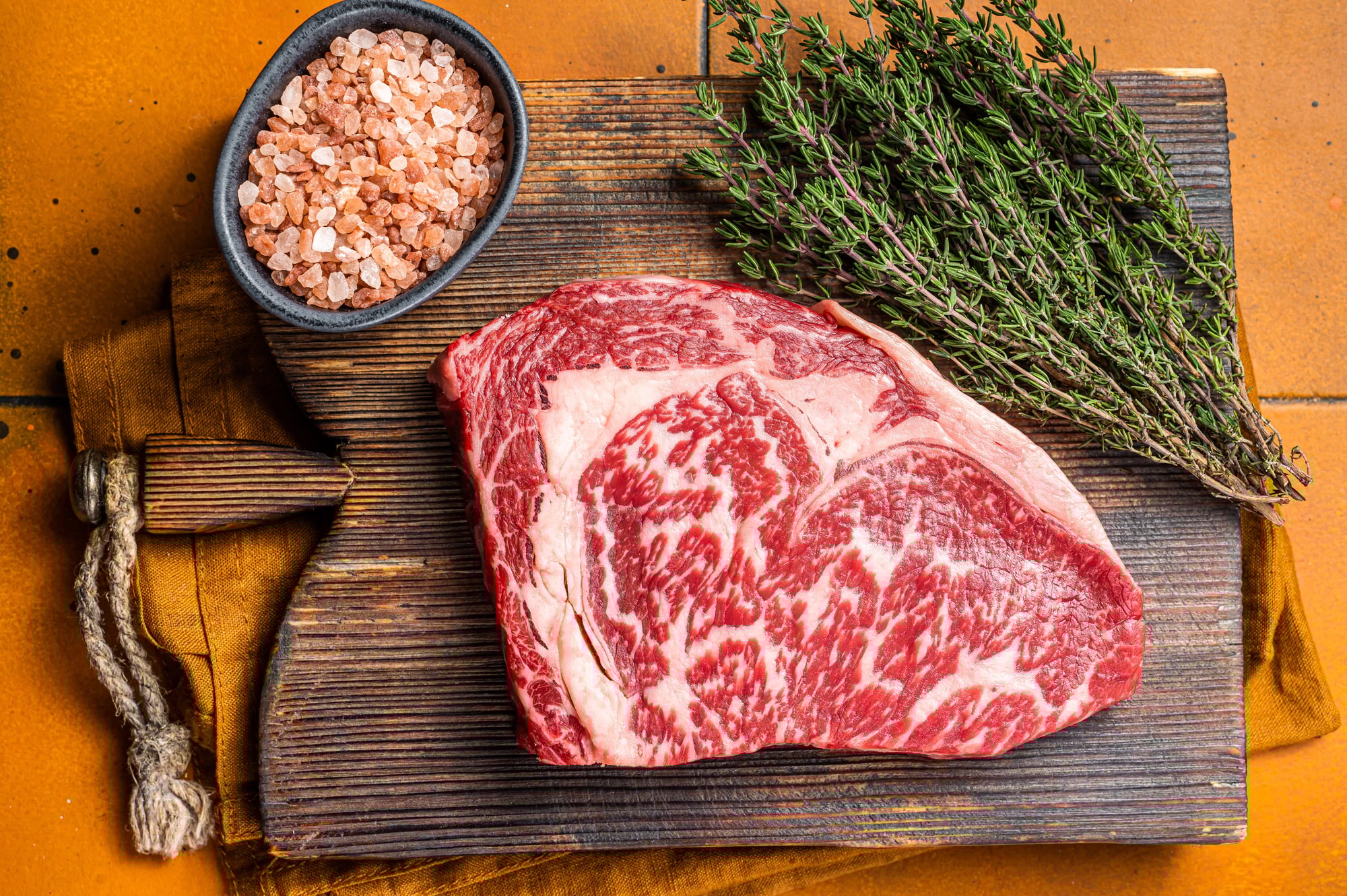
A type of Japanese beef called wagyu isn’t just Kobe – it comes from different areas and breeds, all raised with careful attention. Instead of stopping where Western standards do, Japan uses a detailed scoring method focused heavily on fat patterns inside the meat.
Some top-tier cuts sell for over two hundred dollars a pound because their rich fat gives a smooth, buttery feel once heated. That richness means it begins to soften at cooler temps compared to regular beef, thanks to how the fats are built.
Now, farms in the U.S. grow these animals too, making it cheaper – yet people still question whether it truly matches the original version.
Blue lobster
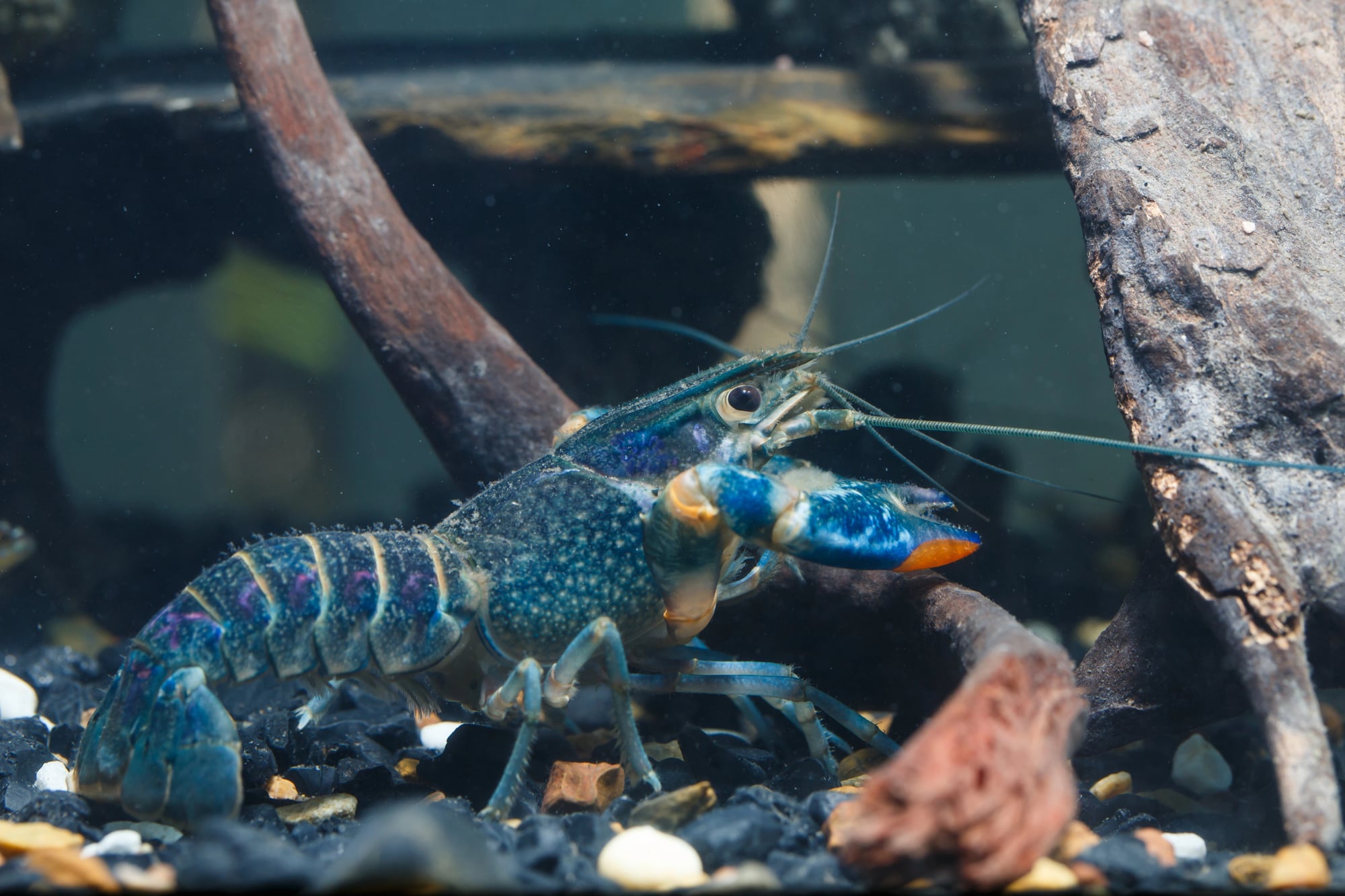
Out of millions of lobsters, one might spot a strange blue shell now and then – genetics playing tricks with color. A lucky fisher could haul it in, most likely sending it to an aquarium instead of a dining plate.
Occasionally, these odd ones slip into fancy restaurants anyway. If money is no object, someone may pay hundreds just for the chance to own one.
Once boiled, that striking hue vanishes, turning the usual reddish-orange like any other. Taste? Exactly the same as your average lobster dinner.
Worthless in flavor, priceless in scarcity.
Where food meets status

What we’re willing to pay often reveals more than taste alone. It is scarcity, yes, a long history, hard labor behind each bite – but also the quiet thrill of having what few ever do.
Certain dishes offer tastes you cannot find elsewhere, whereas some rely almost entirely on who gets invited to the table. Money spent here speaks less of hunger, more of belonging, ritual, the old need to stand apart by eating differently.
Long before now, meals turned into messages. Ordinary nourishment slipped away; meaning took its place.
More from Go2Tutors!

- The Romanov Crown Jewels and Their Tragic Fate
- 13 Historical Mysteries That Science Still Can’t Solve
- Famous Hoaxes That Fooled the World for Years
- 15 Child Stars with Tragic Adult Lives
- 16 Famous Jewelry Pieces in History
Like Go2Tutors’s content? Follow us on MSN.