Surprising Items TSA Actually Lets Through Security
Airport security can feel like navigating a maze of arbitrary rules. You dump your water bottle, remove your shoes, and panic about whether that tiny tube of toothpaste is actually 3.4 ounces.
But while everyone knows the basics of what gets confiscated, there’s a whole category of items that seem like they’d never make it past the checkpoint — yet they sail through without a second glance.
Some of these approvals make perfect sense once you think about them. Others feel like bureaucratic oversights that somehow became policy.
The TSA’s own website contains surprises that would shock frequent travelers, and the logic behind what’s allowed versus what’s banned doesn’t always follow the patterns you’d expect.
Knitting Needles

Sharp metal objects that could theoretically be used as weapons get the green light. Knitting needles made of any material — metal, plastic, bamboo — are perfectly fine in both carry-on and checked bags.
The TSA’s reasoning is simple enough: they’re tools, not weapons. This extends to other crafting supplies too.
Crochet hooks pass through security without issue. So do embroidery scissors under four inches.
Your grandmother’s knitting bag is basically a mobile craft store that airport security has no problem with.
Live Lobsters
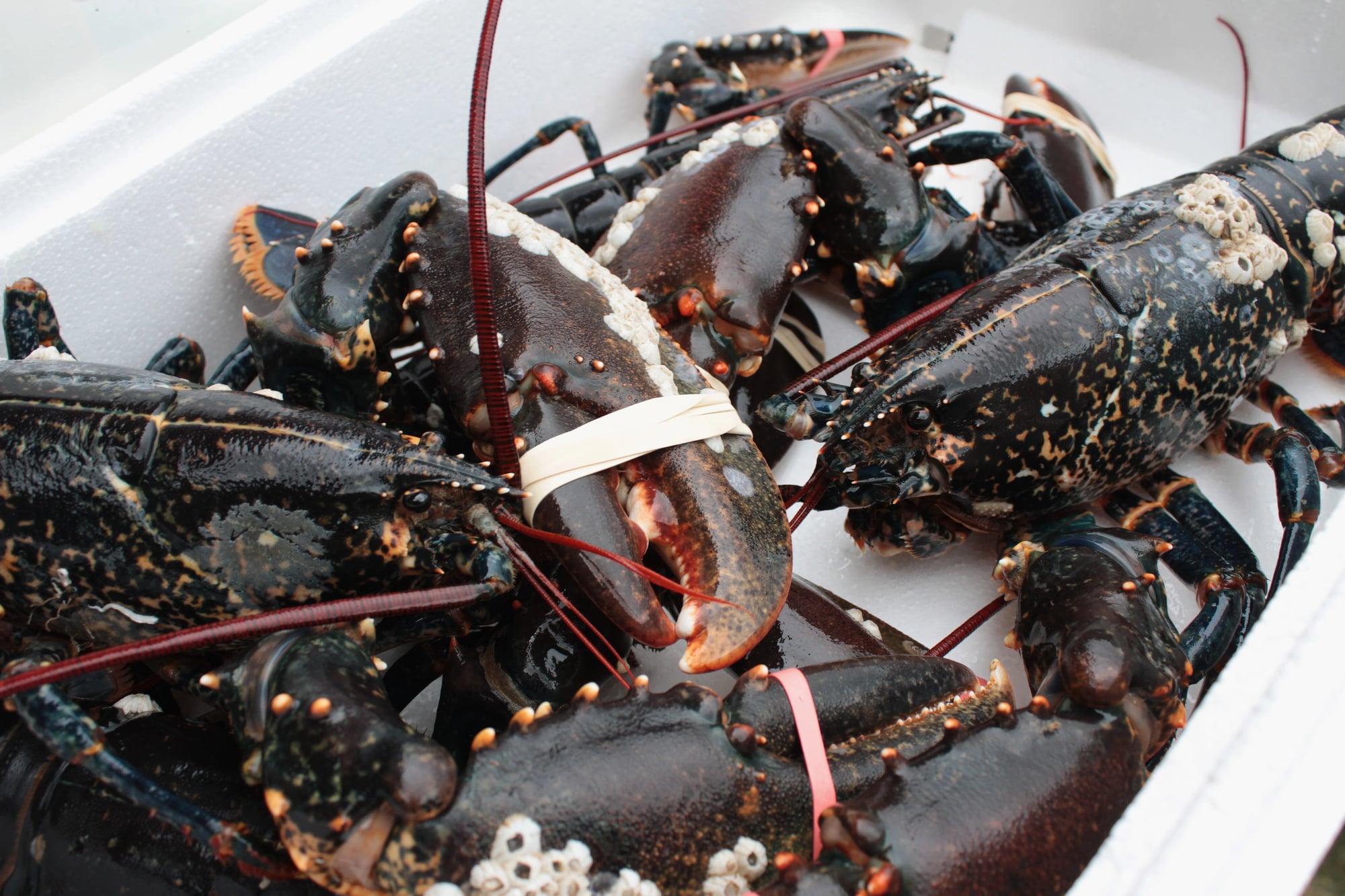
Here’s where the TSA rulebook starts feeling like it was written by someone with a very specific lifestyle in mind (because apparently some travelers need to transport live crustaceans across state lines, and the federal government has thoughts about the proper way to do this). Live lobsters are allowed in carry-on bags, but they have to be transported in a clear, spill-proof container — and yes, that container has to fit in the overhead bin or under the seat in front of you, which means you’re going to be the person explaining to your seatmate why there’s a lobster clicking around above their head for the duration of the flight.
The container counts as your personal item, so if you’re someone who typically brings both a purse and a laptop bag, something’s going to have to give. And the lobster has to stay alive for the entire journey — dead lobsters apparently present a different security risk that the TSA isn’t willing to accommodate.
But live fish, crabs, and other seafood get the same treatment, provided they meet the container requirements. The person who drafted these rules clearly anticipated a robust market in airborne seafood transport.
Pool Cues

Sports equipment gets confusing treatment from the TSA, but pool cues are explicitly allowed as carry-on items. A three-foot wooden stick with a hard tip that could absolutely be used to cause harm gets waved through security.
Baseball bats are banned. Golf clubs are banned.
Pool cues are fine. The logic seems to be that pool cues are hollow and lightweight compared to solid wooden bats.
Fair enough, though it’s hard to imagine the conversation that led to this particular distinction. Someone at the TSA spent time thinking about the relative threat levels of various long, thin sporting goods.
Antlers
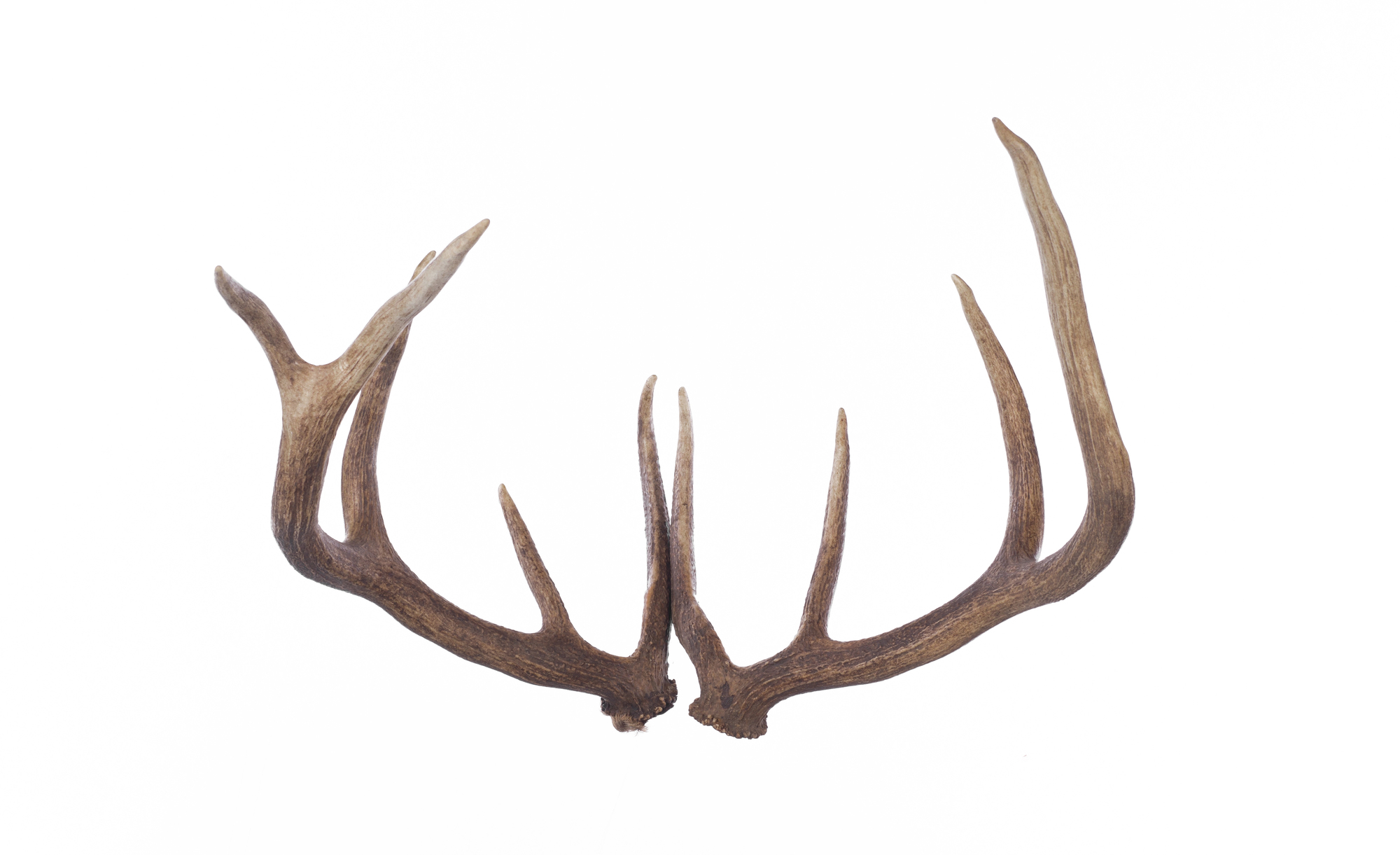
Hunting trophies and decorative antlers pass through security checkpoints like any other souvenir. Doesn’t matter if they’re massive elk antlers or small deer specimens — as long as they fit in your carry-on bag and don’t have any prohibited substances on them, they’re cleared for takeoff.
This falls under the TSA’s surprisingly permissive stance on animal parts and hunting-related items, as long as they’re not sharp enough to be considered weapons. Antlers are essentially bone, and bone isn’t inherently dangerous from a security perspective.
Frozen Liquids
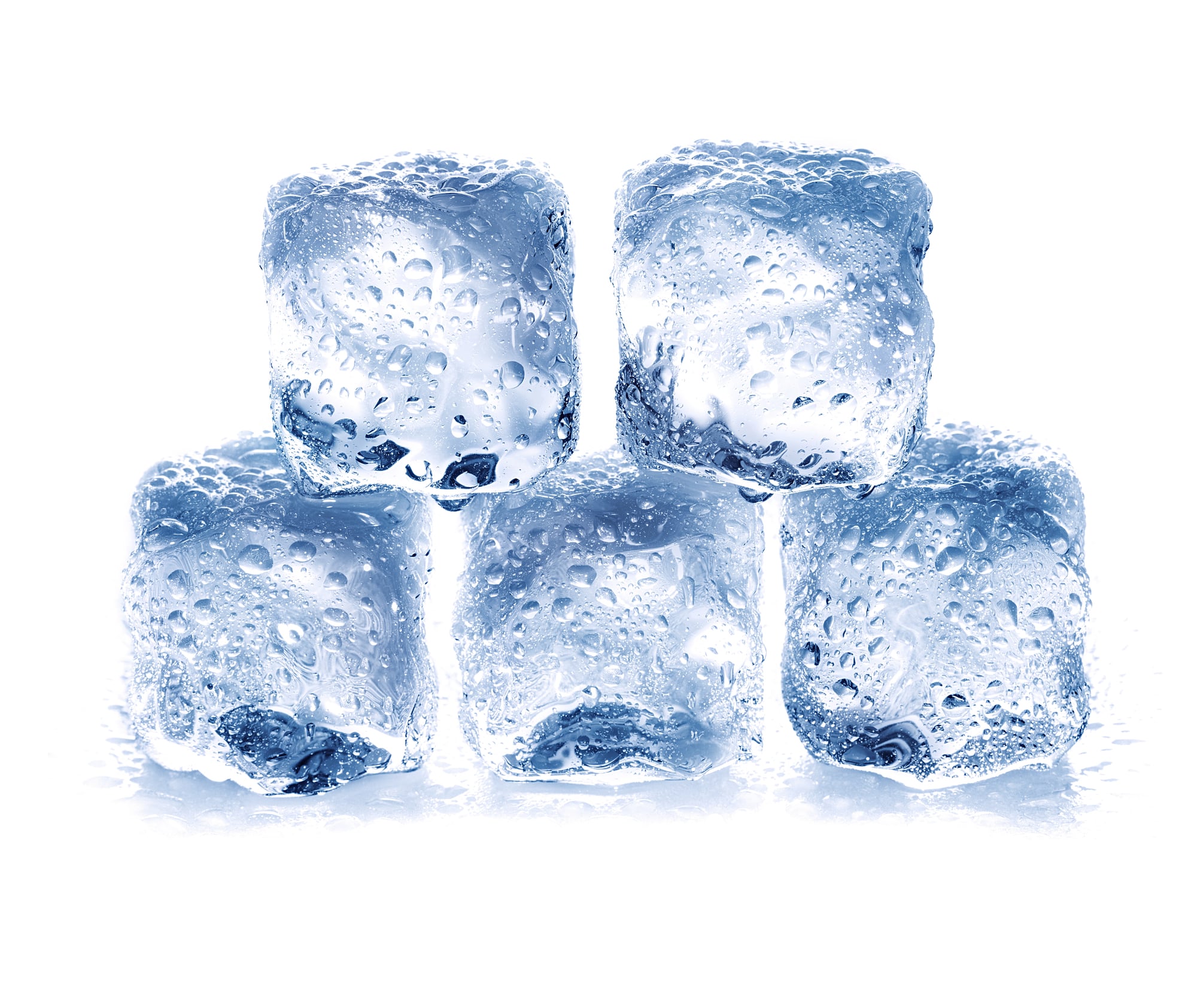
The 3-1-1 rule becomes meaningless once liquids freeze solid (and this is where the TSA’s adherence to technicalities becomes both impressive and slightly ridiculous, because frozen water is apparently not subject to the same restrictions as liquid water, even though everyone involved understands that ice melts and becomes the exact substance that was supposedly dangerous in the first place). A frozen bottle of water can pass through security, but the same bottle in liquid form gets confiscated immediately — which means savvy travelers have figured out that freezing drinks the night before travel is a legitimate workaround for staying hydrated without paying airport prices.
The TSA has to allow it because their own rules specify liquids, and ice isn’t liquid. Yet.
But the ice has to be completely solid when it goes through the scanner. If it’s started melting, it counts as a liquid again and gets tossed.
Empty Containers of Any Size
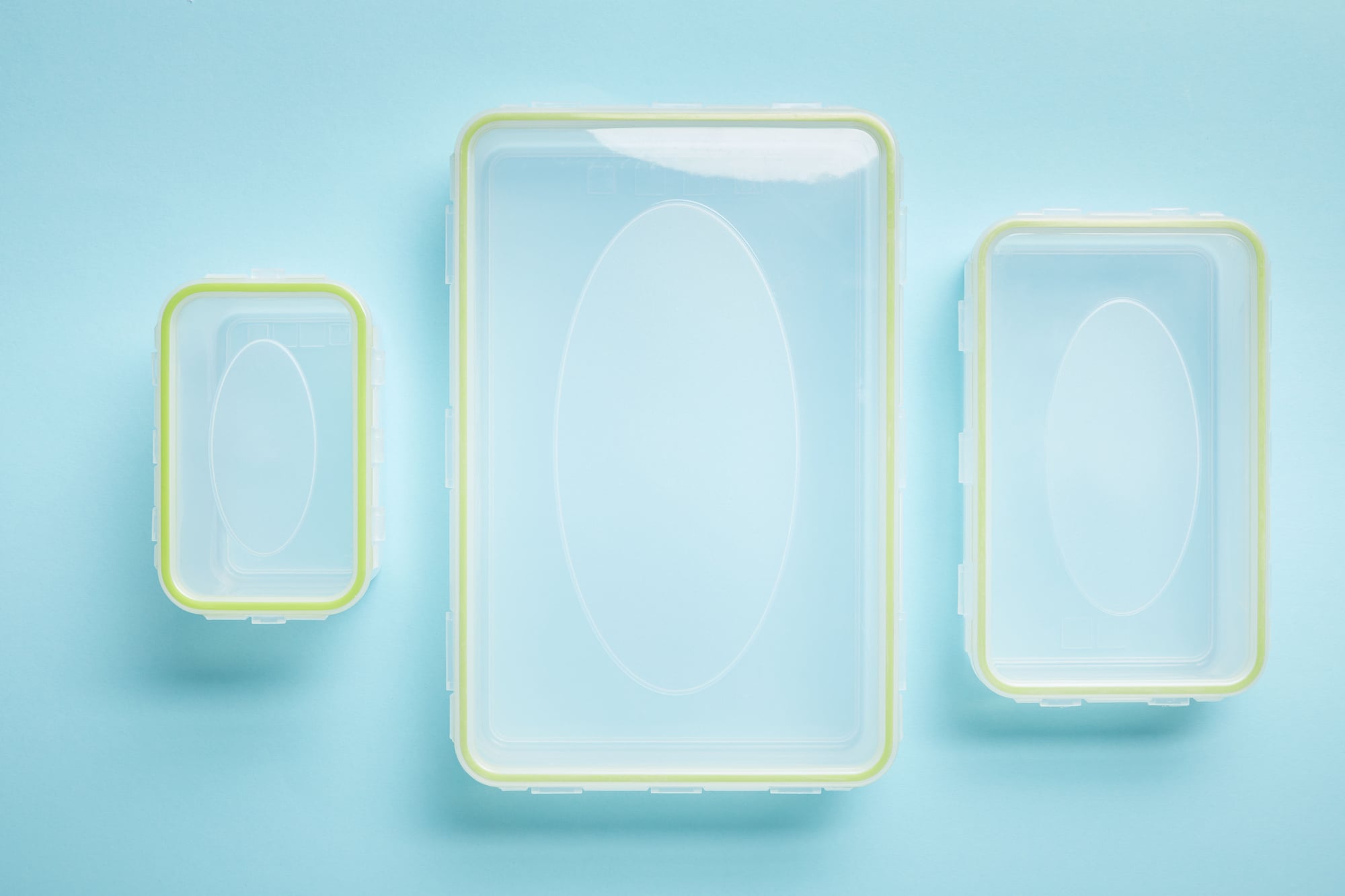
That gallon jug that would never be allowed through security if it contained anything becomes perfectly acceptable when it’s empty. No size restrictions apply to empty containers — you could theoretically bring an empty fish tank through security if you wanted to and it fit in your carry-on space.
The reasoning is obvious: an empty container poses no threat. You can fill it with water from fountains or buy drinks to pour into it once you’re past security.
It’s the contents that matter, not the vessel itself.
Electric Razors
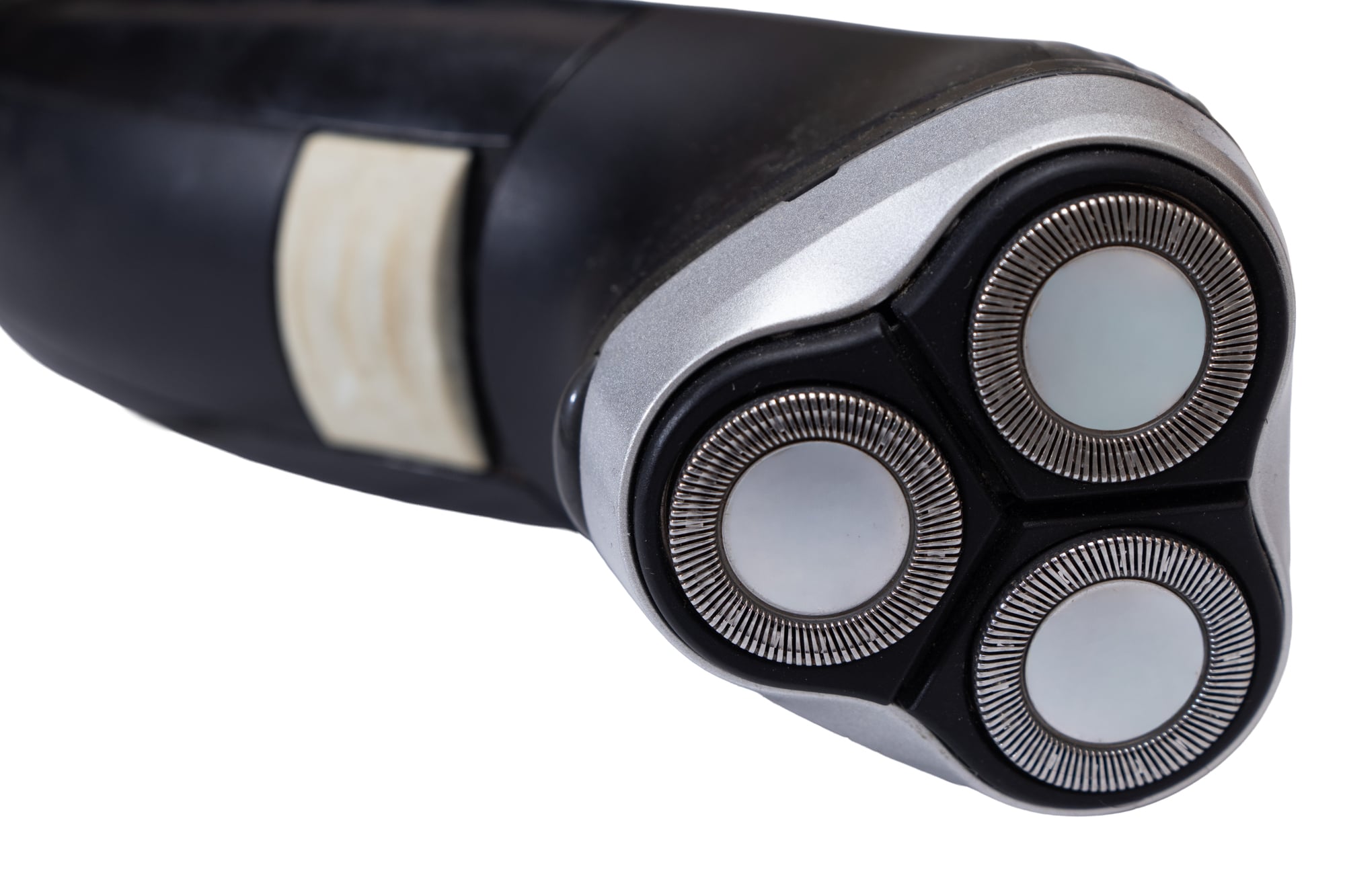
Personal grooming tools that contain actual blades get the thumbs up from security. Electric razors, including the kind with exposed cutting surfaces, are fine in carry-on bags.
Safety razors with removable blades are banned, but electric ones pass through without question. The distinction seems to be about accessibility of the blade rather than its existence.
An electric razor requires deliberate disassembly to access anything sharp enough to be dangerous. A safety razor just requires unscrewing a cap.
Musical Instruments as Carry-Ons

The TSA has specific policies protecting musicians and their instruments. Small instruments are always allowed as carry-ons, and even larger ones like guitars can be brought onboard if you buy them their own seat.
This isn’t just permission — it’s a federally mandated accommodation that airlines can’t override. Musicians fought for these rules because checking expensive instruments often results in damage.
The TSA sided with the musicians, recognizing that a guitar or violin is valuable property that deserves protection, not a security threat that needs confiscation.
Dry Ice

Certain hazardous materials are actually permitted in carry-on bags under specific conditions, and dry ice tops that list. You can bring up to 5.5 pounds of dry ice onboard as long as it’s properly packaged and labeled.
The container has to allow carbon dioxide gas to escape, which means it can’t be completely sealed. This exception exists because dry ice is commonly used to keep medical supplies and certain foods cold during travel.
The TSA recognizes it as a legitimate travel necessity rather than a prohibited substance, provided it’s handled according to their guidelines.
Disposable Lighters
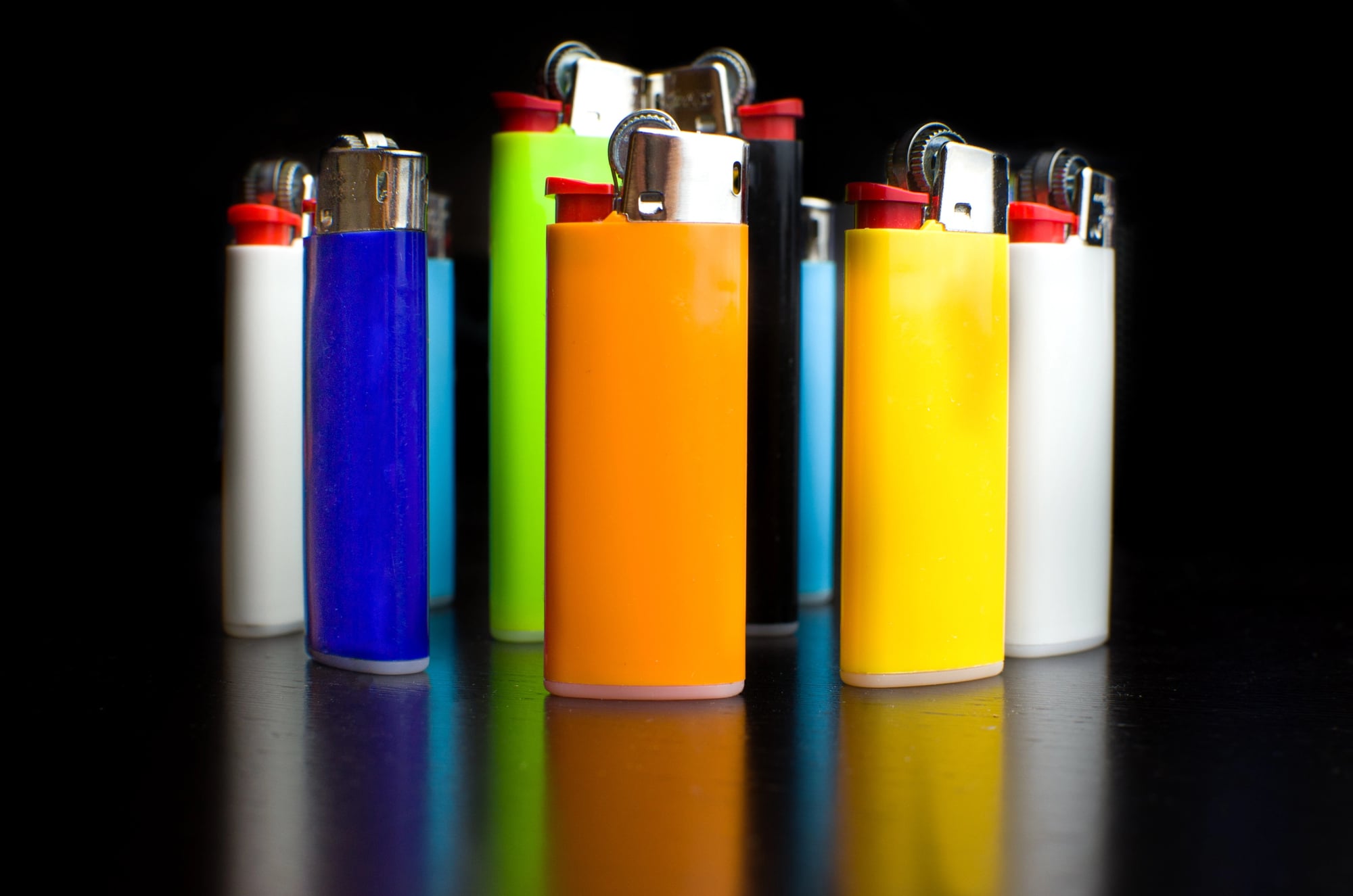
Fire-making devices get a surprisingly permissive treatment. One disposable lighter per person is allowed in carry-on bags — not checked bags, oddly enough.
The reasoning is that lighters in pressurized cargo holds present a different risk than lighters in the cabin where they can be monitored. Torch lighters and novelty lighters are banned, but your basic Bic lighter is fine.
This feels like a compromise between acknowledging that people smoke and need lighters versus completely prohibiting anything that makes fire on airplanes.
Protein Powder

Large containers of powdery substances seem like they’d trigger every alarm the TSA has, but protein powder is explicitly allowed in both carry-on and checked bags. Containers larger than 12 ounces might require additional screening, but they’re not prohibited.
The TSA has presumably decided that protein powder serves a legitimate purpose for travelers and doesn’t present enough of a risk to ban outright. The additional screening for larger containers is a reasonable middle ground that lets serious athletes and fitness enthusiasts travel with their supplements.
Bowling Pins
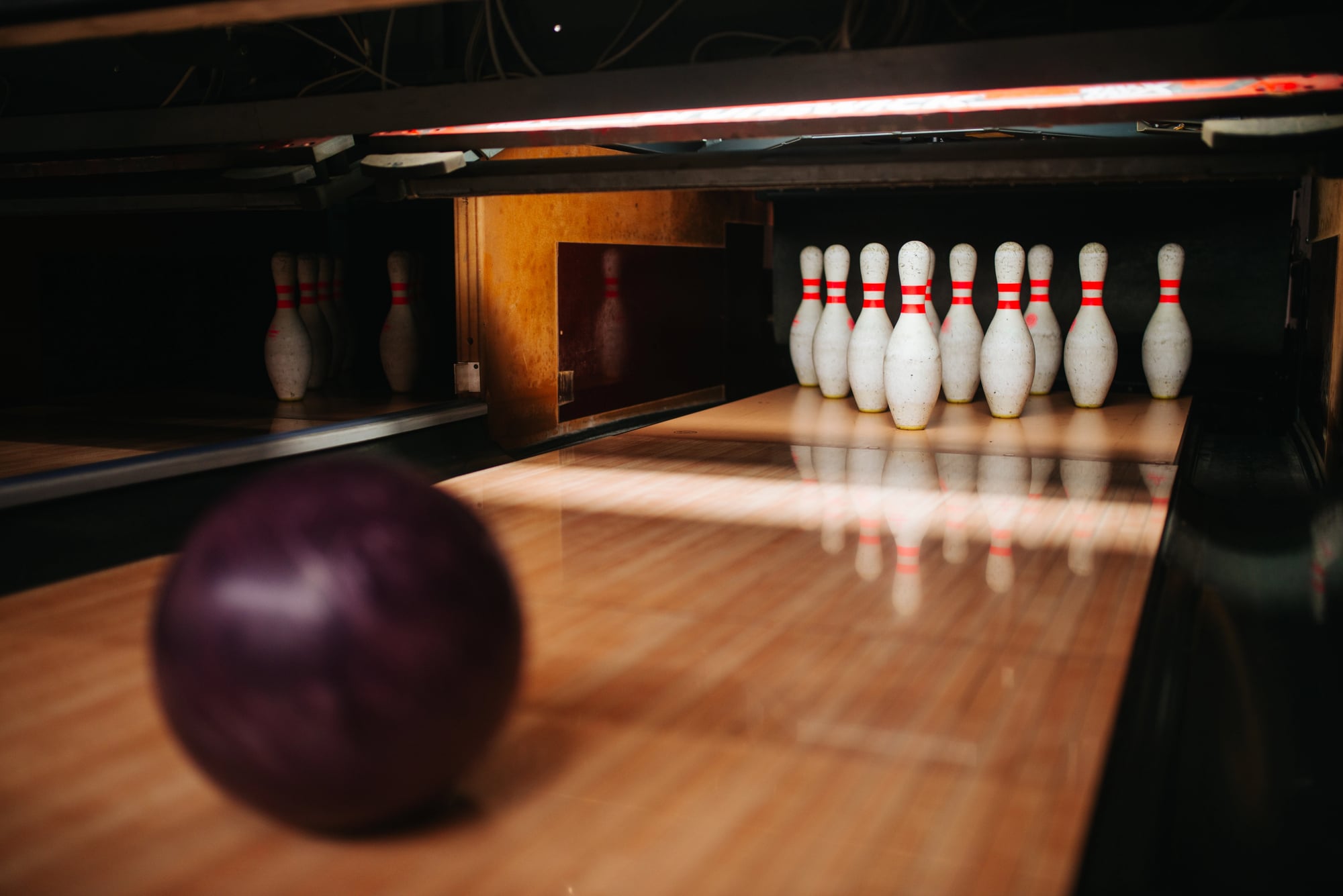
More sporting goods that defy the usual logic: bowling pins are allowed as carry-on items. These are solid wooden objects that weigh several pounds each, but they pass through security without issue.
Bowling orbs, interestingly, are also allowed but have to be checked due to their weight. The distinction seems arbitrary until you consider that bowling pins are hollow and relatively light, while bowling orbs are dense and heavy.
A bowling pin could theoretically be used as a club, but it’s not particularly effective compared to purpose-built weapons that are already banned.
Powers Greater Than Bureaucracy
Rules reveal the minds that made them, and the TSA’s approved items list shows an agency trying to balance genuine security concerns with the reality that people need to travel with their lives intact. The contradictions and surprising permissions aren’t bugs in the system — they’re features that acknowledge the impossible task of categorizing every object in the world as either safe or dangerous.
Some of these allowances exist because someone fought for them. Others probably resulted from specific incidents or requests that forced the TSA to make official rulings.
The live lobster policy didn’t write itself — someone needed to transport live seafood badly enough to make it a federal issue. That’s either dedication to fresh ingredients or a very specific business model, but either way, the rules now accommodate it.
More from Go2Tutors!

- The Romanov Crown Jewels and Their Tragic Fate
- 13 Historical Mysteries That Science Still Can’t Solve
- Famous Hoaxes That Fooled the World for Years
- 15 Child Stars with Tragic Adult Lives
- 16 Famous Jewelry Pieces in History
Like Go2Tutors’s content? Follow us on MSN.



