18 Lawn Care Secrets Fathers Swore By
There was something special about watching your dad work in the yard on Saturday mornings. He had this methodical approach to lawn care that seemed almost ritualistic, like he was performing some ancient ceremony that would summon the perfect grass. These weren’t just random weekend activities—they were time-tested techniques passed down through generations of homeowners who took serious pride in their green spaces.
Modern lawn care has gotten complicated with fancy equipment and chemical treatments that promise instant results. But the fathers of previous generations knew that a truly great lawn required patience, consistency, and a few clever tricks that didn’t come from any store.
Here is a list of 18 lawn care secrets that fathers swore by for creating the kind of yard that made neighbors stop and stare.
Water Early in the Morning

Smart dads knew that watering at dawn gave their grass the best chance to absorb moisture before the sun got too intense. The cooler temperatures meant less evaporation, so every drop actually reached the roots instead of disappearing into thin air.
Early morning watering also helped prevent fungal diseases that thrived in the warm, wet conditions of evening irrigation. This simple timing trick could make the difference between a struggling lawn and a thriving one.
Cut High, Cut Often

The old-school rule was never to cut more than one-third of the grass blade at any time. Fathers understood that taller grass developed deeper root systems and could better withstand drought conditions.
They kept their mower blades sharp and set them high, usually around three inches, which also helped shade the soil and prevent weeds from taking hold. This approach meant mowing more frequently, but it resulted in a much healthier and more resilient lawn.
Leave the Clippings Behind

While neighbors were bagging up their grass clippings like clockwork, experienced fathers let them fall where they may. These clippings acted as natural fertilizer, returning valuable nutrients to the soil as they decomposed.
The practice also helped retain moisture and suppress weeds without any additional cost or effort. As long as the clippings weren’t too thick, they would break down quickly and disappear into the lawn.
Edge Before You Mow

The secret to a professional-looking lawn was always in the details, and that meant crisp, clean edges along walkways and flower beds. Fathers would walk around with their edgers first, creating those sharp lines that made everything look intentional and well-maintained.
This technique also made the actual mowing go faster since the trimmer work was already done. A properly edged lawn looked like it belonged in a magazine, even if the grass itself wasn’t perfect.
Test Your Soil Every Few Years

Before soil testing kits became common, fathers had their own ways of figuring out what their lawns needed. They’d send samples to the local extension office or use simple tricks like the jar test to check soil composition.
Understanding whether the soil was too acidic, too alkaline, or lacking in specific nutrients helped them make smarter decisions about fertilizing and amendments. This knowledge prevented the waste of money on products that wouldn’t actually help their particular lawn conditions.
Fertilize in the Fall
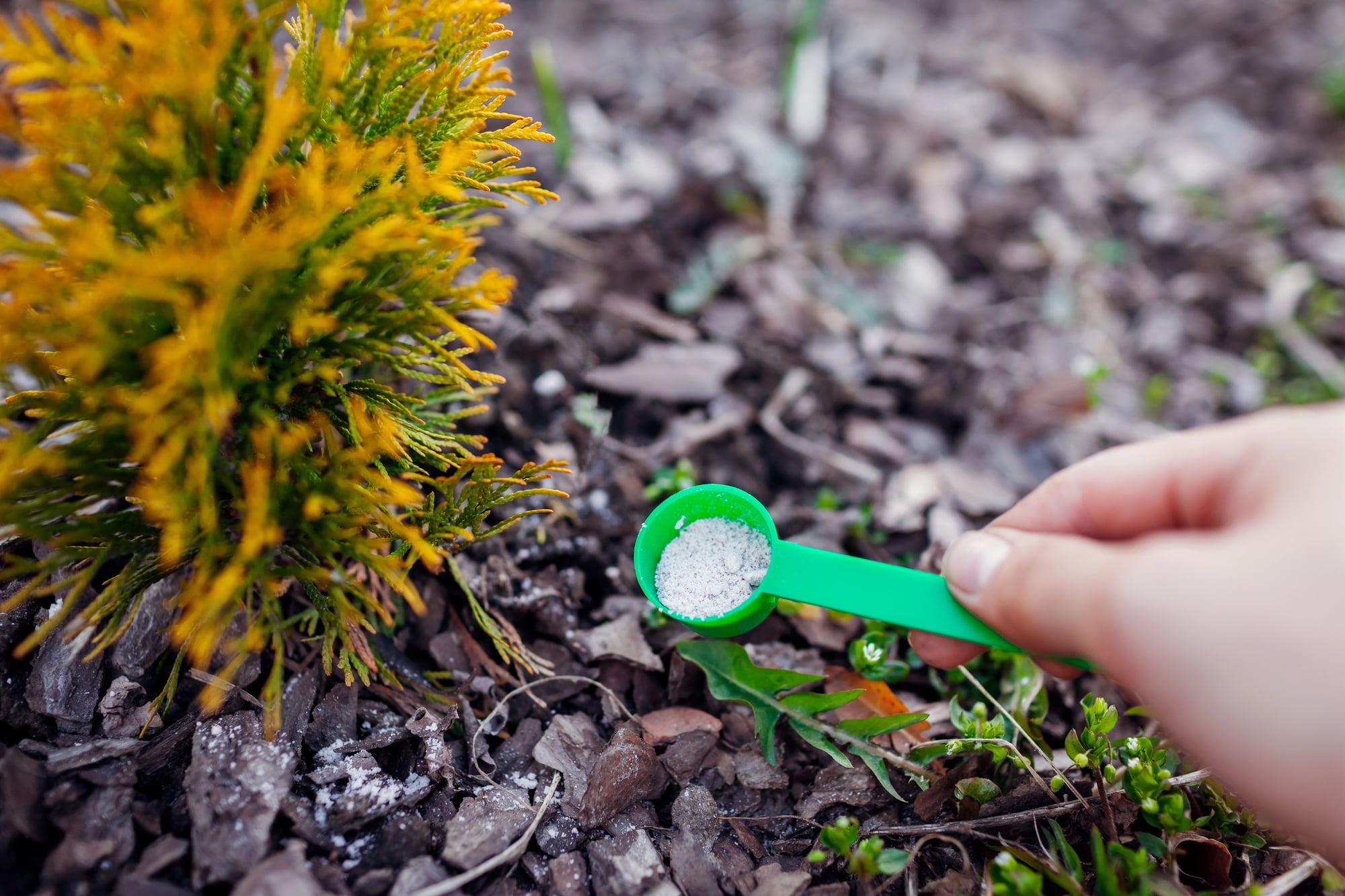
While spring seemed like the obvious time to feed the lawn, experienced fathers knew that fall fertilization was the real game-changer. Cool-season grasses used this nutrition to develop strong root systems during the winter months, emerging in spring with a significant head start.
The timing also meant less competition from weeds and more efficient nutrient uptake. This practice often made the difference between a lawn that looked good and one that looked spectacular.
Aerate When the Soil Gets Compacted
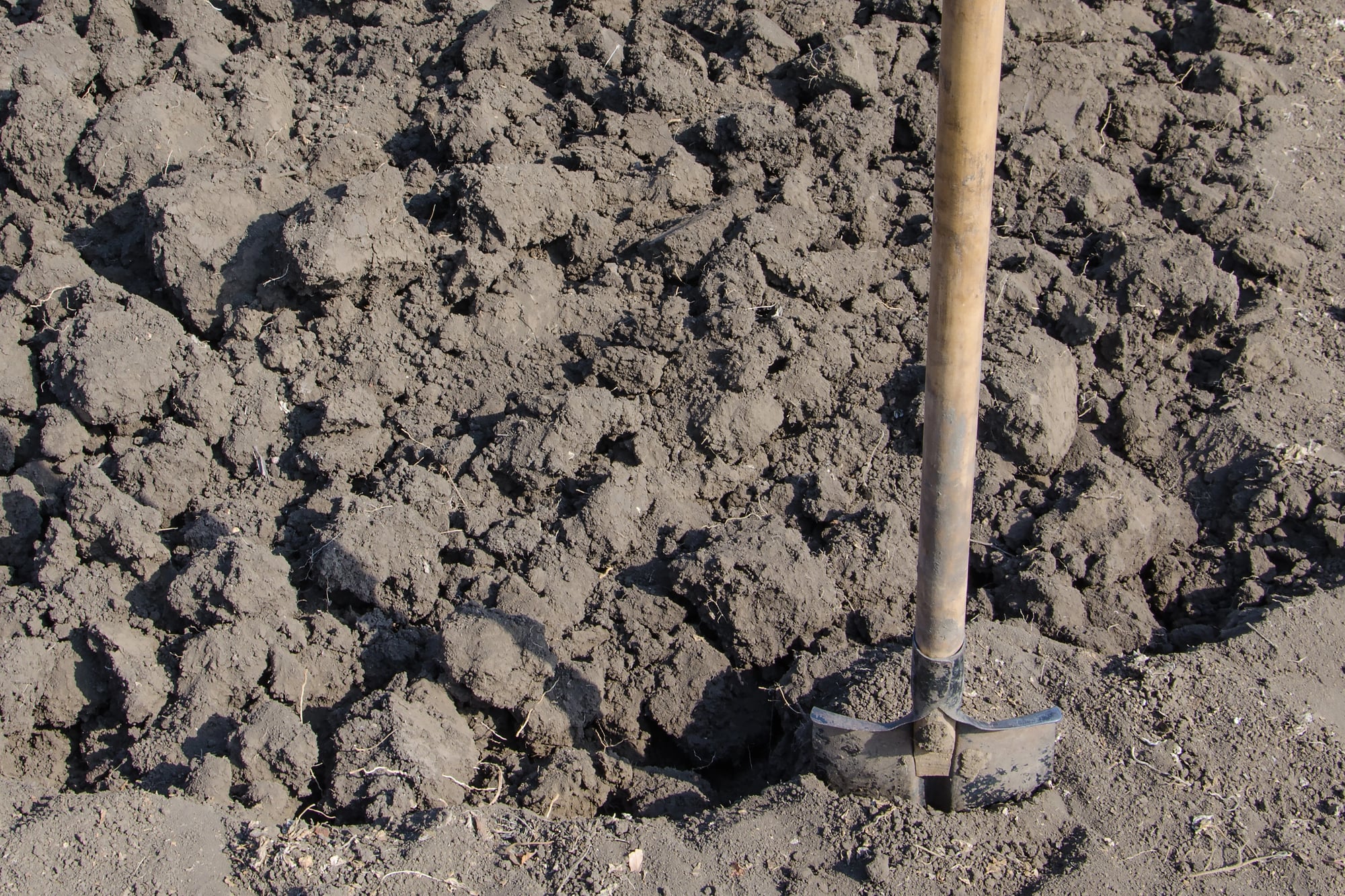
Fathers could tell when their lawns were struggling to breathe just by walking on them and feeling how hard the ground had become. They’d rent aerators or use spike tools to create small openings that allowed air, water, and nutrients to penetrate deeper into the soil.
This was particularly important in high-traffic areas where foot traffic had compressed the earth. The results were often dramatic, with grass becoming noticeably greener and thicker within a few weeks.
Overseed Thin Spots Immediately

The moment a bare patch appeared, smart fathers were on it with grass seed and a rake. They knew that empty soil wouldn’t stay empty for long—either grass would grow there, or weeds would move in and claim the territory.
Quick action with the right seed variety, proper soil preparation, and consistent watering could turn problem areas into some of the healthiest parts of the lawn. Timing was everything, with early fall being the ideal season for most overseeding projects.
Use a Push Reel Mower for Small Areas

Before everyone had riding mowers, fathers often preferred the precision and quiet operation of push reel mowers for smaller lawns. These machines provided a cleaner cut that was gentler on grass blades, reducing stress and promoting healthier growth.
They also forced you to maintain a steady pace and really pay attention to what you were doing. Many fathers swore that grass cut with a reel mower looked distinctly better than grass cut with rotary mowers.
Water Deeply, Less Frequently

Instead of sprinkling the lawn every day, experienced fathers gave their grass deep, thorough soakings a few times per week. This approach encouraged roots to grow deeper in search of moisture, creating a more drought-resistant lawn overall.
They’d set sprinklers to run long enough that water penetrated several inches into the soil rather than just wetting the surface. The deeper root system that resulted could tap into soil moisture that shallow-rooted grass couldn’t reach.
Keep Mower Blades Sharp

A dull mower blade didn’t cut grass—it tore it, leaving ragged edges that made the lawn look brown and stressed. Fathers made sharpening mower blades an annual ritual, often taking them to the local hardware store or learning to do it themselves with a file.
Sharp blades created clean cuts that healed quickly and looked better immediately after mowing. This simple maintenance step was one of the most cost-effective ways to improve lawn appearance.
Vary Your Mowing Pattern

Smart fathers never mowed in exactly the same direction twice in a row, understanding that grass would start to lean in the direction it was always cut. Changing patterns—diagonal one week, horizontal the next—kept grass growing upright and prevented those unsightly stripes that came from repeated traffic in the same tracks.
This technique also helped prevent soil compaction in specific areas and gave the lawn a more professional, well-maintained appearance.
Plant Grass That Matches Your Climate

Rather than fighting nature with grass varieties that weren’t suited to their region, experienced fathers chose seed or sod that thrived in their specific climate conditions. They understood the difference between cool-season and warm-season grasses and picked accordingly.
This meant less watering, less fertilizing, and fewer problems with diseases and pests. A grass variety that was naturally adapted to local conditions would always outperform exotic types that required constant intervention.
Control Weeds Before They Spread

Fathers had an eagle eye for the first dandelion or crabgrass that dared to show up in their territory. They knew that one weed could quickly become dozens if left unchecked, so they attacked problems early with targeted treatments.
Many preferred hand-pulling weeds when possible, getting the entire root system to prevent regrowth. Pre-emergent herbicides applied at the right time could prevent annual weeds from ever getting started, saving hours of work later in the season.
Dethatch When Necessary

When thatch—the layer of dead grass and organic matter—built up too thick, fathers would rent dethatching machines or use special rakes to remove it. They could tell when this was needed because water would run off instead of soaking in, and the lawn would feel spongy underfoot.
Removing excess thatch allowed air, water, and nutrients to reach the soil more effectively. This was typically a once-every-few-years job, but it could dramatically improve lawn health when done at the right time.
Use Corn Gluten as Natural Pre-Emergent

Long before organic lawn care became trendy, some fathers discovered that corn gluten meal could prevent weed seeds from germinating without harming existing grass. This natural product worked as effectively as chemical pre-emergents for many common weeds like crabgrass and dandelions.
The timing had to be perfect—applied too early or too late, it wouldn’t work—but when used correctly, it provided months of weed control. It also added a small amount of nitrogen to the soil as an added benefit.
Create Microclimates with Trees and Shrubs

Thoughtful fathers understood that different areas of their property had different growing conditions and planned accordingly. They used trees and shrubs to create shade in areas where cool-season grasses struggled in summer heat, or to block harsh winds that could dry out exposed lawn areas.
These landscape features also helped retain moisture and moderate soil temperatures. A well-planned landscape could make lawn care much easier by working with natural conditions rather than against them.
Keep Detailed Records

The most successful fathers kept simple notebooks tracking what they did and when they did it, along with notes about weather conditions and results. These records helped them identify patterns and perfect their timing for various lawn care activities.
They could look back and see exactly when they had applied fertilizer, when they had overseeded, and how the lawn had responded. This information proved invaluable for making better decisions in subsequent years and avoiding repeated mistakes.
Wisdom That Still Grows Today

The lawn care secrets that fathers passed down weren’t just about creating beautiful grass—they were lessons in patience, observation, and working with nature rather than against it. These time-tested techniques required more thought and less money than modern quick-fix solutions, but they produced lawns that could withstand whatever Mother Nature threw at them.
Today’s sophisticated irrigation systems and chemical treatments have their place, but the fundamental principles that guided previous generations remain as valid as ever. The fathers who spent their weekends nurturing their lawns understood something that modern homeowners are rediscovering: that the best results come from consistent care, careful timing, and respect for the natural processes that make grass grow.
Their weekend rituals weren’t just chores—they were investments in creating something beautiful and lasting that the whole family could enjoy.
More from Go2Tutors!

- The Romanov Crown Jewels and Their Tragic Fate
- 13 Historical Mysteries That Science Still Can’t Solve
- Famous Hoaxes That Fooled the World for Years
- 15 Child Stars with Tragic Adult Lives
- 16 Famous Jewelry Pieces in History
Like Go2Tutors’s content? Follow us on MSN.