Elements Named After People
The periodic table reads like a history book if you know where to look. Scattered among the rows and columns are elements that carry the names of scientists who changed how we understand the universe.
These aren’t just technical labels. They’re tributes to people who spent their lives pushing boundaries, often working with dangerous materials in makeshift labs, sometimes paying the ultimate price for their discoveries.
Curium: A Partnership in Science
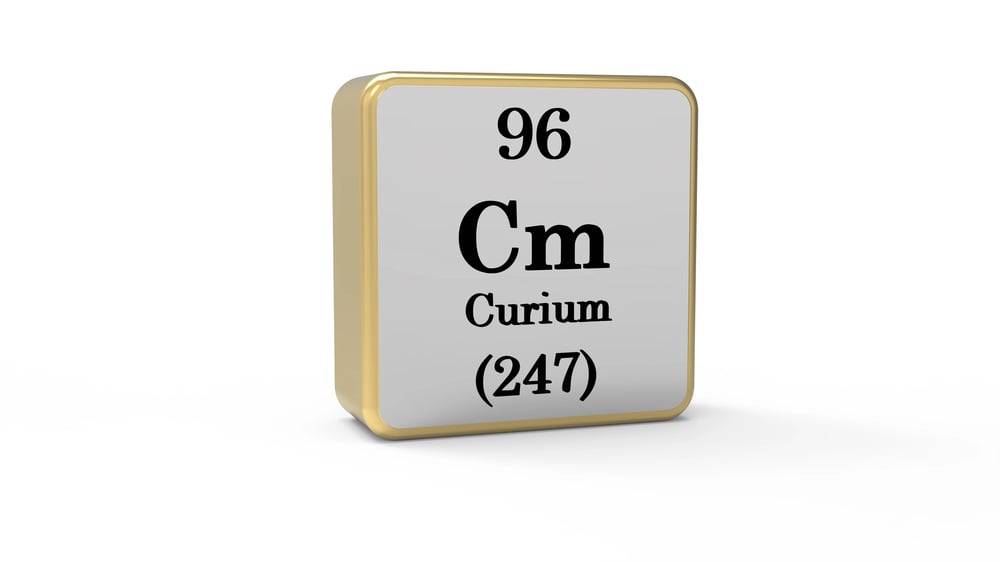
Marie and Pierre Curie worked together in a converted shed, processing tons of pitchblende to isolate radioactive elements. The conditions were terrible.
The ventilation was poor. The work was exhausting.
But they discovered polonium and radium, and their research laid the groundwork for nuclear physics. Curium, element 96, honors both of them. Scientists at the University of California, Berkeley created it in 1944 by bombarding plutonium with alpha particles.
The element glows in the dark from its own radioactivity—a fitting characteristic for something named after the couple who brought radioactivity into scientific prominence.
Einsteinium: Created in Fire
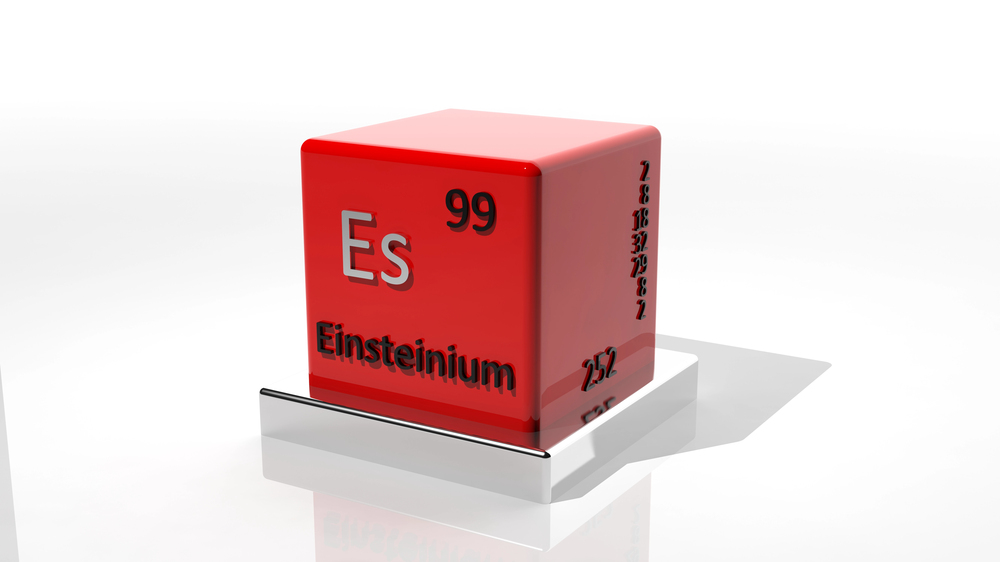
Element 99 first appeared in the debris of a hydrogen bomb test. Scientists analyzing fallout from the 1952 Ivy Mike test in the Pacific discovered traces of two new elements.
They kept the finding classified for years. When they finally announced einsteinium publicly, they named it after Albert Einstein, who had died just months after the test.
The timing feels heavy with irony. Einstein’s theories made nuclear weapons possible, but he spent his later years advocating for peace and warning about the dangers of atomic warfare.
Fermium: The Other Element from the Bomb
The same explosion that created einsteinium also produced fermium, element 100. Enrico Fermi had built the first nuclear reactor under a Chicago football stadium in 1942.
His work made the atomic bomb possible. Fermi died from stomach cancer in 1954, likely caused by radiation exposure.
The element named for him remains one of the most radioactive substances ever created. You can’t find it in nature.
Every atom of fermium that exists was made in a lab or a nuclear explosion.
Nobelium: An Ironic Choice
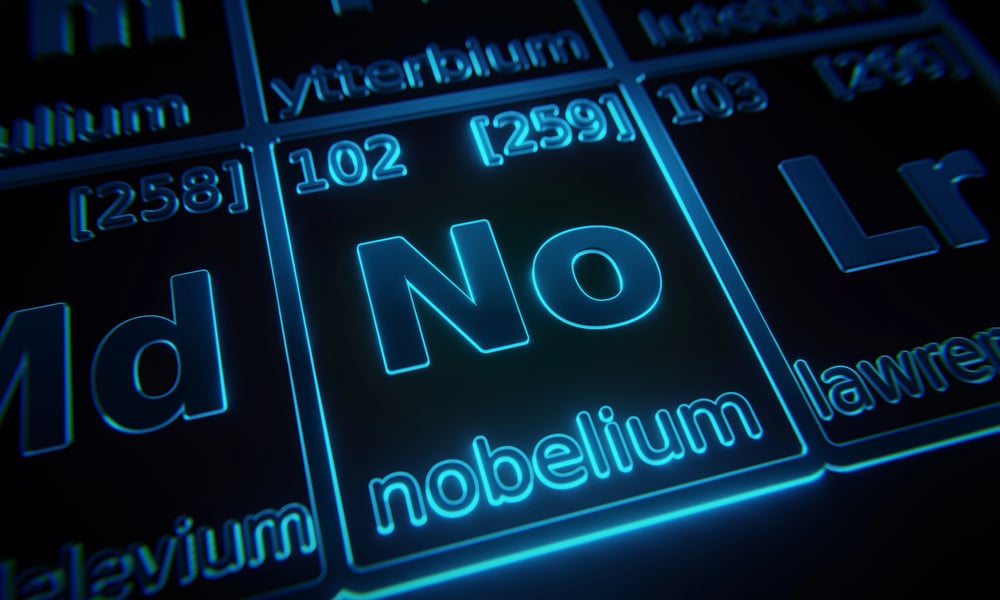
Alfred Nobel invented dynamite and felt guilty about it for the rest of his life. He used his fortune to establish prizes for peace, literature, and scientific achievement.
Naming element 102 after him creates an odd parallel. Nobel wanted to be remembered for promoting peace.
Instead, he’s remembered for an explosive, and now for a highly unstable element that exists for barely seconds before decaying. The discovery of nobelium was messy too.
Multiple teams claimed credit. Swedish scientists announced it first in 1957, but their results couldn’t be reproduced.
Soviet and American teams both made valid claims later. The international chemistry community eventually settled on nobelium as the name, regardless of who actually discovered it first.
Lawrencium: The Cyclotron Builder
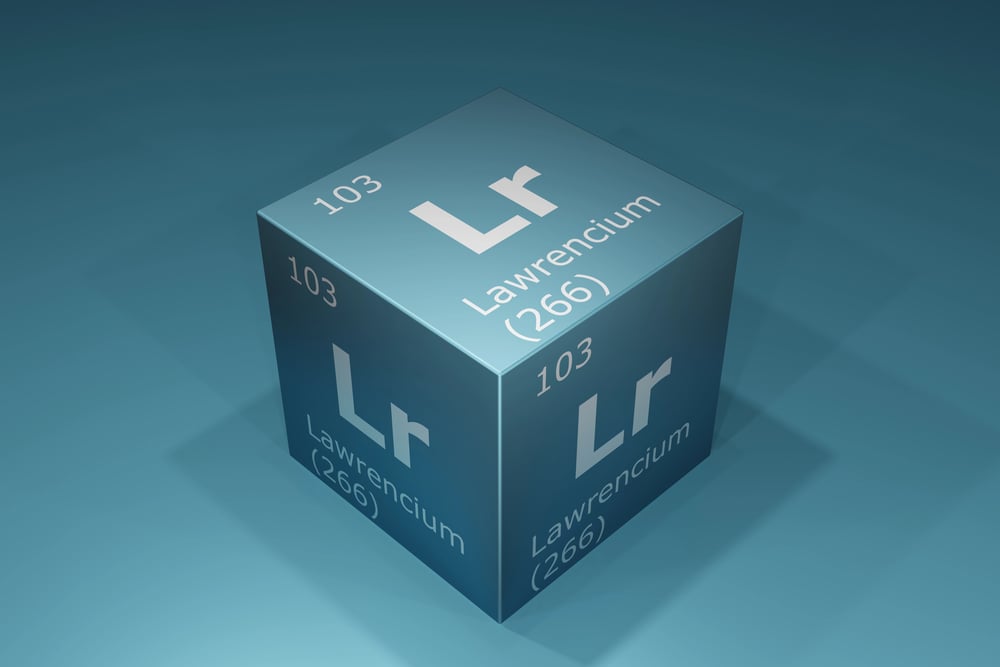
Ernest Lawrence built the first cyclotron, a machine that could accelerate particles to high speeds and smash them into targets. This technology opened up the possibility of creating elements that don’t exist naturally.
Element 103, lawrencium, was created using a linear accelerator—an evolution of Lawrence’s original design. The Berkeley lab where he worked has been instrumental in discovering several elements.
Lawrence died in 1958, just three years before scientists there created the element bearing his name.
Rutherfordium: Breaking the Naming Rules
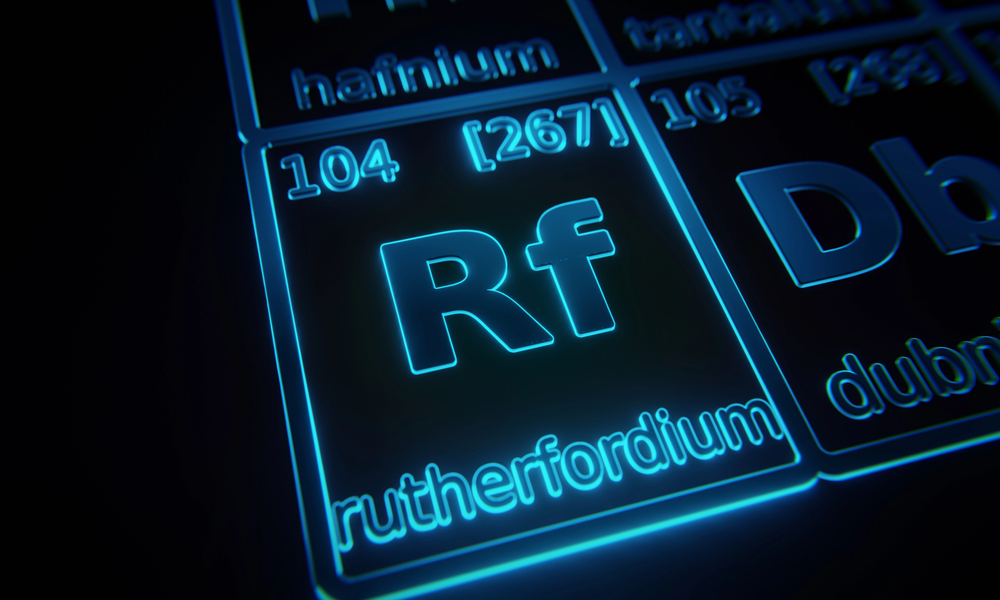
Element 104 caused a fight. American and Soviet scientists both claimed discovery, and they proposed different names. The Americans wanted rutherfordium, after Ernest Rutherford, the physicist who discovered the atomic nucleus.
The Soviets wanted kurchatovium, after Igor Kurchatov, the head of their nuclear program. The dispute dragged on for decades.
Finally, in 1997, international chemistry organizations officially adopted rutherfordium. The decision made sense scientifically.
Rutherford’s work formed the foundation for understanding atomic structure. But it also reflected political realities after the Cold War ended.
Seaborgium: Named While He Was Alive
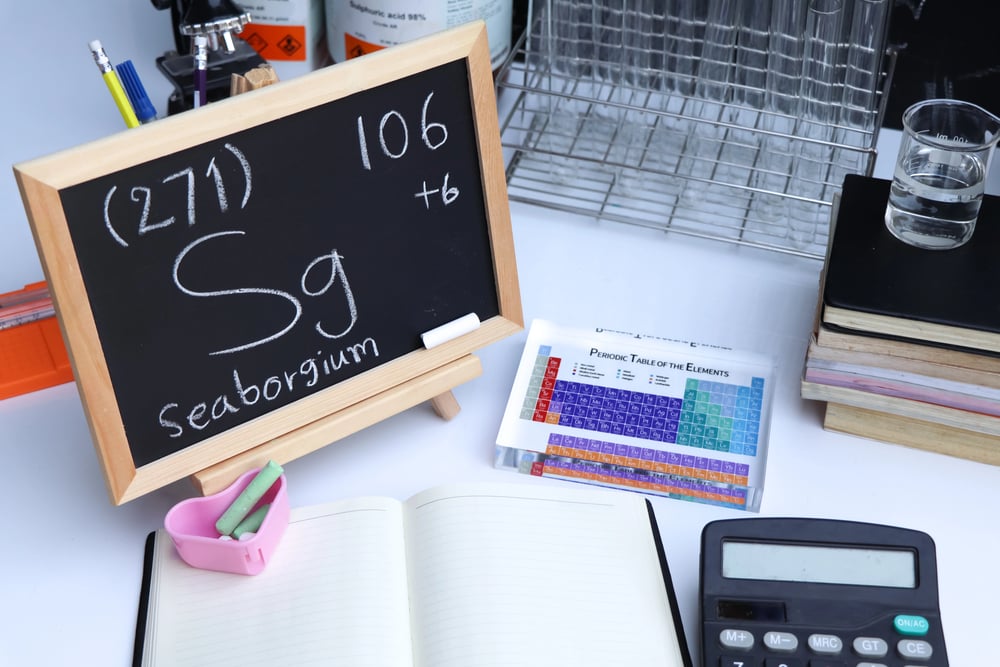
Glenn Seaborg broke two records with element 106. He became the first person to have an element named after him while still alive, and he’s the only person to write about an element named for himself in a scientific paper.
Seaborg discovered or co-discovered ten elements, more than anyone else in history. He worked on the Manhattan Project and later chaired the Atomic Energy Commission.
When scientists created element 106 in 1974, naming it seaborgium felt obvious. Seaborg lived another 25 years after that, fully aware that his name sat on the periodic table.
Bohrium: Quantum Mechanics on the Table
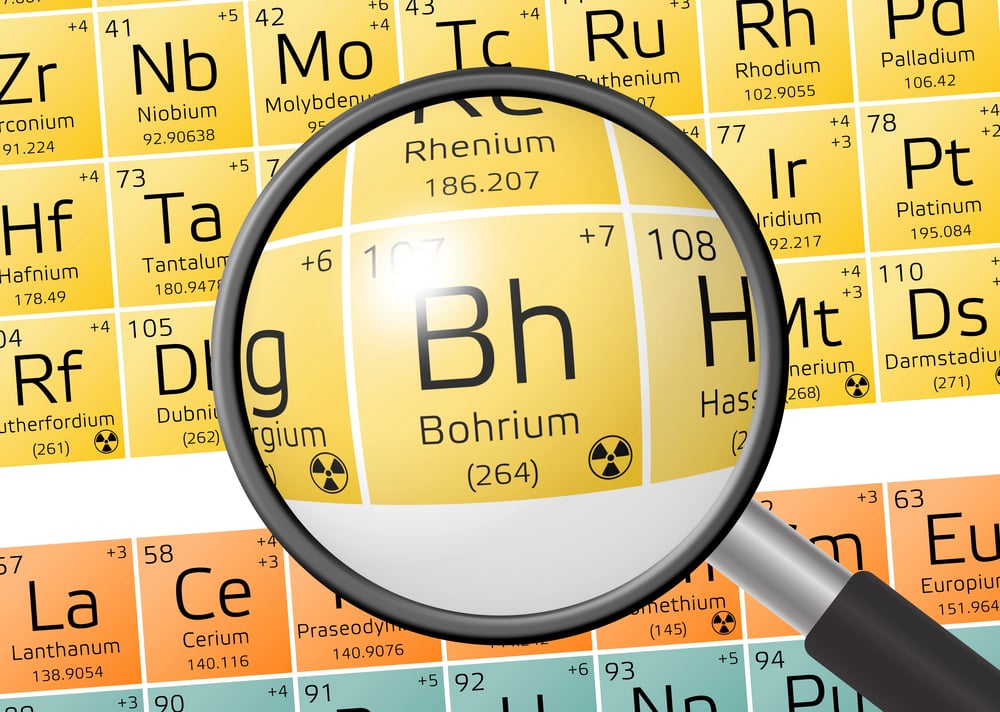
Niels Bohr revolutionized physics with his model of the atom. He showed that electrons orbit the nucleus at specific energy levels, not in random paths.
His work earned him a Nobel Prize and established Copenhagen as a center for quantum mechanics research. Element 107, bohrium, was created by German scientists in 1981.
Bohr had died nearly twenty years earlier. The element behaves bizarrely even by the standards of superheavy elements.
Its atoms fall apart within seconds, but in that brief existence, they demonstrate principles that Bohr spent his career explaining.
Meitnerium: Recognition Delayed
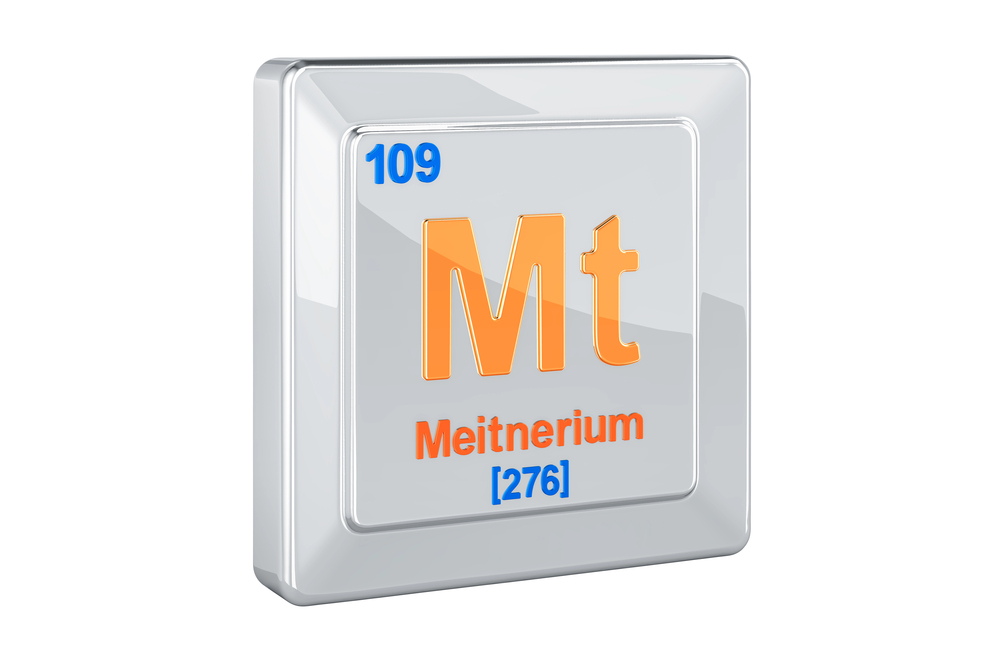
Lise Meitner figured out nuclear fission but never received proper credit during her lifetime. She worked with Otto Hahn for decades, but when they published their groundbreaking discovery, her name was left off the paper.
Hahn won a Nobel Prize. Meitner got nothing. Element 109, meitnerium, corrects that injustice in a small way.
German scientists created it in 1982 and insisted on naming it after her. Meitner had fled Nazi Germany in 1938 because she was Jewish.
She refused to work on weapons research during the war, even when the British asked her to join their atomic program. She lived until 1968, dying just a few months before her 90th birthday.
Roentgenium: The X-Ray Connection

Wilhelm Röntgen discovered X-rays by accident. He was experimenting with cathode ray tubes when he noticed a fluorescent screen glowing across the room.
He spent weeks investigating this mysterious radiation before announcing his discovery. Röntgen refused to patent X-rays, believing medical discoveries should benefit everyone freely.
Element 111, roentgenium, was created in 1994 at the same German research facility that produced several other superheavy elements. The name connects modern particle physics with the accidental discovery that launched medical imaging.
Copernicium: From the Heavens to the Lab
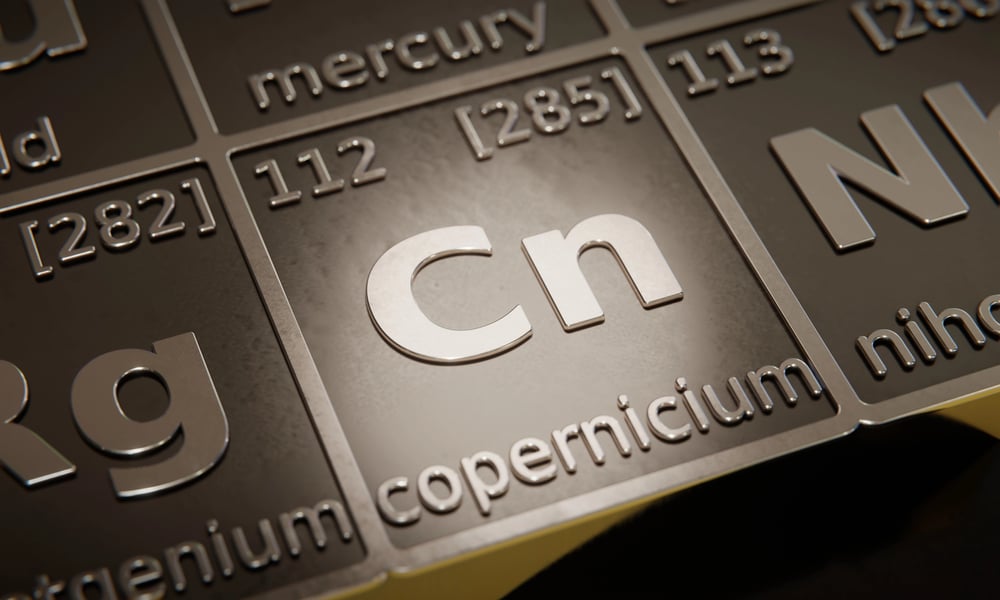
Nicolaus Copernicus put the sun at the center of the solar system, ending centuries of astronomical misconception. His book “On the Revolutions of the Heavenly Spheres” was published in 1543, the year he died.
The Catholic Church banned it for 200 years. Element 112, copernicium, was synthesized in 1996. Scientists chose the name partly because the discovery came near the 473rd anniversary of Copernicus’s death.
The element has no practical use and exists for fractions of a second, but it represents the same kind of boundary-pushing that defined Copernicus’s work.
Oganesson: The Newest Name
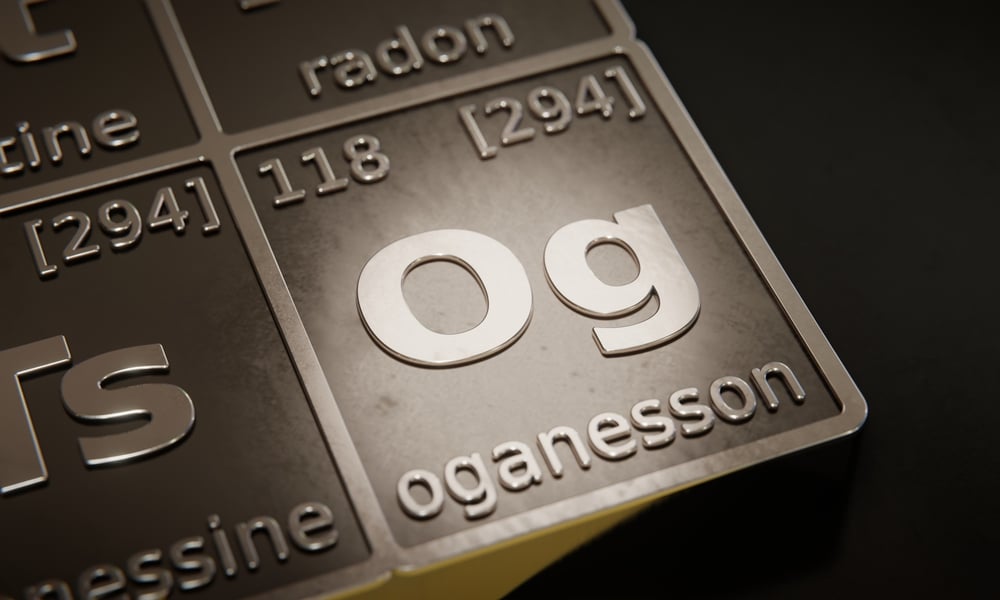
Yuri Oganessian is still alive and working. He led the team that discovered the heaviest element on the periodic table.
Element 118, oganesson, was confirmed in 2002 after years of experiments. At 90 years old when the element was officially named in 2016, Oganessian became only the second living scientist honored this way.
He’s spent six decades working with particle accelerators, creating elements that last mere microseconds. The work requires patience, precision, and a comfort with failure.
Sometimes experiments run for months before producing a single atom of a new element.
Mendelevium: The Table Maker Gets His Due
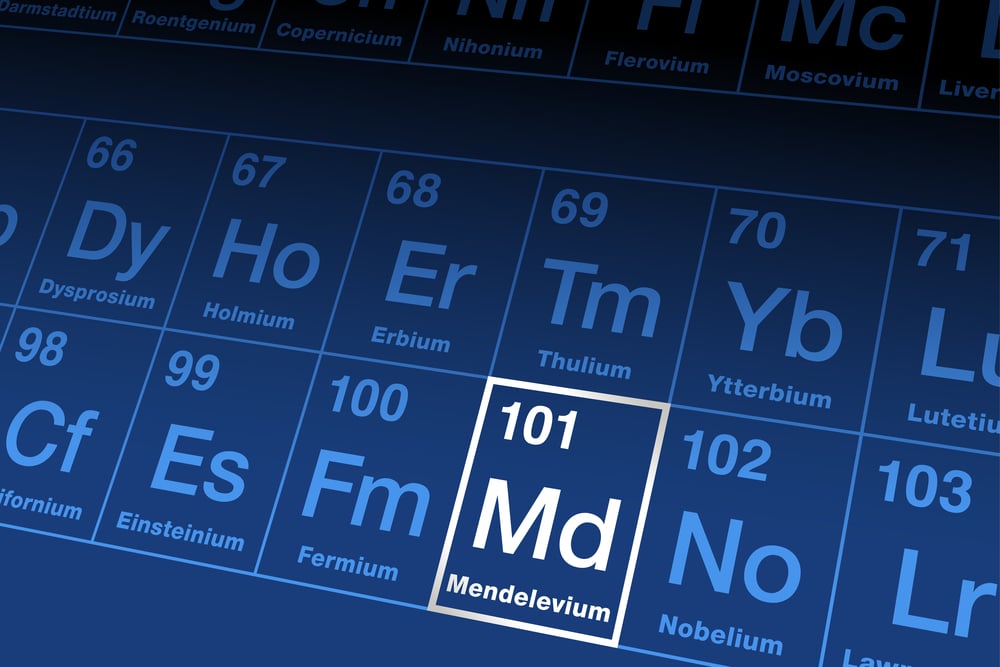
Back in 1869, Dmitri Mendeleev put together the periodic table. Noticing how traits repeated, he sorted elements using atomic weight.
Gaps showed up – so instead of ignoring them, he said new elements would fill those spots. Scientists eventually stumbled upon these missing pieces.
Almost exactly like he had outlined, the discoveries lined up. One morning in 1955, researchers in Berkeley set up a test involving einsteinium and helium beams.
Out came element 101 – just a handful of atoms, really, only seventeen caught on record. They called it mendelevium because the man whose name they chose built the map everyone else followed.
Without his chart, spotting new lab-made pieces of matter would have been pure luck.
The Weight of Legacy

What you see listed there isn’t mere tribute. Each label carries weight – proof that discovery grows from persistence, questions without answers, even loss.
Seconds matter in those rooms where atoms flicker and vanish. Yet names stay fixed, stitching today’s work to the lives behind every breakthrough.
Death touched some of these researchers through radiation. Not all survived to witness how their findings were turned into weapons.
Recognition came slowly for a handful, if it arrived at all. The labels on the periodic table carry weight beyond discovery.
Lives built on relentless curiosity and risks taken in silence live behind those symbols.
More from Go2Tutors!

- The Romanov Crown Jewels and Their Tragic Fate
- 13 Historical Mysteries That Science Still Can’t Solve
- Famous Hoaxes That Fooled the World for Years
- 15 Child Stars with Tragic Adult Lives
- 16 Famous Jewelry Pieces in History
Like Go2Tutors’s content? Follow us on MSN.