Elvis Presley Songs That Defined an Era
Elvis Presley didn’t just sing songs. He changed the entire landscape of American music and culture in ways that still echo today.
His voice, his moves, and his ability to blend different musical styles created something completely new that teenagers embraced and parents feared. The King of Rock and Roll earned that title by breaking down barriers between musical genres and social groups during one of the most transformative periods in American history.
Each song Elvis released seemed to capture a moment, a feeling, or a shift in how young people saw themselves. These tracks didn’t just top charts; they became the soundtrack to a generation finding its voice.
Heartbreak Hotel

This song kicked off Elvis’s national stardom in 1956 with a sound so different from anything on the radio that it shocked listeners. The deep echo effect, the lonely lyrics, and Elvis’s moaning vocal style created an atmosphere that felt almost spooky.
Written after a newspaper story about a man’s lonely death, the song turned heartbreak into something teenagers could blast from their radios. It sat at number one for seven weeks and sold over a million copies within months.
Radio DJs didn’t know whether to file it under country, rhythm and blues, or pop, which perfectly captured how Elvis was mixing everything together.
Hound Dog

Elvis took Big Mama Thornton’s rhythm and blues hit and turned it into a rock and roll explosion that parents found disturbing and kids found thrilling. His performance of the song on The Ed Sullivan Show created such controversy that CBS only showed him from the waist up.
The lyrics about a no-good romantic partner became an anthem of teenage rebellion simply through Elvis’s delivery and attitude. He recorded it in just three takes, and that raw energy came through in every note.
The song spent 11 weeks at number one and became one of the best-selling singles of the 1950s.
Don’t Be Cruel

This track showed Elvis could be smooth and romantic without losing his edge. The song climbed to number one and stayed there for 11 weeks, dominating the summer of 1956.
Otis Blackwell wrote it, but Elvis’s delivery made it his own completely. The gentle rockabilly rhythm combined with Elvis’s warm vocal made teenage girls swoon while keeping that rebellious spirit alive.
It demonstrated that rock and roll could be tender without being soft, a balance that defined much of Elvis’s early work.
All Shook Up

Elvis reached number one again in 1957 with this song that perfectly captured the physical and emotional chaos of falling in love. The title itself became part of American slang almost immediately.
The simple but infectious rhythm, combined with Elvis’s playful vocal delivery, made it impossible not to move while listening. Otis Blackwell wrote this one too, inspired by a shake of a pepper shaker according to legend.
The song topped charts for eight weeks and became one of the defining tracks of 1957.
Jailhouse Rock
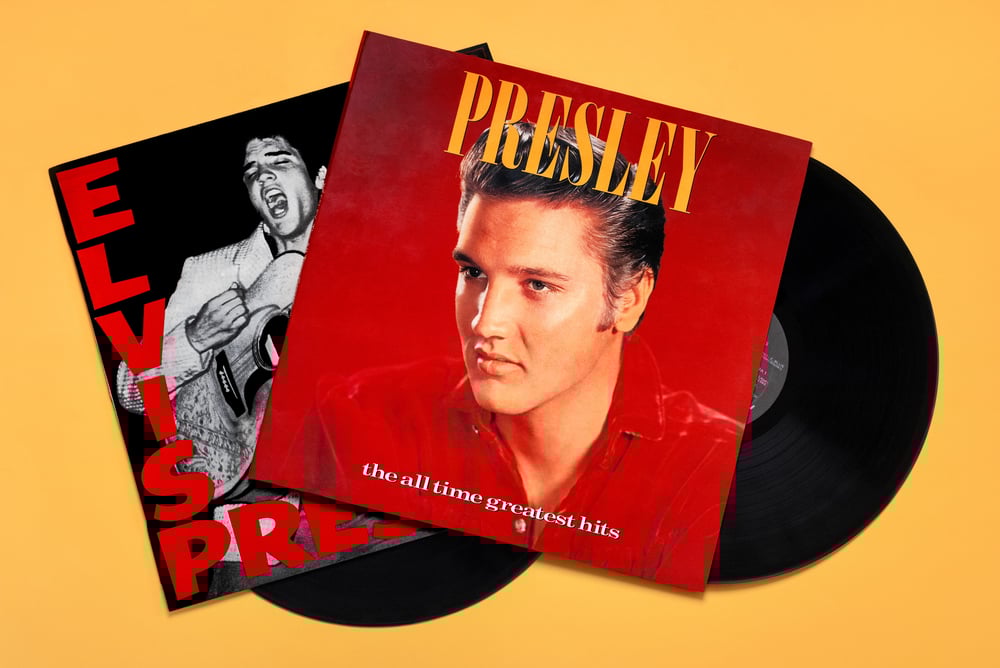
The title track from Elvis’s third film gave him one of his most iconic performances both on screen and on record. The song’s driving beat and rebellious lyrics about prisoners dancing created an image that captured teenage energy perfectly.
Elvis’s dance moves in the film became instantly famous and got copied at sock hops across America. The guitar riff that opens the song became one of the most recognizable in rock and roll history.
It hit number one within weeks and became permanently linked to Elvis’s image as a rebel.
Love Me Tender

Elvis proved he could handle a gentle ballad with this Civil War-era melody that became a massive hit in 1956. The song came from his first movie and showed a softer side that broadened his appeal beyond rock and roll fans.
RCA received over a million advance orders before the single even hit stores. The sweetness of the melody and Elvis’s sincere delivery made it acceptable even to parents who hated his rock songs.
It demonstrated his range as a performer and helped establish him as more than just a rock and roll singer.
Blue Suede Shoes
Carl Perkins wrote and recorded this song first, but Elvis’s version introduced it to a much wider audience. The track became an anthem about protecting your personal style and dignity, even if that dignity was just a pair of shoes.
Elvis’s energetic performance brought a working-class attitude to mainstream radio. The song’s message about respecting someone’s prized possessions resonated with teenagers who were developing their own sense of identity through fashion.
It helped establish the idea that rock and roll was about more than just music; it was about attitude and personal expression.
Suspicious Minds

By 1969, Elvis needed a comeback after years of making forgettable movies. This song provided exactly that, giving him his first number-one hit in seven years.
The dramatic build, the false ending, and Elvis’s passionate vocal performance showed he still had the power to dominate popular music. Producer Chips Moman crafted a sound that felt contemporary while still distinctly Elvis.
The song’s theme of trust and jealousy in relationships felt more mature than his earlier work, reflecting both Elvis’s growth and changing times.
Can’t Help Falling in Love

This 1961 ballad became one of Elvis’s most enduring songs and a standard at weddings for decades. Based on an 18th-century French melody, it showcased Elvis’s ability to sell a romantic moment with complete sincerity.
The gentle arrangement with its simple guitar and soft backing vocals let Elvis’s voice carry the emotion. He closed most of his concerts with this song in his later years, making it both a greeting and a farewell to fans.
The track proved that Elvis could be as effective whispering as he was when belting out rock and roll.
That’s All Right

This first single in 1954 started everything, though most people didn’t hear it until later. Elvis recorded it at Sun Records in Memphis, taking Arthur Crudup’s blues song and adding a country sensibility that created something entirely new.
The loose, informal feel came from Elvis and his band just messing around in the studio when producer Sam Phillips heard something special. Local Memphis radio stations started playing it, and the response from teenagers told Phillips he had discovered something significant.
This track represents the actual birth of Elvis’s sound before fame changed everything.
In the Ghetto

Elvis tackled social issues directly with this 1969 song about poverty and violence in inner-city America. Mac Davis wrote the powerful narrative about a child born into hopeless circumstances who dies young, continuing the cycle.
Elvis’s sincere delivery and the song’s tragic storyline showed he could handle serious subject matter effectively. The track reached number three on the charts and demonstrated Elvis’s relevance during a time of social upheaval.
It remains one of his most socially conscious recordings and showed depth beyond love songs and rock anthems.
A Little Less Conversation

This 1968 track became a massive hit three decades later when Junkie XL remixed it for a Nike commercial in 2002. The original appeared in the movie Live a Little, Love a Little and had a funky groove that was ahead of its time.
Elvis’s rapid-fire delivery of the lyrics showed his ability to handle complex phrasing. The remix version topped charts in over 20 countries and introduced Elvis to a new generation.
It proved that his recordings could be reinterpreted for modern audiences while maintaining their essential appeal.
Burning Love

Released in 1972, this became Elvis’s last top-ten hit in America during his lifetime. The driving beat and Elvis’s powerful vocal showed he could still compete with contemporary rock acts.
Dennis Linde wrote the song, and Elvis’s version captured the urgency and passion of new love perfectly. The track reached number two on the charts and gave Elvis credibility with audiences who thought he had become irrelevant.
It demonstrated that when given the right material, Elvis could still deliver performances that matched his legendary status.
Are You Lonesome Tonight
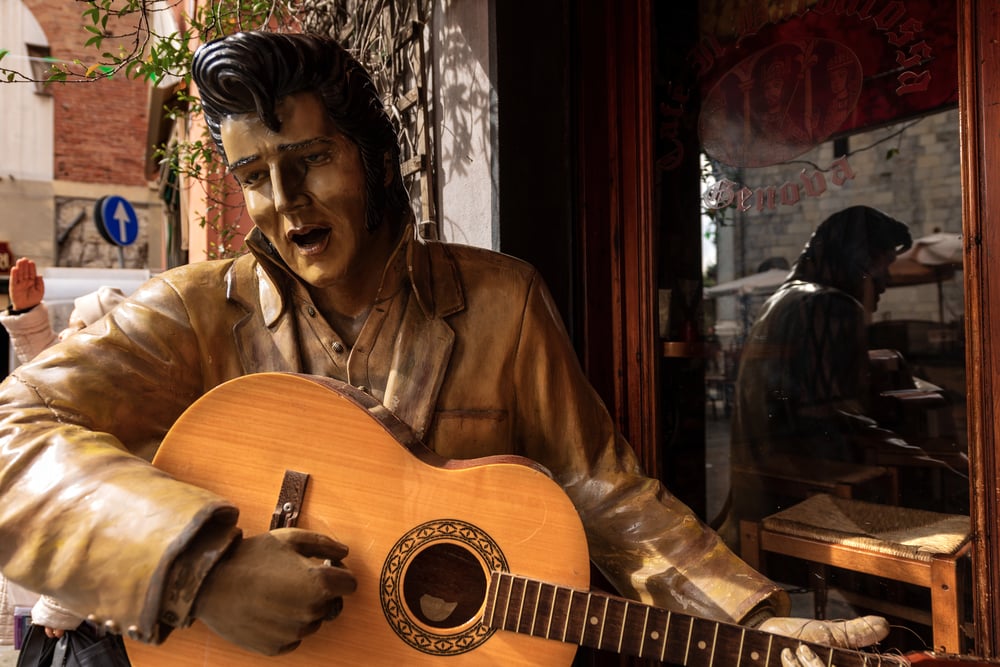
Elvis recorded this 1960 ballad at the suggestion of his manager Colonel Tom Parker, and it became one of his most unusual hits. The song features a spoken word section in the middle where Elvis recites poetry, a risky move that somehow worked perfectly.
The dramatic vocal performance and the song’s theatrical quality showed Elvis could handle material that other rock singers wouldn’t attempt. It topped charts in the United States and United Kingdom, proving his appeal crossed all boundaries.
The live performances of this song often featured Elvis changing the words playfully, showing his comfort with the material.
If I Can Dream

Out of nowhere came a slow song to finish Elvis’s 1968 show, timed right after the shock of Martin Luther King Jr.’s death. Not built for radio at first, it was made fresh for that night by writer Walter Earl Brown.
Hope threaded through its lyrics, even while America cracked under pressure. Standing alone in bright light, wearing crisp white, he sang like someone remembering something true.
Letters behind him flashed his name, but the mood said more than graphics ever could. People heard pain, yes – yet also something steady beneath it.
Twelve spots up the chart it climbed, not bad for something so quiet. Proof showed again: give him real words, and he’d find their heartbeat.
That moment shifted how folks saw him – less memory, more movement.
The sound that changed everything

What Elvis sang went beyond mere entertainment – it gave voice to emotions earlier times had silenced. Not only did his mix of country, gospel, and R&B challenge musical norms, but it also crossed lines drawn by segregation.
Every performance pulsed with raw feeling, shaping artists like The Beatles and later Bruce Springsteen. Even now, movies, ads, and streaming picks return to his tracks – they tapped into truths about growing up, defiance, heartbreak, and longing.
More than symbolizing one decade, he shaped how rock and roll would sound, feel, live. For fans then and since, his presence redefined what music might carry and reveal.
More from Go2Tutors!

- The Romanov Crown Jewels and Their Tragic Fate
- 13 Historical Mysteries That Science Still Can’t Solve
- Famous Hoaxes That Fooled the World for Years
- 15 Child Stars with Tragic Adult Lives
- 16 Famous Jewelry Pieces in History
Like Go2Tutors’s content? Follow us on MSN.