Mirror Myths From Around the World
Mirrors have this strange ability to make us feel uneasy.
Maybe it’s because they show us exactly what we look like, or maybe it’s because cultures around the world have spent centuries spinning tales about what lurks just beyond that reflective surface.
From ancient Japan to modern America, people have treated mirrors as far more than simple household items—they’re portals, soul catchers, and windows into realms we can’t quite see.
Here is a list of 15 mirror myths from around the world.
Seven Years of Bad Luck
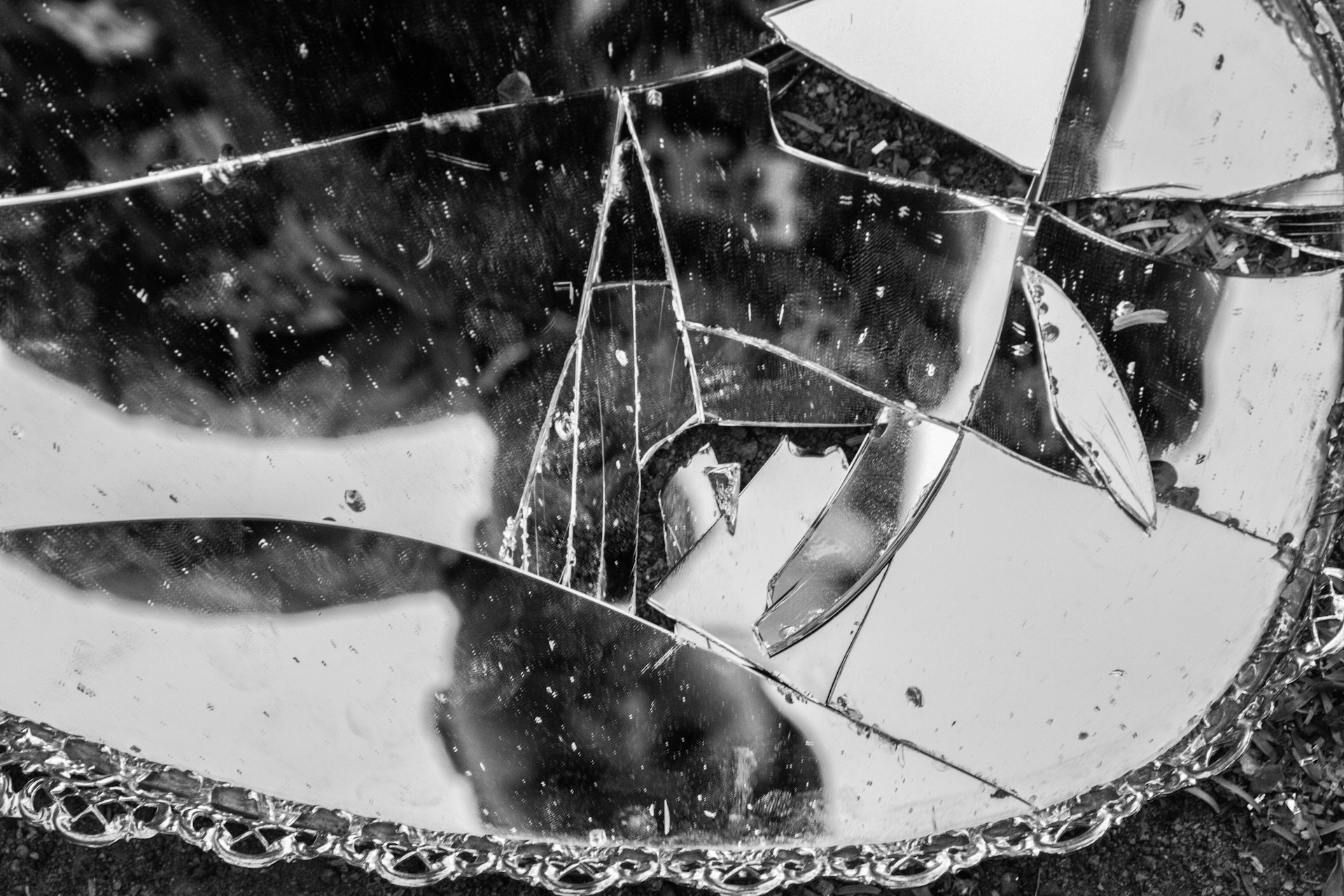
Breaking a mirror supposedly brings seven years of bad luck, and this belief traces back to ancient Rome.
The Romans believed that mirrors contained pieces of your soul and that your soul renewed itself every seven years.
Mash a mirror, and you’ve essentially damaged your soul for an entire renewal cycle.
The number seven wasn’t random—it represented the time needed for complete spiritual regeneration.
This superstition appears in early Roman writings about reflective surfaces, including polished metal mirrors that existed long before glass became common.
The belief became so deeply embedded in Western culture that even people who don’t consider themselves superstitious still feel a twinge of worry when they hear glass shatter.
Covering Mirrors During Mourning
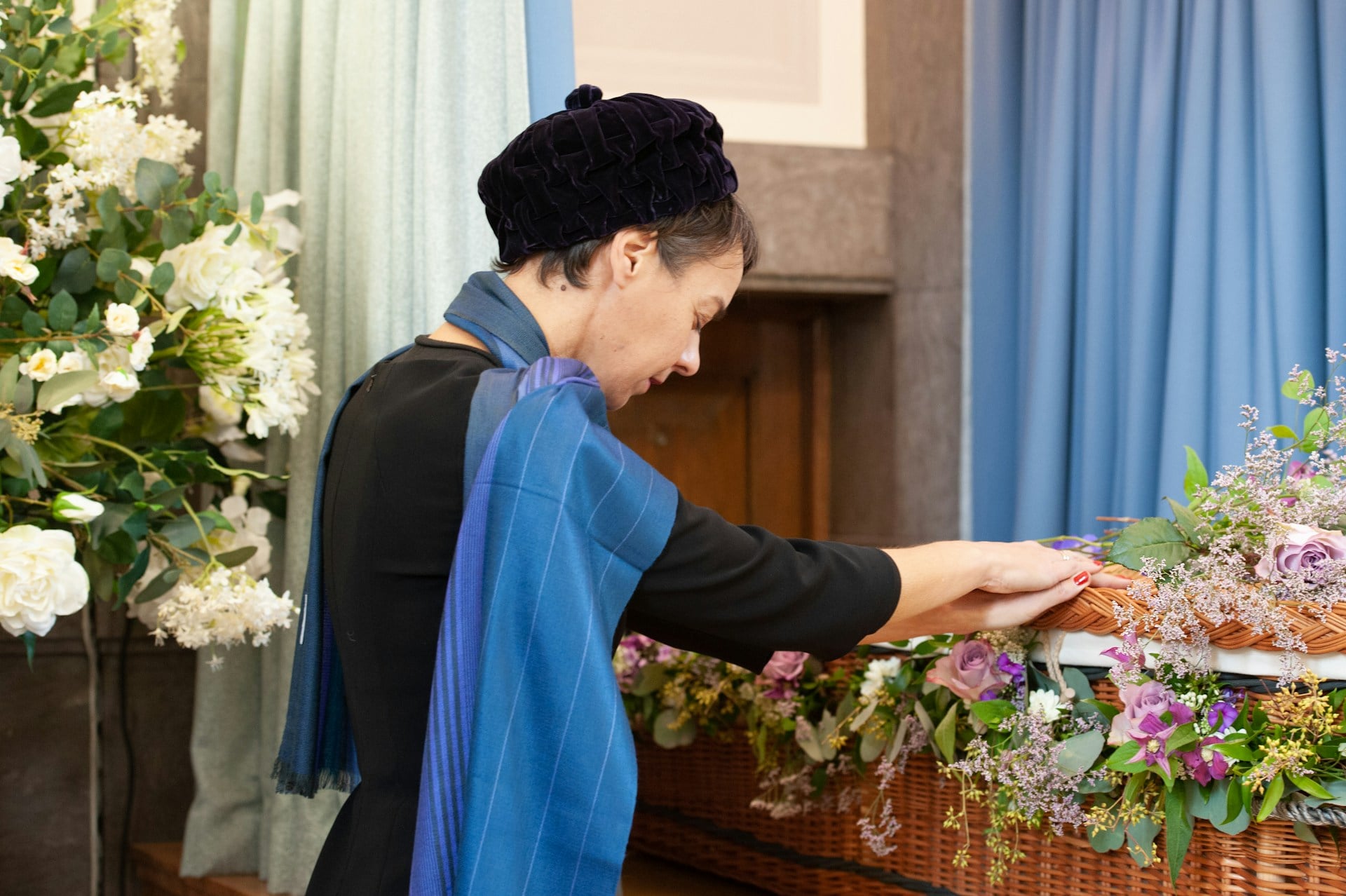
Jewish tradition requires covering all mirrors in a house of mourning during shiva, the seven-day period following a death.
This practice is a post-biblical custom rooted in later rabbinic and folk tradition rather than a halachic requirement.
Several explanations exist, but the most common focuses on redirecting attention away from vanity and physical appearance toward grief and reflection.
Another interpretation suggests that mirrors must be covered because prayer services are held in the mourning house, and Jewish law prohibits praying directly in front of any image or reflection.
There’s also an older belief that souls of the deceased might become trapped in mirrors, or that evil spirits attracted to the void left by death could be glimpsed in reflections.
Japanese Sacred Mirror

The Yata no Kagami is one of Japan’s Three Imperial Regalia and represents wisdom and truth in Shinto tradition.
According to mythology, the goddess Ishikori-dome-no-Mikoto forged this sacred bronze mirror to lure the sun goddess Amaterasu out of a cave where she had hidden, plunging the world into darkness.
When Amaterasu peeked out and saw her own reflection, she became captivated and returned light to the world.
The mirror was given to Amaterasu’s grandson when he descended to pacify Japan, and it remains housed at the Ise Grand Shrine, though it has never been publicly displayed and its exact appearance remains a mystery.
Vampires Have No Reflection
The idea that vampires cast no reflection stems from the belief that mirrors reflect the soul, and vampires, being soulless creatures, have nothing to reflect.
This concept spread mainly through 19th-century Eastern European folklore before being popularized worldwide by Bram Stoker’s 1897 novel Dracula.
Stoker didn’t invent the superstition but brought it to a massive audience through his famous villain.
The belief connected two ancient ideas—that mirrors show spiritual essence rather than just physical form, and that undead creatures exist outside the natural order.
Modern vampire fiction has kept this myth alive, though some contemporary stories have abandoned it as mirror technology has changed from silver-backed glass to aluminum.
The Bloody Mary Ritual
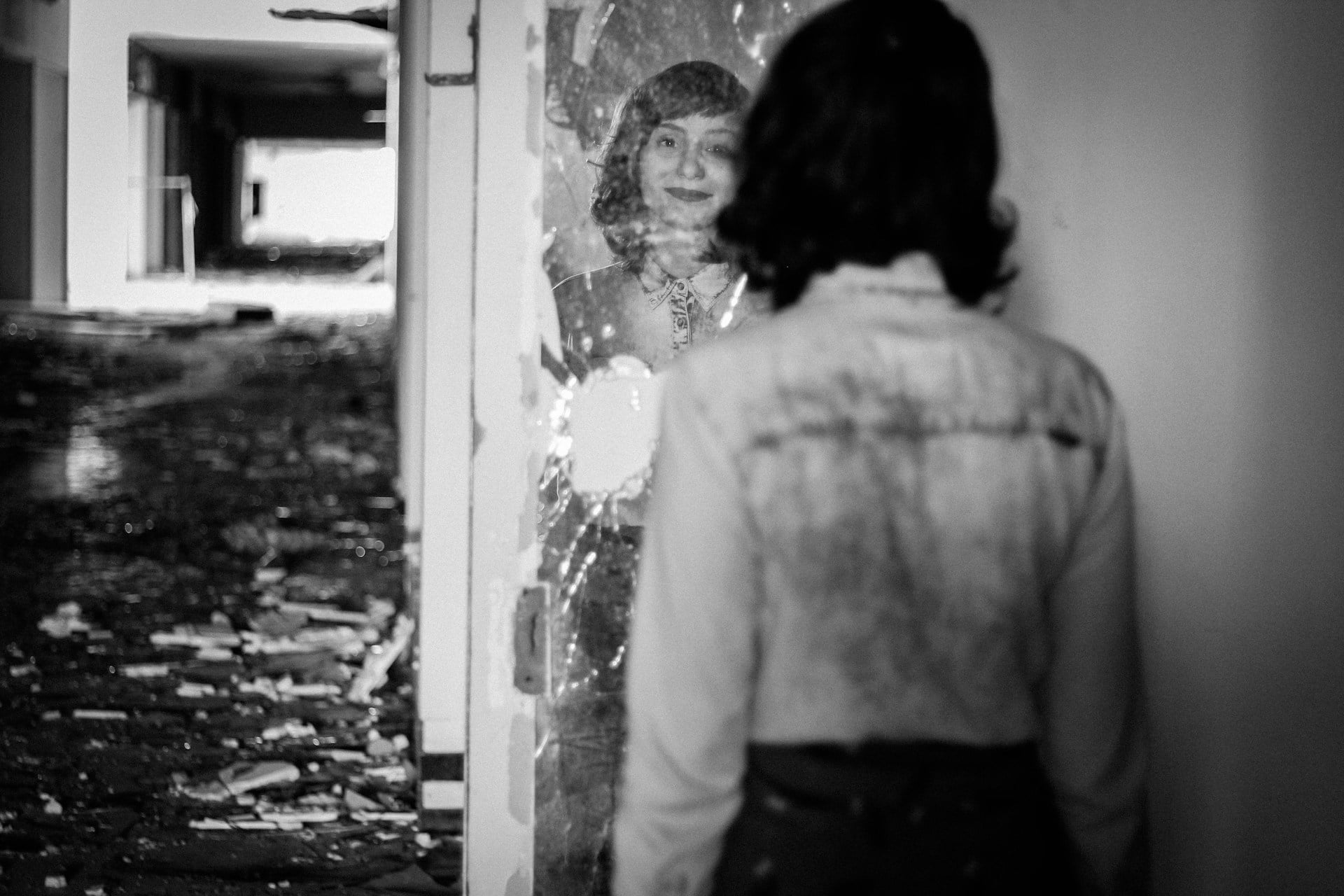
This childhood dare claims that if you stand in a darkened bathroom, light a candle, and chant ‘Bloody Mary’ three times while staring into a mirror, you’ll see a ghostly woman covered in blood.
Some versions say she’ll scream, others claim she’ll reach through the mirror and grab you.
The ritual likely connects to the historical Mary Tudor, who earned the nickname ‘Bloody Mary’ after burning hundreds of Protestants at the stake.
The game plays on a psychological phenomenon called the Troxler effect, where staring at your own face in dim lighting causes visual distortions that make features appear to shift and change, creating genuinely unsettling illusions.
Chinese Feng Shui Protection
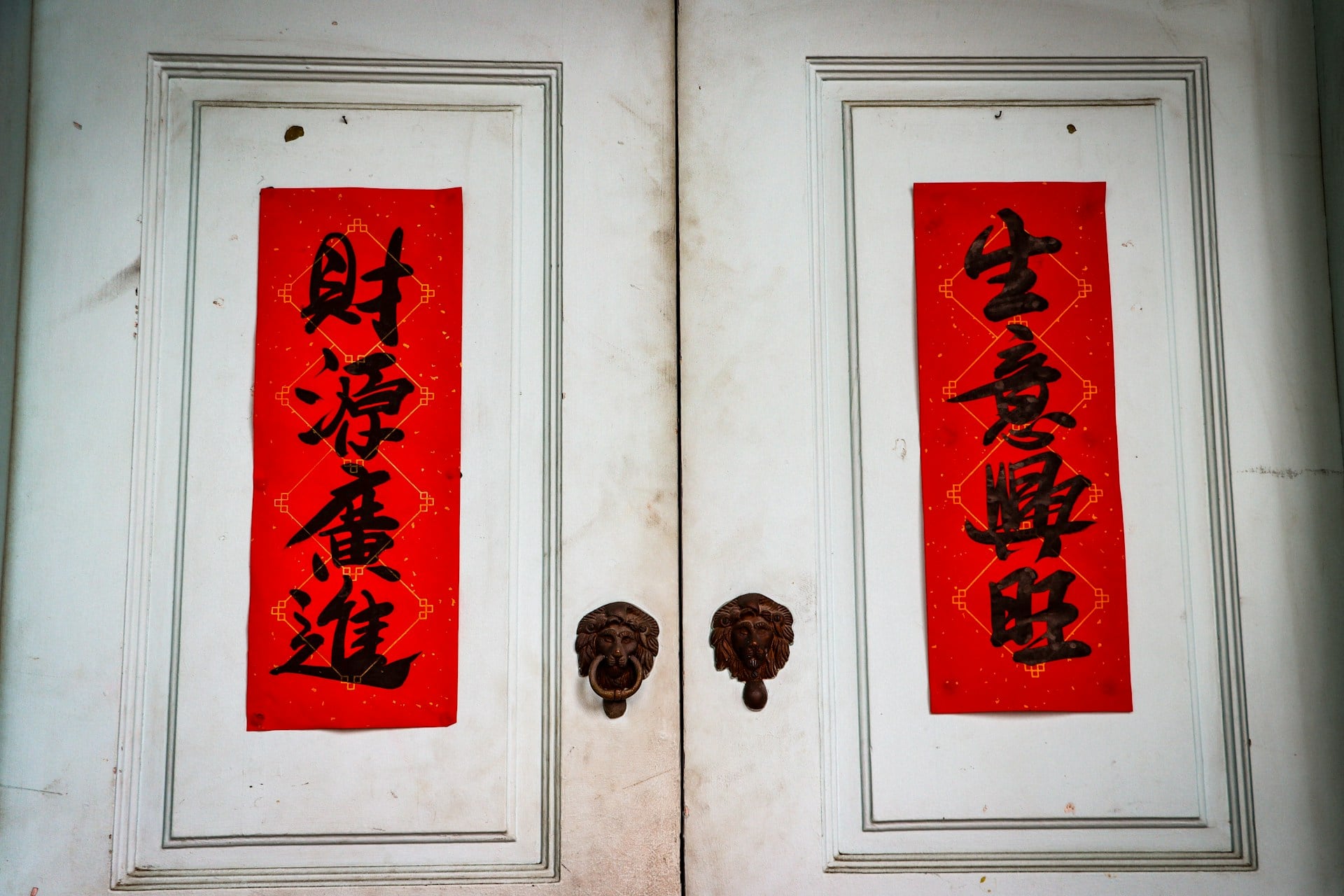
In Chinese culture, mirrors serve as powerful tools for managing energy flow and warding off evil spirits.
Bagua mirrors—octagonal mirrors surrounded by the eight trigrams—are hung above doorways to reflect negative energy away from homes.
These mirrors are typically convex to repel negative energy or concave to attract and contain positive energy, depending on the specific intent.
Feng Shui practitioners believe that mirrors placed incorrectly can invite dark forces or reflect away positive energy and prosperity.
A mirror facing the front door is considered particularly problematic because it bounces good fortune right back outside before it can enter.
Slavic Spirit Portals
Slavic and Baltic folklore treats mirrors as gateways between the world of the living and the spirit realm.
Russian and other Eastern European traditions consider it extremely bad luck to look into a mirror at night or by candlelight, as this practice supposedly invites malevolent spirits into your home.
The belief connects to older Slavic traditions about the thinning of barriers between worlds during darkness.
Breaking a mirror in these cultures isn’t just unlucky—it’s potentially dangerous, as it might release trapped spirits or create unstable portals.
Many households throughout this region still avoid placing mirrors in certain locations or covering them during specific times.
Bedroom Mirror Warnings
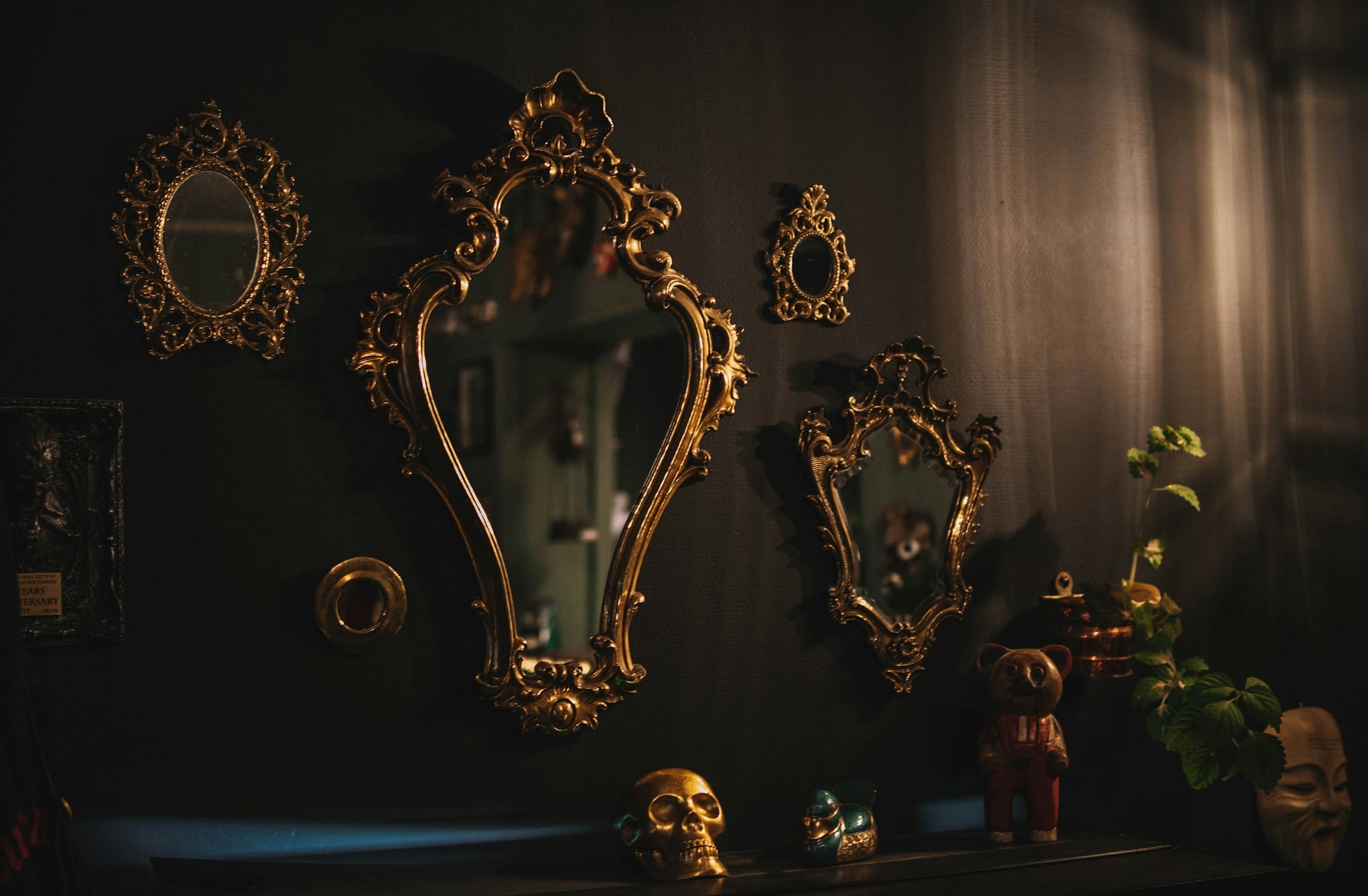
Multiple cultures warn against keeping mirrors in bedrooms, though the reasons vary.
Some traditions claim that mirrors reflect your image while you sleep, doubling whatever energy you possess—good luck becomes better, but bad luck becomes worse.
Another belief suggests that your soul leaves your body during sleep, and if it sees itself reflected in a mirror, it becomes frightened and might not return.
In Feng Shui, mirrors facing beds are believed to drain personal energy or chi during sleep, which is considered the origin of nightmare superstitions.
The practical explanation might be that waking up to see your own reflection in darkness can be genuinely startling.
Wedding Mirror Superstitions

Asian cultures consider giving a mirror to newlyweds as a wedding gift extremely unlucky.
The reasoning connects to symbolism—marriages should last forever, while mirrors are fragile and easily broken.
Receiving a mirror as a wedding present suggests the marriage might shatter just as easily.
However, in some Japanese and Chinese wedding customs, the couple looking into a mirror together after the ceremony brings good fortune and supposedly creates an alternate universe where their souls can live together eternally.
Some traditions even claim that the number of pieces a jointly broken mirror creates indicates how many happy years the couple will have together.
Scrying and Divination
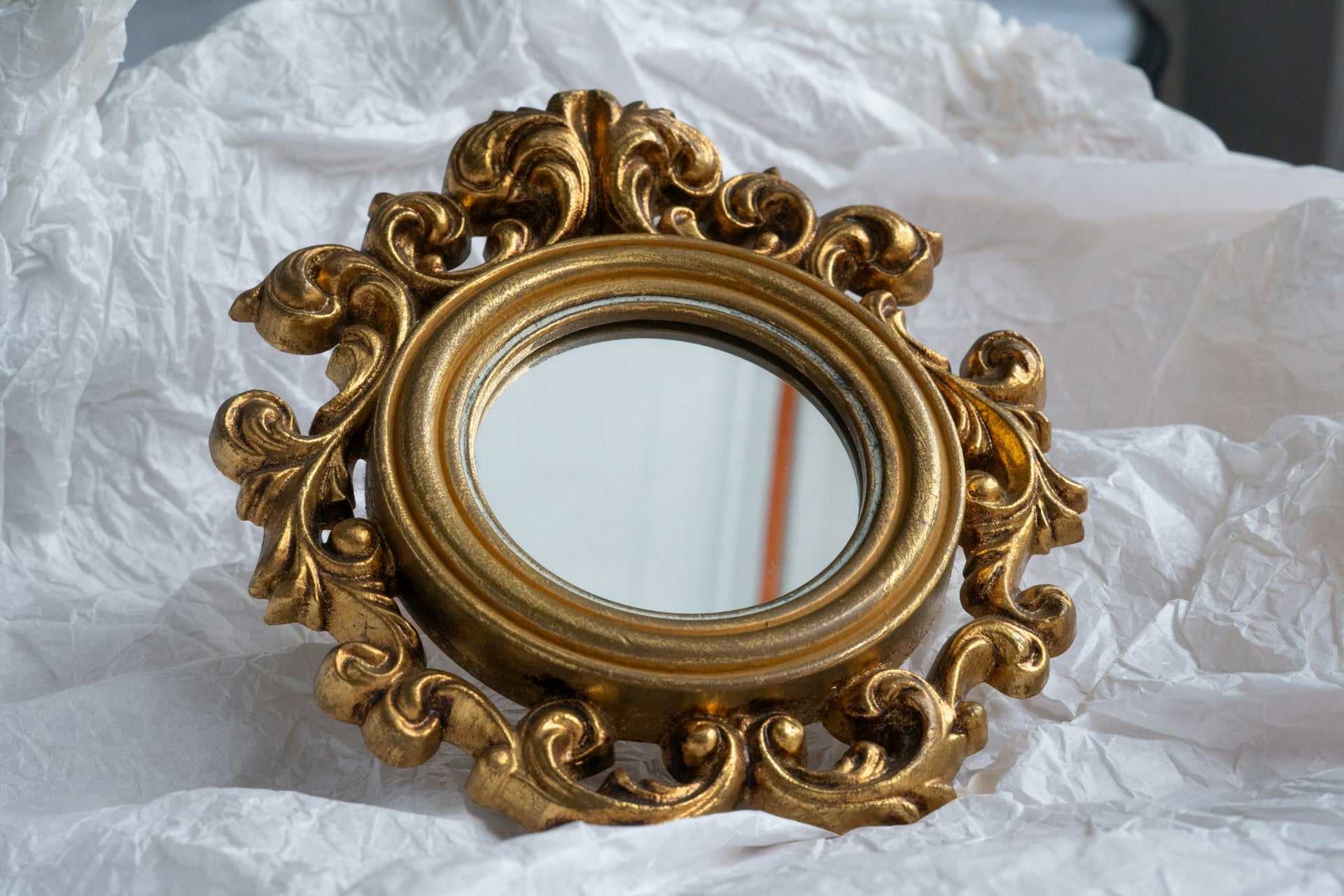
Ancient cultures worldwide used mirrors for catoptromancy, the practice of seeing visions in reflective surfaces.
This divination method dates back to ancient Greece and Mesopotamia, where practitioners used water, polished obsidian, or metal rather than glass.
Persian mystics, Asian shamans, and even the Greek mathematician Pythagoras reportedly practiced mirror divination.
The technique involved angling mirrors toward the moon or stars, or lowering them into water on threads to create double reflections.
Practitioners believed mirrors could reveal future events, hidden truths, or messages from the divine.
This ancient practice evolved into crystal globe reading and modern fortune-telling methods.
The Myth of Narcissus
Greek mythology gave us Narcissus, the beautiful young man who fell so deeply in love with his own reflection in a pool of water that he couldn’t tear himself away.
He eventually died of longing and was transformed into the flower that bears his name.
The story serves as a warning about vanity and self-obsession, with the reflective surface acting as both captivator and destroyer.
This myth established mirrors and reflections as symbols of dangerous self-regard, influencing how Western culture views excessive concern with appearance.
The tale reminds us that mirrors can trap us just as effectively as any supernatural force.
West African Spiritual Practices

Traditional West and Central African spiritual systems, particularly Yoruba and Kongo traditions, view mirrors as tools for communicating with ancestral spirits and protecting against harmful magic.
Shamans and healers incorporate mirrors into rituals to contact the spirit world or divine the future.
In some traditions, mirrors can reflect curses back at those who cast them, serving as spiritual shields.
These practices carried into the diaspora through Caribbean and Latin American traditions including Santería, Voodoo, and Obeah, where mirrors continue playing ceremonial roles in summoning spirits or deflecting negative energy.
The practices demonstrate how mirrors function as bridges between visible and invisible realms.
Seeing Your Future Spouse

Victorian-era England and Scotland developed charming mirror divination customs, particularly around Halloween.
A young woman should sit before a mirror with a lit candle and eat nine slices of an apple, throwing the ninth slice at the mirror.
The reflection of her future spouse will appear to catch it.
This tradition spread to America and evolved into various forms across cultures, with different specific dates and rituals, but the core belief remains—mirrors can reveal romantic destiny.
This superstition transforms mirrors from objects of fear into tools of hope, showing how the same object can carry completely opposite meanings.
Soul Trapping and Theft
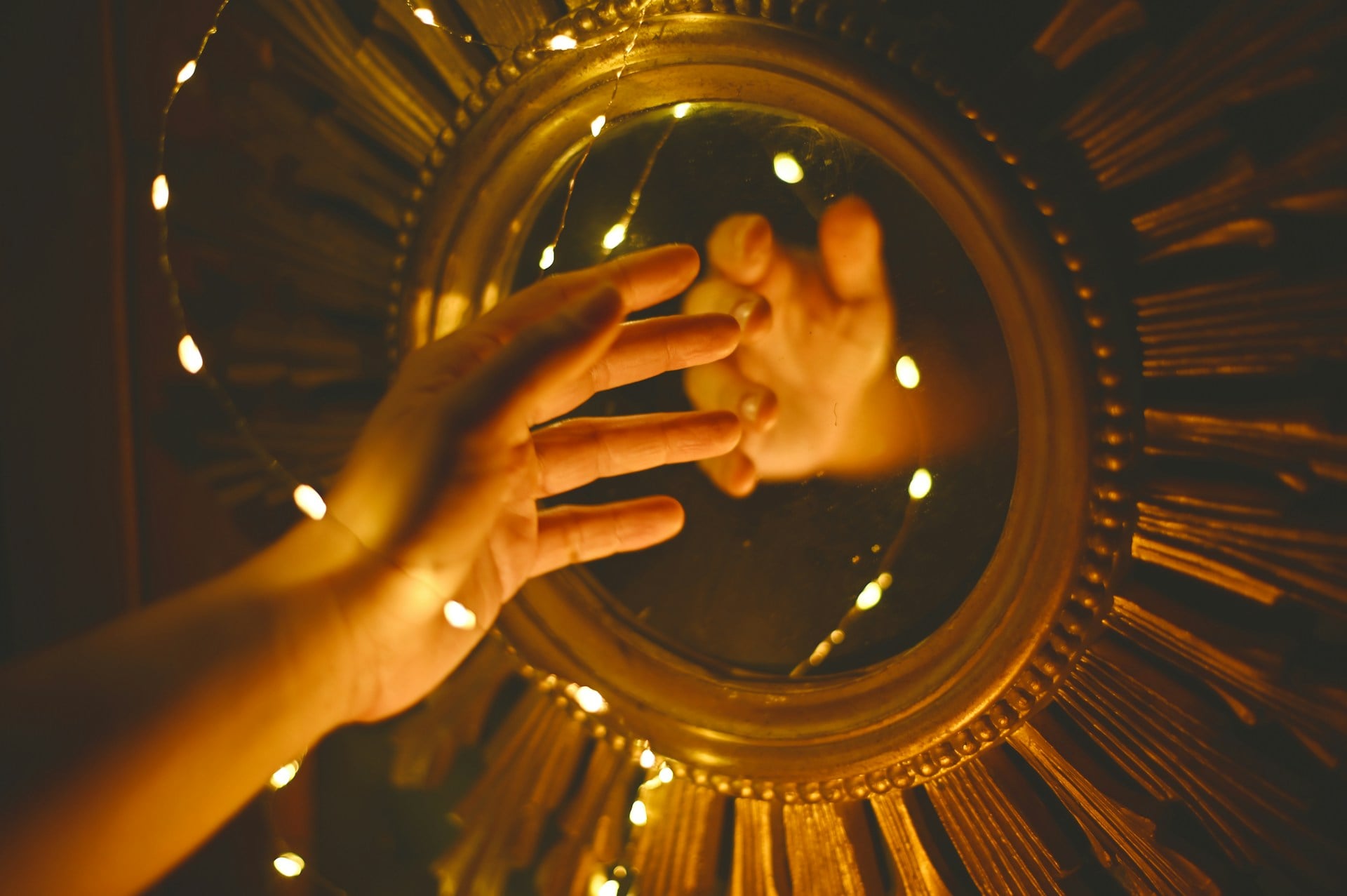
Many cultures believe mirrors can trap or steal souls, which explains numerous protective practices.
Some specific Native American tribes, particularly certain Plains and Southwestern groups, historically avoided mirrors or photographs, fearing these captured spiritual essence.
Victorian spiritualists believed mirrors in rooms where people died could trap departing souls, preventing them from moving on to the afterlife.
This fear extends to breaking mirrors—the shattered pieces might contain fragments of your soul, which is why some traditions require burying every piece in moonlight to release what’s trapped.
The belief reveals deep anxieties about identity and what makes us fundamentally ourselves.
Mirrors Showing Hidden Truths
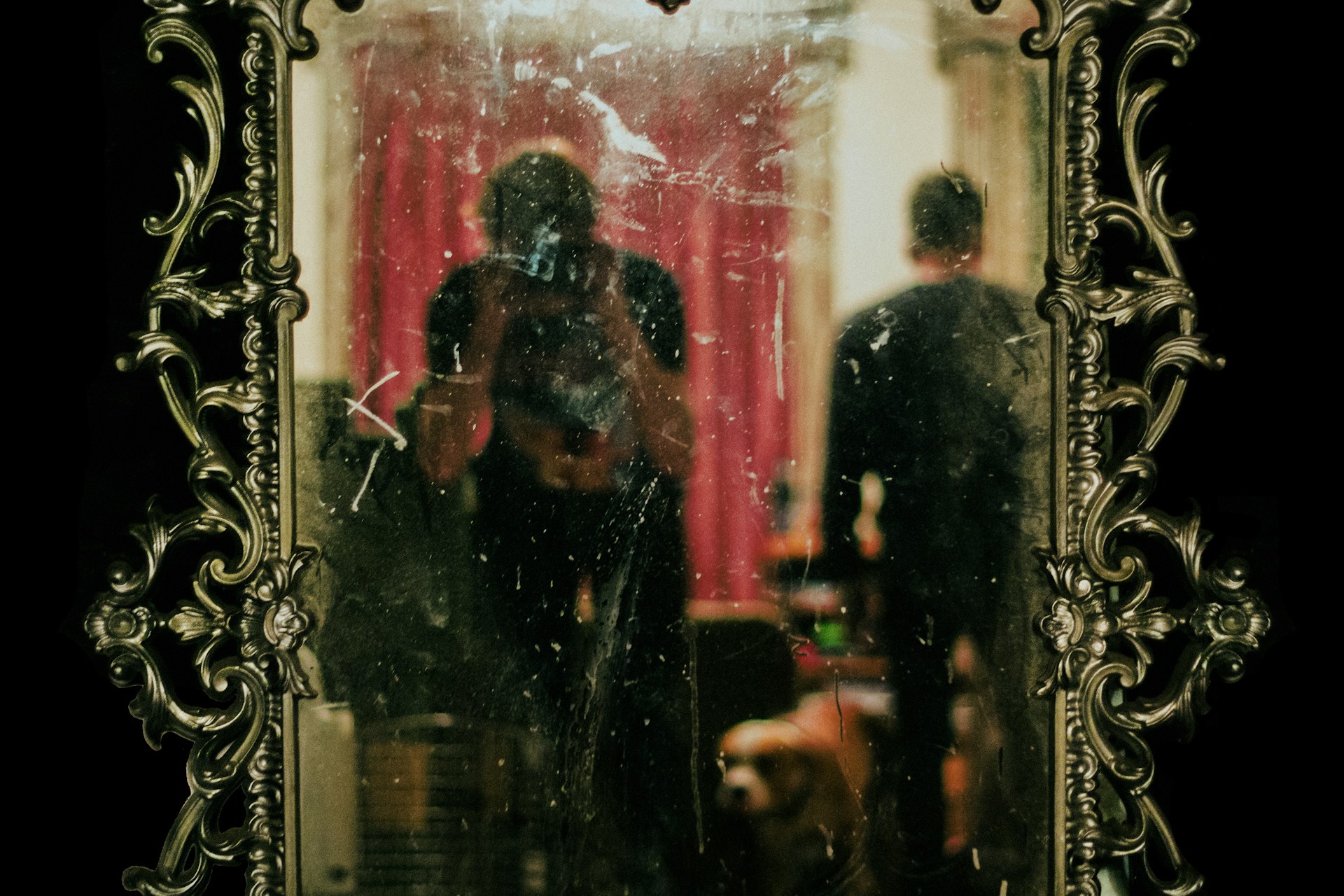
Various traditions claim mirrors reveal what’s actually there rather than what we choose to see.
Japanese mythology emphasizes this with the Yata no Kagami representing truth—mirrors simply reflect reality without judgment or deception.
Medieval European texts describe enchanted mirrors that could show a person’s true nature or reveal hidden evil.
The fairy tale of Snow White features the queen’s magic mirror that speaks only truth, even when that truth is unwelcome.
Islamic and Persian mystical literature also features the ‘mirror of the heart’ metaphor, where spiritual reflection reveals divine truth.
This concept positions mirrors as incorruptible judges, unable to lie or flatter, which makes them both valuable and frightening depending on what they might expose.
Reflections Beyond the Glass
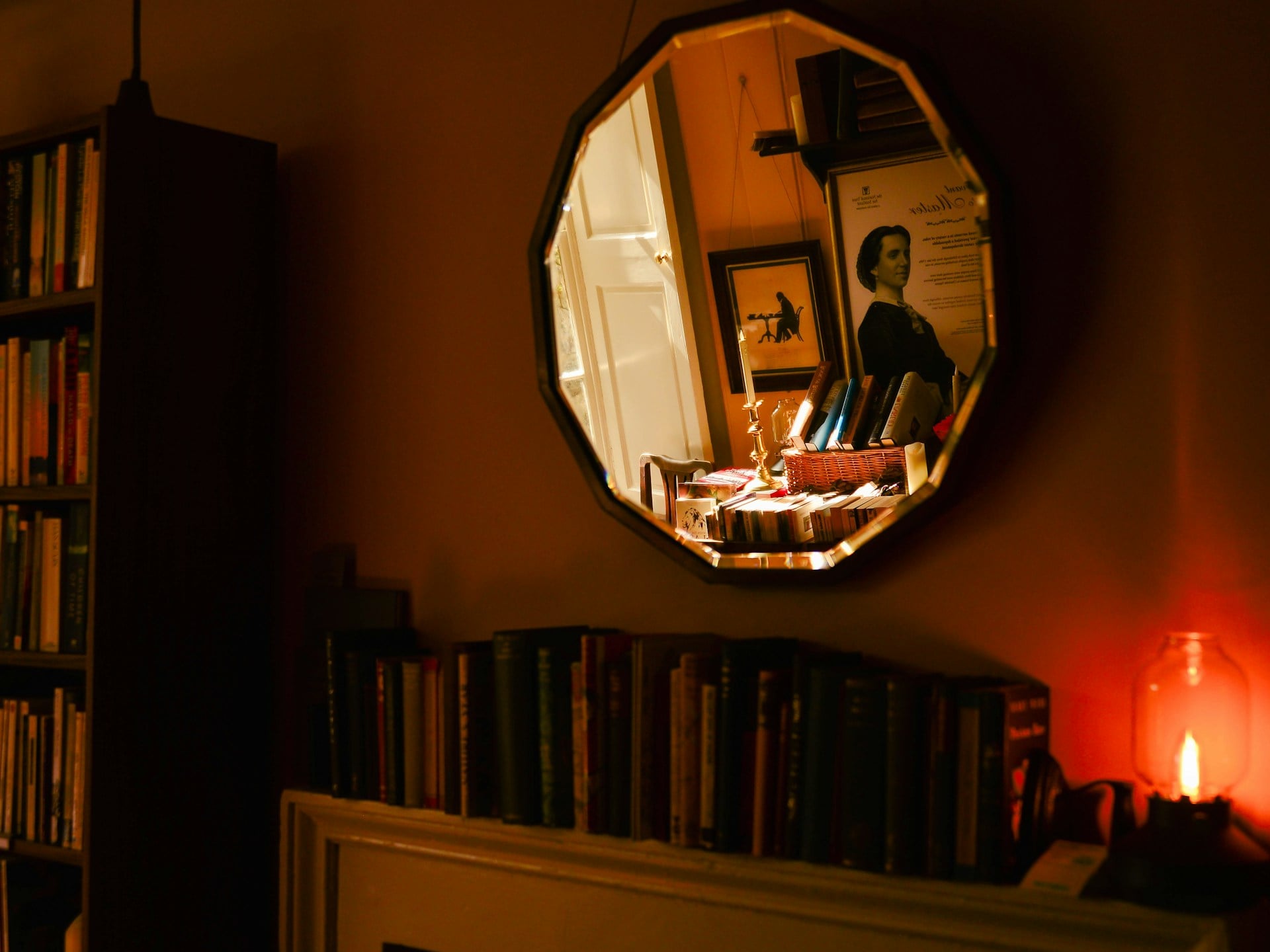
These mirror myths connect us to ancestors who saw something profound in reflective surfaces long before mass-produced mirrors hung in every home.
Whether protecting against evil spirits, honoring the dead, or seeking glimpses of the future, cultures worldwide recognized that mirrors represent more than simple physics.
They’re metaphors for self-knowledge, portals to other realms, and reminders that not everything can be explained by what we see on the surface.
The next time you pass a mirror and catch your reflection, remember that for thousands of years, people have wondered what else might be looking back.
More from GMore from Go2Tutors!

- The Romanov Crown Jewels and Their Tragic Fate
- 17 Halloween Costumes Once Considered Taboo
- Famous Hoaxes That Fooled the World for Years
- 15 Child Stars with Tragic Adult Lives
- 16 Famous Jewelry Pieces in History
Like Go2Tutors’s content? Follow us on MSN.