Lesser-Known Names That Shaped Science
Everyone hears about Einstein, Newton, or Curie when science gets brought up. But what about the many people whose work helped build the foundation of what we know today? They worked behind the scenes, discovered big things, or solved problems that changed everything — yet they often go unnoticed.
Their names may not show up in textbooks, but their ideas made history. Some of them worked in labs.
Others made big changes in the field or out in the wild. Let’s shine a light on the lesser-known minds who quietly shaped the world of science.
Mary Anning
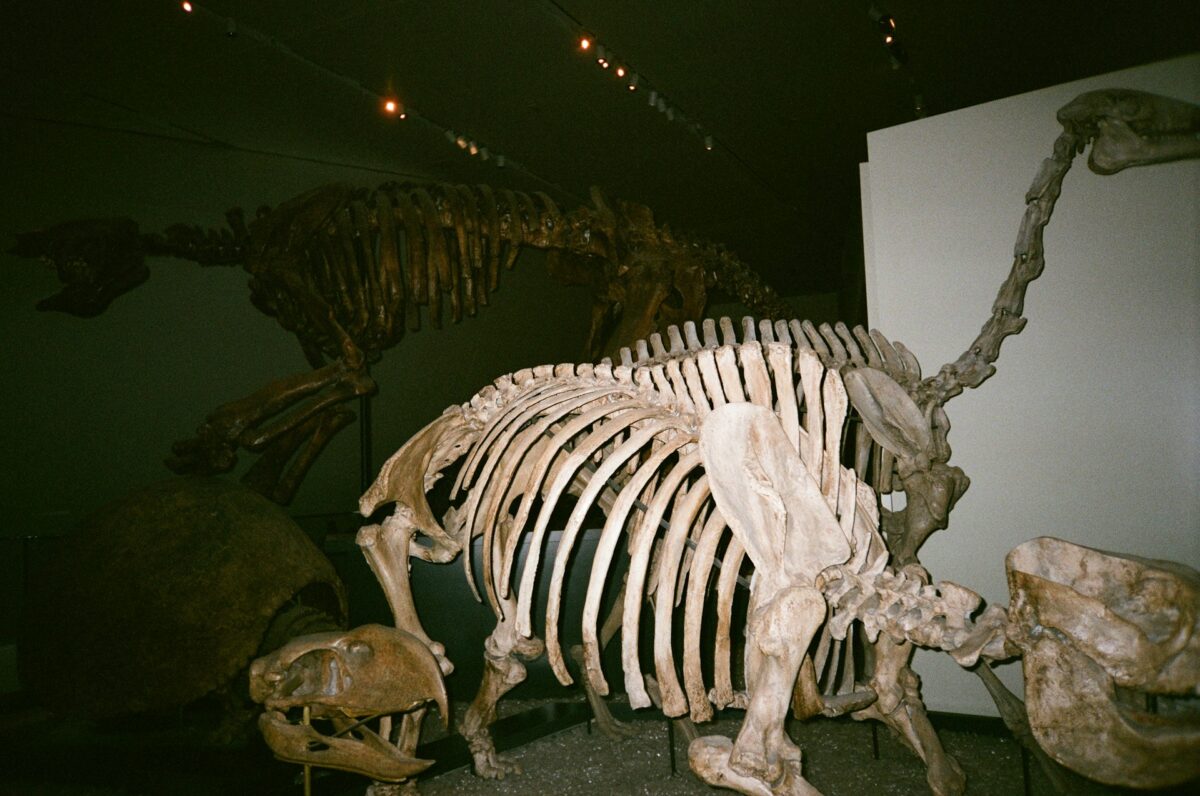
Mary Anning was a fossil hunter from England in the early 1800s. She found some of the first complete dinosaur skeletons along the cliffs of Lyme Regis.
Her discoveries helped create the field of paleontology, even though she had no formal training. At the time, few took her seriously because she was a woman from a poor family.
Today, museums still display what she found.
Henrietta Lacks
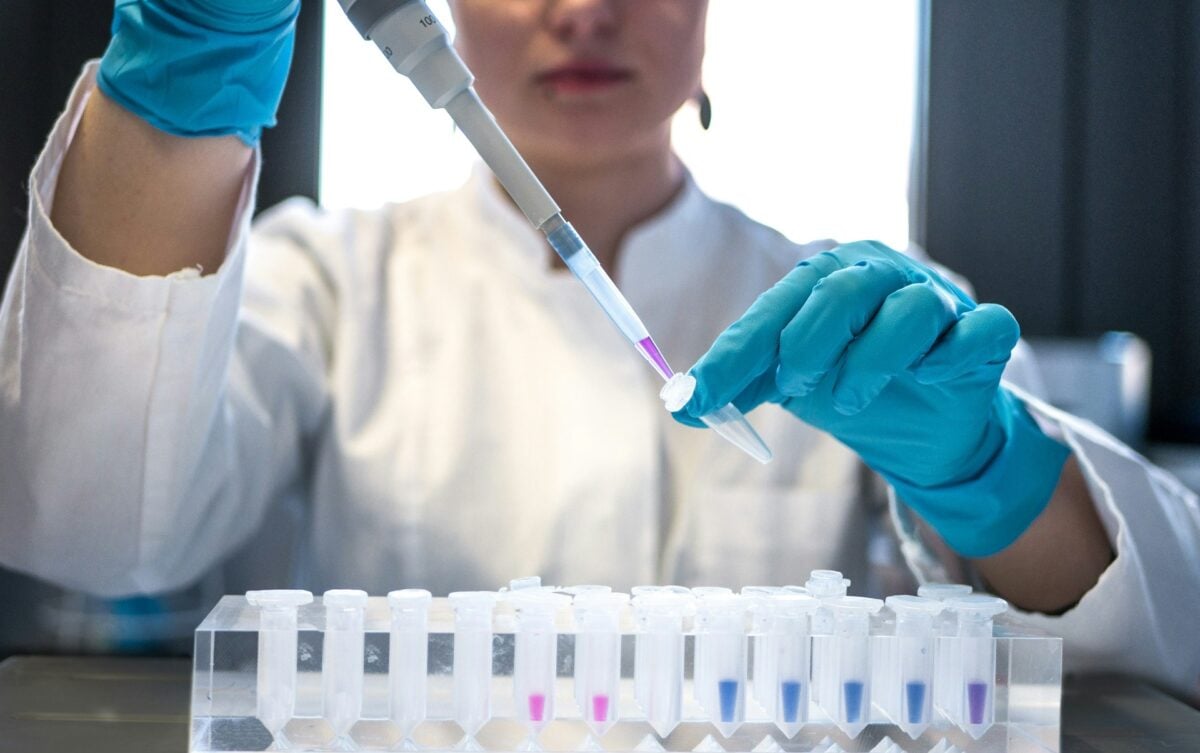
Henrietta Lacks never signed up to be part of science. But in 1951, doctors took cells from her without asking — and those cells never died. They kept growing, and scientists used them to test vaccines, study diseases, and even send them into space.
These “HeLa” cells are still used today. Her story later sparked big talks about medical ethics and consent.
Like Go2Tutors’s content? Follow us on MSN.
Chien-Shiung Wu
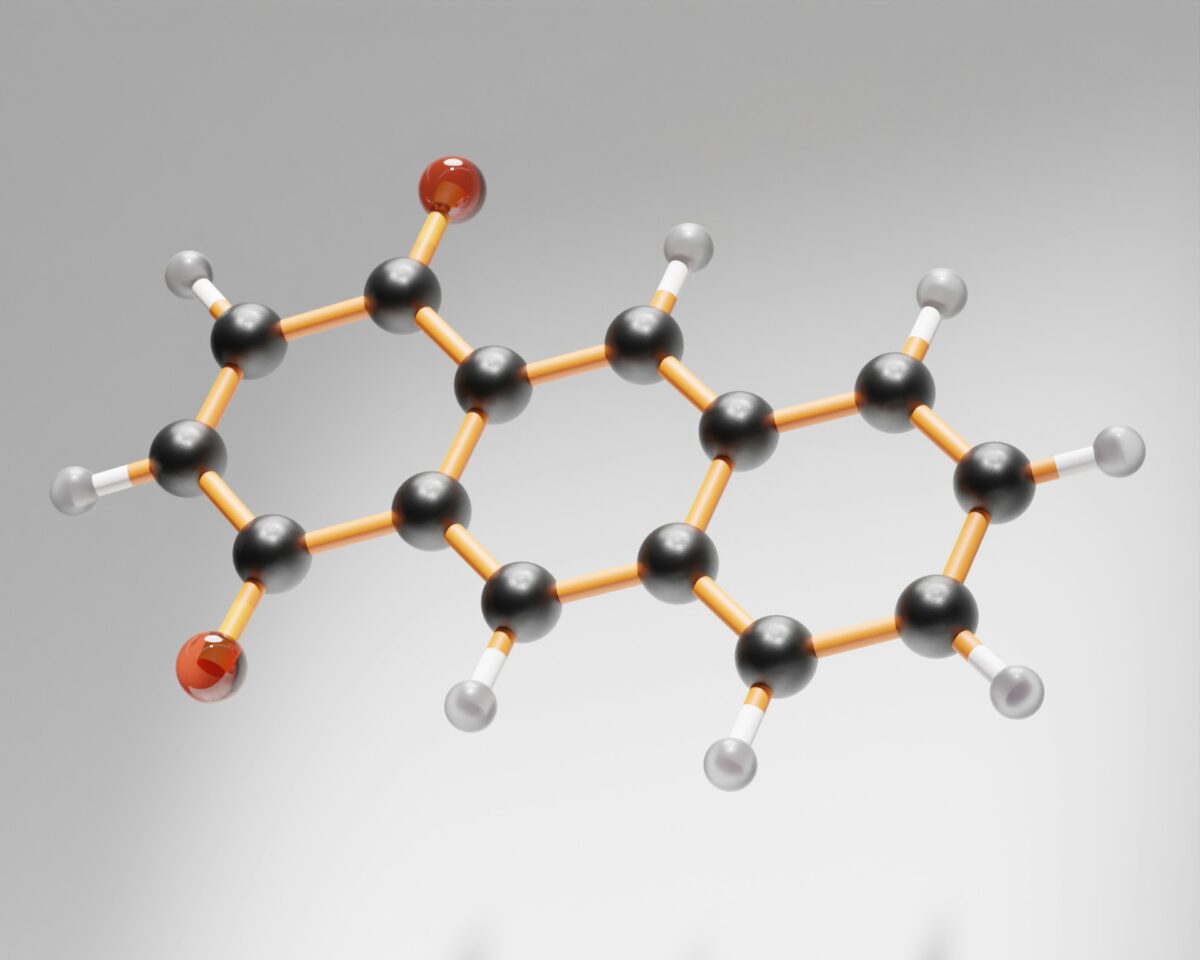
Chien-Shiung Wu was a brilliant physicist who helped change how scientists understood atomic particles. In the 1950s, she ran a key experiment that proved two other scientists’ theories correct.
They later got a Nobel Prize, but she didn’t, even though she did the hard part. Still, her work changed physics forever. Many call her the “First Lady of Physics.”
Rosalind Franklin
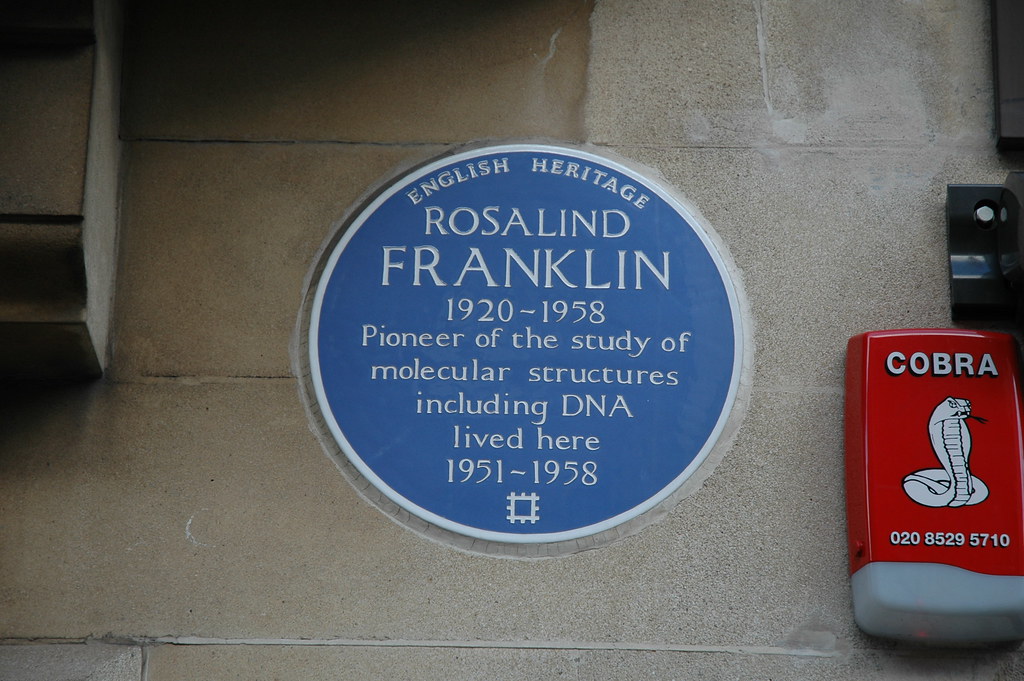
Without Rosalind Franklin’s X-ray images, the famous DNA double helix may not have been discovered so soon. Her photo showed the clear shape of DNA, helping Watson and Crick build their model.
They won awards for it, but she didn’t get the credit during her lifetime. She passed away before her work was fully recognized.
Now, many see her as one of the most important figures in genetics.
George Washington Carver
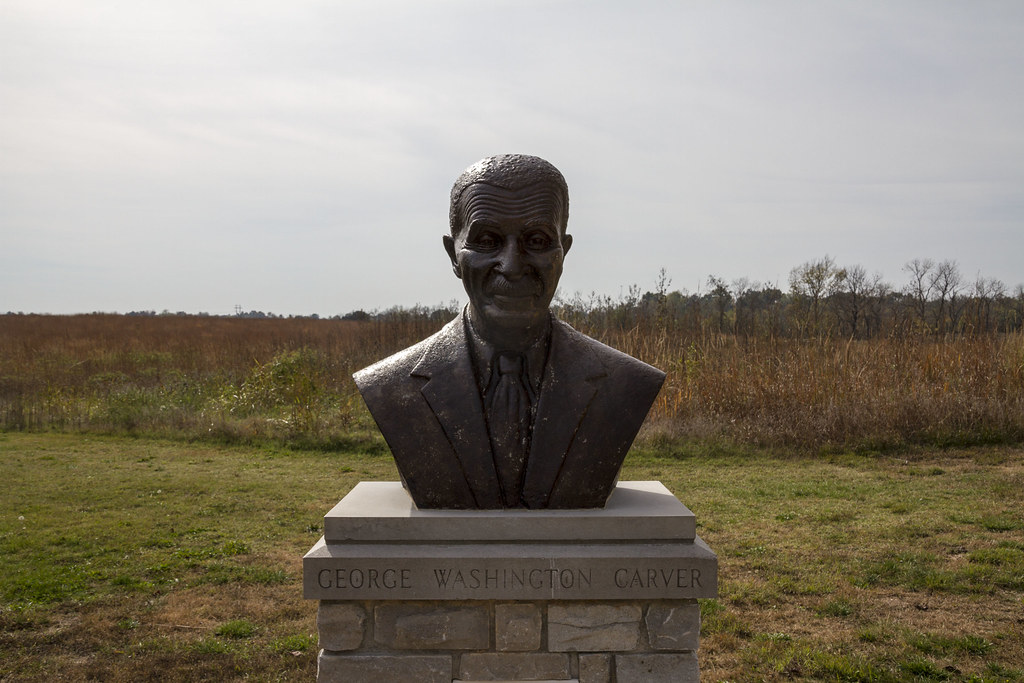
George Washington Carver did more than just work with peanuts. He was a scientist, teacher, and inventor who helped poor farmers in the South grow better crops. He found hundreds of new ways to use plants like sweet potatoes and peanuts in everyday products.
His goal was to improve lives, not get rich. People still study his ideas in farming and sustainability.
Like Go2Tutors’s content? Follow us on MSN.
Nettie Stevens
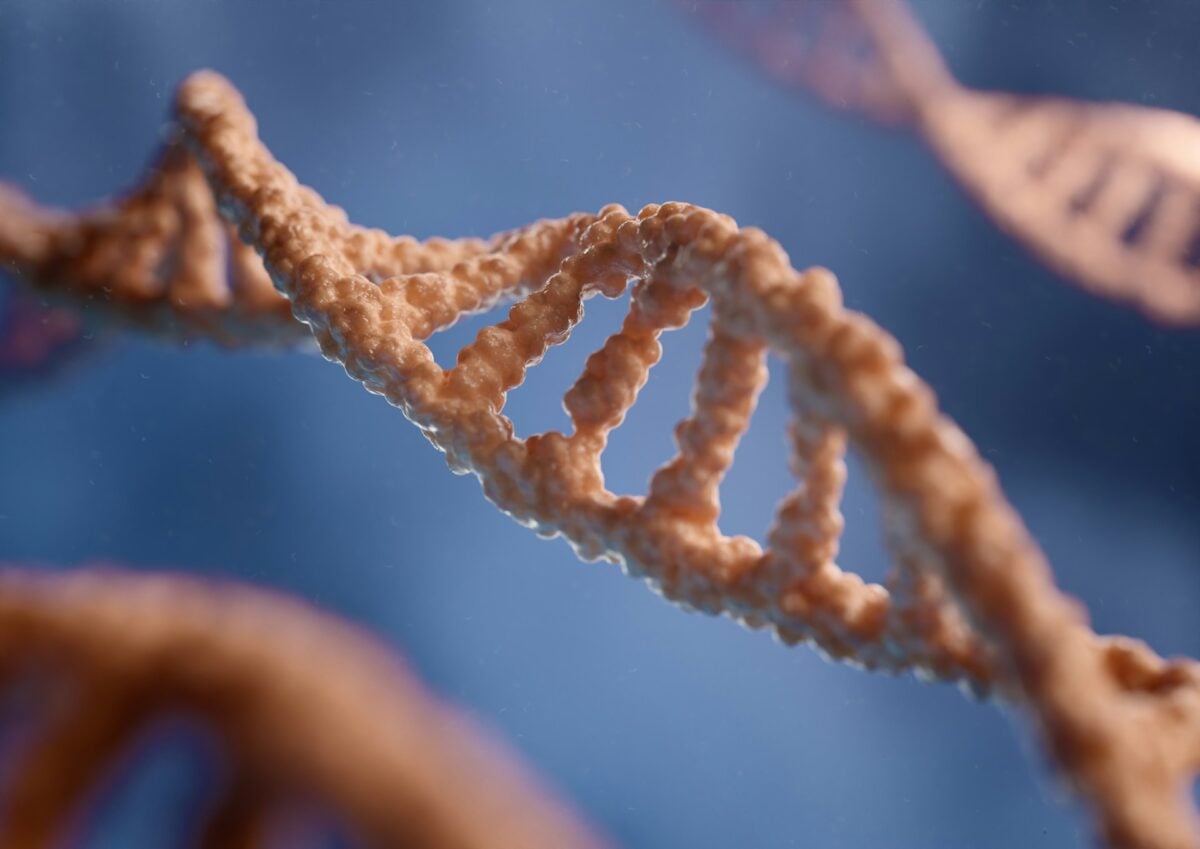
Nettie Stevens made a big discovery in the early 1900s. She found that chromosomes determined whether a baby would be born male or female. At the time, many thought it was due to other factors.
Her careful work with fruit flies helped prove the truth. Despite this, her name was often left out of biology books.
Alice Augusta
Alice was the first woman and the first African American to earn a chemistry degree from the University of Hawaii. In the early 1900s, she created a treatment for leprosy that was more effective than anything else at the time.
Her method was used for years, but her name was mostly erased. Only recently has she started getting the credit she earned.
Ignaz Semmelweis
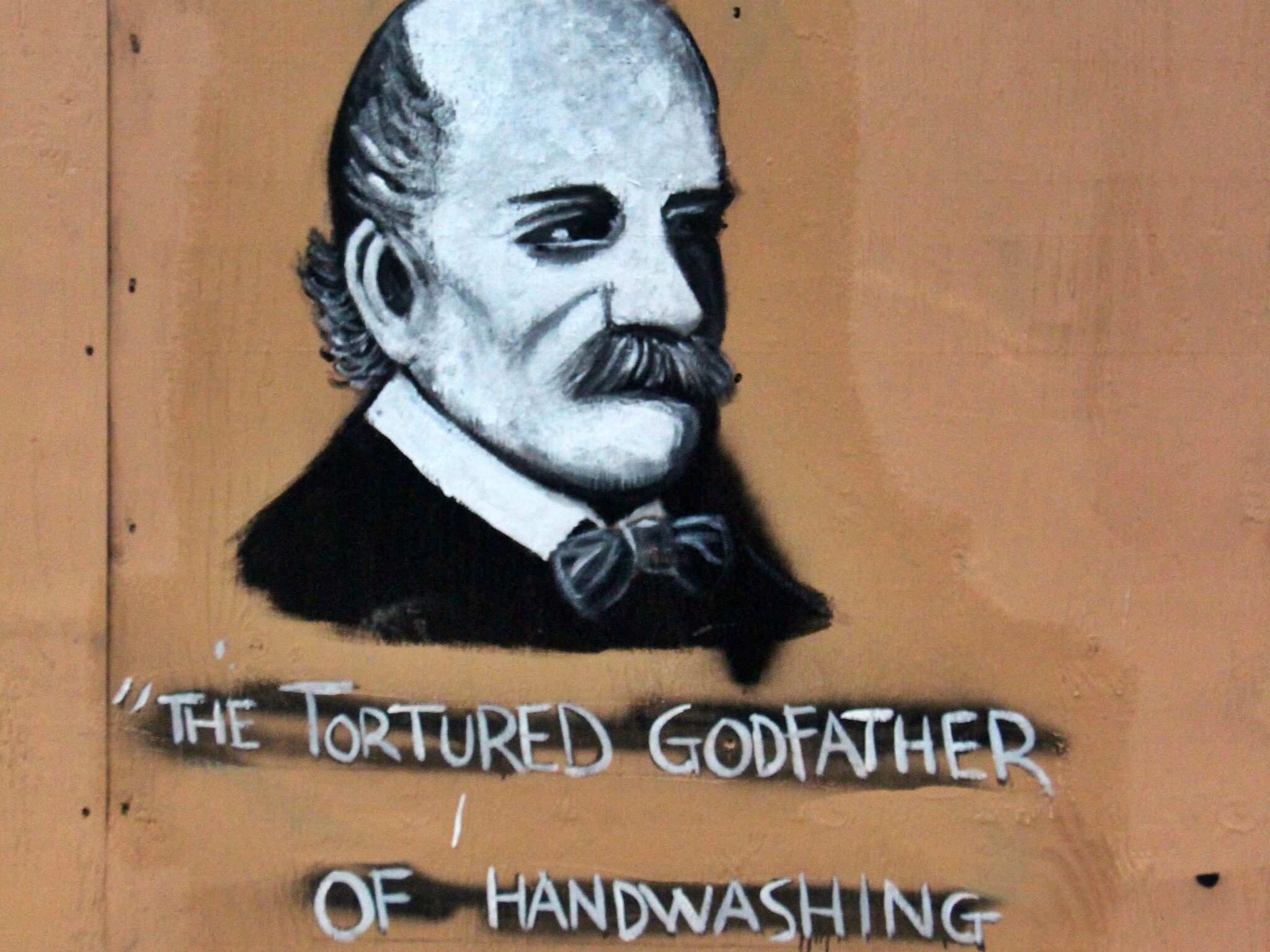
Back in the 1840s, Ignaz Semmelweis had a simple idea: wash your hands before delivering babies. Doctors ignored him, but his hospital had far fewer deaths.
Sadly, his peers mocked him, and he died before seeing his idea accepted. Today, handwashing is a basic part of medicine — and Semmelweis is finally seen as a pioneer.
Like Go2Tutors’s content? Follow us on MSN.
Katsuko Saruhashi

Katsuko Saruhashi was a chemist who studied how radioactive material moved through oceans after nuclear testing. She also created one of the first methods for measuring carbon dioxide in seawater.
Her work helped scientists better understand climate change. She was one of the first women scientists in Japan to gain wide respect. A prize in her name now honors women in science.
Janaki Ammal
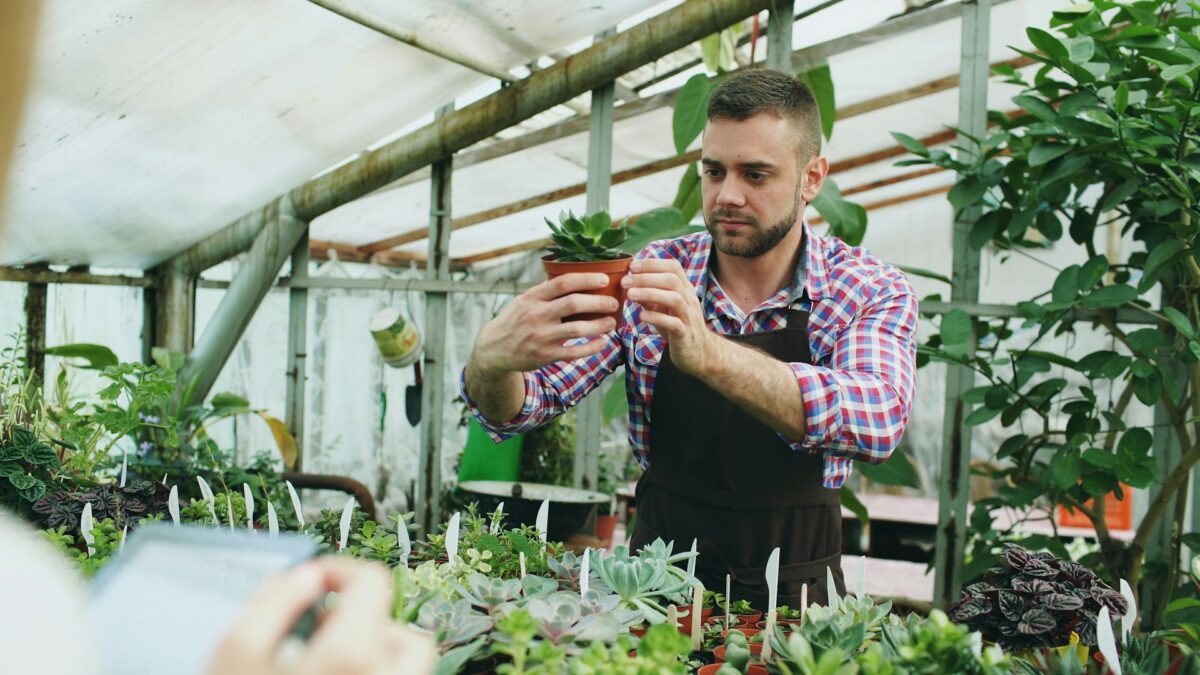
Janaki Ammal was an Indian botanist who helped improve crops like sugarcane and eggplant through plant breeding. She worked in labs and also collected rare plants from the Himalayas.
She stood out not just for her science, but also for being a woman scientist in a time and place where that was rare. Her research helped shape India’s agricultural science.
Tu Youyou
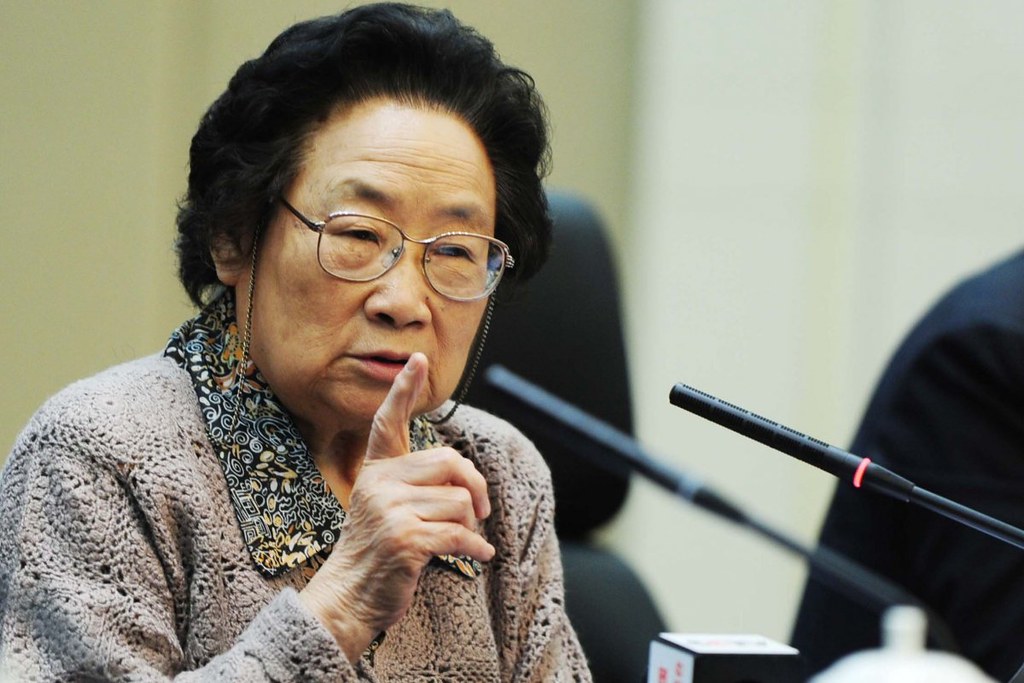
Tu Youyou studied ancient Chinese medicine and found a treatment for malaria using sweet wormwood. Her discovery saved millions of lives around the world. She wasn’t trained in Western medicine but trusted her deep research.
She later won a Nobel Prize for it — becoming the first Chinese woman to do so. Her story shows how tradition and science can work together.
Like Go2Tutors’s content? Follow us on MSN.
Mary Golda Ross
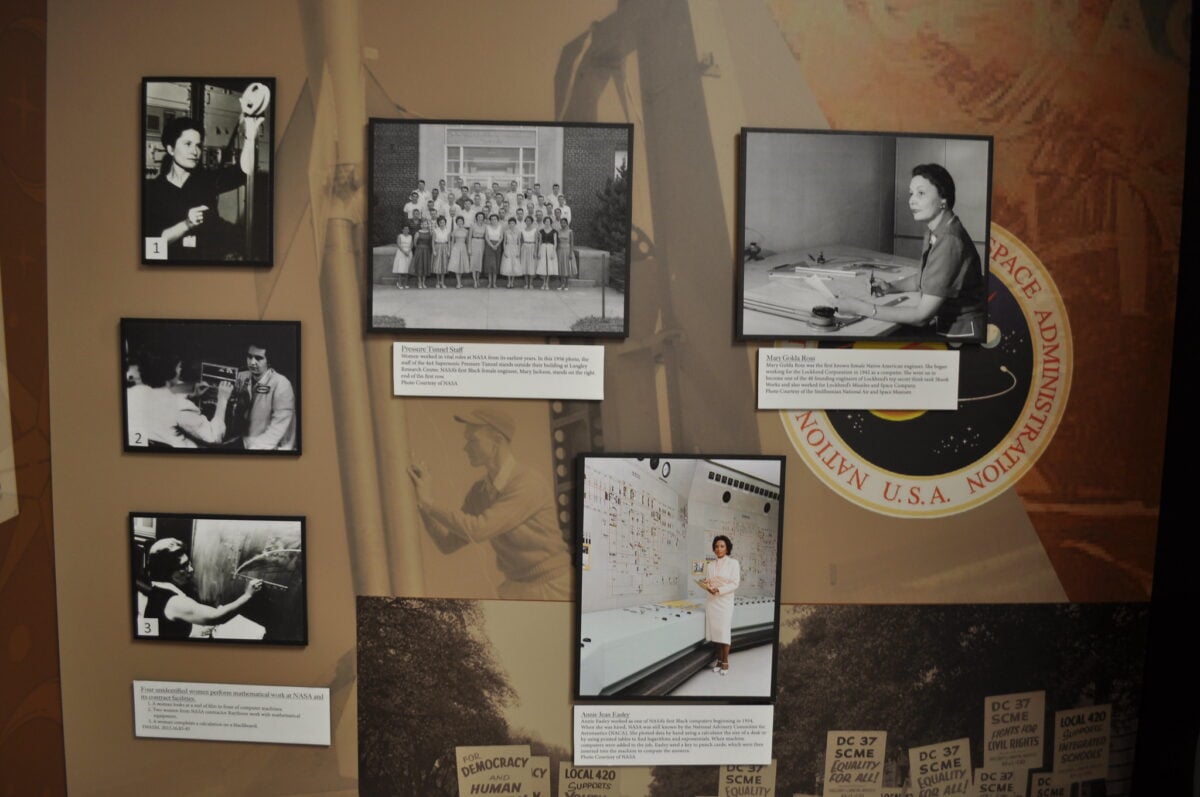
Mary Golda Ross was a Cherokee engineer who worked on space travel and missile designs during the Cold War. She helped write the plans for future trips to Mars and Venus. Much of her work stayed secret for decades. She was one of the first Native American engineers in the field. Today, her legacy is being shared in schools and museums.
Lise Meitner
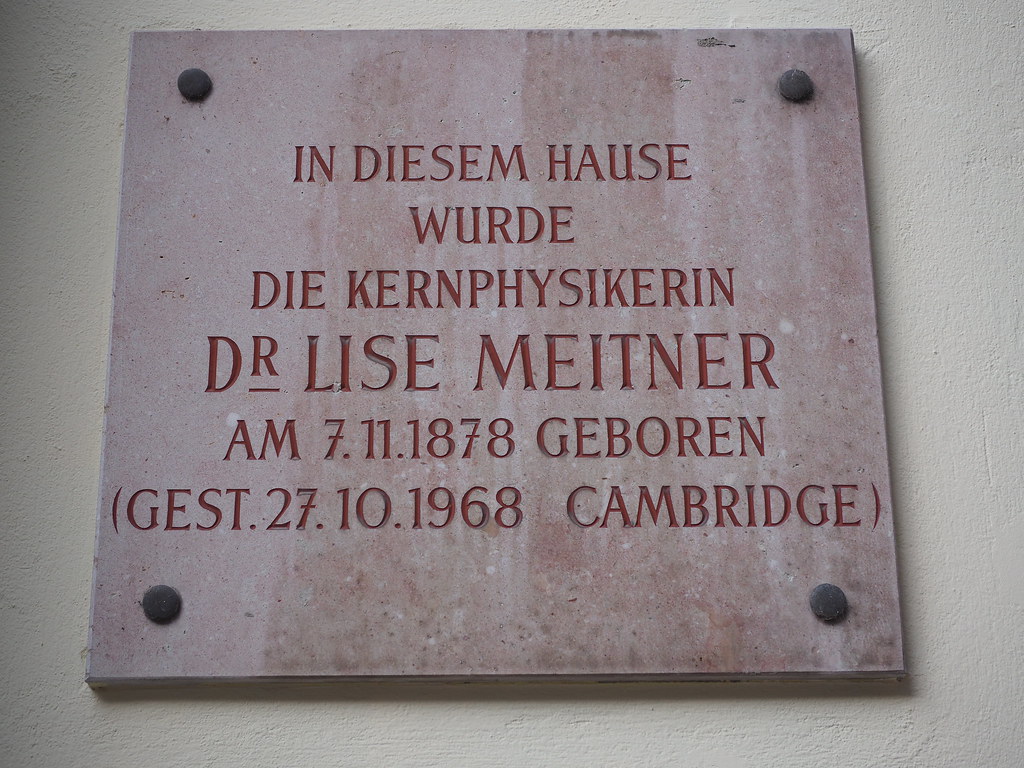
Lise Meitner helped explain nuclear fission, the process that powers atomic energy. Her colleague got a Nobel Prize, but she was left out — even though her math and theories were key.
She refused to work on weapons during World War II. Her scientific work helped shape modern physics. Many now consider her one of the great minds of her time.
Benjamin Banneker
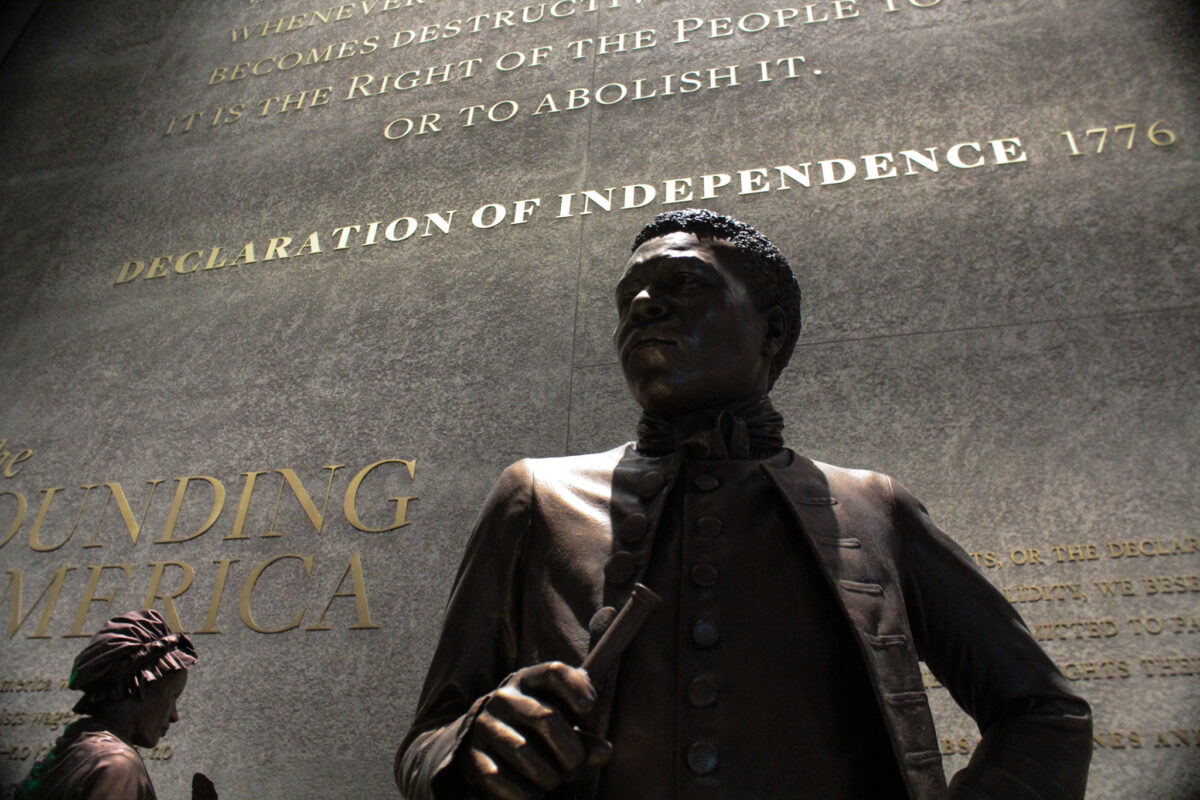
Benjamin Banneker was a self-taught scientist and inventor in the 1700s. He built a working clock almost entirely out of wood and helped map out Washington, D.C.
He also published yearly almanacs with weather predictions and useful farming advice. At a time when few African Americans had access to education, his achievements were groundbreaking.
His legacy lives on in books and schools.
Like Go2Tutors’s content? Follow us on MSN.
Jocelyn Bell Burnell
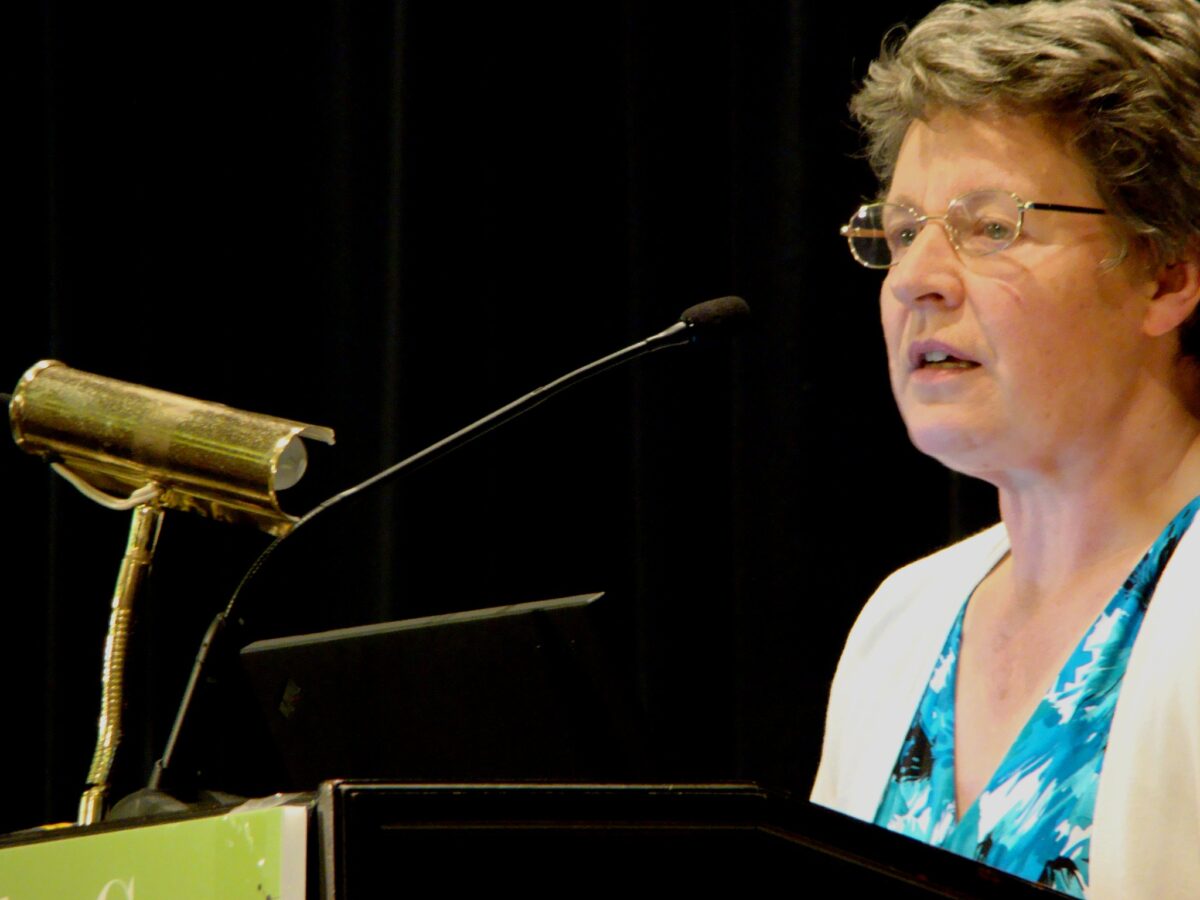
As a student in 1967, Jocelyn Bell Burnell discovered radio signals from space, now known as pulsars. Her supervisor got a Nobel Prize, but she didn’t.
Many scientists today agree that was a mistake. Her discovery opened up a new part of astronomy.
Despite the setback, she continued to teach and support women in science.
Ellen Swallow Richards
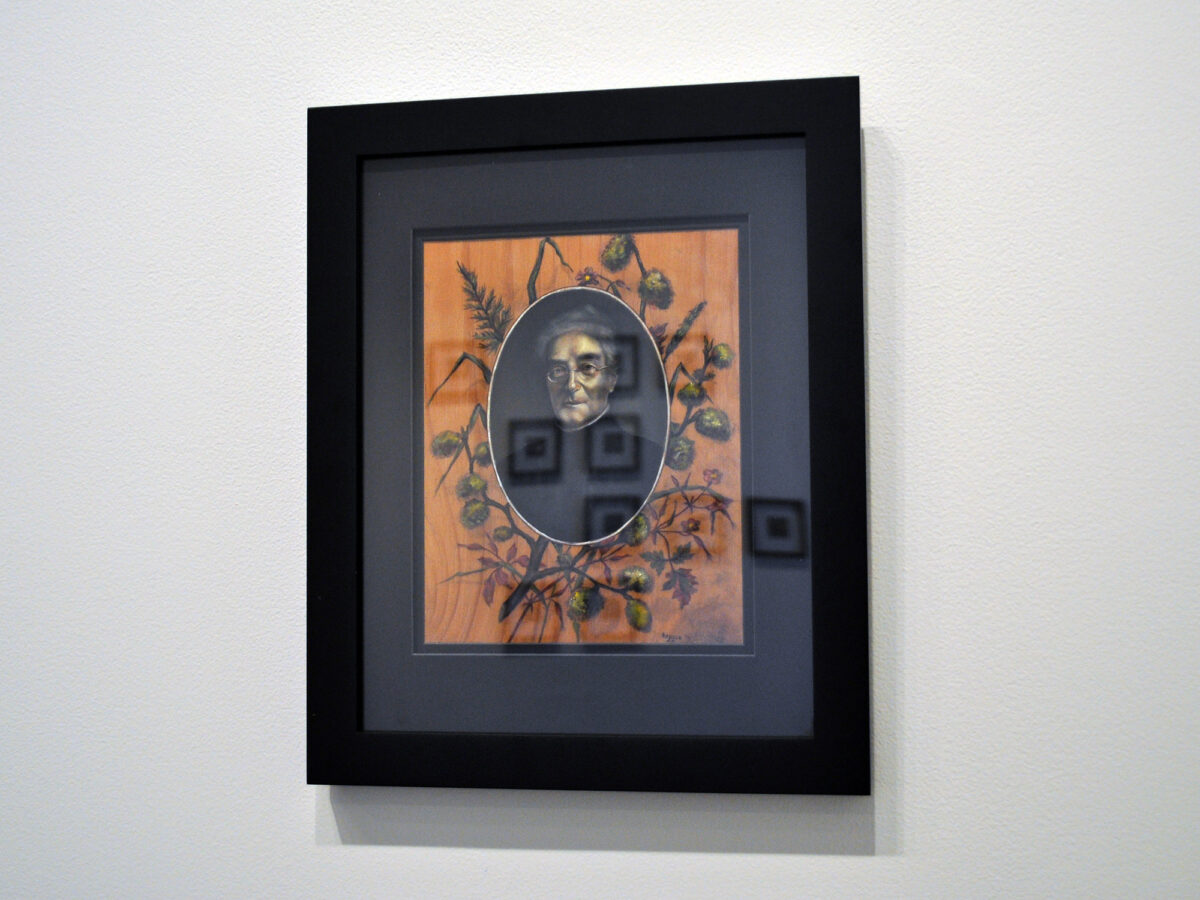
Ellen Swallow Richards was the first woman admitted to MIT and the founder of what’s now called home economics. But her work wasn’t just about cooking — she tested water and air quality, studied nutrition, and pushed for clean living conditions.
She helped bring science into the home in a way that helped families live healthier lives. Her ideas helped shape public health and safety standards.
John Snow
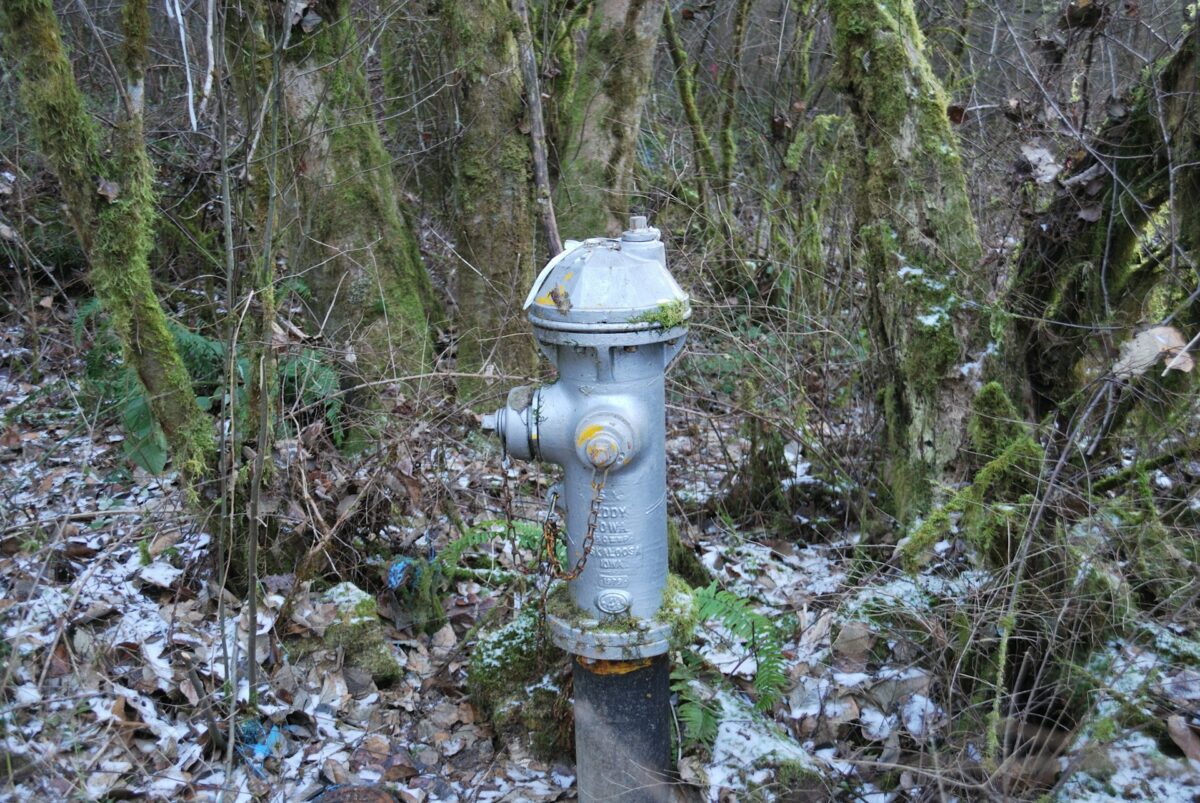
In the 1800s, John Snow tracked down the source of a deadly cholera outbreak in London. He mapped the cases and figured out that the disease came from a contaminated water pump.
His work helped start the field of epidemiology. At first, many didn’t believe him, but he was right.
Today, his method of mapping outbreaks is still used.
Like Go2Tutors’s content? Follow us on MSN.
Florence Bascom
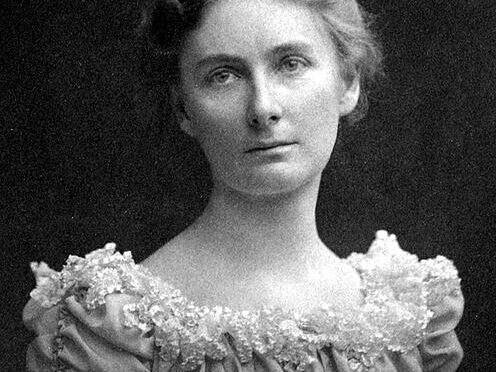
Florence Bascom was the first woman hired by the U.S. Geological Survey. She studied rocks and helped create some of the most detailed maps of the time.
Her work in geology opened the door for other women in earth science. She also taught many students who became leaders in the field.
Her quiet leadership had a lasting impact.
Shaping science without fame
These names may not show up in most classrooms, but their work still affects everyday life. They solved problems, asked hard questions, and helped move science forward — often without thanks or praise.
Their stories remind us that science isn’t just about the big names. It’s about people who worked hard, stayed curious, and kept going even when no one noticed.
Knowing their stories helps paint a fuller picture of how far science has come.
More from Go2Tutors!

- 16 Historical Figures Who Were Nothing Like You Think
- 12 Things Sold in the 80s That Are Now Illegal
- 15 VHS Tapes That Could Be Worth Thousands
- 17 Historical “What Ifs” That Would Have Changed Everything
- 18 TV Shows That Vanished Without a Finale
Like Go2Tutors’s content? Follow us on MSN.



