16 Unbelievable Facts About the Human Heart
Still one of the most amazing wonders of nature is the human heart. Though just the size of a fist, this relentless muscular organ drives our whole life: it pumps blood, delivers oxygen, and remarkably efficiently and resiliently sustains life.
Here is a list of 16 truly astonishing facts about the human heart that showcase its incredible capabilities and surprising characteristics.
Lifetime Workload
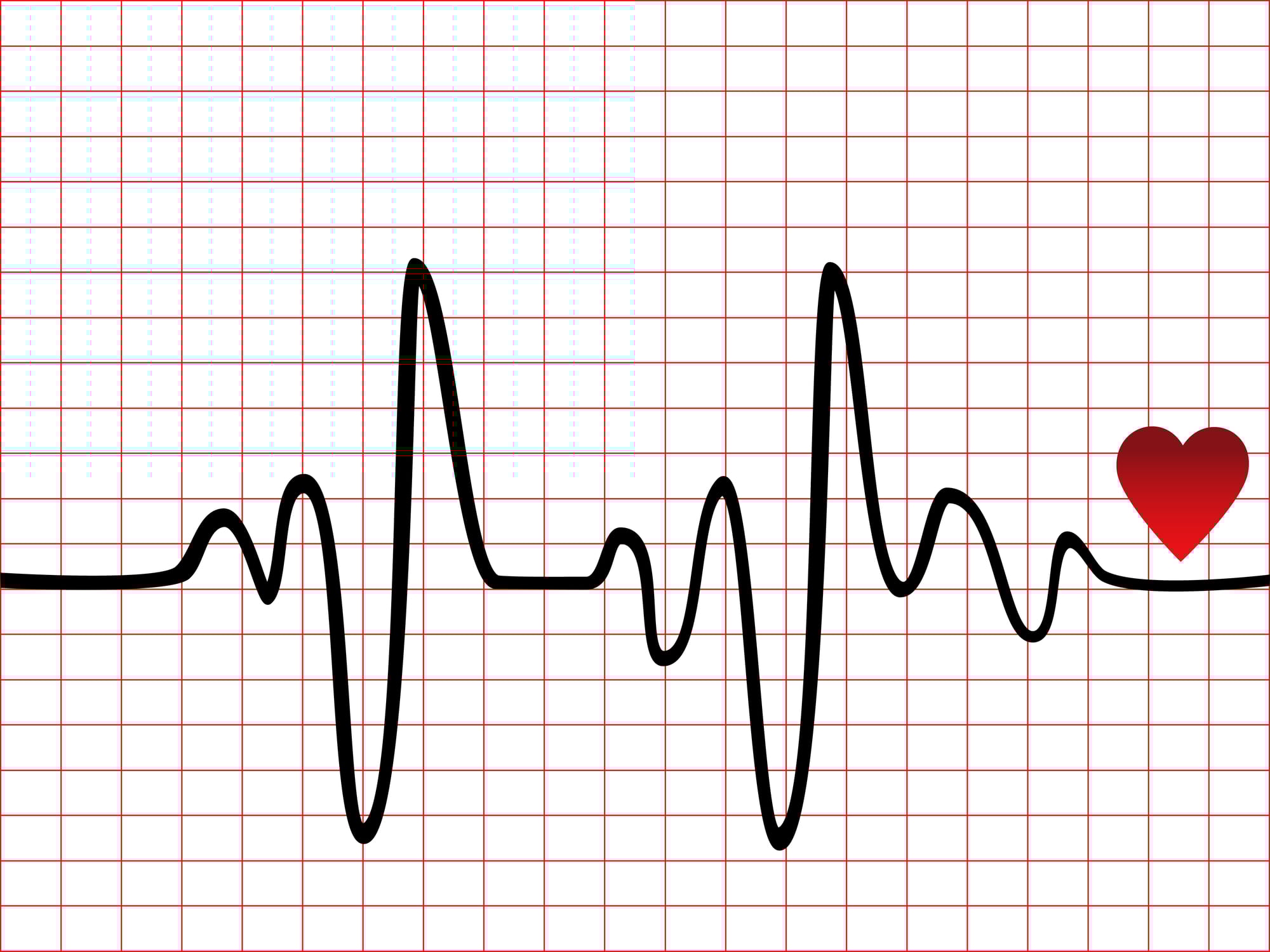
Your heart will beat approximately 2.5 billion times during an average lifetime – an almost incomprehensible number. This ceaseless drumbeat begins about 22 days after conception and continues without a single day’s rest – pumping the equivalent of 1 million barrels of blood over a typical lifespan.
Electrical Independence
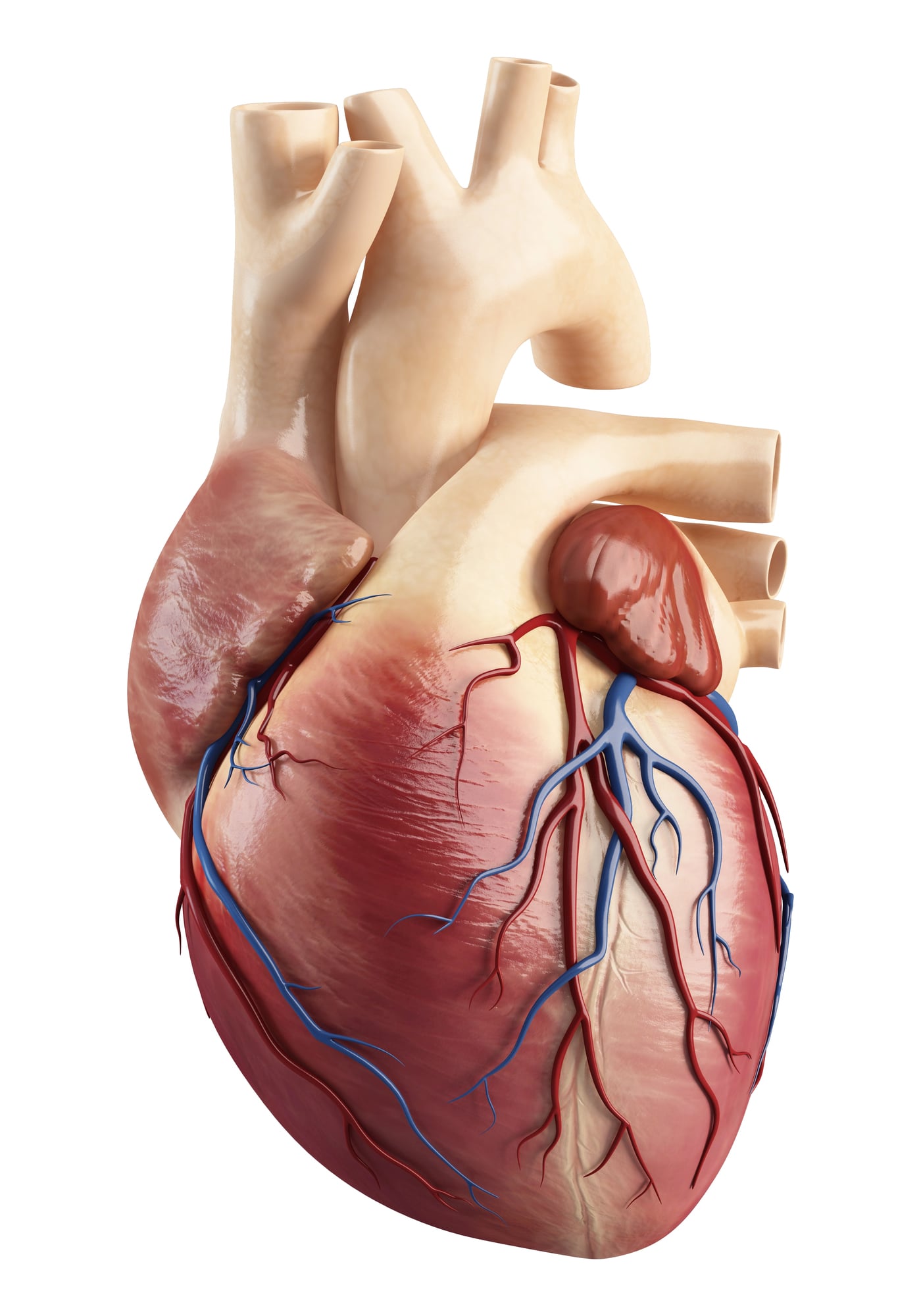
The heart generates its own electrical impulses – functioning independently from the brain’s direct control. This self-contained electrical system allows the cardiac muscle to maintain its rhythm even when removed from the body for transplantation – a feature that’s absolutely crucial for successful heart surgeries.
Morning Heart Attacks

Heart attacks occur most frequently between 6:00 AM and noon – with risk peaking around 9:00 AM. This pattern results from the body’s natural morning surge in stress hormones and blood pressure – coupled with increased platelet stickiness that happens as your body transitions from sleep to wakefulness.
Size Variations
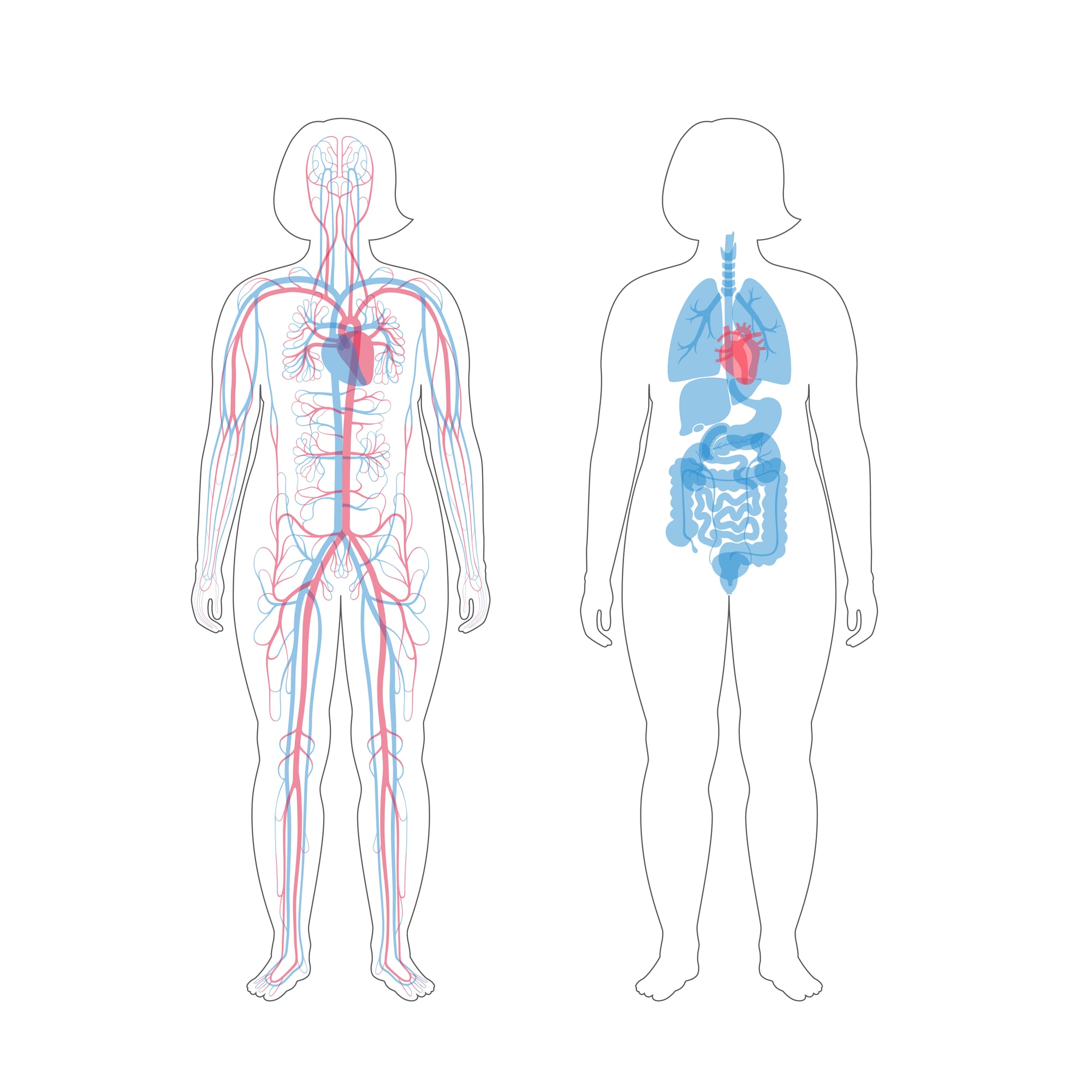
Women typically have smaller hearts than men – yet women’s hearts beat slightly faster to compensate for the size difference. The average female heart beats 78 times per minute – while the average male heart beats around 70 times per minute – providing equivalent cardiac output despite the anatomical variation.
Temperature Influence
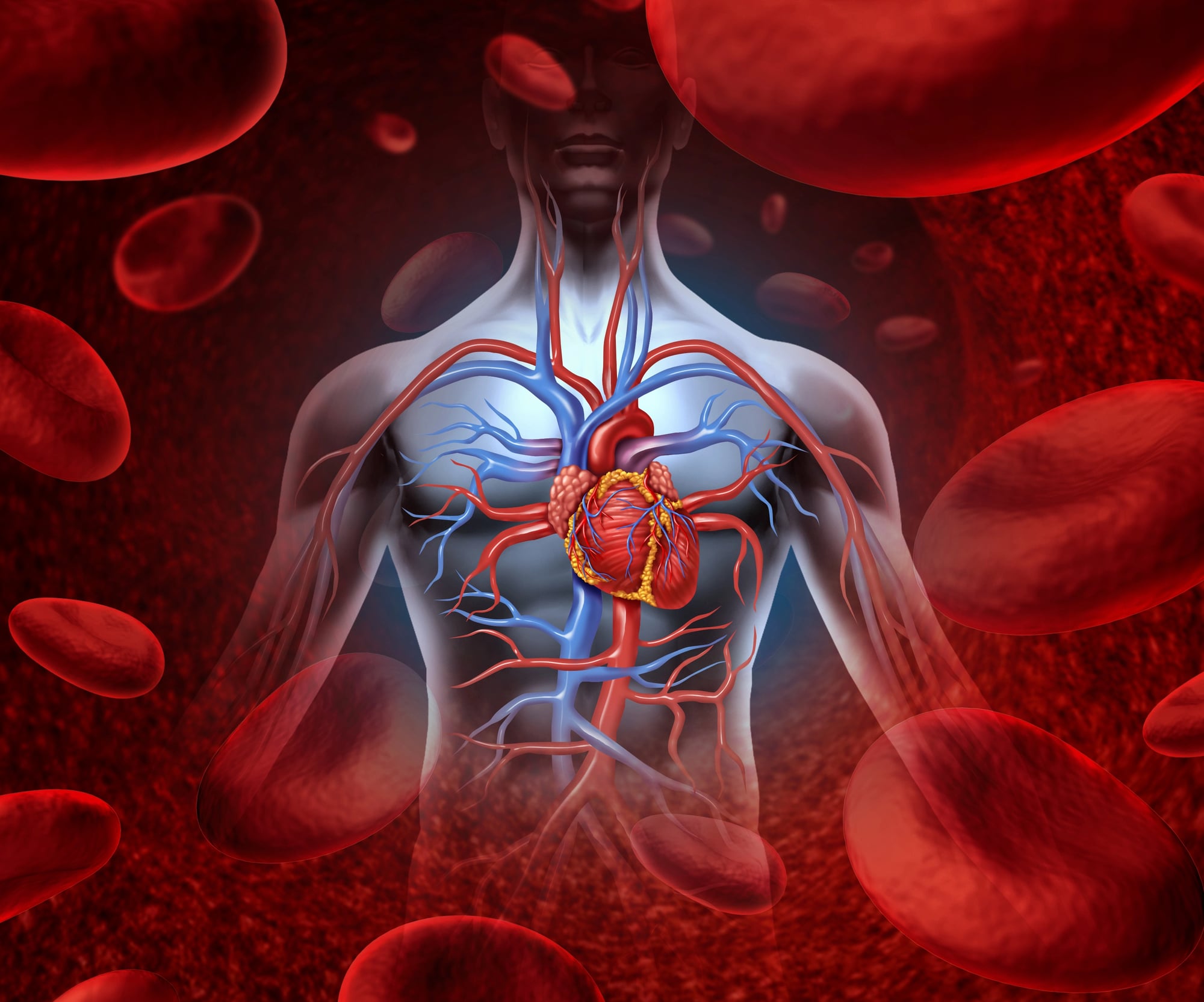
Cold environments can cause your heart rate to drop significantly – sometimes to dangerously low levels. This phenomenon explains how certain cold-water drowning victims have been successfully resuscitated after extended periods without oxygen – their slowed metabolism protected vital organs from damage during their ordeal.
Emotional Reality
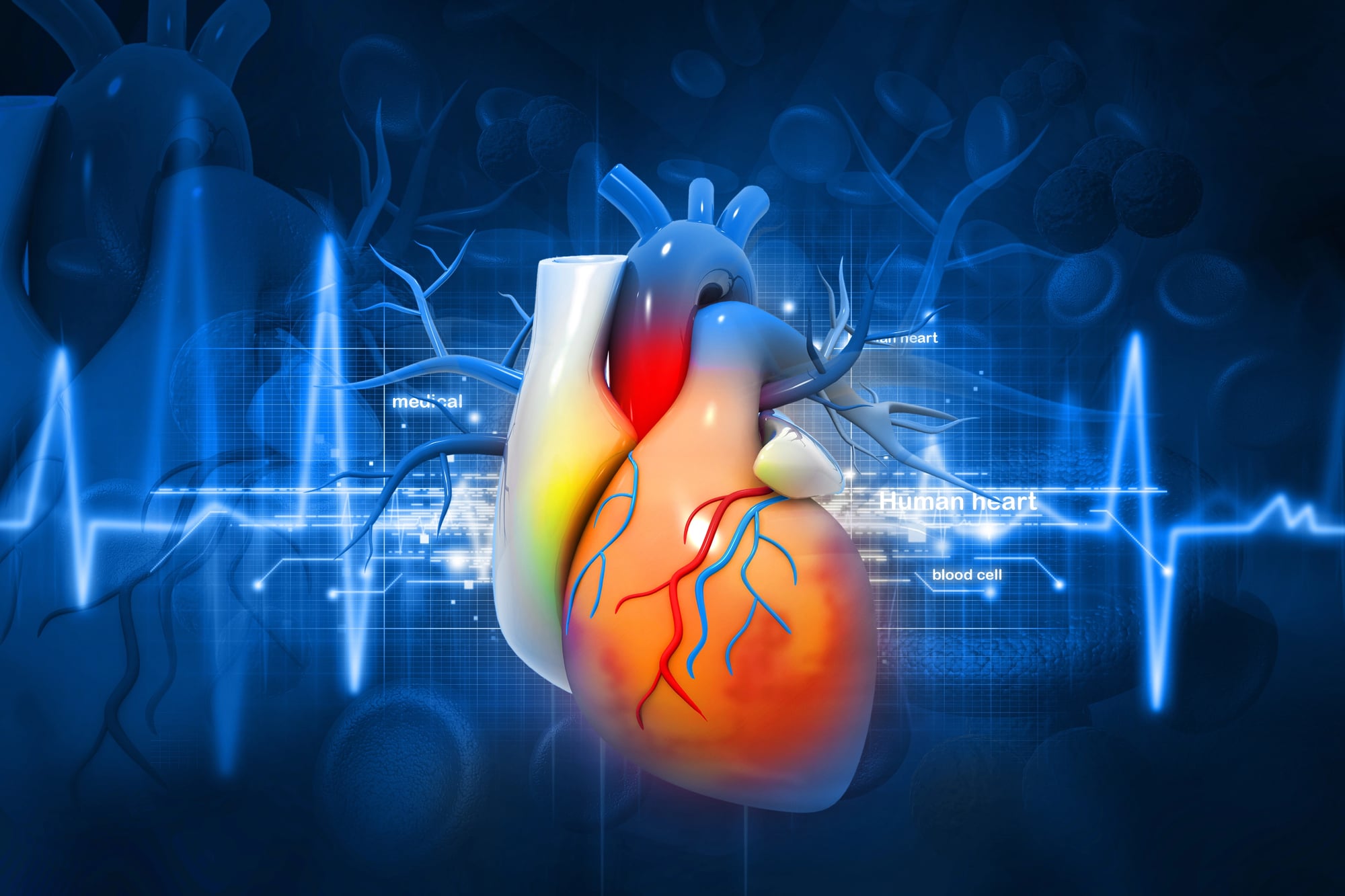
The heart truly responds to emotional states – though not in the poetic ways often portrayed. Extreme emotions like grief or fear trigger stress hormones that can cause a condition called takotsubo cardiomyopathy – or ‘broken heart syndrome’ – where part of the heart temporarily enlarges and pumps inefficiently.
Daily Output
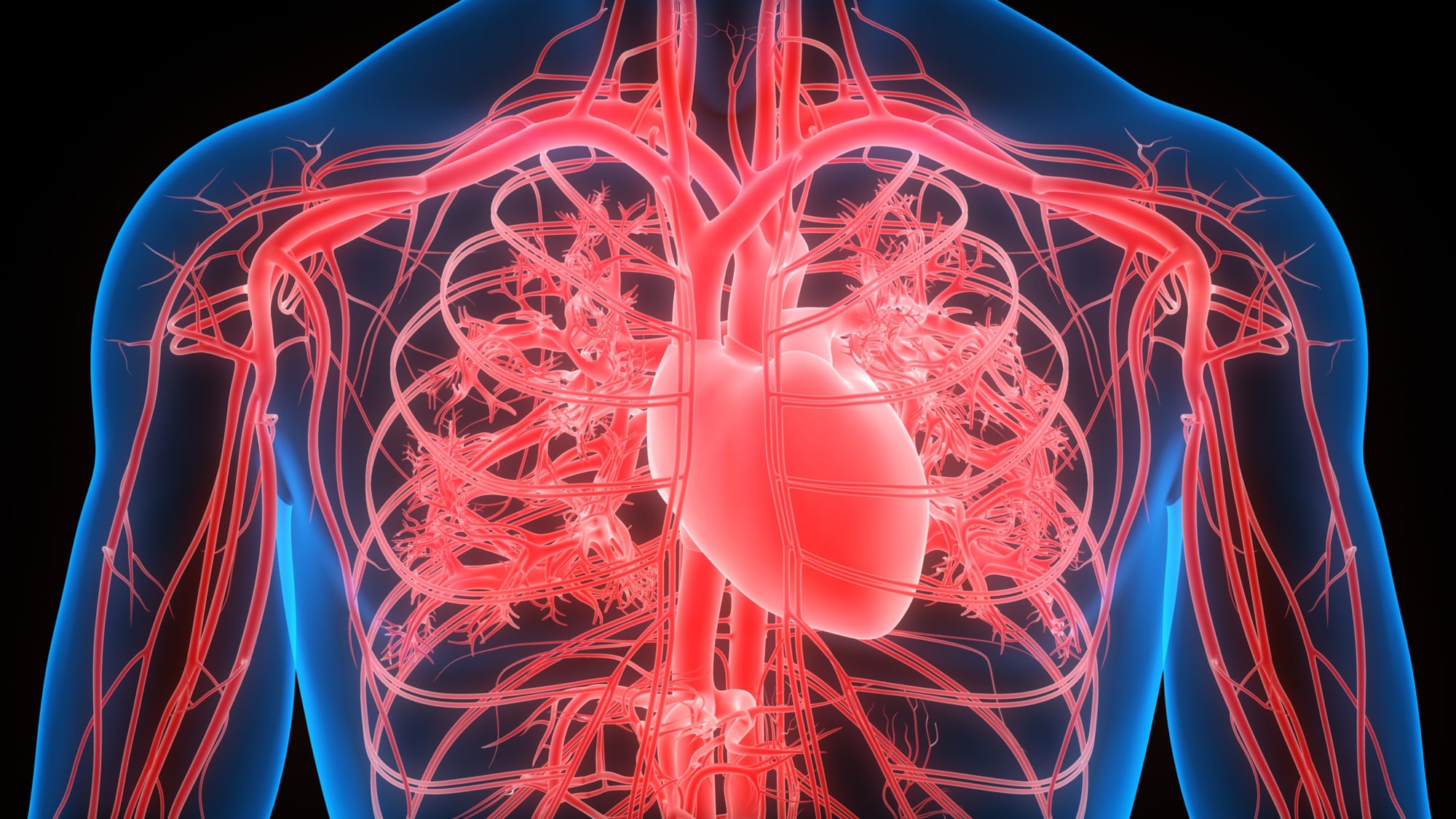
Your heart pumps approximately 2,000 gallons of blood through your body every day – equivalent to about 100,000 heartbeats in 24 hours. This volume would fill an above-ground backyard swimming pool within a week – demonstrating the incredible workload this fist-sized organ handles continuously.
Laugh Benefits

Hearty laughter has measurable cardiac benefits – improving blood vessel function for up to 45 minutes afterward. The physical act of laughing increases heart rate temporarily – then leaves blood vessels more relaxed and flexible – effects similar to those achieved through light exercise.
Heart-Lung Connection
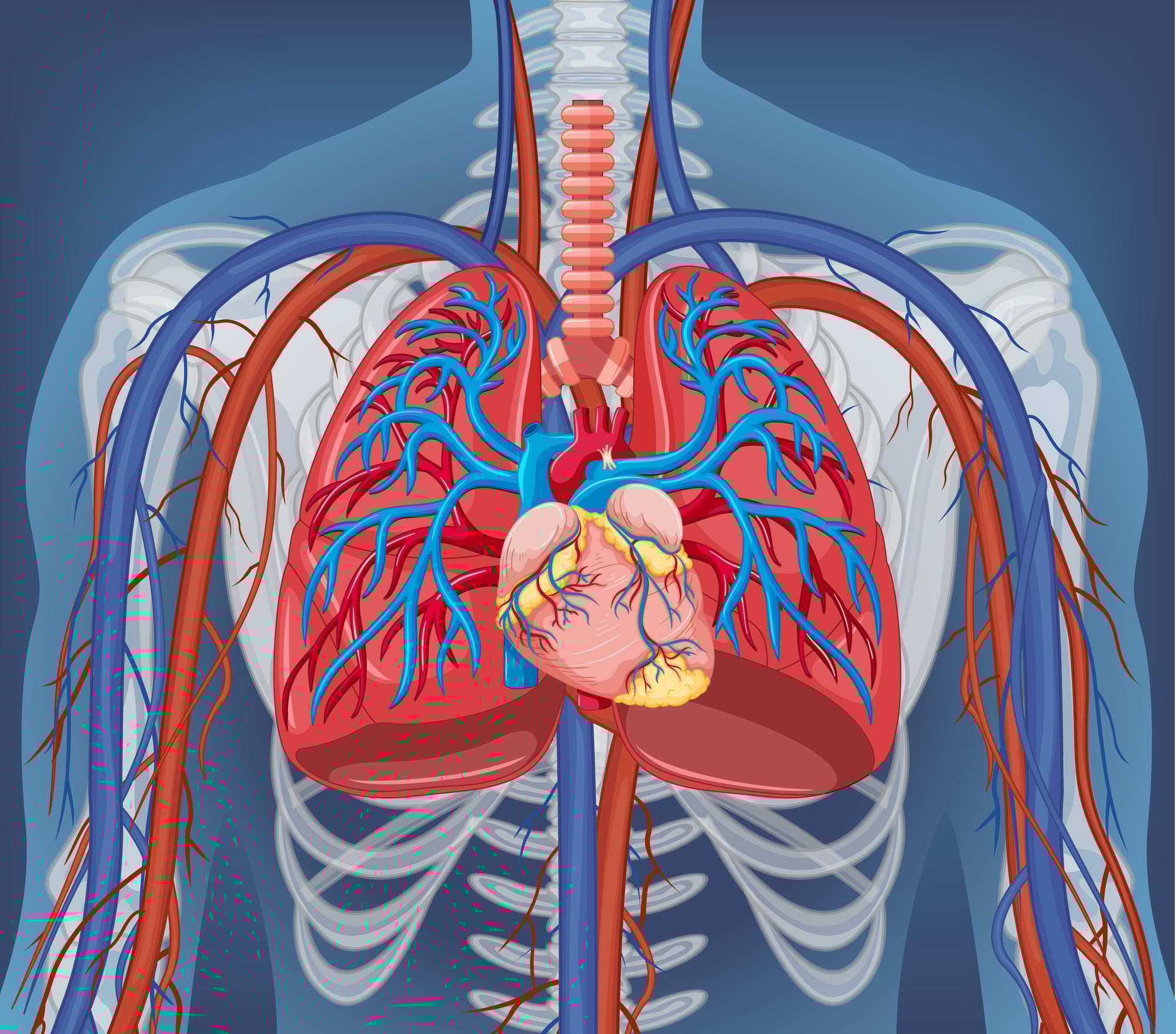
Your lungs and heart operate in perfect time; heart rates usually follow respiratory rates at a 4:1 ratio. This cardiac connection maximizes gas exchange, therefore ensuring that, with every breath, carbon dioxide is evacuated effectively and oxygen-rich blood flows freely.
Ancient Understanding
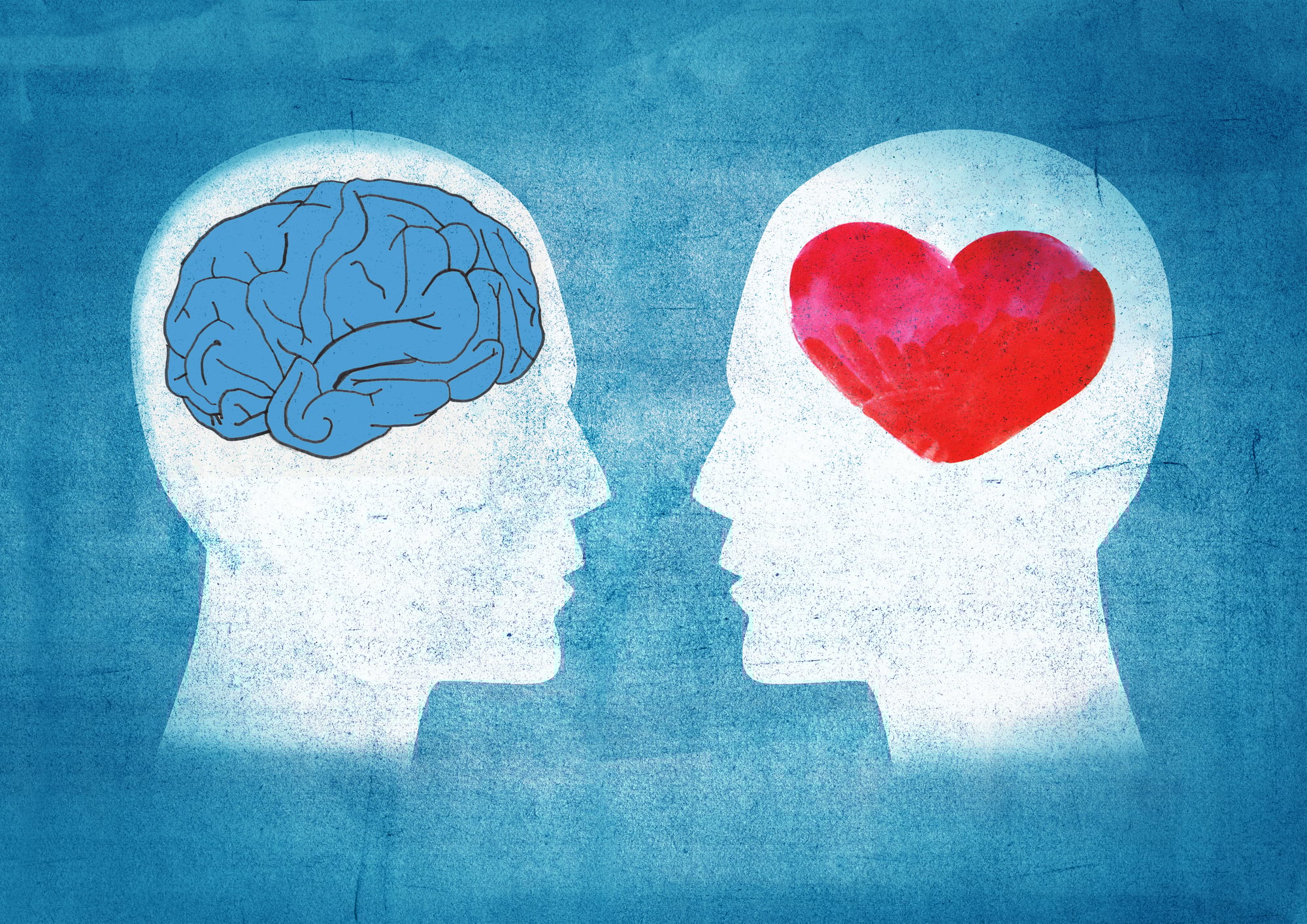
The heart’s importance was recognized thousands of years ago – though often misunderstood. Ancient Egyptians believed the heart – not the brain – contained consciousness and memories – which explains why they carefully preserved hearts during mummification while removing most other organs.
Gender Differences

Heart attack symptoms often present differently between men and women. While men typically experience the classic crushing chest pain – women more frequently report subtler symptoms like unusual fatigue, sleep disturbances, shortness of breath, and discomfort in the jaw, upper back, or abdomen.
Transplant Memories

Some heart transplant recipients report experiencing newfound preferences or memories that seemingly belonged to their donors. While scientifically controversial – these accounts may relate to cellular memory theory – suggesting that memories might exist in cells throughout the body – not just neural tissue.
Marine Mammal Hearts
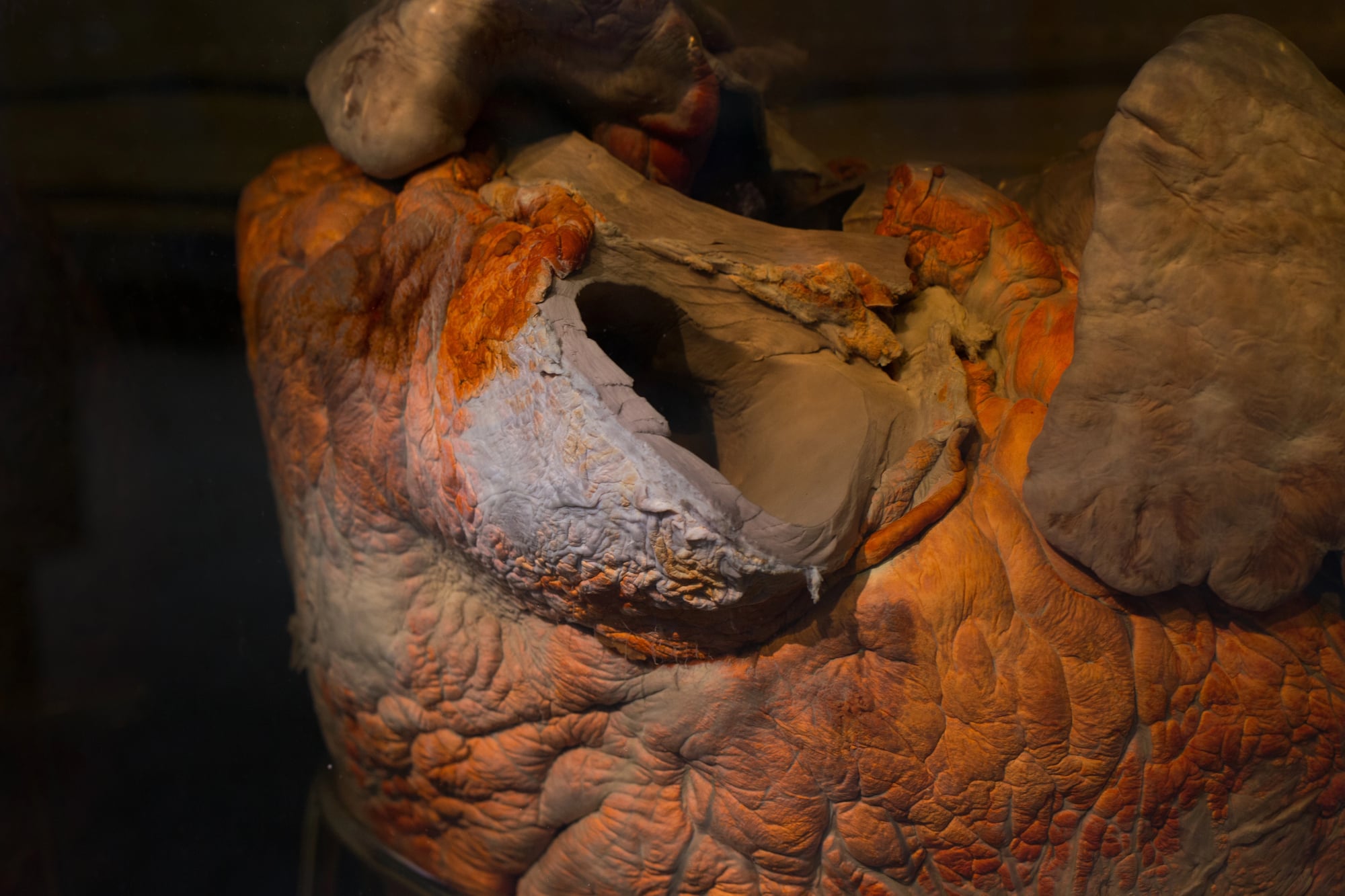
The human heart pales in comparison to marine mammal hearts in terms of adaptability. A blue whale’s heart can slow to just 2 beats per minute during deep dives – compared to their surface rate of 8-10 beats – demonstrating cardiovascular variability far beyond human capability.
Hormonal Influences
Female hormones generally protect women’s hearts until menopause – explaining why women typically develop heart disease about 10 years later than men. Estrogen helps maintain healthy blood vessel flexibility and favorable cholesterol profiles – benefits that diminish as hormone levels decrease.
Endurance Adaptation

Endurance athletes develop significantly larger and more efficient hearts through training. The left ventricle in particular adapts to pump more blood per beat – sometimes allowing elite athletes to maintain resting heart rates as low as 30-40 beats per minute – compared to the average 60-100.
Ancient Innovation
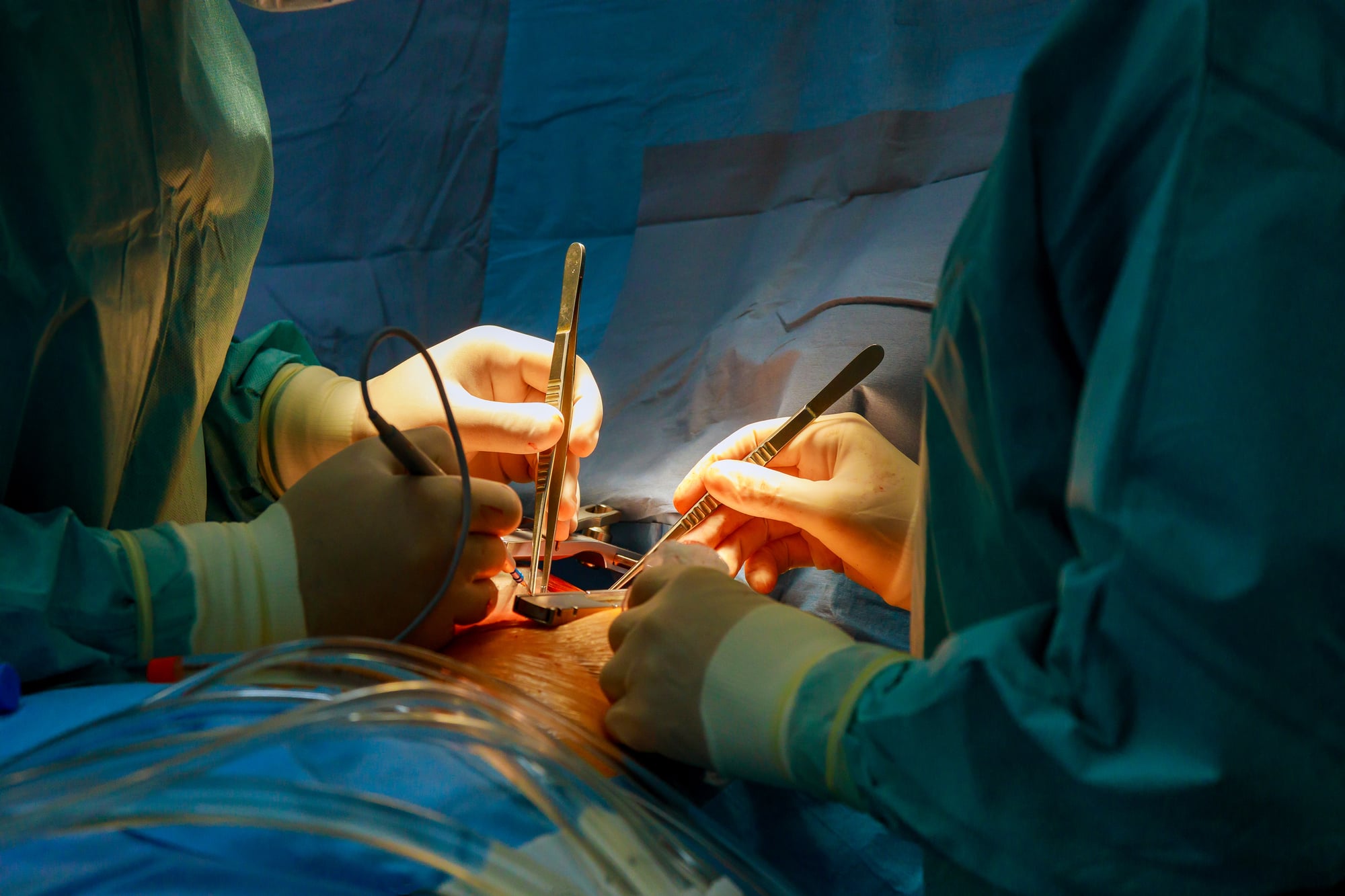
Modern cardiac surgery has surprisingly ancient roots. The first documented heart surgery was performed in 1893 by Daniel Hale Williams – yet evidence suggests prehistoric humans attempted cardiac interventions thousands of years earlier – with archaeological findings showing healed sternotomy scars on ancient remains.
The Evolutionary Marvel
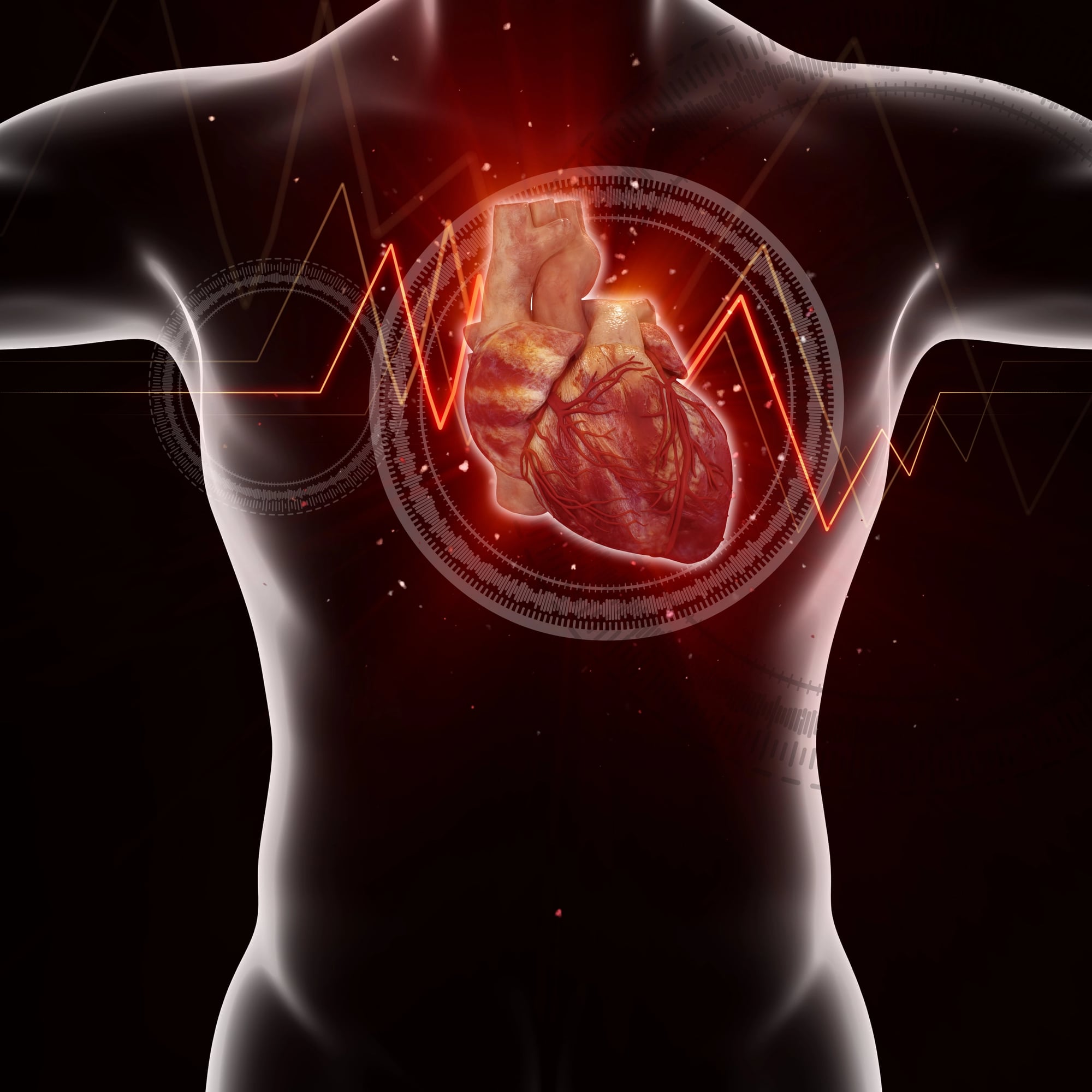
Evolutionary perfection is best shown by the human heart, which evolved from the primitive tube-like hearts of our most far-off ancestors into a sophisticated four-chamber pump exactly fit for our needs. This amazing organ changes with our lifespan; it responds to emotional states, strengthens with activity, and even creates new blood channels to circumvent blockages as needed.
Its importance goes beyond its physiological purpose; it shows up in our language, art, and conception of what it means to be essentially human.
More from Go2Tutors!

- The Romanov Crown Jewels and Their Tragic Fate
- 13 Historical Mysteries That Science Still Can’t Solve
- Famous Hoaxes That Fooled the World for Years
- 15 Child Stars with Tragic Adult Lives
- 16 Famous Jewelry Pieces in History
Like Go2Tutors’s content? Follow us on MSN.