30 Documents Declassified by the U.S. Government That Shocked Researchers
Governments keep secrets. That’s not a conspiracy theory — it’s just how power has always worked.
But every so often, the veil gets pulled back, and what’s sitting underneath turns out to be stranger, darker, or more disturbing than the most imaginative speculation. The U.S. government has declassified thousands of documents over the decades, through Freedom of Information Act requests, congressional orders, and mandatory review processes — and some of what’s been released has stopped researchers cold.
These aren’t fringe documents circulating on obscure websites. Many of them live in the National Archives, in CIA reading rooms, in declassified Pentagon files.
They’ve been authenticated, studied, and in several cases, they’ve rewritten chapters of American history entirely. What follows are thirty of the most striking — the ones that made historians double-check their sources, journalists stare at their screens, and ordinary people wonder exactly how much they still don’t know.
The MKUltra Mind Control Files
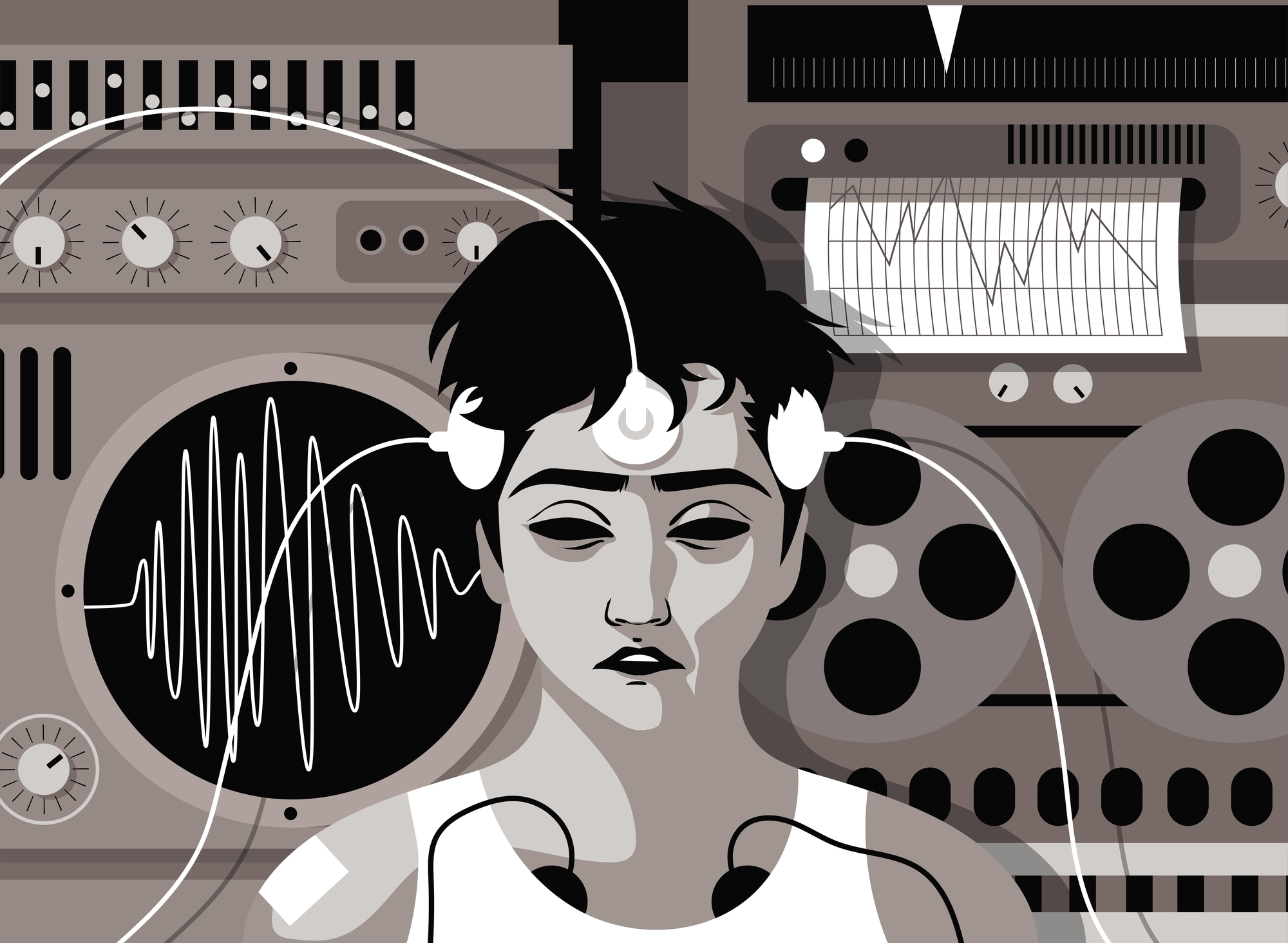
The CIA spent the better part of the 1950s and 1960s running experiments on human subjects without their consent — testing LSD, hypnosis, psychological torture, and electroconvulsive therapy in an attempt to develop reliable mind control techniques.
Researchers who first encountered these documents in 1977, after a FOIA request forced their partial release, described the reaction in Senate chambers as one of genuine disbelief. The program involved at least 150 research projects across universities, hospitals, and prisons, and some participants died.
Operation Northwoods
This one is genuinely difficult to absorb. In 1962, the Joint Chiefs of Staff signed off on a proposal to stage false flag terrorist attacks on American soil — including shooting down a passenger plane and blaming Cuba — as a pretext for invading the island.
The document was declassified in 1997 as part of the JFK Assassination Records Collection, and its existence (signed, official, distributed up the chain of command) confirmed something many historians had only theorized. President Kennedy rejected the plan. The document exists anyway.
The Pentagon Papers
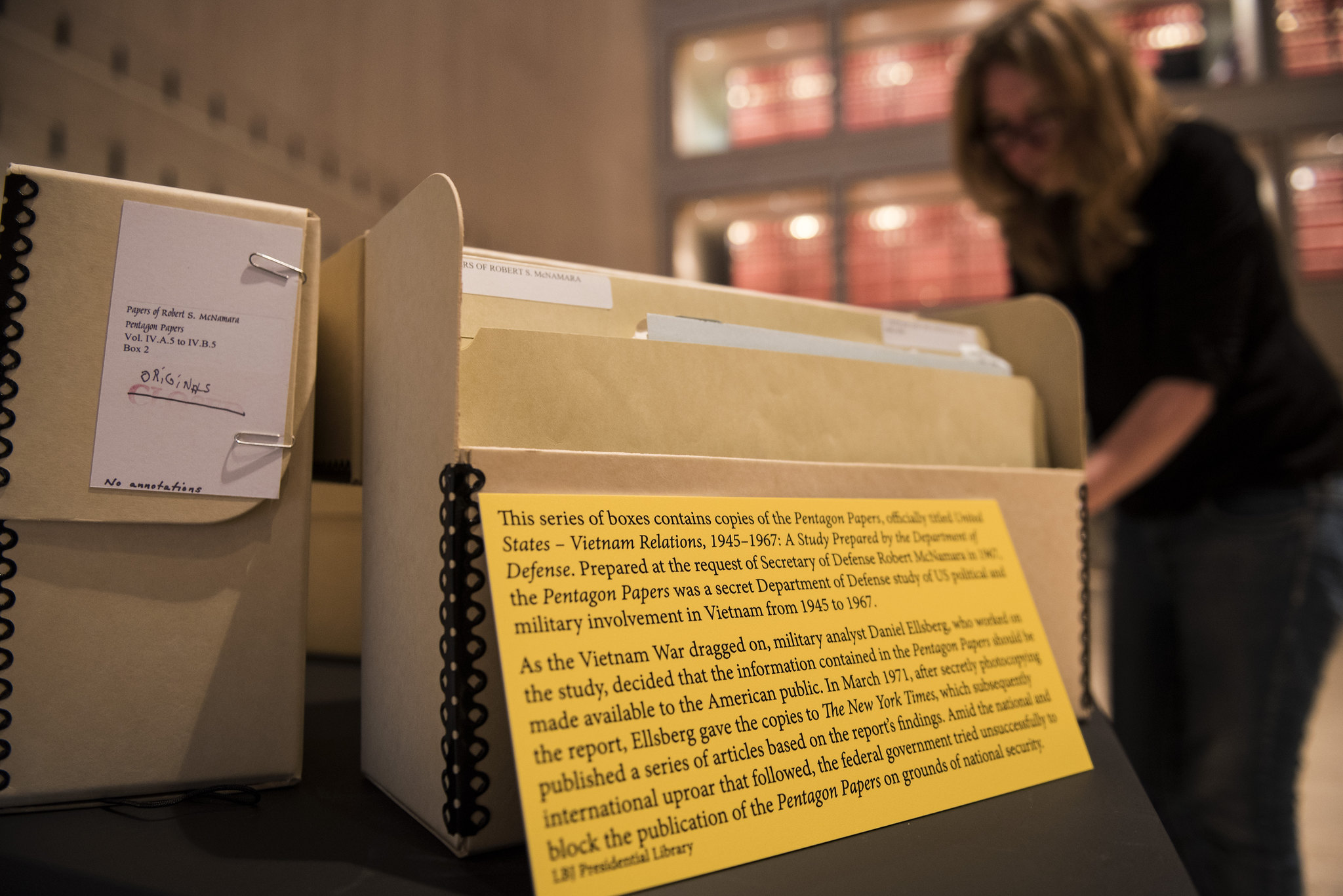
Daniel Ellsberg didn’t leak the Pentagon Papers into a vacuum — he leaked them because the official story of Vietnam was, by the government’s own internal accounting, false.
Declassified in full by 2011, this 7,000-page study commissioned by Secretary of Defense Robert McNamara revealed that four consecutive administrations had systematically deceived Congress and the public about the scope and the winnable-ness of the war. The casualty figures that had been cited publicly bore almost no resemblance to the internal estimates.
COINTELPRO
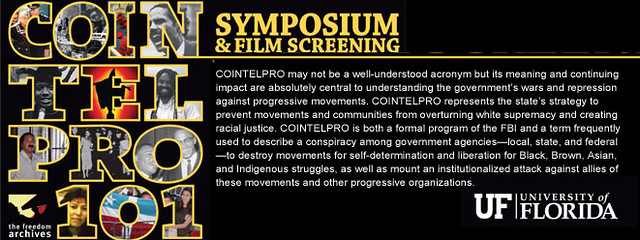
The FBI’s counterintelligence program — exposed through documents stolen from an FBI field office in Media, Pennsylvania, in 1971, and later formally declassified — targeted civil rights leaders, antiwar activists, journalists, and politicians through surveillance, blackmail, and deliberate sabotage.
J. Edgar Hoover personally authorized letters designed to break up Martin Luther King Jr.’s marriage and, in one extraordinary document, urged King to consider “the one way out” before an impending public speech. The breadth of the program, once researchers could actually read the files, went well beyond what anyone had testified to in Congress.
The Venona Project
For decades, the U.S. government denied that Soviet espionage inside its wartime agencies had reached the levels some investigators claimed.
The Venona files — decrypts of Soviet intelligence cables, partially declassified starting in 1995 — confirmed that penetration was deep, real, and far more extensive than public debate had acknowledged. The documents identified dozens of agents, including individuals whose guilt had been loudly contested for half a century. Turns out some of the controversies weren’t actually controversies.
Project SHAMROCK

Imagine a program where every single international telegram passing through the United States was collected, copied, and handed to the NSA — quietly, and with the cooperation of companies like Western Union and RCA Global. That’s what Project SHAMROCK was, running from 1945 until it was shut down in 1975 after the Church Committee began asking uncomfortable questions.
The documents detailing the program, declassified through subsequent FOIA requests, described a surveillance apparatus operating entirely without legal authority — no court orders, no congressional oversight, nothing.
The Church Committee Reports
The Church Committee reports, formally published in 1975 and 1976, represent one of the most consequential dumps of national security material in American history — covering CIA assassination plots against foreign leaders, illegal domestic surveillance, and intelligence community activities that had never been disclosed to the public or, in many cases, to elected officials.
What stunned researchers wasn’t any single revelation but the sheer accumulation: the plots against Fidel Castro, Patrice Lumumba, and Salvador Allende sitting alongside domestic mail-opening programs and infiltration of lawful political organizations. The scope was, to use a word that fits here with unusual precision, staggering.
Operation Paperclip

After World War II, the U.S. government quietly recruited over 1,600 German scientists, engineers, and technicians — many of them former Nazi Party members — and brought them to work in American aerospace, weapons, and medical research programs.
The declassified documents, released through decades of FOIA requests, showed that the State Department and the Joint Intelligence Objectives Agency had deliberately falsified or sanitized the backgrounds of recruits to make them eligible for entry. Wernher von Braun, who helped build the Saturn V rocket, was among them.
The Gulf of Tonkin Cables

The second alleged North Vietnamese attack on U.S. naval vessels in the Gulf of Tonkin in August 1964 — the one that triggered congressional authorization for the Vietnam War — almost certainly never happened.
NSA documents declassified in 2005 showed that the agency’s own analysts had concluded in real time that the second attack was not supported by the evidence, and that intercepts had been selectively translated to imply otherwise. The war that followed cost more than 58,000 American lives.
The Tuskegee Study Files
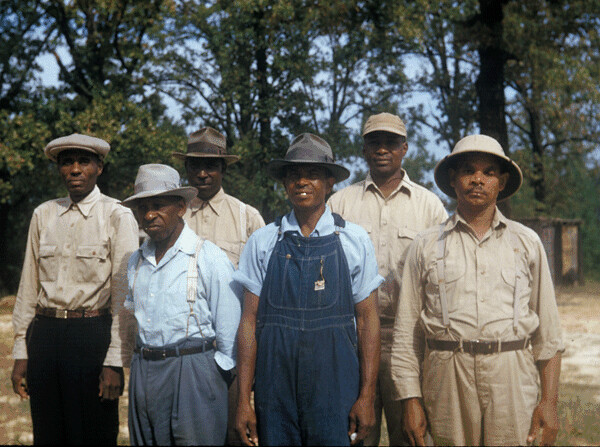
The full scope of the U.S. Public Health Service’s syphilis study — in which 399 Black men with the disease were observed but deliberately left untreated for forty years, even after penicillin became standard care — only became public knowledge after the files were declassified and leaked in 1972.
Researchers who encountered the records found not just evidence of medical neglect but active deception: participants were told they were receiving treatment when they were not. The study ran from 1932 to 1972.
Nixon’s White House Tapes
The White House tapes from the Nixon administration — subpoenaed, released under court order, and subsequently transcribed — documented the sitting president of the United States personally directing a criminal obstruction effort, discussing the CIA’s potential role in suppressing the Watergate investigation, and using language that, even decades later, researchers describe as jarring in its directness.
The eighteen-and-a-half-minute gap in one of the tapes has never been explained. The portions that survived were enough.
The Family Jewels

The CIA’s own internal audit, compiled in 1973 at the direction of Director James Schlesinger and later declassified in 2007, catalogued agency activities that its own lawyers considered illegal — including assassination plots, domestic surveillance operations, and break-ins.
The document was nicknamed “the Family Jewels” inside the agency, which tells you something about the institutional culture that produced it. It ran to nearly 700 pages and described programs that had never been reported to Congress or acknowledged publicly.
Operation Mockingbird Documents

Documents released through FOIA requests and congressional investigations in the 1970s revealed that the CIA had cultivated relationships with American journalists, editors, and media executives — placing stories, suppressing others, and using reporters as assets in foreign countries.
The precise scope of what has been called Operation Mockingbird remains contested, but the documents that do exist confirm the practice was real and deliberate. The Church Committee documented over 400 journalists who had some form of contact with the agency.
The Iran-Contra Files
The Reagan administration secretly sold weapons to Iran — which was under an arms embargo — and funneled the proceeds to Contra rebels in Nicaragua, in direct violation of the Boland Amendment, which Congress had specifically passed to prevent exactly that.
The declassified documents, including NSC memos and Oliver North’s notebooks, revealed a covert operation run out of the White House basement that bypassed every normal oversight mechanism. North’s notebooks, in particular, read like a ledger of things that were never supposed to be written down.
The KUBARK Interrogation Manual
The CIA’s 1963 interrogation manual — declassified in 1997 after a FOIA request by the Baltimore Sun — detailed psychological and physical coercion techniques developed partly through MKUltra research, including sensory deprivation, prolonged isolation, and induced regression.
Its clinical language is what hits hardest: it reads like a technical manual, not a record of abuse. The document directly informed later interrogation programs decades after its composition.
The East German STASI Cooperation Files
Documents declassified from State Department archives revealed the extent to which East German intelligence and the CIA had — at various points during the Cold War — maintained working relationships of mutual convenience, sharing information on targets of common interest.
The architecture of those arrangements, laid out in dry bureaucratic language, corrected a clean narrative about how Cold War intelligence actually worked in practice.
Project ARTICHOKE

Predating MKUltra and in some respects more brutal, Project ARTICHOKE explored whether the CIA could produce a “Manchurian candidate” — an individual who could be compelled to carry out actions they would not consciously choose.
Declassified documents describe experiments involving hypnosis, drug combinations, and coercive techniques on prisoners and foreign nationals in off-site locations. The program ran from 1951 to at least 1956, and some files remain classified to this day.
The Atomic Testing Downwinder Files
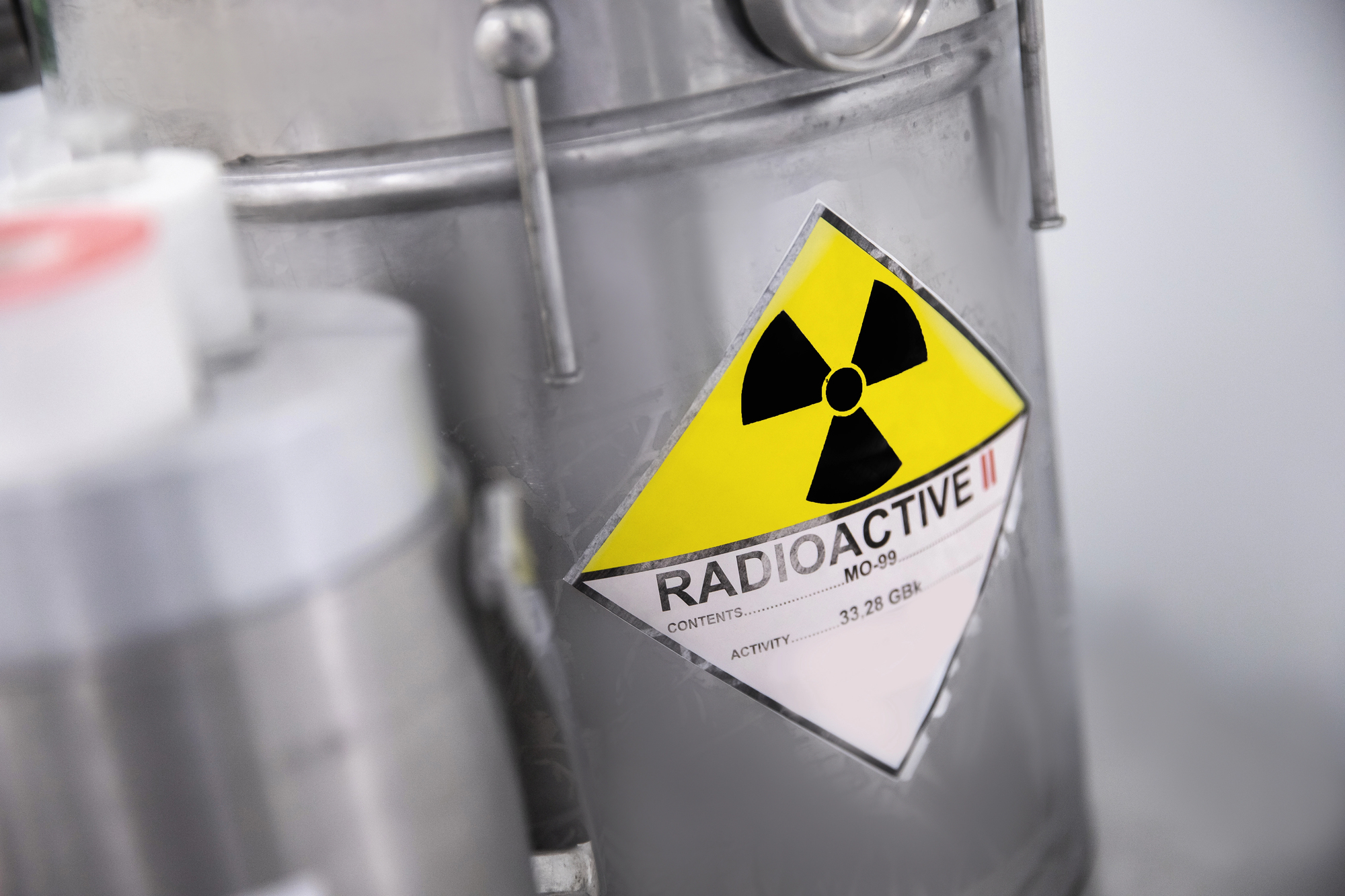
Documents declassified through a combination of Energy Department reviews and congressional pressure in the 1990s revealed that the U.S. government had conducted atmospheric nuclear tests in Nevada while knowing that fallout was drifting over populated areas in Utah, Nevada, and Arizona — and had actively suppressed internal studies that documented the health risks.
Communities downwind, called downwinders, had elevated rates of cancer for decades. The documents showed officials knew.
The JFK Assassination Records
The 2017 and 2022 releases of JFK assassination files — mandated by the 1992 JFK Records Act — included CIA cables, FBI surveillance reports, and internal communications that revealed the agency had been tracking Lee Harvey Oswald in the weeks before the assassination, including his contact with Soviet and Cuban officials.
The documents don’t resolve what happened on November 22, 1963, but they conclusively demonstrated that official accounts of what the intelligence community knew beforehand were incomplete.
The My Lai Cover-Up Documents
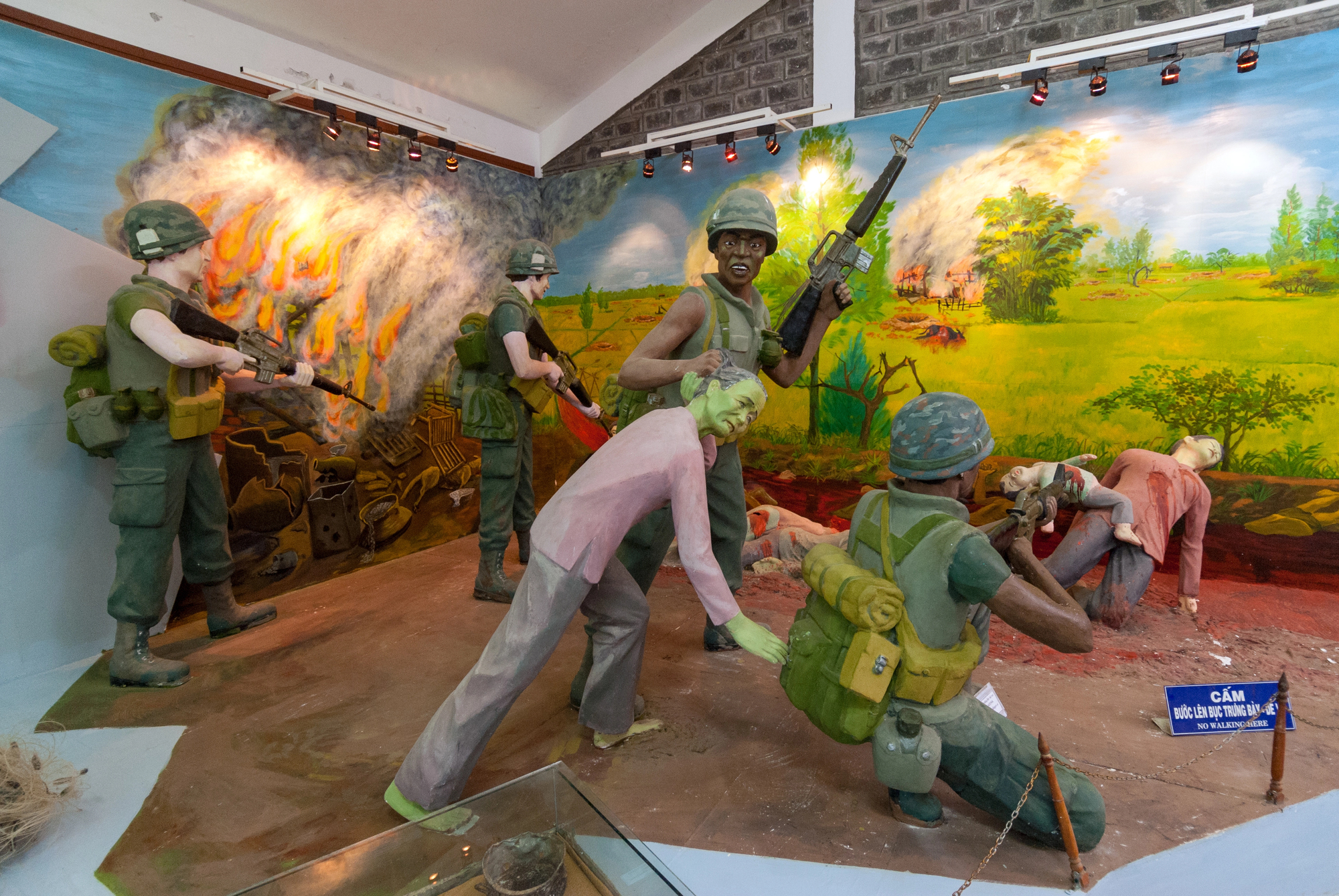
The massacre at My Lai in March 1968, in which U.S. Army soldiers killed hundreds of unarmed Vietnamese civilians, was already a documented atrocity — but the documents that emerged through congressional investigations and subsequent declassification showed the Army had conducted an internal cover-up that reached well above the unit level.
Reports had been filed, reviewed, and buried. The military justice system had been aware that something had happened long before the story became public.
The COINTELPRO Black Panther Files
Within the broader COINTELPRO archive, the files targeting the Black Panther Party stand out for their operational specificity — informants recruited inside the organization, forged letters designed to provoke violence between rival groups, and coordinated efforts between the FBI and local police departments.
Documents from 1969 show FBI agents actively working to ensure that tensions between the Panthers and the US Organization in Los Angeles would escalate. Several people died in the resulting confrontations.
The NSA Domestic Surveillance Expansion Memos
Internal NSA documents declassified (and, in some cases, leaked by Edward Snowden in 2013 before formal review) showed that the agency had interpreted its legal authority under the PATRIOT Act to permit bulk collection of telephone metadata on essentially every American phone user — a reading of the law that the relevant FISA court judge later described as having been conducted entirely in secret, without adversarial challenge.
The legal memos justifying the program were later found to be deeply flawed by multiple federal courts.
The Detainee Torture Memos
The “torture memos” — written by Justice Department lawyers John Yoo and Jay Bybee in 2002 and declassified under pressure in 2009 — redefined the legal definition of torture so narrowly that most techniques used at CIA black sites and Guantanamo fell outside it.
The Senate Intelligence Committee’s report on CIA detention and interrogation, released in 2014, described techniques that exceeded even what the memos had authorized. The gap between the legal framework and what actually occurred was, researchers found, considerable.
The Phoenix Program Records
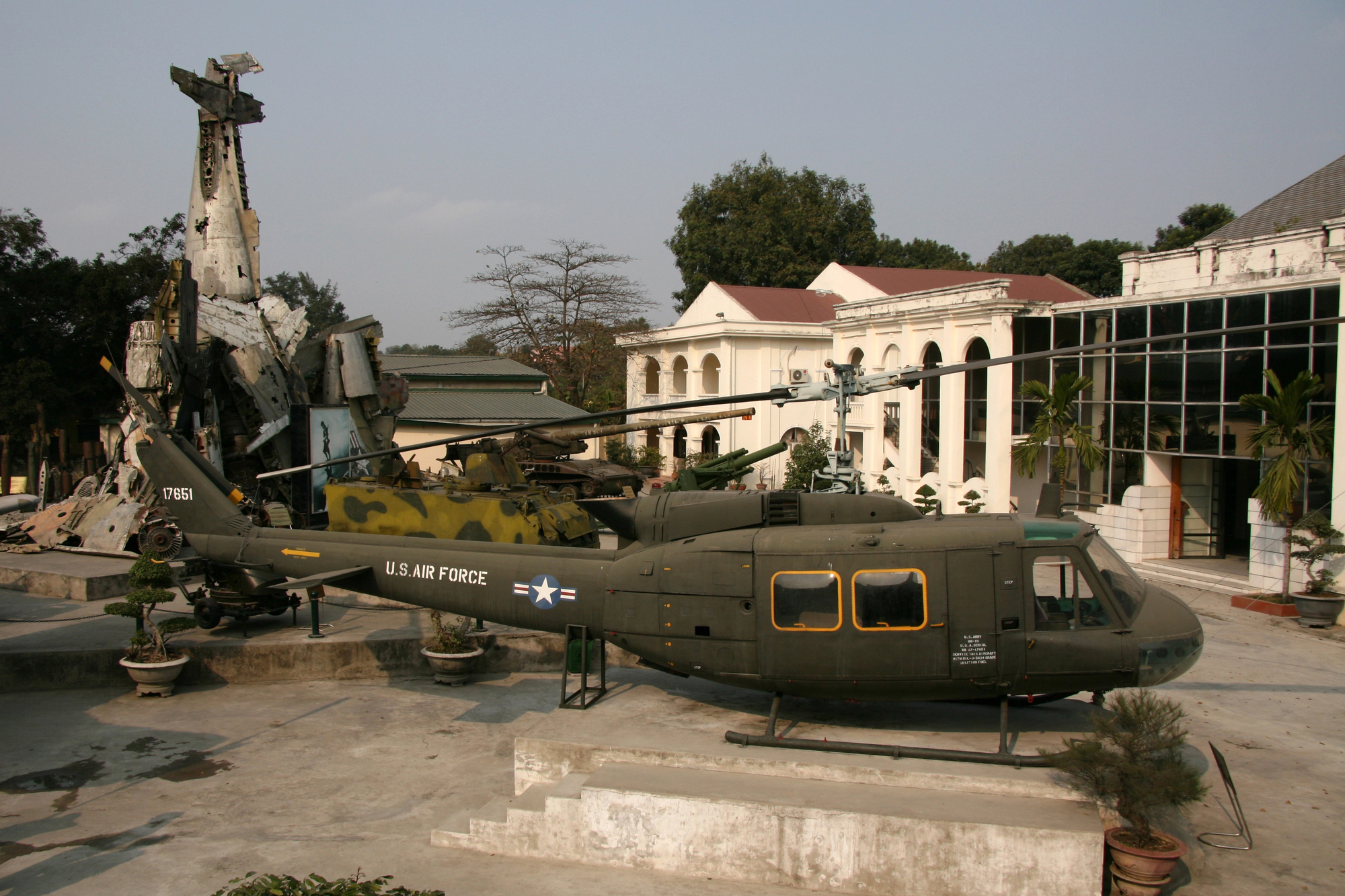
The Phoenix Program in Vietnam — a joint CIA, U.S. military, and South Vietnamese intelligence operation aimed at neutralizing the Viet Cong’s civilian infrastructure — resulted in the deaths of tens of thousands of people, including civilians identified through informant networks of widely varying reliability.
Declassified records showed that kill quotas existed, that due process was essentially absent, and that the program’s architects understood this. Director William Colby later testified to Congress that approximately 20,587 people had been killed under the program.
The Unit 731 Non-Prosecution Agreement

After World War II, the U.S. government secretly agreed not to prosecute Japanese scientists who had conducted lethal biological and chemical experiments on prisoners — many of them Chinese, Korean, and American POWs — in exchange for the research data.
Declassified documents from the late 1990s confirmed what historians had suspected: the decision was deliberate, made at the highest levels, and kept from the public and from international tribunals at Nuremberg. The scientists walked free. The data went to Fort Detrick.
The Indonesian Coup Lists

State Department cables and CIA documents declassified in 2017 confirmed that U.S. officials had provided lists of Communist Party members to Indonesian military officers during the 1965-66 purge that killed an estimated 500,000 people.
The documents showed American diplomats tracking the killings with something closer to satisfaction than horror, describing the elimination of the PKI as a positive development for U.S. strategic interests. Some of the names on those lists were crossed off as confirmations came in.
The Secret War in Laos Files
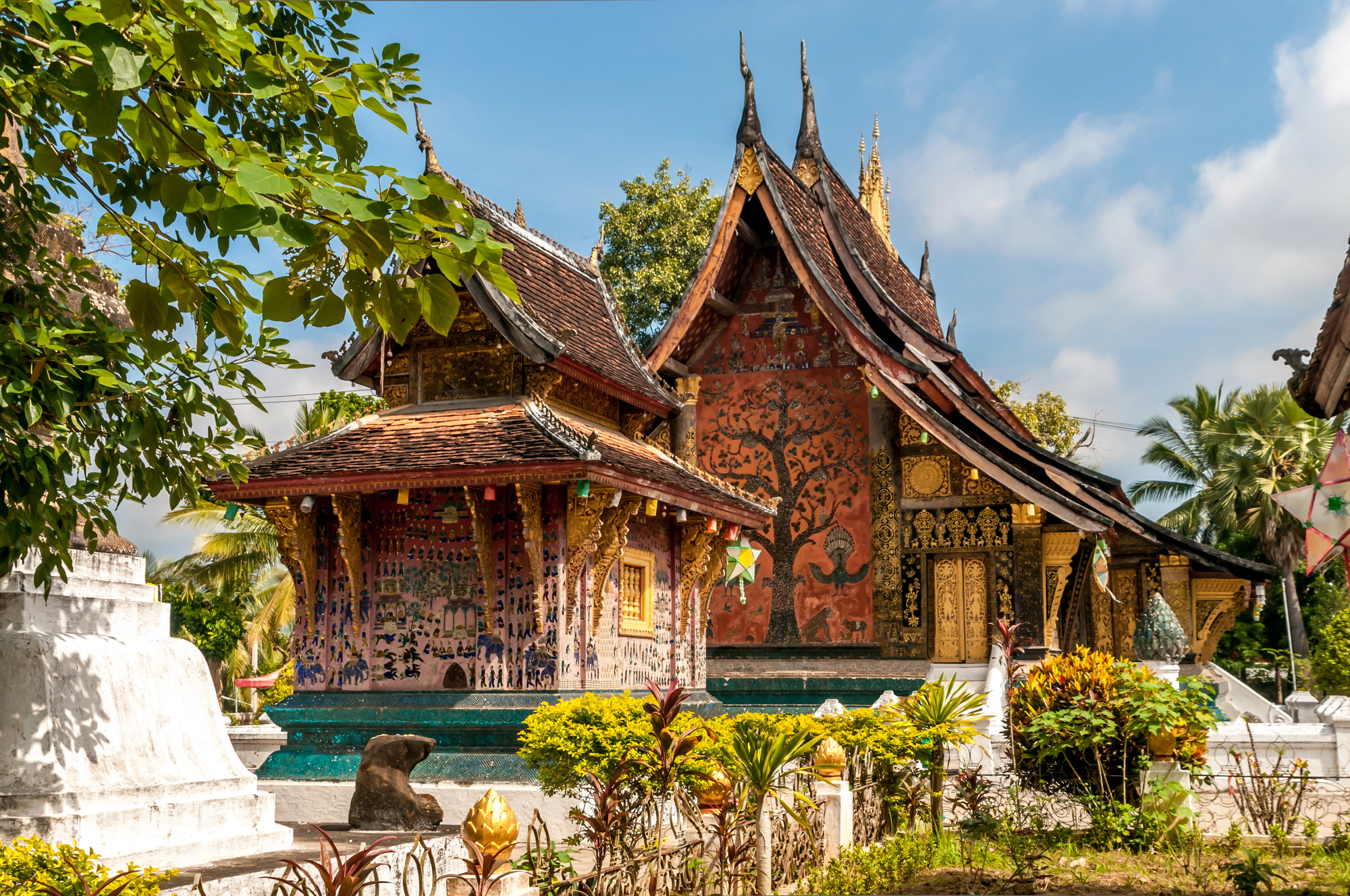
Between 1964 and 1973, the CIA ran a covert air war over Laos — the most heavily bombed country per capita in history — without public acknowledgment and with only limited congressional oversight.
Declassified records detailed the full scope of the program, including the recruitment of Hmong fighters, the scale of bombing campaigns, and internal assessments that concluded the military strategy was failing years before it ended. Laos still contains more unexploded ordnance per square mile than any country on Earth.
The CHAOS Domestic Surveillance Files
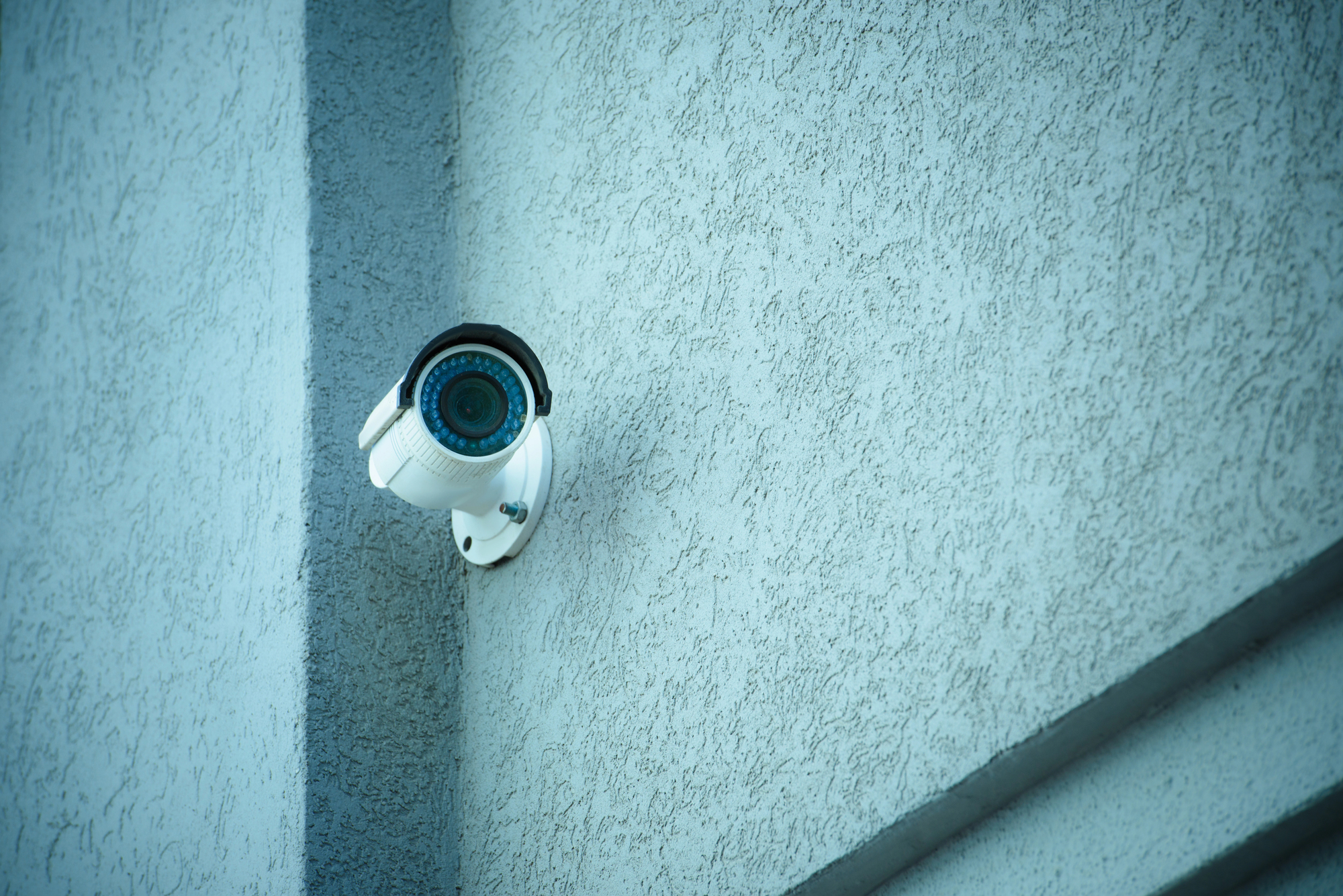
Operation CHAOS, run by the CIA from 1967 to 1974, collected files on more than 7,200 American citizens and 1,000 domestic organizations — ostensibly to determine whether the antiwar movement had foreign backing.
The declassified records showed that analysts concluded, repeatedly, that no significant foreign direction existed, and that the program continued anyway. The CIA is legally prohibited from conducting domestic surveillance. The files existed regardless.
The Atomic Veterans Radiation Exposure Records
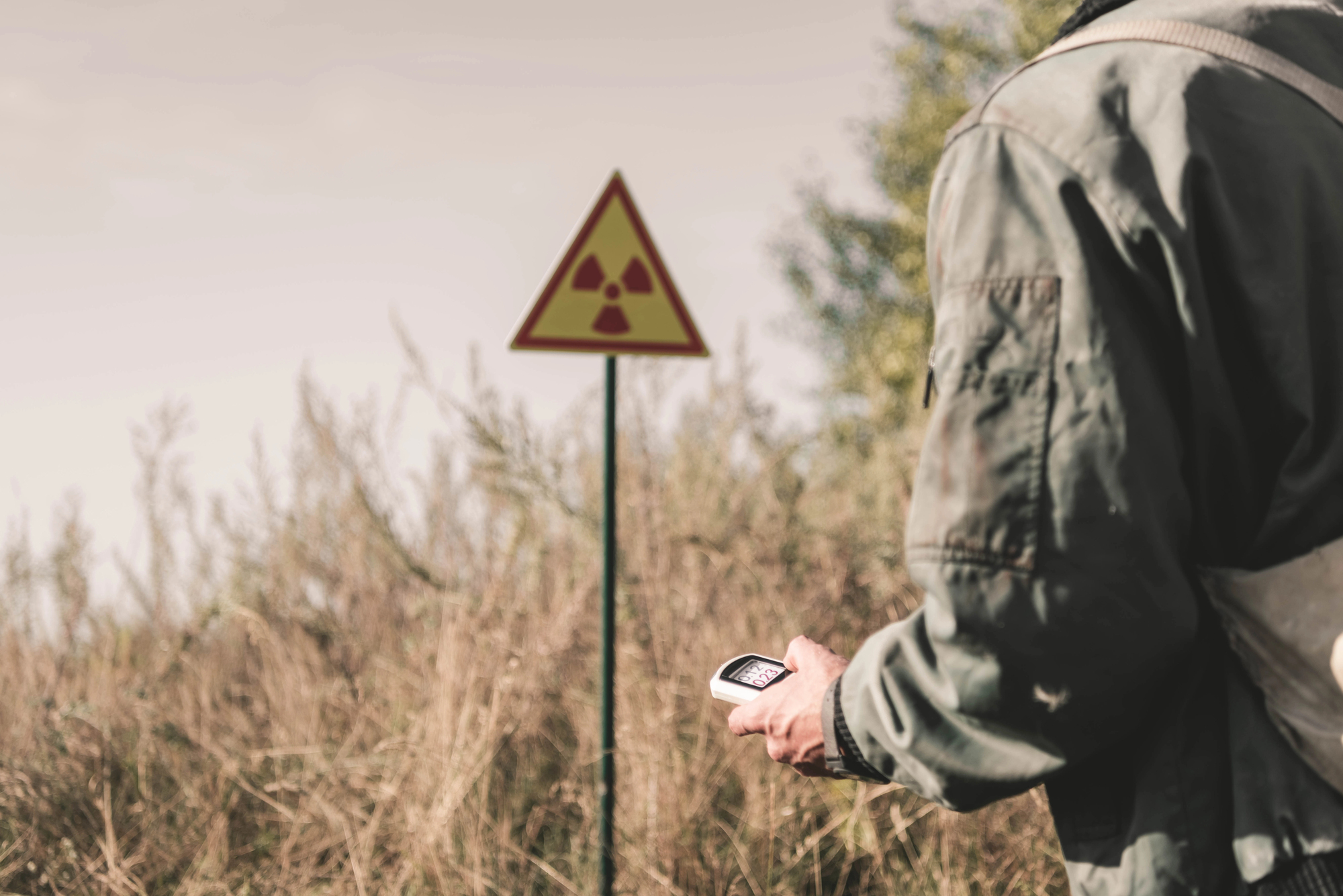
Hundreds of thousands of U.S. military personnel were ordered to observe or participate in nuclear weapons tests, sometimes positioned within miles of detonations, without adequate protective gear or informed consent.
Documents declassified through Veterans Administration reviews and congressional pressure in the 1990s showed that the military had tracked radiation exposure data on test participants — and had declined to share it with them or with their physicians when they developed cancers years later. Some veterans died waiting for records that showed the government already knew.
The SERE Reverse Engineering Files

The military’s SERE program — Survival, Evasion, Resistance, Escape — was designed to teach American soldiers how to resist interrogation if captured.
Declassified Senate Armed Services Committee documents revealed that after 9/11, the CIA and military interrogators had reverse-engineered SERE’s resistance techniques and applied them offensively to detainees. The psychologists who consulted on this process earned contracts worth over $80 million. The documents showed that senior officials, including the Secretary of Defense, had approved the approach.
What the Paper Trail Keeps Saying

History, it turns out, is rarely as clean as the version that gets told first. These documents don’t just reveal wrongdoing — they reveal the stubborn, recurring gap between what governments say they do and what the paper trail shows they actually did.
Every one of these files sat in a drawer or a vault while the official narrative held firm, while families buried people, while trials concluded, while careers were made explaining away the very things that were quietly written down and filed. The documents were always there. The question was always whether anyone would look — and whether, once found, anyone would believe what they said.
More from Go2Tutors!

- The Romanov Crown Jewels and Their Tragic Fate
- 13 Historical Mysteries That Science Still Can’t Solve
- Famous Hoaxes That Fooled the World for Years
- 15 Child Stars with Tragic Adult Lives
- 16 Famous Jewelry Pieces in History
Like Go2Tutors’s content? Follow us on MSN.