Essential Facts About the History of Money
Money shapes every aspect of modern life, but its journey from ancient commodities to digital currency spans thousands of years.
The story of money reveals how human societies solved the fundamental problem of exchange and built the economic systems that power our world today.
Here is a list of essential facts about the history of money.
Barter Came Before Money
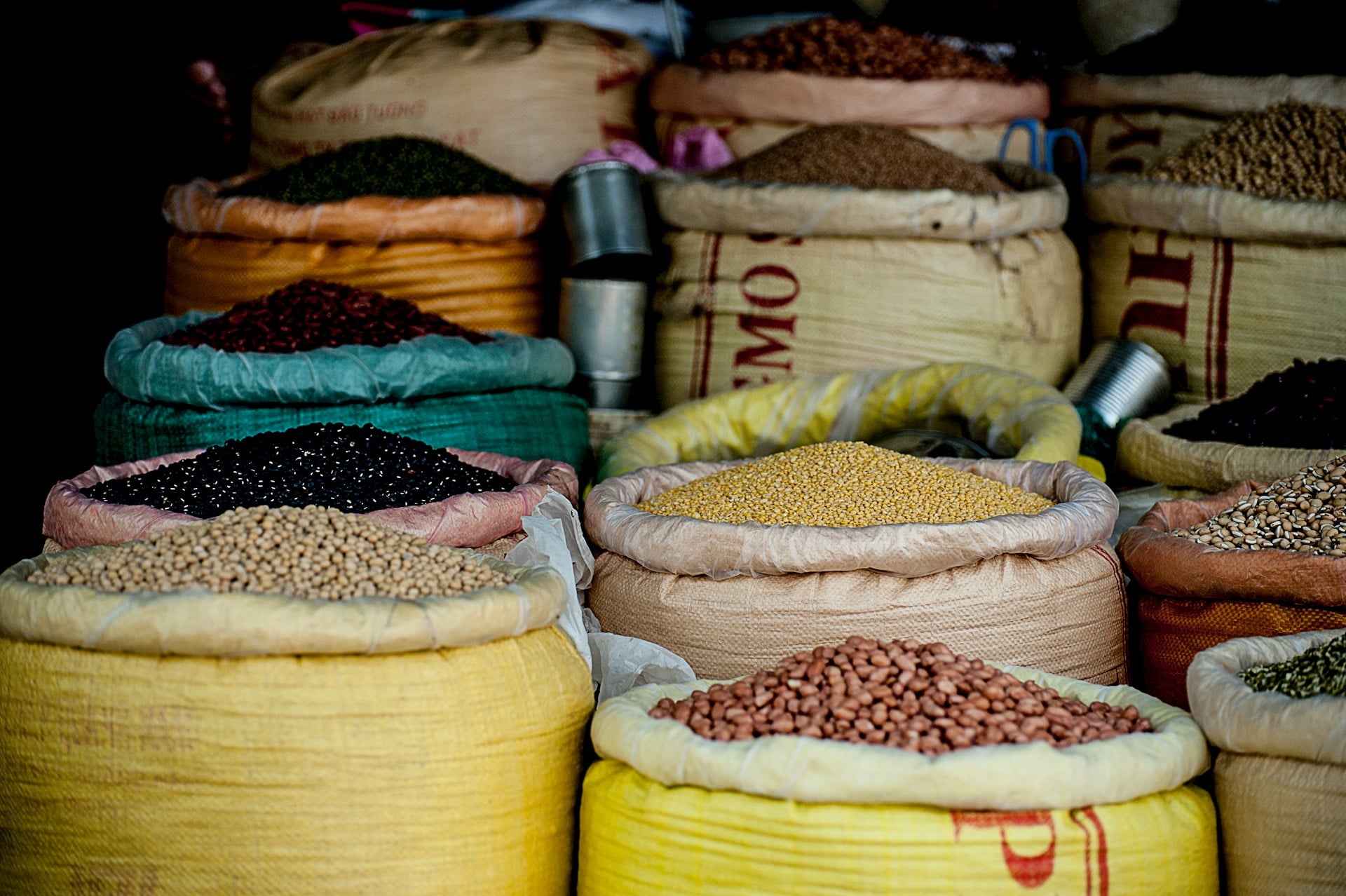
The barter system likely emerged tens of thousands of years ago, possibly dating back to the dawn of modern humans.
People exchanged goods and services directly without any standardized medium of exchange.
However, barter was never used systematically within a society and played little role in the emergence of money.
The main problem was finding someone who both had what you wanted and wanted what you had—economists call this the ‘double coincidence of wants.’
Imagine needing shoes but only having bananas to trade; you’d have to find someone with shoes who specifically wanted bananas, which made trade incredibly inefficient.
Cowrie Shells Were the Longest-Used Currency
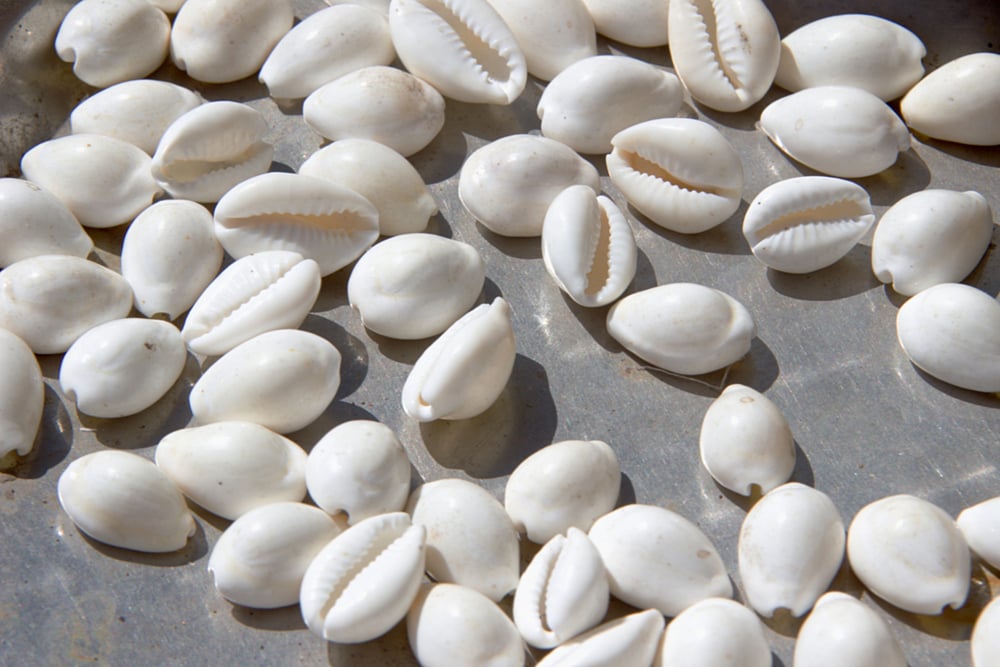
Cowrie shells, which came from mollusks found in the shallow waters of the Pacific and Indian Oceans, were first used as money in China and represent the most widely and longest-used currency in history.
These small, durable shells had several advantages that made them perfect for early currency.
They were similar in size, portable, and difficult to counterfeit.
As recently as the middle of the 20th century, cowries were still being used as currency in some parts of Africa.
Their longevity as a form of money—spanning thousands of years across multiple continents—demonstrates how effective they were as a medium of exchange.
Livestock Served as the First Form of Money

Cattle, which throughout history and across the globe have included not only cows but also sheep, camels, and other livestock, are the first and oldest form of money.
With the advent of agriculture also came the use of grain and other vegetable or plant products as a standard form of barter in many cultures.
These commodity forms of money had intrinsic value—you could eat the grain or use the livestock for labor.
The word ‘capital’ itself comes from the Latin word for head, referring to heads of cattle, showing just how deeply embedded this concept was in ancient economic thinking.
The First Metal Coins Appeared in Lydia
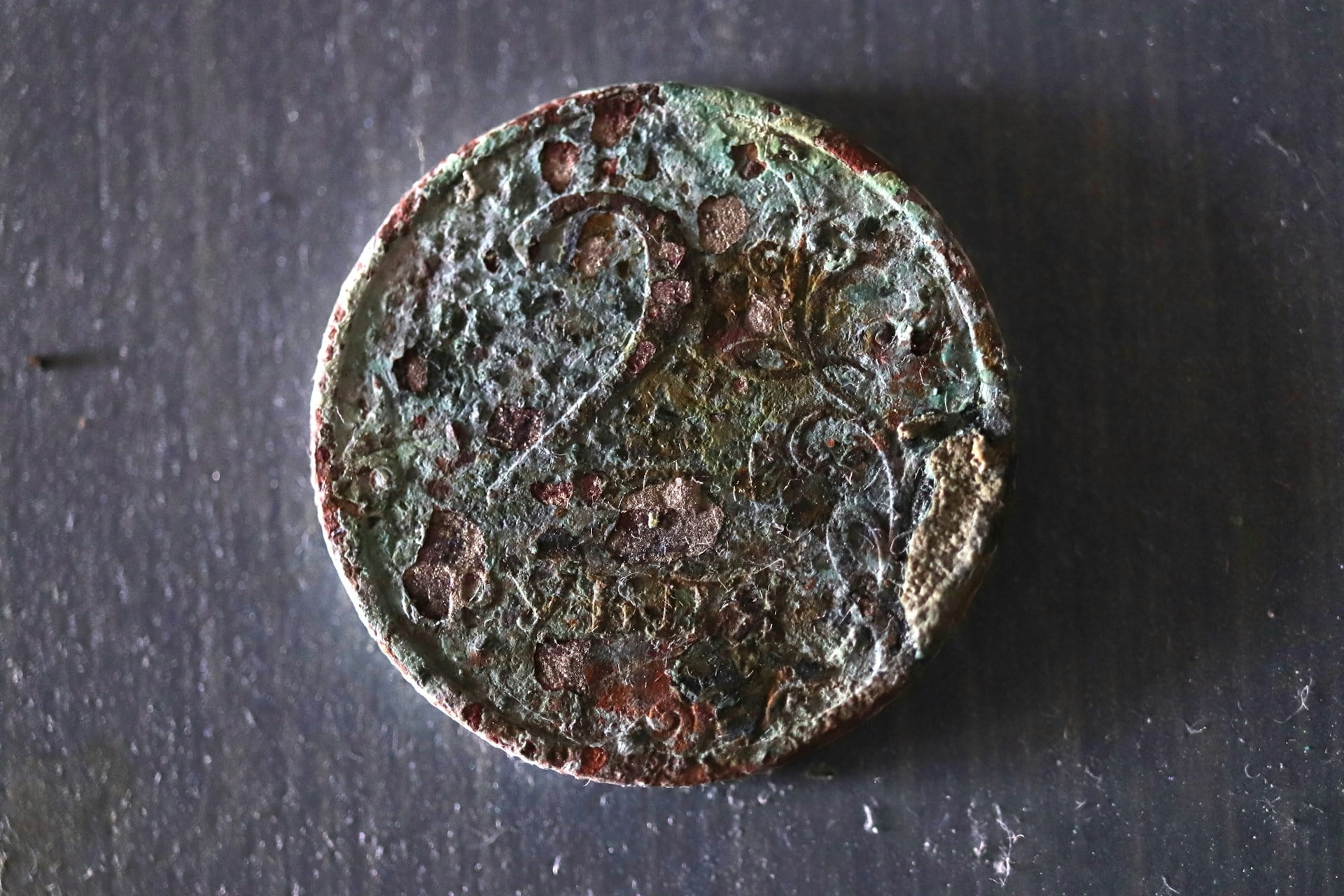
Around 630 BCE, someone in the Anatolian kingdom of Lydia stamped a piece of precious metal with something similar to a signet ring, creating what would become the world’s first standardized coins.
This simple act increased confidence in the metal’s weight and purity when used in the marketplace, allowing merchants to set aside their cumbersome scales and weights.
Before this innovation, every transaction required weighing and testing metal to verify its value.
The Lydian invention revolutionized commerce by creating a system based on trust and standardization rather than constant verification.
Electrum Was the Original Coin Material
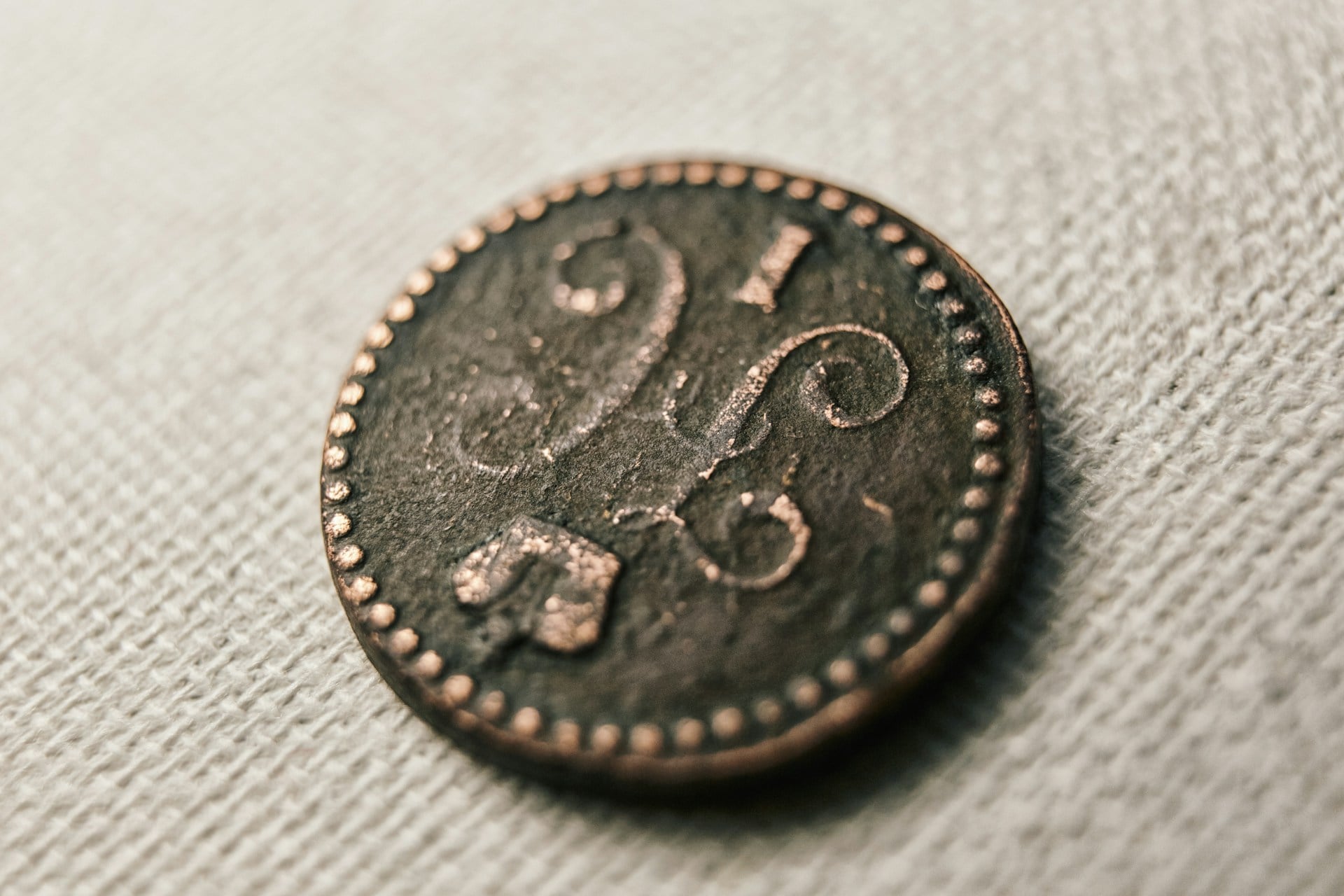
The earliest known coins were made of electrum, a naturally occurring alloy of gold and silver that dates back to the last quarter of the 7th century BC.
Electrum was found in stream-bed deposits in Lydia, where the gold content ranged from 70% to 90% in naturally occurring deposits.
The metal was much better for coinage than pure gold because it was harder and more durable, and because techniques for refining gold were not widespread at the time.
The distinctive yellow color of electrum coins, stamped with the Lydian royal symbol of a roaring lion, made them instantly recognizable throughout the ancient trading world.
King Croesus Created the First Bimetallic Currency
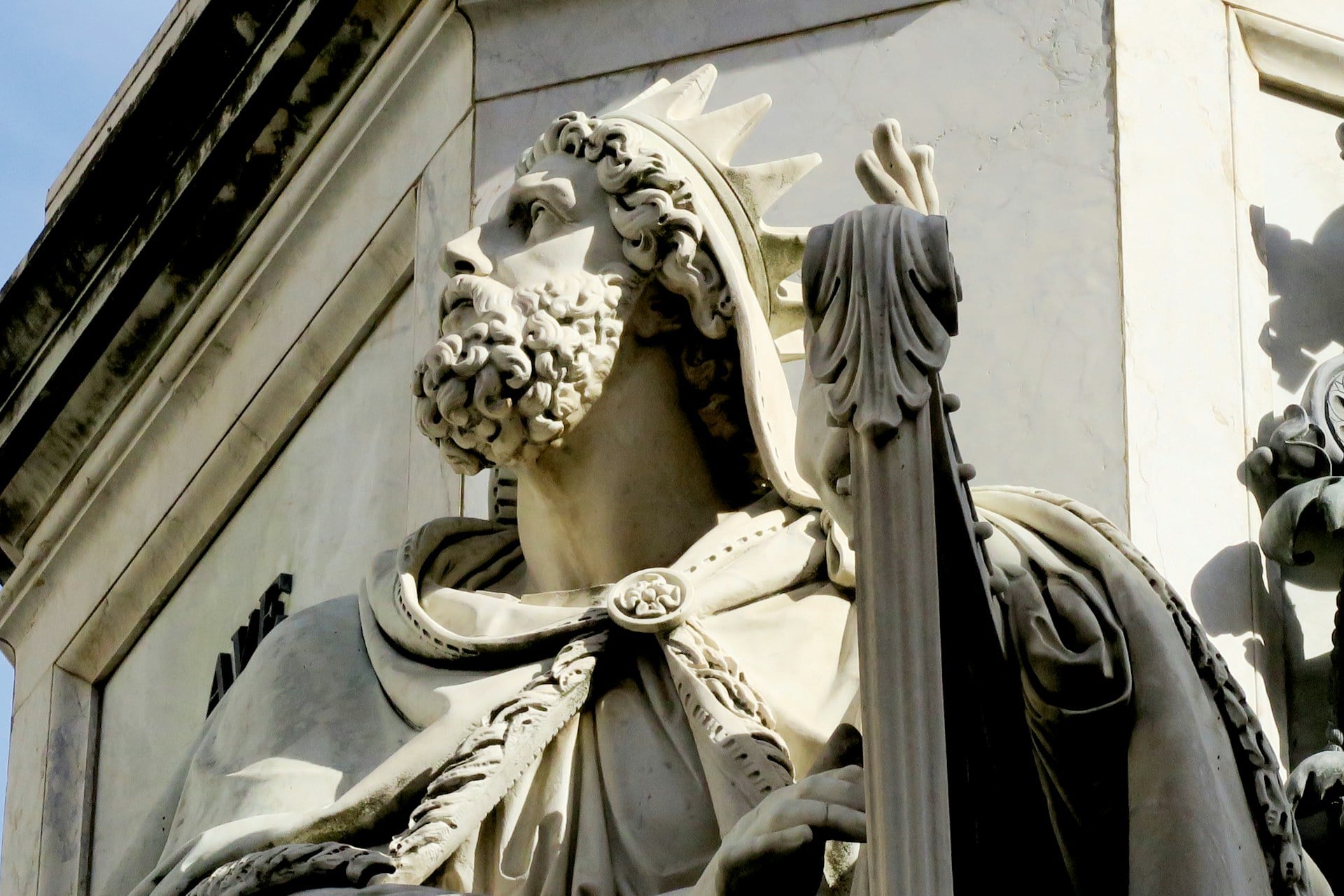
Around the middle of the sixth century BCE, King Croesus of Lydia reformed the currency by calling in electrum coins and exchanging them with a bimetallic coinage of pure gold and pure silver.
These new solid gold coins, known throughout the ancient Greek world as ‘Croeseids,’ traveled widely and gained popularity as a kind of international trade currency in the Aegean world.
This innovation came after the Lydians developed the technology to separate electrum into its component metals.
The reform established a more reliable system where coins had predictable, consistent value based on their metal content.
China Invented Paper Money
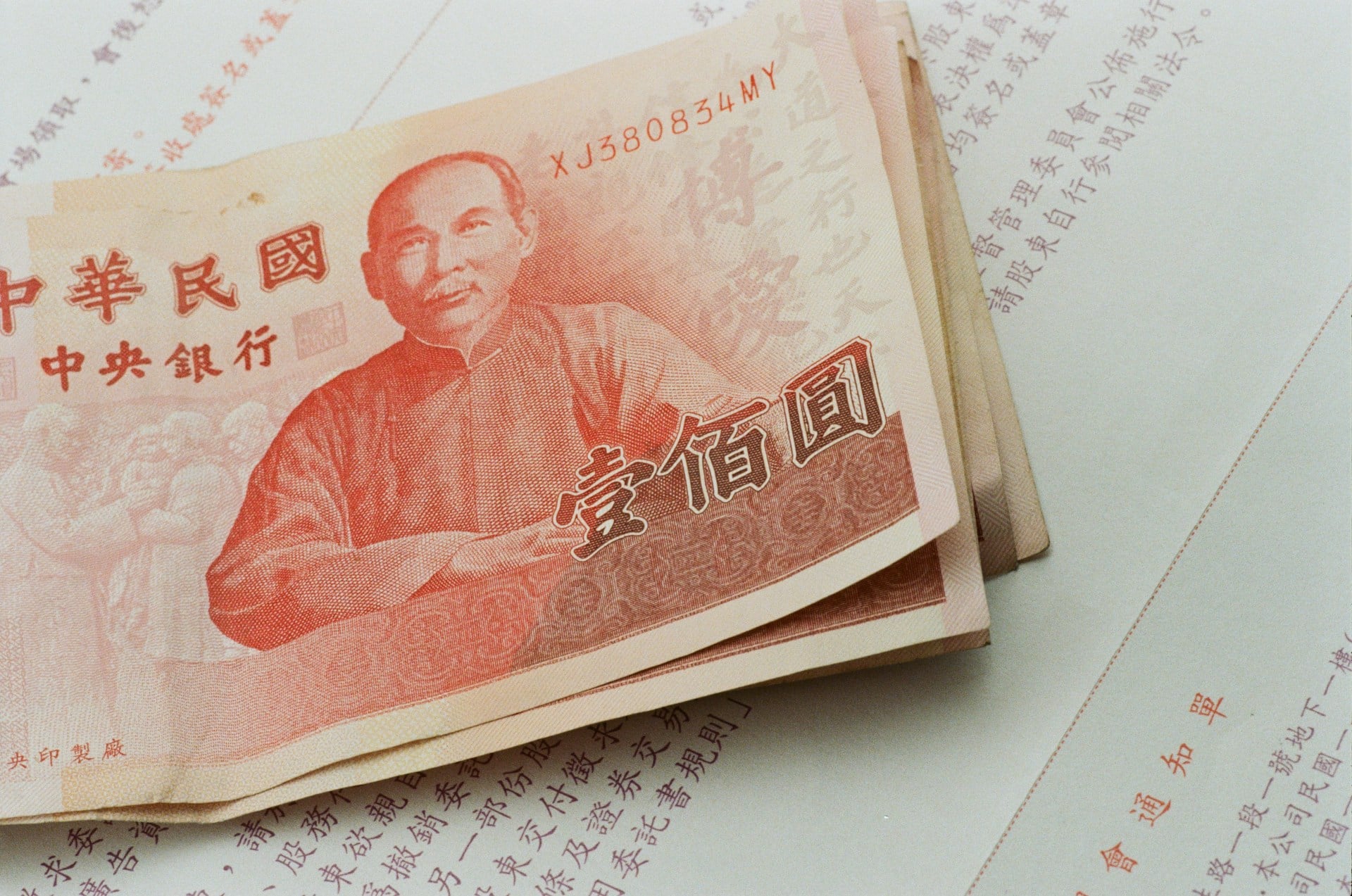
The inception of paper money can be traced back to ancient China, specifically during the Tang dynasty around the ninth century.
China experienced over 500 years of early paper money, spanning from the ninth through the fifteenth century.
The invention emerged from practical needs—carrying large amounts of metal coins was cumbersome for merchants.
However, over this period, paper notes grew in production to the point that their value rapidly depreciated and inflation soared, and beginning in 1455, the use of paper money in China disappeared for several hundred years.
This early experiment taught a crucial lesson about monetary policy that governments would have to relearn repeatedly throughout history.
The Romans Gave Us the Word ‘Money’

The Romans contributed to the evolution of money by introducing the term ‘money,’ derived from Juno, the patron goddess of the Roman Republic.
The name came from the temple of Juno Moneta at Rome, which was the location of the mint of Ancient Rome.
The association between this temple and coin production was so strong that derivatives of ‘Moneta’ spread into various Latin-based languages.
This linguistic legacy reflects Rome’s enormous influence on Western economic systems, as the empire used standardized coinage to unify and control its vast territories.
Mayans Used Chocolate as Currency

During the Classical Mayan period (200–900 CE), cocoa beans gained recognition as a form of currency among the Mayans, with murals and mosaics from this era depicting Mayan kings accepting marked bags of cocoa beans as tax payments.
The discovery of counterfeit cocoa pods further supports the notion of cocoa being used as currency.
The beans were valuable enough that people attempted to create fakes—a testament to their importance in the Mayan economy.
Unlike many other forms of commodity money, chocolate had the interesting characteristic of being both valuable for trade and consumable, creating natural limits on hoarding.
Counterfeiting Is as Old as Currency Itself
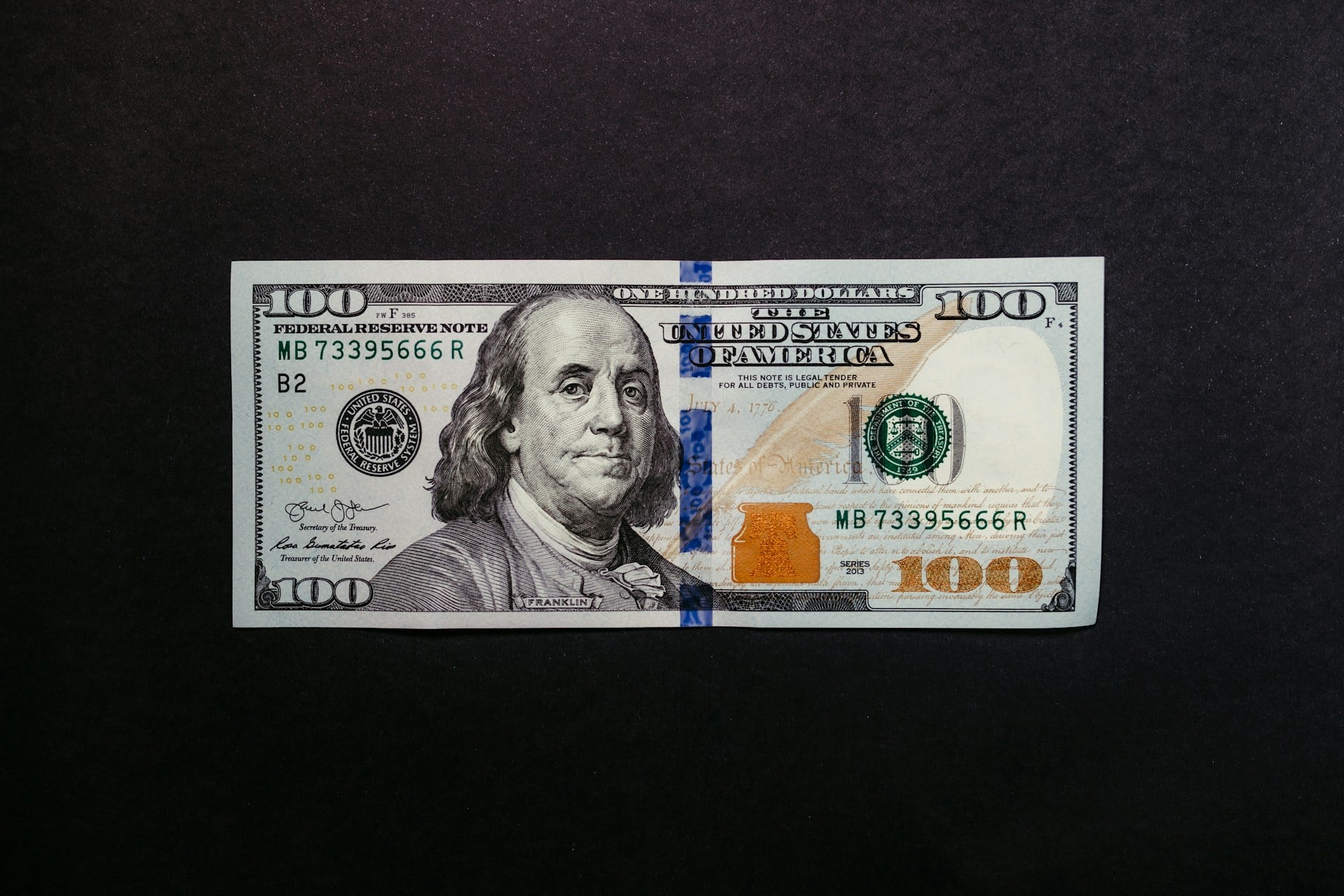
Counterfeiting dates to the invention of money, and even wampum—the tubular shell beads used by Native Americans—was targeted by counterfeiters.
The problem became so severe that harsh penalties were enacted worldwide.
Chinese currency from about the 14th century carried the warning that counterfeiters would be decapitated, and England was known for punishing perpetrators by burning them at the stake.
Ben Franklin, who owned a firm that printed money for several colonies, notably misspelled Pennsylvania, believing that counterfeiters would correct the error in their forgeries.
This clever anti-counterfeiting technique shows how the battle between authorities and forgers has driven innovation throughout monetary history.
Goldsmiths Became Early Bankers

Goldsmiths in England had been craftsmen, bullion merchants, money changers, and money lenders since the 16th century.
After King Charles I seized private gold stored in the Royal Mint in 1640 as a forced loan, merchants preferred to store their gold with the goldsmiths of London, who possessed private vaults and charged a fee for that service.
In exchange for each deposit of precious metal, the goldsmiths issued receipts certifying the quantity and purity of the metal they held in trust.
These receipts eventually began circulating as a form of paper money, laying the groundwork for modern banking systems where paper represents value stored elsewhere.
Medieval England Used Wooden Tally Sticks

In the 12th century, the English monarchy introduced an early version of the bill of exchange in the form of a notched piece of wood known as a tally stick.
Tallies originally came into use at a time when paper was rare and costly, but their use persisted until the early 19th century, even after paper money had become prevalent.
The notches on these sticks denoted various amounts of taxes payable to the Crown.
The stick would be split lengthwise, with the taxpayer keeping one half as a receipt and the Crown keeping the other—a simple but effective system that prevented fraud since both pieces had to match perfectly.
The Gold Standard Stabilized Currency Value
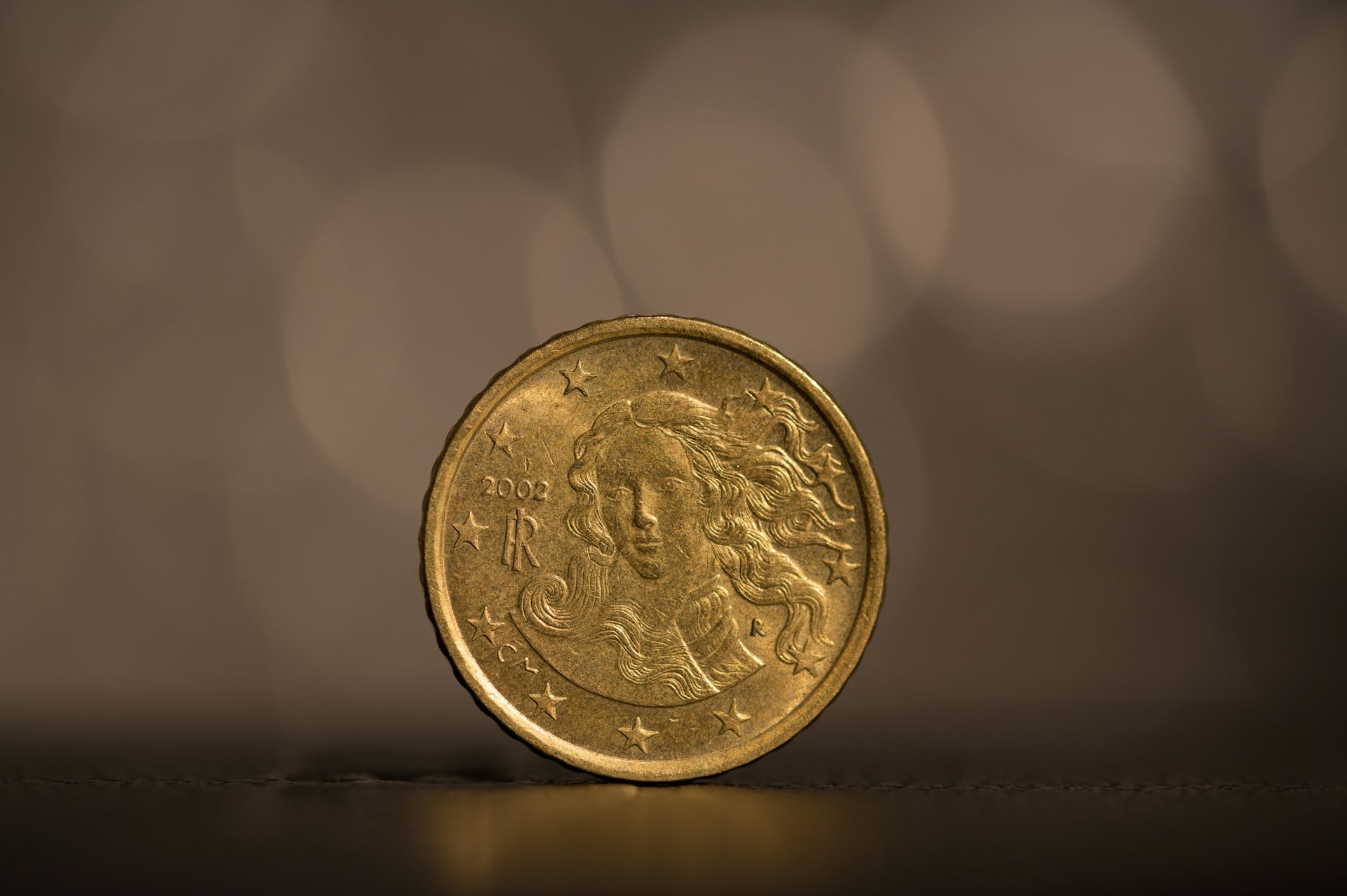
In 1816, gold became the standard of value in England, with each bank note representing a certain amount of gold, so only a limited number of bank notes could be printed.
By 1900, the United States had followed suit with the Gold Standard Act.
This system gave previously unbacked currency a semblance of value and stability by tying it to a physical commodity with recognized worth.
While the gold standard would slowly fade out of usage by the 1970s, it played an important role in the history of U.S. money.
The abandonment of the gold standard marked a major shift toward fiat currency, where money’s value comes from government decree rather than precious metal backing.
America’s First Paper Money Funded a War
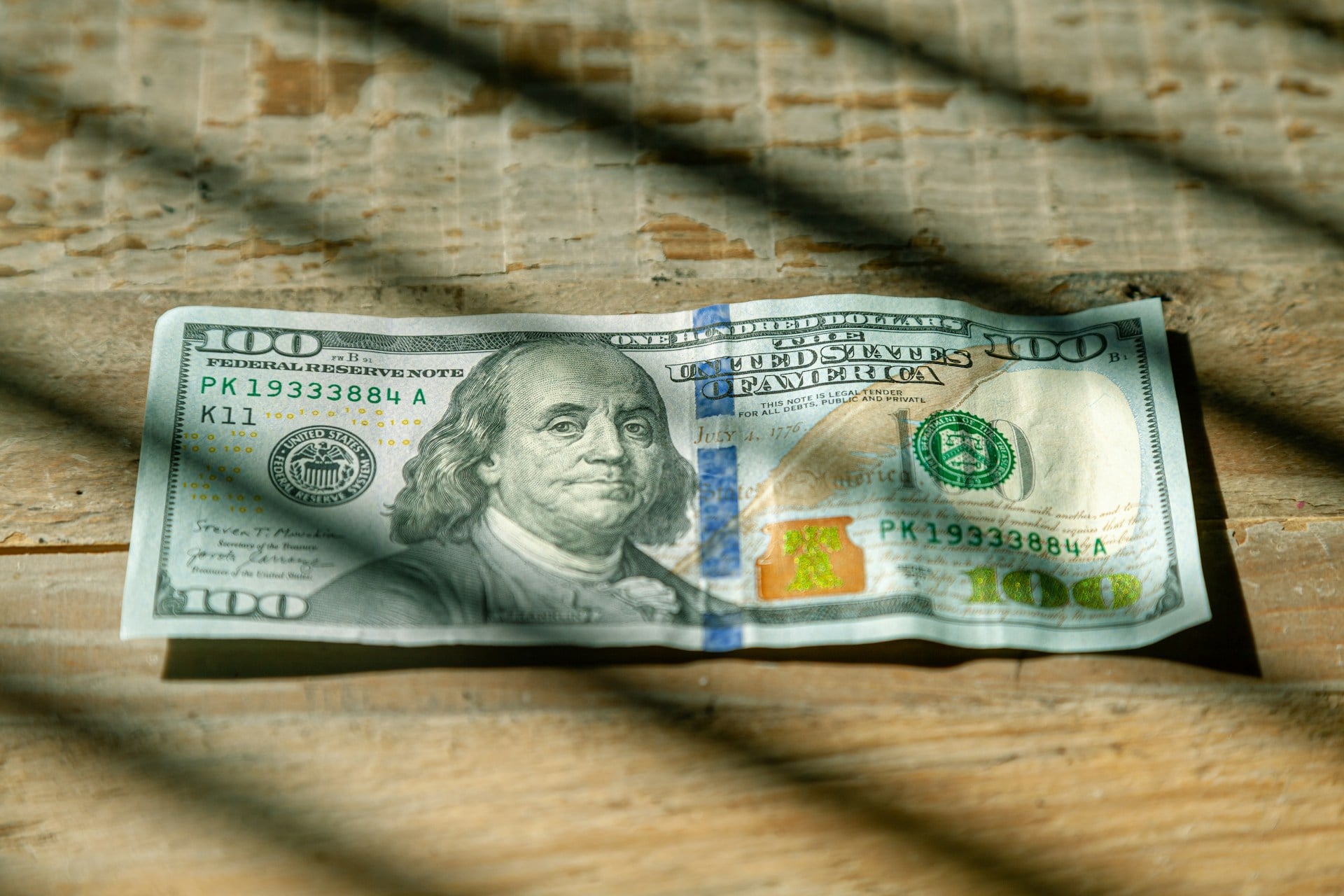
The first U.S. paper money was Continental Currency, which was printed to help finance the Revolutionary War.
After the war, the Continental became worthless and coins continued to be the main form of money.
This early disaster with paper currency made Americans deeply suspicious of it for decades.
During the Civil War, coins became scarce and the government began to print paper money again, which was printed with green ink on one side and became known as greenbacks.
The government eventually overcame public resistance by promising to back the paper money with gold, establishing trust in a system that would eventually dominate American commerce.
Credit Cards Transformed Modern Commerce
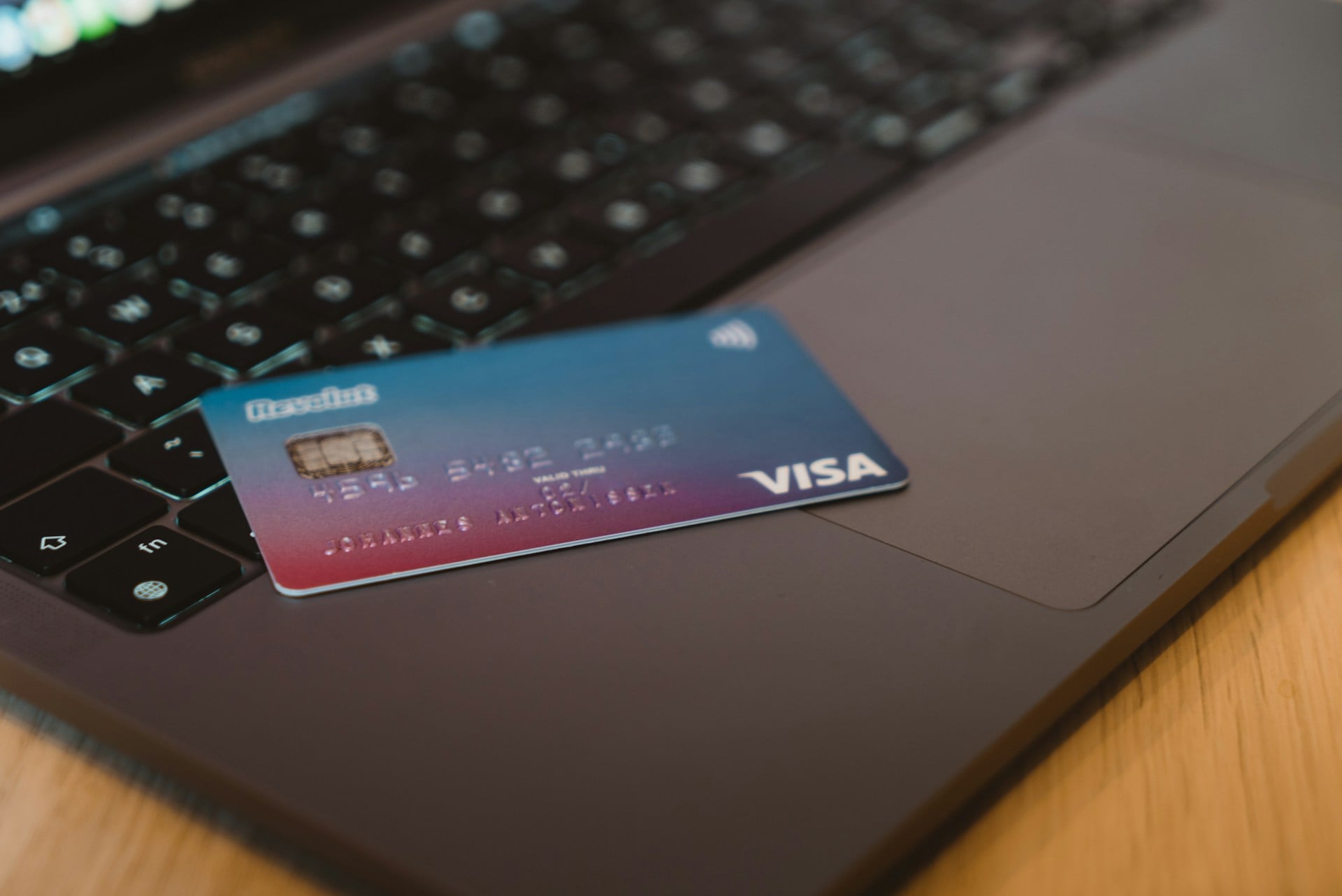
Credit cards were first issued in the 1950s and 1960s, with Bank of America issuing a card in 1958 that would later become Visa, and a number of other banks launching a rival card, MasterCard, in 1966.
Credit cards have since become one of the most common forms of payment.
This innovation fundamentally changed how people think about money by separating the moment of purchase from the moment of payment.
Credit cards also introduced a new kind of money—one that exists primarily as electronic data rather than physical tokens, paving the way for today’s digital economy.
Banking Systems Originated in Ancient Temples
The development of banking systems originated in ancient Mesopotamia and Egypt, where temples and palaces served as the first banks, safeguarding the precious metal wealth of individuals and facilitating transactions.
These early banks played a crucial role in managing and loaning money, laying the groundwork for modern banking practices.
Religious institutions were trusted to hold valuables because they were seen as neutral and sacred spaces.
As trade networks expanded and economies grew more complex, these temple banks evolved into the specialized financial institutions we recognize today, though the fundamental functions—storing value and facilitating exchange—remained remarkably similar.
From Metal to Digital

The evolution of money reflects humanity’s endless quest for more efficient ways to exchange value.
What started with direct barter and commodity money progressed through standardized coins, paper currency, and electronic transfers to arrive at today’s world of cryptocurrencies and contactless payments.
Each innovation built upon the last, solving problems of portability, divisibility, and trust while creating new challenges along the way.
The common thread connecting ancient cowrie shells to modern blockchain technology is the same fundamental need: a reliable medium that allows people to trade goods, services, and labor across space and time.
More from Go2Tutors!

- The Romanov Crown Jewels and Their Tragic Fate
- 17 Halloween Costumes Once Considered Taboo
- Famous Hoaxes That Fooled the World for Years
- 15 Child Stars with Tragic Adult Lives
- 16 Famous Jewelry Pieces in History
Like Go2Tutors’s content? Follow us on MSN.