Every Oscar Best Actor Winner from 2010 to Today
The Best Actor category at the Oscars is one of the most closely watched in awards season, and looking back at fifteen years of winners says something about how Hollywood tells stories — which kinds of performances get rewarded, which actors get their moment, and occasionally, which wins surprise everyone. Some of these choices were broadly expected.
Others sparked genuine debate. A few represent careers arriving at a peak that nobody was quite prepared for.
2010 — Jeff Bridges, Crazy Heart
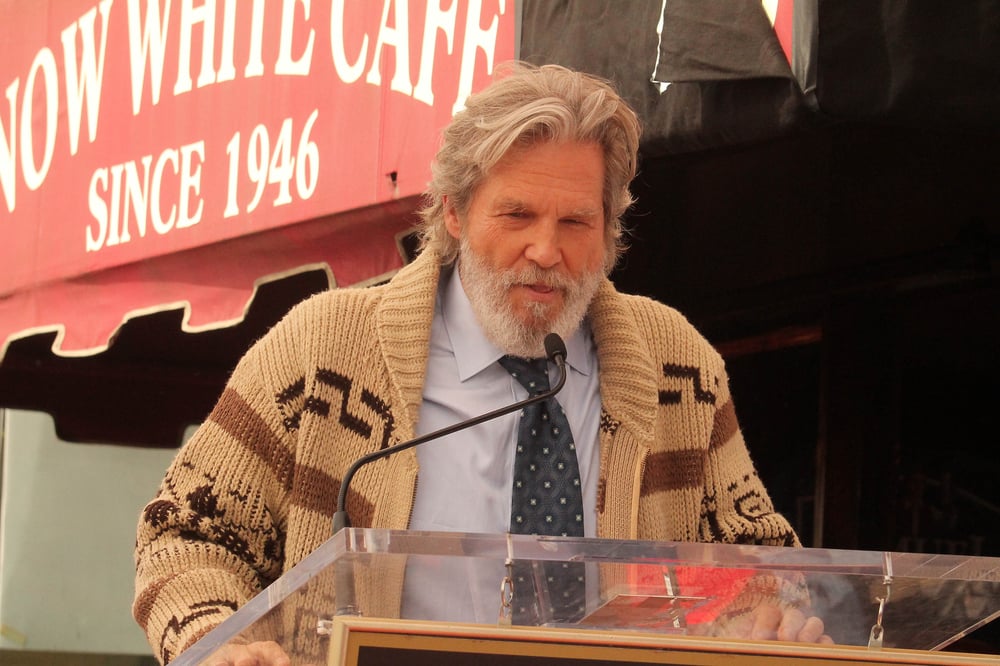
Jeff Bridges had been nominated four times before winning for his role as Bad Blake, a faded country singer working small venues and struggling with addiction. The win felt overdue to many in the industry — an acknowledgement of a career full of quietly great performances that had never quite broken through at the Oscars.
Bridges brought a physical and emotional authenticity to the role that few actors could have matched. He did his own singing, worked with country musicians to understand the world, and delivered a performance that felt less like acting and more like inhabitation.
2011 — Colin Firth, The King’s Speech

Colin Firth had been nominated the previous year for A Single Man and lost to Bridges. His win for The King’s Speech felt like the academy catching up.
His portrayal of King George VI working to overcome a stammer ahead of wartime broadcasts was precise and controlled — a performance about managing fear in public that asked the audience to read enormous internal struggle through very little external expression. The King’s Speech was one of the most commercially successful Best Picture winners in years, and Firth’s performance was central to why the film worked at all.
2012 — Jean Dujardin, The Artist
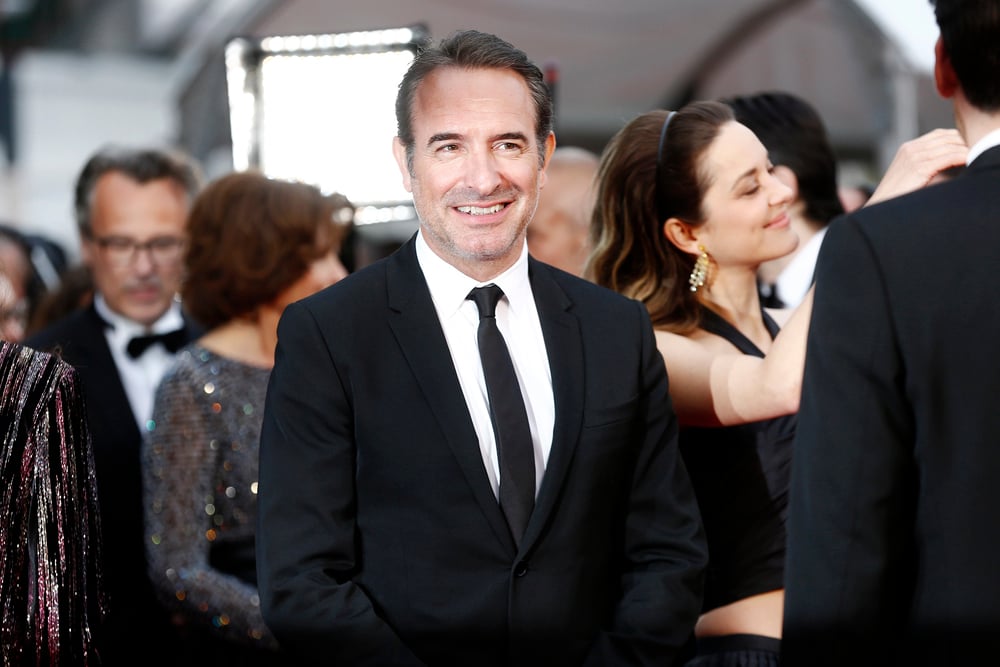
Jean Dujardin became the first French actor to win Best Actor at the Oscars, a fact that generated considerable attention. The Artist was a black-and-white silent film — a genuine anomaly in the modern awards landscape — and Dujardin carried it almost entirely through physical performance and expression.
The win was divisive in some quarters, with critics who felt other contenders that year had been overlooked. But Dujardin’s work was genuinely difficult to execute, channeling the style of 1920s Hollywood performance without tipping into parody.
2013 — Daniel Day-Lewis, Lincoln
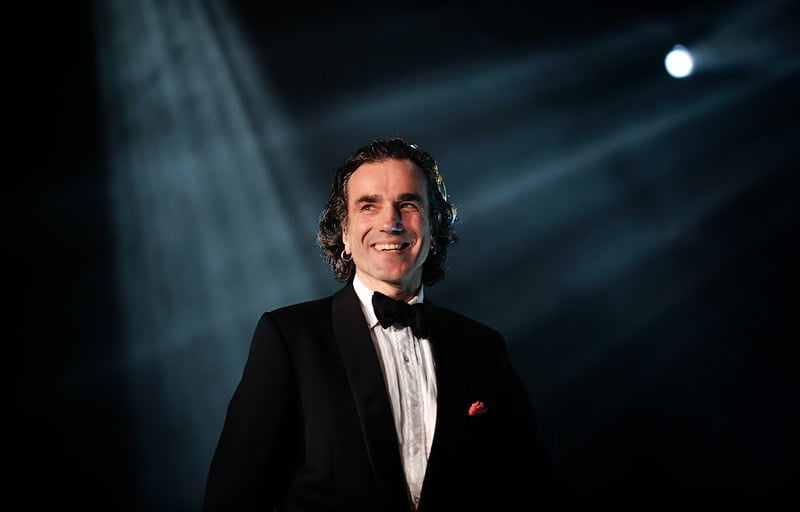
Daniel Day-Lewis won his third Best Actor Oscar for playing Abraham Lincoln in Steven Spielberg’s film about the final months of the Civil War and the passage of the Thirteenth Amendment. It made him the only actor in history to win the category three times, a record that still stands.
The performance operated at an unusual register — quiet, deliberate, storytelling rather than speechmaking — and was praised for its refusal to turn Lincoln into a monument. Day-Lewis subsequently announced his retirement from acting in 2017, making Lincoln his final screen performance.
2014 — Matthew McConaughey, Dallas Buyers Club
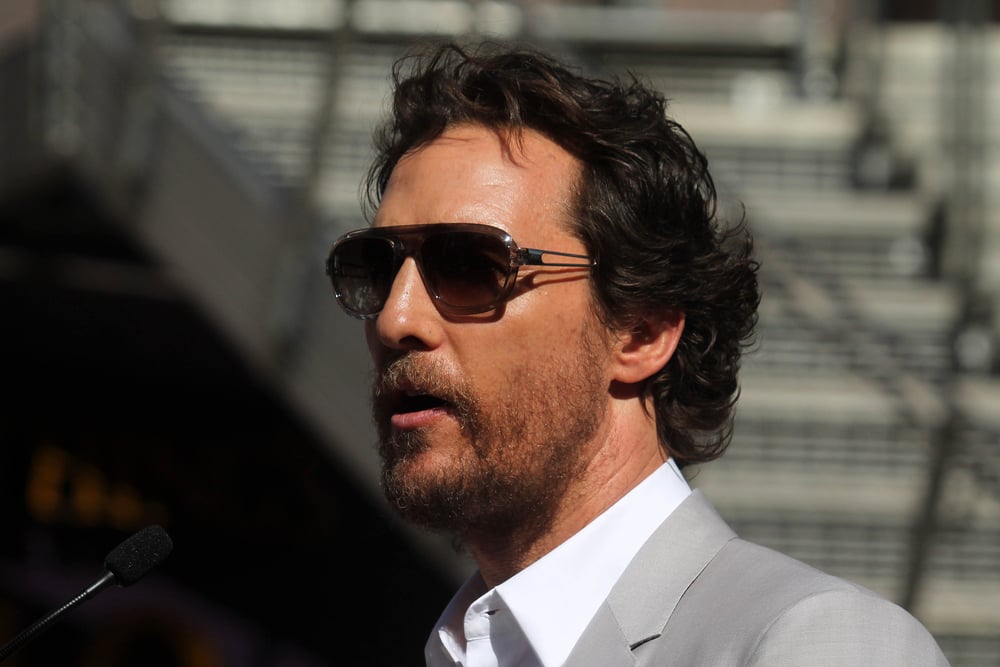
Matthew McConaughey’s win capped what had been widely called the McConaissance — a sustained run of serious dramatic work that followed years of romantic comedies. His role as Ron Woodroof, an HIV-positive Texas electrician who smuggles unapproved medication into the United States, required a physical transformation that involved significant weight loss.
The performance was raw and specific, built on details that made Woodroof feel like a real person rather than a symbol. McConaughey had also been nominated-adjacent for his supporting work in The Wolf of Wall Street that same year, making the awards season an unusually strong period even by the standards of the run he was on.
2015 — Eddie Redmayne, The Theory of Everything

Eddie Redmayne won for his portrayal of Stephen Hawking in the biographical film covering Hawking’s early life and the progression of his motor neurone disease. The physical work involved was extensive — learning to move and communicate in the way Hawking did across different stages of his illness required months of preparation.
It was Redmayne’s first Oscar nomination and first win, at 33. He was nominated again the following year for The Danish Girl, making him one of very few actors nominated in consecutive years.
2016 — Leonardo DiCaprio, The Revenant
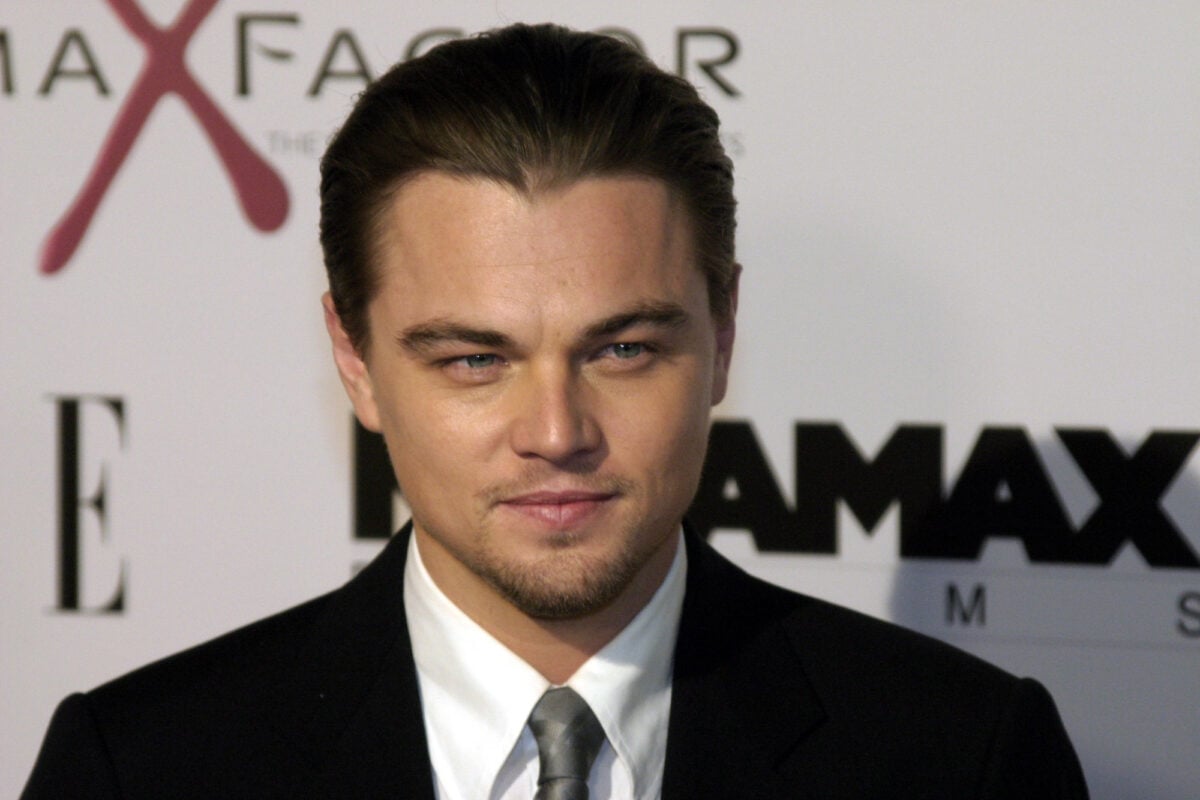
Leonardo DiCaprio’s win for The Revenant ended an awards-season narrative that had built for years — the story of the perpetually nominated, never-winning actor who seemed destined to be the punchline to an ongoing Oscar joke. The audience reaction when his name was read out suggested the win had become a collective cultural event beyond the film itself.
The Revenant was a physically grueling production, shot in natural light in remote locations by director Alejandro González Iñárritu. DiCaprio had been nominated five times before this and had previously won a Golden Globe and other awards for earlier work without the Oscar following.
2017 — Casey Affleck, Manchester by the Sea

Casey Affleck’s win for Manchester by the Sea was technically unimpeachable — his performance as a man returned to his hometown to care for his nephew after a family tragedy was one of the most devastating portrayals of grief in recent film. The character is someone who has stopped believing things can get better, and Affleck found the exact stillness that was required.
The win was complicated by civil lawsuit allegations from years earlier that had resurfaced during the awards season. Affleck has since spoken about the controversy in interviews. The performance itself remains one of the most discussed of the decade.
2018 — Gary Oldman, Darkest Hour

Gary Oldman won for his transformation into Winston Churchill during the early days of World War II — a performance built on prosthetics, physical bulk, and a vocal recreation that divided opinion between those who found it extraordinary and those who found it impersonation dressed as acting.
Oldman had been working at the highest level of the industry for decades without an Oscar. For many in the academy, Darkest Hour represented the moment to correct that.
He accepted with a speech thanking his mother, who was watching from home.
2019 — Rami Malek, Bohemian Rhapsody

Rami Malek won for his portrayal of Freddie Mercury in the Queen biopic Bohemian Rhapsody — a film that received mixed critical reviews but enormous commercial success. The performance was praised for its physical commitment, particularly the recreation of Mercury’s stage presence, though the prosthetic teeth Malek wore became a recurring subject of discussion.
The win came despite the film’s troubled production, which had seen director Bryan Singer replaced partway through. Malek’s work carried the film across the finish line commercially and was the element that generated the most consistent praise.
2020 — Joaquin Phoenix, Joker
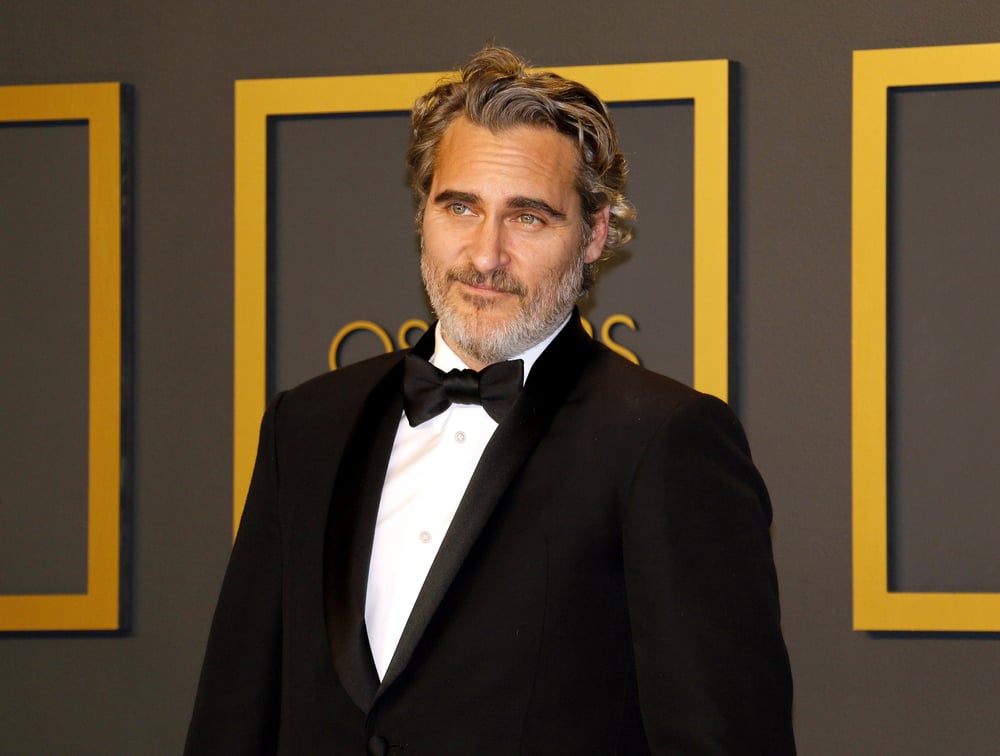
Joaquin Phoenix won for his portrayal of Arthur Fleck, the man who becomes the Joker, in Todd Phillips’ film that generated as much cultural debate as any in recent memory. The performance was extreme in its physicality — Phoenix lost significant weight for the role and developed a specific laugh that became one of the most discussed elements of the film.
Phoenix used his acceptance speech to raise issues around animal agriculture and systemic injustice, consistent with his longstanding public positions. His relationship with awards ceremonies has always been complicated, and the speech reflected that — direct, uncomfortable in places, and not remotely calibrated for the room.
2021 — Anthony Hopkins, The Father

Anthony Hopkins won for The Father — a film about a man experiencing dementia, directed by Florian Zeller from his own stage play. The win surprised many who had expected the award to go to the late Chadwick Boseman posthumously for Ma Rainey’s Black Bottom.
Boseman had died of cancer in August 2020, and the academy had moved Best Actor to last in the ceremony, widely interpreted as preparation for a tribute moment. Hopkins was not present at the ceremony, having apparently not expected to win.
He later released a video from Wales, sitting outside, acknowledging Boseman and expressing gratitude. His performance in The Father is widely considered among the finest of his career — a study in disorientation and loss that never feels like a demonstration of technique.
2022 — Will Smith, King Richard
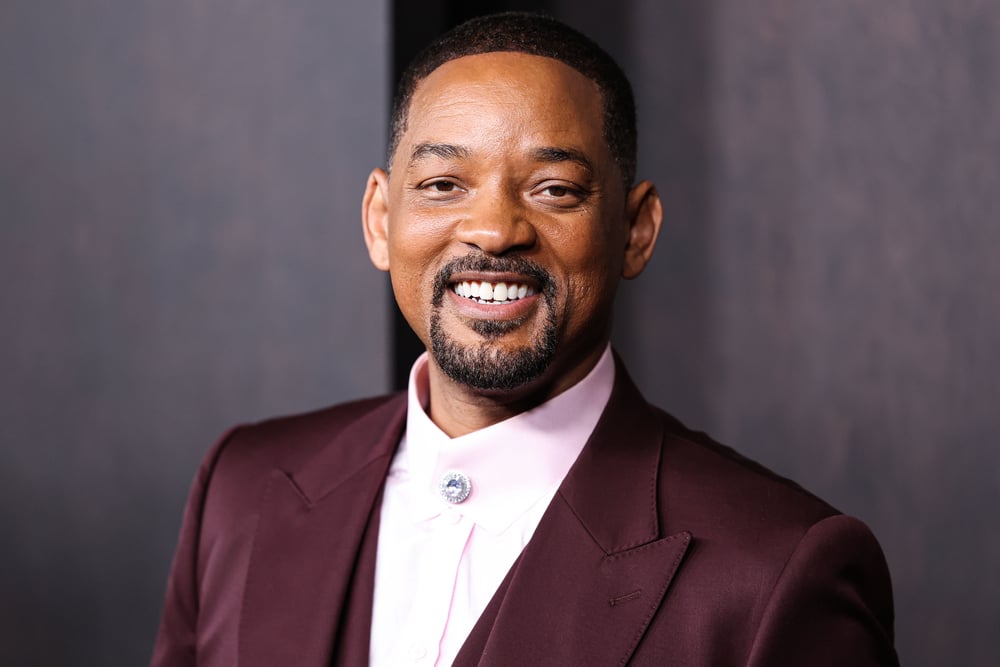
Will Smith won for King Richard, playing Richard Williams, the father and coach of Venus and Serena Williams. The performance was warm and textured, showing a man of deep conviction and complicated methods.
It was Smith’s first Oscar win after three nominations. The ceremony is remembered primarily for a different moment — Smith walking onstage and striking presenter Chris Rock after Rock made a joke about his wife Jada Pinkett Smith’s shaved head, a result of alopecia.
Smith returned to his seat and subsequently won the award. The incident dominated coverage entirely, and Smith was later banned from attending the Oscars for ten years.
2023 — Brendan Fraser, The Whale

Brendan Fraser won for The Whale, playing a reclusive English teacher living with severe obesity who attempts to reconnect with his estranged daughter. Fraser wore a prosthetic suit for the role.
The win was received with visible emotion by the audience, in part because Fraser had spoken publicly about difficult years following allegations he made against a Hollywood publicist, and a period in which his career had largely disappeared.
The standing ovation Fraser received was long and appeared genuine. His speech acknowledged his son who had been diagnosed with autism, and director Darren Aronofsky.
It was a moment the room seemed to need as much as he did.
2024 — Cillian Murphy, Oppenheimer
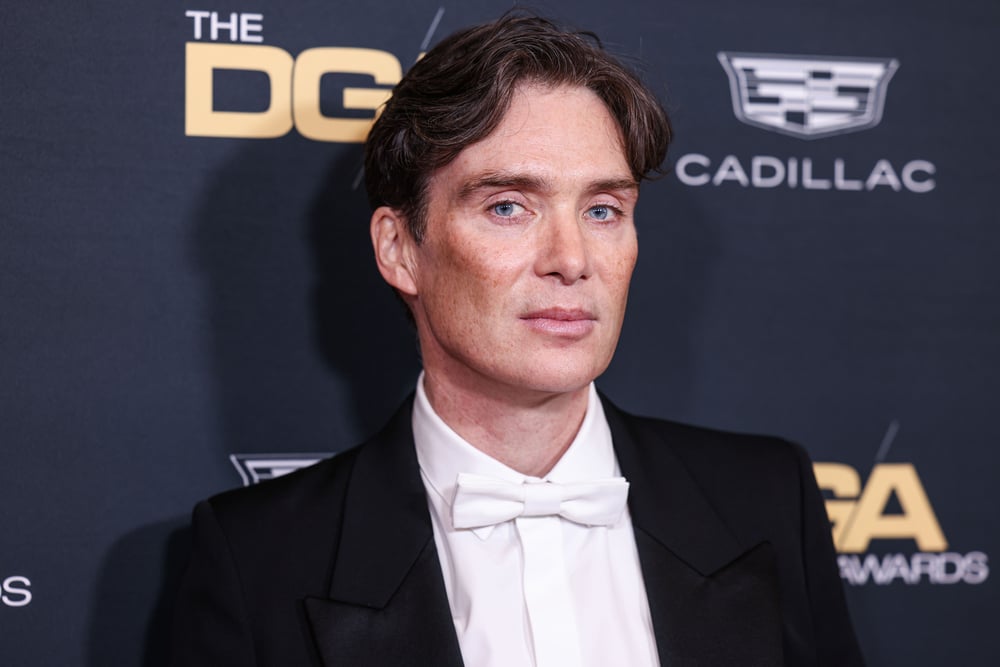
Cillian Murphy won for his portrayal of J. Robert Oppenheimer in Christopher Nolan’s three-hour film about the creation of the atomic bomb. Murphy had worked with Nolan several times previously, but this was his first leading role in a Nolan film, and it was generally considered his most demanding performance.
The role required him to carry the moral weight of the entire film — a man capable of extraordinary intellectual achievement who spends the final act of the story confronting what he made possible. Murphy prepared extensively, reading widely about Oppenheimer and working to embody the quality of intense focus that defined the man.
2025 — Adrien Brody, The Brutalist
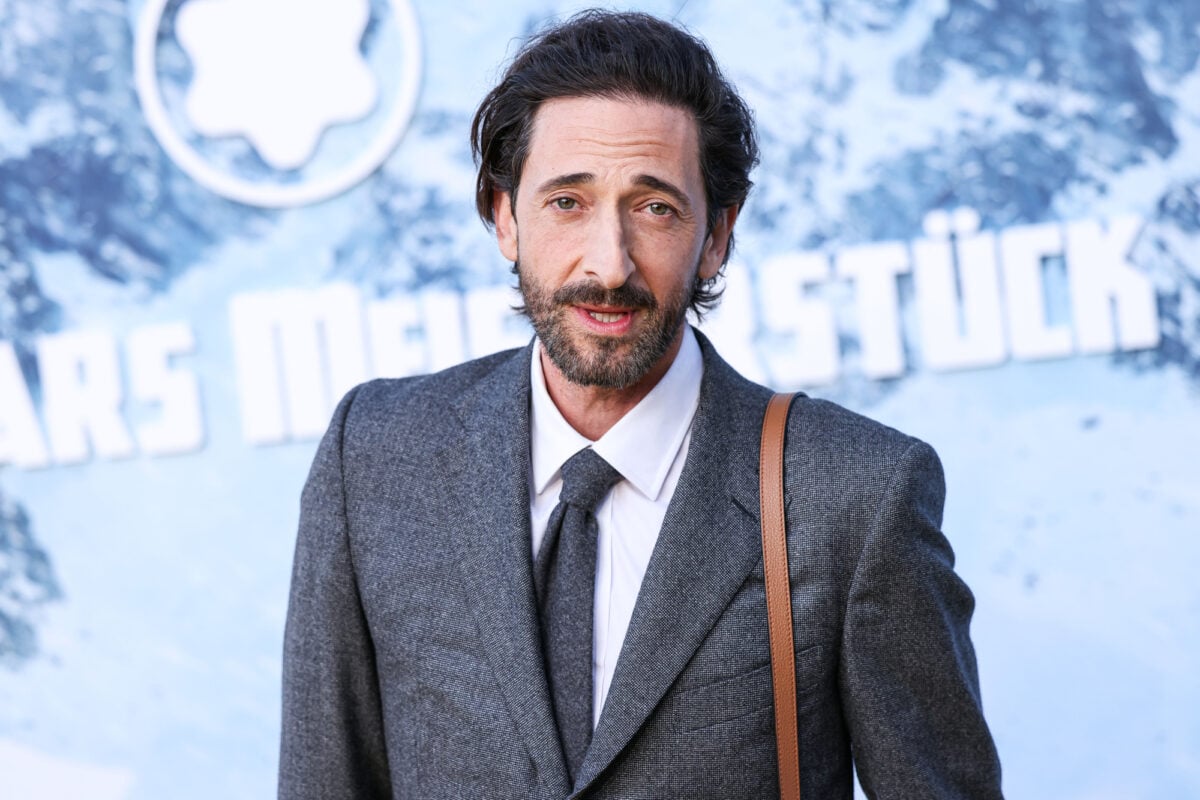
Adrien Brody won his second Best Actor Oscar for The Brutalist, playing László Tóth, a Hungarian-Jewish architect who emigrates to the United States after World War II. His first win had come over two decades earlier for The Pianist.
The gap between wins made him one of the few actors to have claimed the award in different eras of Hollywood. The Brutalist ran over three hours and was released in a limited capacity before expanding, following a festival run that generated significant awards momentum.
Brody’s performance was praised for its scope — covering decades of a life and carrying the film’s themes about displacement, ambition, and the America that immigrants encounter versus the one they imagined.
2026 — Michael B. Jordan, Sinners
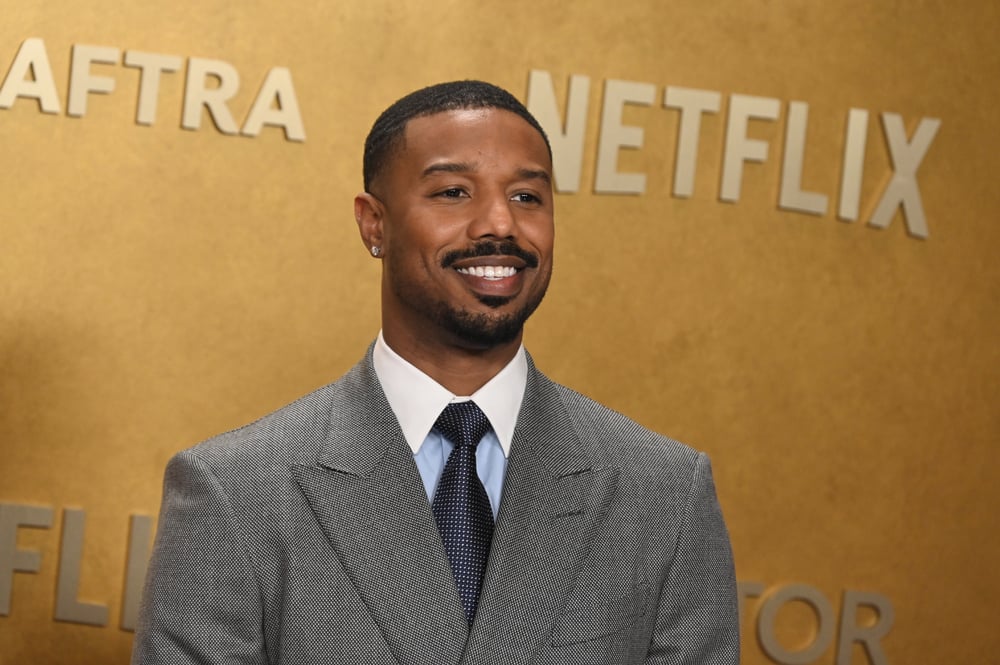
Michael B. Jordan won his first Oscar for playing twins — Smoke and Stack — in Ryan Coogler’s Sinners, a vampire film set in the 1930s American South. The dual role required Jordan to differentiate two characters who are physically identical but temperamentally distinct, finding the differences in timing, posture, and emotional register rather than in appearance.
The race had been close all season, with Timothée Chalamet also considered a strong contender for Marty Supreme. Jordan thanked Coogler in his speech for continuing to believe in original ideas and original artistry — a nod to the kind of ambitious, genre-inflected filmmaking that Sinners represented in a landscape of sequels and franchises.
What the List Says
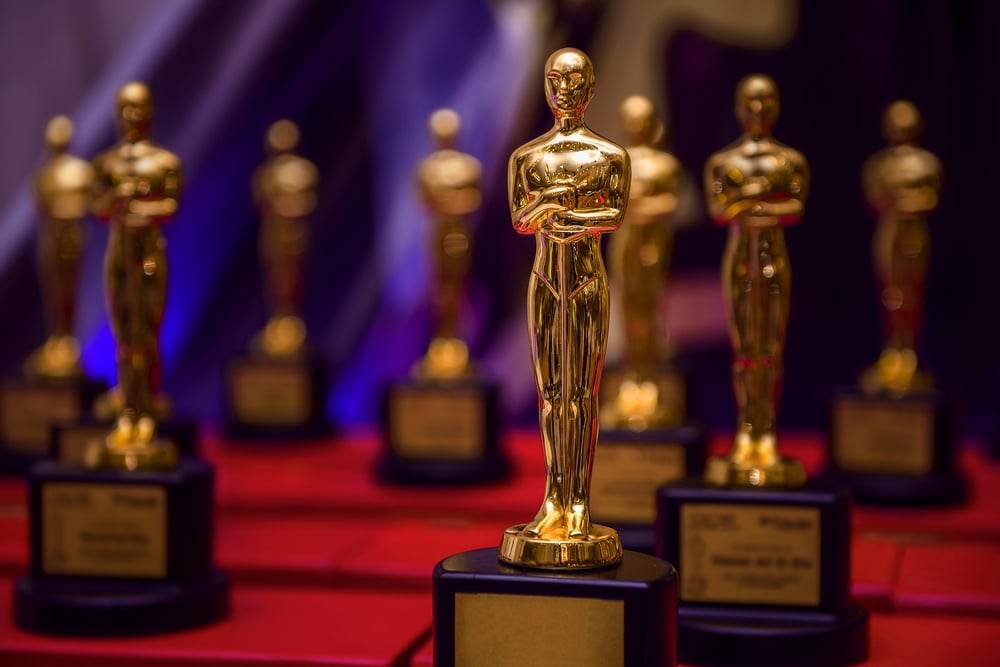
The list of winners reveals several trends. The academy seems to favor transformation – whether it is physical, vocal or biographical.
It likes to honor not just a single great performance but also an entire career. Sometimes it even revises what seems to have been a long-term oversight.
And every couple of years it throws a curveball that reminds us that the result is nowhere near as predictable as the pre-ceremony buzz indicates. What the list overlooks is the entire other side – the near misses, the finalists who didn’t quite make it, the actors who might not be given another opportunity.
There is just one name in the envelope. The shadow category around it is much longer and almost illegible.
More from Go2Tutors!

- The Romanov Crown Jewels and Their Tragic Fate
- 13 Historical Mysteries That Science Still Can’t Solve
- Famous Hoaxes That Fooled the World for Years
- 15 Child Stars with Tragic Adult Lives
- 16 Famous Jewelry Pieces in History
Like Go2Tutors’s content? Follow us on MSN.