Unusual Facts About the Planet Earth and Its Moon
Earth is home, but it’s also full of surprises.
Some of these facts might make you stop and say, “Wait, is that true?”
Let’s get into the odd, the quirky, and the totally real things about Earth and its moon.
Earth isn’t a perfect sphere
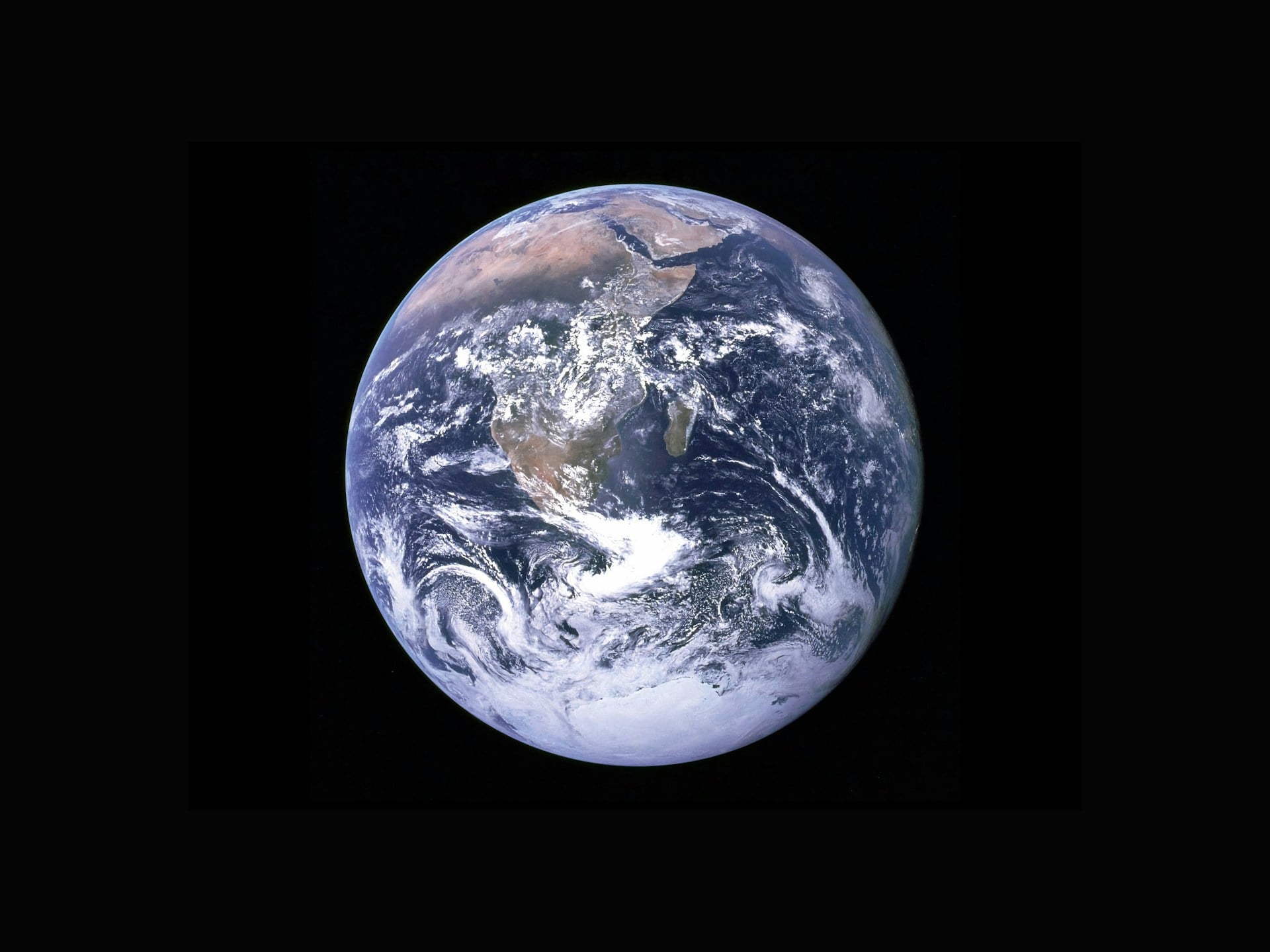
Even though it looks round from space, Earth is slightly squished at the poles and bulges at the equator.
This shape is called an oblate spheroid.
The spin of the planet causes the equator to push outward just a bit.
So technically, if you’re standing at the equator, you’re farther from the center of Earth than someone standing at the poles.
The moon is slowly drifting away
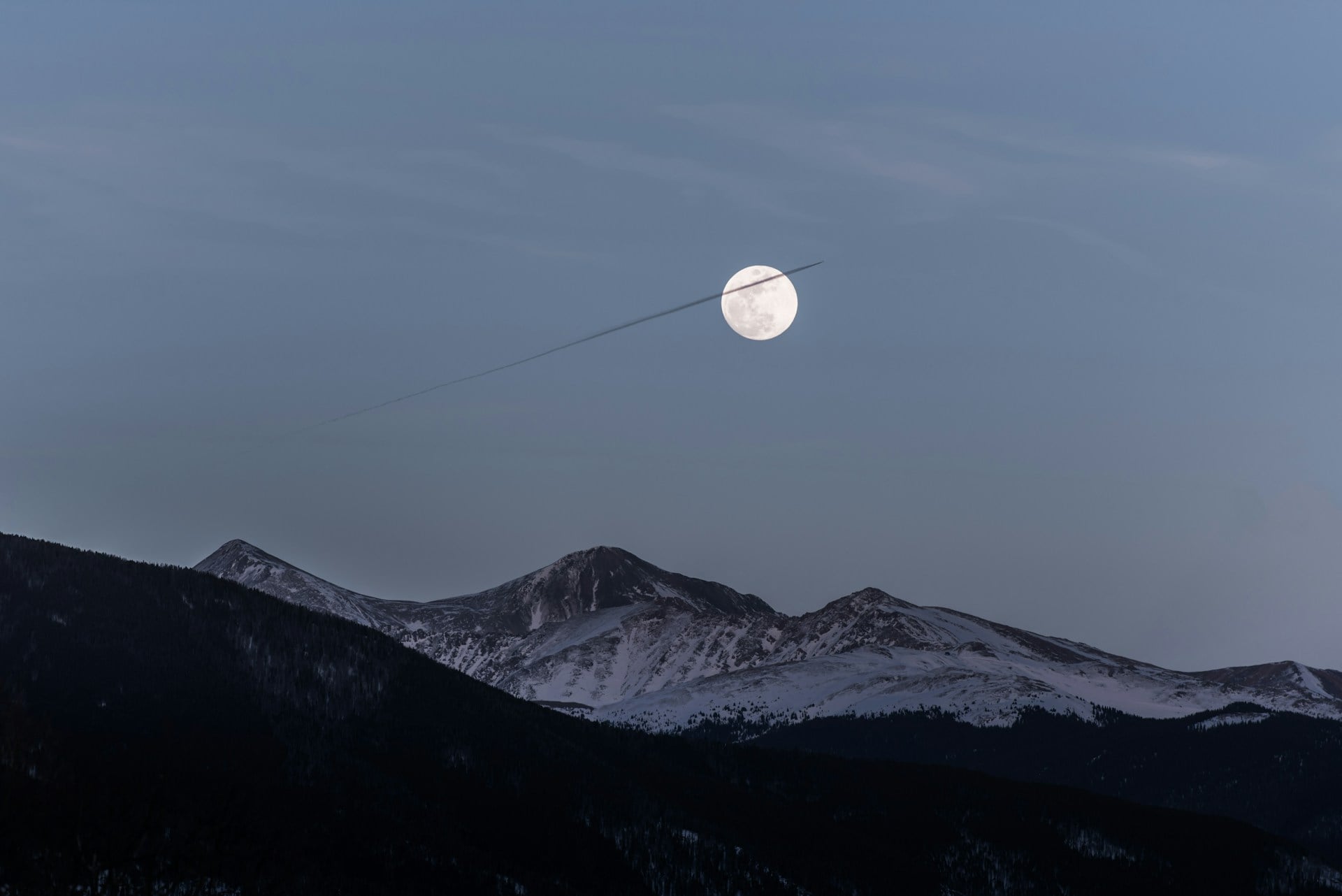
Every year, the moon moves about 1.5 inches farther from Earth.
This happens because of the way Earth’s rotation affects the moon’s orbit.
It’s not fast enough to notice, but over millions of years, it will add up.
Eventually, this could change the way eclipses work.
Days are getting longer over time
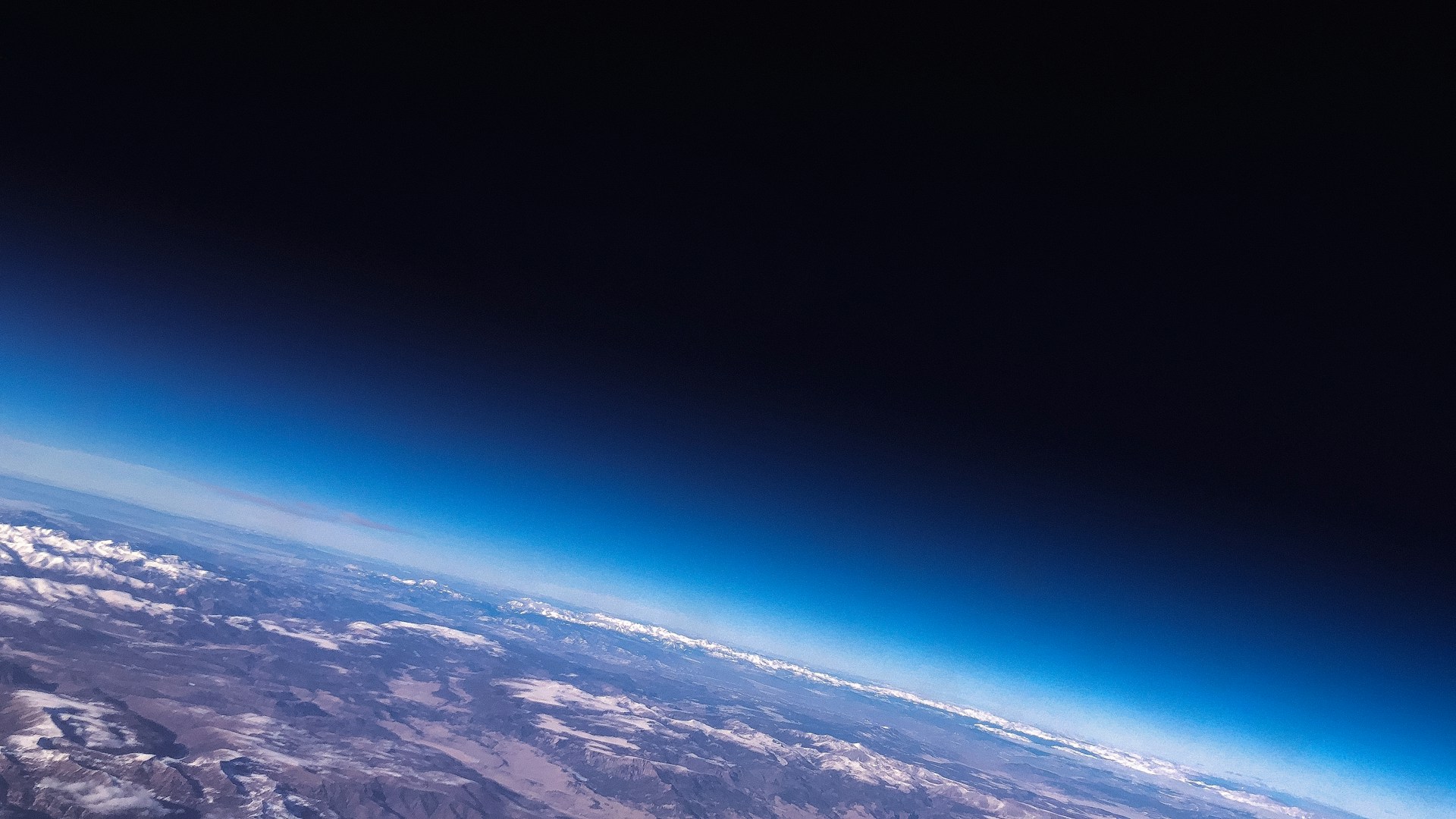
A few hundred million years ago, a day on Earth was only around 22 hours long.
Thanks to the moon’s gravitational pull, Earth’s rotation is slowing down little by little.
That means days are getting slightly longer each century.
It’s not enough to change your schedule, but it’s definitely happening.
The moon has moonquakes
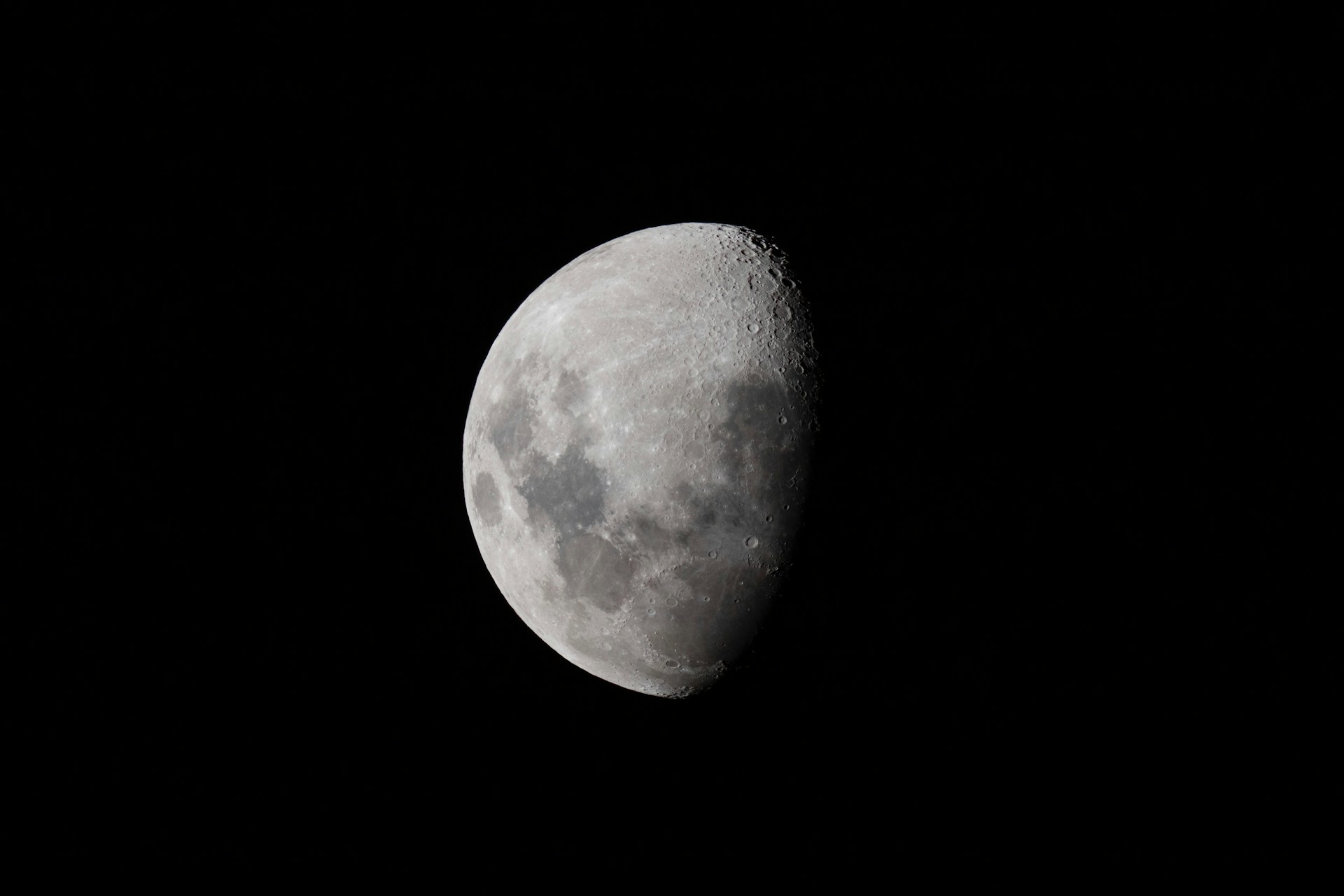
Just like Earth has earthquakes, the moon experiences quakes too.
Some are caused by meteor impacts, but others come from deep within the moon.
They’re strong enough to shake the surface for several minutes.
NASA first discovered these during the Apollo missions.
Earth once had two moons
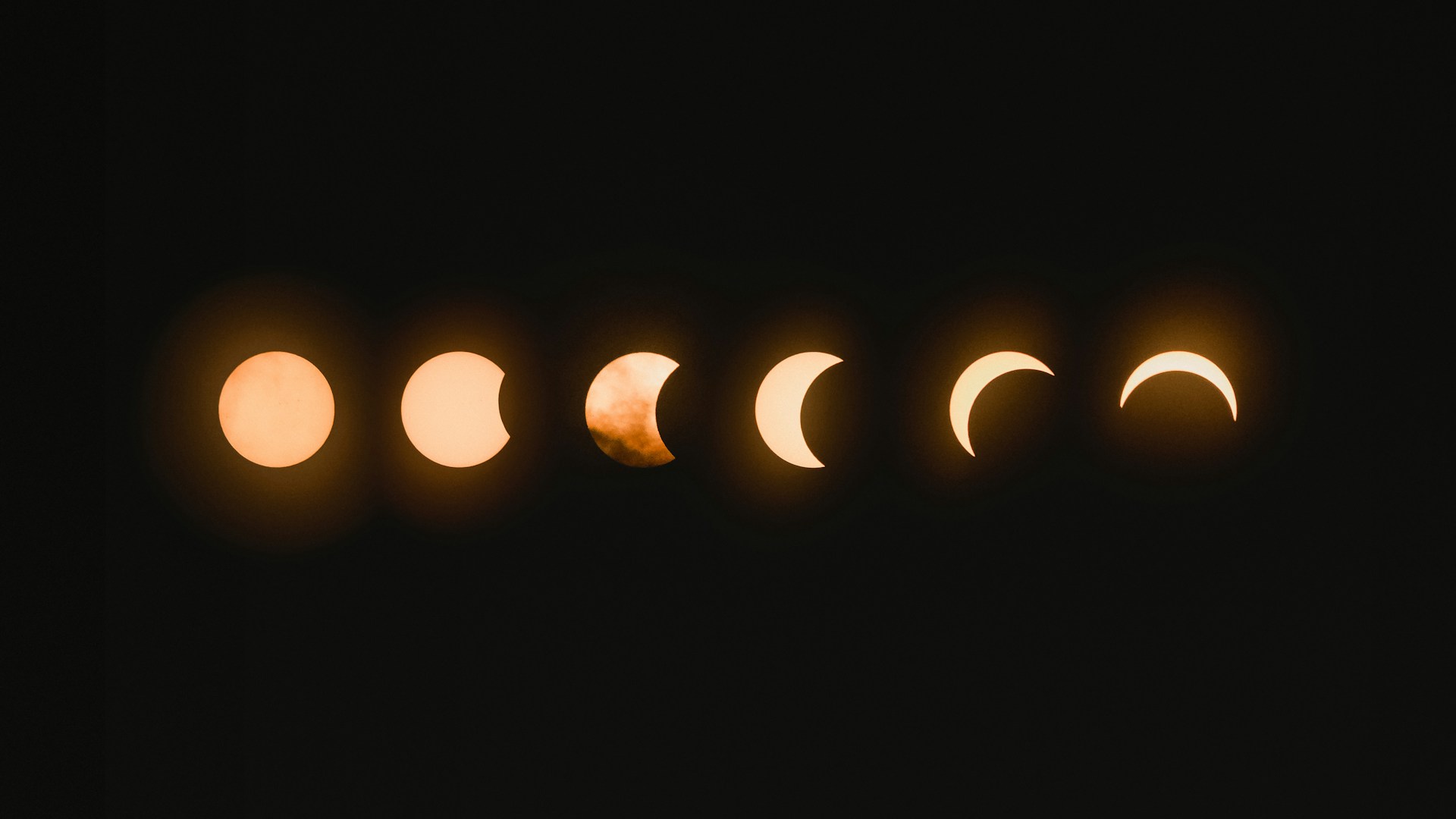
Some scientists believe Earth had a second, smaller moon billions of years ago.
The theory suggests it might have crashed into the larger moon, creating the uneven landscape we see today.
While it’s not confirmed, this idea helps explain why the far side of the moon looks so different from the near side.
The Amazon rainforest makes its own weather
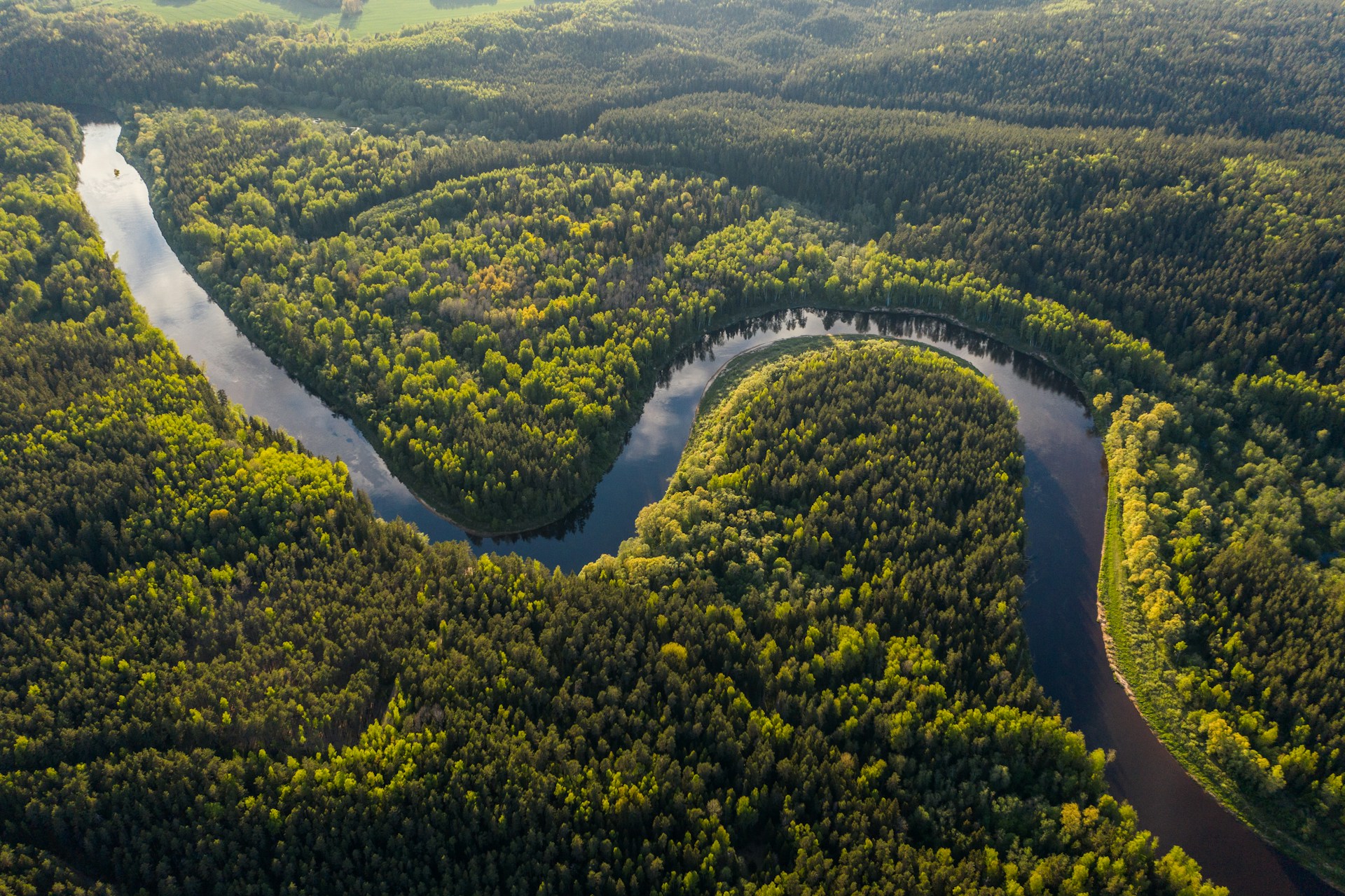
The trees in the Amazon release large amounts of water vapor into the air.
This helps create clouds and even causes rainfall.
In a way, the forest is helping to water itself.
It’s one of the reasons the area stays so lush and green.
The moon doesn’t have a dark side
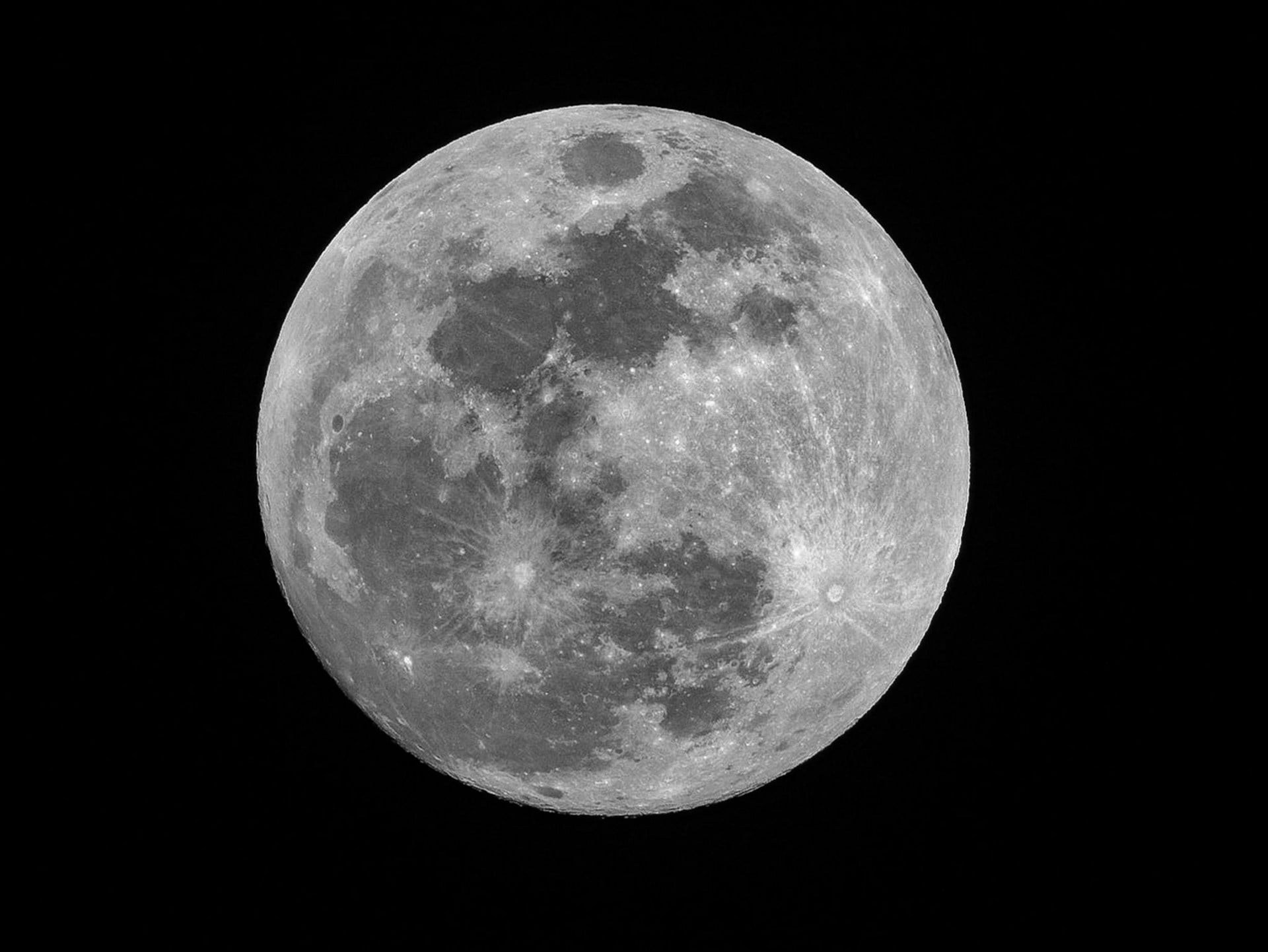
It’s a common myth that one side of the moon is always dark.
In reality, both sides get sunlight.
The reason we always see the same side is because the moon rotates at the same speed it orbits Earth.
That’s called synchronous rotation.
Earth’s magnetic field is shifting
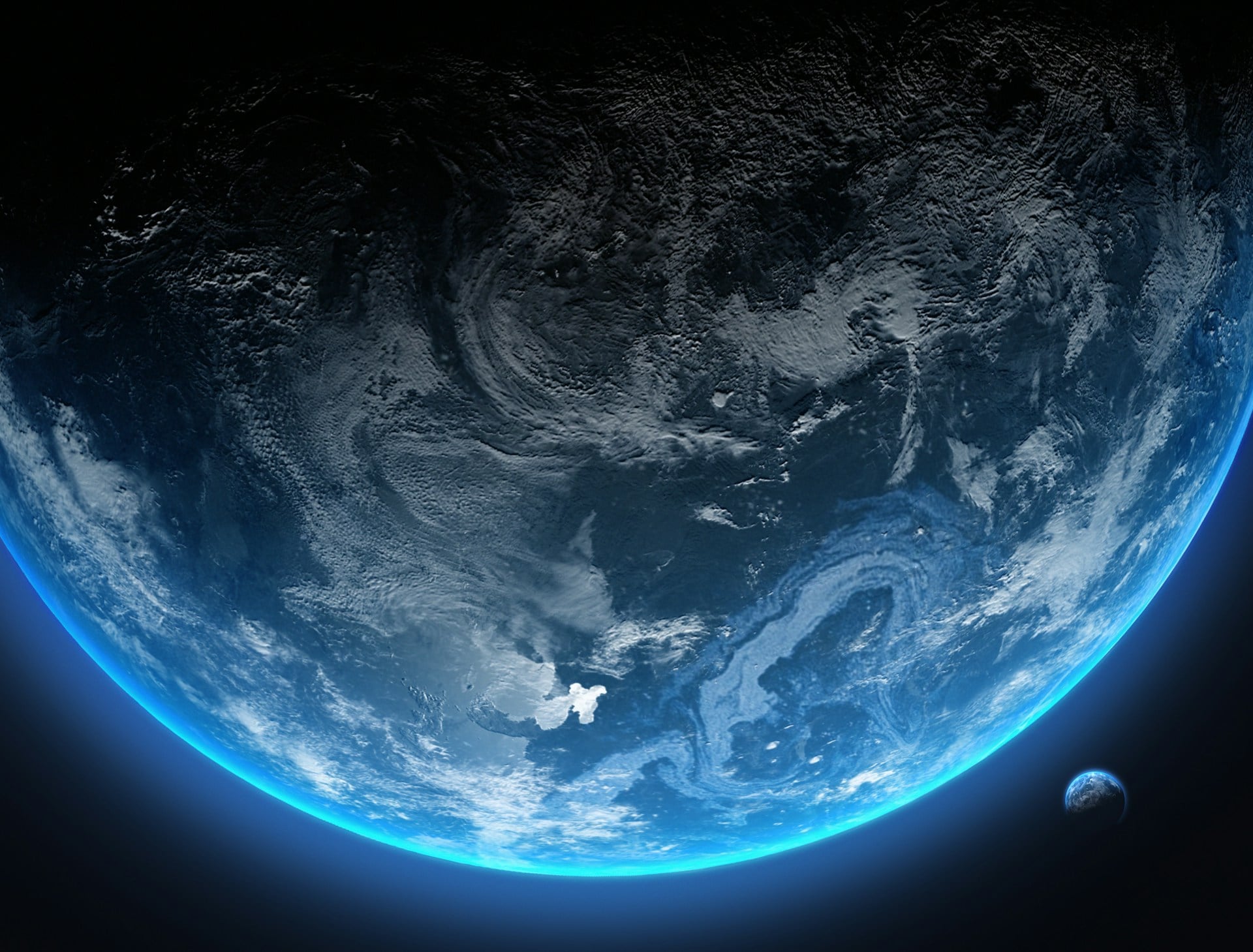
The magnetic field protects Earth from harmful solar radiation.
But it doesn’t stay in one place.
Over time, the magnetic poles slowly move.
Scientists have even found evidence that the poles have completely flipped many times in the past.
There are lakes underneath Antarctica
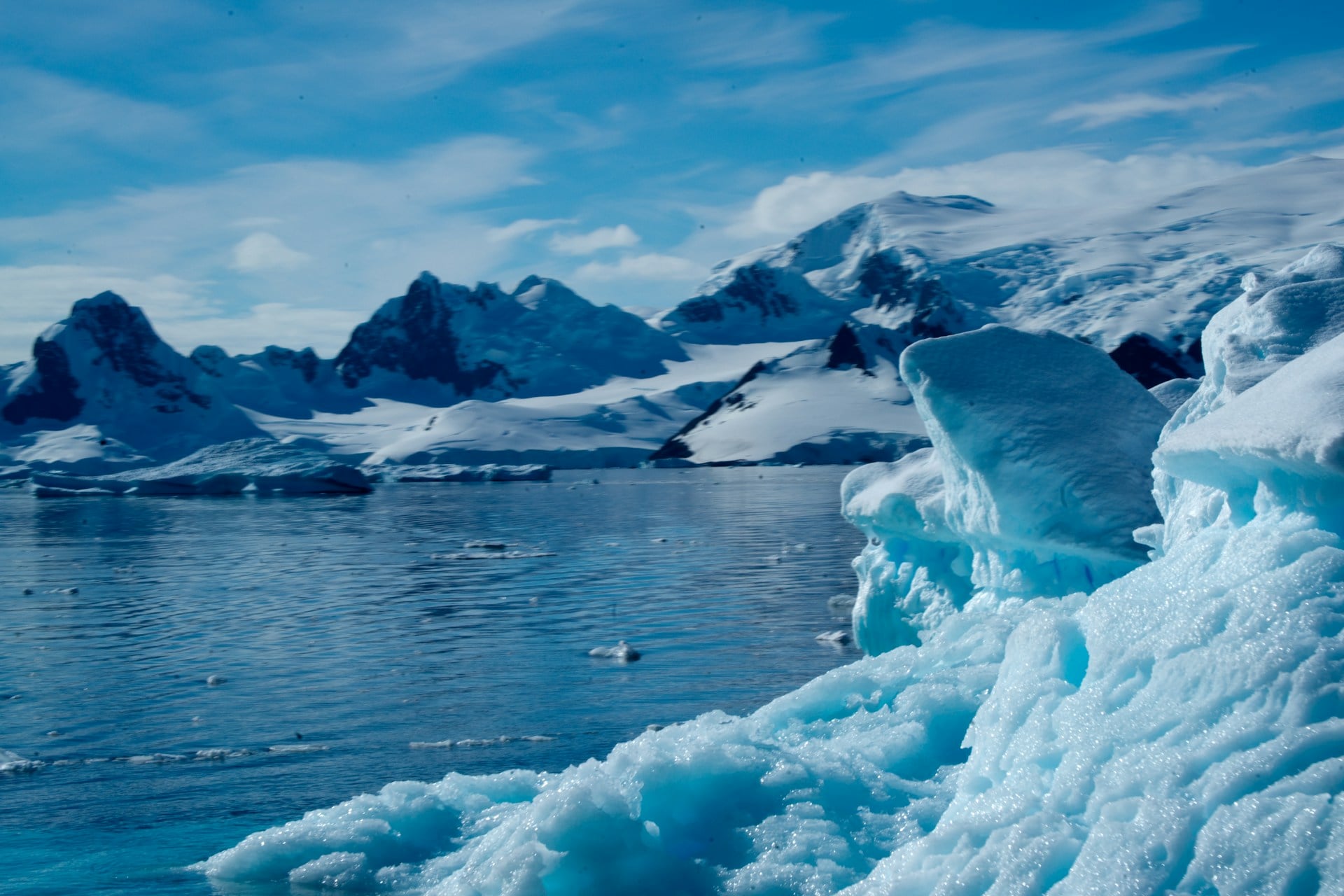
Beneath miles of ice, there are hidden lakes in Antarctica.
These lakes are sealed off from the surface, and some haven’t seen sunlight in millions of years.
Scientists study them to learn about life in extreme conditions.
One of the largest is called Lake Vostok.
The moon has no atmosphere, but it has a thin exosphere
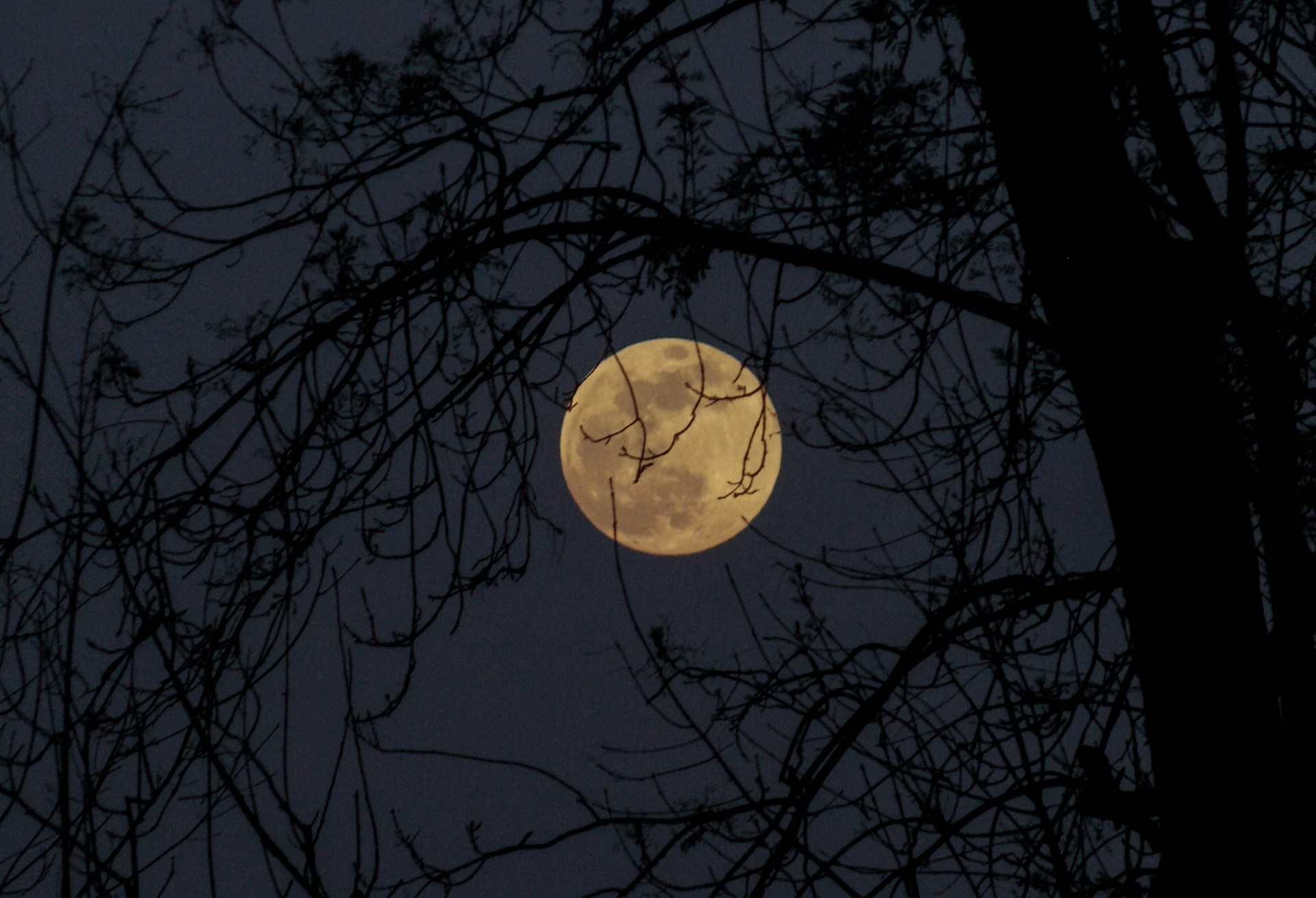
While the moon doesn’t have an atmosphere like Earth, it does have a very thin layer of gases.
This exosphere contains tiny amounts of helium, neon, and hydrogen.
It’s so thin that it can’t support weather or protect against radiation.
But it still counts as a kind of atmosphere.
Mount Everest isn’t the tallest mountain from base to top
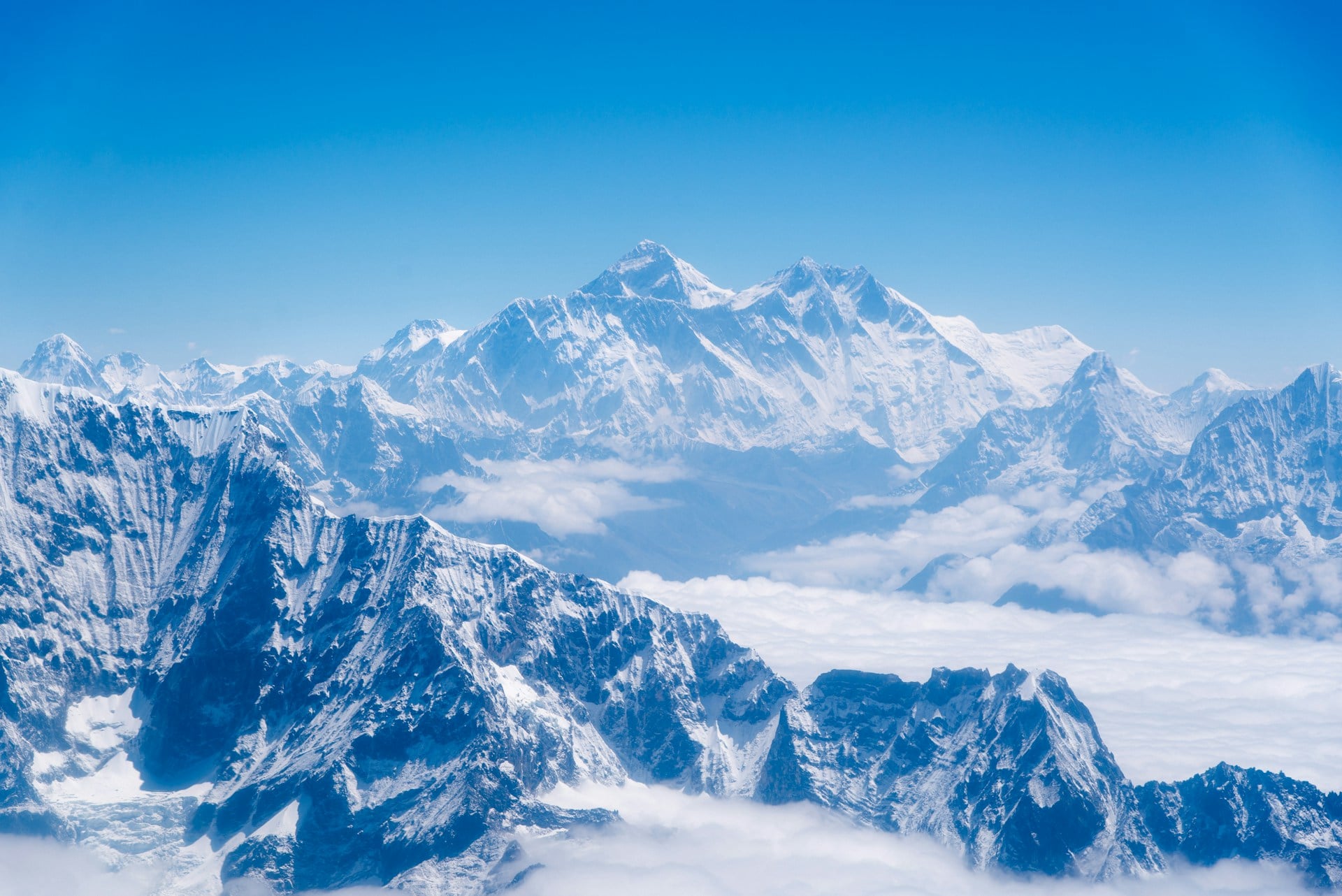
Everest is the highest point above sea level, but not the tallest mountain overall.
That title goes to Mauna Kea in Hawaii.
Measured from its base on the ocean floor, Mauna Kea is over 33,500 feet tall—much taller than Everest.
Most of it is just underwater.
Earth is the only planet with plate tectonics
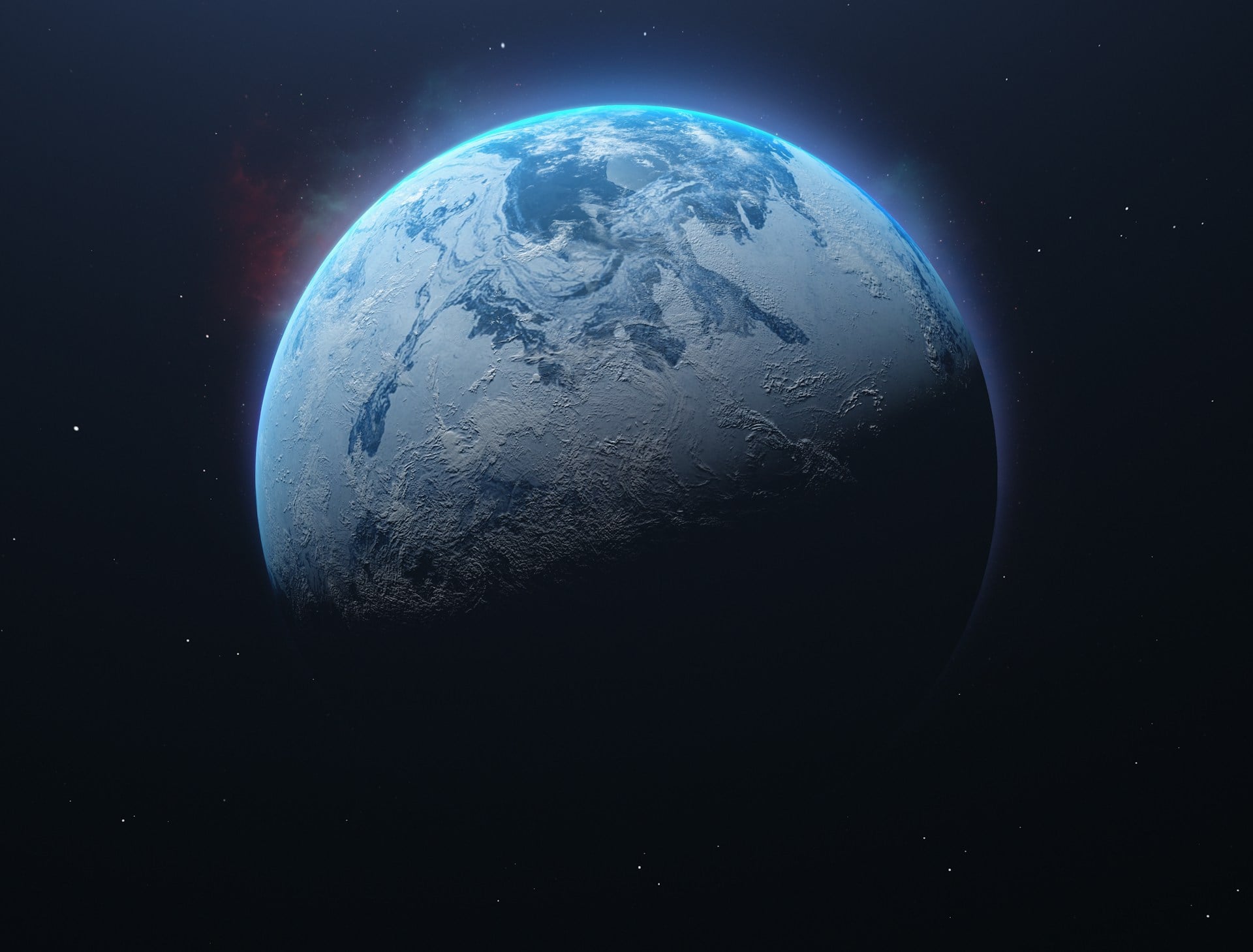
Plate tectonics help shape continents and cause earthquakes.
So far, Earth is the only known planet with this feature.
It’s a big reason why Earth has such varied landforms and is able to support life.
The constant motion also helps recycle carbon over time.
The moon helps control Earth’s tilt
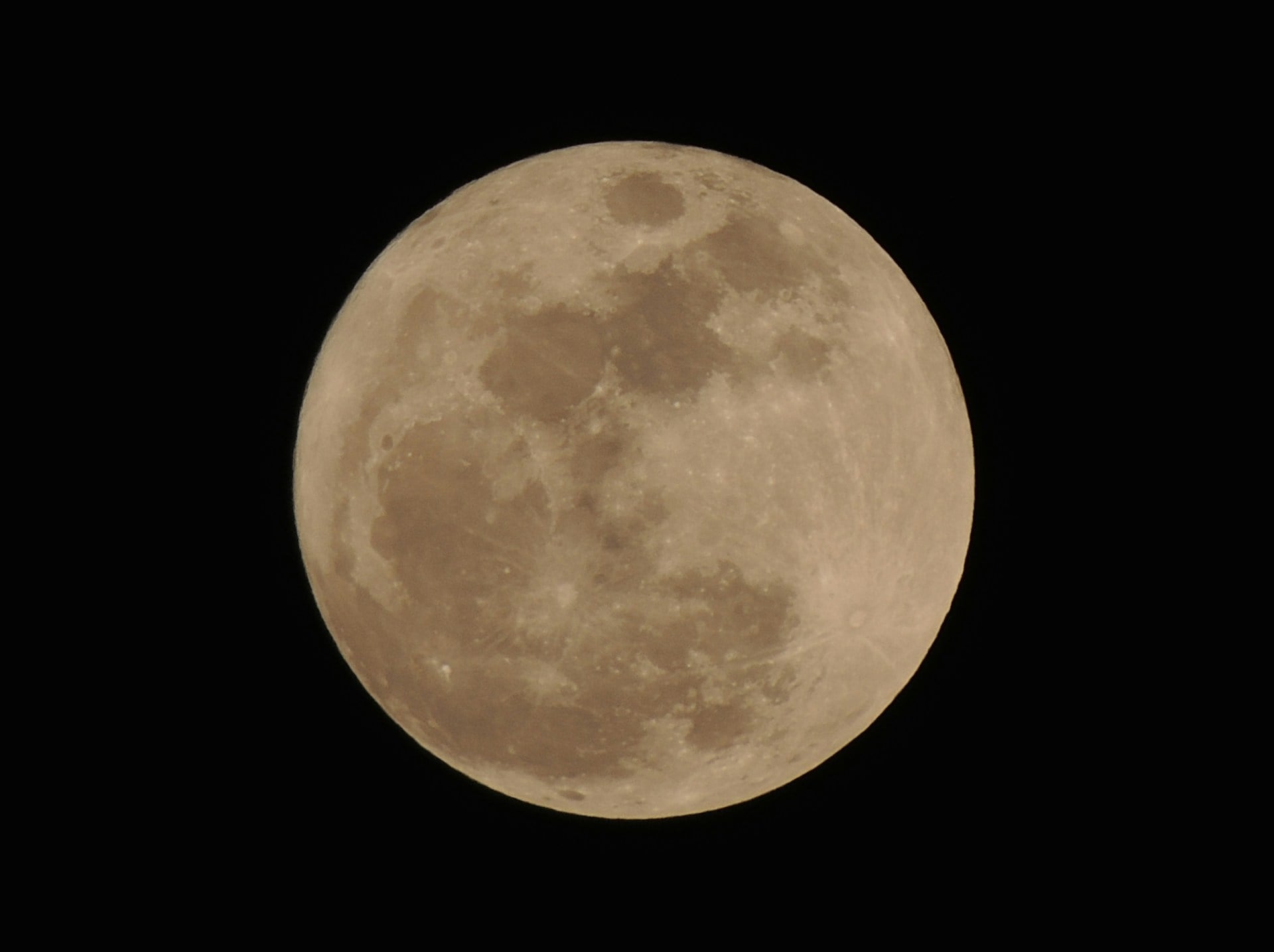
Earth’s tilt is what gives us seasons, and the moon plays a role in keeping that tilt stable.
Without the moon, Earth might wobble more.
That could lead to extreme changes in climate.
The moon acts like a steady hand keeping the planet from tipping too far.
Deserts can be freezing cold
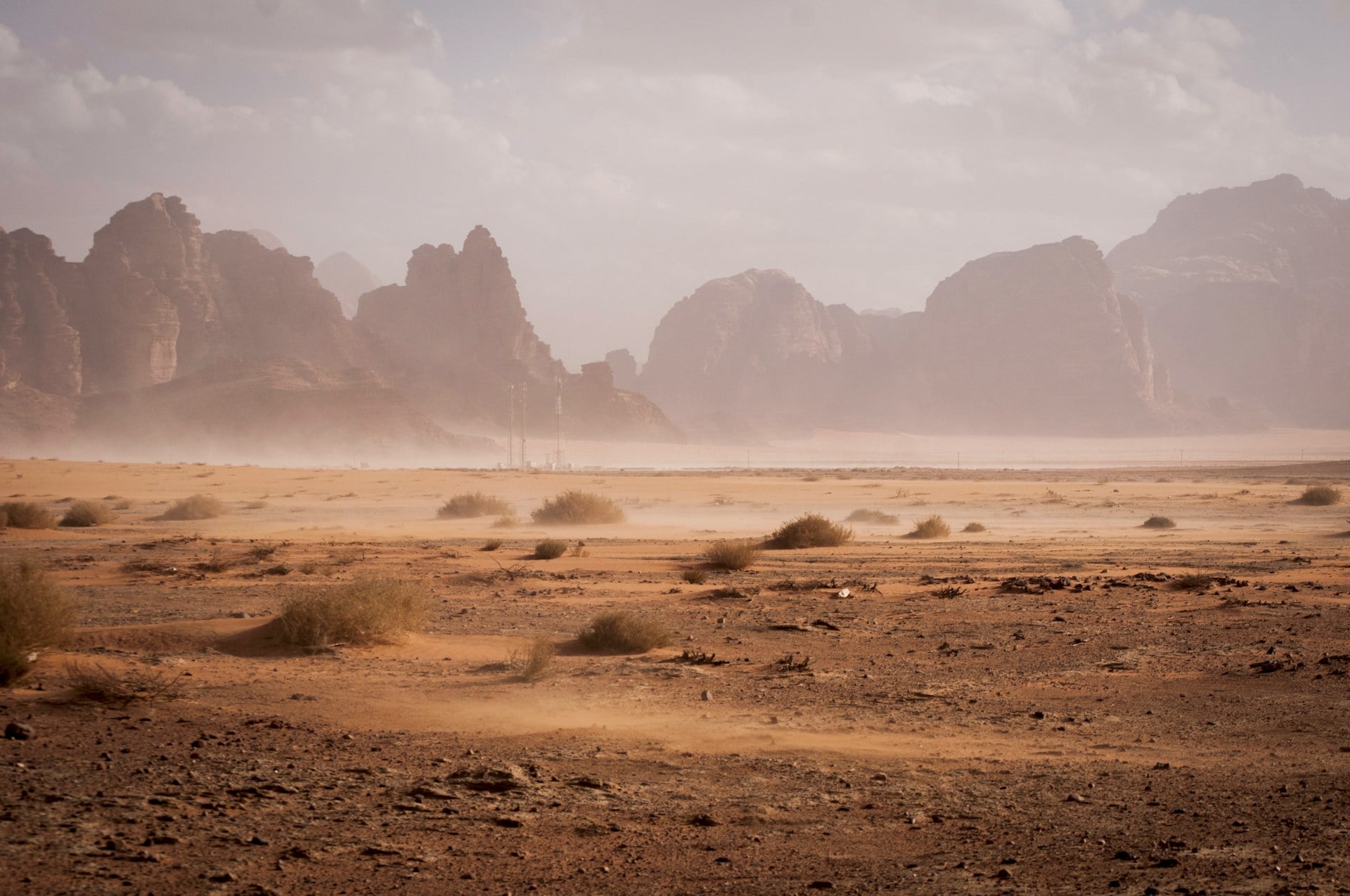
Not all deserts are hot and sandy.
The largest desert in the world is actually Antarctica.
A desert is just a place that gets very little rain, not necessarily one that’s hot.
Some of the driest places on Earth are also the coldest.
The moon is not completely dry
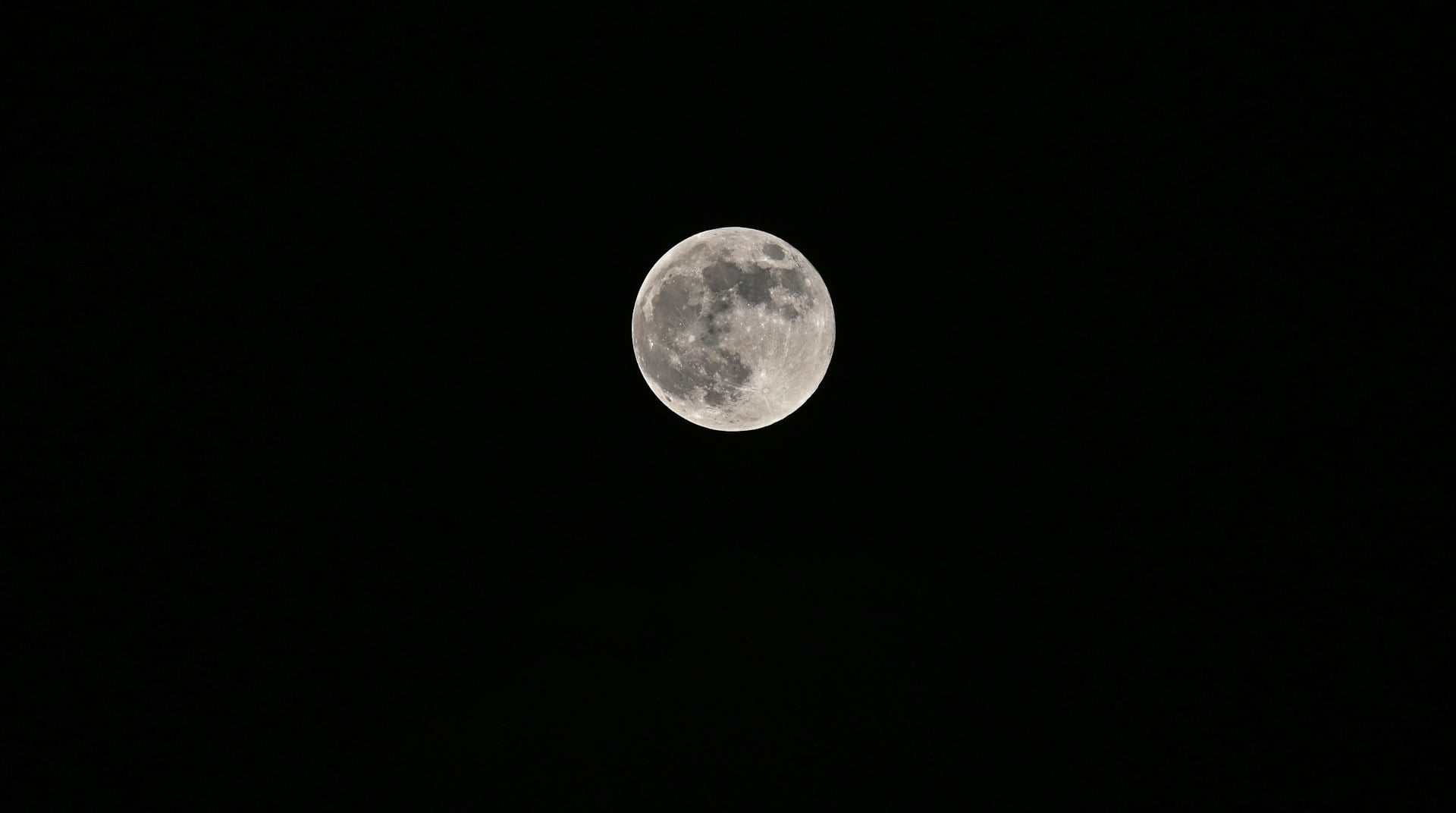
For a long time, people thought the moon was bone dry.
But scientists have found small amounts of water ice in shadowed craters near the poles.
These areas never get sunlight, which helps keep the ice from melting.
It’s a discovery that could help future lunar missions.
Earth glows in the dark—kind of
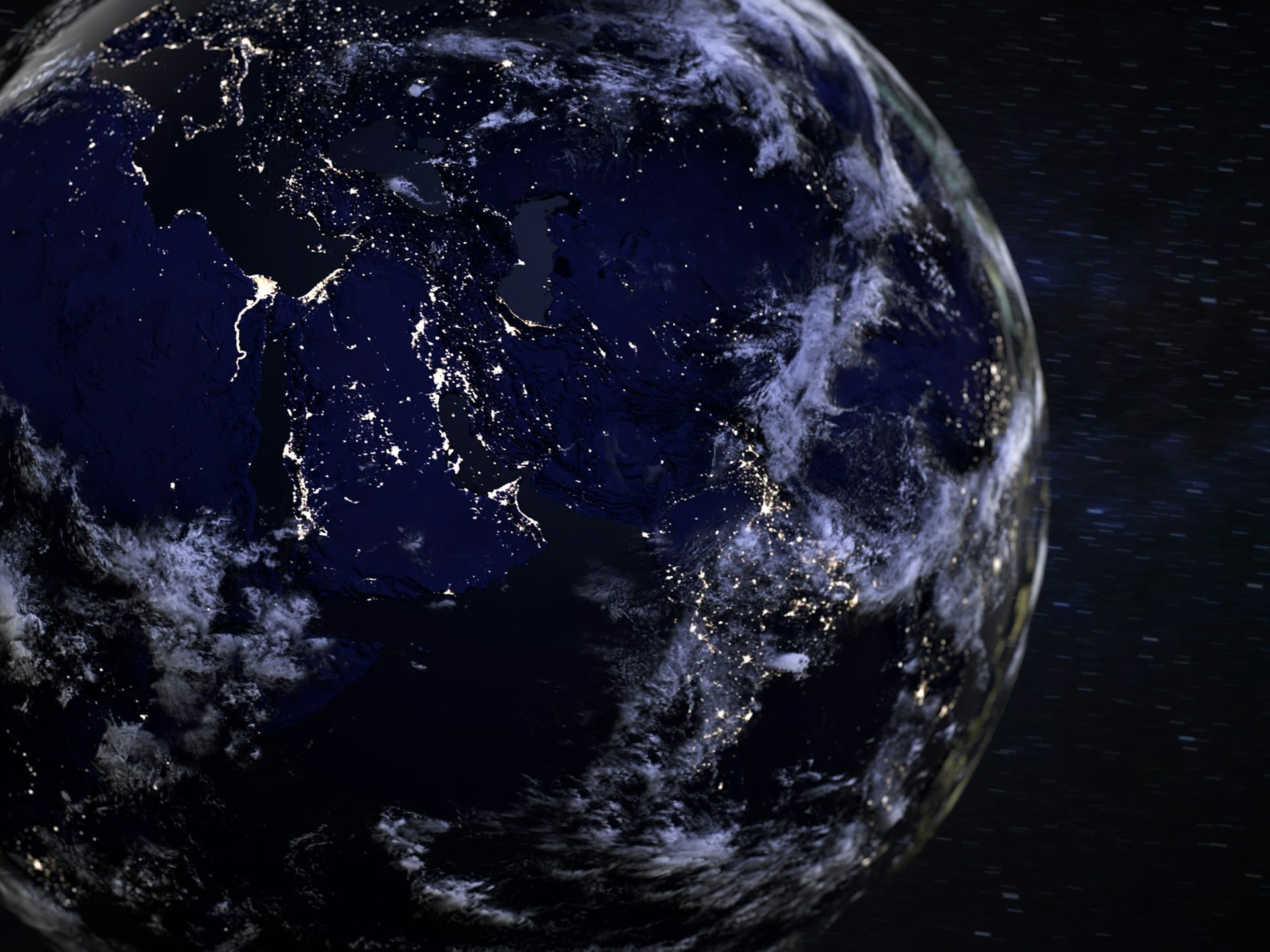
Earth gives off a soft light called airglow.
It’s caused by chemical reactions high up in the atmosphere, especially at night.
You can sometimes see it from space as a thin green or red line along the edge of the planet.
It’s not bright, but it’s there.
The moon’s gravity affects more than just tides
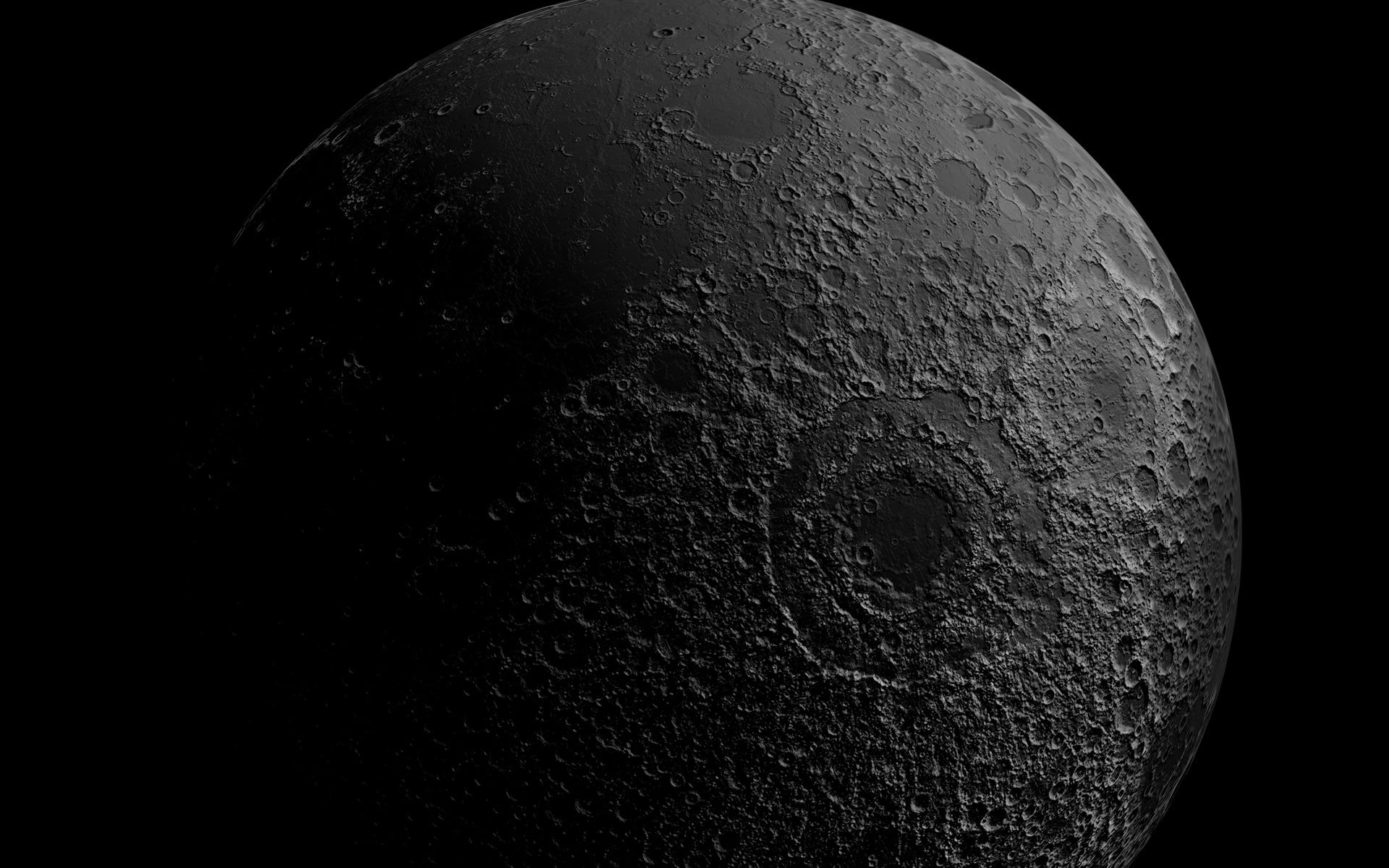
Most people know the moon causes ocean tides.
But its pull also affects the ground itself.
The land on Earth rises and falls slightly each day because of lunar gravity.
It’s called Earth tide, and it happens all the time without anyone feeling it.
Plants can “hear” water underground
Some studies suggest that plant roots can sense the sound of water moving in soil.
They grow toward the source even if there’s no moisture directly touching them.
It’s not hearing in the way animals do, but it’s a response to vibration.
Nature has more tricks than expected.
From ancient skies to future paths
For thousands of years, Earth and its moon have been guiding human life, even when people didn’t know how.
Farmers planted crops by moonlight.
Sailors trusted the stars and tides.
More from GMore from Go2Tutors!

- The Romanov Crown Jewels and Their Tragic Fate
- 17 Halloween Costumes Once Considered Taboo
- Famous Hoaxes That Fooled the World for Years
- 15 Child Stars with Tragic Adult Lives
- 16 Famous Jewelry Pieces in History
Like Go2Tutors’s content? Follow us on MSN.