Maps That Misled Explorers
For centuries, explorers set sail toward lands that never existed, climbed mountains that were never there, and searched for islands that turned out to be nothing but open ocean.
Maps were supposed to guide people safely through unknown territories, but sometimes they did the exact opposite.
These weren’t just minor mistakes like getting a coastline slightly wrong—we’re talking about entire mountain ranges, massive islands, and continents that appeared on official charts for decades or even centuries.
Some errors came from honest misunderstandings, while others were straight-up lies designed to secure funding or fame.
The consequences were real.
Expeditions wasted years chasing phantoms, ships changed course to avoid non-existent dangers.
and international disputes erupted over imaginary territory.
Here is a list of 16 maps that sent explorers on wild goose chases across the globe.
California as an Island
Perhaps the most famous cartographic blunder in history, California appeared as an island on maps starting in 1622 and stuck around until 1747.
Spanish explorers had actually proven it was a peninsula back in 1539, but the island version made a comeback in the 17th century anyway.
A 1510 Spanish romance novel called Las Sergas de Esplandián described California as an earthly paradise populated by warrior women, which probably influenced the myth.
The mistake became so widespread that King Ferdinand VI of Spain had to issue an official decree in 1747 stating that California was not, in fact, an island.
Rupes Nigra
Gerardus Mercator’s famous 1569 world map showed something pretty wild at the North Pole—a massive magnetic mountain called Rupes Nigra, or Black Rock.
According to the map, this 33-mile-wide island of magnetic black stone sat at the center of the Arctic, surrounded by four separate landmasses and a giant whirlpool where the ocean poured into the Earth.
Mercator based this on a lost 14th-century book called Inventio Fortunata, which supposedly described a friar’s journey to the Arctic.
He even described the Arctic layout in detail in a 1577 letter to John Dee.
Since nobody could actually get to the North Pole to check, this depiction influenced maps well into the 17th century and gave explorers a completely false picture of what they’d find up there.
Frisland

An entire island larger than Ireland appeared on virtually every map of the North Atlantic from the 1560s through the 1660s.
Frisland was supposedly based on the Zeno brothers’ voyages, but the narrative was likely a 16th-century fabrication published in 1558 rather than an actual 14th-century account.
The island showed up south of Iceland with detailed coastlines, surrounding smaller islands, and even inland towns marked on it.
English explorer Martin Frobisher claimed he’d landed there in the 1570s and declared it English territory in the name of Queen Elizabeth.
The island looked so legitimate with all its details that other cartographers kept copying it onto their maps.
Only after English and French explorers thoroughly charted the North Atlantic did Frisland finally disappear from the record.
Bermeja Island
This mysterious Mexican island first appeared on Alonso de Santa Cruz’s 1539 map and stuck around for nearly 500 years.
Named Bermeja because it supposedly appeared reddish in color, the 31-square-mile island showed up on Spanish maps for centuries without anyone paying much attention to it.
That changed in the 1980s when Mexico realized the island sat right in the middle of valuable oil territory in the Gulf of Mexico.
The Mexican government sent multiple expeditions to find and claim it, but ship after ship found nothing but empty ocean.
In 2009, a UNAM expedition finally confirmed that Bermeja had never existed at all, though some conspiracy theorists still claim it was deliberately destroyed.
Sandy Island
Sandy Island managed to fool mapmakers all the way into the digital age.
First recorded by a whaling ship in 1876 and appearing on British Admiralty charts by 1908, this supposed island near New Caledonia was about the size of Manhattan.
It even showed up on Google Maps and Google Earth as a black polygon.
The error got locked into digital databases when old paper charts were converted to computer formats, and nobody bothered to verify it actually existed.
In 2012, Australian scientists aboard a research vessel sailed to its coordinates and found nothing but ocean over 4,000 feet deep.
Google removed it from their maps within days, but the fact that a phantom island persisted on modern digital maps for so long shows how easily old mistakes get passed along.
Crocker Land
Arctic explorer Robert Peary reported spotting a huge landmass from Ellesmere Island in 1906, claiming he could see snow-covered summits of distant land about 130 miles away.
He named it Crocker Land after one of his financial backers, George Crocker, probably hoping to secure more funding for future expeditions.
There was just one problem—Peary’s own diary from that day explicitly stated that no land was visible, suggesting he made the whole thing up.
The 1913-1917 Crocker Land Expedition went searching for it and confirmed that it was nothing more than a mirage.
His rival Frederick Cook later claimed to have seen his own phantom landmass nearby, which he called Bradley Land.
Mountains of Kong
Imagine an entire mountain range that never existed getting drawn on maps for 90 years.
That’s exactly what happened with the Mountains of Kong, which first appeared on English cartographer James Rennell’s 1798 map of Africa.
These mountains supposedly stretched across West Africa from Guinea all the way to the equally fictional Mountains of the Moon in Central Africa.
Multiple explorers claimed to have written about them in their travel accounts, possibly because admitting they couldn’t find a major landmark would have been embarrassing.
French explorer Louis-Gustave Binger finally proved they didn’t exist by 1889 during his expedition to chart the Niger River, though honestly the fact that the Niger flowed from north to south right through where the mountains were supposed to be should have been a clue.
Terra Australis
For centuries, mapmakers believed there had to be a massive southern continent to balance out all the land in the Northern Hemisphere.
This hypothetical landmass called Terra Australis appeared on maps from the 15th through 18th centuries, usually depicted as far larger than Antarctica actually is.
Greek philosopher Aristotle had theorized about it back in the 4th century BC, and the idea just stuck around.
When Portuguese explorer Ferdinand Magellan spotted land across from South America’s southern tip in 1520, he thought he’d found it.
One 18th-century estimate claimed Terra Australis probably had over 50 million inhabitants. Captain James
Cook’s voyages in the 1770s finally disproved the existence of a large habitable southern continent.
Like Go2Tutors’s content? Follow us on MSN.
Lake Chiamay
Southeast Asian maps once showed a mythical lake called Chiamay that supposedly served as the source for five major river systems in the region—the Dharla, Irrawaddy, Mekong, Chao Phraya, and Brahmaputra.
This made for a tidy explanation of regional geography, except that no such lake existed.
The idea probably came from travelers’ tales getting mixed up with wishful thinking about how rivers ought to work.
Cartographers copied it from map to map without anyone actually checking if there was a massive lake sitting in the middle of Southeast Asia.
The phantom lake appeared on maps as late as 1865, though by then most geographers had serious doubts about its existence.
Niger River Flowing the Wrong Way
European mapmakers spent centuries showing the Niger River flowing in completely wrong directions because nobody from Europe had actually seen it.
Ancient Greek and Roman sources described a river called the Nigris in West Africa, and medieval cartographers ran with that limited information.
Some maps showed the Niger flowing east into inland lakes, others connected it to the Nile, and some had it going underground partway through.
The river’s actual course is pretty weird—it starts just 150 miles from the Atlantic Ocean but flows northeast into the Sahara before making a sharp turn southeast to eventually reach the ocean.
Mungo Park’s expeditions from 1796 to 1806 started unraveling the mystery, and Richard and John Lander finally mapped its true course in 1830.
Isle of Demons
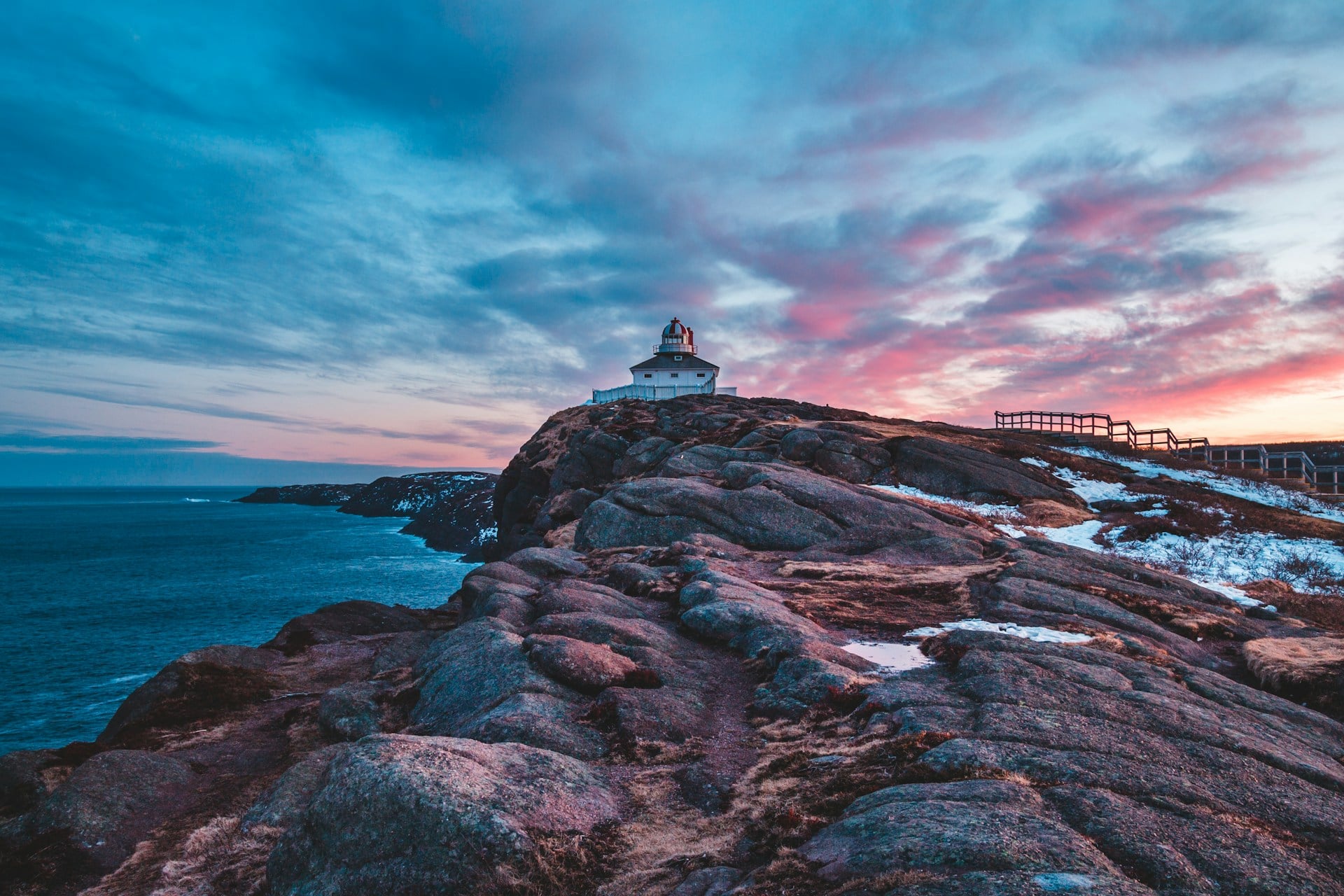
Maps from the 16th and 17th centuries showed a terrifying island near Newfoundland that was supposedly overrun with demons, ghosts, and other supernatural creatures.
The island appeared on numerous charts with names like Isla de Demonios or Isle of Demons, and sailors genuinely feared it.
From 1542 to 1544, a French noblewoman named Marguerite de La Rocque was actually marooned there for two years as punishment for having an affair during a voyage.
The island she survived on was most likely Quirpon Island or Fichot Island off Newfoundland, real locations that later got less frightening French names.
The demon reputation probably came from local legends combined with the harsh conditions and strange sounds that can occur in that region.
Antillia
One of the most legendary phantom islands, Antillia appeared on maps as early as the 1424 Portolan Chart of Zuane Pizzigano as a large rectangular island somewhere in the Atlantic.
Early nautical charts showed it alongside a smaller companion island called Roillo, and it stuck around on maps throughout much of the Age of Exploration.
The island became wrapped up in various legends and theories, with some people thinking it might be related to Atlantis or represent lands discovered by refugees fleeing the Moorish conquest of Iberia.
As Atlantic navigation improved after 1492, Antillia gradually faded from maps when repeated voyages found no trace of it, disappearing by the late 16th century.
Pepys Island
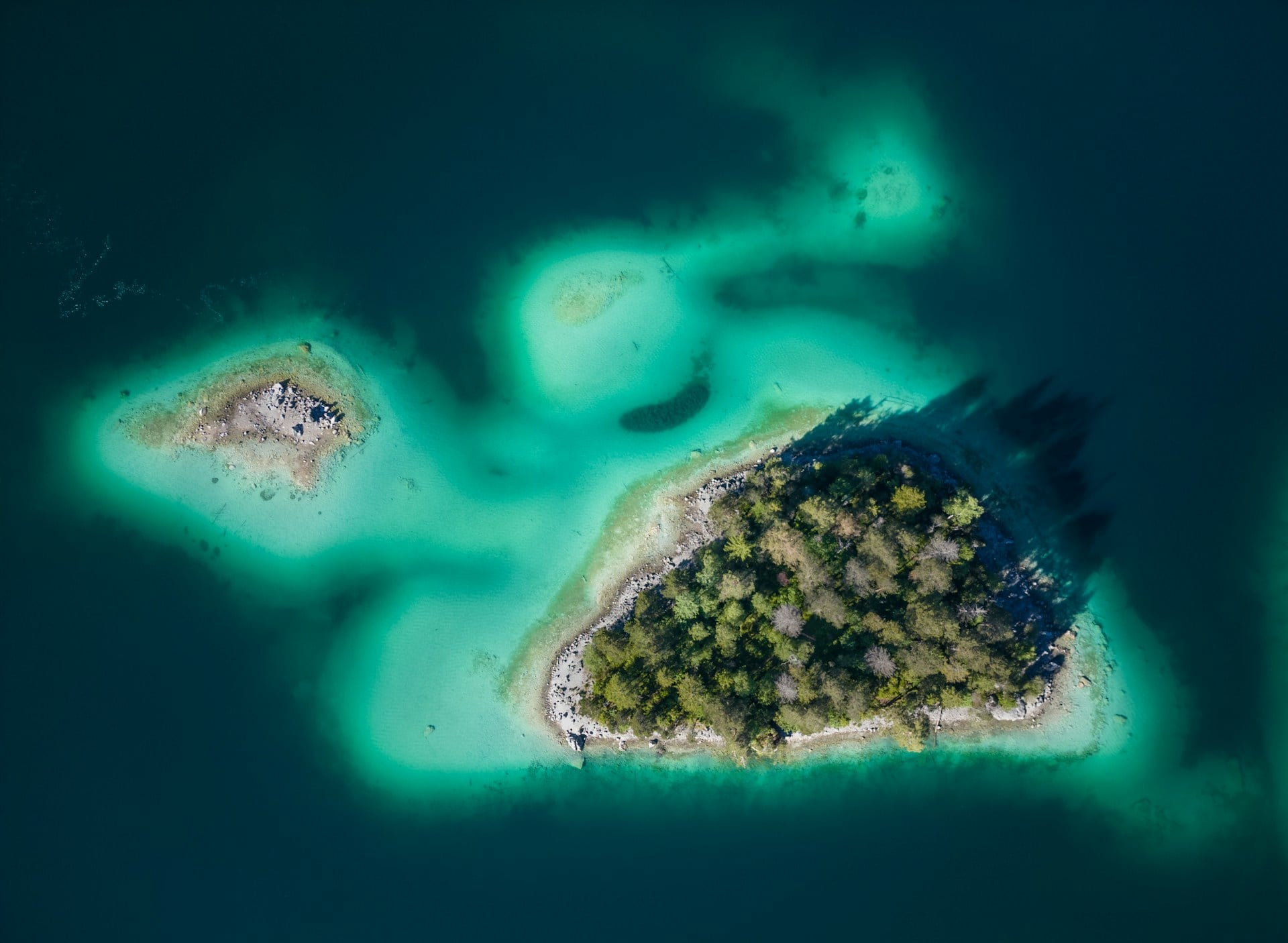
Named after an alleged sighting in 1699 by Captain William Ambrose Cowie, Pepys Island appeared on maps of the South Atlantic for over a century.
It was supposedly located north of the Falkland Islands and was included on Edmund Halley’s 1701 chart along with multiple 18th-century nautical charts as a real navigation point.
Ships would adjust their routes to account for this island that showed up on their official charts.
Later investigations suggested that Pepys Island was probably just a misidentification of the Falkland Islands themselves, seen from an unusual angle or under strange weather conditions that made them appear to be in a different location.
Aurora Islands
The South Atlantic got another set of phantom islands with the Aurora Islands, supposedly first spotted by the ship Aurora in 1762 and then reported multiple times until the mid-19th century.
Spanish nautical charts marked them between South Georgia and the South Sandwich Islands, and they appeared on various maps throughout this period.
Spain officially charted them as late as 1861 before they were finally declared nonexistent.
Explorers who went looking for them found nothing but empty ocean.
These phantom islands were most likely mirages, misidentified icebergs, or perhaps optical illusions caused by unusual atmospheric conditions common in those frigid southern waters.
Lake Apalachy

Dutch cartographer Jodocus Hondius mistakenly added a large non-existent lake to his 1606 map Americae Septentrionalis Pars, placing it smack in the middle of what would become the Carolinas.
He called it Apalache Lacus, and other mapmakers dutifully copied this error for decades.
In 1669, explorer John Lederer even claimed to have visited the lake, reporting that its water was brackish and calling it Lake Ushery.
The phantom lake appeared on maps well into the 18th century before finally being removed.
Interestingly, two real lakes—Lakes Moultrie and Marion—were eventually created in a similar location in the 1940s, but those required building dams rather than just showing up naturally.
Hy-Brasil

West of Ireland on maps from the 14th through 17th centuries sat the mysterious island of Hy-Brasil, shrouded in legend and supposedly visible only once every seven years.
Various spellings appeared on different maps—Bracile, Insula de Brasil, Brasil—and it showed up on portolan charts and respected atlases alike.
The island became wrapped up in Celtic mythology and tales of an advanced civilization or earthly paradise.
Expeditions occasionally set out to find it, but like so many phantom islands, it turned out to be nothing more than folklore or optical illusions.
It appeared on Admiralty charts as late as 1865, and some believe the legend may have been inspired by Porcupine Bank, a real undersea rise west of Ireland.
When Paper Dreams Met Reality
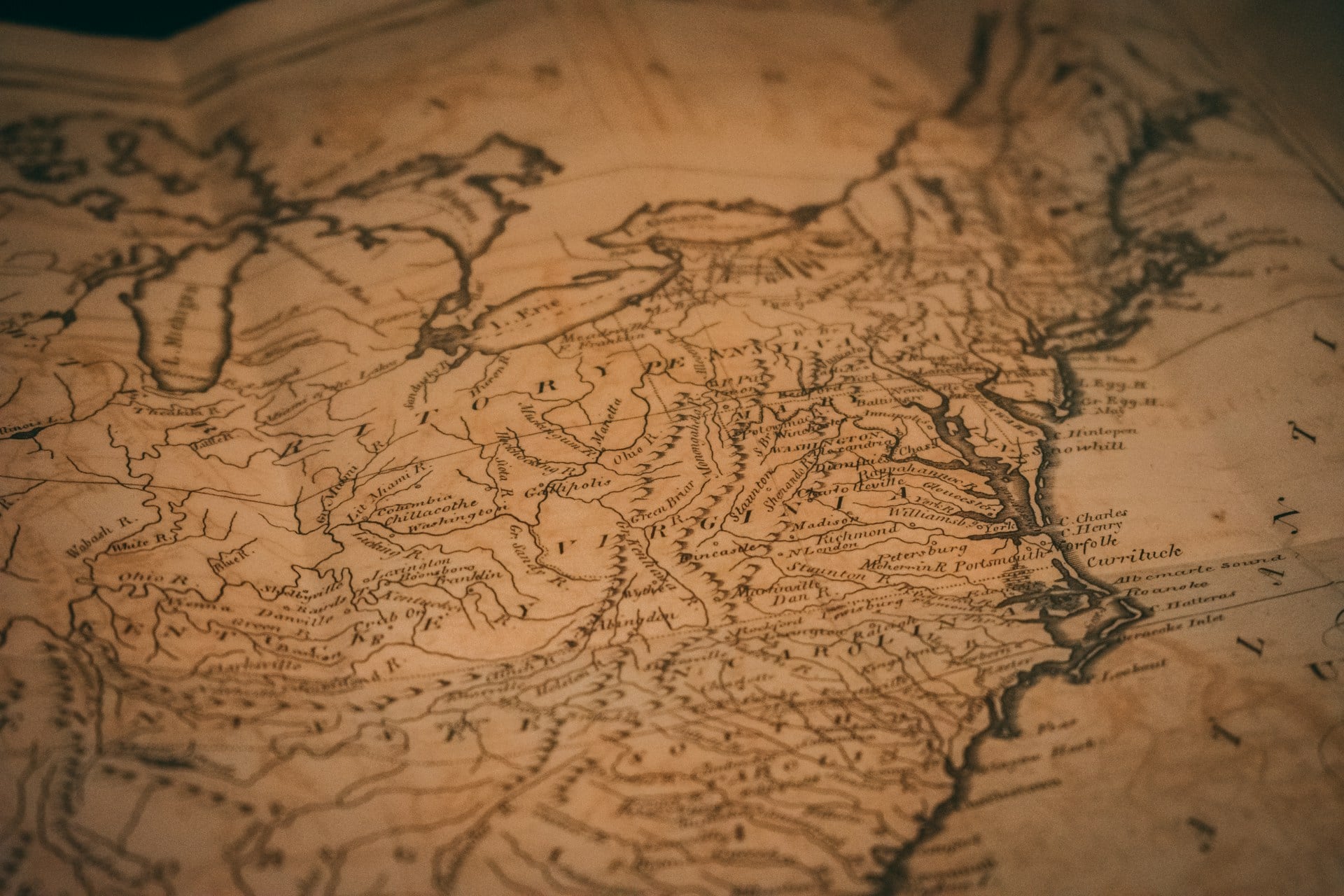
The pattern across all these mapping mistakes is pretty clear—errors got copied from map to map, sometimes for centuries, because verification was nearly impossible.
An explorer would report seeing something, a cartographer would dutifully add it to a map, and future mapmakers would copy it without question because challenging an established map was risky business.
Some phantoms came from honest mistakes like mirages or pumice rafts that looked like land from a distance.
Others were deliberate inventions by explorers desperate for funding or fame.
Either way, these mapping errors show that even our most trusted sources of information can be dead wrong, and sometimes the bravest thing an explorer can do is admit that something everyone believes in simply doesn’t exist.
MoMore from Go2Tutors!

- The Romanov Crown Jewels and Their Tragic Fate
- 17 Halloween Costumes Once Considered Taboo
- Famous Hoaxes That Fooled the World for Years
- 15 Child Stars with Tragic Adult Lives
- 16 Famous Jewelry Pieces in History
Like Go2Tutors’s content? Follow us on MSN.