Women Who Made Notable Scientific Progress
Progress in science gets shown as a clean path of breakthroughs, each one tied to a name and wrapped up in clear answers. Years down the line, some flashes of understanding finally click into place – after false steps and changes along the way.
Quietly, many women helped move things forward, even when nobody assumed they’d take charge or come up with something new. From physics to biology, their work pushed past old limits, changed methods step by step, yet questioned long-held beliefs too often left untouched.
What they built remains active today – not as distant echoes, but as quiet pillars holding up fresh discoveries now.
Marie Curie
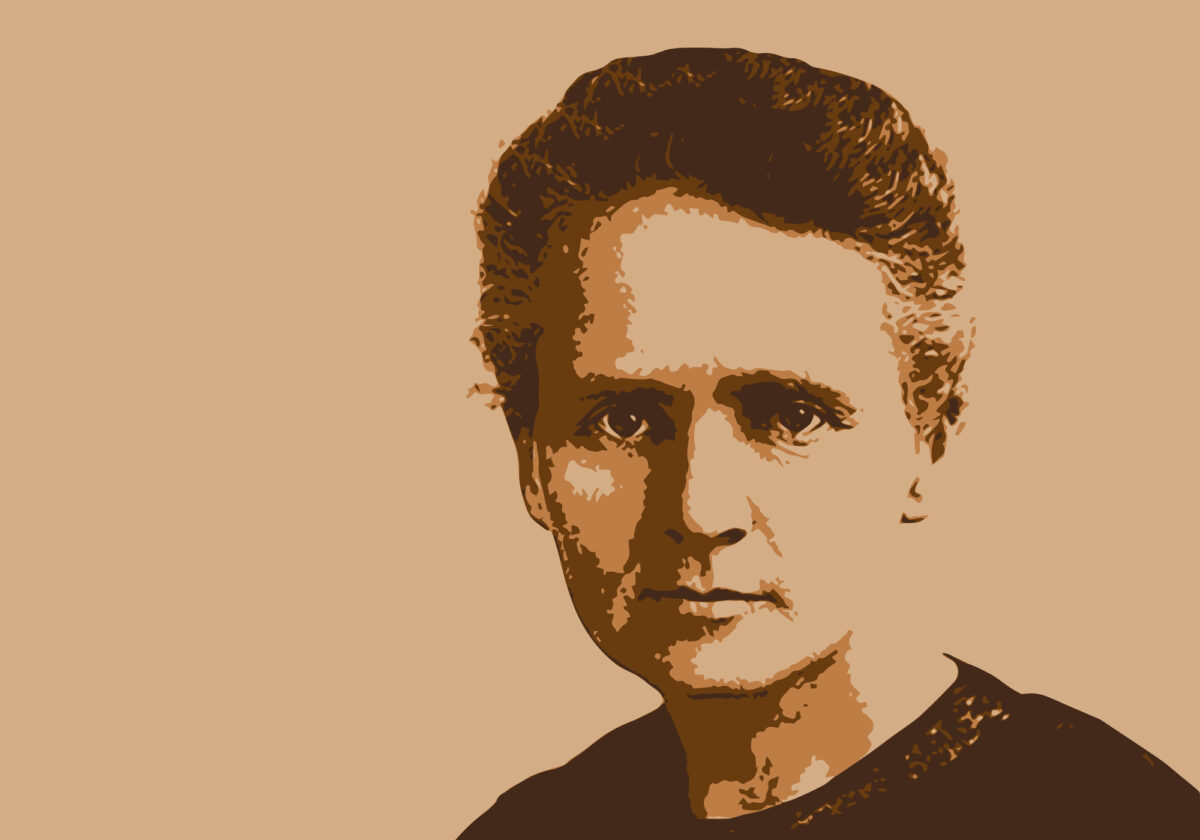
From her lab came proof that changed how we see the building blocks of everything. Atoms, once thought still and unchanging, were shown to burst with hidden activity. Because of her studies into radiation, science had to rethink what particles actually do.
New paths opened up across two major fields – without loud announcements, just evidence. Still, Curie’s impact reached far past lab walls.
Right from the start, she saw science as tied to real-world duty. When war broke out in 1914, mobile units fitted with X-ray machines began rolling across France, guided by her efforts.
Doctors used these tools to find wounds faster, treat soldiers with better precision. Knowledge once confined to theory now worked inside field hospitals, shaping care on the ground.
Few have matched her blend of breakthroughs, hands-on use, purposeful action – woven into one life’s work.
Ada Lovelace
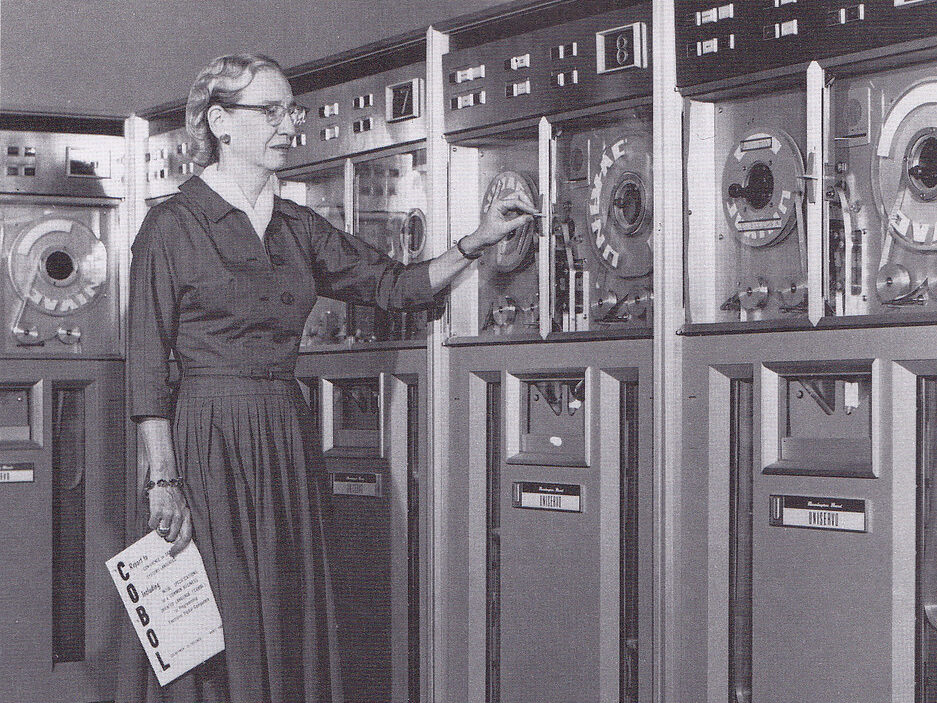
Thoughts moved faster than gears for Ada Lovelace. Inside Babbage’s Analytical Engine plans, she spotted a rhythm.
One operation after another, strung like beads by her insight. Her way of sequencing tasks later became what we call programming logic.
Machines followed only when minds had already led. Still, what stuck was her way of seeing machines.
Not just tools for numbers, but as things able to shape patterns, handle symbols, even produce ideas. Because of this view, computing leapt ahead long before its time.
Software today, how we study data, digital frameworks – each carries traces of that early insight. Her thinking wasn’t guesswork; it became bedrock.
Rosalind Franklin
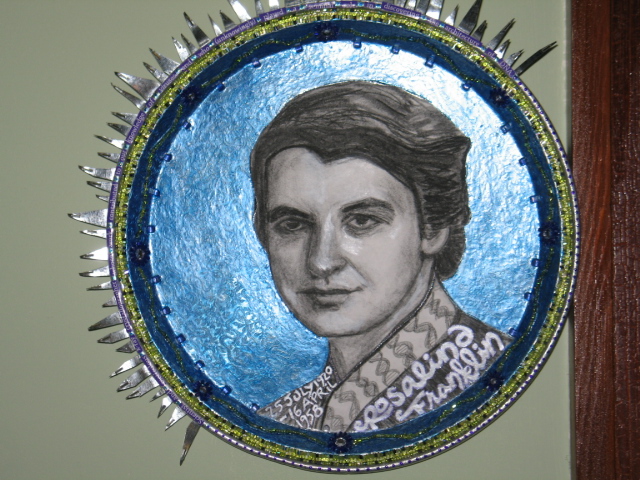
Rosalind Franklin’s approach to science was defined by precision and restraint. Through meticulous X-ray diffraction work, she produced images that revealed the structural arrangement of DNA with exceptional clarity.
These findings offered concrete evidence that guided the understanding of how genetic material was organised. Still, Franklin’s career was not limited to a single discovery.
She conducted influential research on viruses and complex molecular systems, refining experimental techniques and insisting on rigorous standards of evidence. Her insistence on accuracy over assumption continues to influence molecular biology today.
Modern genetic research relies on the methodological discipline she exemplified, even when her contributions went unrecognised at the time.
Chien-Shiung Wu
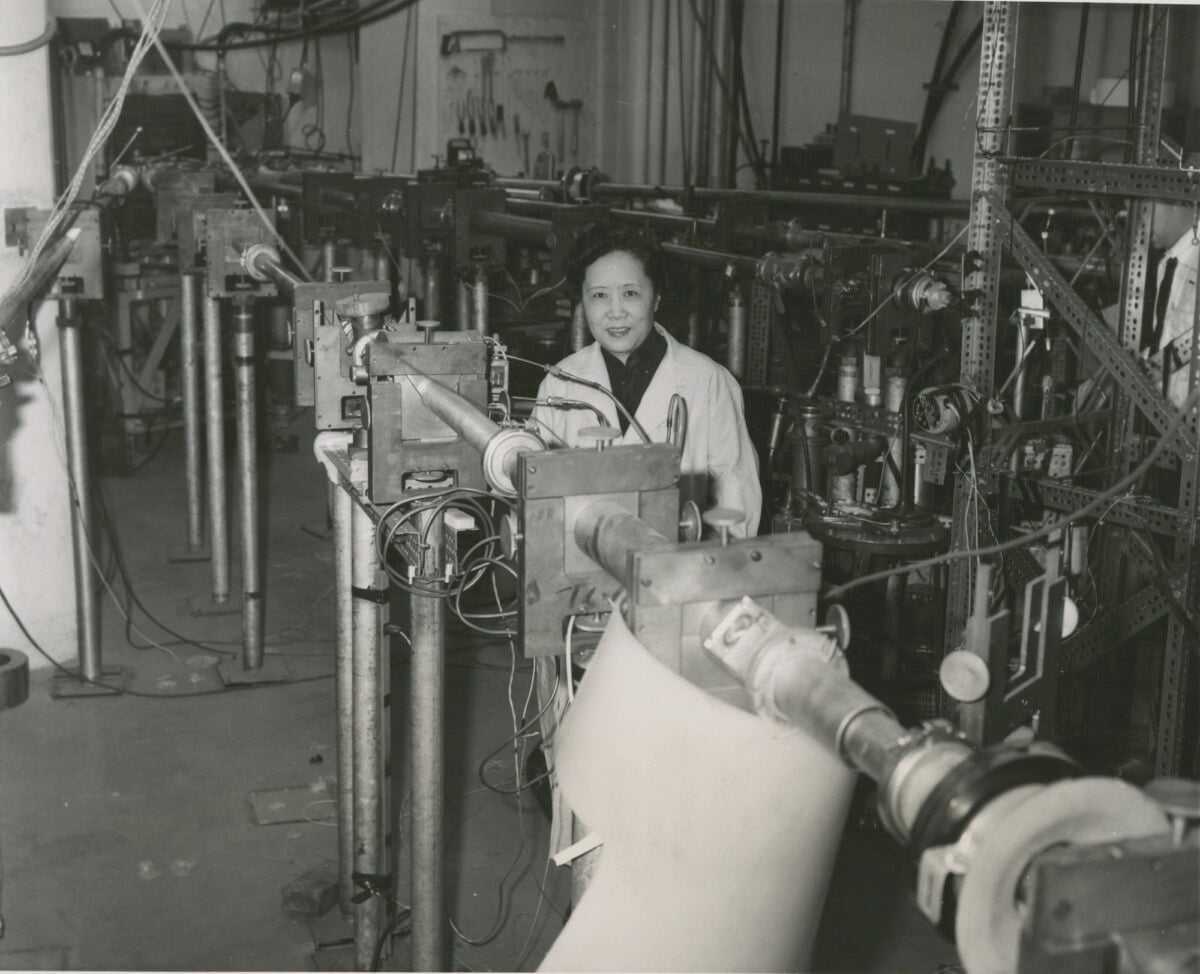
Chien-Shiung Wu played a decisive role in reshaping particle physics through experimentation. Her work demonstrated that certain subatomic interactions violated assumed symmetry, directly contradicting a principle that had been widely accepted.
This finding forced physicists to reconsider fundamental beliefs about how particles behave. On the other hand, the distribution of recognition highlighted how experimental work was often undervalued.
While theoretical explanations received public acclaim, Wu’s experimental confirmation was frequently treated as supporting evidence rather than a breakthrough in its own right. Beyond this discovery, she contributed to nuclear physics research and education, reinforcing the essential role of empirical testing in scientific advancement.
Jane Goodall

Jane Goodall reshaped biological research by changing how animals were studied in their natural environments. Instead of relying on brief observational windows, she committed to long-term fieldwork, documenting the social lives of chimpanzees over many years.
Her findings revealed complex behaviors previously thought to be uniquely human. That said, Goodall’s influence extended into how science communicates with the public.
By presenting her findings accessibly, she bridged the gap between academic research and everyday understanding. Her work helped reframe conservation as a responsibility grounded in observation rather than abstraction.
Environmental science and behavioral research continue to draw on the methods and insights she introduced.
Katherine Johnson
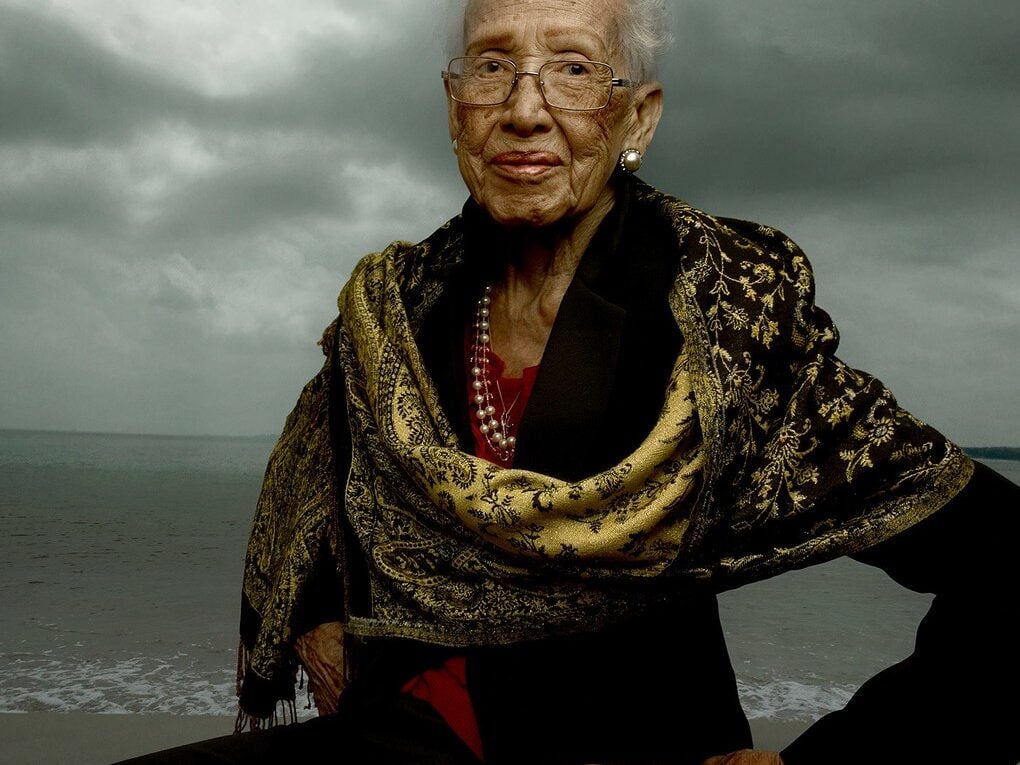
A mind sharp with numbers, Katherine Johnson shaped key moments in early space travel. From her desk, exact routes took form – when rockets should rise, how they’d arc through sky, where they’d return.
Machines offered answers, yet hers were the ones checked twice. Safety hung on precision, especially when mistakes could not be spared.
Still, nobody noticed Johnson’s work for a long time. From the shadows, she showed how math could slip into major breakthroughs without fanfare.
Missions soared because her calculations held firm, proving precision can anchor bold innovation. What she built still guides the way intricate operations come together and get checked.
Lise Meitner
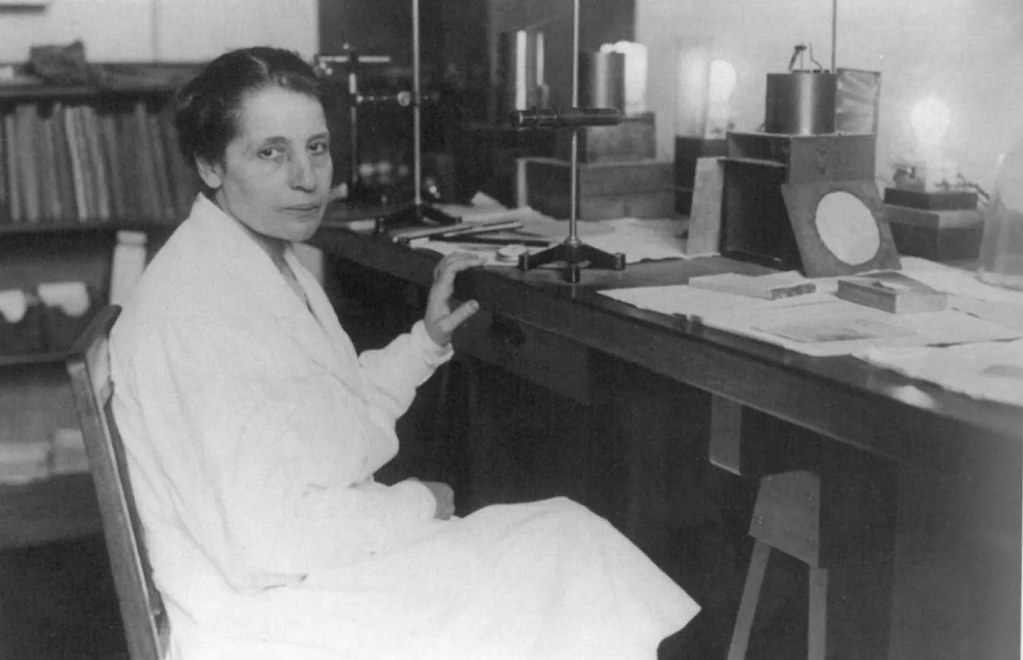
Splitting atoms became clearer because of Lise Meitner’s thinking. Though she did not touch lab equipment, her mind shaped raw data into meaning.
When others saw confusion, she saw a pattern unfold. Energy bursts made sense only after her ideas arrived.
A quiet shift happened in science, one built on insight, not noise. What was once invisible now had form.
Her presence changed everything without a loud announcement. Even so, Meitner never lost sight of what science meant for society.
Later on, she talked plainly about duty in research – especially once discoveries might shift toward harm instead of peace. From her view came a quiet insistence: progress without conscience risks more than it gains.
Knowing how things work brings weight, she showed – not just wonder.
Why this progress still shapes the present

Still today, discoveries made by these women shape how we live. From scanning bodies to decoding DNA, their ideas run beneath it all.
Computers do not think without foundations they laid. Protecting nature leans on insights they uncovered long ago.
Even rockets tracing orbits follow paths they helped map. What they built is not locked in the past – it powers labs right now.
It sticks around because they push ideas further while changing how work gets done. Because of steady effort, clear thinking, one by one tossing out guesses without proof, the whole rhythm of science shifted.
What remains shows up in today’s rules, instruments, curiosity – still pointing toward what comes next.
More from Go2Tutors!

- The Romanov Crown Jewels and Their Tragic Fate
- 13 Historical Mysteries That Science Still Can’t Solve
- Famous Hoaxes That Fooled the World for Years
- 15 Child Stars with Tragic Adult Lives
- 16 Famous Jewelry Pieces in History
Like Go2Tutors’s content? Follow us on MSN.



